Advice
Nutrition and Hay Needs for Rabbits and Guinea Pigs
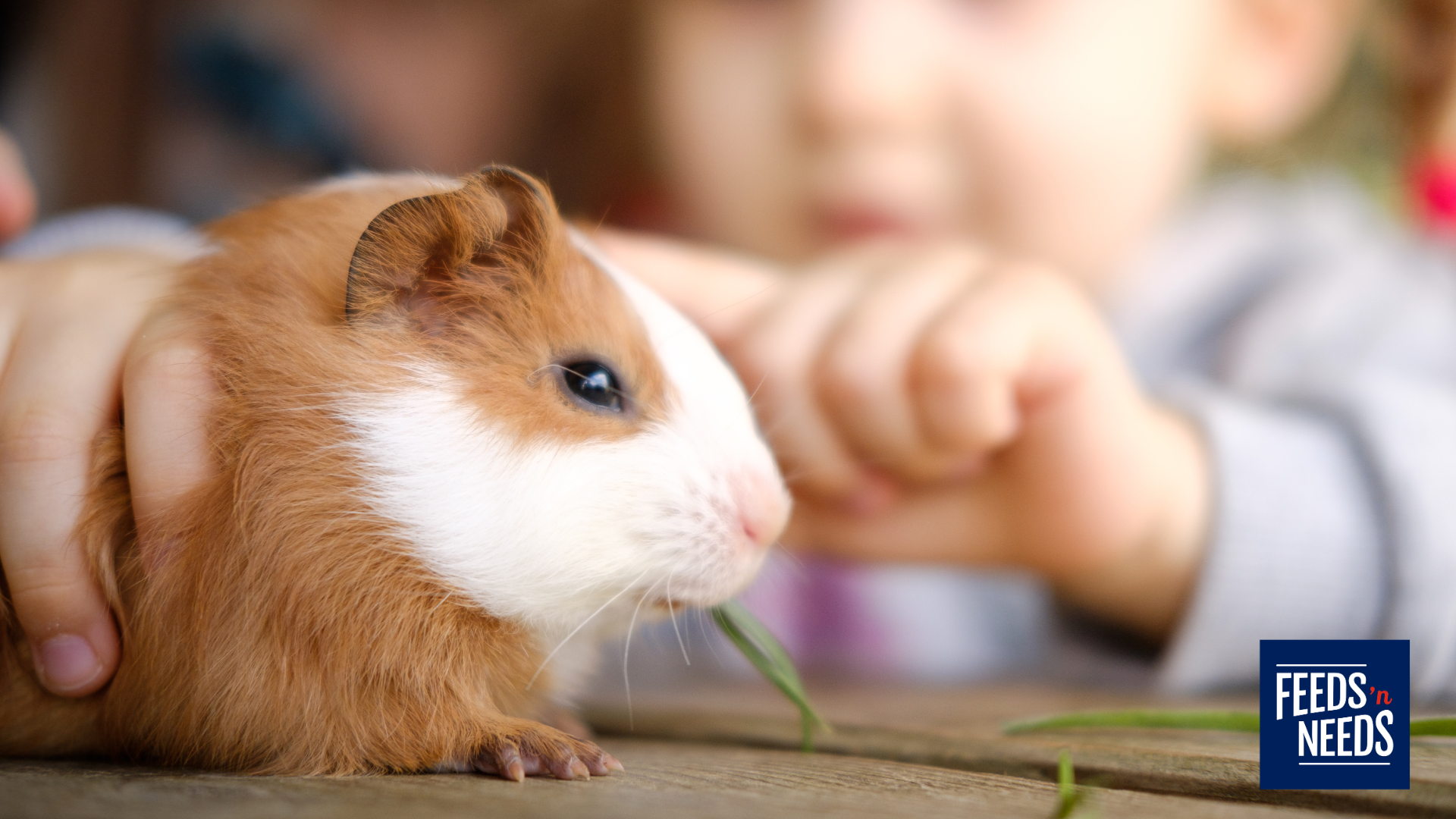
12 October 2026 +Timothy hay is a widely used grass hay with a balance of fibre, leaves and stems. Its texture encourages chewing and foraging, making it a ...

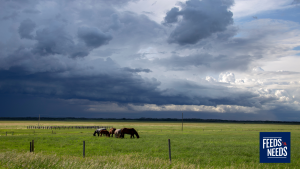
Hurricane season can bring powerful winds, storm surge, prolonged power outages and sudden flooding to farms across Nova Scotia, New Brunswick and Prince Edward Island. For livestock owners, equestrians and small-scale farmers, waiting until a storm is approaching can leave too little time to safely move animals, secure buildings or gather essential supplies.
A practical farm hurricane preparedness plan can reduce confusion, protect livestock and help your operation recover faster. Whether you care for horses, cattle, sheep, goats, pigs, poultry or a mixed backyard flock, preparation should begin well before the first warning is issued.
Maritime weather can change quickly.
A hurricane or post-tropical storm may produce several hazards at once:
Every property has different risks. Begin by identifying low-lying fields, waterways, weak structures, aging trees, flood-prone roads, and areas where animals could become trapped.
Agriculture and Agri-Food Canada recommend maintaining a written emergency plan, farm map, livestock inventory, animal identification information and records of feed, equipment, hazardous materials and vaccinations. Review its emergency-planning guidance for producers here: Emergency planning is for producers too – agriculture.canada.ca
Decide in advance whether your animals will shelter on the farm or evacuate. This decision may depend on the storm’s projected path, local flood risk, road conditions, available transportation, and the strength of your buildings.
Your plan should answer the following questions:
Never wait until water is rising or winds are severe to begin moving livestock. Trailers can become unsafe in strong crosswinds, and flooded roads may conceal washouts, debris, or damaged culverts. Follow instructions from local emergency officials and never drive through floodwater.
Practice loading animals before hurricane season; An emergency is not the time to introduce a horse, cow, sheep or goat to a trailer for the first time.
Prepare halters, leads and handling equipment
Reliable handling equipment can make evacuation faster and safer. Keep emergency supplies together in a clearly marked, easily accessible location—not buried at the back of a tack room or locked inside a building that could become unsafe.
For horses and suitable livestock, prepare:
Inspect every halter before storm season. Look for frayed webbing, stretched holes, rusted hardware, loose stitching and damaged snaps. Buckles should fasten securely, and the halter should fit closely enough that it cannot easily slip off without restricting breathing or movement.
Label halters and lead ropes with the owner’s name, phone number and the animal’s identification. Waterproof luggage tags, livestock markers or securely attached identification tags can help reunite an animal with its owner if fences fail or animals are displaced.
Do not leave an ordinary halter on an unattended animal unless your emergency plan specifically requires it and it can be done safely. Halters may catch on fencing, branches or barn hardware. Stage fitted halters where they can be reached quickly and consider breakaway options when appropriate. Ask your veterinarian or an experienced livestock professional for your species and setup.
Feeds’n Needs carries practical farm and stable essentials such as halters, lead ropes, ties, buckets, stable hooks and livestock-handling supplies to help owners prepare before severe weather arrives. Product availability may vary by store.
Visible identification is especially important when high winds or flooding can damage fences.
Depending on the species and provincial requirements, identification may include:
Keep current photos of horses and livestock, including distinguishing markings. Store digital and printed copies of ownership records, registration papers, health information, medications and vaccination records.
Maintain an updated list of animal numbers by species, pasture, and building. Ensure that another trusted person knows where the records are kept.
Flash flooding can rise quickly and cut off access to barns, pastures, and roads. Move animals away from flood-prone fields, riverbanks, drainage channels, and low-lying buildings before heavy rain begins.
Avoid locking animals inside a structure that is likely to flood. At the same time, do not release animals onto roads or unfamiliar land. The safest choice depends on the property, predicted conditions and available shelter, which is why planning with your veterinarian, municipality and local emergency officials is essential.
Before the storm:
After flooding, treat standing water, submerged feed and wet bedding as potentially contaminated. Do not allow livestock to drink from floodwater. Inspect wells and water systems and follow provincial guidance before resuming use if contamination is suspected. The Government of Canada advises residents to understand their local flood risk and follow directions from emergency responders and officials. Read Canada’s flood-preparedness guidance.
High winds can turn loose equipment into dangerous debris. Walk the property before the weather deteriorates and secure or move:
Inspect roofs, doors, windows and siding. Repair loose metal, damaged latches, and weak hinges. Store chemicals, medications and fuels in secure locations, following their handling and ventilation requirements.
Remove dead branches where it is safe to do so but leave major tree work to qualified professionals. Identify large trees that could fall across barns, fences, power lines, or evacuation routes.
A hurricane can disrupt deliveries and electricity for several days. Maintain an emergency supply of feed, forage, bedding, and water based on the needs of your animals and the realistic length of a local outage.
Store feed in waterproof, animal-resistant containers. Keep bagged products on pallets or shelving and away from walls where moisture may enter. Inspect the hay-storage area for roof leaks, blocked drainage, and wind exposure.
Discard feed or hay that has been contaminated by floodwater, fuel, chemicals, mould or sewage. When in doubt, consult your veterinarian, feed specialist or provincial agriculture authority before feeding it.
Water planning is equally important. Calculate how much your animals require each day, including extra water for cleaning and heat. Fill approved water containers before the storm and keep buckets and tubs clean and ready.
If your farm relies on an electric well pump, establish a backup water plan. Generators must be operated outdoors and well away from doors, windows, barns and occupied spaces to prevent deadly carbon monoxide exposure. Never connect a generator to a building electrical system without approved transfer of equipment installed by a qualified electrician.
Keep supplies in waterproof, clearly marked containers that can be loaded quickly.
A livestock and small-farm emergency kit may include:
Check the kit at the beginning of hurricane season and replace expired medications, damaged equipment and dead batteries.
Keep printed and digital copies of contact information for:
Assign responsibilities to family members, employees, and neighbours. Everyone should know who monitors alerts, who handles each group of animals, who prepares the trailer, and who shuts down utilities if authorities advise doing so.
Wait for officials to confirm that it is safe before returning to an evacuated property. Watch for downed power lines, unstable buildings, sharp debris, washed-out ground and displaced wildlife.
Check animals for:
Contact your veterinarian if an animal is injured, behaving abnormally or may have consumed contaminated material.
Before returning livestock to a field, walk the entire fence line and inspect gates, posts, wire, water sources and footing. Photograph damage before beginning cleanup when it is safe, particularly for insurance records.
Atlantic Canadian farmers are accustomed to changing weather, but hurricanes and post-tropical storms can test even experienced operations. A written plan, safe evacuation route, reliable animal identification and well-maintained handling equipment can make a critical difference.
Visit your local Feeds’n Needs before severe weather arrives to prepare your farm emergency kit and stock up on available stable accessories, halters, lead ropes, buckets, hooks, livestock-handling supplies, feed and bedding.
Preparation protects more than property, it protects the animals and people who depend on your farm.

Timothy hay is a widely used grass hay with a balance of fibre, leaves and stems. Its texture encourages chewing and foraging, making it a ...
Dormant grass is alive — the crowns and roots remain viable under snow and frozen soil Most winter lawn damage in the Maritimes is caused by ...
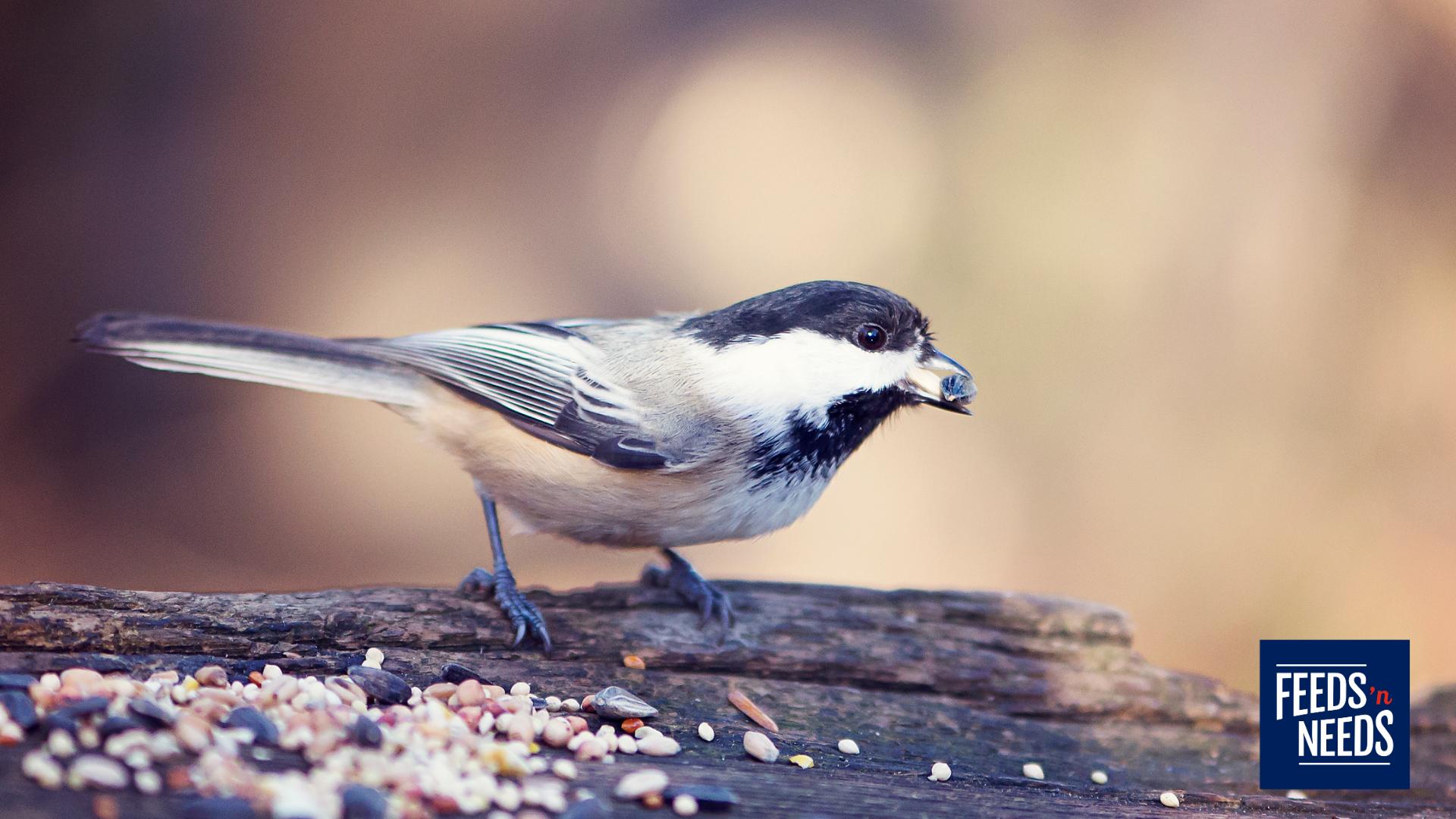
Black oil sunflower seed works well in: Tube feeders Hopper feeders Platform feeders Covered tray feeders Squirrel-resistant feeders Choose a feeder with drainage and enough protection to keep seed as dry ...
Whenever possible, store grain, pellets, supplements, pet food and birdseed in durable containers with tight-fitting lids. Metal containers are often the most resistant to chewing. Keep ...
Pastured cattle may encounter gastrointestinal roundworms, lungworms, lice, grubs and other internal or external parasites. Calves and yearlings are often more vulnerable than mature cattle ...
Healthy plant material can generally be added to a properly managed compost pile. Diseased or heavily infested plants require more caution. A typical backyard compost pile ...
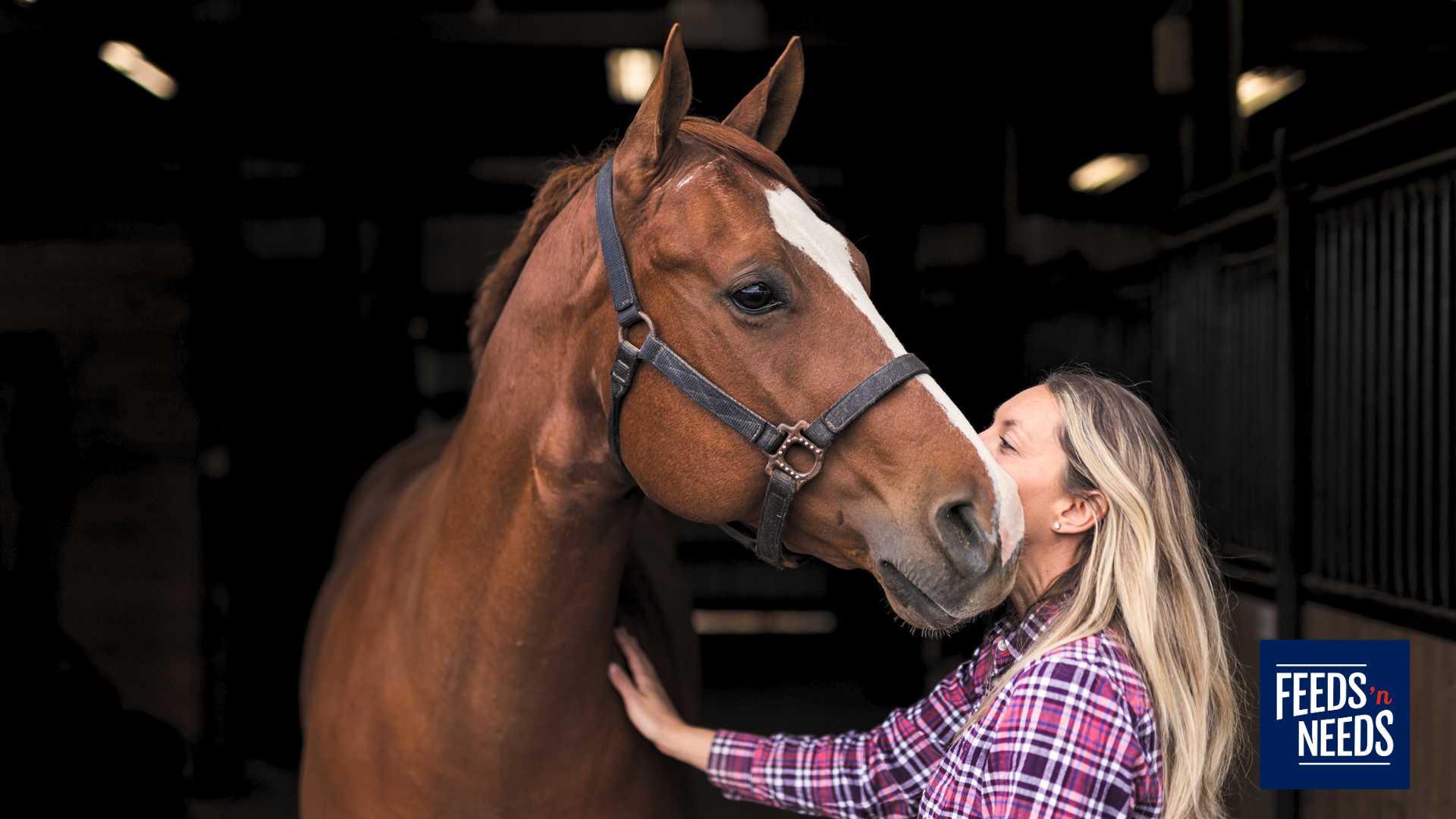
Pick manure from smaller paddocks, dry lots and high-traffic areas regularly. Pay particular attention to: Hay-feeding areas Gates and laneways Shelters Water sources Small sacrifice paddocks Winter turnout areas Feeds’n Needs carries ...
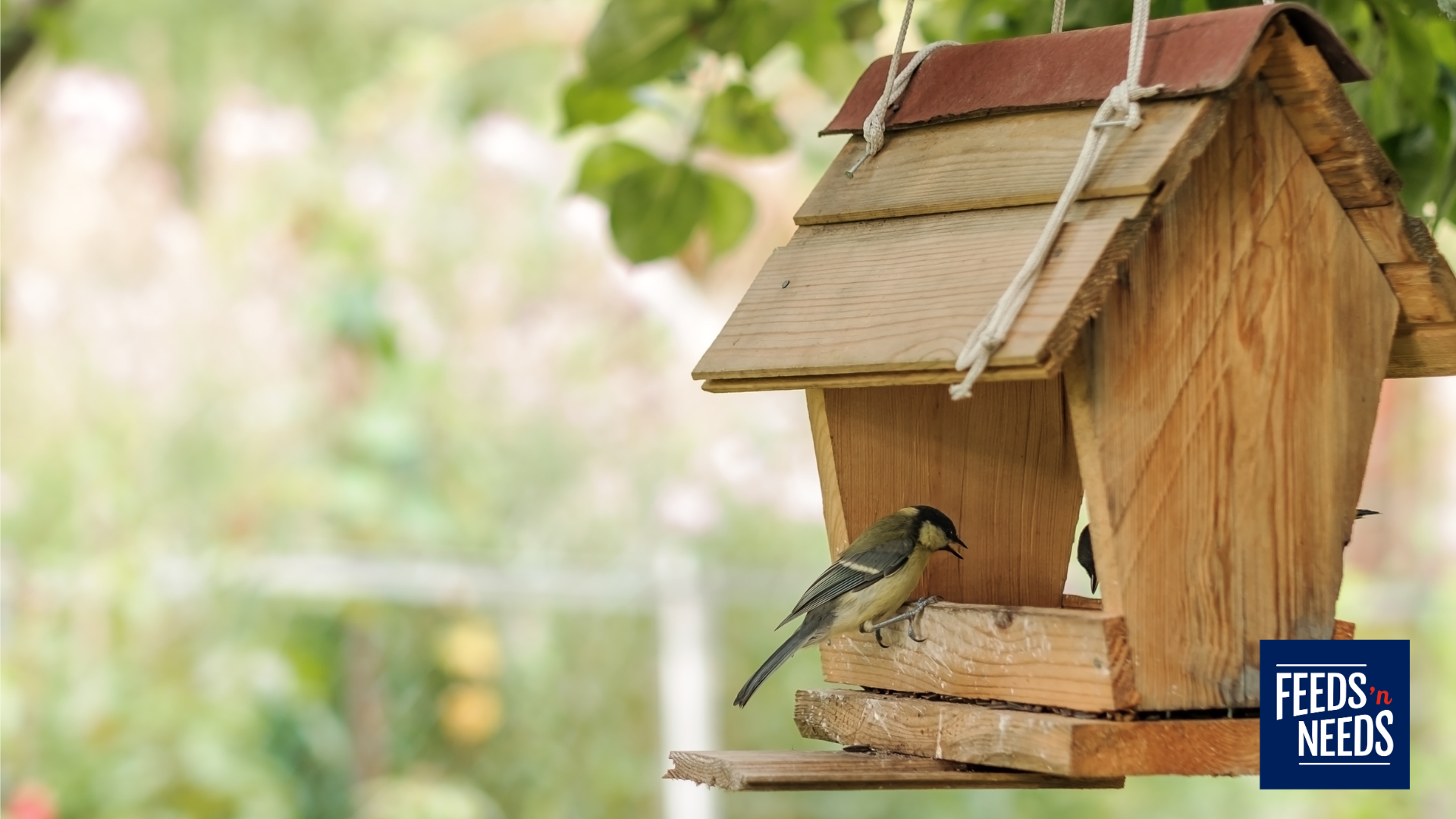
Black oil sunflower seed is one of the best all-around options for feeding backyard birds in Atlantic Canada. Its thin shell is easy for smaller ...
Fall is the single best time of year to overseed, aerate, fertilize, and lime Maritime lawns Cool-season grasses grow actively in fall — take advantage of ...


