Health
Nutrition and Hay Needs for Rabbits and Guinea Pigs
12 October 2026 +Timothy hay is a widely used grass hay with a balance of fibre, leaves and stems. Its texture encourages chewing and foraging, making it a ...

Rabbits and guinea pigs may be small, but their digestive and dental needs require careful daily attention. At the centre of a healthy diet for both species is one simple essential: unlimited access to quality hay.
Hay is more than bedding or an occasional snack. It provides the fibre needed to support normal digestion, encourages natural foraging behaviour and promotes the chewing action required to wear down continuously growing teeth. Pellets, fresh greens and safe chew products can complement the diet, but they should never replace good-quality hay.
Understanding the nutritional needs of rabbits and guinea pigs can help owners choose the right hay, feeders, pellets and enrichment products to support long-term health.
Rabbits and guinea pigs are herbivores with digestive systems designed to process fibrous plant material throughout the day. They naturally eat many small meals rather than one or two large servings.
Grass hay provides long-strand fibre that helps keep food moving normally through the gastrointestinal tract. When fibre intake falls, digestive movement may slow, increasing the risk of serious health problems.
Consistent access to hay helps support:
Hay should be fresh and available at all times, including overnight.
The digestive systems of rabbits and guinea pigs rely on fibre. Their gastrointestinal tracts contain beneficial microorganisms that help break down fibrous foods and make nutrients available.
A hay-first diet encourages normal digestive movement and supports this delicate microbial population. Diets that contain too little fibre or too many concentrated, sugary or starchy foods may disrupt the digestive system.
Pellets alone cannot provide the same physical fibre length, chewing time or foraging experience as hay. Even a nutritionally complete pellet should be offered as a measured addition to the diet—not as a replacement for unlimited grass hay.
Changes in appetite, stool size or stool frequency should always be taken seriously. A rabbit or guinea pig that stops eating, produces fewer droppings or appears uncomfortable requires prompt veterinary attention.
Rabbit and guinea pig teeth grow continuously. They need regular wear to remain at a functional length and alignment.
Hay promotes extended chewing with a natural side-to-side grinding motion. It is this repeated chewing action—not simply eating something hard—that supports dental wear.
When an animal does not eat enough hay, the teeth may not wear evenly. Dental problems can become painful and may interfere with eating, grooming and normal behaviour.
Possible signs of dental trouble include:
Dental disease cannot be corrected with chew toys alone. Any suspected dental problem should be assessed by a veterinarian experienced with rabbits and guinea pigs.
Healthy adult rabbits and guinea pigs generally need a grass-based hay as the foundation of their diet.
Popular options include:
Timothy hay is a widely used grass hay with a balance of fibre, leaves and stems. Its texture encourages chewing and foraging, making it a suitable everyday choice for many adult rabbits and guinea pigs.
Orchard grass is often softer and may appeal to pets that are selective about coarser hay. It can be fed on its own or mixed with another grass hay to provide variety.
Meadow hay may contain a mixture of grasses and textures. A varied blend can encourage natural foraging, but quality and nutritional content may differ between batches.
Oat hay provides a different texture and flavour. It may be included as part of a varied grass-hay diet, provided it is clean, dry and appropriate for the individual animal.
Alfalfa is a legume hay rather than a grass hay. It is richer in protein, energy and calcium, so it is generally not the first choice as unlimited hay for a healthy adult rabbit or guinea pig.
Alfalfa may be recommended for growing young animals, pregnant or nursing animals, underweight pets or animals with particular nutritional requirements. Ask your veterinarian when and how it should be included.
Good hay should encourage your pet to eat and forage throughout the day.
Look for hay that is:
Never feed hay that smells musty, feels wet or shows signs of mould. Mouldy or dusty hay may contribute to respiratory and digestive problems.
Hay should be stored in a cool, dry and well-ventilated area. Avoid airtight storage if it could trap moisture. Keep hay off damp floors and inspect it regularly.
Hay should be available in unlimited quantities every day. A useful practical guide is to expect each pet to eat a loose pile of hay approximately equal to its body size daily, although individual intake varies.
The goal is not to restrict hay to a particular serving. Refill it often enough that the animal never runs out.
Offer fresh handfuls throughout the day and remove hay that has become wet, heavily soiled or contaminated. Some hay will be pulled from the feeder and left uneaten; providing a generous supply allows natural selection and foraging.
A well-designed hay feeder helps keep hay clean, dry and accessible. It may also reduce waste and encourage foraging.
Options include:
Choose a feeder that:
Many rabbits and guinea pigs like to eat hay while using their litter or bathroom area. Positioning a safe hay feeder beside or above one end of the litter box can encourage hay consumption while keeping most of the supply cleaner.
A feeder should never be allowed to run empty. Some loose hay can also be added to safe foraging areas to encourage exploration.
Pellets can provide concentrated nutrients, but feeding too many may reduce hay intake and contribute to excess weight. Follow the feeding directions for the specific product and adjust portions with guidance from your veterinarian.
Look for pellets that are:
Muesli-style mixes can encourage selective feeding. Pets may pick out the sweeter or starchier pieces while leaving the higher-fibre components behind, creating an unbalanced diet.
Rabbit and guinea pig pellets are not interchangeable. Each species has different nutritional requirements.
Unlike rabbits, guinea pigs cannot produce their own vitamin C. They require a reliable daily dietary source.
A guinea pig pellet should be formulated specifically for guinea pigs and contain stabilized vitamin C. Because vitamin C can break down with age, light, heat and air exposure, pellets should be stored correctly and used while fresh.
Vitamin C can also come from appropriate fresh foods selected with veterinary guidance. Adding vitamin C to drinking water is often unreliable because it can degrade and may change the water’s taste, potentially discouraging drinking.
Vitamin C deficiency in guinea pigs may contribute to weakness, reduced appetite, swollen or painful joints, poor healing and dental or gum problems.
Speak with your veterinarian about appropriate vitamin C intake, particularly for growing, pregnant, nursing, ill or recovering guinea pigs.
Fresh leafy greens can add moisture, variety and nutrients to the diet. Introduce new foods gradually to avoid digestive upset.
Appropriate choices and portions depend on the species, age, health and current diet. Wash produce thoroughly and remove uneaten fresh food before it spoils.
Fruit and sweet vegetables should be limited because of their sugar content. Commercial treats containing seeds, nuts, dairy ingredients, honey or added sugar are not appropriate everyday replacements for hay or balanced pellets.
Hay should remain the constant foundation, regardless of what fresh foods are offered.
Chewing is a natural behaviour for rabbits and guinea pigs. Safe chew products provide enrichment and may help protect furniture, enclosures and household items.
Suitable options may include:
Chew products add variety, but they do not replace hay’s role in digestion or dental wear.
Avoid painted, varnished, glued or chemically treated wood unless the product is specifically manufactured and labelled for small pets. Do not collect branches from unknown trees or areas that may have been sprayed with pesticides.
Inspect toys regularly and remove anything that becomes sharp, heavily soiled or damaged.
Fresh, clean water must always be available.
Water may be provided in a heavy bowl, a bottle or both. Some pets drink more comfortably from bowls, while bottles may help keep water cleaner in certain enclosures.
Check water systems daily for:
Wash bowls and bottles regularly. Sudden increases or decreases in water consumption should be discussed with a veterinarian.
Some rabbits and guinea pigs prefer pellets and treats because they are more concentrated and easier to eat. Increasing hay interest may require patience.
Try:
A sudden refusal to eat hay can also indicate dental pain or illness. If a pet that normally eats hay stops, contact a veterinarian promptly.
Rabbits and guinea pigs can become seriously ill when they stop eating. Contact a veterinarian promptly if you notice:
Weekly weight checks can help identify gradual changes before they become obvious. Use a suitable scale and keep a simple record for each pet.
Support your rabbit or guinea pig with these daily essentials:
Quality hay is one of the most important investments rabbit and guinea pig owners can make. It supports digestion, promotes natural dental wear and gives small pets a healthy outlet for grazing, chewing and foraging.
Pellets, feeders, fresh foods and chew products all have valuable roles, but the healthiest routine begins with unlimited access to clean, appealing grass hay.
Feeds’n Needs carries hay, hay feeders, species-appropriate pellets, chew products, bedding and other small-pet essentials. Product selection may vary by location, so visit your local store and speak with our knowledgeable team about options for your rabbit or guinea pig.
For personalized feeding recommendations or concerns about appetite, digestion, weight or dental health, consult a veterinarian experienced in small-animal care.

Timothy hay is a widely used grass hay with a balance of fibre, leaves and stems. Its texture encourages chewing and foraging, making it a ...
Pastured cattle may encounter gastrointestinal roundworms, lungworms, lice, grubs and other internal or external parasites. Calves and yearlings are often more vulnerable than mature cattle ...
Pick manure from smaller paddocks, dry lots and high-traffic areas regularly. Pay particular attention to: Hay-feeding areas Gates and laneways Shelters Water sources Small sacrifice paddocks Winter turnout areas Feeds’n Needs carries ...
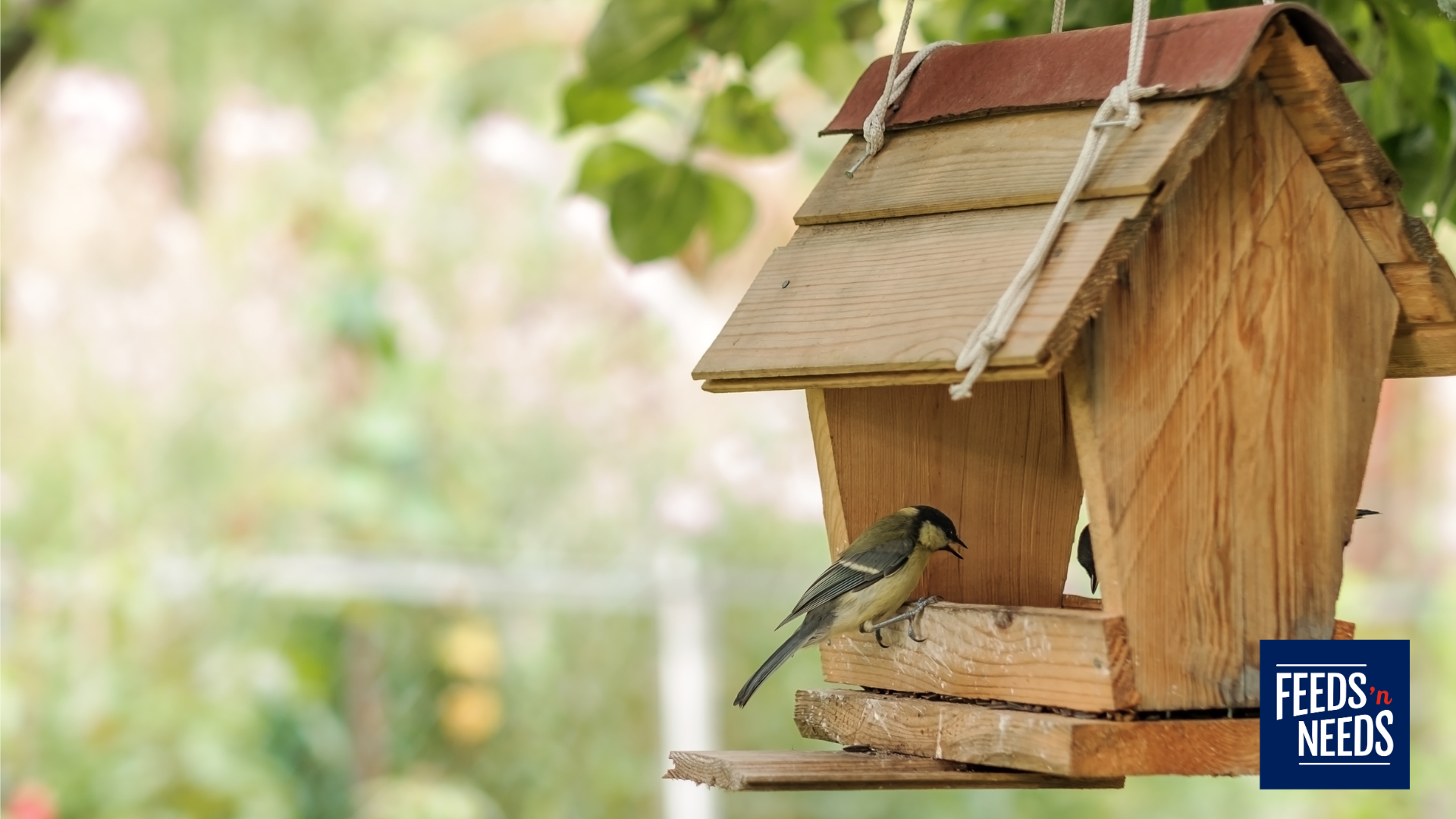
Black oil sunflower seed is one of the best all-around options for feeding backyard birds in Atlantic Canada. Its thin shell is easy for smaller ...
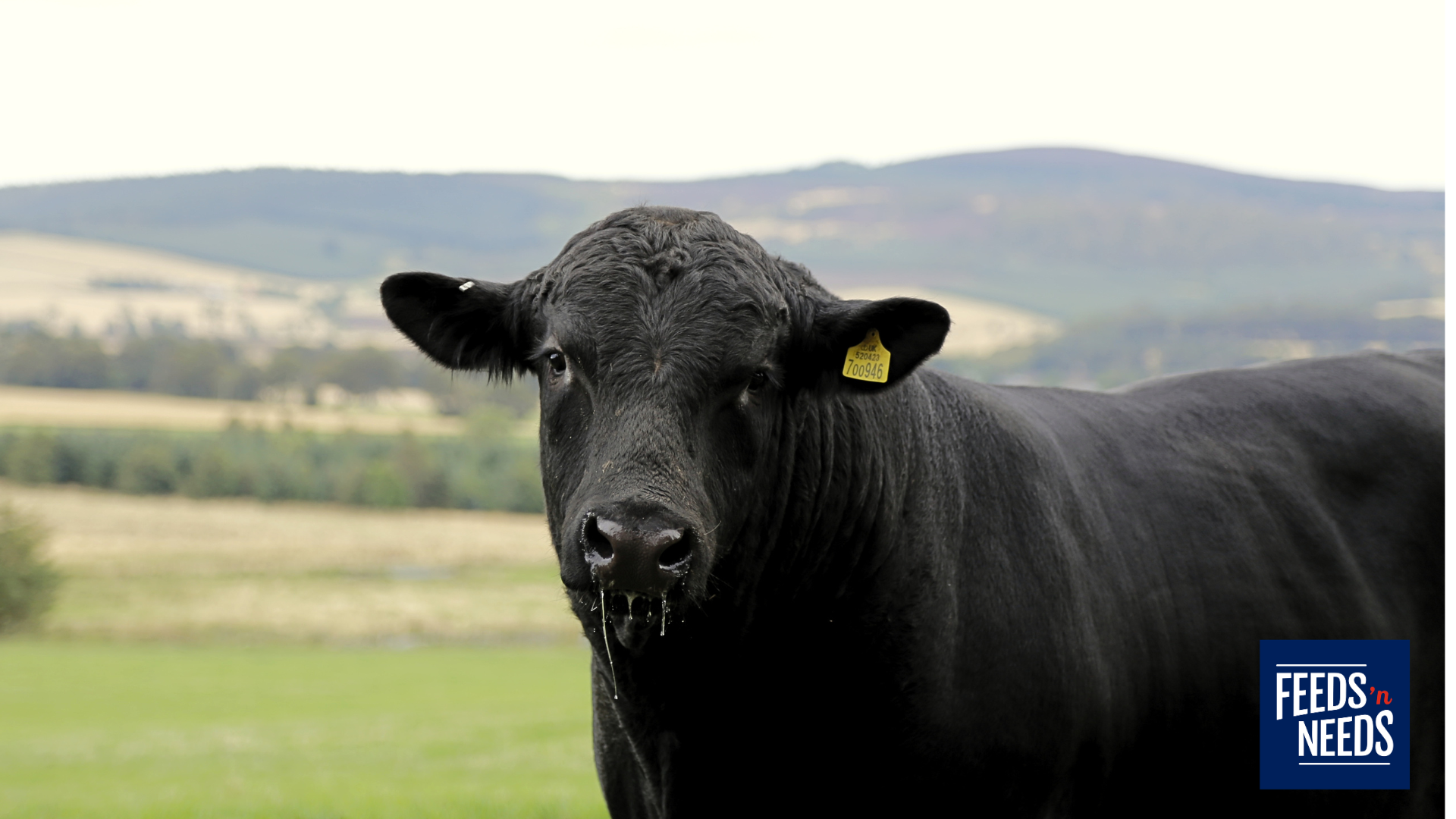
Walk the entire pasture boundary before turnout and check for: Broken or leaning posts Loose wire Damaged insulators Weak corners Low electric-fence voltage Vegetation grounding the fence Gates that sag or fail ...


Winter has arrived, and while we’re cozy under blankets and sipping warm drinks, our dogs feel the chill too. Winter isn’t just about keeping them ...
If your pet could write their own grocery list, there’s a good chance “more raw food, please!” would be at the top. Raw diets have ...


