
Beginner's Guide
Winter Paw Care for Dogs in Atlantic Canada
22 October 2026 +Check them after every outing. Rinse after contact with salt, ice melt or dirty slush, then dry thoroughly between the toes. Can paw balm replace dog ...

A productive spring garden starts with the work you do in the fall. Once the final vegetables are harvested and frost begins settling across Atlantic Canada, preparing your raised garden beds for winter can protect the soil, reduce pest and disease problems and make spring planting much easier.
Maritime winters bring repeated freezing and thawing, heavy rain, strong winds, snow and periods of saturated soil. Raised beds drain better than many in-ground gardens, but exposed soil can still erode, compact and lose nutrients if it is left unprotected.
From removing diseased plants to adding compost and draining garden hoses, this raised garden bed winter checklist will help you put your garden to rest properly.
Raised beds are productive because they provide good drainage, warmer spring soil and greater control over soil quality. Their elevated design can also leave the soil more exposed to winter weather.
Without fall preparation, raised garden beds may experience:
Preparing raised garden beds before winter protects the investment you have made in your soil, plants and garden structure.
Begin by collecting the last usable vegetables and herbs. Some cold-tolerant crops can remain in the garden after light frost, while tender plants should be harvested before temperatures drop significantly.
Late-season crops may include:
Use your local forecast and the needs of each crop to determine when to harvest. Atlantic Canadian frost dates vary by province and even between inland and coastal communities.
Healthy root crops may be left in the soil temporarily under a protective layer of mulch, but harvest plans should account for frozen ground, wildlife and excessive moisture.
Once harvesting is complete, remove annual vegetable plants, fallen fruit and other garden debris.
Pay particular attention to plants showing possible signs of disease, including:
Removing affected material can help reduce the chance of pests or plant diseases overwintering in the bed and returning next season.
Healthy plant material can generally be added to a properly managed compost pile. Diseased or heavily infested plants require more caution.
A typical backyard compost pile may not become hot enough throughout to destroy every plant pathogen, pest or weed seed. Keep questionable material out of your regular compost and dispose of it according to local municipal guidelines.
Do not leave diseased plants lying beside the raised bed or mix them back into the garden soil.
Fall weeds compete for moisture and nutrients and may provide shelter for insects. Remove them before they mature and release seeds into the bed.
Pull weeds carefully, removing as much of the root system as possible. Pay special attention to perennial weeds that can survive winter and return from established roots in spring.
Do not place mature weeds containing seed heads into a cool backyard compost pile. The seeds may survive and spread when the compost is used later.
Feeds’n Needs carries garden gloves, hand cultivators, hoes, rakes and other tools to help with end-of-season garden cleanup. Product selection varies by location.
With the plants removed, fall is a good time to examine the bed itself.
Check for:
Tighten loose hardware and complete minor repairs before snow hides the damage. If a board is beginning to fail, replacing it in fall can prevent the bed from shifting under the weight of wet soil and snow.
Avoid using wood treatments that are not intended for use near edible gardens.
Fall is an excellent time to add finished compost to a raised bed. Compost adds organic matter, supports soil structure and helps replenish nutrients used during the growing season.
Spread a layer of finished compost over the bed’s surface. A modest top-dressing is usually enough; the appropriate amount will depend on the existing soil and the compost being used.
You may use:
Only use well-composted manure around vegetable gardens. Fresh manure can contain excessive nutrients, weed seeds and potentially harmful microorganisms.
Feeds’n Needs offers seasonal soil, compost and manure-based garden amendments at select locations. Ask our team which option is appropriate for your raised garden beds and always follow package directions.
It can be tempting to add lime or fertilizer automatically during fall cleanup, but more is not always better.
A soil test can help determine:
Applying lime without knowing the soil pH may make certain nutrients less available to plants. Similarly, unnecessary fertilizer can be lost through runoff or contribute to nutrient imbalances.
If testing recommends an amendment, follow the application rate carefully. Feeds’n Needs carries select lime, fertilizer and soil-improvement products, but product choice should be based on your soil conditions and intended crops.
Do not leave raised garden bed soil completely bare if it can be avoided. Heavy rain, snowmelt and wind can move exposed soil and wash away nutrients.
A protective cover can also reduce compaction and limit winter weed growth.
Apply an appropriate layer of:
Mulch helps protect the soil surface from erosion and reduces damage caused by repeated freezing and thawing. Avoid thick, waterlogged layers that may mat down and restrict airflow.
Do not use plant material that is diseased, heavily infested or full of mature weed seeds.
If there is enough growing time before hard frost, a suitable cover crop can help protect the soil and add organic matter.
The best cover crop will depend on:
Choose carefully and understand how the crop will be managed in spring. A cover crop should not become a weed or delay planting.
A breathable garden cover can help keep leaves and debris from blowing into the bed. Secure it carefully so Atlantic Canadian wind does not carry it away.
Avoid sealing wet soil under non-breathable plastic for the entire winter. Trapped moisture can create poor conditions and plastic may tear under snow or ice.
Not every plant needs to be removed.
Healthy perennial herbs and vegetables may remain, depending on their winter hardiness. These could include:
Remove dead or diseased growth as appropriate and protect vulnerable roots with mulch. Some plants benefit from waiting until after frost before cutting back.
Do not assume every perennial will survive an Atlantic Canadian winter in a raised bed. Elevated soil can become colder than surrounding ground, especially when the bed is exposed to wind. Check the hardiness requirements for each plant.
Tomato cages, trellises, plant stakes and garden ties can carry soil and plant debris from one season to the next.
Before storage:
Discard damaged supports that cannot be used safely. Organize stakes and cages by size so they are easy to find during spring planting.
Cleaning reusable garden supports also reduces the amount of old plant material left available to harbour pests.
Soil and moisture can cause rust, dull blades and damage wooden handles. A few minutes of fall maintenance can extend the life of your tools.
Clean cutting tools between diseased and healthy plants during the season and before winter storage. Use a cleaning or disinfecting method appropriate for the tool material and allow it to dry completely.
Feeds’n Needs carries work gloves, rakes, shovels, hand tools and seasonal garden accessories to help complete fall garden cleanup.
Water left inside a hose, nozzle or watering wand can freeze, expand and cause cracking.
Before freezing temperatures arrive:
Avoid hanging a hose tightly from one point, as this can create kinks or stress the material. A hose reel or broad wall hanger provides better support.
If you use timers, filters or pressure regulators, remove and store them before hard freezes unless the manufacturer states they are designed for winter exposure.
Before snow covers the garden, make a simple map of what was planted in each raised bed.
Record:
Garden records can make spring planning easier and help prevent planting closely related vegetables in the same location year after year.
Before winter arrives:
Preparing raised garden beds for winter does more than make the yard look tidy. It protects valuable soil, reduces potential pest and disease problems and creates better conditions for spring planting.
Atlantic Canadian weather can be hard on exposed gardens, but removing diseased plants, adding finished compost, protecting bare soil and properly storing garden equipment can help your raised beds handle the months ahead.
Visit your local Feeds’n Needs for seasonal compost, soil amendments, mulch options, gloves, garden tools, hose accessories and other supplies for your fall garden cleanup. Product availability varies by store location.

Check them after every outing. Rinse after contact with salt, ice melt or dirty slush, then dry thoroughly between the toes. Can paw balm replace dog ...

Timothy hay is a widely used grass hay with a balance of fibre, leaves and stems. Its texture encourages chewing and foraging, making it a ...
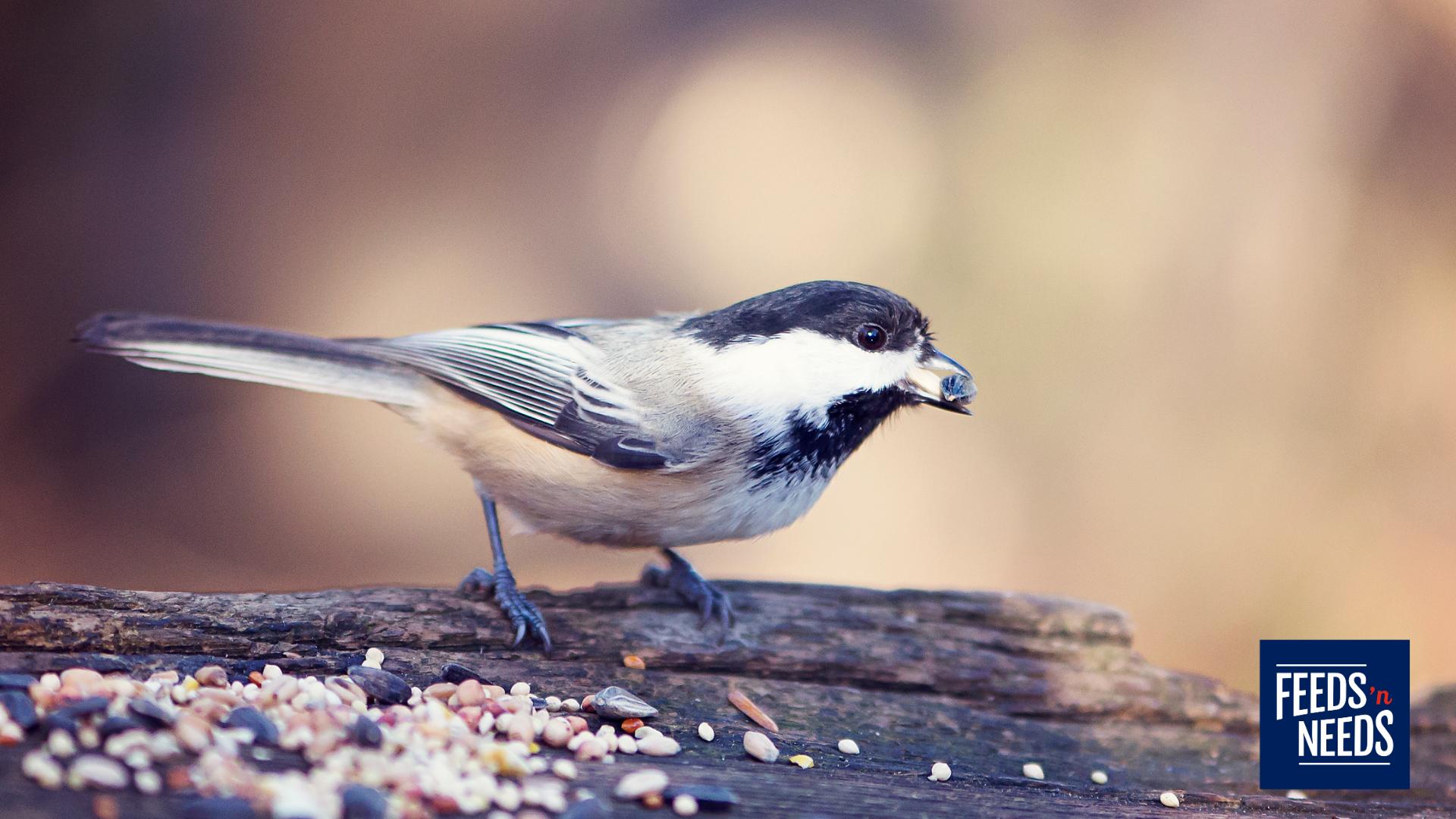
Black oil sunflower seed works well in: Tube feeders Hopper feeders Platform feeders Covered tray feeders Squirrel-resistant feeders Choose a feeder with drainage and enough protection to keep seed as dry ...
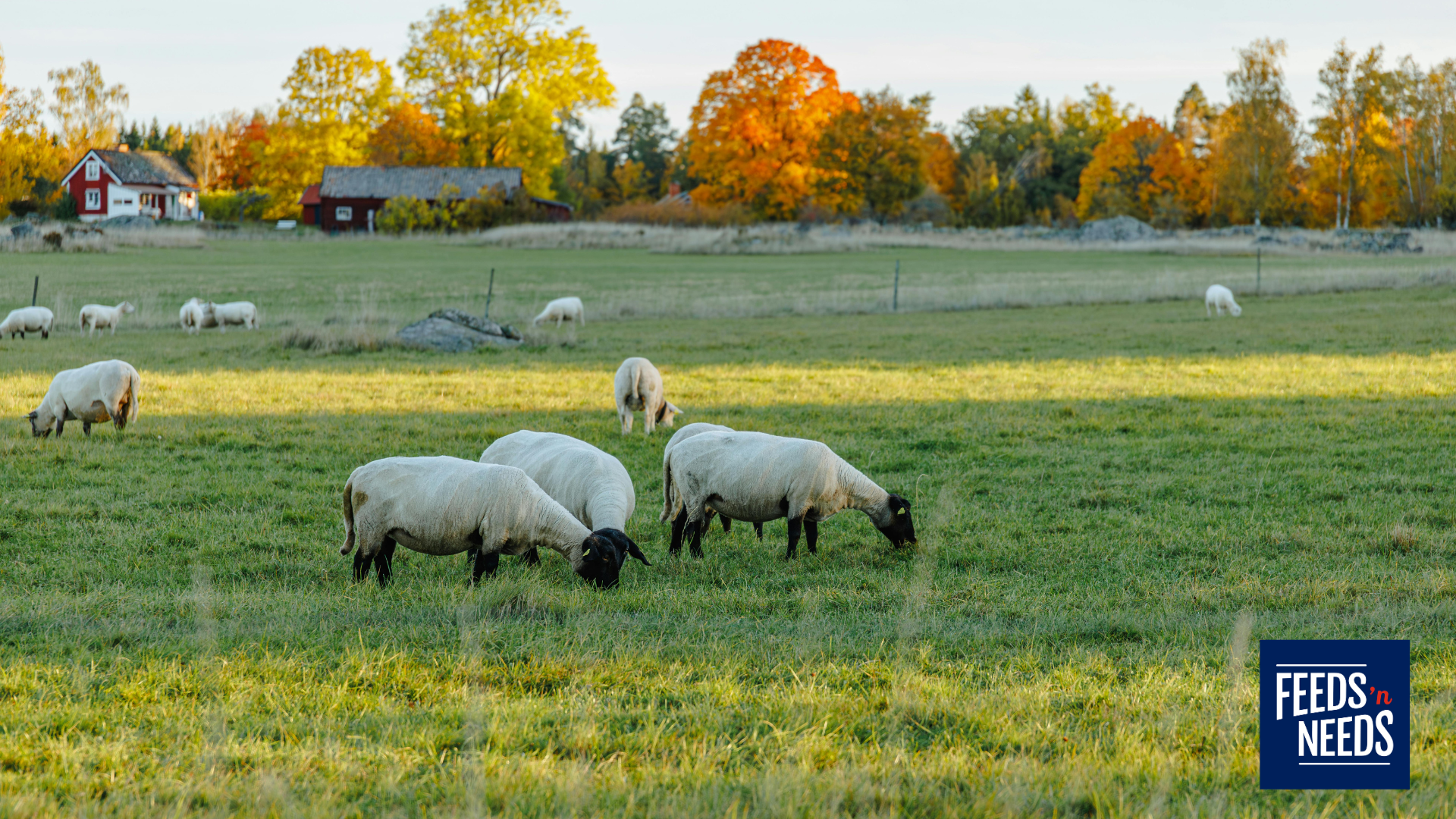
Pastured cattle may encounter gastrointestinal roundworms, lungworms, lice, grubs and other internal or external parasites. Calves and yearlings are often more vulnerable than mature cattle ...

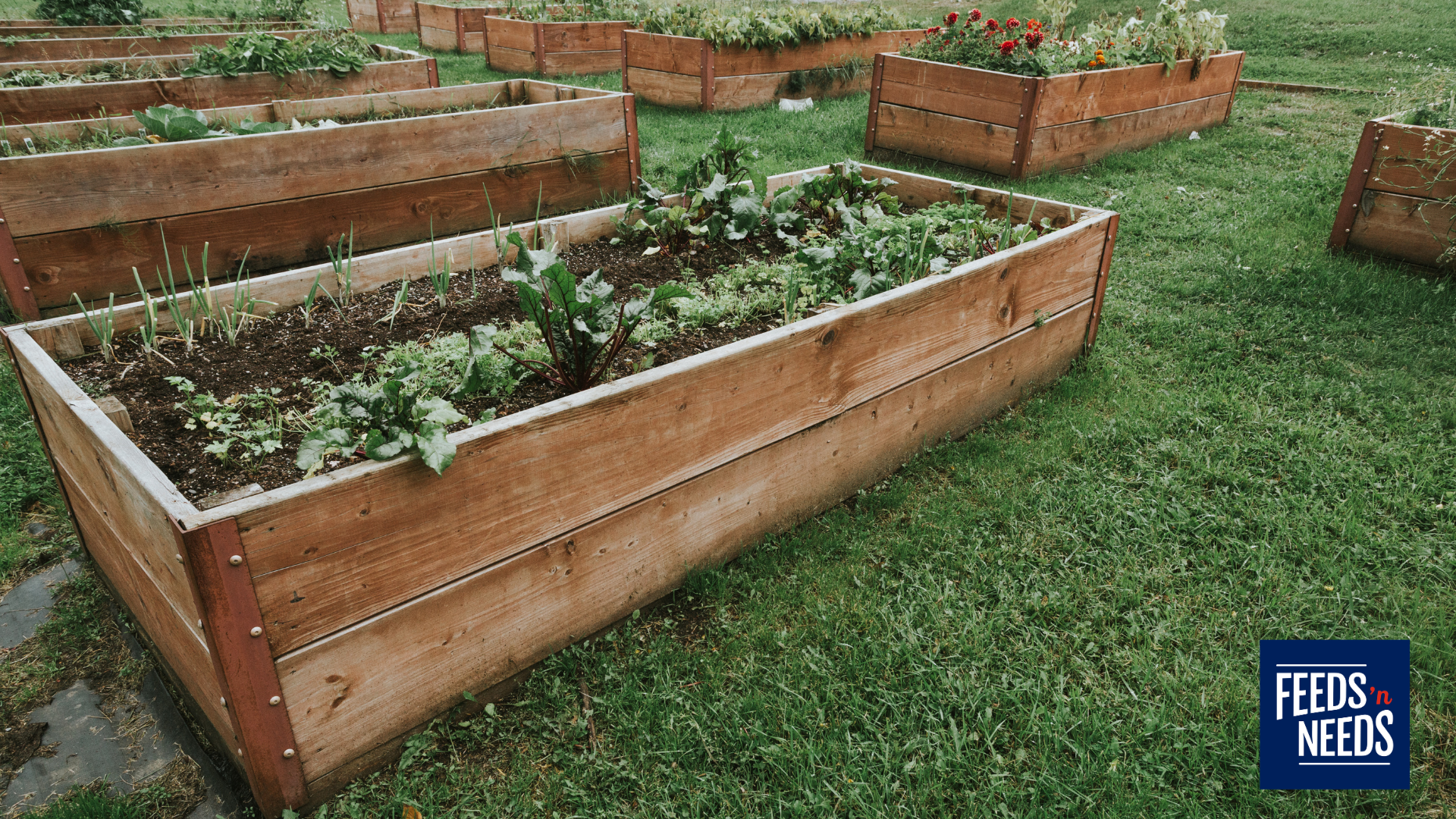
Healthy plant material can generally be added to a properly managed compost pile. Diseased or heavily infested plants require more caution. A typical backyard compost pile ...
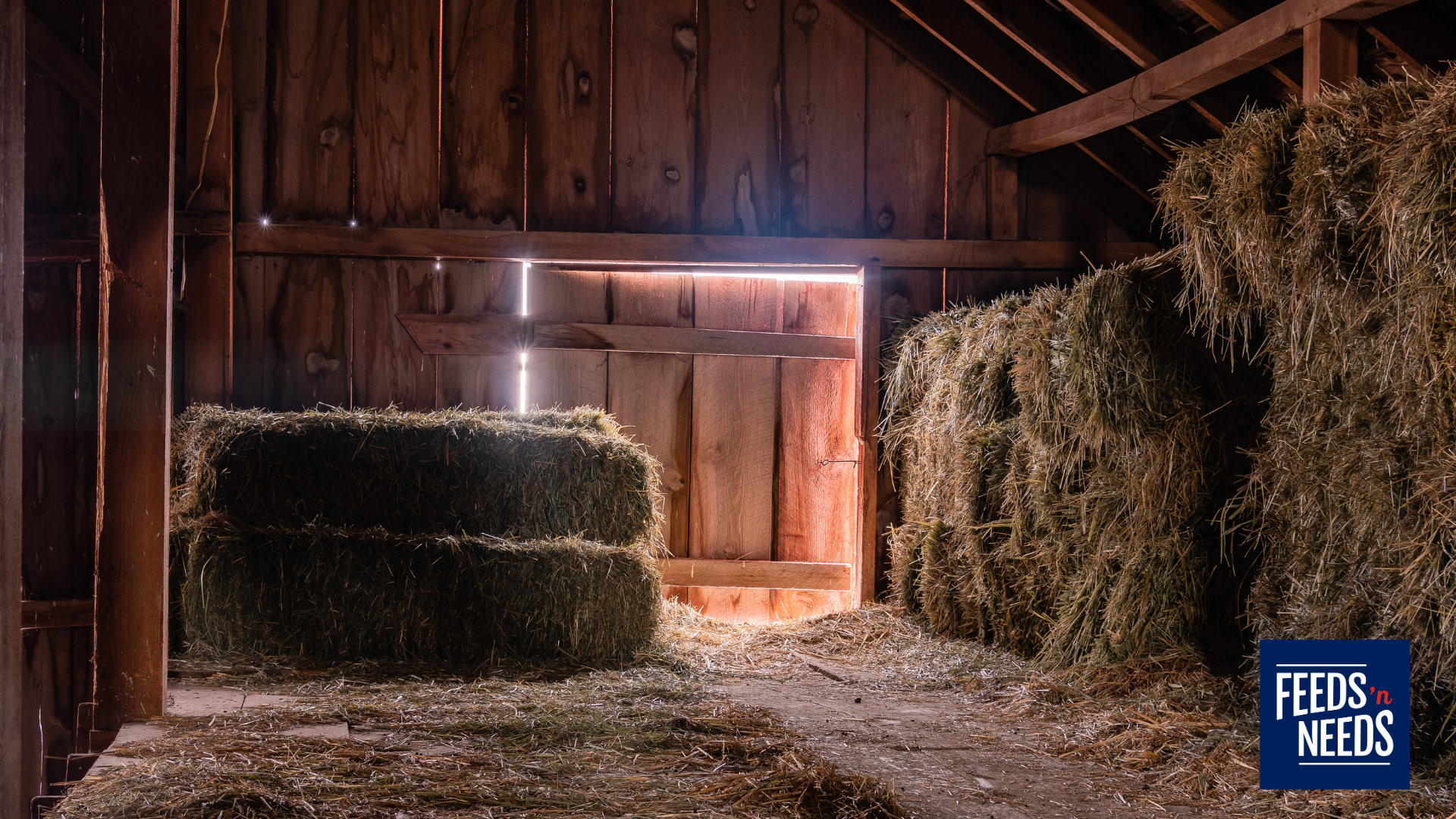
Hay isn’t just filler—it’s often the primary source of fiber and nutrition for livestock throughout the winter. Poor-quality hay can result in: Weight loss Reduced milk production Lower body ...
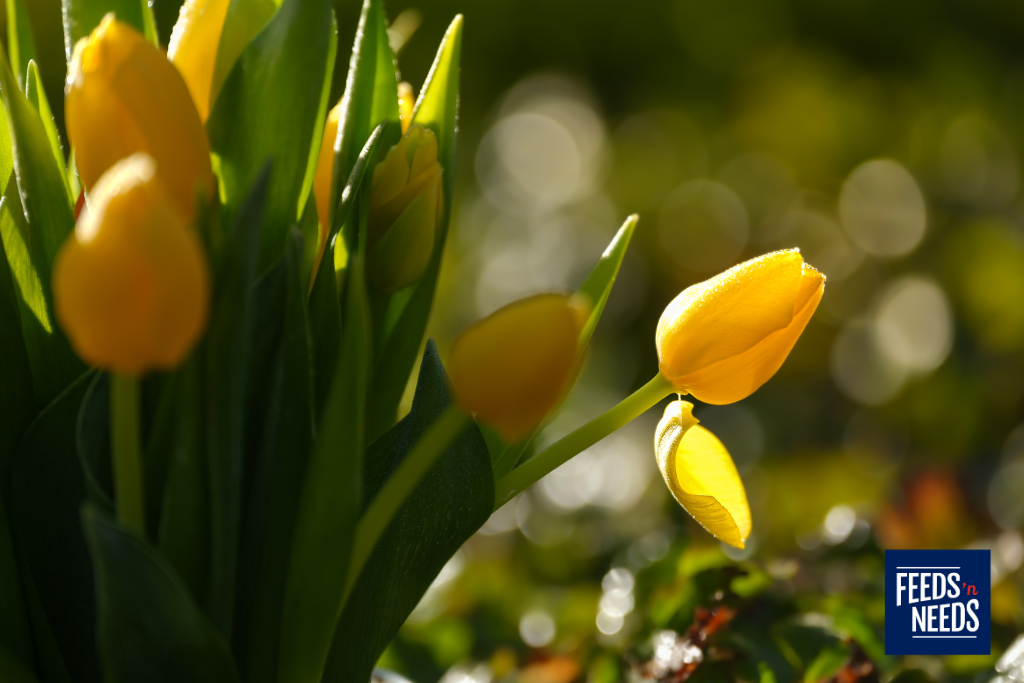
As the ground thaws and the days get longer, spring becomes the season gardeners wait for all year. Whether you’re a seasoned grower or just ...
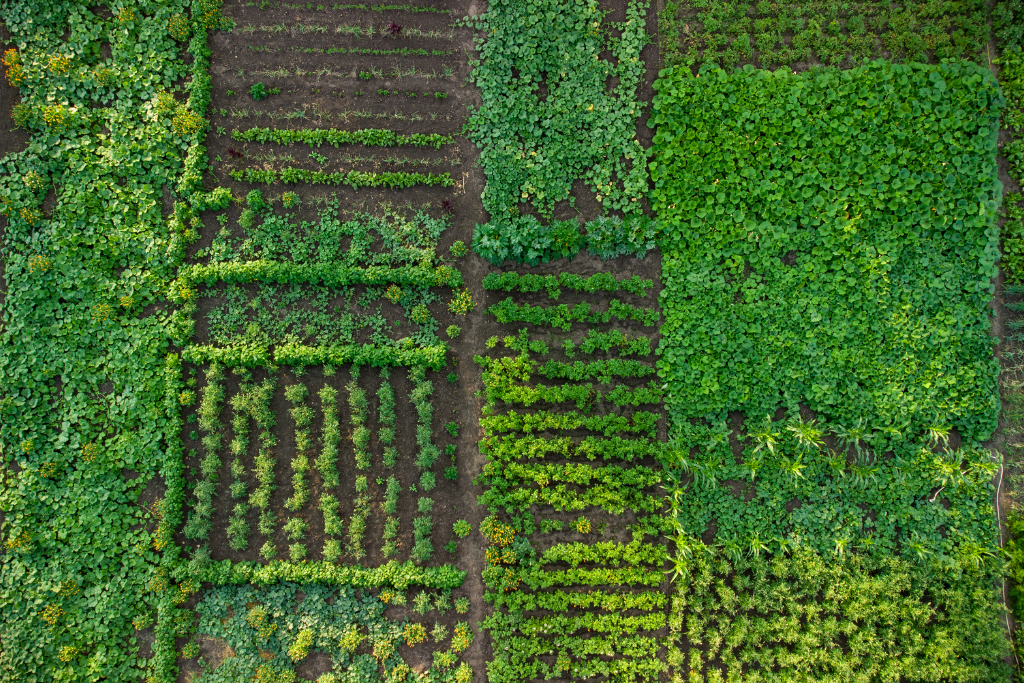
Planning your garden layout is one of the most exciting steps in kicking off a new growing season. Whether you’re a first‑time gardener or expanding ...


