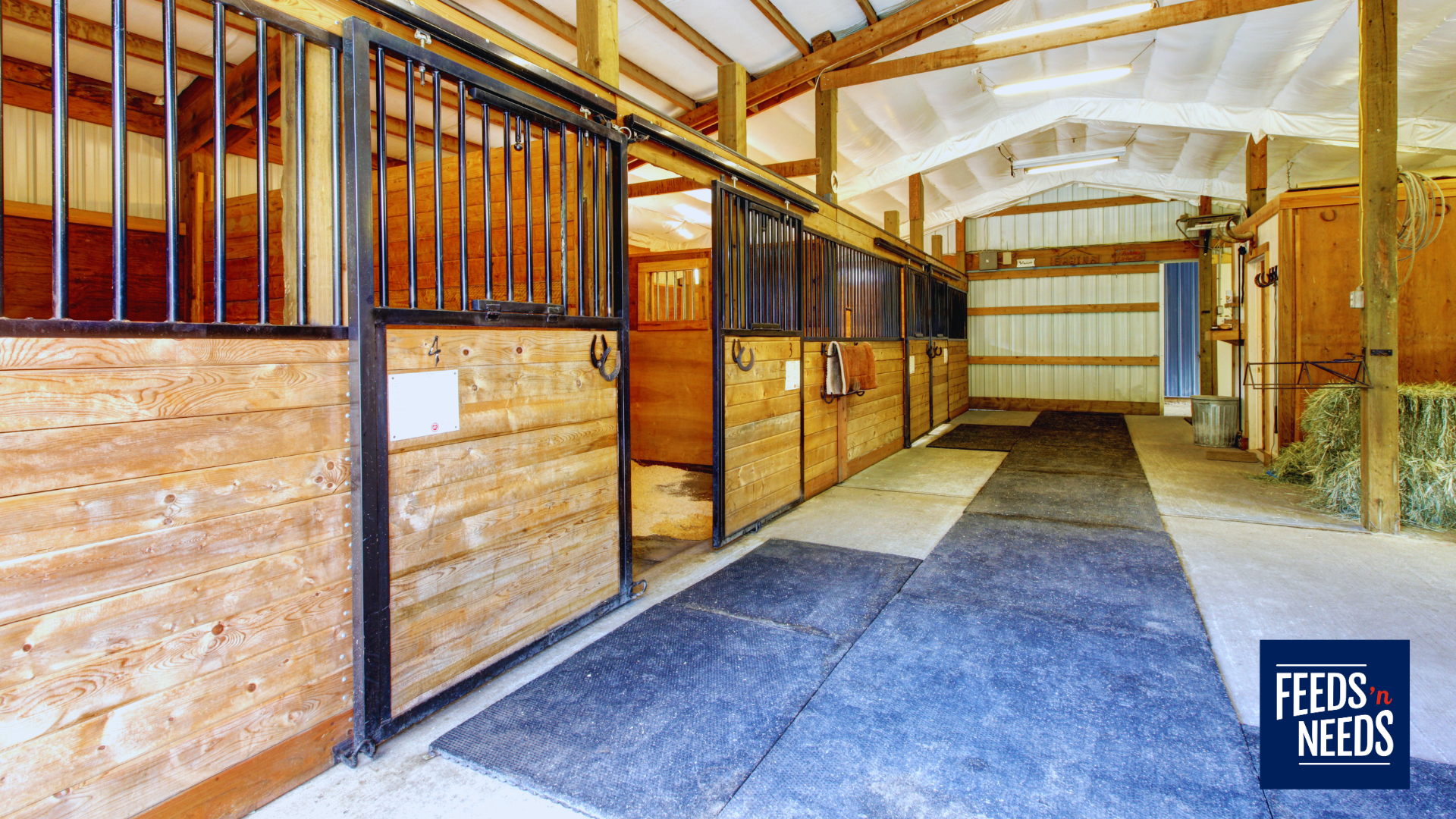
As temperatures drop across Atlantic Canada, mice and rats begin looking for reliable sources of food, water and shelter. Grain rooms, hay storage areas, livestock barns, poultry coops, workshops and equipment sheds can provide everything rodents need to settle in for winter.
A small rodent problem can quickly become a much larger one. Rodents contaminate feed, damage insulation, chew electrical wiring and create potential health risks for livestock, pets and people. Preparing before cold weather arrives is one of the most effective ways to protect your barn, feed and equipment.
Here are practical ways to prepare your farm for rodent season this fall.
Why Rodent Activity Increases in Fall
Rodents remain active throughout the year, but fall often brings them closer to barns and other farm buildings. As outdoor food becomes less available and temperatures fall, they begin searching for protected nesting areas near dependable food sources.
Barns are particularly attractive because they commonly contain:
- Livestock and poultry feed
- Spilled grain
- Hay and bedding
- Standing water
- Warm machinery
- Insulation and nesting material
- Quiet, undisturbed storage areas
Mice can enter through very small openings, while rats may squeeze through gaps that appear too narrow for them. Prevention begins by removing access to food and shelter before rodents establish themselves.
Know the Warning Signs
Rodents are often most active at night, so you may notice signs of their presence before seeing a mouse or rat.
Watch for:
- Droppings along walls, shelves or feed containers
- Torn feed bags
- Gnaw marks on wood, plastic, wiring or packaging
- Shredded paper, insulation or fabric
- Greasy rub marks along walls
- Tracks in dust or spilled feed
- Unusual scratching sounds
- Burrows around foundations or outdoor storage areas
- Musky odours
- Livestock feed disappearing faster than expected
- Pets showing unusual interest in a wall, corner or storage area
Regular inspections make it easier to respond while activity is still limited.
Start With the Grain Room
The grain room is one of the most important places to focus your rodent-prevention efforts. Even a small amount of spilled feed can support rodents and encourage them to remain in the building.
Store Feed in Secure Containers
Whenever possible, store grain, pellets, supplements, pet food and birdseed in durable containers with tight-fitting lids. Metal containers are often the most resistant to chewing.
Keep unopened feed bags:
- Off the floor
- On sturdy shelving or pallets
- Away from exterior walls
- Organized by type and date
- Rotated so older feed is used first
Avoid leaving partially opened bags unattended. Fold and secure bags immediately or transfer their contents into sealed containers.
Clean Spills Promptly
Sweep up spilled grain after filling feeders, mixing rations or receiving deliveries. Pay close attention to areas behind bins, beneath shelving and around doors.
Create a regular grain-room cleaning schedule rather than waiting until spills become noticeable. Removing this easy food source makes the area less attractive to rodents and allows fresh droppings or damage to be identified sooner.
Inspect Feed Before Use
Check bags and bins for holes, moisture, mould, droppings or unusual odours. Feed contaminated by rodents should not be given to livestock.
Do not simply scoop away the visibly affected portion. Rodents can contaminate a larger area through urine, droppings and contact with the feed. When in doubt, speak with your veterinarian or feed representative before using it.
Protect Your Hay and Bedding Storage
Hay and bedding provide excellent nesting material and shelter. Stacks can remain warm, dark and undisturbed—especially when stored for several months.
To make hay-storage areas less welcoming:
- Keep the area surrounding the stack clean and open.
- Remove loose hay and broken bales from the floor.
- Avoid creating piles of twine, empty bags or discarded wrap.
- Inspect beneath pallets and around outside edges regularly.
- Maintain space around stacks when the building layout permits.
- Rotate inventory so old bales do not remain untouched.
- Repair holes in walls, doors and foundations.
- Keep nearby grain and supplements in sealed containers.
Rodents may nest within hay without immediately causing visible damage. Look for tunnels, droppings, shredded material and concentrated areas of loose hay.
Hay should also be monitored for moisture and heating. Rodent prevention should never interfere with safe hay-storage practices, ventilation or fire prevention.
Seal Entry Points Around the Barn
Walk around the exterior and interior of each building before winter. Look closely at doors, windows, foundations, vents, utility openings and rooflines.
Potential entry points include:
- Gaps beneath doors
- Damaged door sweeps
- Cracks in foundations
- Openings around pipes or wiring
- Broken siding
- Damaged screens
- Uncovered vents
- Spaces where additions meet older structures
- Gaps around overhead doors
Use durable, rodent-resistant materials suited to the opening. Metal flashing, hardware cloth, concrete or other chew-resistant materials may be more effective than soft fillers used alone.
Do not block required ventilation or drainage. Openings that must remain functional can often be protected with appropriately sized metal screening.
Reduce Hiding Places
Clutter gives rodents protected travel routes and nesting areas. Fall cleanup should extend beyond the grain room.
Remove or reorganize:
- Empty feed bags
- Cardboard boxes
- Old twine and bale wrap
- Unused fabric or insulation
- Broken equipment
- Scrap lumber
- Tall weeds around buildings
- Brush piles near foundations
- Garbage and recycling
- Stacks of unused containers
Store equipment and supplies neatly so floors and walls remain visible. Leaving an open inspection zone around walls can make droppings, gnawing and travel paths easier to detect.
Manage Feed and Water Throughout the Barn
Rodent control becomes difficult when feed is continuously available outside secure storage.
At the end of daily chores:
- Clean spilled feed around troughs and feeders.
- Avoid overfilling feeders.
- Repair leaking water lines and drinkers.
- Remove standing water.
- Clean feed from corners and under equipment.
- Store pet food and treats securely.
- Collect broken eggs and spilled poultry feed.
- Keep garbage in containers with fitted lids.
Outdoor feeding areas should also be inspected. Grain dropped near bins, augers or livestock feeders can attract rodents toward nearby buildings.
Pay Special Attention to Poultry Coops
Poultry areas can be particularly attractive to rodents because feed is often available for long periods. Rodents may contaminate feeders, damage eggs and disturb birds.
Consider:
- Using feeders designed to reduce spilling
- Raising feeders to an appropriate height
- Cleaning beneath feeders regularly
- Storing extra feed in sealed containers
- Collecting eggs frequently
- Removing wet or heavily soiled bedding
- Sealing gaps around doors and vents
- Checking beneath nest boxes and along walls
Be especially cautious with traps and control products around birds, barn cats, dogs and children.
Use Traps Strategically
Traps can be an effective part of a rodent-control plan, especially when they are placed early and checked consistently.
Rodents often travel along walls and behind objects rather than crossing open spaces. Place traps where activity has been observed, following the manufacturer’s instructions.
Good practices include:
- Selecting traps appropriate for mice or rats
- Placing them along known travel routes
- Keeping them away from livestock, pets and children
- Using protective trap stations where needed
- Checking traps frequently
- Wearing gloves when handling traps or rodents
- Cleaning affected areas safely
- Recording where activity is occurring
One or two traps may not be enough for a large barn. Monitor results and adjust placement based on fresh evidence.
Barn cats may discourage some rodent activity, but they should not be the farm’s only control method. Prevention, sanitation, building maintenance and monitoring are still necessary.
Use Rodenticides With Care
Rodenticides are poisonous and can create serious risks for livestock, pets, wildlife and people if they are not handled properly.
Health Canada advises using rodenticides only as directed on the product label and securing them in appropriate bait stations. Products should be stored away from food and placed where children and animals cannot access them.
Before using a rodenticide:
- Read the complete label.
- Confirm that the product is approved for the intended location.
- Use a secure, tamper-resistant bait station when required.
- Keep bait away from feed, hay and water.
- Prevent access by livestock, pets, children and wildlife.
- Wear the recommended protective equipment.
- Follow placement, inspection and disposal directions.
- Store unused products in their original containers.
- Never scatter loose bait around a barn.
- Never use more than the label allows.
If the infestation is significant, recurring or difficult to control safely, contact a licensed pest-control professional.
Check Wiring and Equipment
Rodents may chew electrical wiring, increasing the risk of equipment failure and barn fires.
Inspect accessible wiring around:
- Feed rooms
- Water systems
- Fans
- Heaters
- Lighting
- Refrigeration equipment
- Electric fencing supplies
- Stored machinery
Look for tooth marks, exposed wire, damaged insulation or nesting material around warm equipment. Electrical repairs should be completed by a qualified professional.
Machinery stored for the winter should also be checked. Rodents can nest in engine compartments, air filters, seats and enclosed panels. Clean equipment before storage and inspect it periodically throughout the season.
Clean Rodent-Contaminated Areas Safely
Avoid stirring contaminated dust into the air. Wear gloves and follow appropriate public-health guidance when cleaning droppings, nesting material or dead rodents.
Keep livestock, pets and children away during cleanup. Heavily contaminated feed, bedding and other materials should be discarded safely. Wash hands thoroughly after removing gloves and handling traps or control products.
For extensive contamination, seek professional advice before beginning cleanup.
Keep Monitoring Throughout Winter
Rodent control is not a one-time fall chore. Continue checking grain rooms, hay storage, barns and sheds throughout the winter.
Create a simple monitoring routine:
Weekly
- Check traps and bait stations.
- Look for fresh droppings.
- Clean feed spills.
- Inspect opened feed bags.
- Check water lines for leaks.
Monthly
- Inspect doors and building exteriors.
- Look behind bins, shelving and equipment.
- Review feed use for unexplained losses.
- Check stored machinery and wiring.
- Remove unnecessary clutter.
Keep a record of where signs are found and what control steps were taken. Recurring activity in the same area may point to an overlooked entry point or food source.
Fall Rodent-Prevention Checklist
Before cold weather settles in:
- Seal gaps around doors, foundations and utility openings.
- Install or replace damaged door sweeps.
- Transfer feed into secure containers.
- Clean beneath bins, shelves and feeders.
- Organize hay and remove loose material.
- Cut back weeds and brush around buildings.
- Repair leaking water lines.
- Remove clutter and nesting materials.
- Inspect electrical wiring and stored equipment.
- Place traps or secured bait stations where appropriate.
- Keep all control products away from livestock, pets and children.
- Continue monitoring throughout winter.
Stay One Step Ahead of Rodent Season
The best time to address rodents is before they become established. A clean grain room, organized hay-storage area, sealed building and consistent monitoring routine can help protect livestock feed, equipment and farm buildings all winter.
Feeds’n Needs carries a variety of farm and barn supplies to help you prepare for the season, including feed-storage solutions, traps, bait stations, protective gloves and cleanup essentials. Product selection may vary by location, so visit your local store and speak with our knowledgeable team about options suited to your barn or farm.
Seal the gaps, secure the feed and stay ahead of unwanted winter visitors.