Care
Maritime Winter Lawn Care
10 October 2026 +Dormant grass is alive — the crowns and roots remain viable under snow and frozen soil Most winter lawn damage in the Maritimes is caused by ...

Most people think lawn care stops when the snow falls. In the Maritimes, that instinct is mostly right — but not entirely.
Winter is the one season where your lawn is largely taking care of itself underground, storing energy and waiting for spring. Your job as a homeowner shifts from active care to protection and preparation. The decisions you make in late fall, and a few key habits through the winter months, can be the difference between a lawn that bounces back quickly in spring and one that struggles for weeks to recover from avoidable winter damage.
This guide covers what’s actually happening to your Maritime lawn in winter, what you can and can’t control, the most common sources of winter lawn damage, and how to set yourself up for the strongest possible spring.
Understanding the biology of your lawn in winter helps you make better decisions about how to treat it.
Cool-season grasses — Kentucky Bluegrass, Fine Fescue, and Perennial Ryegrass, which make up most Maritime lawns — go dormant in winter, but dormant does not mean dead. Dormancy is a survival strategy. When soil temperatures drop consistently below 5°C, grass plants stop top growth and redirect their energy into the crown (the growth point just at or below the soil surface) and the root system.
What’s happening underground:
What this means practically:
This is the single most common and most preventable source of winter lawn damage in Atlantic Canada. Road salt, municipal sidewalk salting, and homeowner-applied ice melt products are responsible for the brown and dead strips that appear along driveways, walkways, and road-facing lawn edges every spring.
How salt damages grass:
Salt draws moisture out of plant tissue through osmosis, even in dormant grass. High sodium concentrations in the soil also disrupt the balance of nutrients and make it difficult for grass to recover in spring, even after the salt itself has dissipated.
What you can do:
Walking across a lawn covered in frost or frozen solid doesn’t look like it causes damage — but it does. Grass crowns are brittle when frozen, and the physical pressure of footsteps breaks and crushes them. This damage shows up in spring as irregular dead patches in areas that received regular winter foot traffic.
What you can do:
Extended periods of ice cover — from freezing rain events, melt-freeze cycles, or thick, impermeable snow layers — can suffocate grass by blocking gas exchange at the soil surface. Carbon dioxide builds up beneath the ice while oxygen is depleted. This is less common as a widespread problem but can cause significant damage in low-lying areas, spots with poor drainage, or regions that experience frequent freeze-thaw cycling.
What you can do:
Snow mold develops under prolonged snow cover, particularly when snow falls on unfrozen ground or when deep, heavy snowpack sits for extended periods. The two main types — gray snow mold and pink snow mold — both leave circular, matted patches of discoloured grass visible after snowmelt.
Prevention is far more effective than treatment:
If snow mold appears in spring: Lightly rake affected areas to restore airflow and allow drying. Most lawns recover naturally. Persistently bare patches may need overseeding.
Voles — small meadow mice — create networks of surface runways under the snow, feeding on grass crowns and plant material over winter. Their damage appears in spring as winding, matted trails or patches of dead grass in irregular patterns across the lawn, often more visible in lawns bordering fields, wooded areas, or gardens.
What to look for in spring: Narrow, winding trails of dead or matted grass — typically an inch or two wide — running in irregular patterns. Unlike snow mold, which appears as circular patches, vole damage follows the trail patterns the animals created under the snow.
What you can do:
Knowing what to avoid is as important as knowing what to do.
Don’t apply fertilizer to frozen or snow-covered ground. Fertilizer applied to frozen soil cannot be absorbed by grass roots. It sits on the surface until thaw, at which point a significant portion runs off into storm drains, ditches, and waterways rather than feeding your lawn. This is both ineffective and environmentally harmful.
Don’t seed in winter. Grass seed requires soil contact, consistent moisture, and minimum soil temperatures to germinate. None of these conditions exist in frozen Maritime winters. Seed applied to frozen or snow-covered ground will either wash away at thaw, be eaten by birds, or simply fail to germinate. Wait for spring.
Don’t apply lime to frozen ground. Lime needs moisture and soil contact to begin working. While a light frost won’t prevent lime from being effective, applying to frozen, snow-covered ground means most of the product will run off at snowmelt rather than being absorbed. Fall application before freeze-up is the right approach.
Don’t pile snow excessively on lawn areas. If you’re managing snow removal from a driveway or walkway, try to distribute piles across a larger area rather than creating one massive, deep accumulation in one spot. Deep, long-lasting snow piles increase snow mold risk and can cause prolonged ice cover damage in the area below.
Don’t use metal shovels or snow blower chutes aggressively near lawn edges. Scraping and gouging lawn edges during snow removal causes physical damage to turf that shows up as tearing and bare spots in spring.
The best thing most Maritime homeowners can do for their lawn in January and February is plan.
Assess your lawn while snow is on the ground:
Order products early:
Maintain and tune up your equipment:
Research and learn:
As winter progresses — particularly after major ice events, prolonged snow cover, or significant thaw-refreeze cycles — it’s worth keeping an eye on your lawn when conditions allow a visual check.
After a significant thaw event, take a look at:
You won’t be able to do much about what you observe until spring, but noting problem areas while they’re visible helps you act quickly once the ground firms up.
Even a well-protected Maritime lawn will look rough after winter. Managing your expectations — and knowing the difference between normal winter dormancy and actual damage — helps you respond appropriately rather than overreacting.
Normal after winter:
Signs of actual damage requiring attention:
The most important thing in early spring is patience. Wait for the ground to firm up, assess what’s actually there, and then act — rather than rushing in on wet soil and causing more damage than winter did.
Is my lawn dead or dormant in winter?
Almost certainly dormant. Cool-season grasses survive winter by going dormant — the crowns and roots remain alive while top growth stops. A lawn that was healthy going into winter and has not experienced severe ice suffocation or salt damage will recover in spring. You can check by gently pulling at a small section of turf — if the crowns (just at soil level) have some firmness and slight colour, the grass is alive.
Should I put anything on my lawn in winter?
No. Fertilizer, seed, and lime should not be applied to frozen or snow-covered ground. They either run off at snowmelt or simply don’t work until conditions are right. Wait for spring.
What ice melt is safest for my lawn?
Calcium magnesium acetate (CMA) is the least damaging to turf. Sand-based products provide traction without chemical damage. Sodium chloride (rock salt) and calcium chloride are the most commonly available but also the most damaging to grass. If you use them, apply sparingly and flush the area with water in spring.
How do I know if my lawn has snow mold?
After snowmelt, snow mold appears as circular or irregular matted patches, typically grayish-white or pinkish in colour. The grass in affected areas looks flattened and may have a webby appearance. Lightly raking these areas in spring restores airflow and allows recovery.
What is vole damage and how do I fix it?
Voles are small meadow mice that tunnel under snow, creating surface runways and feeding on grass crowns. Their damage looks like narrow, winding trails of dead or matted grass visible after snowmelt. Rake out affected areas in spring and overseed once conditions allow.
Can I walk on my lawn in winter?
Avoid walking on frost-covered or frozen grass. Frozen grass crowns are brittle and break under foot pressure, leaving dead patches in spring. If you need to cross the lawn regularly, create a dedicated pathway with stepping stones or cleared ground.
When should I start spring lawn care after winter?
Wait until the ground has firmed up enough that footprints don’t remain visible. In most Maritime areas this is late April to mid-May. Starting too early on wet, soft soil causes compaction and damages emerging grass.
My lawn looks terrible after winter — is it too late?
Almost certainly not. Cool-season grasses are remarkably resilient. Most winter damage — snow mold, matting, salt edges, and even moderate vole damage — can be repaired with proper spring care. Give the lawn a few weeks of warm weather before drawing conclusions, then assess and address what remains.
Winter isn’t a passive season for Maritime homeowners who care about their lawn — it’s a season of observation, planning, and preparation. The lawns that look the best every summer belong to homeowners who use fall to prepare properly and winter to plan ahead.
Visit your local Feeds’n Needs team over the winter months. Tell us what you observed about your lawn last season — where it struggled, where it thrived, and what you want to improve. We can help you build a product and timing plan so you’re ready to act the moment the ground firms up in spring.
Have questions about your lawn? Visit your local Feeds’n Needs store for expert advice — even in winter. Our team is here year-round to help you plan, prepare, and get ahead for a greener lawn next season.

Dormant grass is alive — the crowns and roots remain viable under snow and frozen soil Most winter lawn damage in the Maritimes is caused by ...
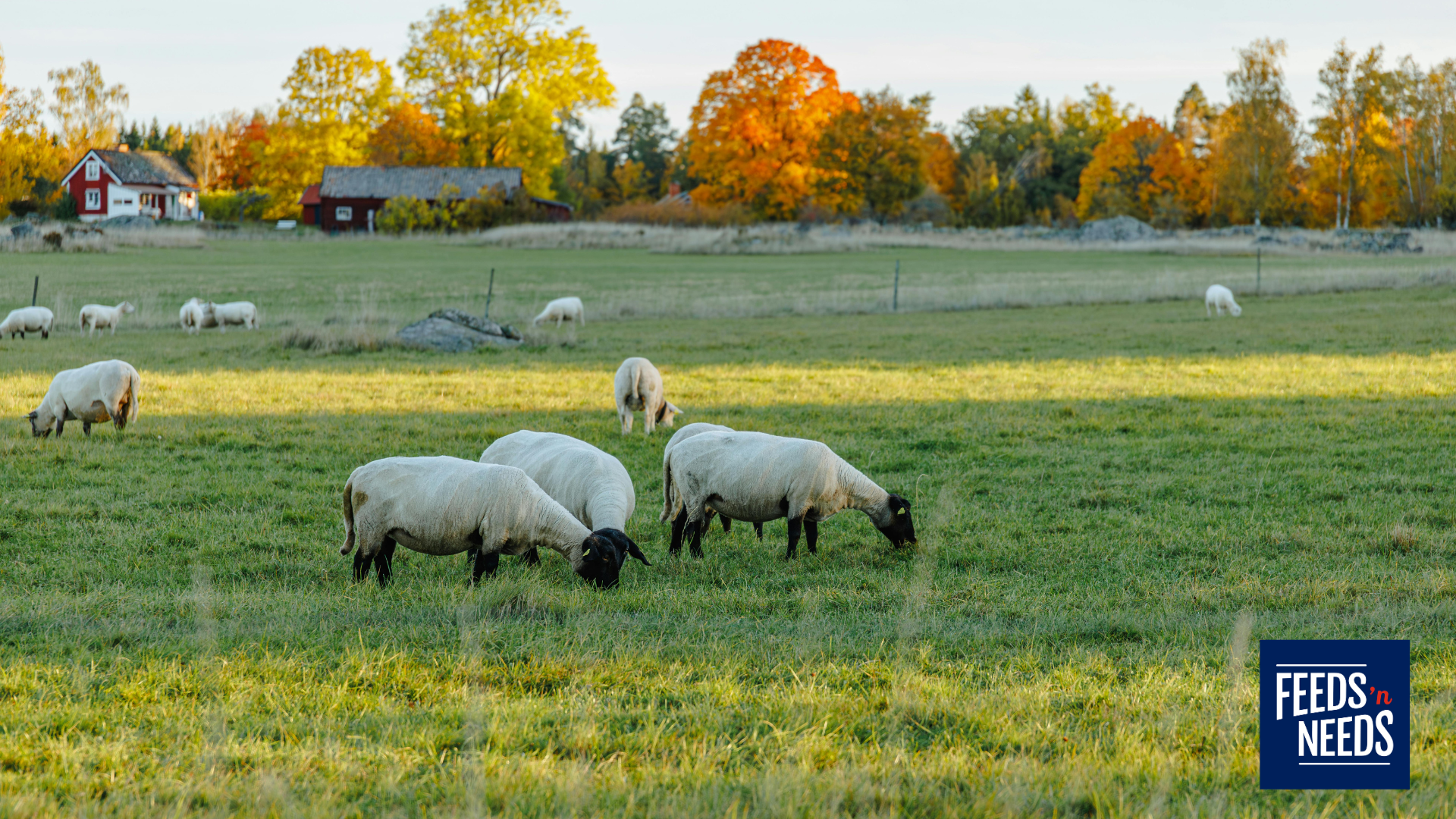
Pastured cattle may encounter gastrointestinal roundworms, lungworms, lice, grubs and other internal or external parasites. Calves and yearlings are often more vulnerable than mature cattle ...


Pick manure from smaller paddocks, dry lots and high-traffic areas regularly. Pay particular attention to: Hay-feeding areas Gates and laneways Shelters Water sources Small sacrifice paddocks Winter turnout areas Feeds’n Needs carries ...
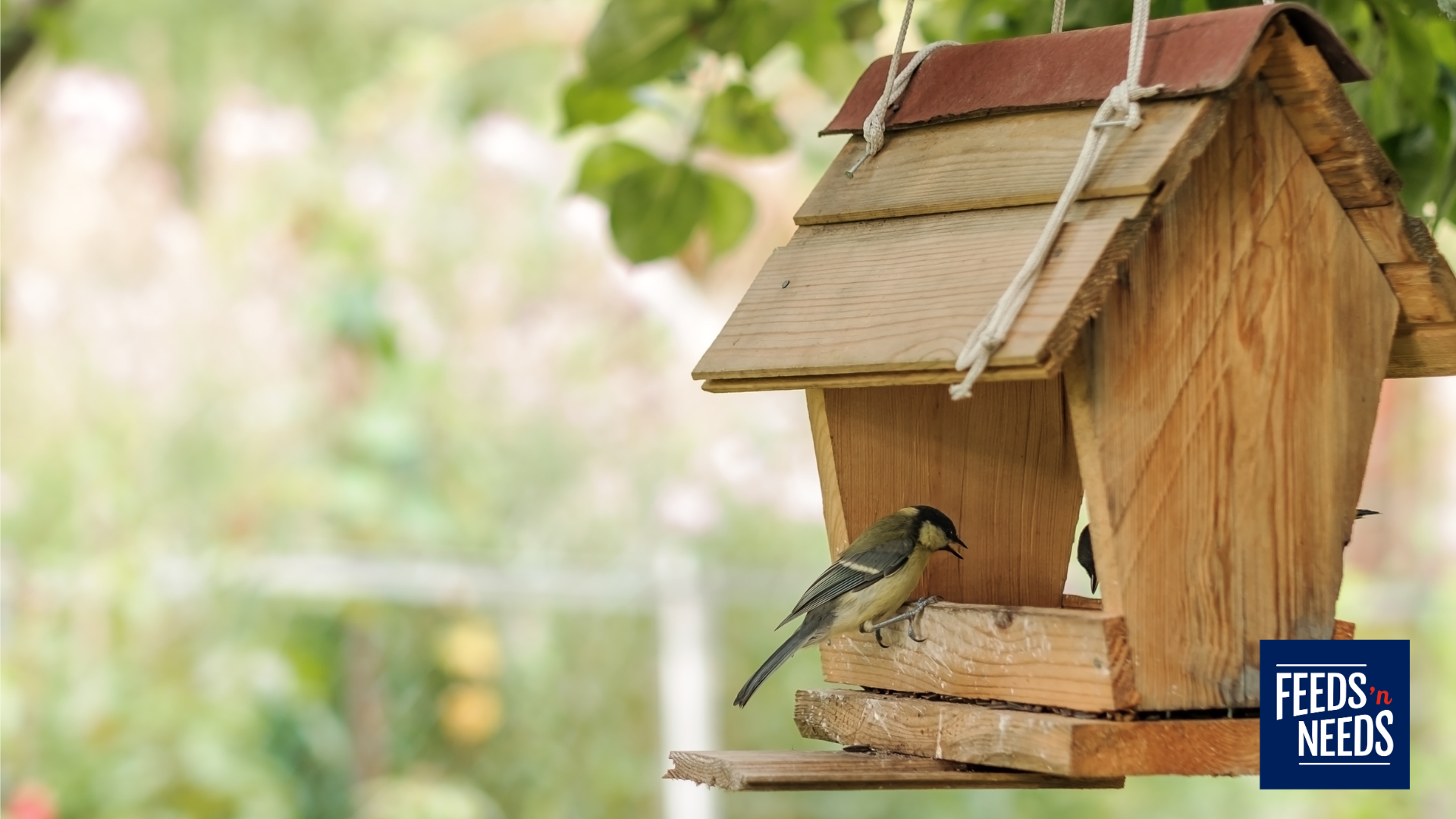
Black oil sunflower seed is one of the best all-around options for feeding backyard birds in Atlantic Canada. Its thin shell is easy for smaller ...
Fall is the single best time of year to overseed, aerate, fertilize, and lime Maritime lawns Cool-season grasses grow actively in fall — take advantage of ...

Walk the entire pasture boundary before turnout and check for: Broken or leaning posts Loose wire Damaged insulators Weak corners Low electric-fence voltage Vegetation grounding the fence Gates that sag or fail ...
Cattle grazing wooded fence lines or rough pasture Goats that browse brush and shrubs Sheep in long pasture or bushy paddocks Outdoor pigs rooting in wooded or grassy ...

Light daily watering encourages shallow roots. Instead, water deeply and less frequently — this pushes roots deeper into the soil, making your lawn more drought-resilient. Best ...
After a long Maritime winter, it’s normal for your lawn to look rough. Snow mold, salt damage, ice, matted grass, bare spots, and compacted soil ...


