Food
Nutrition and Hay Needs for Rabbits and Guinea Pigs
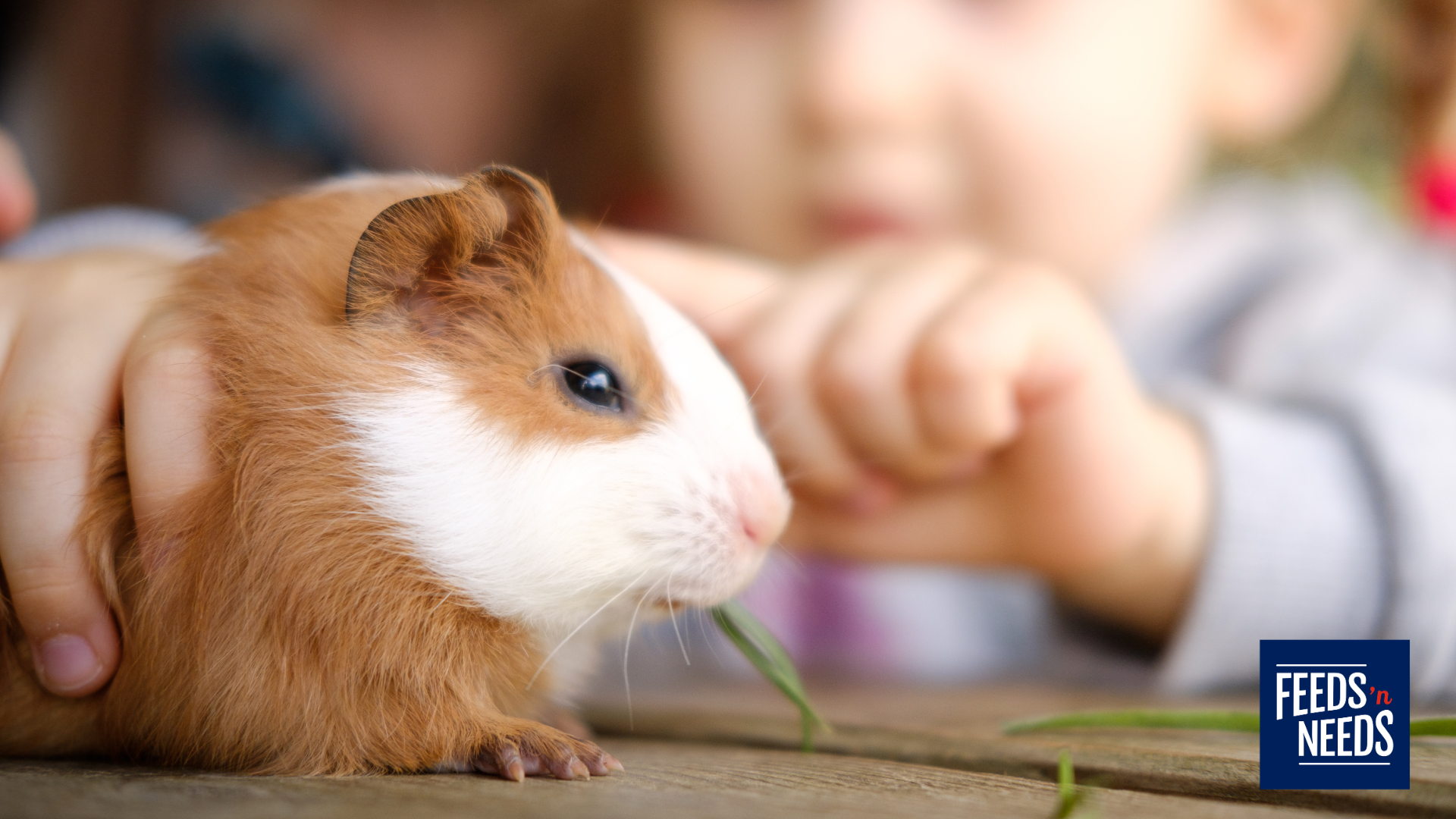
12 October 2026 +Timothy hay is a widely used grass hay with a balance of fibre, leaves and stems. Its texture encourages chewing and foraging, making it a ...

Winter in Atlantic Canada can be demanding for backyard birds. Short daylight hours, frozen ground, deep snow, coastal winds and sudden changes in temperature can make natural food more difficult to find.
While native plants, shrubs and trees remain important sources of natural food and shelter, a well-maintained feeder can provide visiting birds with an additional source of energy during the colder months.
Choosing the best birdseed for winter is not simply about filling a feeder with any available mix. Black oil sunflower seed, peanuts, suet and mixed birdseed each appeal to different species and provide different nutritional benefits.
By matching the food with the right feeder and the birds in your backyard, you can reduce waste, improve feeder activity and support a wider variety of Atlantic Canadian winter birds.
Birds use significant energy to maintain body temperature during cold weather. They must also continue flying, searching for food and avoiding predators while working with fewer daylight hours.
High-energy foods rich in fat can be especially valuable during winter. However, feeder birds also need reliable access to clean, dry food that suits the size and shape of their bills.
A varied winter feeding station may include:
No single food attracts every bird. Offering two or more options can help create a more active and diverse backyard feeding area.
If you plan to offer only one type of winter birdseed, black oil sunflower seed is an excellent place to start.
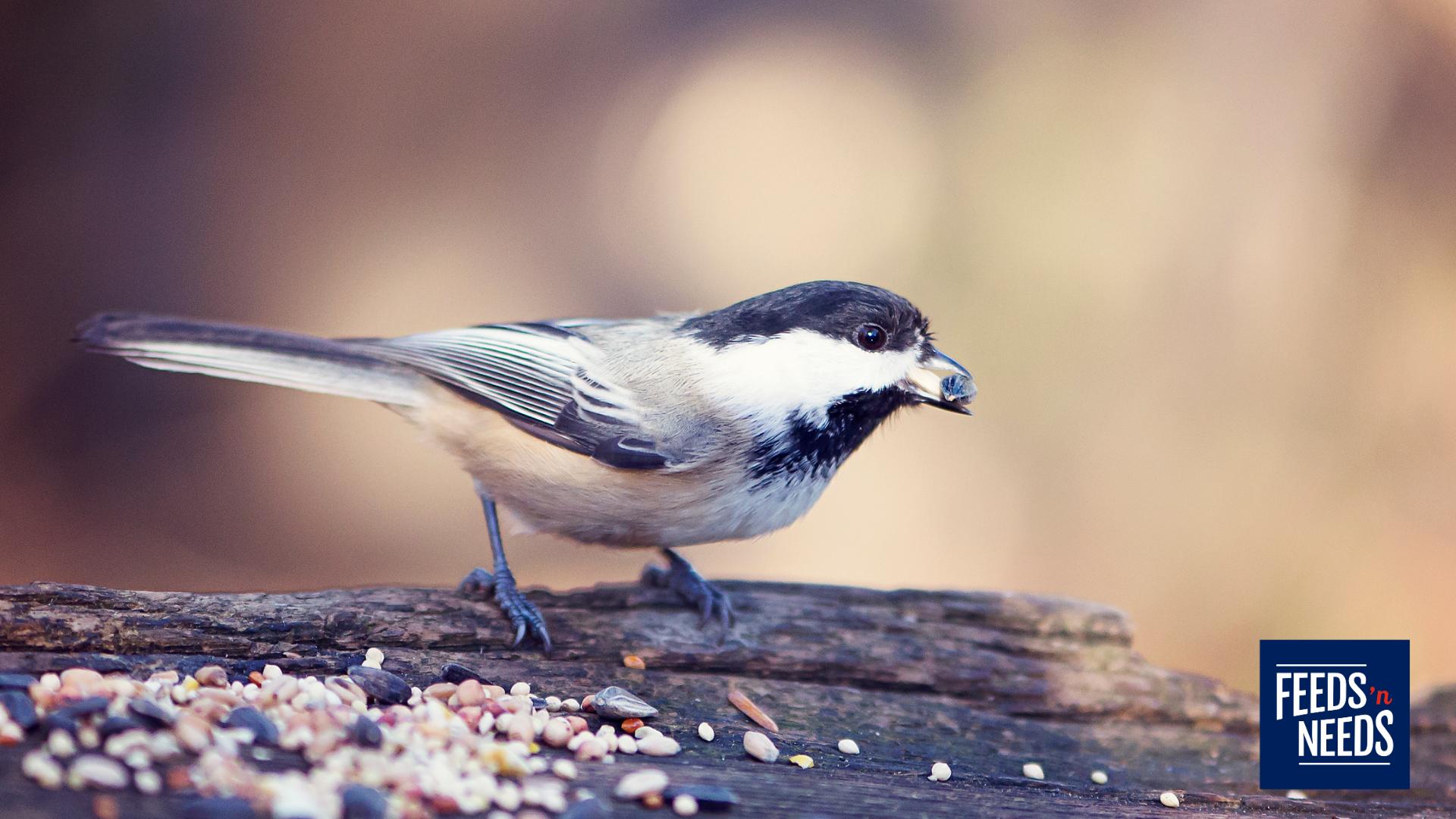
Black oil sunflower seeds have relatively thin shells that many birds can open. The kernels provide fat and energy, making them well suited to cold-weather feeding.
Common Atlantic Canadian birds attracted to black oil sunflower seed include:
Not every species will appear in every yard, and some winter visitors vary from year to year. Feeder activity is influenced by habitat, weather, natural food supplies and regional movement.
Black oil sunflower seed works well in:
Choose a feeder with drainage and enough protection to keep seed as dry as possible. Atlantic Canadian winters often bring a combination of rain, freezing rain, snow and thawing conditions, which can cause exposed seed to become wet or frozen.
Whole black oil sunflower seed is economical and stores well, but the discarded shells can accumulate beneath feeders.
Sunflower hearts or chips eliminate most shell waste and are easier for birds to eat. They can attract many of the same species, but the exposed kernels may spoil more quickly when wet. Offer smaller quantities and check the feeder frequently.
Peanuts are rich in fat and protein, making them a popular winter food for several larger birds as well as chickadees and nuthatches.
Birds commonly attracted to peanuts include:
Blue jays may carry whole peanuts away and store them for later. Chickadees and nuthatches often visit feeders for peanut pieces that can be eaten quickly or cached nearby.
Whole peanuts in the shell are particularly appealing to blue jays and other larger birds. They can be offered in a sturdy platform feeder or a feeder designed specifically for peanuts.
Whole peanuts may also attract squirrels, crows and other wildlife. A weight-sensitive or squirrel-resistant feeder can help if smaller birds are your priority.
Shelled peanuts or peanut pieces are easier for smaller birds to manage. Use a wire-mesh peanut feeder or another design that limits the amount removed at one time.
Only offer peanuts that are:
Peanuts can absorb moisture and spoil, so avoid overfilling feeders during wet weather. Discard any peanuts that appear damp, mouldy or rancid.
Suet is a concentrated source of fat that is especially useful during cold weather. It can supplement the insects and larvae that many birds search for in tree bark throughout the year.
Winter birds commonly attracted to suet include:
Suet cakes are available in several blends, including varieties containing:
Peanut and insect blends often appeal to woodpeckers and nuthatches, while fruit blends may attract additional seasonal visitors.
Choose a quality product intended specifically for wild birds. Avoid feeding kitchen grease or heavily processed fats, which may contain salt, seasonings or other unsuitable ingredients.
A basic wire suet cage works well for many yards. Other options include:
Mount the feeder near trees or shrubs where birds can approach from cover, but place it carefully so predators cannot hide immediately beside it.
Suet performs best in cool weather. Inspect it during warm spells and replace any product that becomes spoiled, dirty or rancid.
A quality mixed birdseed can attract several species with different feeding preferences. It may include black oil sunflower seed, white millet, cracked corn, sunflower chips and other grains or seeds.
Depending on the ingredients, mixed seed may attract:
Not all mixed birdseed provides the same value. Some blends contain a high proportion of inexpensive grains that local birds may leave behind.
When birds scatter unwanted ingredients while searching for preferred seeds, more food ends up on the ground. This creates waste and may attract rodents.
Look for a blend with recognizable, appealing ingredients such as:
The best blend depends on the birds using your yard. Pay attention to which ingredients disappear and which remain in the feeder or collect underneath it.
Mixed birdseed can be offered in:
A hopper feeder protects seed better than an open tray during snow or rain. Ground-feeding birds may appreciate seed offered close to ground level, but feeding areas must be kept especially clean to reduce contamination and rodent activity.
Best for: A wide variety of backyard birds
Likely visitors: Chickadees, cardinals, nuthatches, finches, grosbeaks and woodpeckers
Best feeder: Tube, hopper or squirrel-resistant feeder
Main benefit: High-energy seed with broad appeal
Best for: Larger birds and energetic winter visitors
Likely visitors: Blue jays, chickadees, nuthatches and woodpeckers
Best feeder: Mesh peanut feeder, platform or specialty peanut feeder
Main benefit: Concentrated fat and protein
Best for: Clinging and insect-eating birds
Likely visitors: Woodpeckers, nuthatches, chickadees and brown creepers
Best feeder: Suet cage or tail-prop feeder
Main benefit: Concentrated cold-weather energy
Best for: Attracting birds with varied preferences
Likely visitors: Juncos, sparrows, doves, cardinals, chickadees and finches
Best feeder: Hopper, platform or covered tray feeder
Main benefit: Multiple food types in one blend
The food you offer is only half of the equation. Feeder design determines which birds can comfortably access it.
Tube feeders are well suited to chickadees, nuthatches and finches. Models with short perches can limit access by some larger birds.
Hopper feeders hold a larger quantity of seed and provide some protection from precipitation. They can attract both small and medium-sized birds.
Open platform feeders accommodate cardinals, jays, doves and other birds that prefer a broad landing area. Because the food is more exposed, these feeders require frequent cleaning and careful weather monitoring.
Wire cages and tail-prop feeders allow woodpeckers and other clinging birds to feed in a natural position.
Juncos, sparrows and mourning doves often search for fallen seed. Keep the ground beneath feeders clean and avoid allowing damp seed and hulls to accumulate.
Instead of combining every food in one feeder, consider creating a small feeding station with several options.
A balanced setup might include:
Spacing feeders apart can reduce crowding and give timid species more opportunities to eat.
Trees, shrubs and evergreen cover provide places for birds to perch and shelter from weather. A yard with varied natural habitat is often more attractive than an exposed feeder by itself.
Atlantic Canadian weather can quickly turn good birdseed into wet, frozen or mouldy feed.
To protect your seed:
Birdseed should smell fresh. If it appears mouldy, wet or rancid, discard it.
Many birds gathering in one location can increase the risk of disease transmission. Clean feeders regularly and more frequently when conditions are wet or when bird activity is heavy.
Remove old seed and hulls, wash the feeder appropriately and allow it to dry completely before refilling. Clean the ground beneath feeding stations and rotate feeder locations when practical.
If you notice birds that appear unusually lethargic, have swollen or crusted eyes, struggle to eat or remain fluffed up for long periods, temporarily remove the feeders and seek current guidance from a wildlife-health or bird-conservation authority.
Food left on the ground can attract mice, rats and other unwanted visitors.
Reduce waste by:
Hulled seed creates less shell debris, but any uneaten food still needs to be cleaned up.
Birds need water in winter for drinking and feather maintenance. Natural water can be difficult to access when ponds, puddles and birdbaths freeze.
A heated birdbath designed for outdoor winter use can provide a valuable water source. Follow all product instructions and use safe electrical connections intended for outdoor conditions.
Keep water shallow and clean it regularly. Do not add salt, antifreeze or other chemicals to prevent freezing.
For the widest variety of Atlantic Canadian winter birds, start with black oil sunflower seed. Add suet to attract woodpeckers, chickadees and nuthatches. Offer peanuts for blue jays and other bold visitors, then include a quality mixed seed for ground-feeding birds and species that enjoy smaller grains.
The strongest winter feeding setup combines:
Feeds’n Needs carries black oil sunflower seed, peanuts, suet, mixed birdseed, feeders and birdseed-storage solutions to help you build a dependable winter feeding station. Product selection may vary by location, so visit your local store and speak with our knowledgeable team about the birds visiting your backyard.
Choose the right seed, keep your feeders clean and enjoy the colour and activity that winter birds bring to Maritime backyards.

Timothy hay is a widely used grass hay with a balance of fibre, leaves and stems. Its texture encourages chewing and foraging, making it a ...
Black oil sunflower seed works well in: Tube feeders Hopper feeders Platform feeders Covered tray feeders Squirrel-resistant feeders Choose a feeder with drainage and enough protection to keep seed as dry ...

Winter has arrived, and while we’re cozy under blankets and sipping warm drinks, our dogs feel the chill too. Winter isn’t just about keeping them ...

If your pet could write their own grocery list, there’s a good chance “more raw food, please!” would be at the top. Raw diets have ...
Winter has arrived, and while we’re cozy under blankets and sipping warm drinks, our dogs feel the chill too. Winter isn’t just about keeping them ...
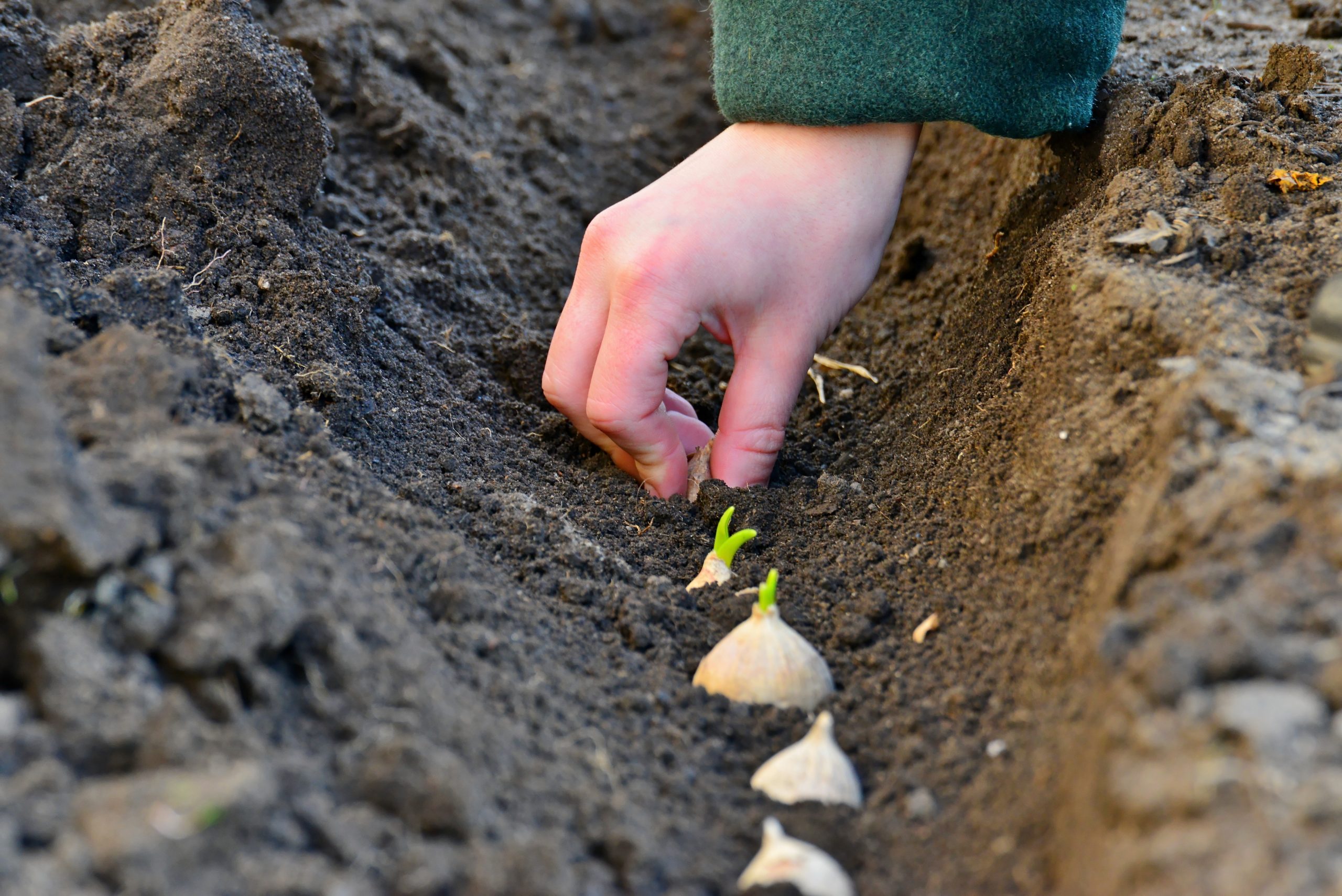
Garlic is one of the easiest and most rewarding crops to grow in your garden. Whether you’re a seasoned gardener or just starting out, planting ...
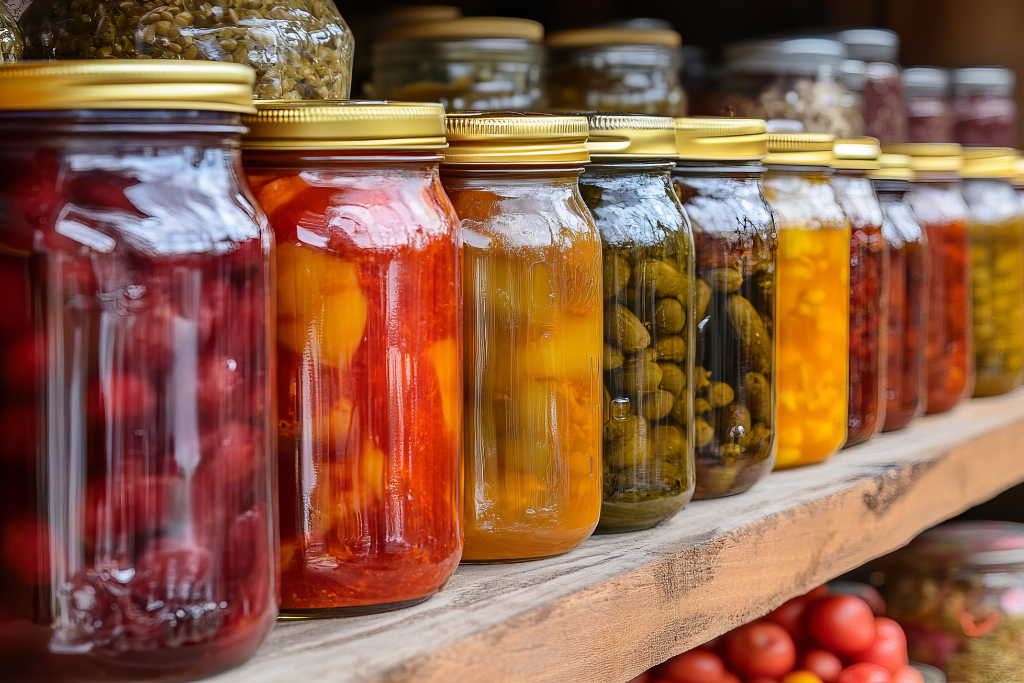
Canning is a fantastic way to preserve your garden harvest and enjoy fresh-tasting vegetables all year long. If you’re new to the process, starting with ...

Summer is here, and the temperatures are high — which means your pup might be looking for a tasty way to beat the heat! Why ...

There’s something truly satisfying about harvesting fresh, juicy strawberries from your own garden. Whether you’re a seasoned green thumb or just starting out, strawberries are ...

If you spend enough time feeding backyard birds, chances are you’ll have close encounters with your backyard feathered friends. Maybe a hummingbird buzzes by as ...


