Care
Maritime Winter Lawn Care
10 October 2026 +Dormant grass is alive — the crowns and roots remain viable under snow and frozen soil Most winter lawn damage in the Maritimes is caused by ...


Here’s something most Maritime homeowners don’t realize: what you do to your lawn in fall matters more than any other season.
Fall is when cool-season grasses — Kentucky Bluegrass, Fine Fescue, and Perennial Ryegrass — enter their most active growing period of the year. Soil is still warm from summer, air temperatures have cooled, and rainfall typically increases. These are ideal conditions for root development, recovery from summer stress, and preparation for winter. Every dollar and hour you invest in your lawn this fall will pay dividends next spring.
In Nova Scotia, New Brunswick, and PEI, the fall lawn care window runs roughly from late August through October, with timing varying by location and year. Acting within this window — before the ground freezes and growth stops — is what separates lawns that come back strong in spring from those that struggle year after year.
This guide covers everything Maritime homeowners need to know to make the most of fall lawn care season.
Understanding why fall is so valuable helps you prioritize your time and budget.
Cool-season grasses have two natural growth peaks each year: spring and fall. Summer heat and drought slow them down. Winter freezes them. But in fall, the combination of warm soil, cool air, and increasing moisture triggers a growth response that’s actually stronger than spring — particularly for root development.
What’s happening underground in fall:
This means that fall fertilizing, seeding, and liming have more time to work than most people realize. Lime applied in October continues moving into the soil through November rain and eventual snowmelt. Fertilizer applied in September feeds roots that are actively growing for weeks. Seed sown in late August can establish 6 to 8 weeks of growth before the first hard frost — enough to survive winter and emerge strong in spring.
Miss this window and you’re waiting another full year.
Before any fall work begins, walk your lawn and take inventory of what summer left behind.
Look for:
Summer stress and drought damage — Areas that went brown or thin during dry spells may bounce back on their own with fall moisture, or may need overseeding to fill in properly.
Grub damage — Late summer and early fall is when white grub (European Chafer and Japanese Beetle larvae) damage becomes most visible. Irregular brown patches that feel spongy underfoot, or areas where turf lifts like a loose carpet, are telltale signs. Crows, starlings, skunks, and raccoons digging at your lawn are also strong indicators. Address grub pressure before overseeding damaged areas, or your new seed investment may be undermined.
Pet damage and worn paths — High-traffic zones and pet urine spots that survived summer need attention in fall before they become larger problems next spring.
Compacted areas — Soil that feels hard underfoot, areas where water pools, or zones that repeatedly thin out despite regular care are candidates for aeration.
Thatch buildup — Run your fingers through the grass in several spots. A thatch layer thicker than half an inch will limit the effectiveness of everything else you do this fall — seed, fertilizer, and lime all struggle to reach the soil through a thick thatch mat.
Taking stock of these issues before you start work helps you prioritize and purchase the right products.
Fall dethatching and raking does more than tidy up the lawn. It sets the stage for every other step that follows.
Dethatching removes the accumulated layer of dead stems, roots, and organic material between the soil surface and green grass blades. A thin layer is normal and beneficial. A thick layer — more than half an inch — physically blocks seed, fertilizer, lime, and water from making proper contact with the soil.
If your lawn has significant thatch, dethatch before overseeding and fertilizing. A dethatching rake works well for smaller areas; a power dethatcher covers ground faster on larger lawns. After dethatching, the lawn may look rough — this is normal. It will recover quickly with fall’s favourable growing conditions.
Fall raking removes leaves and debris that, if left in thick layers, will mat down over winter, block light and airflow from grass below, and create ideal conditions for snow mold. You don’t need a perfectly bare lawn — a thin, scattered layer of leaves will break down over winter — but heavy accumulations should be removed.
Tip: If you have a mulching mower, running it over a light leaf cover chops them into fine particles that decompose quickly and actually add organic matter to your soil. This is a legitimate alternative to raking light leaf fall.
If there’s one fall task that delivers outsized returns for the investment, it’s core aeration.
Core aeration removes small plugs of soil across the lawn, creating channels that allow air, water, fertilizer, lime, and seed to penetrate directly into the root zone. On compacted Maritime soils — particularly those with clay content, as found in many parts of New Brunswick and Nova Scotia — aeration can transform how well your lawn responds to everything else you do.
Why fall aeration is better than spring:
Aerate if your lawn has:
Timing: Aerate while the grass is still actively growing and before the first hard frost. In most Maritime areas, September and early October are the ideal window. Aerate, then overseed and fertilize into the open channels for maximum effectiveness.
If your lawn came out of summer thinner than you’d like — or if there are bare spots, worn paths, or areas recovering from grub or pet damage — fall overseeding is the most effective fix available.
Cool-season grass seed germinating in fall benefits from warm soil for root establishment, cool air temperatures that reduce competition from weeds, and natural fall moisture that reduces the watering burden on the homeowner. Seed sown in early September in the Maritimes can achieve 6 to 8 weeks of establishment before hard frosts arrive — enough to survive winter and emerge as a healthy, contributing part of the lawn next spring.
Overseeding timeline for the Maritimes:
Steps for successful fall overseeding:
| Seed | Best For |
|---|---|
| Triple Mix Lawn Seed | General overseeding, thin areas, everyday bare spot repair |
| Premium Lawn Mix | Front yards, high-visibility areas, finished residential lawns |
| Highway Mix | Slopes, ditches, driveway edges, rural and low-maintenance spaces |
Fall fertilizing is fundamentally different from spring and summer fertilizing. The goal shifts from promoting visible top growth to building the underground reserves that help grass survive winter and emerge strong next spring.
A fall/winter fertilizer with higher potassium and controlled nitrogen does something summer fertilizers don’t: it encourages grass to store carbohydrates, harden cell walls, and deepen roots without producing the soft, lush top growth that would be vulnerable to frost damage and disease.
What 32-0-10 does:
Use 32-0-10 Fall/Winter Fertilizer when:
In early fall — late August through September — when grass is actively growing and still needs both colour and root support, 21-7-7 Slow Release remains a good option, particularly for established lawns that missed a summer feeding or came out of summer looking pale and stressed.
Fall fertilizer timing rule: Apply 21-7-7 in early fall while grass is actively growing and greening. Switch to 32-0-10 in mid-to-late fall to harden the lawn for winter. Never fertilize frozen or dormant grass.
Fall is actually the ideal time to apply lime in the Maritimes, and here’s why: you don’t have to do any extra work. Rain in October and November, followed by snowmelt in spring, gradually moves lime down through the soil profile over the entire winter season. By the time you’re doing your spring cleanup, the lime has had months to begin adjusting pH — giving your spring fertilizer a much better environment to work in.
Maritime soils are naturally acidic. Consistent rainfall leaches pH over time. Many lawns across Nova Scotia, New Brunswick, and PEI are below the 6.0 to 7.0 pH range where cool-season grasses perform best — often without homeowners realizing it.
Apply lime in fall if:
Lime and fertilizer can be applied at the same time — they don’t interfere with each other. Apply lime after aeration for best soil penetration.
Many Maritime homeowners stop mowing too early in fall, letting grass get long before winter arrives. Long grass going into winter creates several problems: it mats under snow, restricts airflow at the soil surface, and creates ideal conditions for snow mold development.
Fall mowing approach:
Keep your mower blade sharp through fall. A clean cut going into winter reduces entry points for disease.
A few final steps in late fall make a meaningful difference in how your lawn emerges next spring.
Remove heavy leaf accumulation — Scattered leaves are fine. Thick, wet leaf mats that smother the grass through winter are not. Rake or mulch mow heavy leaf cover before the ground freezes.
Clean up pet waste — Pet waste left on the lawn over winter contributes to nitrogen burn and odour issues in spring. A final cleanup before freeze-up is worth the effort.
Avoid heavy traffic on frozen or frost-covered grass — Walking or driving on frozen grass damages the crowns of grass plants, which are brittle in frozen conditions. Avoid unnecessary foot traffic once hard frosts begin.
Put away irrigation equipment — Drain hoses and irrigation lines before the first hard frost to prevent freeze damage.
Note areas that need spring attention — Before snow covers everything, make a note of problem areas, bare spots, grub damage, or compaction zones. Having this list ready in spring means you can act quickly when the ground firms up.
When should I start fall lawn care in the Maritimes?
Begin in late August to early September, particularly for overseeding. Most fall lawn care tasks — aerating, overseeding, fertilizing, and liming — should be completed by mid-October in most Maritime areas to allow enough time for grass to establish and products to work before the ground freezes.
Is fall really better than spring for overseeding?
For cool-season grasses, yes. Warm soil, cool air, and natural moisture in fall create near-ideal germination and establishment conditions. There’s also less competition from annual weeds in fall than in spring.
What fertilizer should I use in fall?
Use 21-7-7 Slow Release in early fall while grass is actively growing. Switch to 32-0-10 Fall/Winter Fertilizer in mid-to-late fall to harden grass for winter without promoting soft top growth.
How late can I overseed in the Maritimes?
Mid-September is the comfortable deadline for most Maritime locations. Seeding into early October is possible but risky — germinating grass needs at least 4 to 6 weeks to establish before hard frosts. Late October seeding has low success rates in most years.
Should I aerate in fall or spring?
Fall aeration is generally more beneficial for Maritime lawns. Soil is still biologically active, overseeded grass germinates into warm soil, and open aeration channels improve the effectiveness of fall fertilizer and lime applications.
How short should my final fall mow be?
Drop to 2 to 2.5 inches for your last cut of the season. This reduces the amount of leaf material that mats and compresses under snow, which is one of the main drivers of snow mold.
Can I apply lime and fertilizer at the same time in fall?
Yes. Lime and fertilizer do not interfere with each other and can be applied in the same session. Applying both after aeration improves penetration and effectiveness significantly.
What do I do about grub damage in fall?
Fall is when grub damage is most visible and when grub populations are most active near the surface. Consult your local Feeds’n Needs team about treatment options available in your province. Damaged areas should be raked out and overseeded once grub pressure is addressed.
Do I need to do anything special to protect my lawn from snow mold?
Yes. Avoid leaving long grass, heavy leaf accumulation, or thick debris on the lawn going into winter. Make a final mow at 2 to 2.5 inches, rake heavy leaves, and ensure good airflow across the lawn surface before the first sustained snowfall.
Have questions about your lawn? Visit your local Feeds’n Needs store for expert advice, soil amendments, fertilizer, grass seed, and lawn care products tailored to Maritime growing conditions.

Dormant grass is alive — the crowns and roots remain viable under snow and frozen soil Most winter lawn damage in the Maritimes is caused by ...
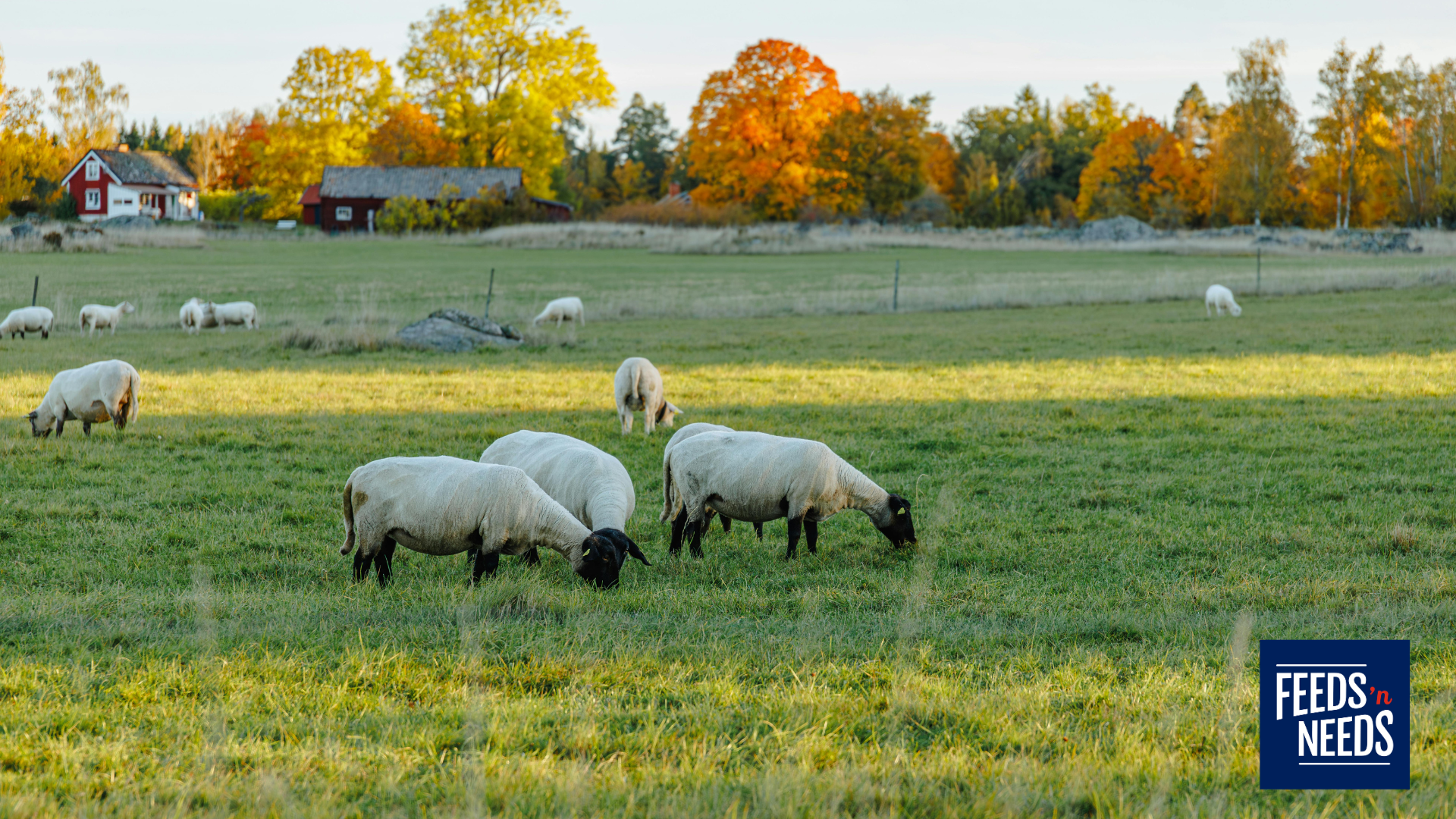
Pastured cattle may encounter gastrointestinal roundworms, lungworms, lice, grubs and other internal or external parasites. Calves and yearlings are often more vulnerable than mature cattle ...


Pick manure from smaller paddocks, dry lots and high-traffic areas regularly. Pay particular attention to: Hay-feeding areas Gates and laneways Shelters Water sources Small sacrifice paddocks Winter turnout areas Feeds’n Needs carries ...
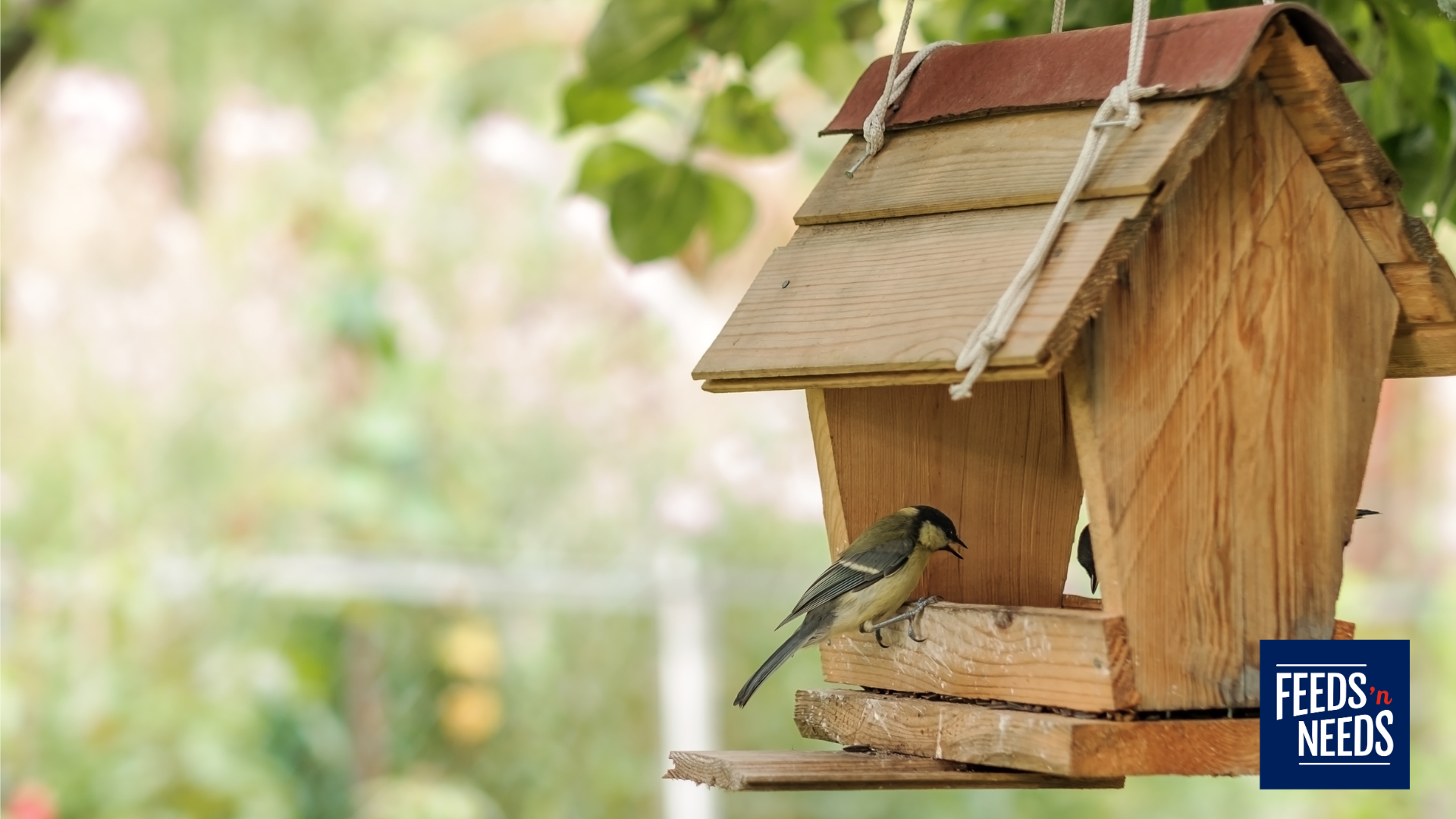
Black oil sunflower seed is one of the best all-around options for feeding backyard birds in Atlantic Canada. Its thin shell is easy for smaller ...
Fall is the single best time of year to overseed, aerate, fertilize, and lime Maritime lawns Cool-season grasses grow actively in fall — take advantage of ...

Walk the entire pasture boundary before turnout and check for: Broken or leaning posts Loose wire Damaged insulators Weak corners Low electric-fence voltage Vegetation grounding the fence Gates that sag or fail ...
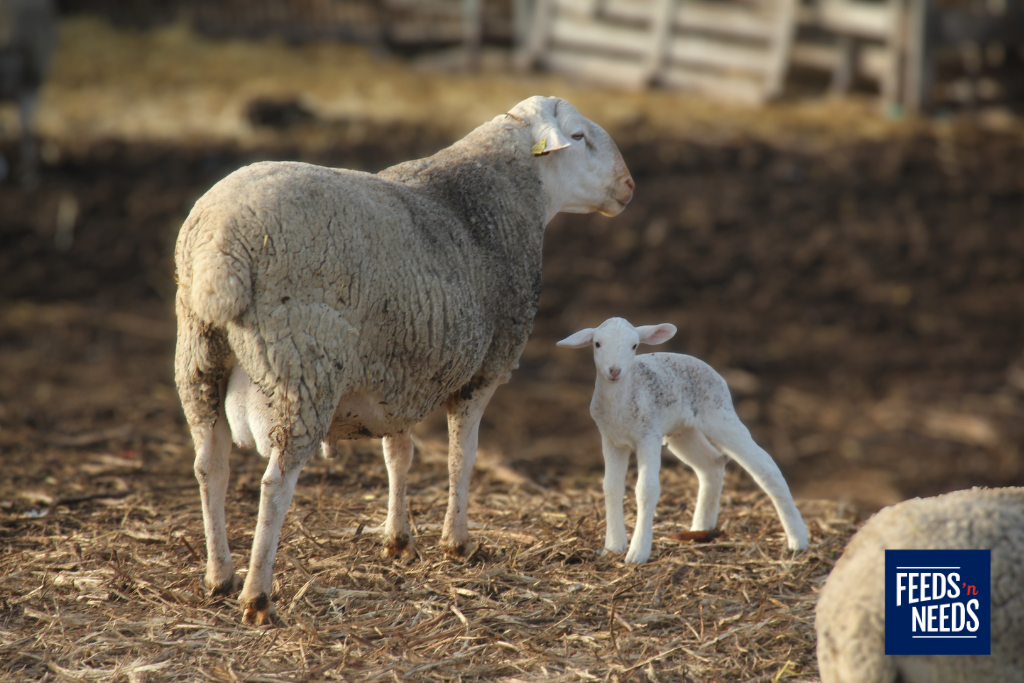
Cattle grazing wooded fence lines or rough pasture Goats that browse brush and shrubs Sheep in long pasture or bushy paddocks Outdoor pigs rooting in wooded or grassy ...

Light daily watering encourages shallow roots. Instead, water deeply and less frequently — this pushes roots deeper into the soil, making your lawn more drought-resilient. Best ...
After a long Maritime winter, it’s normal for your lawn to look rough. Snow mold, salt damage, ice, matted grass, bare spots, and compacted soil ...


