Preparing Backyard Birds for Fall Migration in Atlantic Canada
As summer fades across Nova Scotia, New Brunswick and Prince Edward Island, wild birds begin preparing for one of the most demanding stages of their annual cycle: fall migration.
Some species travel thousands of kilometres to reach their wintering grounds, while others remain in the Maritimes and prepare for colder temperatures and reduced natural food supplies. By providing nutritious wild bird seed, clean water, safe shelter and properly maintained feeders, you can turn your backyard into a valuable place for birds to rest and refuel.
When Does Fall Bird Migration Begin in Atlantic Canada?
Fall bird migration occurs in waves, with different species leaving at different times. In Atlantic Canada, migration generally begins in late summer and continues through October, with some species travelling into November.
Shorebirds and insect-eating birds may begin moving first, followed by Ruby-throated hummingbirds, warblers, swallows and other songbirds. Waterfowl and later-migrating species may remain well into the fall.
Migration timing is influenced by:
- Shorter daylight hours
- Changing temperatures
- Food availability
- Weather systems and wind direction
- Each species’ natural migration cycle
During this period, you may notice unfamiliar birds visiting your yard. Some may stop for only a few hours, while others remain for several days to replenish their energy reserves.
Offer High-Energy Wild Bird Food
Migration requires a tremendous amount of energy. Birds need calorie-dense, nutritious food to build and maintain the fat reserves required for long-distance flight.
Good fall bird-feeding options include:
Black Oil Sunflower Seed
Black oil sunflower seed is one of the best all-around options for feeding backyard birds in Atlantic Canada. Its thin shell is easy for smaller birds to open, while its high oil content provides valuable energy.
It commonly attracts chickadees, nuthatches, cardinals, finches, blue jays, grosbeaks and woodpeckers.
Peanuts
Plain, unsalted peanuts and peanut pieces provide protein and fat for active birds. They are especially popular with blue jays, woodpeckers, chickadees and nuthatches.
Use a dedicated peanut feeder to keep the food secure and reduce waste.
Nyjer Seed
Nyjer is an oil-rich seed suited to small-beaked birds such as goldfinches, pine siskins and redpolls. Because it is very small, Nyjer should be served in a specialized tube or mesh feeder.
Quality Wild Bird Seed Blends
A balanced wild bird blend can attract several species at once. Look for mixtures containing nutritious ingredients such as sunflower seed, millet, safflower and peanuts.
Feeds’n Needs carries black oil sunflower seed, Nyjer seed, peanuts, millet, mixed wild bird seed, cracked corn, bird pies and other seasonal options. Product selection may vary by store location.
Introduce Suet When Temperatures Cool
Suet is a concentrated source of fat that can help birds meet their increased energy needs during cool weather. It is especially popular with woodpeckers, chickadees, nuthatches and brown creepers.
Wait until temperatures are consistently cooler before offering traditional suet, as it can soften or spoil during warm weather. Place suet blocks in a properly designed cage feeder that gives clinging birds a secure surface while they eat.
Suet cakes and feeders are available at Feeds’n Needs to help you prepare your fall and winter bird-feeding station.
Match the Feeder to the Food
Using the correct feeder helps protect seed from Maritime rain and wind while making it easier for the right birds to access it.
- Tube feeders: Suitable for sunflower seed, mixed seed and peanuts.
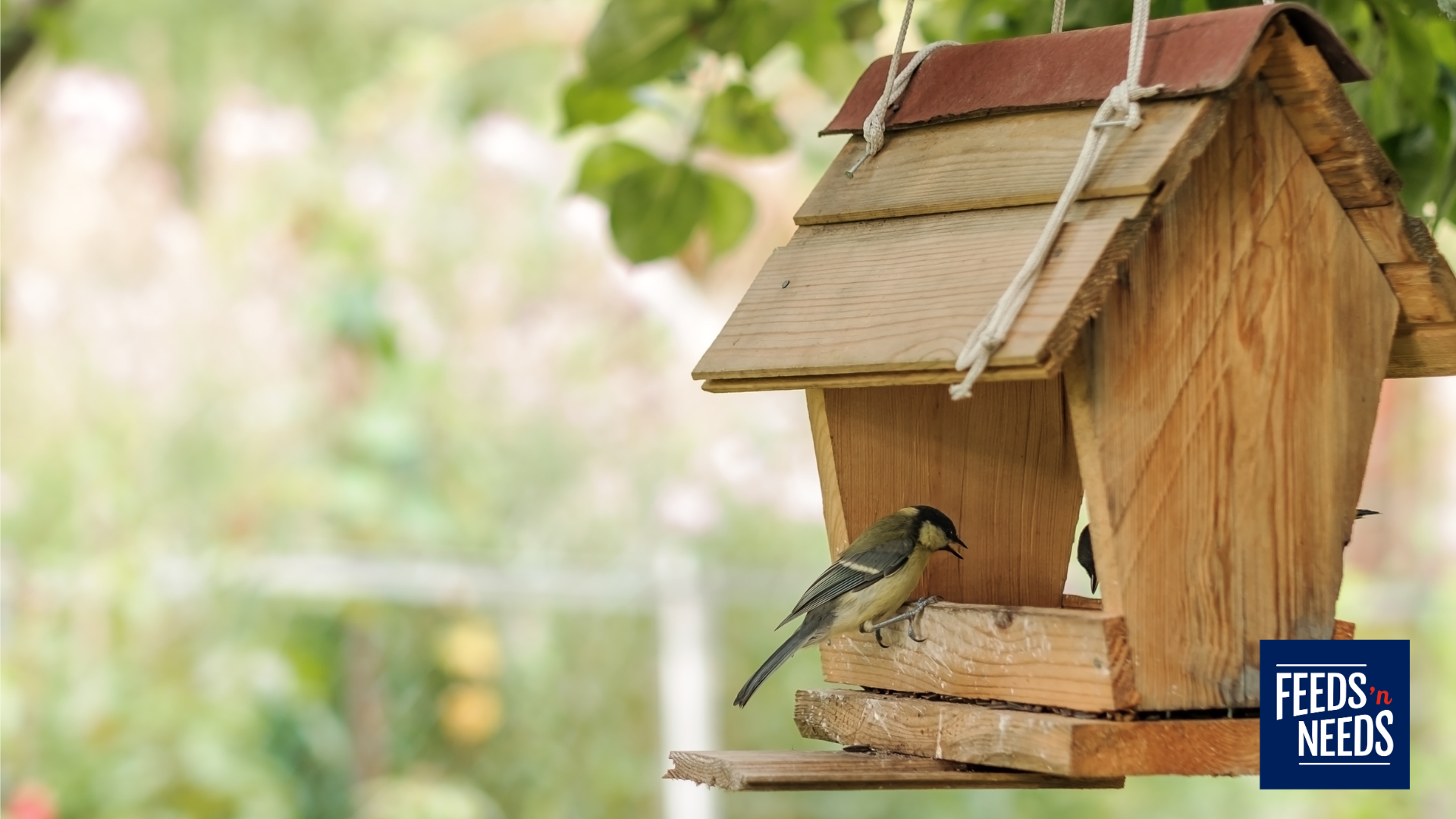
- Hopper feeders: Provide shelter for seed and accommodate several bird species.
- Nyjer feeders: Designed with small openings for finches and other small-beaked birds.
- Suet cages: Securely hold suet blocks for clinging birds.
- Platform feeders: Attract a wide range of species but require frequent cleaning.
- Squirrel-resistant feeders: Help reduce seed loss during the busy fall foraging season.
Place feeders near trees or shrubs that provide quick escape cover, but not directly beside dense vegetation where outdoor cats or other predators can hide.
Covered feeders and weather guards can help keep seed dry during wet Maritime fall weather.
Clean Feeders Before Migration Peaks
Fall migration can bring many birds into close contact at backyard feeders. Damp seed, mould, droppings and spoiled food may contribute to the spread of disease.
Before feeder activity increases:
- Empty and discard old seed.
- Take the feeder apart where possible.
- Scrub away dirt, droppings and stuck seed.
- Disinfect it with an appropriate cleaning solution.
- Rinse thoroughly.
- Allow every part to dry before refilling.
Continue checking feeders throughout the fall. Remove wet, compacted or mouldy seed immediately and regularly rake up discarded hulls beneath the feeding area.
If you notice birds with swollen eyes, poor balance, unusual lethargy or difficulty flying, temporarily remove feeders and birdbaths. Clean them thoroughly and contact a local wildlife authority for guidance.
Provide Fresh Water
Birds need clean water for drinking and feather maintenance throughout the year. A shallow birdbath can provide an important hydration and resting point for migrating birds.
For a healthier water station:
- Replace the water every day or two.
- Remove leaves, seed hulls, algae and droppings.
- Scrub the basin regularly.
- Add clean stones if the surface is deep or slippery.
- Position the birdbath where birds can watch for predators.
- Switch to a heated birdbath or birdbath heater when temperatures begin to freeze.
Never add salt, antifreeze or other chemicals to prevent birdbath water from freezing.
Keep Hummingbird Feeders Available
Ruby-throated hummingbirds begin travelling south in late summer, but birds from farther north may continue passing through Atlantic Canada after your usual summer visitors have left.
Keeping a feeder available will not stop hummingbirds from migrating. Their journey is guided primarily by natural seasonal cues, including changes in daylight.
Keep hummingbird feeders up for approximately two weeks after your last sighting. Continue replacing the nectar and cleaning the feeder even if visits become less frequent.
Feeds’n Needs carries hummingbird feeders and nectar products to help support late-season travellers.
Leave Natural Food and Shelter
A bird-friendly fall yard does not need to be perfectly tidy. Seed heads, native berries, insects, leaf litter and dense vegetation provide natural food and shelter.
Consider leaving:
- Sunflower and coneflower seed heads
- Native grasses and berry-producing shrubs
- Fallen leaves beneath shrubs
- Dead plant stems until spring
- Undisturbed garden edges
- A small brush pile in a quiet corner
- Evergreen trees and shrubs for wind protection
Avoid unnecessary pesticide use during migration. Insects remain an important source of protein and energy for many travelling birds.
Reduce Common Backyard Hazards
Migrating birds may be unfamiliar with your property, making them especially vulnerable to reflective windows, artificial lighting and predators.
Help make your backyard safer by:
- Applying closely spaced bird-safe markings to the outside of windows
- Installing exterior screens or approved window film
- Closing curtains and blinds when rooms are not in use
- Turning off unnecessary indoor and outdoor lights at night
- Keeping cats indoors, in a secure enclosure or closely supervised
- Moving feeders away from low hiding places used by predators
Many songbirds migrate after dark. Reducing unnecessary nighttime lighting can help prevent confusion and disorientation, particularly during cloudy or foggy Maritime weather.
Prepare Feeders for Maritime Fall Weather
Atlantic Canadian fall weather can bring heavy rain, tropical storms, strong winds and sudden temperature changes. Inspect your feeding station regularly and prepare it before severe weather arrives.
- Secure feeder poles, hooks and hanging systems.
- Repair or replace cracked and damaged feeders.
- Bring lightweight feeders indoors during damaging winds.
- Store seed in a cool, dry place inside a sealed container.
- Discard seed that becomes wet or mouldy.
- Clear storm debris from feeders and birdbaths.
- Refill feeders once conditions are safe.
Support Fall Migration from Your Backyard
A clean feeder, high-energy wild bird seed, fresh water and safe shelter can make your backyard a valuable stopover for fall migratory birds. Continuing to feed after migration also supports chickadees, nuthatches, woodpeckers, cardinals, finches and other birds that remain in the Maritimes throughout winter.
Visit your local Feeds’n Needs for wild bird seed, black oil sunflower seed, Nyjer seed, peanuts, suet, nectar, feeders, birdbaths and other backyard bird-feeding supplies. Our team can help you choose the right food and feeder combination for the birds visiting your property this fall.