Care

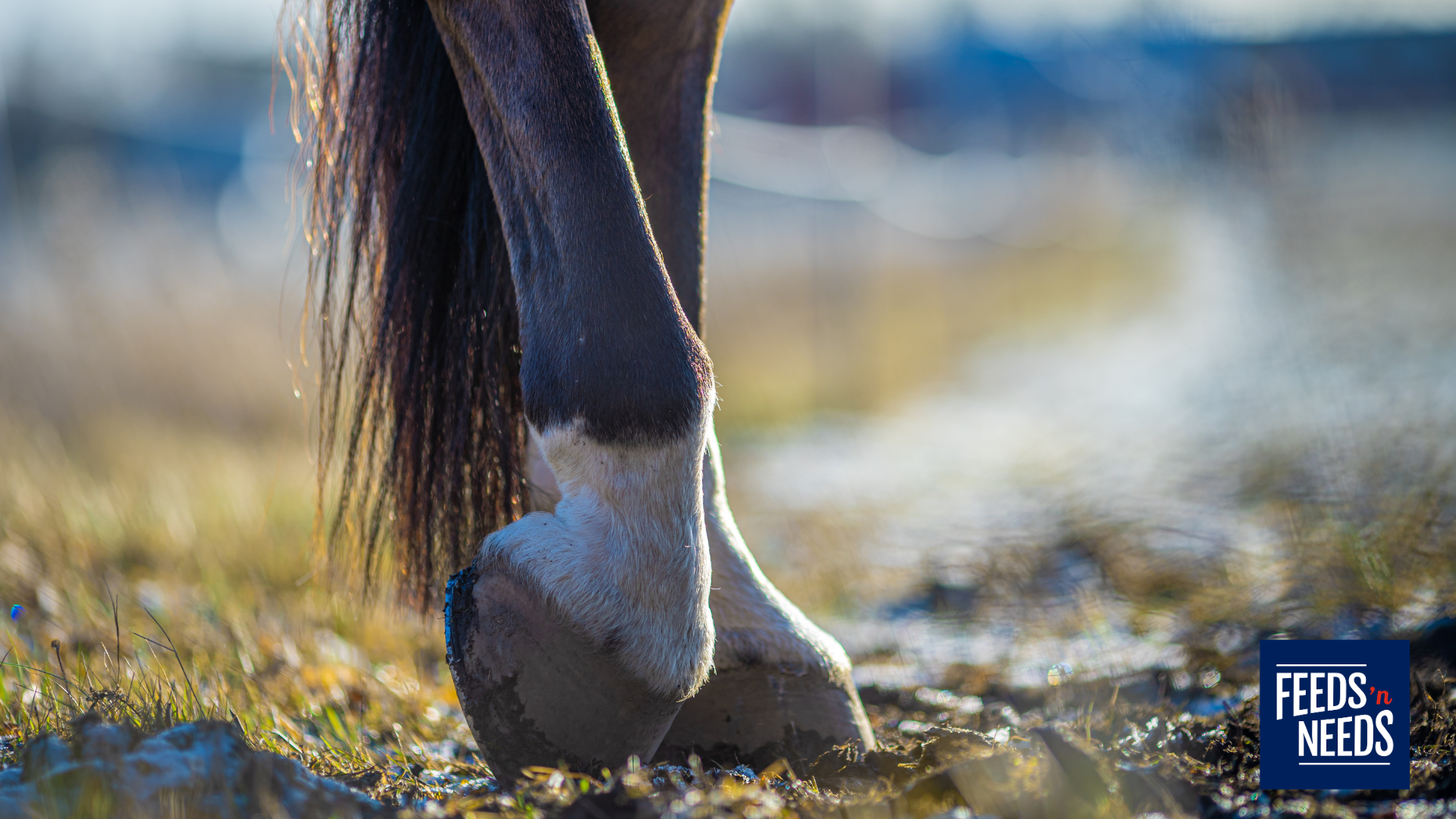
Fall hoof care lays the groundwork for a more comfortable winter. Before muddy gateways freeze into uneven ground and wet snow starts packing into hooves, it’s time to review your horse’s trimming schedule, shoeing needs and daily care routine.
For horse owners across Atlantic Canada, preparing for winter involves more than deciding whether to leave shoes on. Your horse’s hoof condition, workload, turnout environment and medical history all affect the right approach.
Start with your farrier, keep daily hoof care consistent and make footing management part of the plan. Here’s what to consider as you prepare your horse for mud, ice and snow.
Book a fall appointment before winter conditions arrive. This gives you time to discuss changes rather than making a rushed decision after the first snowfall.
Tell your farrier about your winter plans. Will your horse continue schooling indoors, head out on occasional trail rides or spend most of the season turned out? Describe the footing between the barn, paddock, hay and water—not just the surface where you ride.
Useful questions include:
Regular farrier care remains essential throughout winter. Although hoof growth may slow, the appropriate schedule depends on the individual horse. Avoid extending appointments automatically because riding has slowed down. Balanced feet and suitable shoeing help reduce unnecessary stress on the structures of the limb.
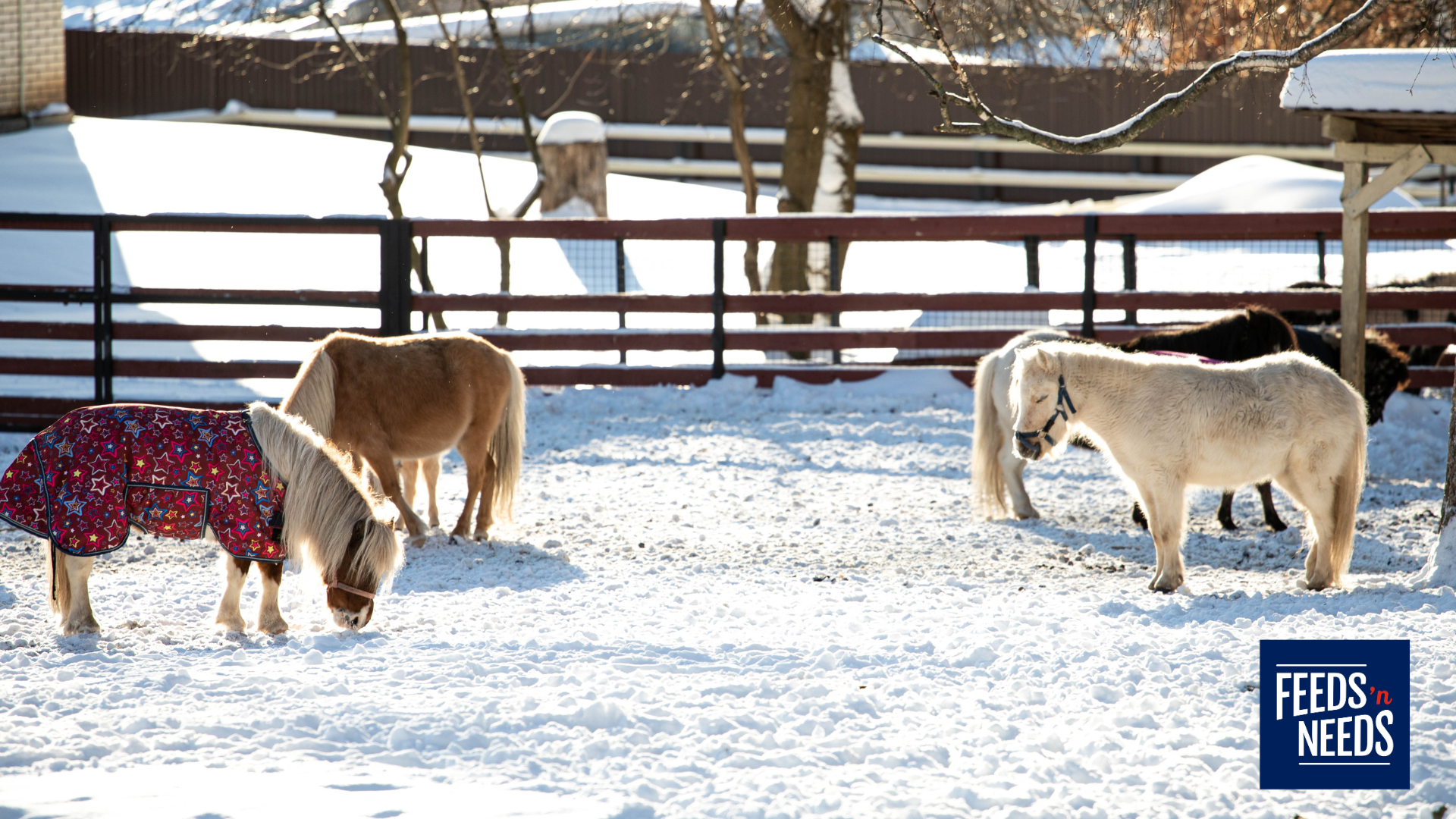
Some horses manage well barefoot through winter, particularly when their workload decreases. Bare hooves generally offer better grip on snow and ice than plain, flat metal shoes, and may be less prone to snow accumulation. However, barefoot does not mean slip-proof, and removing shoes is not suitable for every horse.
Discuss the decision with your farrier before changing your horse’s hoof-care plan. Horses with thin soles, a history of bruising or a need for therapeutic support may require continued protection. Frozen, uneven ground can be uncomfortable even for a horse doing little ridden work.
If you choose a barefoot transition:
Allow time to evaluate how your horse copes before the most challenging footing arrives. Persistent discomfort deserves professional attention rather than being accepted as a normal part of adjusting.
Horses that need shoes for support, protection or continued work may need a winter-specific setup.
Plain metal shoes can present challenges on slippery surfaces. They can also encourage snow to pack beneath the hoof. Your farrier can assess whether snow pads, traction modifications or another arrangement would suit your horse’s needs.
Bring your veterinarian into the discussion if your horse has an existing lameness condition or therapeutic shoeing plan. Seasonal changes should support that treatment, with decisions shared between the professionals caring for your horse.
Packed snow can form raised masses beneath a horse’s feet, leaving them walking on an unstable surface. This “snowballing” can increase the risk of slipping and place additional strain on tendons and joints. Check hooves daily and after exposure to conditions that encourage packing.
For shod horses, a farrier may recommend:
The appropriate design depends on the hoof and the horse’s needs. Pads require correct installation, and wear can affect how well they work. Continue picking out and checking feet even when snow pads are fitted.
Depending on your horse’s shoes, activity and footing, traction options may include studs, traction nails or farrier-applied materials such as borium. These should be selected and fitted with professional guidance.
Ask your farrier to explain how the proposed setup will work across all the surfaces your horse encounters, including turnout, stable floors and riding areas. If considering hoof boots, check their fit, intended use and suitability for winter conditions. Remove them regularly for hoof inspection and check for rubbing or soreness.
No traction device makes unsafe footing safe. When ice creates a serious slipping hazard, changing the turnout area or postponing a ride may be necessary.
Wet fall weather makes hoof hygiene especially important. Thrush affects the frog and its grooves, and is often associated with prolonged exposure to wet, soiled conditions and inconsistent hoof care. However, it can also develop in horses living in clean environments, particularly when hoof conformation creates deep grooves that trap debris.
Build prevention into your daily routine:
Signs that warrant attention include a strong foul odour, black discharge, unusually soft or damaged frog tissue, and pain during cleaning. A horse does not need to be visibly lame for thrush to be present.
Ask your veterinarian about appropriate treatment rather than repeatedly applying harsh products. Some topical treatments can damage sensitive tissue, particularly when infection extends deeper into the foot. Treatment works best when contributing environmental and hoof-care problems are addressed too.
Hoof care continues beyond the grooming area. Walk your property in fall and identify places where water collects or horses repeatedly churn up the ground.
Pay particular attention to gateways, shelter entrances, feeding areas and water stations. Improving drainage and directing roof runoff away from these areas can help reduce future mud and ice problems. Where ice develops, restrict access to dangerous sections and provide a safer route to essentials. Sand can improve grip, but keep feeding areas separate to reduce accidental sand ingestion.
Providing somewhere for hooves to dry out also helps limit prolonged moisture exposure. A suitable standing area or clean, dry stable can offer relief from persistently wet ground.
Do not assume sudden winter lameness is simply soreness from frozen ground. Hoof bruises, abscesses and other problems can require different treatment.
Contact your veterinarian promptly if your horse develops sudden or severe lameness, refuses to bear weight, or has a suspected puncture wound. Avoid digging into the sole or attempting to drain a suspected abscess yourself.
Keep everyday supplies together so hoof checks remain easy to complete during shorter days and colder weather. A practical kit includes a sturdy hoof pick, hoof brush, good lighting and clean towels. Add any treatment products recommended for your horse by your veterinarian or farrier.
Visit your local Feeds’n Needs to explore hoof-care tools, grooming supplies and bedding for your fall and winter routine. Pair those everyday essentials with a farrier-led plan to help keep your horse comfortable through mud, ice and snow.

Check them after every outing. Rinse after contact with salt, ice melt or dirty slush, then dry thoroughly between the toes. Can paw balm replace dog ...
Dormant grass is alive — the crowns and roots remain viable under snow and frozen soil Most winter lawn damage in the Maritimes is caused by ...
Pastured cattle may encounter gastrointestinal roundworms, lungworms, lice, grubs and other internal or external parasites. Calves and yearlings are often more vulnerable than mature cattle ...
Pick manure from smaller paddocks, dry lots and high-traffic areas regularly. Pay particular attention to: Hay-feeding areas Gates and laneways Shelters Water sources Small sacrifice paddocks Winter turnout areas Feeds’n Needs carries ...
Black oil sunflower seed is one of the best all-around options for feeding backyard birds in Atlantic Canada. Its thin shell is easy for smaller ...
Fall is the single best time of year to overseed, aerate, fertilize, and lime Maritime lawns Cool-season grasses grow actively in fall — take advantage of ...
Walk the entire pasture boundary before turnout and check for: Broken or leaning posts Loose wire Damaged insulators Weak corners Low electric-fence voltage Vegetation grounding the fence Gates that sag or fail ...


