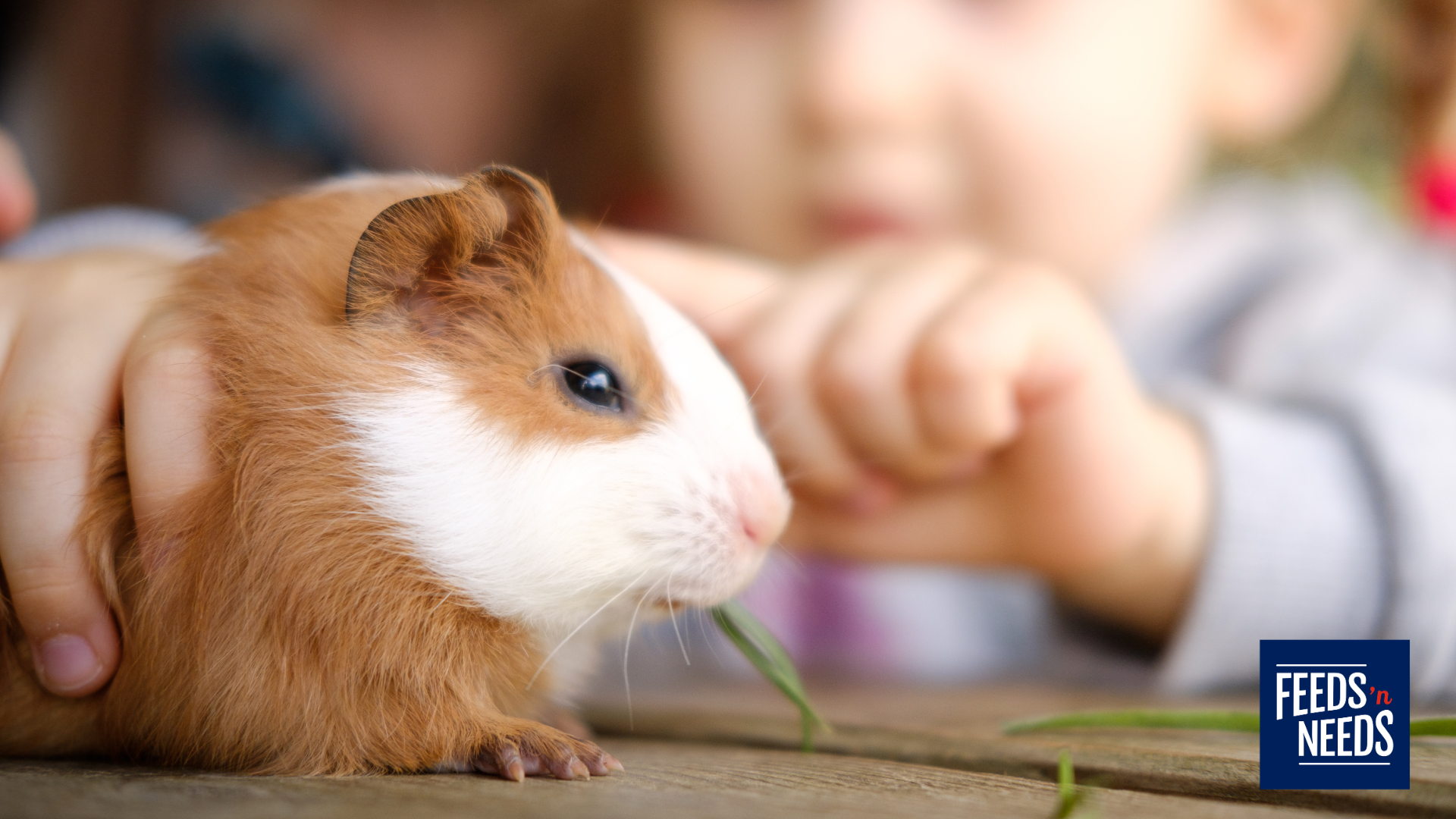
Rabbits and guinea pigs may be small, but their digestive and dental needs require careful daily attention. At the centre of a healthy diet for both species is one simple essential: unlimited access to quality hay.
Hay is more than bedding or an occasional snack. It provides the fibre needed to support normal digestion, encourages natural foraging behaviour and promotes the chewing action required to wear down continuously growing teeth. Pellets, fresh greens and safe chew products can complement the diet, but they should never replace good-quality hay.
Understanding the nutritional needs of rabbits and guinea pigs can help owners choose the right hay, feeders, pellets and enrichment products to support long-term health.
Why Hay Is Essential for Rabbits and Guinea Pigs
Rabbits and guinea pigs are herbivores with digestive systems designed to process fibrous plant material throughout the day. They naturally eat many small meals rather than one or two large servings.
Grass hay provides long-strand fibre that helps keep food moving normally through the gastrointestinal tract. When fibre intake falls, digestive movement may slow, increasing the risk of serious health problems.
Consistent access to hay helps support:
- Healthy digestion
- Normal gastrointestinal movement
- Balanced gut bacteria
- Regular stool production
- Natural grazing and foraging behaviour
- Healthy body condition
- Appropriate dental wear
- Mental stimulation and enrichment
Hay should be fresh and available at all times, including overnight.
Hay Supports Healthy Digestion
The digestive systems of rabbits and guinea pigs rely on fibre. Their gastrointestinal tracts contain beneficial microorganisms that help break down fibrous foods and make nutrients available.
A hay-first diet encourages normal digestive movement and supports this delicate microbial population. Diets that contain too little fibre or too many concentrated, sugary or starchy foods may disrupt the digestive system.
Pellets alone cannot provide the same physical fibre length, chewing time or foraging experience as hay. Even a nutritionally complete pellet should be offered as a measured addition to the diet—not as a replacement for unlimited grass hay.
Changes in appetite, stool size or stool frequency should always be taken seriously. A rabbit or guinea pig that stops eating, produces fewer droppings or appears uncomfortable requires prompt veterinary attention.
Hay Helps Wear Down Continuously Growing Teeth
Rabbit and guinea pig teeth grow continuously. They need regular wear to remain at a functional length and alignment.
Hay promotes extended chewing with a natural side-to-side grinding motion. It is this repeated chewing action—not simply eating something hard—that supports dental wear.
When an animal does not eat enough hay, the teeth may not wear evenly. Dental problems can become painful and may interfere with eating, grooming and normal behaviour.
Possible signs of dental trouble include:
- Drooling or a wet chin
- Difficulty picking up food
- Dropping food while chewing
- Choosing soft foods but avoiding hay
- Reduced appetite
- Weight loss
- Smaller or fewer droppings
- Swelling around the jaw or face
- Watery eyes
- Reduced grooming
Dental disease cannot be corrected with chew toys alone. Any suspected dental problem should be assessed by a veterinarian experienced with rabbits and guinea pigs.
Choosing the Best Hay
Healthy adult rabbits and guinea pigs generally need a grass-based hay as the foundation of their diet.
Popular options include:
Timothy Hay
Timothy hay is a widely used grass hay with a balance of fibre, leaves and stems. Its texture encourages chewing and foraging, making it a suitable everyday choice for many adult rabbits and guinea pigs.
Orchard Grass
Orchard grass is often softer and may appeal to pets that are selective about coarser hay. It can be fed on its own or mixed with another grass hay to provide variety.
Meadow Hay
Meadow hay may contain a mixture of grasses and textures. A varied blend can encourage natural foraging, but quality and nutritional content may differ between batches.
Oat Hay
Oat hay provides a different texture and flavour. It may be included as part of a varied grass-hay diet, provided it is clean, dry and appropriate for the individual animal.
Alfalfa Hay
Alfalfa is a legume hay rather than a grass hay. It is richer in protein, energy and calcium, so it is generally not the first choice as unlimited hay for a healthy adult rabbit or guinea pig.
Alfalfa may be recommended for growing young animals, pregnant or nursing animals, underweight pets or animals with particular nutritional requirements. Ask your veterinarian when and how it should be included.
How to Recognize Quality Hay
Good hay should encourage your pet to eat and forage throughout the day.
Look for hay that is:
- Fresh and pleasantly grassy smelling
- Dry and free from dampness
- Low in dust
- Free from visible mould
- Free from insects, droppings and foreign objects
- Green to greenish-brown rather than heavily bleached
- Made up of leaves and stems with varied textures
Never feed hay that smells musty, feels wet or shows signs of mould. Mouldy or dusty hay may contribute to respiratory and digestive problems.
Hay should be stored in a cool, dry and well-ventilated area. Avoid airtight storage if it could trap moisture. Keep hay off damp floors and inspect it regularly.
How Much Hay Do Rabbits and Guinea Pigs Need?
Hay should be available in unlimited quantities every day. A useful practical guide is to expect each pet to eat a loose pile of hay approximately equal to its body size daily, although individual intake varies.
The goal is not to restrict hay to a particular serving. Refill it often enough that the animal never runs out.
Offer fresh handfuls throughout the day and remove hay that has become wet, heavily soiled or contaminated. Some hay will be pulled from the feeder and left uneaten; providing a generous supply allows natural selection and foraging.
Choosing the Right Hay Feeder
A well-designed hay feeder helps keep hay clean, dry and accessible. It may also reduce waste and encourage foraging.
Options include:
- Hay racks
- Hay bags designed for small pets
- Free-standing feeders
- Hay mangers
- Litter-box hay stations
- Cardboard enrichment feeders
Choose a feeder that:
- Allows easy access without trapping the head or limbs
- Holds enough hay for extended feeding
- Does not have sharp edges
- Can be cleaned regularly
- Keeps hay away from water and heavily soiled areas
- Is positioned at a comfortable eating height
Many rabbits and guinea pigs like to eat hay while using their litter or bathroom area. Positioning a safe hay feeder beside or above one end of the litter box can encourage hay consumption while keeping most of the supply cleaner.
A feeder should never be allowed to run empty. Some loose hay can also be added to safe foraging areas to encourage exploration.
Pellets Should Complement Hay
Pellets can provide concentrated nutrients, but feeding too many may reduce hay intake and contribute to excess weight. Follow the feeding directions for the specific product and adjust portions with guidance from your veterinarian.
Look for pellets that are:
- Formulated specifically for rabbits or guinea pigs
- Appropriate for the animal’s age and life stage
- High in fibre
- Uniform in shape
- Free from colourful pieces, seeds and sugary additions
- Stored properly and used before their best-before date
Muesli-style mixes can encourage selective feeding. Pets may pick out the sweeter or starchier pieces while leaving the higher-fibre components behind, creating an unbalanced diet.
Rabbit and guinea pig pellets are not interchangeable. Each species has different nutritional requirements.
Guinea Pigs Require Dietary Vitamin C
Unlike rabbits, guinea pigs cannot produce their own vitamin C. They require a reliable daily dietary source.
A guinea pig pellet should be formulated specifically for guinea pigs and contain stabilized vitamin C. Because vitamin C can break down with age, light, heat and air exposure, pellets should be stored correctly and used while fresh.
Vitamin C can also come from appropriate fresh foods selected with veterinary guidance. Adding vitamin C to drinking water is often unreliable because it can degrade and may change the water’s taste, potentially discouraging drinking.
Vitamin C deficiency in guinea pigs may contribute to weakness, reduced appetite, swollen or painful joints, poor healing and dental or gum problems.
Speak with your veterinarian about appropriate vitamin C intake, particularly for growing, pregnant, nursing, ill or recovering guinea pigs.
Fresh Foods and Treats
Fresh leafy greens can add moisture, variety and nutrients to the diet. Introduce new foods gradually to avoid digestive upset.
Appropriate choices and portions depend on the species, age, health and current diet. Wash produce thoroughly and remove uneaten fresh food before it spoils.
Fruit and sweet vegetables should be limited because of their sugar content. Commercial treats containing seeds, nuts, dairy ingredients, honey or added sugar are not appropriate everyday replacements for hay or balanced pellets.
Hay should remain the constant foundation, regardless of what fresh foods are offered.
Safe Chew Products and Enrichment
Chewing is a natural behaviour for rabbits and guinea pigs. Safe chew products provide enrichment and may help protect furniture, enclosures and household items.
Suitable options may include:
- Untreated willow toys
- Applewood sticks prepared for small pets
- Woven grass products
- Plain cardboard
- Hay-based toys
- Untreated wood blocks made for rabbits and guinea pigs
- Stuffable foraging toys
- Cardboard tubes filled with hay
Chew products add variety, but they do not replace hay’s role in digestion or dental wear.
Avoid painted, varnished, glued or chemically treated wood unless the product is specifically manufactured and labelled for small pets. Do not collect branches from unknown trees or areas that may have been sprayed with pesticides.
Inspect toys regularly and remove anything that becomes sharp, heavily soiled or damaged.
Water Is Part of Healthy Nutrition
Fresh, clean water must always be available.
Water may be provided in a heavy bowl, a bottle or both. Some pets drink more comfortably from bowls, while bottles may help keep water cleaner in certain enclosures.
Check water systems daily for:
- Leaks
- Blockages
- Algae
- Contamination
- Frozen water in cold housing areas
- Changes in drinking habits
Wash bowls and bottles regularly. Sudden increases or decreases in water consumption should be discussed with a veterinarian.
Helping a Selective Pet Eat More Hay
Some rabbits and guinea pigs prefer pellets and treats because they are more concentrated and easier to eat. Increasing hay interest may require patience.
Try:
- Offering several types of grass hay
- Mixing softer and coarser textures
- Providing fresh hay more frequently
- Placing hay near favourite resting areas
- Creating multiple hay stations
- Adding hay to a clean litter-box area
- Filling cardboard tubes or toys with hay
- Reducing excess pellets under veterinary guidance
- Removing sugary treats from the regular routine
A sudden refusal to eat hay can also indicate dental pain or illness. If a pet that normally eats hay stops, contact a veterinarian promptly.
Watch for Changes in Eating and Digestion
Rabbits and guinea pigs can become seriously ill when they stop eating. Contact a veterinarian promptly if you notice:
- Refusal of hay or other food
- No droppings or a significant decrease in droppings
- Very small, dry or misshapen droppings
- Diarrhea
- A swollen or painful abdomen
- Hunched posture
- Tooth grinding associated with discomfort
- Drooling
- Difficulty chewing
- Sudden lethargy
- Unexplained weight loss
Weekly weight checks can help identify gradual changes before they become obvious. Use a suitable scale and keep a simple record for each pet.
Daily Nutrition Checklist
Support your rabbit or guinea pig with these daily essentials:
- Provide unlimited fresh grass hay.
- Refill hay before the feeder becomes empty.
- Offer a measured portion of species-appropriate pellets.
- Provide suitable fresh foods.
- Ensure guinea pigs receive a reliable source of vitamin C.
- Supply fresh, clean water.
- Offer safe chew and foraging products.
- Monitor appetite and droppings.
- Remove wet or soiled food and hay.
- Watch for signs of dental or digestive trouble.
Build a Hay-First Feeding Routine
Quality hay is one of the most important investments rabbit and guinea pig owners can make. It supports digestion, promotes natural dental wear and gives small pets a healthy outlet for grazing, chewing and foraging.
Pellets, feeders, fresh foods and chew products all have valuable roles, but the healthiest routine begins with unlimited access to clean, appealing grass hay.
Feeds’n Needs carries hay, hay feeders, species-appropriate pellets, chew products, bedding and other small-pet essentials. Product selection may vary by location, so visit your local store and speak with our knowledgeable team about options for your rabbit or guinea pig.
For personalized feeding recommendations or concerns about appetite, digestion, weight or dental health, consult a veterinarian experienced in small-animal care.
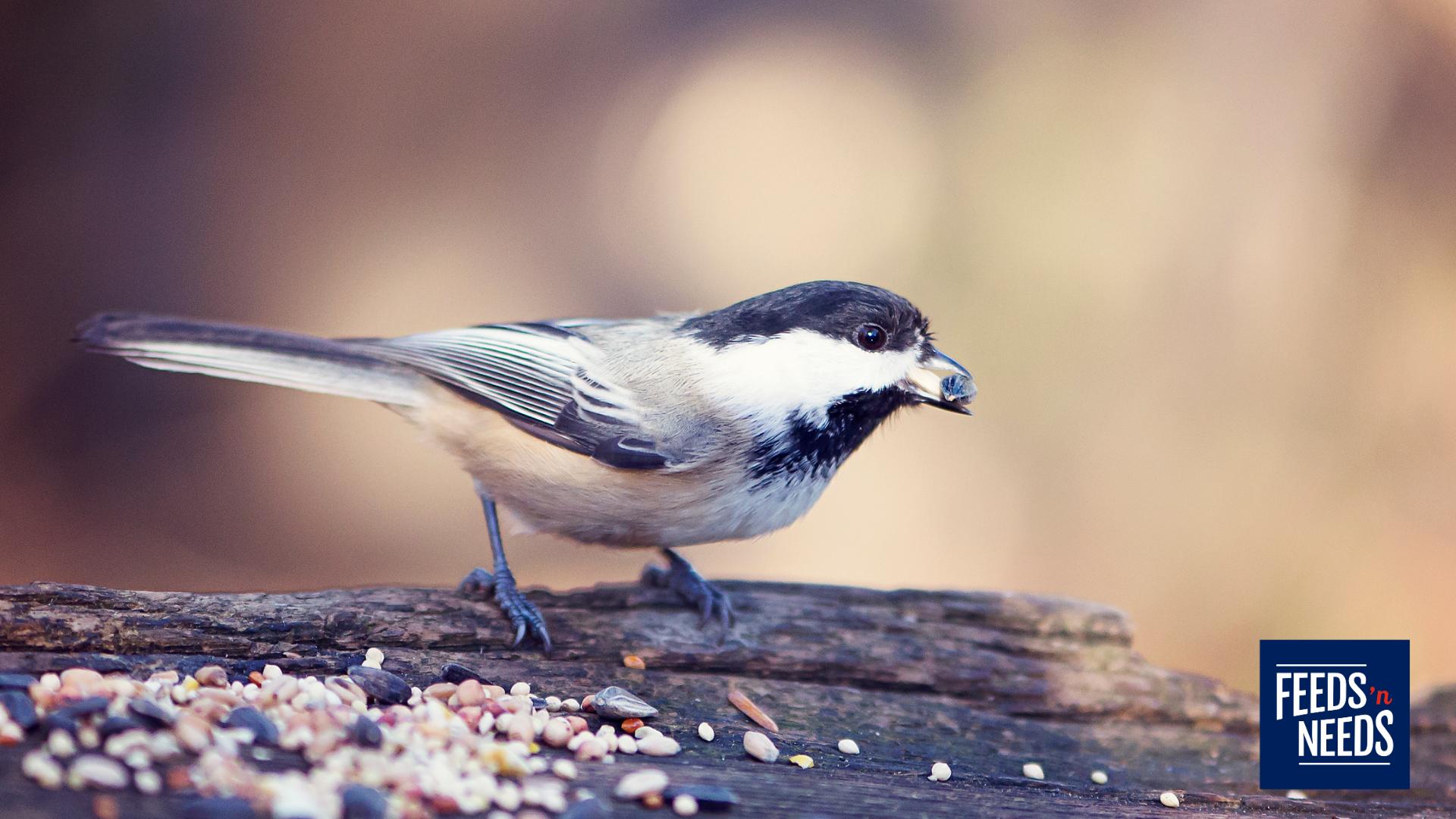
Winter in Atlantic Canada can be demanding for backyard birds. Short daylight hours, frozen ground, deep snow, coastal winds and sudden changes in temperature can make natural food more difficult to find.
While native plants, shrubs and trees remain important sources of natural food and shelter, a well-maintained feeder can provide visiting birds with an additional source of energy during the colder months.
Choosing the best birdseed for winter is not simply about filling a feeder with any available mix. Black oil sunflower seed, peanuts, suet and mixed birdseed each appeal to different species and provide different nutritional benefits.
By matching the food with the right feeder and the birds in your backyard, you can reduce waste, improve feeder activity and support a wider variety of Atlantic Canadian winter birds.
What Do Winter Birds Need?
Birds use significant energy to maintain body temperature during cold weather. They must also continue flying, searching for food and avoiding predators while working with fewer daylight hours.
High-energy foods rich in fat can be especially valuable during winter. However, feeder birds also need reliable access to clean, dry food that suits the size and shape of their bills.
A varied winter feeding station may include:
- Black oil sunflower seed for broad appeal
- Peanuts for larger, energetic visitors
- Suet for insect-eating birds
- A quality mixed seed for greater variety
- Fresh water when safely available
- Multiple feeder styles for different feeding behaviours
No single food attracts every bird. Offering two or more options can help create a more active and diverse backyard feeding area.
Black Oil Sunflower Seed: The Best All-Around Choice
If you plan to offer only one type of winter birdseed, black oil sunflower seed is an excellent place to start.
Black oil sunflower seeds have relatively thin shells that many birds can open. The kernels provide fat and energy, making them well suited to cold-weather feeding.
Common Atlantic Canadian birds attracted to black oil sunflower seed include:
- Black-capped chickadees
- Boreal chickadees
- Blue jays
- Northern cardinals
- American goldfinches
- Pine siskins
- House finches
- Purple finches
- Red-breasted nuthatches
- White-breasted nuthatches
- Downy woodpeckers
- Hairy woodpeckers
- Evening grosbeaks
Not every species will appear in every yard, and some winter visitors vary from year to year. Feeder activity is influenced by habitat, weather, natural food supplies and regional movement.
Best Feeders for Black Oil Sunflower Seed
Black oil sunflower seed works well in:
- Tube feeders
- Hopper feeders
- Platform feeders
- Covered tray feeders
- Squirrel-resistant feeders
Choose a feeder with drainage and enough protection to keep seed as dry as possible. Atlantic Canadian winters often bring a combination of rain, freezing rain, snow and thawing conditions, which can cause exposed seed to become wet or frozen.
Whole Seed or Sunflower Hearts?
Whole black oil sunflower seed is economical and stores well, but the discarded shells can accumulate beneath feeders.
Sunflower hearts or chips eliminate most shell waste and are easier for birds to eat. They can attract many of the same species, but the exposed kernels may spoil more quickly when wet. Offer smaller quantities and check the feeder frequently.
Peanuts: High-Energy Food for Bold Backyard Visitors
Peanuts are rich in fat and protein, making them a popular winter food for several larger birds as well as chickadees and nuthatches.
Birds commonly attracted to peanuts include:
- Blue jays
- Canada jays in suitable habitat
- Black-capped chickadees
- Red-breasted nuthatches
- White-breasted nuthatches
- Downy woodpeckers
- Hairy woodpeckers
Blue jays may carry whole peanuts away and store them for later. Chickadees and nuthatches often visit feeders for peanut pieces that can be eaten quickly or cached nearby.
Whole Peanuts
Whole peanuts in the shell are particularly appealing to blue jays and other larger birds. They can be offered in a sturdy platform feeder or a feeder designed specifically for peanuts.
Whole peanuts may also attract squirrels, crows and other wildlife. A weight-sensitive or squirrel-resistant feeder can help if smaller birds are your priority.
Shelled Peanuts and Peanut Pieces
Shelled peanuts or peanut pieces are easier for smaller birds to manage. Use a wire-mesh peanut feeder or another design that limits the amount removed at one time.
Only offer peanuts that are:
- Plain
- Unsalted
- Unseasoned
- Fresh
- Free from mould
Peanuts can absorb moisture and spoil, so avoid overfilling feeders during wet weather. Discard any peanuts that appear damp, mouldy or rancid.
Suet: Cold-Weather Fuel for Woodpeckers and Insect-Eating Birds
Suet is a concentrated source of fat that is especially useful during cold weather. It can supplement the insects and larvae that many birds search for in tree bark throughout the year.
Winter birds commonly attracted to suet include:
- Downy woodpeckers
- Hairy woodpeckers
- Pileated woodpeckers
- Red-breasted nuthatches
- White-breasted nuthatches
- Black-capped chickadees
- Boreal chickadees
- Brown creepers
- Blue jays
Choosing a Suet Blend
Suet cakes are available in several blends, including varieties containing:
- Peanuts
- Sunflower seed
- Insects or mealworms
- Fruit
- Mixed seed
Peanut and insect blends often appeal to woodpeckers and nuthatches, while fruit blends may attract additional seasonal visitors.
Choose a quality product intended specifically for wild birds. Avoid feeding kitchen grease or heavily processed fats, which may contain salt, seasonings or other unsuitable ingredients.
Best Suet Feeders
A basic wire suet cage works well for many yards. Other options include:
- Tail-prop feeders for larger woodpeckers
- Upside-down suet feeders
- Caged suet feeders that limit access by larger birds
- Combination seed and suet feeders
Mount the feeder near trees or shrubs where birds can approach from cover, but place it carefully so predators cannot hide immediately beside it.
Suet performs best in cool weather. Inspect it during warm spells and replace any product that becomes spoiled, dirty or rancid.
Mixed Birdseed: Variety in One Bag
A quality mixed birdseed can attract several species with different feeding preferences. It may include black oil sunflower seed, white millet, cracked corn, sunflower chips and other grains or seeds.
Depending on the ingredients, mixed seed may attract:
- Black-capped chickadees
- Northern cardinals
- Blue jays
- Dark-eyed juncos
- Mourning doves
- American tree sparrows
- Song sparrows
- Finches
- Other ground-feeding birds
Read the Ingredient List
Not all mixed birdseed provides the same value. Some blends contain a high proportion of inexpensive grains that local birds may leave behind.
When birds scatter unwanted ingredients while searching for preferred seeds, more food ends up on the ground. This creates waste and may attract rodents.
Look for a blend with recognizable, appealing ingredients such as:
- Black oil sunflower seed
- Sunflower chips
- White millet
- Peanut pieces
- Cracked corn in moderate amounts
The best blend depends on the birds using your yard. Pay attention to which ingredients disappear and which remain in the feeder or collect underneath it.
Best Feeders for Mixed Seed
Mixed birdseed can be offered in:
- Hopper feeders
- Platform feeders
- Covered tray feeders
- Ground-feeding stations
- Some tube feeders, depending on seed size
A hopper feeder protects seed better than an open tray during snow or rain. Ground-feeding birds may appreciate seed offered close to ground level, but feeding areas must be kept especially clean to reduce contamination and rodent activity.
Quick Winter Birdseed Comparison
Black Oil Sunflower Seed
Best for: A wide variety of backyard birds
Likely visitors: Chickadees, cardinals, nuthatches, finches, grosbeaks and woodpeckers
Best feeder: Tube, hopper or squirrel-resistant feeder
Main benefit: High-energy seed with broad appeal
Peanuts
Best for: Larger birds and energetic winter visitors
Likely visitors: Blue jays, chickadees, nuthatches and woodpeckers
Best feeder: Mesh peanut feeder, platform or specialty peanut feeder
Main benefit: Concentrated fat and protein
Suet
Best for: Clinging and insect-eating birds
Likely visitors: Woodpeckers, nuthatches, chickadees and brown creepers
Best feeder: Suet cage or tail-prop feeder
Main benefit: Concentrated cold-weather energy
Mixed Birdseed
Best for: Attracting birds with varied preferences
Likely visitors: Juncos, sparrows, doves, cardinals, chickadees and finches
Best feeder: Hopper, platform or covered tray feeder
Main benefit: Multiple food types in one blend
Match the Feeder to the Bird
The food you offer is only half of the equation. Feeder design determines which birds can comfortably access it.
Tube Feeders
Tube feeders are well suited to chickadees, nuthatches and finches. Models with short perches can limit access by some larger birds.
Hopper Feeders
Hopper feeders hold a larger quantity of seed and provide some protection from precipitation. They can attract both small and medium-sized birds.
Platform Feeders
Open platform feeders accommodate cardinals, jays, doves and other birds that prefer a broad landing area. Because the food is more exposed, these feeders require frequent cleaning and careful weather monitoring.
Suet Feeders
Wire cages and tail-prop feeders allow woodpeckers and other clinging birds to feed in a natural position.
Ground-Feeding Areas
Juncos, sparrows and mourning doves often search for fallen seed. Keep the ground beneath feeders clean and avoid allowing damp seed and hulls to accumulate.
Create a Winter Feeding Station
Instead of combining every food in one feeder, consider creating a small feeding station with several options.
A balanced setup might include:
- Black oil sunflower seed in a tube or hopper feeder.
- Suet in a cage mounted nearby.
- Peanuts in a mesh feeder.
- Mixed seed in a covered feeder for cardinals, juncos and sparrows.
Spacing feeders apart can reduce crowding and give timid species more opportunities to eat.
Trees, shrubs and evergreen cover provide places for birds to perch and shelter from weather. A yard with varied natural habitat is often more attractive than an exposed feeder by itself.
Keep Winter Birdseed Fresh and Dry
Atlantic Canadian weather can quickly turn good birdseed into wet, frozen or mouldy feed.
To protect your seed:
- Store it in a cool, dry location.
- Use a container with a secure lid.
- Keep storage containers away from rodents.
- Avoid buying more than you can use while it is fresh.
- Check feeders after rain, freezing rain and wet snow.
- Break up or discard frozen clumps.
- Never add fresh seed on top of damp or spoiled seed.
- Refill with smaller amounts during stormy weather.
Birdseed should smell fresh. If it appears mouldy, wet or rancid, discard it.
Clean Feeders Regularly
Many birds gathering in one location can increase the risk of disease transmission. Clean feeders regularly and more frequently when conditions are wet or when bird activity is heavy.
Remove old seed and hulls, wash the feeder appropriately and allow it to dry completely before refilling. Clean the ground beneath feeding stations and rotate feeder locations when practical.
If you notice birds that appear unusually lethargic, have swollen or crusted eyes, struggle to eat or remain fluffed up for long periods, temporarily remove the feeders and seek current guidance from a wildlife-health or bird-conservation authority.
Reduce Waste and Rodent Activity
Food left on the ground can attract mice, rats and other unwanted visitors.
Reduce waste by:
- Choosing seed your local birds actually eat
- Using a seed-catching tray
- Avoiding overfilled feeders
- Cleaning beneath feeders
- Storing birdseed in secure containers
- Discarding damp or spoiled food
- Bringing accessible feeders in at night if rodents become a problem
- Using separate feeders for different food types
Hulled seed creates less shell debris, but any uneaten food still needs to be cleaned up.
Don’t Forget Water
Birds need water in winter for drinking and feather maintenance. Natural water can be difficult to access when ponds, puddles and birdbaths freeze.
A heated birdbath designed for outdoor winter use can provide a valuable water source. Follow all product instructions and use safe electrical connections intended for outdoor conditions.
Keep water shallow and clean it regularly. Do not add salt, antifreeze or other chemicals to prevent freezing.
Choose Birdseed Based on the Birds You Want to See
For the widest variety of Atlantic Canadian winter birds, start with black oil sunflower seed. Add suet to attract woodpeckers, chickadees and nuthatches. Offer peanuts for blue jays and other bold visitors, then include a quality mixed seed for ground-feeding birds and species that enjoy smaller grains.
The strongest winter feeding setup combines:
- Quality food
- Appropriate feeders
- Dry storage
- Regular cleaning
- Shelter nearby
- Consistent observation
Feeds’n Needs carries black oil sunflower seed, peanuts, suet, mixed birdseed, feeders and birdseed-storage solutions to help you build a dependable winter feeding station. Product selection may vary by location, so visit your local store and speak with our knowledgeable team about the birds visiting your backyard.
Choose the right seed, keep your feeders clean and enjoy the colour and activity that winter birds bring to Maritime backyards.
As Maritime farms move from pasture season toward winter housing, fall is an important time to evaluate parasite pressure in cattle, sheep, goats, pigs and other livestock.
Internal parasites can affect feed efficiency, weight gain, reproductive performance and overall animal health. However, effective control is not as simple as automatically treating every animal at the end of the grazing season. Parasite species, animal age, pasture conditions, previous treatments and product resistance can all influence the right approach.
A successful fall parasite-control program combines close observation, manure monitoring, pasture management, accurate dosing and species-appropriate treatment under veterinary guidance.
Why Parasite Pressure Can Increase During Pasture Season
Many internal parasites release eggs through manure. Under suitable conditions, the eggs develop into infective larvae that contaminate pasture, bedding, soil, feed or water.
Warm temperatures and moisture can support parasite development throughout the grazing season. Atlantic Canada’s damp conditions, heavy rainfall and periods of mild fall weather may allow animals to remain exposed later into the year.
Young livestock, newly weaned animals, animals under nutritional stress and those grazing heavily stocked fields may be especially vulnerable. By fall, animals may have accumulated a significant parasite burden even when obvious symptoms are not present.
Warning Signs of Parasites in Livestock
Parasite infections do not look the same in every species. Some animals continue eating and appear relatively normal while experiencing reduced growth or feed efficiency. Others may become noticeably unwell.
Possible warning signs include:
- Unexplained weight loss or poor weight gain
- Reduced appetite
- Dull, rough or unthrifty coats
- Diarrhea or persistently loose manure
- Pale gums or eyelids
- Swelling beneath the jaw, sometimes called “bottle jaw”
- Pot-bellied appearance
- Coughing or difficulty breathing
- Weakness, lethargy or reduced activity
- Poor feed conversion
- Reduced milk production
- Lower reproductive performance
- Increased susceptibility to other health problems
These signs are not exclusive to parasites. Nutritional deficiencies, respiratory disease, bacterial infections and other conditions may cause similar symptoms. A veterinarian can help identify the underlying problem before treatment begins.
Parasite Concerns by Species
Cattle
Pastured cattle may encounter gastrointestinal roundworms, lungworms, lice, grubs and other internal or external parasites. Calves and yearlings are often more vulnerable than mature cattle because they have had less time to develop immunity.
Poor weight gain, diarrhea, a rough hair coat and reduced body condition can indicate a problem. Lungworm infections may also cause coughing or respiratory distress.
A fall control plan may consider:
- The age and production stage of the cattle
- Length of the grazing season
- Stocking density
- Pasture history
- Previous deworming products
- Body condition and weight gain
- Manure-testing results
- Whether cattle will be housed for winter
Sheep and Goats
Small ruminants can be particularly vulnerable to gastrointestinal parasites, including barber pole worm. This blood-feeding parasite can cause severe anemia, weakness and bottle jaw, sometimes without diarrhea.
Checking eyelid colour can help trained producers identify anemia associated with barber pole worm. However, the FAMACHA system should be learned from a veterinarian or qualified instructor and used as one part of a broader monitoring program.
Other warning signs in sheep and goats include reduced growth, diarrhea, poor fleece or hair-coat quality, weight loss and declining body condition. Goats and sheep do not always respond to dewormers in the same way, and products labelled for one species should never automatically be assumed appropriate for the other.
Pigs
Pigs can be affected by roundworms, whipworms, strongyles and other parasites. Outdoor pigs may face greater exposure through contaminated soil, bedding and manure, although indoor herds can also experience parasite problems when sanitation and biosecurity practices are inconsistent.
Possible signs include:
- Reduced growth
- Poor feed efficiency
- Rough hair coats
- Coughing
- Diarrhea
- Loss of condition
- Uneven growth within a group
Pig parasite management should include cleaning pens, keeping feeders and waterers free from manure, rotating outdoor areas when practical and using a deworming product specifically labelled or prescribed for swine.
Other Livestock
Parasite-control needs also vary among poultry, llamas, alpacas and other farm animals. Coccidia, worms and external parasites require different monitoring and treatment strategies. A general livestock dewormer is not appropriate for every animal or every parasite.
Manure Monitoring: Look Beyond What You Can See
Regularly observing manure can provide valuable information. Watch for ongoing diarrhea, unusual consistency, blood, mucus or changes affecting multiple animals.
However, normal-looking manure does not confirm that an animal is parasite-free. Most parasite eggs and larvae are microscopic, and adult worms are not usually visible in manure.
A fecal egg count can help estimate the number and type of parasite eggs being shed. Results can support treatment decisions, identify higher-risk animals and help determine whether a deworming program is working.
Producers should remember that fecal egg counts have limitations. Egg shedding can vary, some parasites are not reliably detected through routine testing, and egg counts do not always directly reflect the number of adult parasites present. Results should be interpreted alongside clinical signs, body condition, production records and veterinary advice.
A fecal egg count reduction test compares samples collected before and after treatment. This can help assess whether the selected dewormer is still effective.
Pasture Management Is Part of Parasite Control
Deworming products are only one part of an effective parasite-management program. Reducing exposure can lower the number of infective larvae animals consume and may decrease reliance on repeated treatments.
Helpful pasture practices may include:
- Avoiding overgrazing
- Preventing excessive stocking density
- Rotating fields when sufficient land is available
- Resting heavily used paddocks
- Moving feeders and waterers away from manure-heavy areas
- Keeping feed off the ground
- Separating young, vulnerable animals from heavily contaminated pasture
- Maintaining clean, dry bedding
- Removing manure from pens and high-traffic areas
- Avoiding unnecessary grazing close to the soil surface
Rotational grazing can support parasite control, but short rotations alone do not guarantee clean pasture. Many parasite larvae remain viable after livestock move, especially during cool, damp conditions. Returning animals too quickly may expose them to larvae left during the previous rotation.
Pasture decisions should consider the parasite involved, weather, rest period, stocking rate and animal species.
Understanding Dewormer Resistance
Antiparasitic resistance occurs when parasites survive a treatment that once controlled them and pass those resistant traits to future generations. Over time, a dewormer may become less effective.
Resistance is a growing concern in cattle and small ruminants. Repeatedly treating every animal, underdosing and relying on the same drug class can increase selection pressure. The U.S. Food and Drug Administration recommends working with a veterinarian to develop parasite-control strategies that help preserve the effectiveness of available treatments. Learn more about antiparasitic resistance.
Ways to help slow resistance include:
- Treating based on risk, testing and veterinary recommendations
- Weighing animals or using an accurate weight estimate
- Calibrating drench guns and other dosing equipment
- Giving the full, correct dose
- Avoiding repeated use of one product simply out of habit
- Checking product effectiveness through follow-up testing
- Keeping accurate treatment records
- Using targeted treatment when appropriate
- Avoiding unnecessary deworming
Underdosing is not a safer option. It may fail to control parasites while allowing the more tolerant ones to survive. At the same time, giving more than the labelled dose can create animal-health and residue risks. Always follow the product label and veterinary directions.
Choose Species-Appropriate Products
Not every dewormer treats every parasite, and products cannot be freely interchanged among cattle, sheep, goats and pigs.
Before selecting a product, confirm:
- The animal species listed on the label
- The parasite species controlled
- The animal’s age and weight
- The correct dose and method of administration
- Meat and milk withdrawal periods
- Restrictions for pregnant or lactating animals
- Whether the product is approved for the intended production class
- Previous treatments and possible resistance
- Storage requirements and expiry date
Dewormers are available in several forms, including oral drenches, injectables, feed medications, pastes and pour-on products. The most convenient option is not always the most appropriate one.
Never assume that a cattle pour-on is suitable for sheep, goats or pigs. Goats may require veterinary direction because product approvals and dosing needs can differ. Some dewormers may also be unsuitable during particular stages of pregnancy.
Coccidia require additional consideration. They are protozoan parasites, not worms, and standard dewormers may not control them. Young animals with diarrhea, poor growth or dehydration should be assessed promptly so the cause can be identified and the correct treatment selected.
Don’t Forget Withdrawal Periods
Livestock intended for meat or producing milk for human consumption require careful attention to withdrawal periods. These periods vary by product, species, dose and route of administration.
Record:
- The animal or group treated
- Product name
- Lot number
- Date administered
- Dose
- Route of administration
- Person administering the treatment
- Meat or milk withdrawal date
Never send treated animals to market or use their milk for human consumption before the required withdrawal period has passed.
Build a Fall Parasite-Control Checklist
Before livestock move into winter housing:
- Review body condition, weight gain and overall appearance.
- Watch for diarrhea, coughing, anemia, bottle jaw or reduced performance.
- Examine manure patterns and collect fecal samples when recommended.
- Review pasture use and stocking density from the grazing season.
- Check treatment records from spring and summer.
- Discuss testing and product selection with your veterinarian.
- Weigh animals and calibrate dosing equipment.
- Use only a product appropriate for the species and parasite being targeted.
- Record the treatment and applicable withdrawal period.
- Arrange follow-up monitoring to confirm that the treatment worked.
Support Health Before Winter
Fall parasite control is about more than administering a dewormer. It is an opportunity to evaluate each herd or flock, reduce winter health challenges and protect the effectiveness of parasite-control products for the future.
Feeds’n Needs carries a selection of livestock health supplies, handling equipment, minerals, feeders and species-appropriate parasite-control products. Visit your local store and speak with our knowledgeable team about available options. For diagnosis, testing, dosing decisions and treatment planning, always work with your veterinarian.
A thoughtful fall plan can help livestock enter winter in stronger condition—ready to make better use of their feed and better prepared for the colder months ahead.


Why Fall Can Affect Your Pet’s Skin and Coat
Atlantic Canadian fall weather can shift quickly from warm afternoons to chilly, rainy days. Pets may move between damp outdoor conditions and heated indoor spaces, while dogs are often exposed to wet grass, mud, leaves and debris during daily walks.
Seasonal allergens may also contribute to itchy skin, paw chewing, facial rubbing, red skin, excessive tearing or recurring ear discomfort. Fleas and ticks can remain active during cool fall weather, so parasite prevention should not automatically end when summer does.
Pay attention to changes in your pet’s normal habits. Frequent scratching, licking or head shaking is often one of the first signs that something is irritating them.
1. Brush Regularly and Check the Skin
Many cats and dogs shed as their coats adjust for the cooler months. Regular brushing removes loose hair, helps prevent mats and gives you an opportunity to look closely at the skin.
While brushing, check for:
- Redness, flakes, scabs or irritated patches
- New lumps or tender areas
- Fleas, flea dirt or attached ticks
- Burrs, seeds, twigs and other debris
- Excessive oiliness, odour or hair loss
Choose a brush suited to your pet’s coat type. Long-haired pets may need more frequent grooming to prevent mats, especially behind the ears, under the legs and around the tail. Mats can trap moisture close to the skin and make irritation more difficult to spot.
2. Protect and Clean Paws After Outdoor Time
Wet grass, mud, gravel and plant debris can collect between paw pads. After walks or outdoor play, wipe or rinse your dog’s paws and dry them thoroughly, including the spaces between the toes. Outdoor cats may also benefit from a gentle paw check when they come inside.
Keep the fur between the paw pads neat if it tends to trap dirt or form mats, and inspect nails regularly. A pet-safe paw balm can help protect dry or rough pads; use only products made for pets and follow the label directions.
Watch for persistent paw licking, chewing, swelling, redness, odour, bleeding or limping. These signs may point to an allergy, injury, infection or foreign object and should be discussed with your veterinarian.
3. Manage Watery Eyes Gently
Wind, dust and seasonal allergens may irritate the area around a pet’s eyes. Some cats and dogs also naturally produce more visible tears than others.
For mild buildup around the eye, use a clean, soft, damp cloth or a pet-safe eye wipe to gently clean the surrounding fur. Use a separate clean area of the cloth for each eye, and never place shampoo, soap or unapproved drops in the eye.
Contact your veterinarian if you notice:
- Redness, swelling or squinting
- A cloudy or injured-looking eye
- Thick, yellow, green or bloody discharge
- Sudden or excessive tearing
- Pawing at the eye or signs of pain
Eye problems can worsen quickly, so prompt veterinary advice is important when symptoms are persistent, painful or unusual for your pet.
4. Keep Ears Clean, Dry and Comfortable
Floppy-eared dogs, pets with allergies and animals that spend time in wet conditions may be more prone to ear trouble. Check the outer ear regularly for redness, excess wax, discharge, swelling or a strong odour.
If your veterinarian has recommended routine ear cleaning, use a pet-specific ear cleaner and follow the directions carefully. Do not push cotton swabs or other objects into the ear canal. After rainy walks, bathing or swimming, gently dry the outer ear and surrounding fur.
Repeated head shaking, ear scratching, sensitivity, dark debris or a foul smell can signal mites, yeast, bacteria, allergies or another problem. An ear infection can be painful and usually needs a veterinary assessment rather than home treatment.
5. Bathe Without Drying Out the Skin
Fall adventures sometimes end with a muddy dog or dirty outdoor cat, but frequent bathing can strip natural oils from the coat. Bathe only as needed using a shampoo formulated for cats or dogs. Human shampoos may be too harsh for a pet’s skin.
Rinse thoroughly, because leftover shampoo can cause irritation, and dry the coat completely before your pet heads back outside. Pets with sensitive, itchy or flaky skin may benefit from a moisturizing or veterinarian-recommended formula.
Between baths, pet-safe grooming wipes can be useful for quick cleanups of paws, legs and coats.
6. Support Healthy Skin and Fur Through Nutrition
A complete and balanced diet provides the protein, fats, vitamins and minerals needed to support healthy skin and a strong coat. Some foods and supplements contain omega-3 and omega-6 fatty acids, which help support skin and coat condition.
Before adding oils or supplements, speak with your veterinarian—especially if your pet has a medical condition, follows a therapeutic diet or takes medication. Supplements are not a substitute for diagnosing ongoing itching, hair loss or inflammation.
Fresh water matters in every season. Indoor heating can create a drier environment, so make sure clean drinking water is always easy to access. Some cats may drink more readily from a pet fountain or when multiple water stations are available.
7. Continue Flea and Tick Protection
Cooler weather does not necessarily mean fleas and ticks have disappeared. Fleas can survive indoors, and ticks may remain active whenever conditions are suitable. Bites can cause skin irritation, and some pets are highly sensitive to flea saliva.
Continue the prevention plan recommended by your veterinarian, and check your pet after time in tall grass, brush, wooded areas or fallen leaves. Never use a dog-only flea or tick product on a cat; some canine ingredients can be dangerous to cats.
Build a Simple Fall Pet-Care Routine
A practical weekly routine can make seasonal care easier:
- Brush the coat and inspect the skin.
- Check paws, pads and nails after outdoor activity.
- Wipe away mild eye-area buildup gently.
- Look at the outer ears for redness, debris or odour.
- Check for fleas and ticks.
- Wash bedding and keep favourite resting areas clean and dry.
When to Call Your Veterinarian
Seasonal grooming can support your pet’s comfort, but it cannot replace veterinary care. Book an appointment if your cat or dog develops persistent itching, open sores, hot spots, hair loss, strong odour, swollen paws, painful ears, unusual eye discharge or a sudden change in behaviour.
Prepare Your Pet for a Comfortable Fall
Every pet experiences seasonal changes differently. By watching for small changes and keeping up with regular grooming, paw care, ear checks, eye-area cleaning, good nutrition and parasite prevention, you can help your cat or dog stay comfortable from the first cool morning through the wettest fall days.
Visit your local Feeds’n Needs for grooming brushes, pet-safe shampoos and wipes, paw-care products, flea and tick solutions, nutritious cat and dog food, supplements, treats and seasonal supplies. Our knowledgeable team is here to help you find practical products that suit your pet and their routine.
When a concern goes beyond everyday grooming, your veterinarian is always the best source of diagnosis and treatment advice.
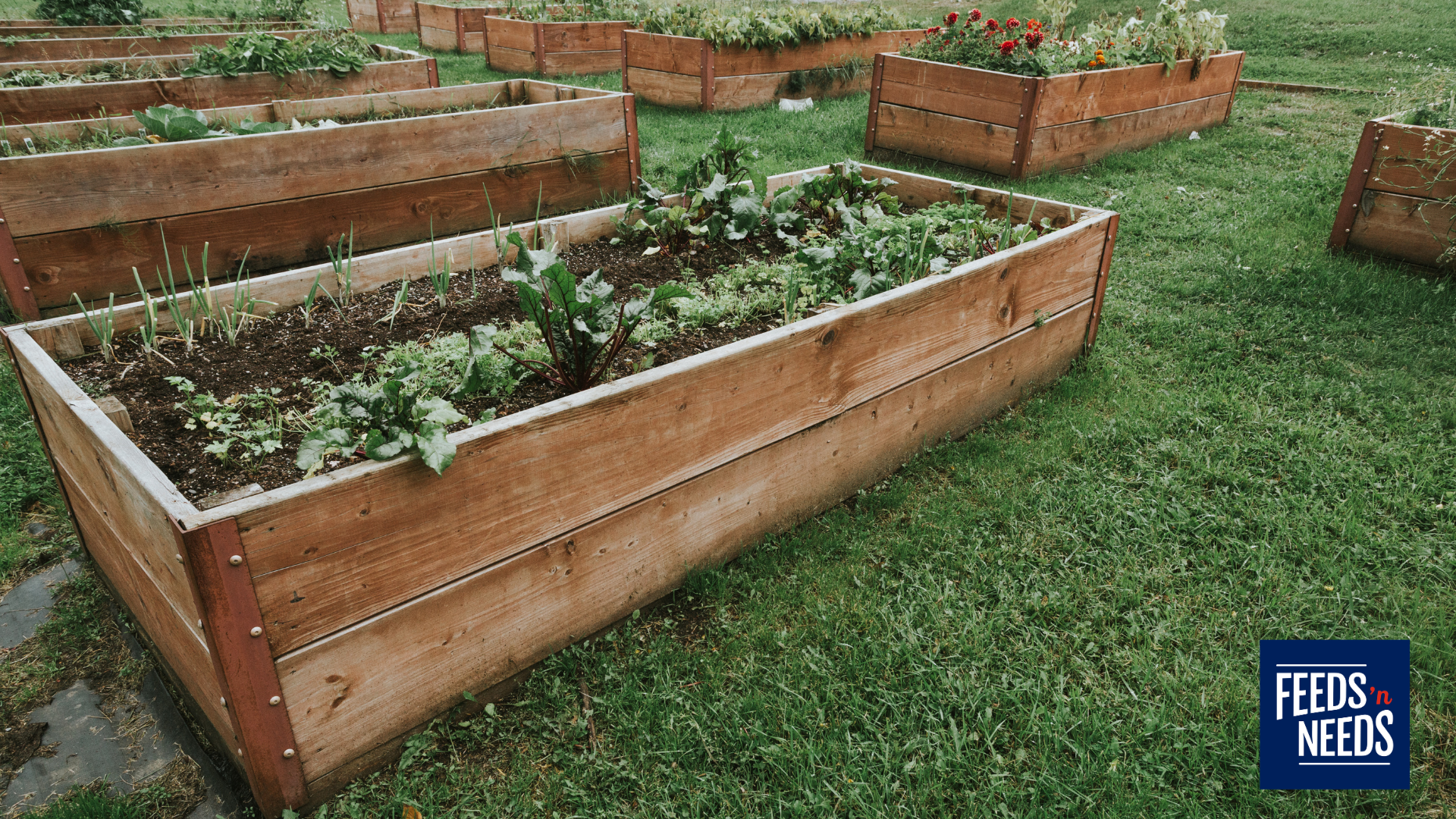
Fall Cleanup, Compost, Soil Protection and Garden Tool Storage
A productive spring garden starts with the work you do in the fall. Once the final vegetables are harvested and frost begins settling across Atlantic Canada, preparing your raised garden beds for winter can protect the soil, reduce pest and disease problems and make spring planting much easier.
Maritime winters bring repeated freezing and thawing, heavy rain, strong winds, snow and periods of saturated soil. Raised beds drain better than many in-ground gardens, but exposed soil can still erode, compact and lose nutrients if it is left unprotected.
From removing diseased plants to adding compost and draining garden hoses, this raised garden bed winter checklist will help you put your garden to rest properly.
Why Raised Garden Beds Need Fall Preparation
Raised beds are productive because they provide good drainage, warmer spring soil and greater control over soil quality. Their elevated design can also leave the soil more exposed to winter weather.
Without fall preparation, raised garden beds may experience:
- Soil erosion from rain and melting snow
- Nutrient loss
- Compaction
- Weed growth
- Overwintering pests
- Recurring plant diseases
- Damage to wooden boards or fasteners
- Frozen or cracked watering equipment
- A larger cleanup job in spring
Preparing raised garden beds before winter protects the investment you have made in your soil, plants and garden structure.
1. Finish Harvesting Before Winter
Begin by collecting the last usable vegetables and herbs. Some cold-tolerant crops can remain in the garden after light frost, while tender plants should be harvested before temperatures drop significantly.
Late-season crops may include:
- Carrots
- Beets
- Kale
- Swiss chard
- Leeks
- Spinach
- Brussels sprouts
- Parsnips
- Hardy herbs
Use your local forecast and the needs of each crop to determine when to harvest. Atlantic Canadian frost dates vary by province and even between inland and coastal communities.
Healthy root crops may be left in the soil temporarily under a protective layer of mulch, but harvest plans should account for frozen ground, wildlife and excessive moisture.
2. Remove Spent and Diseased Plants
Once harvesting is complete, remove annual vegetable plants, fallen fruit and other garden debris.
Pay particular attention to plants showing possible signs of disease, including:
- Spotted or discoloured leaves
- Powdery or fuzzy growth
- Blackened stems
- Unusual wilting
- Rotting roots or fruit
- Cankers or damaged plant tissue
- Significant insect infestations
Removing affected material can help reduce the chance of pests or plant diseases overwintering in the bed and returning next season.
Should Diseased Plants Go in the Compost?
Healthy plant material can generally be added to a properly managed compost pile. Diseased or heavily infested plants require more caution.
A typical backyard compost pile may not become hot enough throughout to destroy every plant pathogen, pest or weed seed. Keep questionable material out of your regular compost and dispose of it according to local municipal guidelines.
Do not leave diseased plants lying beside the raised bed or mix them back into the garden soil.
3. Remove Weeds Before They Produce Seed
Fall weeds compete for moisture and nutrients and may provide shelter for insects. Remove them before they mature and release seeds into the bed.
Pull weeds carefully, removing as much of the root system as possible. Pay special attention to perennial weeds that can survive winter and return from established roots in spring.
Do not place mature weeds containing seed heads into a cool backyard compost pile. The seeds may survive and spread when the compost is used later.
Feeds’n Needs carries garden gloves, hand cultivators, hoes, rakes and other tools to help with end-of-season garden cleanup. Product selection varies by location.
4. Inspect the Raised Bed Structure
With the plants removed, fall is a good time to examine the bed itself.
Check for:
- Loose boards
- Rotting wood
- Bowed or shifting sides
- Protruding screws or nails
- Rusted brackets
- Damaged corner joints
- Soil leaking from gaps
- Signs of rodents
- Poor drainage around the base
Tighten loose hardware and complete minor repairs before snow hides the damage. If a board is beginning to fail, replacing it in fall can prevent the bed from shifting under the weight of wet soil and snow.
Avoid using wood treatments that are not intended for use near edible gardens.
5. Add Compost to Raised Garden Beds in Fall
Fall is an excellent time to add finished compost to a raised bed. Compost adds organic matter, supports soil structure and helps replenish nutrients used during the growing season.
Spread a layer of finished compost over the bed’s surface. A modest top-dressing is usually enough; the appropriate amount will depend on the existing soil and the compost being used.
You may use:
- Fully finished compost
- Properly composted manure
- A suitable garden soil amendment
- A quality soil-and-compost blend
Only use well-composted manure around vegetable gardens. Fresh manure can contain excessive nutrients, weed seeds and potentially harmful microorganisms.
Feeds’n Needs offers seasonal soil, compost and manure-based garden amendments at select locations. Ask our team which option is appropriate for your raised garden beds and always follow package directions.
6. Test Before Adding Lime or Fertilizer
It can be tempting to add lime or fertilizer automatically during fall cleanup, but more is not always better.
A soil test can help determine:
- Soil pH
- Organic matter levels
- Nutrient availability
- Whether lime is required
- Which amendments may benefit the next crop
Applying lime without knowing the soil pH may make certain nutrients less available to plants. Similarly, unnecessary fertilizer can be lost through runoff or contribute to nutrient imbalances.
If testing recommends an amendment, follow the application rate carefully. Feeds’n Needs carries select lime, fertilizer and soil-improvement products, but product choice should be based on your soil conditions and intended crops.
7. Protect Bare Soil Through Winter
Do not leave raised garden bed soil completely bare if it can be avoided. Heavy rain, snowmelt and wind can move exposed soil and wash away nutrients.
A protective cover can also reduce compaction and limit winter weed growth.
Mulch
Apply an appropriate layer of:
- Clean straw
- Chopped leaves
- Leaf mulch
- Suitable untreated organic material
Mulch helps protect the soil surface from erosion and reduces damage caused by repeated freezing and thawing. Avoid thick, waterlogged layers that may mat down and restrict airflow.
Do not use plant material that is diseased, heavily infested or full of mature weed seeds.
Cover Crops
If there is enough growing time before hard frost, a suitable cover crop can help protect the soil and add organic matter.
The best cover crop will depend on:
- Planting date
- Local climate
- Bed size
- Winter hardiness
- Your spring planting schedule
Choose carefully and understand how the crop will be managed in spring. A cover crop should not become a weed or delay planting.
Garden Covers
A breathable garden cover can help keep leaves and debris from blowing into the bed. Secure it carefully so Atlantic Canadian wind does not carry it away.
Avoid sealing wet soil under non-breathable plastic for the entire winter. Trapped moisture can create poor conditions and plastic may tear under snow or ice.
8. Decide What Should Remain in the Bed
Not every plant needs to be removed.
Healthy perennial herbs and vegetables may remain, depending on their winter hardiness. These could include:
- Chives
- Thyme
- Oregano
- Asparagus
- Rhubarb
- Strawberries
Remove dead or diseased growth as appropriate and protect vulnerable roots with mulch. Some plants benefit from waiting until after frost before cutting back.
Do not assume every perennial will survive an Atlantic Canadian winter in a raised bed. Elevated soil can become colder than surrounding ground, especially when the bed is exposed to wind. Check the hardiness requirements for each plant.
9. Clean and Store Stakes, Cages and Supports
Tomato cages, trellises, plant stakes and garden ties can carry soil and plant debris from one season to the next.
Before storage:
- Remove vines, roots and old ties.
- Brush away soil and debris.
- Wash reusable supports.
- Allow everything to dry completely.
- Inspect for cracks, rust or sharp edges.
- Store items in a dry, sheltered area.
Discard damaged supports that cannot be used safely. Organize stakes and cages by size so they are easy to find during spring planting.
Cleaning reusable garden supports also reduces the amount of old plant material left available to harbour pests.
10. Clean and Store Garden Tools
Soil and moisture can cause rust, dull blades and damage wooden handles. A few minutes of fall maintenance can extend the life of your tools.
Garden Tool Storage Checklist
- Remove all soil and plant debris.
- Wash tools when necessary.
- Dry them thoroughly.
- Sharpen pruners, hoes and shovel edges if appropriate.
- Inspect handles for cracks or splinters.
- Tighten loose screws and fasteners.
- Store tools off the floor in a dry location.
- Keep sharp tools safely away from children and pets.
Clean cutting tools between diseased and healthy plants during the season and before winter storage. Use a cleaning or disinfecting method appropriate for the tool material and allow it to dry completely.
Feeds’n Needs carries work gloves, rakes, shovels, hand tools and seasonal garden accessories to help complete fall garden cleanup.
11. Drain and Store Hoses and Watering Equipment
Water left inside a hose, nozzle or watering wand can freeze, expand and cause cracking.
Before freezing temperatures arrive:
- Disconnect hoses from outdoor taps.
- Drain hoses completely.
- Remove nozzles and watering wands.
- Empty watering cans and portable containers.
- Drain irrigation lines according to manufacturer directions.
- Store hoses loosely coiled in a sheltered location.
- Shut off and drain outdoor plumbing where applicable.
- Inspect washers and fittings for wear.
Avoid hanging a hose tightly from one point, as this can create kinks or stress the material. A hose reel or broad wall hanger provides better support.
If you use timers, filters or pressure regulators, remove and store them before hard freezes unless the manufacturer states they are designed for winter exposure.
12. Record What Grew in Each Bed
Before snow covers the garden, make a simple map of what was planted in each raised bed.
Record:
- Crops grown
- Varieties that performed well
- Pest or disease problems
- Compost and amendments added
- Areas with poor drainage
- Crops that struggled
- Harvest timing
- Plans for crop rotation
Garden records can make spring planning easier and help prevent planting closely related vegetables in the same location year after year.
Raised Garden Bed Winter Checklist
Before winter arrives:
- Harvest remaining vegetables.
- Remove spent annual plants.
- Separate diseased material from healthy compostable debris.
- Pull weeds before they produce seed.
- Remove fallen or rotting produce.
- Inspect boards, corners and hardware.
- Add finished compost where appropriate.
- Test soil before applying lime or fertilizer.
- Cover bare soil with mulch or another suitable option.
- Protect overwintering perennials.
- Clean and store cages, stakes and trellises.
- Clean, dry and organize garden tools.
- Drain and store hoses and watering equipment.
- Record crops, problems and amendments.
- Secure all covers against wind.
Give Next Year’s Garden a Better Start
Preparing raised garden beds for winter does more than make the yard look tidy. It protects valuable soil, reduces potential pest and disease problems and creates better conditions for spring planting.
Atlantic Canadian weather can be hard on exposed gardens, but removing diseased plants, adding finished compost, protecting bare soil and properly storing garden equipment can help your raised beds handle the months ahead.
Visit your local Feeds’n Needs for seasonal compost, soil amendments, mulch options, gloves, garden tools, hose accessories and other supplies for your fall garden cleanup. Product availability varies by store location.
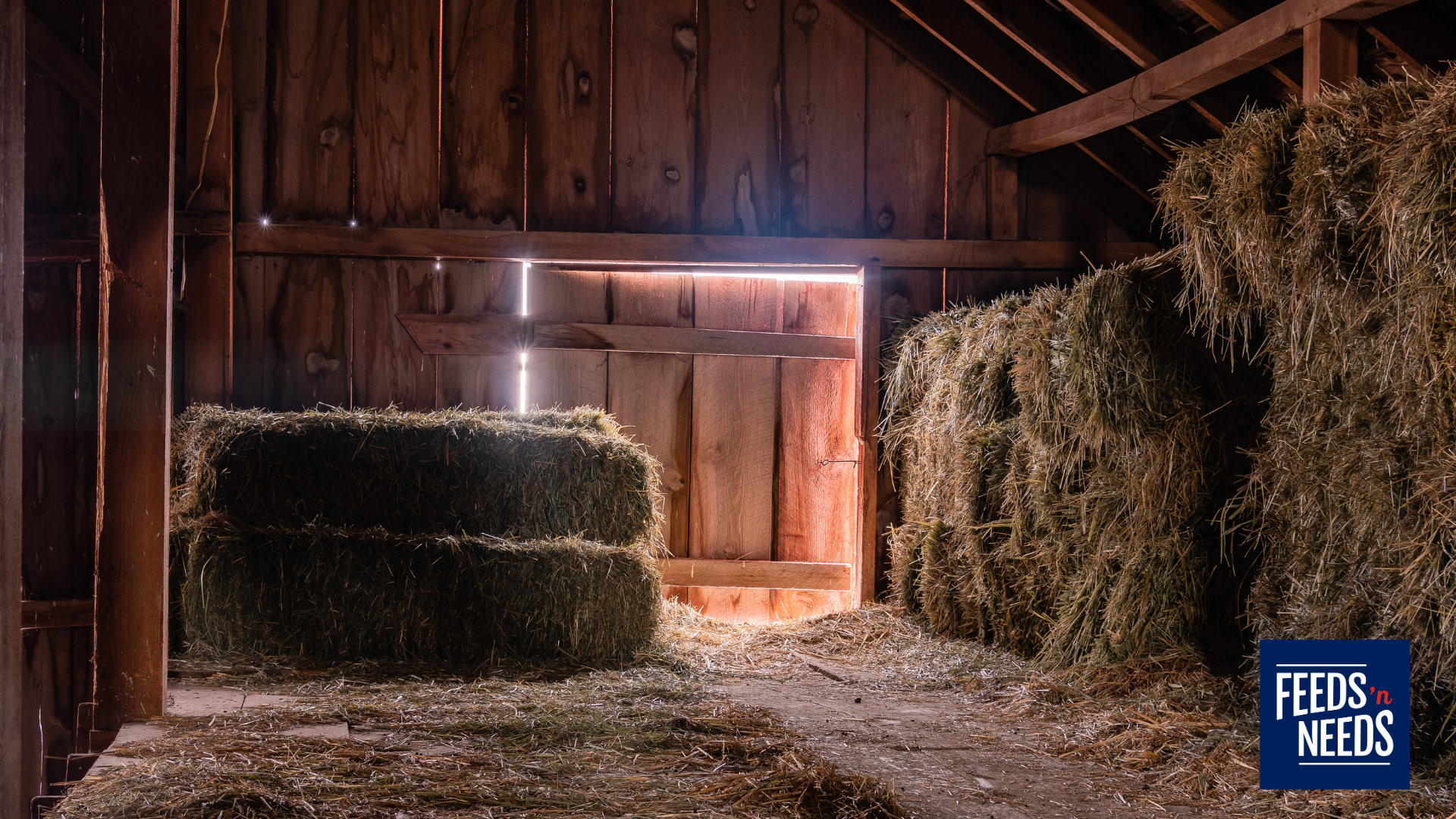
 Hay Storage & Hay Quality Guide for Fall: How to Inspect, Store & Protect Your Hay for Winter in Atlantic Canada
As summer winds down, many livestock and horse owners shift their focus toward one of the most important jobs of the season—preparing hay for fall and winter.
Whether you’re feeding a few backyard sheep, a small family horse barn, or a commercial cattle operation, the quality of the hay you store this fall will directly impact the health of your animals throughout the winter months.
Atlantic Canada’s unpredictable weather brings unique challenges. Late summer humidity, hurricane season, and early fall rain can quickly turn quality hay into wasted feed if it isn’t stored correctly.
Here’s how to evaluate your hay, improve storage conditions, and ensure your livestock have a safe, nutritious feed supply all winter long.
Why Hay Quality Matters
Hay isn’t just filler—it’s often the primary source of fiber and nutrition for livestock throughout the winter.
Poor-quality hay can result in:
- Weight loss
- Reduced milk production
- Lower body condition
- Increased feed waste
- Respiratory issues from mold or dust
- Digestive problems
Taking the time to inspect your hay now can prevent costly problems later in the season.
Step 1: Evaluate Your Current Hay Supply
Before purchasing additional hay, take inventory of what you already have.
Ask yourself:
- How many bales remain?
- Are they dry and well stored?
- Has any hay become moldy or weather damaged?
- Will your current inventory last until spring?
Many producers underestimate winter feed requirements.
As a general guideline, horses and livestock consume approximately 2–3% of their body weight daily in forage, depending on species, age, workload, and production stage.
If your numbers look tight, now is the time to secure additional hay before supplies become limited.
Step 2: Check Every Bale
Not all hay is created equal.
When evaluating square or round bales, inspect for:
- Color: Good hay should remain green to light green. Excessively brown or faded hay may have lost valuable nutrients.
- Smell: Quality hay has a fresh, sweet smell.
Avoid hay that smells: Musty, Sour, Damp, Mold; These are signs moisture has entered the bale.
- Texture: Hay should feel dry and springy—not wet or slimy. Overly dusty hay can contribute to respiratory irritation, especially in horses.
- Watch for Mold: Never feed moldy hay. Mold spores may not always be visible but can seriously affect horses, cattle, goats, sheep, and other livestock.
Look for:
- White or grey fuzzy patches
- Black discoloration
- Excessive heating
- Damp pockets within round bales
When in doubt, don’t feed questionable hay.
Step 3: Inspect Your Hay Storage Area
Your barn protects more than your equipment—it protects your winter feed investment.
Late summer is the perfect time to inspect your storage before fall weather arrives.
Walk through your hay storage and check for:
- Roof leaks
- Missing shingles
- Loose metal roofing
- Soft spots in the ceiling
- Wet walls
- Broken siding
- Cracked foundations allowing water inside
Atlantic Canada often experiences tropical storms and hurricanes well into the fall.
One unnoticed roof leak can ruin dozens of bales during a single heavy rain event.
Repair these issues before your barn is full for winter.
Step 4: Make Airflow a Priority
Even perfectly dry hay needs ventilation.
Without proper airflow, moisture becomes trapped, increasing the risk of:
- Mold
- Heating
- Spoilage
- Fire hazards
For best results:
- Leave space between stacks and walls.
- Keep aisles open for air movement.
- Avoid packing bales too tightly.
- Open barn doors on dry days to improve ventilation.
- Use fans where natural airflow is limited.
- Round bales stored outside should never sit directly on the ground.
Use pallets, crushed stone, or a well-drained pad to reduce moisture absorption from below.
Step 5: Store Hay Off the Floor
Ground moisture slowly moves upward into stored hay. Even concrete floors can transfer moisture over time.
Use:
- Wooden pallets
- Landscape timbers
- Railroad ties
- Hay racks
- Keeping hay elevated improves airflow underneath while reducing spoilage.
Step 6: Rotate Older Hay First
Practice “first in, first out.”
Use older hay before newly harvested bales. This helps maintain feed quality while reducing unnecessary waste.
Mark different hay lots or harvest dates if possible, to make rotation easier throughout winter.
Step 7: Plan Before Supplies Tighten
Many Atlantic Canadian producers begin purchasing winter hay in late summer and early fall.
Waiting until the first snowfall—or after a poor second cut—can mean:
- Higher prices
- Limited selection
- Longer delivery times
- Lower-quality hay
If your inventory appears short, don’t wait until October or November to start looking. Planning ahead gives you more options and helps avoid emergency purchases later in the season.
A Few Minutes Today Can Save You All Winter
Hay is one of the biggest investments many farms make each year.
Spending an afternoon inspecting your hay, repairing storage areas, and calculating your winter feed requirements can prevent unnecessary waste and help keep your animals healthy throughout the colder months.
Whether you’re feeding two backyard goats or managing a barn full of horses, proper hay storage is one of the simplest ways to protect both your animals and your investment.
At Feeds’n Needs, we’re here to help you prepare for the season ahead with quality livestock feeds, horse nutrition, minerals, bedding, feeders, and the supplies you need for a successful fall and winter.
Visit your local Feeds’n Needs store and let our team help you get ready before winter arrives.
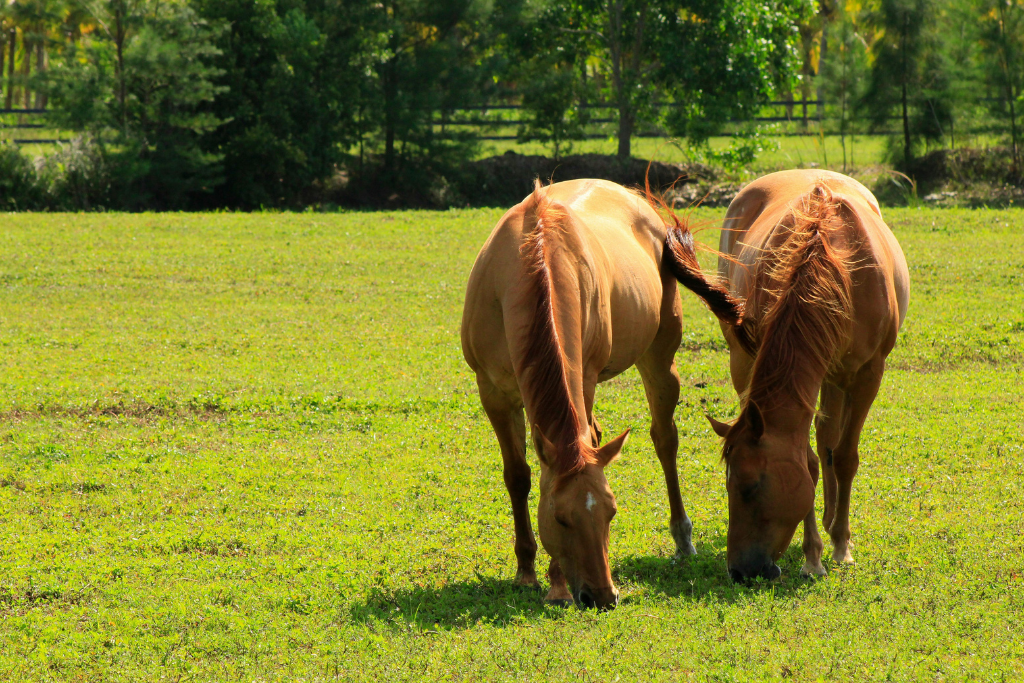
Is pasture enough for horses in the summer?
Understanding nutrition gaps, Grazing management & Supplement needs
For many horse owners across Atlantic Canada, summer means lush green fields, longer grazing hours, and horses spending more time outdoors. It’s easy to assume that a horse surrounded by green grass is receiving all the nutrition they need.
While quality pasture can be an excellent source of forage, energy, and fiber, it doesn’t always provide a complete nutritional package. Factors such as weather, grazing pressure, soil health, and seasonal changes can significantly impact the nutritional value of pasture throughout the summer.
Whether you own a retired pasture companion, a growing youngster, a senior horse, or an active performance horse, understanding the strengths and limitations of pasture is an important part of managing your horse’s health.
The benefits of summer pasture
Healthy pasture offer several advantages for horses:
- Natural forage and fiber
- Consistent movement and grazing behavior
- A source of calories and energy
- Improved mental well-being
- Reduced reliance on stored feeds
In ideal conditions, pasture can contribute to a significant portion of a horse’s daily nutritional needs. However, “green” doesn’t always mean “nutritionally complete.”
Why pasture quality changes throughout the summer
Your Pasture is constantly changing. What your horse grazes in May can be very different from what they consume in July or August. Several factors influence pasture quality:
Overgrazing: One of the most common pasture management challenges is overgrazing.
When horses repeatedly graze the same area, grass plants are unable to recover properly. Over time, desirable forage species decline, weeds become more prevalent, and overall forage production decreases.
Overgrazed pastures often look green from a distance but provide significantly less nutrition than healthy, actively growing grass.
Weather and drought stress: Atlantic Canada’s weather can vary dramatically throughout the summer. Extended dry periods slow grass growth and reduce forage availability. Even when grass remains present, drought-stressed plants often contain lower nutritional value than actively growing pasture.
Seasonal changes: As grasses mature, their nutritional profile changes. Early-season pasture tends to be higher in digestible energy and protein, while mature summer pasture often contains more fiber and fewer readily available nutrients.
Soil health and nutrient levels: The nutritional value of pasture starts with the soil. Pastures that haven’t been soil tested or properly managed may lack important nutrients needed to support healthy forage growth. This can ultimately affect the nutritional quality of the grass available to horses.
The importance of pasture rotation
One of the best ways to improve pasture quality is through rotational grazing. Pasture rotation involves dividing fields into smaller sections and moving horses periodically to allow the grazed areas time to recover.
Benefits of rotational grazing include:
- Healthier root systems
- Improved forage production
- Reduced weed pressure
- Better drought resilience
- More consistent nutritional value
- Less soil compaction and erosion
Allowing grass to have adequate recovery time helps maintain a healthier pasture throughout the growing season and can significantly extend grazing availability.
Even small hobby farms can benefit from simple rotation systems using temporary fencing to create separate grazing areas.
How to support your horse on pasture
The best feeding programs start with regular observation and evaluation.
Monitor your horse’s:
- Body condition score
- Weight and topline
- Coat quality
- Energy levels
- Hoof condition
- Overall health
Depending on your horse’s needs, nutritional support may include:
- Vitamin and mineral supplements
- Salt blocks or loose salt
- Additional hay during dry periods
- Concentrates or feeds for working horses
- Senior-specific feeds
- Protein or energy supplementation when needed
Every horse and pasture system is different, making an individualized approach important.
Pasture is one of the most valuable tools available to horse owners, but it isn’t always a complete feeding program on its own.
Changes in weather, grazing pressure, soil health, and seasonal growth can all impact the nutritional value of your pasture throughout the summer. By practicing good pasture management, utilizing rotational grazing, and monitoring your horse’s condition regularly, you can help ensure they receive the nutrition they need.
If you’re unsure whether your horse’s pasture is meeting their nutritional requirements, visit your local Feeds’n Needs store. Our knowledgeable team can help you select the right feeds, supplements, minerals, and forage solutions to support your horse’s health all summer long.
As the ground thaws and the days get longer, spring becomes the season gardeners wait for all year. Whether you’re a seasoned grower or just starting out, a bit of planning can make all the difference in how your garden thrives. Spring gardening isn’t just about planting—it’s about preparing your soil, choosing the right seeds, understanding your climate, and setting your space up for success.
A good place to start is with your soil. After a long winter, soil often needs a refresh. Loosening it up, checking drainage, and adding organic matter like compost gives your plants the nutrients they need right from the start. Spring is also when many gardeners reach for a balanced fertilizer—10‑10‑10 is a classic choice—to give lawns, beds, and vegetables a helpful boost.
Next comes the fun part: choosing what to grow. Spring is prime time for hardy vegetables, cold‑tolerant flowers, and seed starting. If you want a head start, using a seed starting mix can make a world of difference by creating the ideal environment for germination. Just be sure to match your choices with your region’s frost dates—some plants love early cool weather, while others will need to wait.
Spring is also the perfect time to think about pollinators and biodiversity. Incorporating native plants, adding a pollinator water source, or planting early blooms can help bees, birds, and butterflies shake off the winter along with you. If you’re a wild bird enthusiast, consider refreshing feeders, cleaning birdbaths, and adding bird‑safe window decals to keep visiting species protected.
Another key consideration is garden cleanup—but with intention. While it’s tempting to tidy everything immediately, waiting until temperatures consistently reach 10°C (50°F) gives overwintering pollinators a safe chance to emerge. When you do clean, removing debris, trimming perennials, and preparing beds helps reduce pests and opens space for new growth.
Finally, spring is a chance to rethink your garden layout. Maybe you’re adding raised beds, expanding your veggie patch, or switching to pollinator‑friendly landscaping. Dream big—spring is all about fresh starts.
With the right preparations and a little seasonal knowledge, your garden will reward you all spring and summer long. So grab your gloves, dust off your tools, and dig into the season—it’s time to grow!
Kick‑start your spring garden with confidence—stop by Feeds’n Needs for everything you need to grow healthy, thriving plants from day one.
More great resources on getting your garden started:
How to Start Seeds, by Halifax Seed Co.: https://www.halifaxseed.ca/tips/seed-starting-101
Canada Hardiness Zones, by Veseys: https://www.veseys.com/ca/canada-hardiness-zones-frost-dates
Garden Planning, by Feeds’n Needs: https://feedsnneeds.ca/advices/garden-layout-garden-starting/
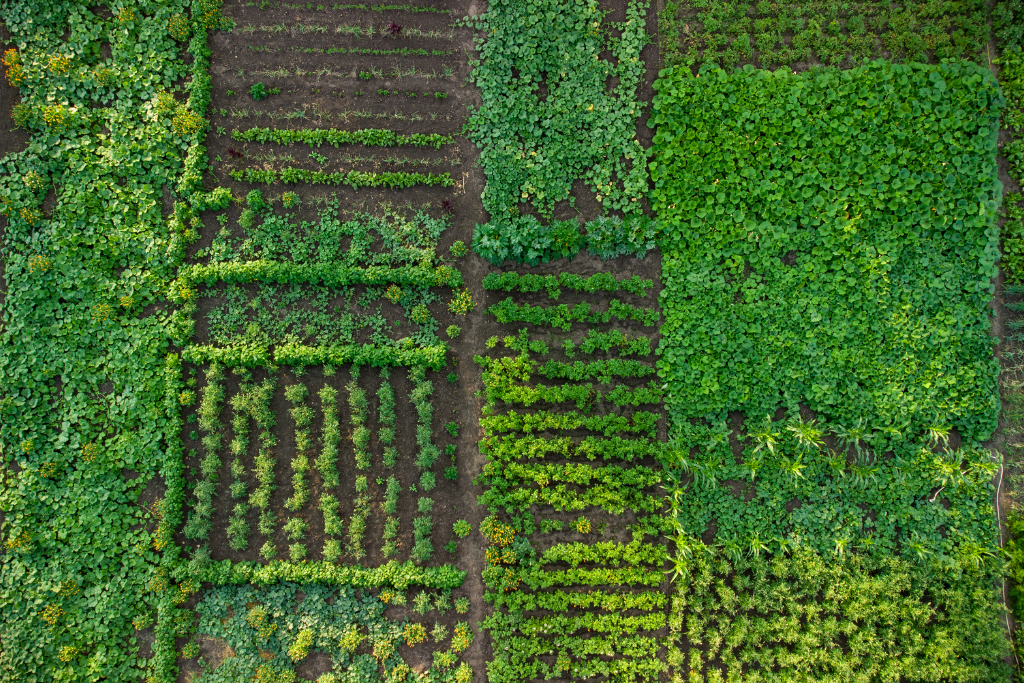
Garden Layout: What to Consider When Starting Your Garden
Planning your garden layout is one of the most exciting steps in kicking off a new growing season. Whether you’re a first‑time gardener or expanding an existing space, a thoughtful layout helps you grow healthier plants, save time, and enjoy a more productive garden all season long. Here’s what to consider as you map out your perfect garden.
- Sunlight: The Most Important Factor
Most vegetables and flowers need 6–8 hours of sunlight each day. Spend a day observing your yard to see where the sun falls in the morning, afternoon, and evening.
- Place sun‑loving plants (tomatoes, peppers, squash, herbs) in the brightest spots.
- Save shadier areas for greens and cool‑season crops like lettuce, spinach, kale, and peas.
- Soil Quality & Preparation
Healthy soil is the foundation of a thriving garden.
- Test your soil or simply observe texture: is it sandy, clay-heavy, or rich and dark?
- Add compost or organic matter to improve drainage and boost nutrients.
- Consider raised beds if your soil is difficult to work with—they warm faster in spring and offer great control.
- Water Access
Make watering simple.
- Choose a location close to a hose or rain barrel.
- Avoid layouts that require dragging hoses around obstacles.
- Plan for even watering—group plants with similar moisture needs together.
- Pathways & Access
Think ahead to weeding, harvesting, and daily care.
- Leave comfortable walking paths between rows or beds.
- Avoid planting too tightly—good airflow prevents disease.
- Make sure tools and wheelbarrows can easily reach your garden space.
- Plant Spacing & Growth Habits
Different plants have very different sizes and shapes once mature.
- Place tall crops like corn, sunflowers, or trellised peas on the north side so they don’t cast shade over smaller plants.
- Give sprawling plants (squash, pumpkins, cucumbers) plenty of room—or grow them vertically on trellises to save space.
- Follow spacing recommendations on seed packets for best results.
- Garden Layout Style
Choose a layout that fits your space, goals, and lifestyle:
Rows
Traditional, easy to maintain, and great for larger gardens.
Raised Beds
Excellent organization, improved drainage, and reduced bending.
Square‑Foot Gardening
Maximizes yield in small spaces with neat, efficient planting grids.
Container Gardens
Perfect for decks, patios, and renters—grow herbs, greens, tomatoes, and more.
- Companion Planting
Pairing compatible plants can boost growth and deter pests.
- Basil with tomatoes
- Marigolds near almost anything to help reduce pests
- Carrots with onions to discourage carrot flies
- Wildlife & Pest Considerations
Consider fencing or natural deterrents if you share your space with deer, rabbits, or raccoons.
- Raised beds, row covers, or simple fencing can protect young seedlings.
- Native plants nearby attract beneficial insects like bees and ladybugs.
- Plan for the Future
A good garden layout grows with you.
- Leave room for new crops you may want to try next year.
- Consider where perennials (strawberries, rhubarb, herbs) will live long-term.
- Think about adding compost bins, rain barrels, or a tool area.
Ready to Start Planting?
A thoughtful layout sets the stage for a more productive, enjoyable gardening season. By taking time to consider sunlight, soil, spacing, and long‑term goals, you’ll create a garden that’s easy to maintain and rewarding to grow.
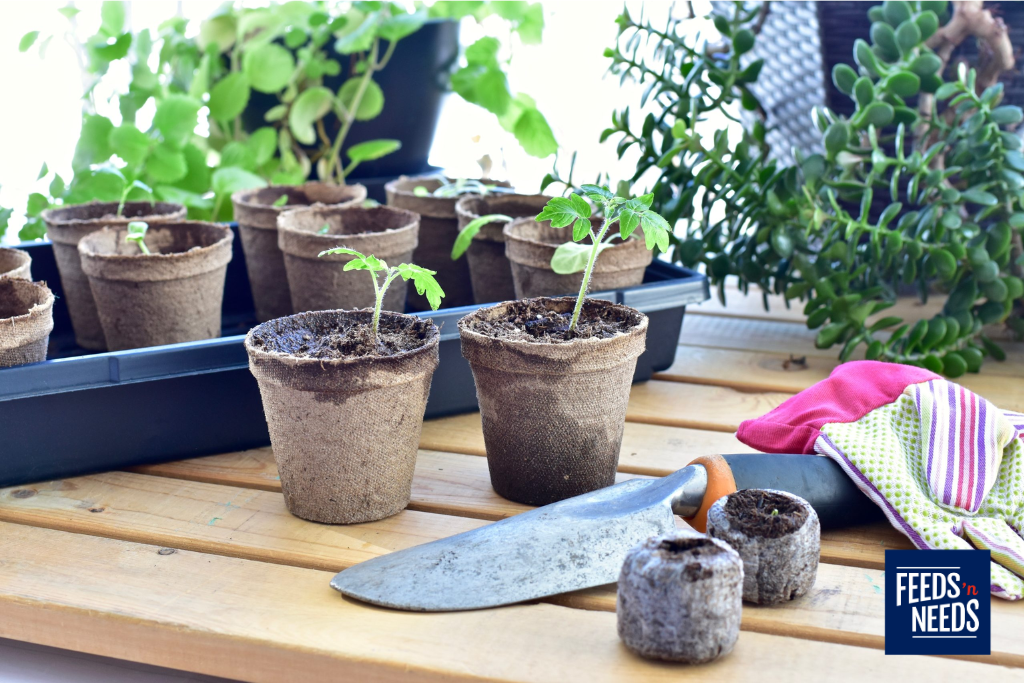
Seed Starting in Spring: What to Start & When
Seed Starting Guide for Atlantic Canada: What to Plant and When
Spring is the perfect time to get a jump on your garden by starting seeds indoors—especially in Atlantic Canada, where our last frost typically lands in early to mid‑May.
What to Start Indoors (and When)
Here’s a simple timeline based on regional planting calendars:
Early March
Start longer-season veggies like onions and leeks, which benefit from early indoor sowing. Both can be started in early March and transplanted outdoors in May.
Mid-March
This is when many popular garden plants can be started indoors, including:
- Basil (germinates in 5–21 days; transplant early June)
- Cabbage
- Celery (for experienced growers—germinates slowly)
These plants appreciate a few extra weeks of indoor warmth before heading outside.
Late March to Early April
As days brighten, start quicker growers like broccoli, bok choy, zinnias, marigolds, and other annual flowers to enjoy a colourful early-summer display. Many flowers—like zinnias and marigolds—are commonly started this time of year in cold climates.
Direct Sowing Outdoors
Once frost danger has passed—around mid-May in much of Atlantic Canada—you can directly sow hardy crops like:
- Carrots
- Beets
- Arugula
These can be seeded outdoors shortly after soil becomes workable.
Final Tips
- Always check your seed packets—they’re your best source for timing guidance.
- It’s better to plant a little later than too early, especially in cooler regions.
- If in doubt, base your schedule around your local last frost date to keep seedlings healthy and on track.
Stop into Feeds’n Needs to ask our experts for all your gardening needs.
More information about local frost dates: Canada Hardiness Zones Frost Dates | Veseys
Growing from Seeds | Veseys


