Health
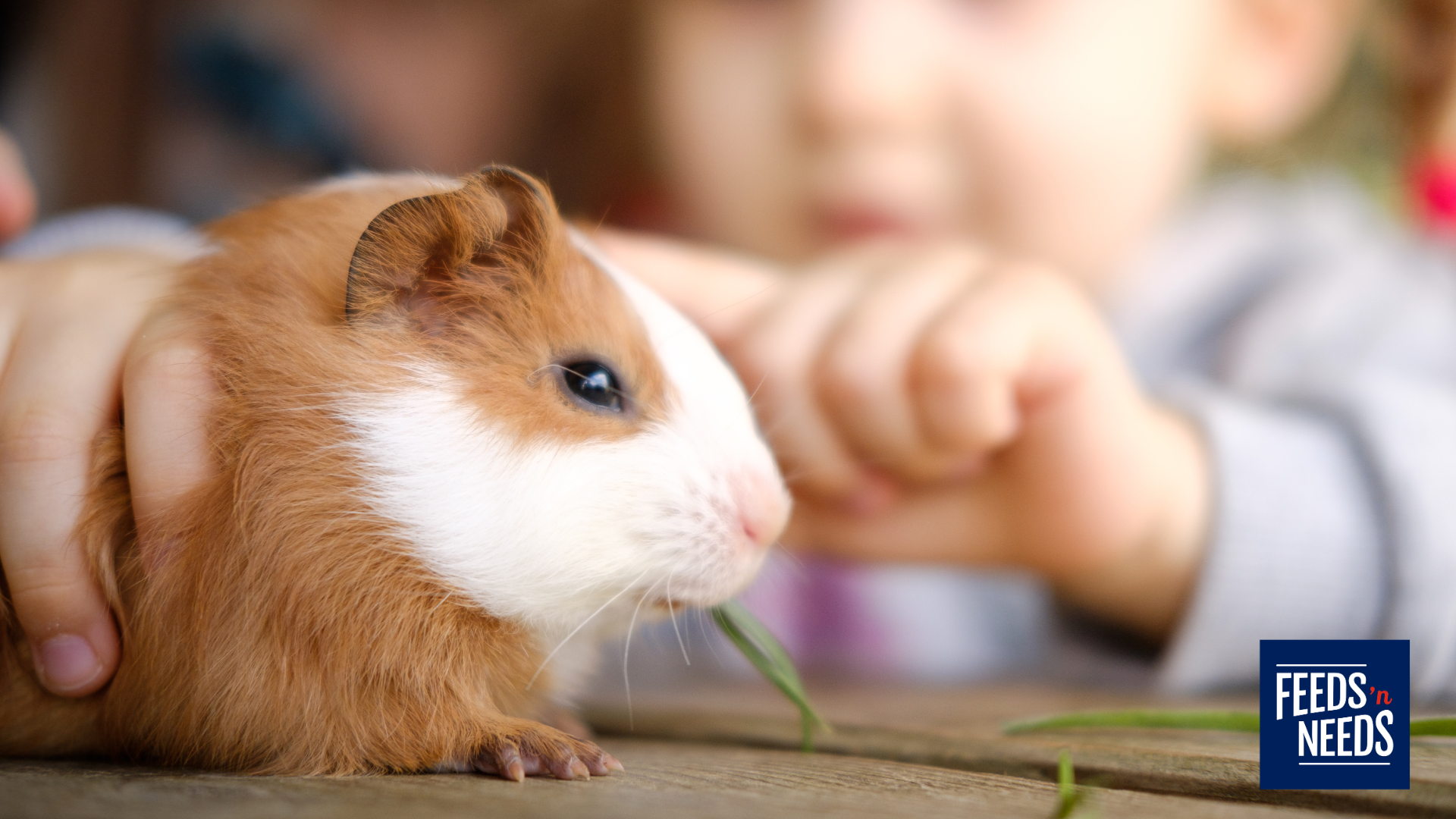
Nutrition and Hay Needs for Rabbits and Guinea Pigs
12 October 2026 +Timothy hay is a widely used grass hay with a balance of fibre, leaves and stems. Its texture encourages chewing and foraging, making it a ...

Is pasture enough for horses in the summer?
Understanding nutrition gaps, Grazing management & Supplement needs
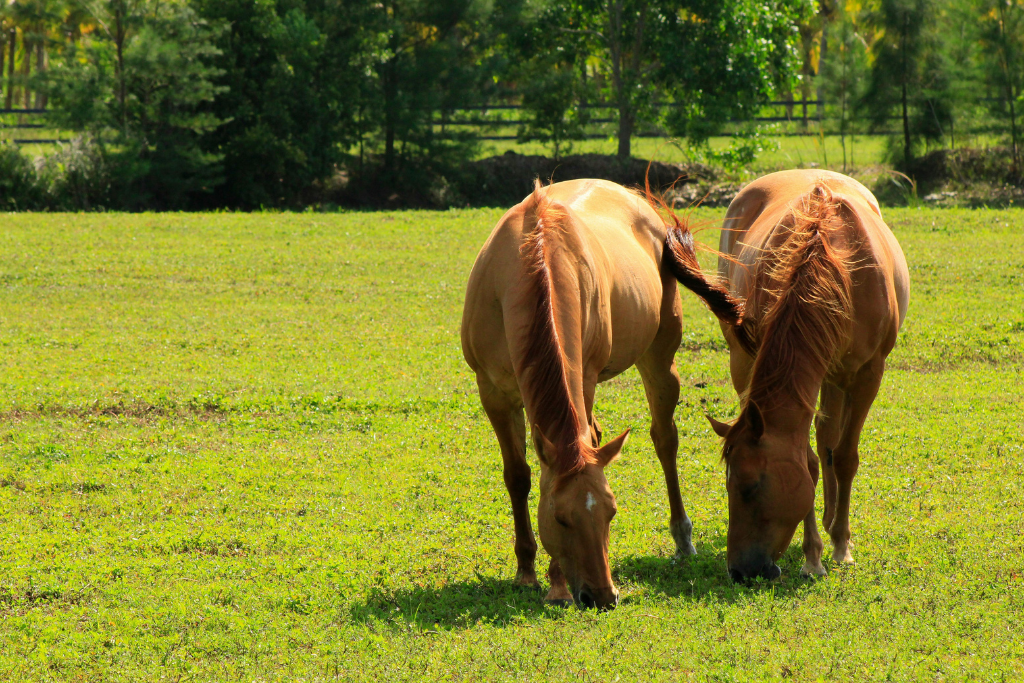
For many horse owners across Atlantic Canada, summer means lush green fields, longer grazing hours, and horses spending more time outdoors. It’s easy to assume that a horse surrounded by green grass is receiving all the nutrition they need.
While quality pasture can be an excellent source of forage, energy, and fiber, it doesn’t always provide a complete nutritional package. Factors such as weather, grazing pressure, soil health, and seasonal changes can significantly impact the nutritional value of pasture throughout the summer.
Whether you own a retired pasture companion, a growing youngster, a senior horse, or an active performance horse, understanding the strengths and limitations of pasture is an important part of managing your horse’s health.
The benefits of summer pasture
Healthy pasture offer several advantages for horses:
In ideal conditions, pasture can contribute to a significant portion of a horse’s daily nutritional needs. However, “green” doesn’t always mean “nutritionally complete.”
Why pasture quality changes throughout the summer
Your Pasture is constantly changing. What your horse grazes in May can be very different from what they consume in July or August. Several factors influence pasture quality:
Overgrazing: One of the most common pasture management challenges is overgrazing.
When horses repeatedly graze the same area, grass plants are unable to recover properly. Over time, desirable forage species decline, weeds become more prevalent, and overall forage production decreases.
Overgrazed pastures often look green from a distance but provide significantly less nutrition than healthy, actively growing grass.
Weather and drought stress: Atlantic Canada’s weather can vary dramatically throughout the summer. Extended dry periods slow grass growth and reduce forage availability. Even when grass remains present, drought-stressed plants often contain lower nutritional value than actively growing pasture.
Seasonal changes: As grasses mature, their nutritional profile changes. Early-season pasture tends to be higher in digestible energy and protein, while mature summer pasture often contains more fiber and fewer readily available nutrients.
Soil health and nutrient levels: The nutritional value of pasture starts with the soil. Pastures that haven’t been soil tested or properly managed may lack important nutrients needed to support healthy forage growth. This can ultimately affect the nutritional quality of the grass available to horses.
The importance of pasture rotation
One of the best ways to improve pasture quality is through rotational grazing. Pasture rotation involves dividing fields into smaller sections and moving horses periodically to allow the grazed areas time to recover.
Benefits of rotational grazing include:
Allowing grass to have adequate recovery time helps maintain a healthier pasture throughout the growing season and can significantly extend grazing availability.
Even small hobby farms can benefit from simple rotation systems using temporary fencing to create separate grazing areas.
How to support your horse on pasture
The best feeding programs start with regular observation and evaluation.
Monitor your horse’s:
Depending on your horse’s needs, nutritional support may include:
Every horse and pasture system is different, making an individualized approach important.
Pasture is one of the most valuable tools available to horse owners, but it isn’t always a complete feeding program on its own.
Changes in weather, grazing pressure, soil health, and seasonal growth can all impact the nutritional value of your pasture throughout the summer. By practicing good pasture management, utilizing rotational grazing, and monitoring your horse’s condition regularly, you can help ensure they receive the nutrition they need.
If you’re unsure whether your horse’s pasture is meeting their nutritional requirements, visit your local Feeds’n Needs store. Our knowledgeable team can help you select the right feeds, supplements, minerals, and forage solutions to support your horse’s health all summer long.

Timothy hay is a widely used grass hay with a balance of fibre, leaves and stems. Its texture encourages chewing and foraging, making it a ...
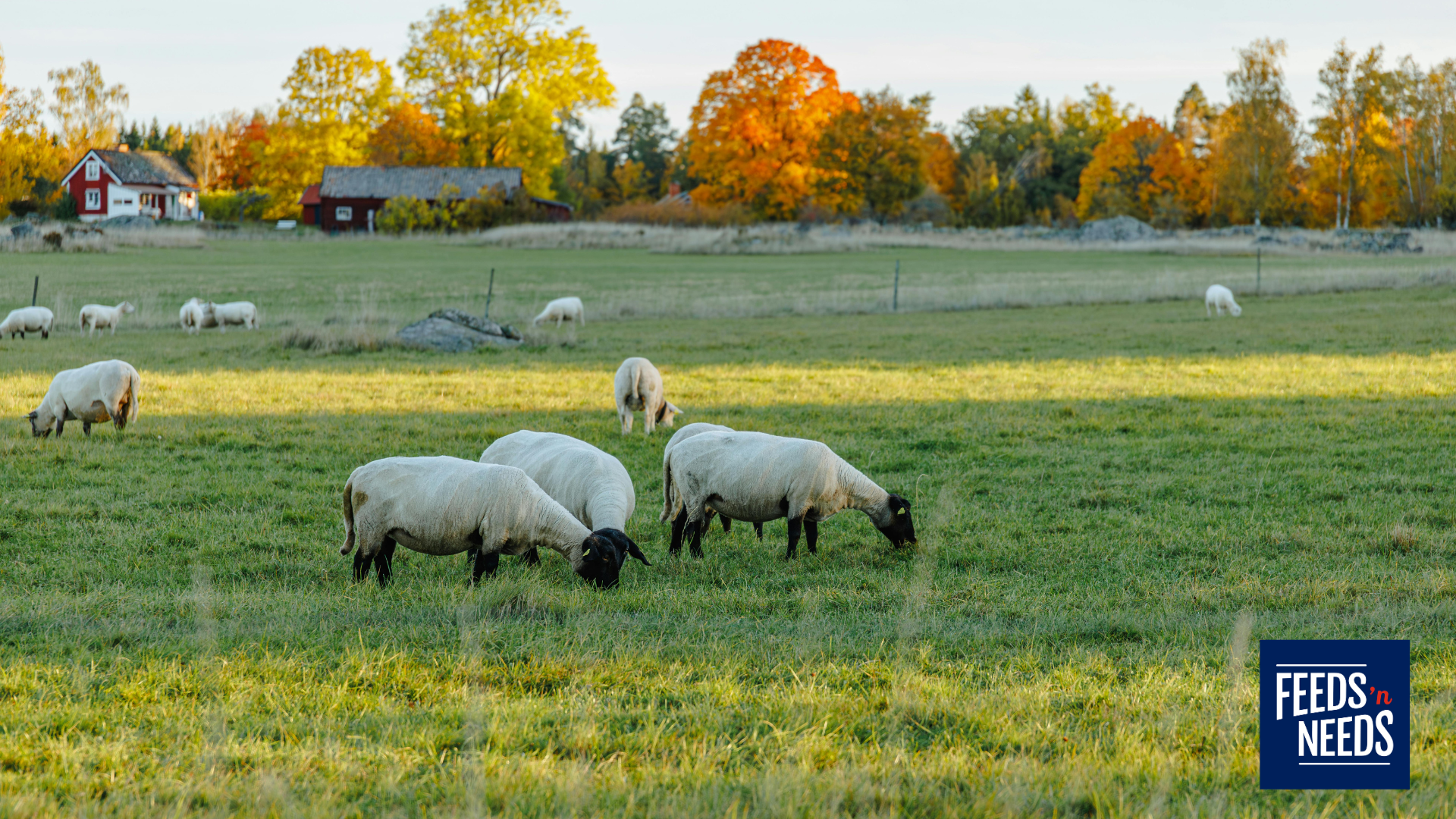
Pastured cattle may encounter gastrointestinal roundworms, lungworms, lice, grubs and other internal or external parasites. Calves and yearlings are often more vulnerable than mature cattle ...
Pick manure from smaller paddocks, dry lots and high-traffic areas regularly. Pay particular attention to: Hay-feeding areas Gates and laneways Shelters Water sources Small sacrifice paddocks Winter turnout areas Feeds’n Needs carries ...
Black oil sunflower seed is one of the best all-around options for feeding backyard birds in Atlantic Canada. Its thin shell is easy for smaller ...
Walk the entire pasture boundary before turnout and check for: Broken or leaning posts Loose wire Damaged insulators Weak corners Low electric-fence voltage Vegetation grounding the fence Gates that sag or fail ...


Winter has arrived, and while we’re cozy under blankets and sipping warm drinks, our dogs feel the chill too. Winter isn’t just about keeping them ...

If your pet could write their own grocery list, there’s a good chance “more raw food, please!” would be at the top. Raw diets have ...


