Advice

Whether you’re heading to a weekend horse show, moving cattle between pastures, transporting sheep to market, or hauling goats to the county fair, trailer safety should always come first.
Summer is one of the busiest hauling seasons across Atlantic Canada—but it’s also one of the toughest on both animals and equipment. High humidity, hot pavement, stop-and-go traffic, and long ferry or highway trips can quickly create stressful conditions inside a trailer.
A few minutes spent inspecting your trailer before every trip can prevent breakdowns, injuries, and unnecessary stress for your animals.
Here’s everything you should check before hitting the road.
Unlike people, horses and livestock have limited ways to cool themselves during transport.Inside a parked or slow-moving trailer, temperatures can rise rapidly—even on what feels like a comfortable Maritime summer day. Add humidity, poor airflow, and direct sunlight, and animals can become overheated much faster than expected.
Atlantic Canadian haulers also face:
Planning ahead keeps both your trailer and your animals safer.
Tires Check:
Remember that trailer tires often age out before they wear out. Tires over five to six years old should be inspected carefully regardless of tread.
Wheel Bearings
Wheel bearings should be serviced regularly according to your trailer manufacturer’s recommendations.
Signs of trouble include:
A failed bearing can leave you stranded—and put your animals at risk.
Lights & Electrical
Always test:
Don’t assume they worked last trip.
Hitch & Coupler
Double-check:
Never wrap the breakaway cable around your safety chains.
Trailer Floor
One of the most overlooked safety items.
Inspect for:
Lift rubber mats regularly to inspect underneath.
Doors & Ramps
Make sure:
A sticky ramp becomes much harder—and more dangerous—when loading an anxious horse.
Heat stress is one of the biggest concerns during summer hauling.
For longer hauls:
Never leave animals standing inside a closed trailer while parked in direct sunlight.
Watch for:
If an animal appears overheated, stop in a safe location immediately and contact your veterinarian if symptoms do not improve.
Improper tying causes many preventable injuries.
Use:
Avoid tying animals too short or leaving excessive slack that could allow legs or heads to become entangled.
Every trailer should carry a basic emergency kit.
Include:
Many horses refuse unfamiliar water at competitions.
Bring water from home whenever possible, especially for:
Portable buckets make watering easier at rest stops and destinations.
After each trip:
Clean trailers reduce odors, improve footing, and help prevent disease transmission between animals.
Before your next trip, make sure your trailer is stocked with the essentials.
Products you’ll find at Feeds’n Needs include:
Our team can also help you choose the right equipment for horses, cattle, sheep, goats, pigs, poultry, and other livestock travelling throughout Atlantic Canada.
✔ Tires checked
✔ Lights working
✔ Hitch secured
✔ Breakaway cable attached
✔ Trailer brakes tested
✔ Floor inspected
✔ Animals tied safely
✔ Water packed
✔ Emergency kit onboard
✔ Weather forecast checked
✔ Route planned
Whether you’re hauling one horse to a local gymkhana, transporting cattle between pastures, or taking livestock to an exhibition, preparation makes all the difference.
Atlantic Canada’s summer weather can change quickly, but a well-maintained trailer, properly secured animals, and the right equipment help every trip go more smoothly.
Stop by your local Feeds’n Needs before your next haul. Our knowledgeable team can help you stock up on trailer accessories, hydration supplies, barn essentials, and livestock care products so you and your animals are ready for every mile ahead.

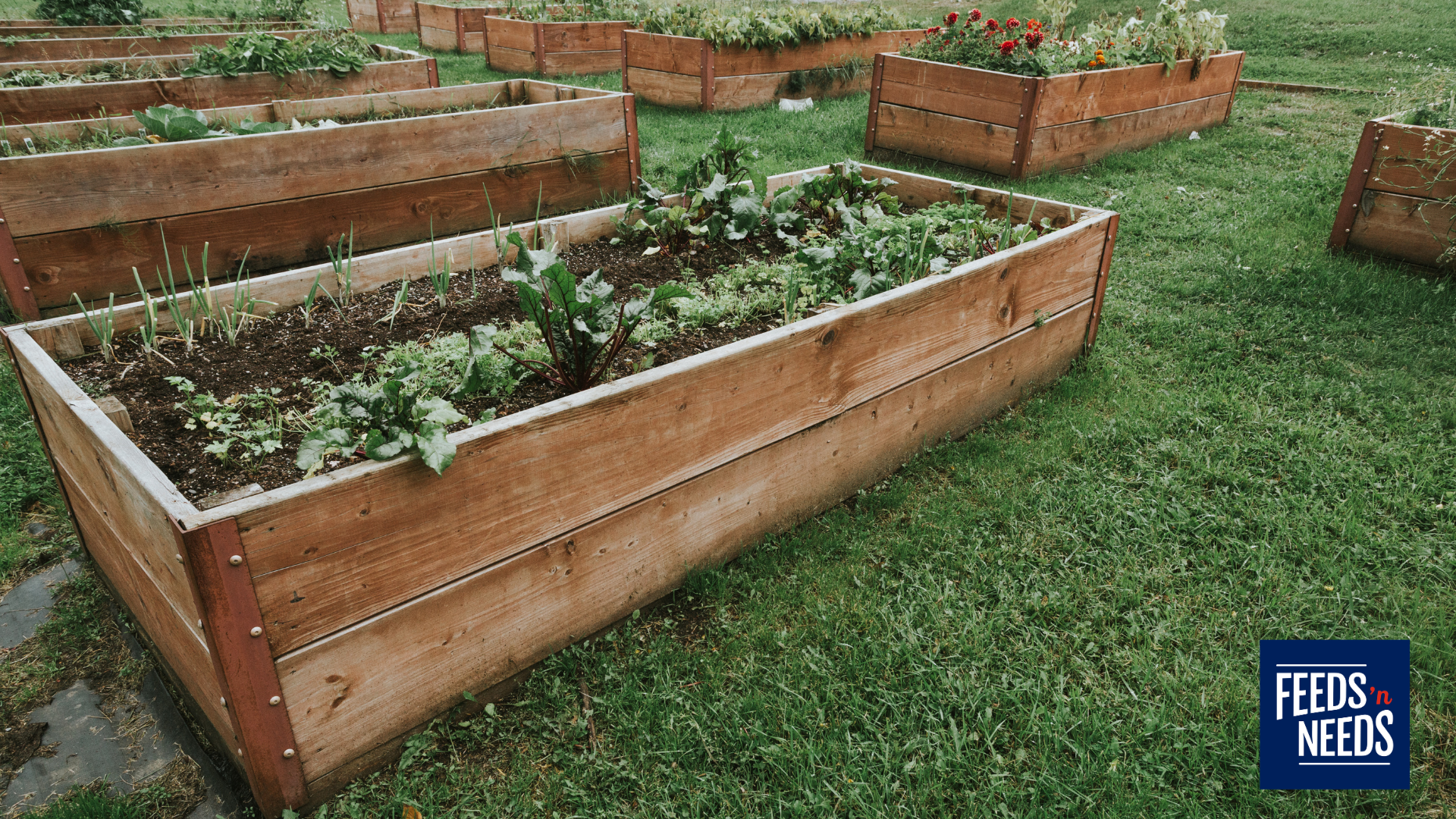
Healthy plant material can generally be added to a properly managed compost pile. Diseased or heavily infested plants require more caution. A typical backyard compost pile ...
Pick manure from smaller paddocks, dry lots and high-traffic areas regularly. Pay particular attention to: Hay-feeding areas Gates and laneways Shelters Water sources Small sacrifice paddocks Winter turnout areas Feeds’n Needs carries ...
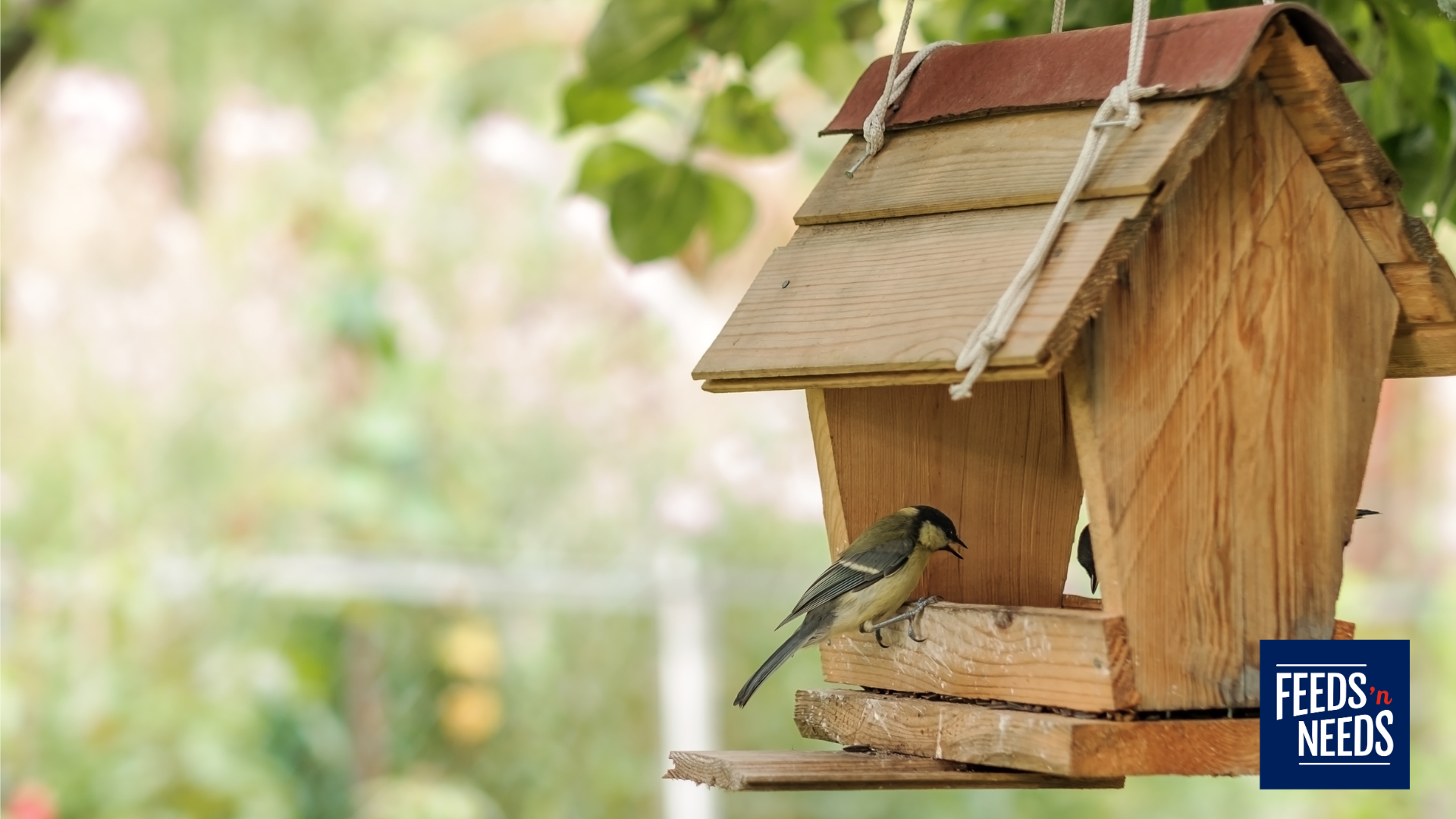
Black oil sunflower seed is one of the best all-around options for feeding backyard birds in Atlantic Canada. Its thin shell is easy for smaller ...
Fall is the single best time of year to overseed, aerate, fertilize, and lime Maritime lawns Cool-season grasses grow actively in fall — take advantage of ...
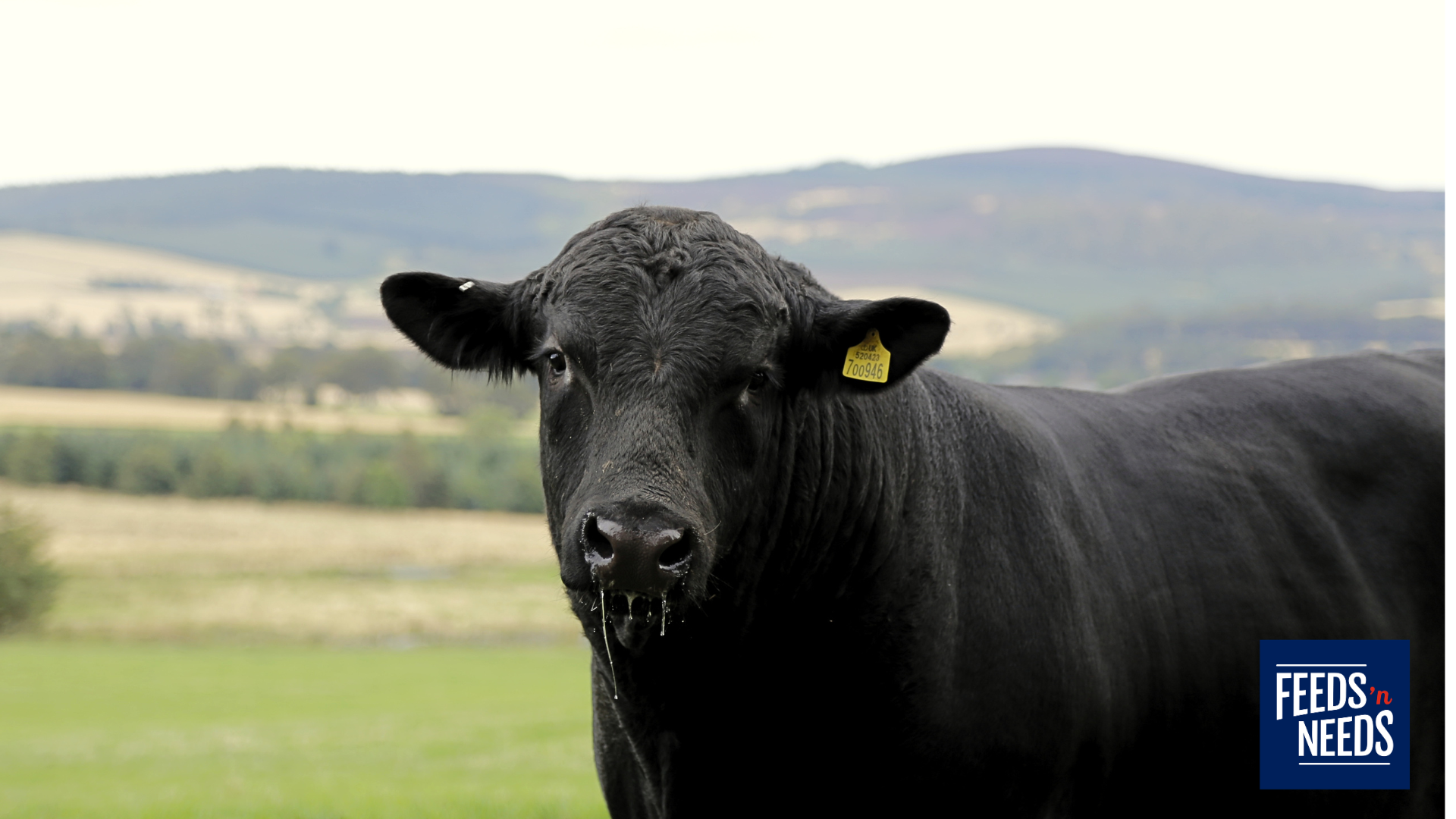
Walk the entire pasture boundary before turnout and check for: Broken or leaning posts Loose wire Damaged insulators Weak corners Low electric-fence voltage Vegetation grounding the fence Gates that sag or fail ...
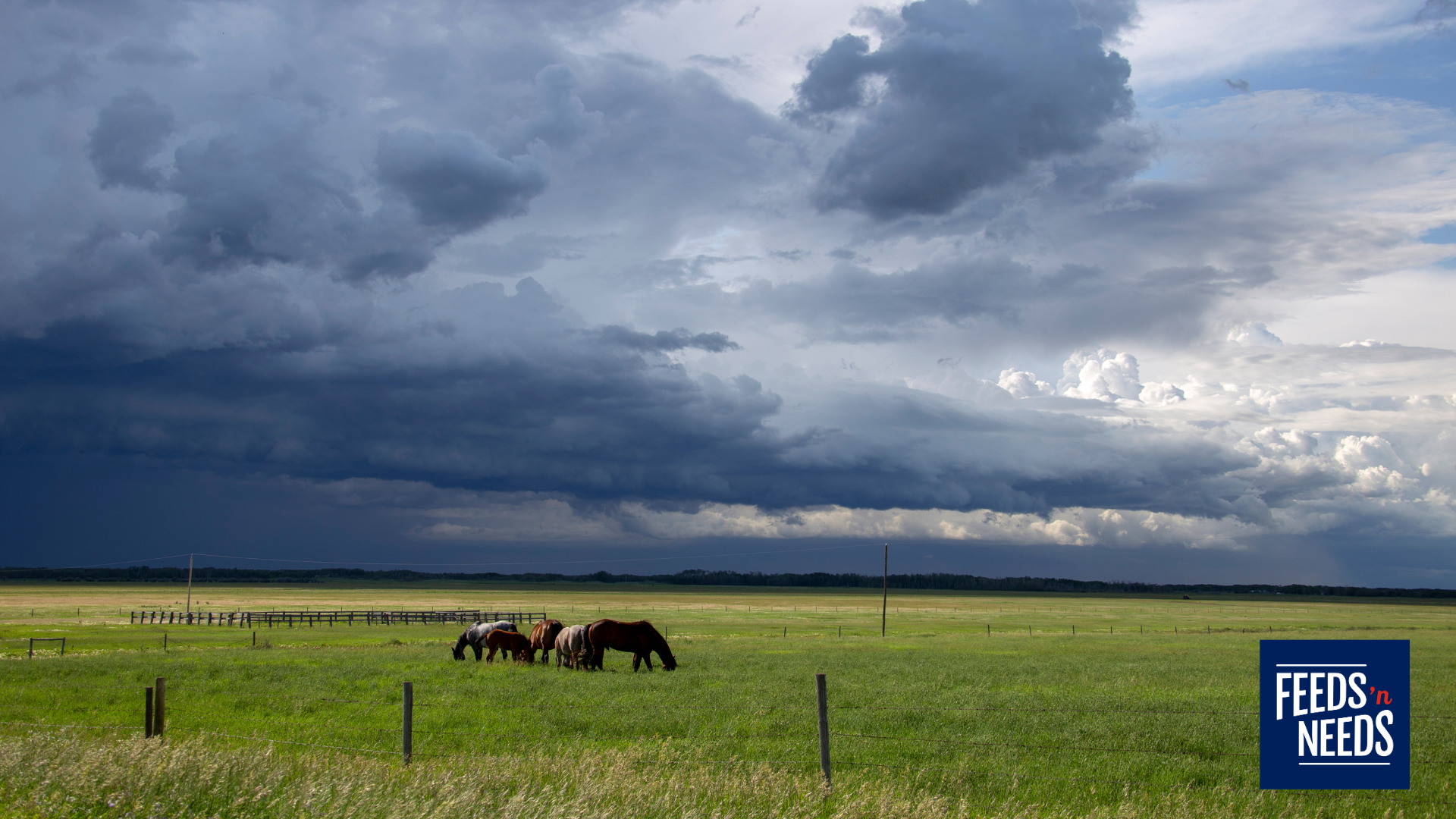
Hay isn’t just filler—it’s often the primary source of fiber and nutrition for livestock throughout the winter. Poor-quality hay can result in: Weight loss Reduced milk production Lower body ...
Tires Check: Tire pressure (including the spare) Uneven wear Sidewall cracks Tread depth Remember that trailer tires often age out before they wear out. Tires over five to six years ...
Although fleas are uncommon in healthy adult horses, they can occasionally become an issue in barns where horses share space with dogs, cats, or other ...


