Advice

Practical Tips to Keep Your Horse Comfortable All Season Long
Warmer weather means more time in the saddle—but it also brings one of the biggest challenges for horse owners across Atlantic Canada: flea, tick, and insect season.
Whether your horse spends the summer grazing at home, competing on the show circuit, trail riding through wooded areas, or travelling to clinics and events, protecting them from parasites should be part of your regular management routine.
While ticks receive much attention due to their ability to spread disease, other biting insects can also cause irritation, stress, skin infections, and reduced comfort. Fortunately, a proactive prevention plan can help keep your horse healthy and comfortable all season long.
At Feeds’n Needs, we carry a wide selection of equine fly sprays, fly masks, fly sheets, grooming supplies, barn insect control products, and pasture essentials to help horse owners stay ahead of the season.
Although fleas are uncommon in healthy adult horses, they can occasionally become an issue in barns where horses share space with dogs, cats, or other livestock. Ticks, however, are becoming increasingly common throughout Atlantic Canada and are regularly found on horses grazing near wooded areas or travelling to shows and trail systems.
Ticks commonly attach around:
Signs Your Horse May Have Parasites
Watch for:
Groom Every Day: Regular grooming isn’t just about keeping your horse looking their best.
Use curry combs and brushes to:
Use Fly Spray Consistently
Don’t wait until the insects are unbearable.
Apply an equine-approved fly spray before:
Feeds’n Needs carries trusted fly sprays designed to help repel flies, mosquitoes, ticks, and other biting insects throughout the summer.
Dress for Protection
During peak insect activity, consider adding:
Keep Grass Managed: Ticks thrive in tall grass and brush.
Regular mowing around:
Moving horses between paddocks:
Eliminate Standing Water
Mosquitoes breed quickly in standing water.
Check regularly for:
Stable Tips for Reducing Pests
A clean barn naturally discourages insects.
Focus on:
Cleaner barns mean fewer insects looking for places to breed.
Don’t Forget Your Horse Trailer
Horse trailers can easily become overlooked hiding places for insects.
Between shows and events:
Keeping your trailer clean reduces unwanted hitchhikers before your next trip.
Horse Shows & Clinics: Extra Prevention Tips
Travelling exposes your horse to new environments and new insect populations.
Before leaving home:
When stabling overnight:
Products You’ll Find at Feeds’n Needs
Preparing for insect season starts with the right supplies.
Visit your local Feeds’n Needs for:
Our knowledgeable staff can help you choose products suited to your horse’s workload, turnout schedule, and living environment.
Keeping insects under control isn’t just about comfort—it supports your horse’s overall health, performance, and well-being.
Whether you’re preparing for weekend horse shows, heading out on the trails, or simply enjoying evenings at the barn, a little prevention goes a long way.
With regular grooming, smart pasture management, clean stalls, trailer maintenance, and the right equine products, you can help your horse stay comfortable all summer long.
Stop by your local Feeds’n Needs location for everything you need to tackle fly, flea, and tick season. Our team is always happy to help you find the right products for your horse and your farm.

Healthy plant material can generally be added to a properly managed compost pile. Diseased or heavily infested plants require more caution. A typical backyard compost pile ...
Pick manure from smaller paddocks, dry lots and high-traffic areas regularly. Pay particular attention to: Hay-feeding areas Gates and laneways Shelters Water sources Small sacrifice paddocks Winter turnout areas Feeds’n Needs carries ...
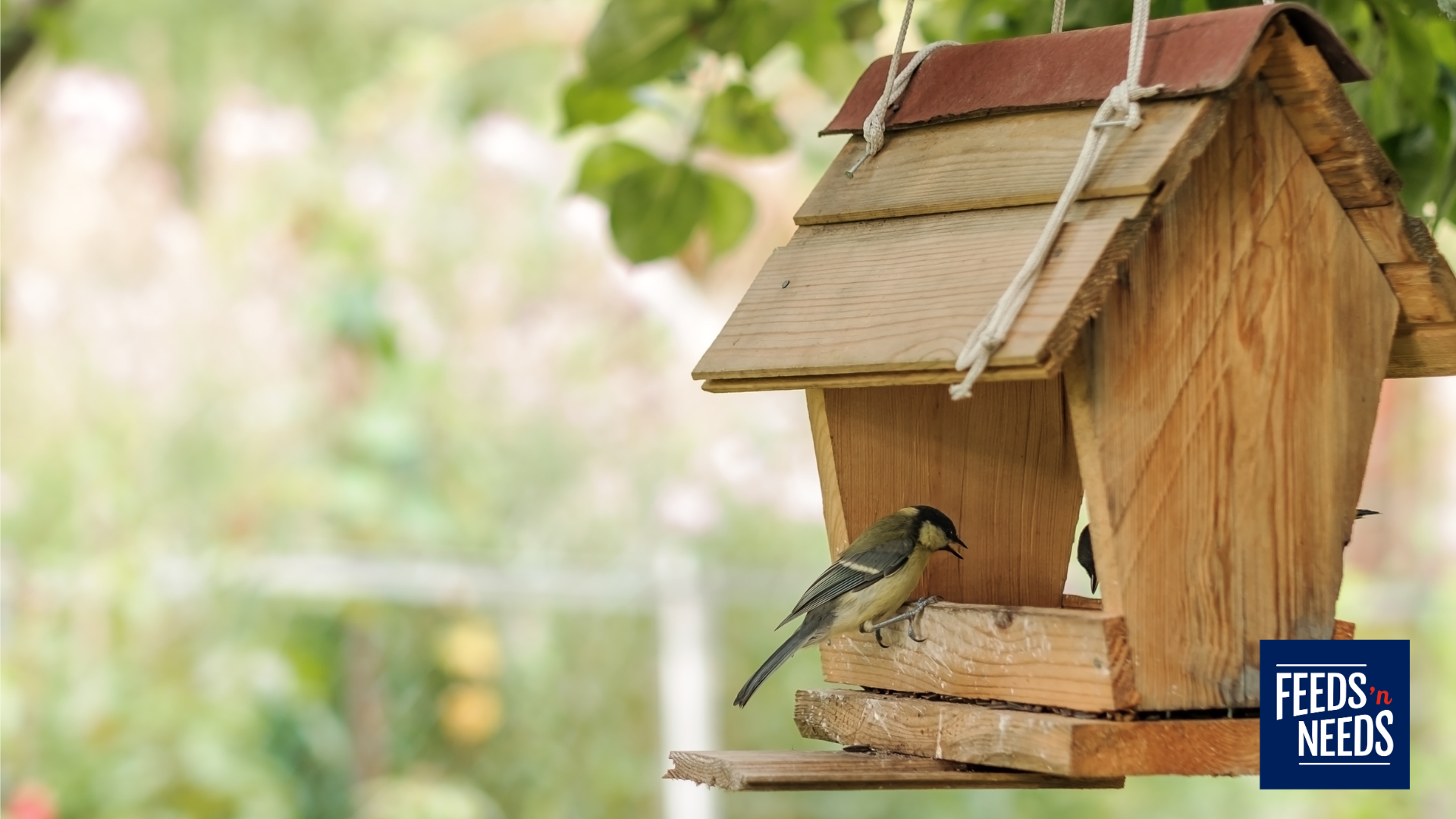
Black oil sunflower seed is one of the best all-around options for feeding backyard birds in Atlantic Canada. Its thin shell is easy for smaller ...
Fall is the single best time of year to overseed, aerate, fertilize, and lime Maritime lawns Cool-season grasses grow actively in fall — take advantage of ...
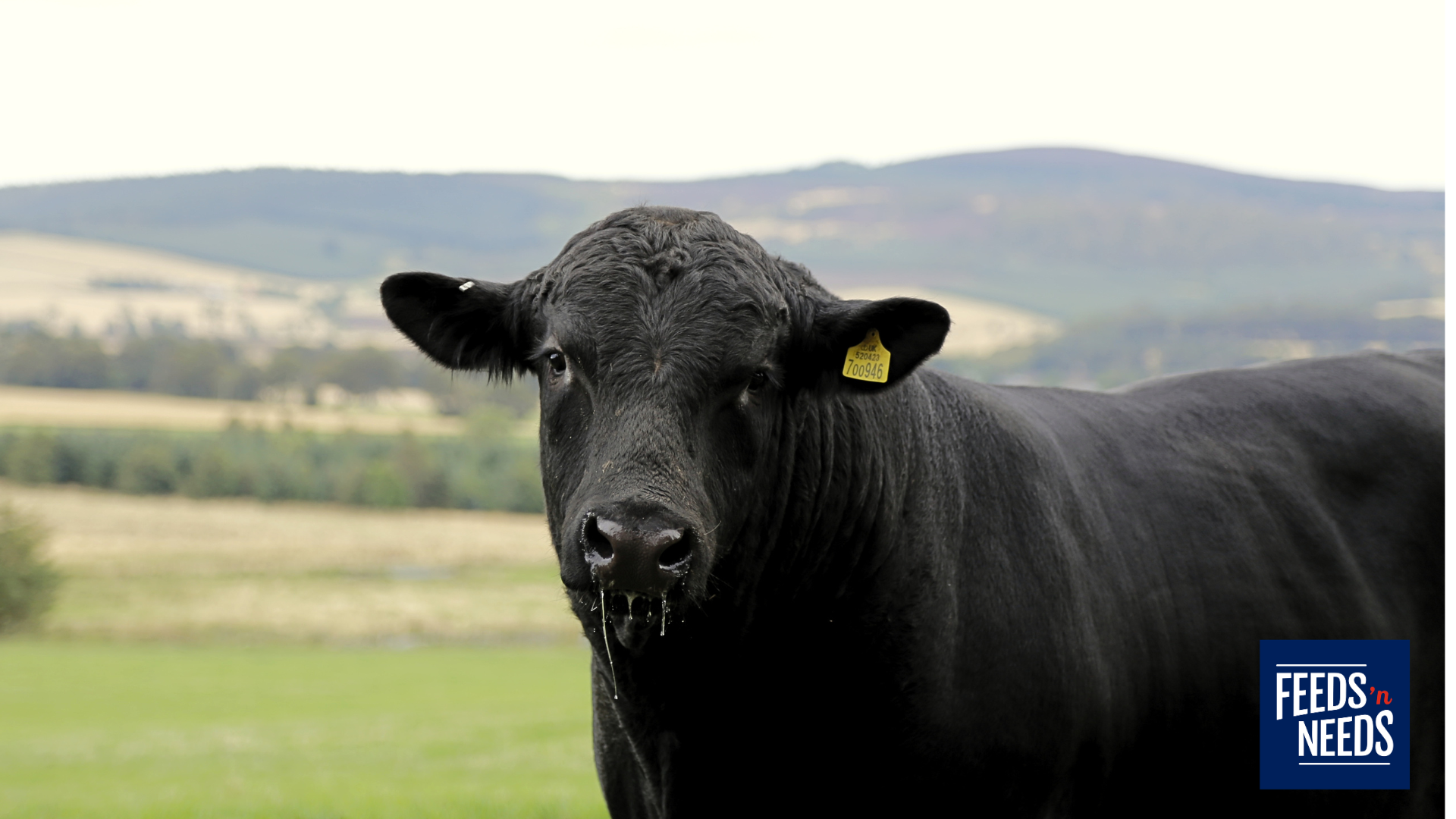
Walk the entire pasture boundary before turnout and check for: Broken or leaning posts Loose wire Damaged insulators Weak corners Low electric-fence voltage Vegetation grounding the fence Gates that sag or fail ...
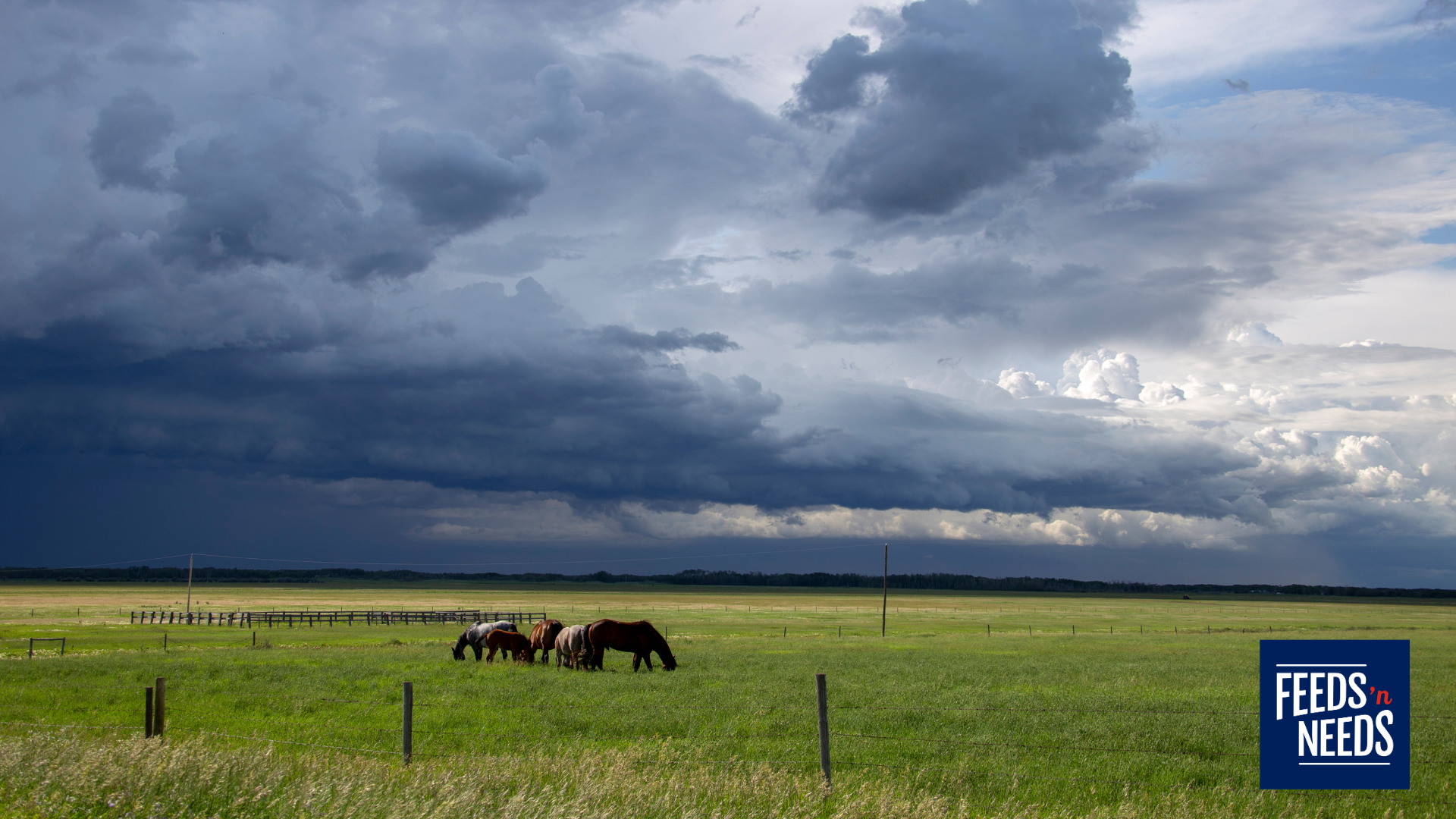
Hay isn’t just filler—it’s often the primary source of fiber and nutrition for livestock throughout the winter. Poor-quality hay can result in: Weight loss Reduced milk production Lower body ...
Tires Check: Tire pressure (including the spare) Uneven wear Sidewall cracks Tread depth Remember that trailer tires often age out before they wear out. Tires over five to six years ...
Although fleas are uncommon in healthy adult horses, they can occasionally become an issue in barns where horses share space with dogs, cats, or other ...


