Care

Frozen buckets, ice-covered troughs and blocked poultry waterers can quickly turn a winter morning into extra work. For the animals depending on those water sources, they can also mean going without an essential part of their daily care.
Whether you keep horses, livestock or a small backyard flock, reliable access to clean, unfrozen drinking water belongs at the centre of your winter care routine. Across Atlantic Canada, changing temperatures and winter storms make it especially valuable to prepare before the first hard freeze.
A dependable winter water plan combines suitable equipment, safe electrical connections, regular cleaning and hands-on checks. Here’s how to get started.
Cold weather does not eliminate an animal’s need for water. Chickens need fresh water even when their activity slows, and a frozen waterer leaves them without a usable supply. Check that every bird can reach the water, including smaller or less dominant flock members.
For horses, winter often means eating more dry forage while drinking less as temperatures fall. Reduced water intake alongside increased forage consumption can raise the risk of impaction colic. Keeping water accessible deserves the same attention as providing hay and shelter.
The goal is to provide water animals can comfortably reach and drink whenever they need it.
Heated buckets, poultry waterers and tank de-icers can help maintain drinking water through freezing weather. Choose equipment designed for your animals, container and location.
Consider these points before purchasing:
A heated poultry base is not automatically compatible with every waterer. An unsuitable combination may damage the container or create a fire hazard around bedding. Follow the manufacturer’s instructions for the complete setup.
Heating equipment supports your routine; daily water checks remain essential. A working light or plugged-in cord does not confirm that animals have drinkable water.
Water, bedding, dust and curious animals make careful electrical planning essential around barns and coops.
Use a properly installed ground fault circuit interrupter (GFCI) protected outlet, and have a qualified electrician assess permanent power needs. Outdoor extension cords should not become a season-long substitute for suitable wiring and outlets.
Before operating heated water equipment:
If a temporary extension cord is permitted, use one rated for outdoor conditions and the equipment’s electrical load. Do not connect multiple extension cords together, run them through doors where they can be pinched, or leave them lying in water or snow.
If equipment trips a GFCI repeatedly, develops visible damage or behaves unusually, stop using it and have the problem assessed. Never bypass a protective device to keep a heater running.
Insulated buckets and waterers can help slow heat loss. Sheltering a container from wind and choosing a suitable location can also help water stay unfrozen longer. Larger volumes generally take longer to freeze than smaller ones, although the drinking surface can still ice over.
Insulation slows freezing; it does not guarantee ice-free water.
For barns and backyard coops without electricity, plan for frequent water replacement during freezing conditions. Keeping a second container ready allows you to swap out a frozen waterer while the first thaws in a suitable location.
Choose containers that are easy to carry, clean and refill. Any insulation should remain protected from animals and should not interfere with cleaning or safe drinking access. Never cover heated equipment or add insulation unless its manufacturer permits it.
Avoid adding salt or antifreeze to drinking water to prevent freezing. Use equipment and management practices designed for animal watering instead.
Build water checks into morning and evening chores, then add visits whenever conditions require them. In severe cold, an unheated container may freeze well before the next scheduled check. Poultry keepers should check more frequently during colder weather and replace frozen water promptly.
At each visit, check more than the water level:
A full container can still leave animals thirsty if its drinking point is frozen. Hands-on checks help catch problems that a quick glance can miss.
For backyard chickens and horses, do not rely on snow to replace a dependable supply of liquid water.
Snow contains air, so animals must consume a much larger volume to obtain the same amount of water. Horses also use energy melting consumed snow—energy needed for maintaining warmth and body condition. Snow quality and availability can change as it becomes crusted, compacted or contaminated.
There is an important livestock distinction: certain carefully managed beef cattle and dry sheep systems can use suitable snow as a water source. That approach depends on animal condition, production stage, snow quality and close management. It is not a general watering recommendation for a mixed barn or backyard flock. Lactating cows and ewes have greater water needs and should have access to fresh water.
For everyday barn and coop planning, build your routine around clean, accessible liquid water throughout winter.
Before a storm arrives, work through what you would do if a heater failed, a supply line froze or the power went out.
Keep spare buckets or poultry waterers available, identify a usable backup water source and arrange help if you cannot reach the property. Store enough clean water for your animals’ expected needs and the likely interruption, remembering that a well pump may also stop during a power outage.
Write down the routine for anyone covering chores. Include which containers serve each animal group, how equipment operates and who to contact if something fails.
The best winter watering setup is one you can maintain consistently. Suitable heated buckets, compatible waterers, insulated containers and a reliable checking routine can make cold-weather chores more manageable while keeping drinking water available.
Visit your local Feeds’n Needs to discuss winter watering supplies for your barn or backyard flock. Ask about available heated buckets, poultry watering equipment and containers suited to your animals and daily routine—and prepare your backup plan before freezing weather arrives.


Check them after every outing. Rinse after contact with salt, ice melt or dirty slush, then dry thoroughly between the toes. Can paw balm replace dog ...
Dormant grass is alive — the crowns and roots remain viable under snow and frozen soil Most winter lawn damage in the Maritimes is caused by ...
Pastured cattle may encounter gastrointestinal roundworms, lungworms, lice, grubs and other internal or external parasites. Calves and yearlings are often more vulnerable than mature cattle ...
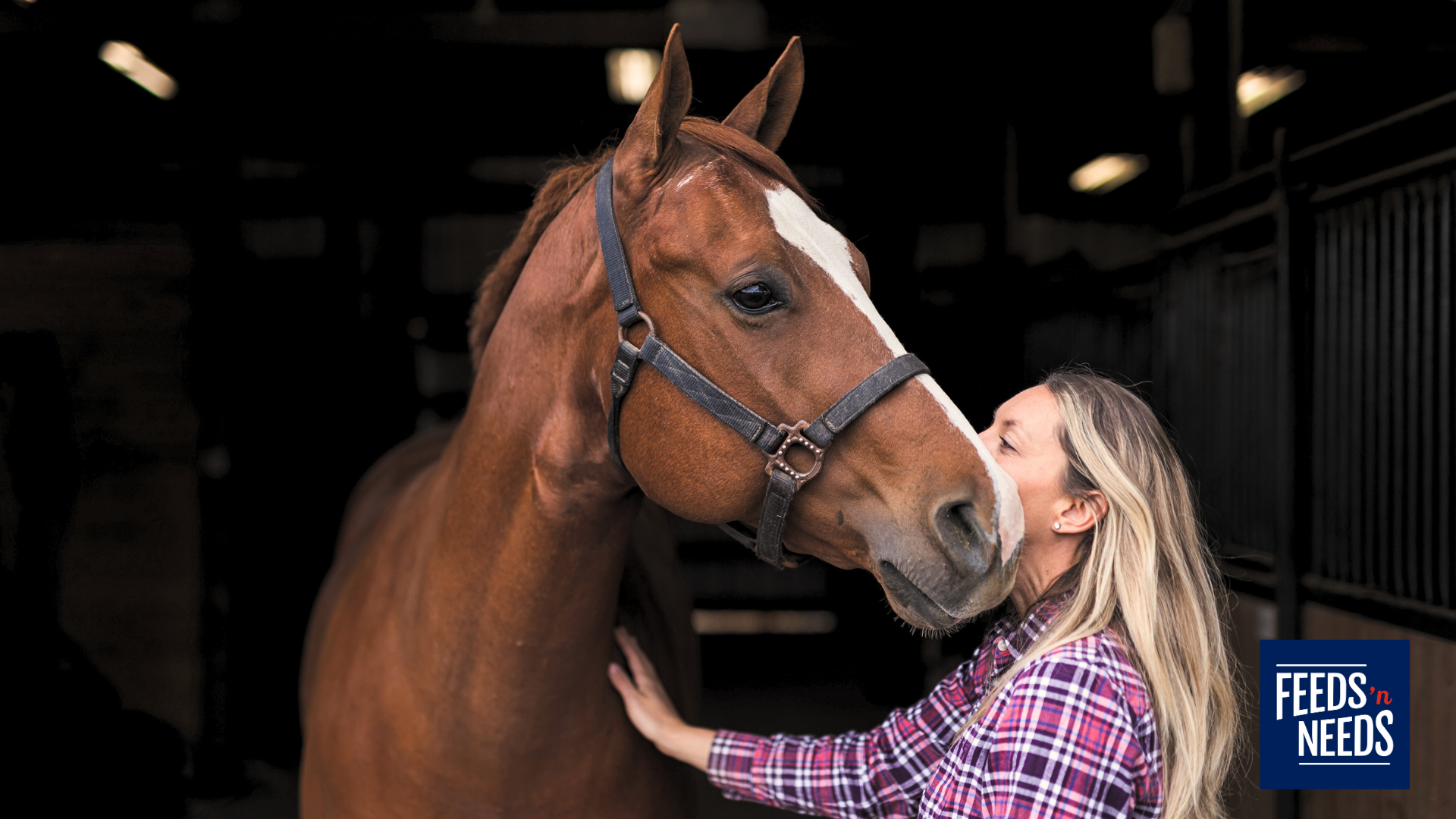
Pick manure from smaller paddocks, dry lots and high-traffic areas regularly. Pay particular attention to: Hay-feeding areas Gates and laneways Shelters Water sources Small sacrifice paddocks Winter turnout areas Feeds’n Needs carries ...
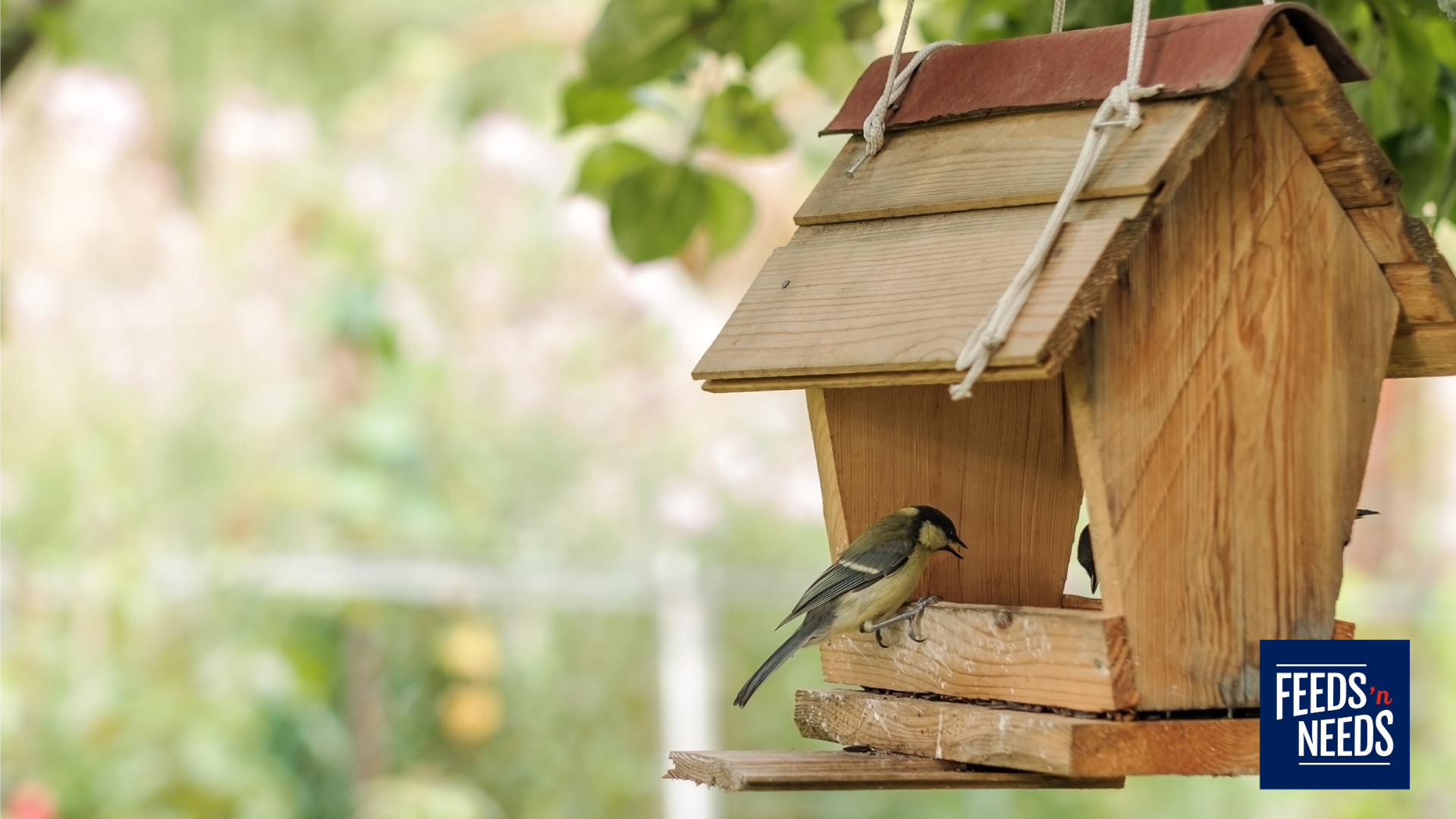
Black oil sunflower seed is one of the best all-around options for feeding backyard birds in Atlantic Canada. Its thin shell is easy for smaller ...
Fall is the single best time of year to overseed, aerate, fertilize, and lime Maritime lawns Cool-season grasses grow actively in fall — take advantage of ...
Walk the entire pasture boundary before turnout and check for: Broken or leaning posts Loose wire Damaged insulators Weak corners Low electric-fence voltage Vegetation grounding the fence Gates that sag or fail ...
Cattle grazing wooded fence lines or rough pasture Goats that browse brush and shrubs Sheep in long pasture or bushy paddocks Outdoor pigs rooting in wooded or grassy ...


