Care
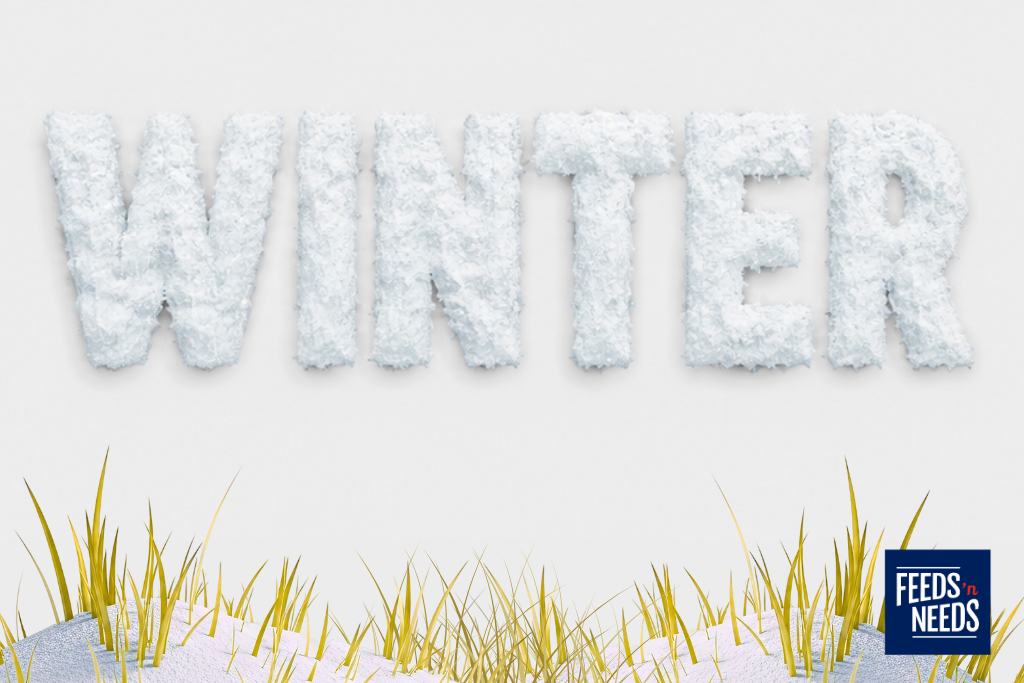
Maritime Winter Lawn Care
10 October 2026 +Dormant grass is alive — the crowns and roots remain viable under snow and frozen soil Most winter lawn damage in the Maritimes is caused by ...

Protecting Cattle, Sheep, Goats & Pigs from Seasonal Parasites
When warmer weather arrives in Atlantic Canada, livestock owners know that pest season is never far behind. While flies often get most of the attention on the farm, fleas and ticks can also create problems for cattle, sheep, goats, and pigs — especially on farms with wooded pasture, tall grass, brush lines, damp bedding, or mixed animal housing.
Flea and tick prevention for livestock is an important part of seasonal animal health. These small pests can cause skin irritation, scratching, hair loss, discomfort, reduced weight gain, and stress on your animals. Ticks may also carry disease, making regular prevention and inspection an important habit for farms across Nova Scotia, New Brunswick, Prince Edward Island, and Newfoundland.
At Feeds’n Needs, we carry livestock pest control products, barn insect sprays, fly traps, bedding, dust bath supplies, and animal health essentials to help keep your herd, flock, and barn protected through flea, tick, and fly season.
Prevention Starts in the Pasture
The best flea and tick control is best combined with good management and the right animal health products.
Rotate Pastures: Rotational grazing helps reduce the time livestock spend in heavily infested areas while improving pasture health.
Mow High-Traffic Areas: Keeping grass shorter around gates, waterers, laneways, and handling facilities reduces places where ticks like to wait for passing animals.
Trim Brush Along Fence Lines: Ticks thrive in damp, shaded vegetation. Clearing back brush and overgrown edges reduces ideal habitat.
Inspect New Animals: Before introducing new livestock into the herd or flock, give them a thorough health check to help prevent bringing unwanted parasites onto the farm.
Integrated pest management—combining pasture management, monitoring, and appropriate treatments—is considered the most effective long-term approach for controlling livestock pests while reducing reliance on pesticides alone.
A few simple habits can help:
Products Available at Feeds’n Needs
Every farm has different needs, so choosing the right product depends on the species, age, and management system.
Visit your local Feeds’n Needs for products such as:
*Always read and follow the product label before use. Use only products approved for the species you are treating and observe all meat and milk withdrawal periods where applicable.
Pay special attention to:
Whether you raise a few backyard goats or manage a commercial beef herd, preventing fleas and ticks is far easier than dealing with a heavy infestation later in the season.
Stop by your nearest Feeds’n Needs location for advice on livestock parasite control, barn management products, and seasonal animal health supplies. Our team is here to help keep your animals healthy, comfortable, and productive all summer long.

Dormant grass is alive — the crowns and roots remain viable under snow and frozen soil Most winter lawn damage in the Maritimes is caused by ...
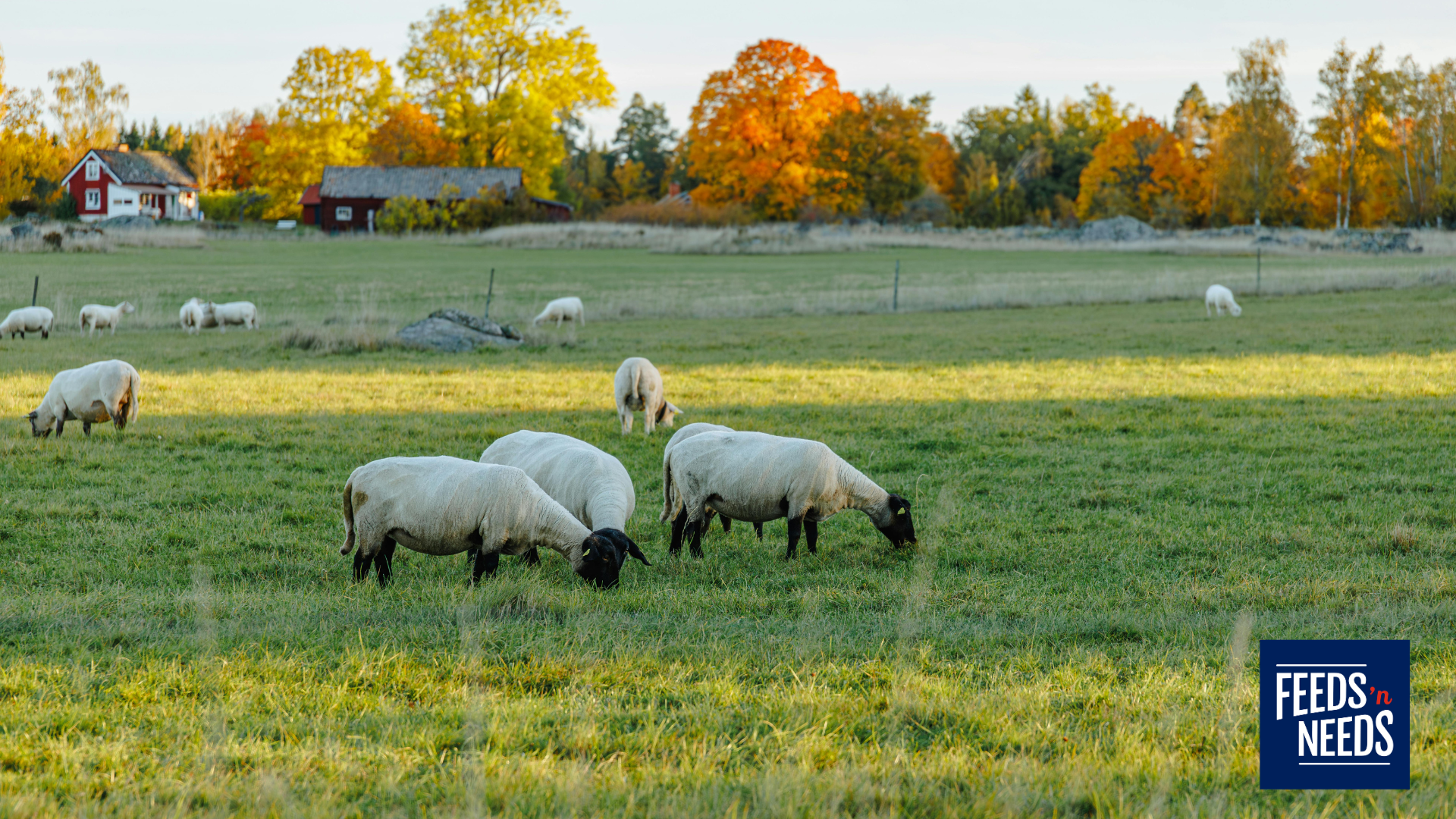
Pastured cattle may encounter gastrointestinal roundworms, lungworms, lice, grubs and other internal or external parasites. Calves and yearlings are often more vulnerable than mature cattle ...
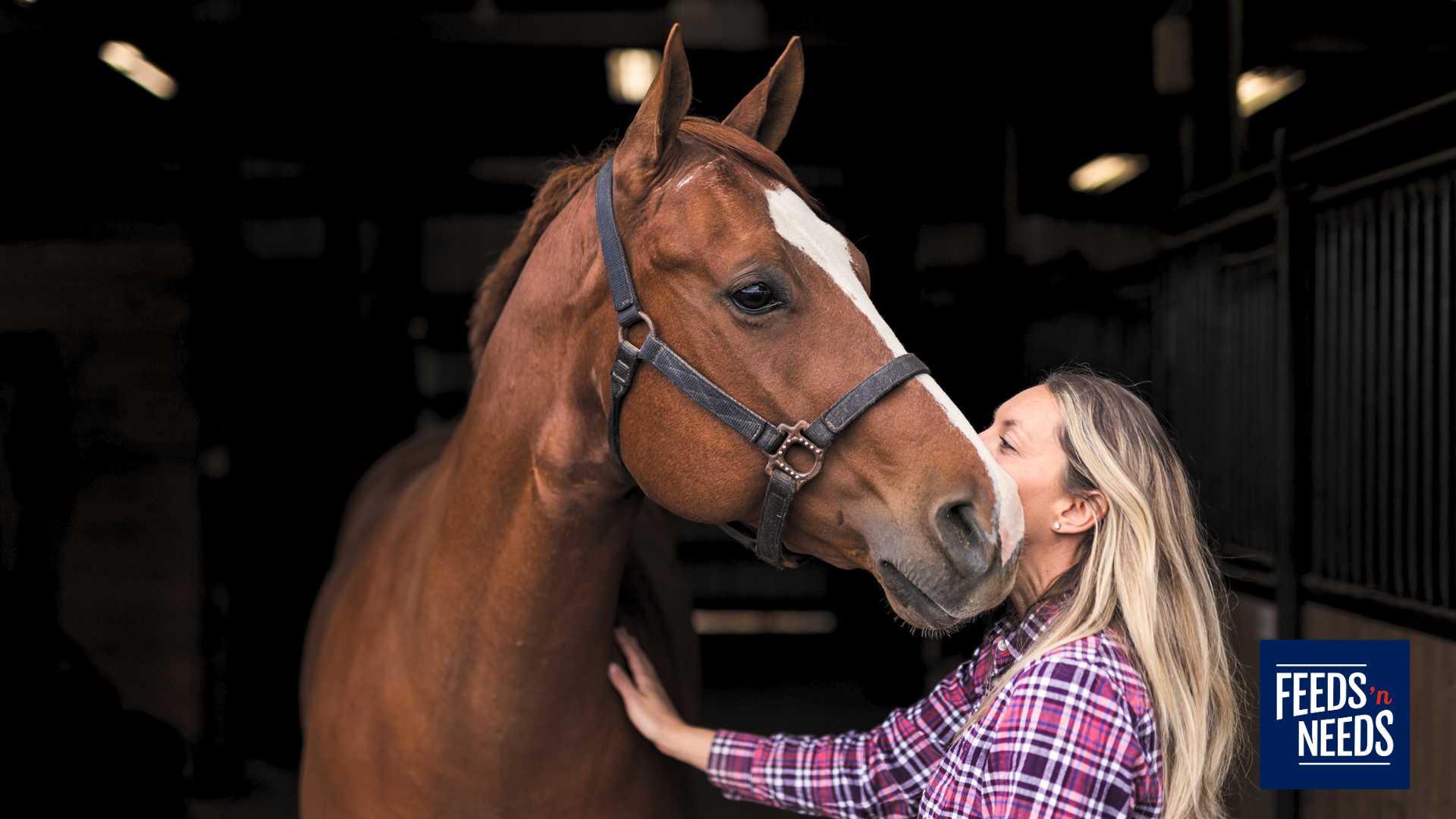
Pick manure from smaller paddocks, dry lots and high-traffic areas regularly. Pay particular attention to: Hay-feeding areas Gates and laneways Shelters Water sources Small sacrifice paddocks Winter turnout areas Feeds’n Needs carries ...
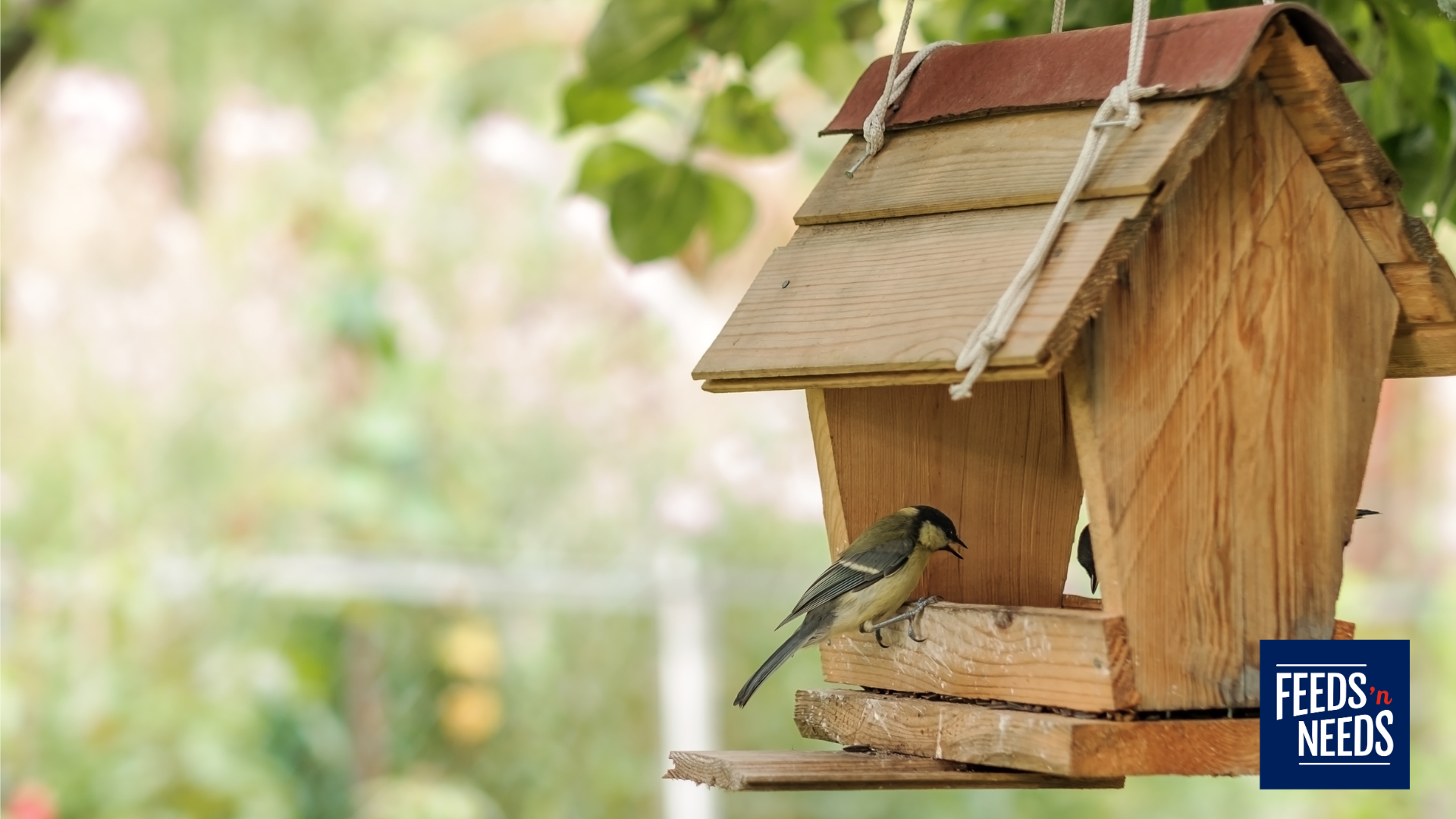
Black oil sunflower seed is one of the best all-around options for feeding backyard birds in Atlantic Canada. Its thin shell is easy for smaller ...
Fall is the single best time of year to overseed, aerate, fertilize, and lime Maritime lawns Cool-season grasses grow actively in fall — take advantage of ...
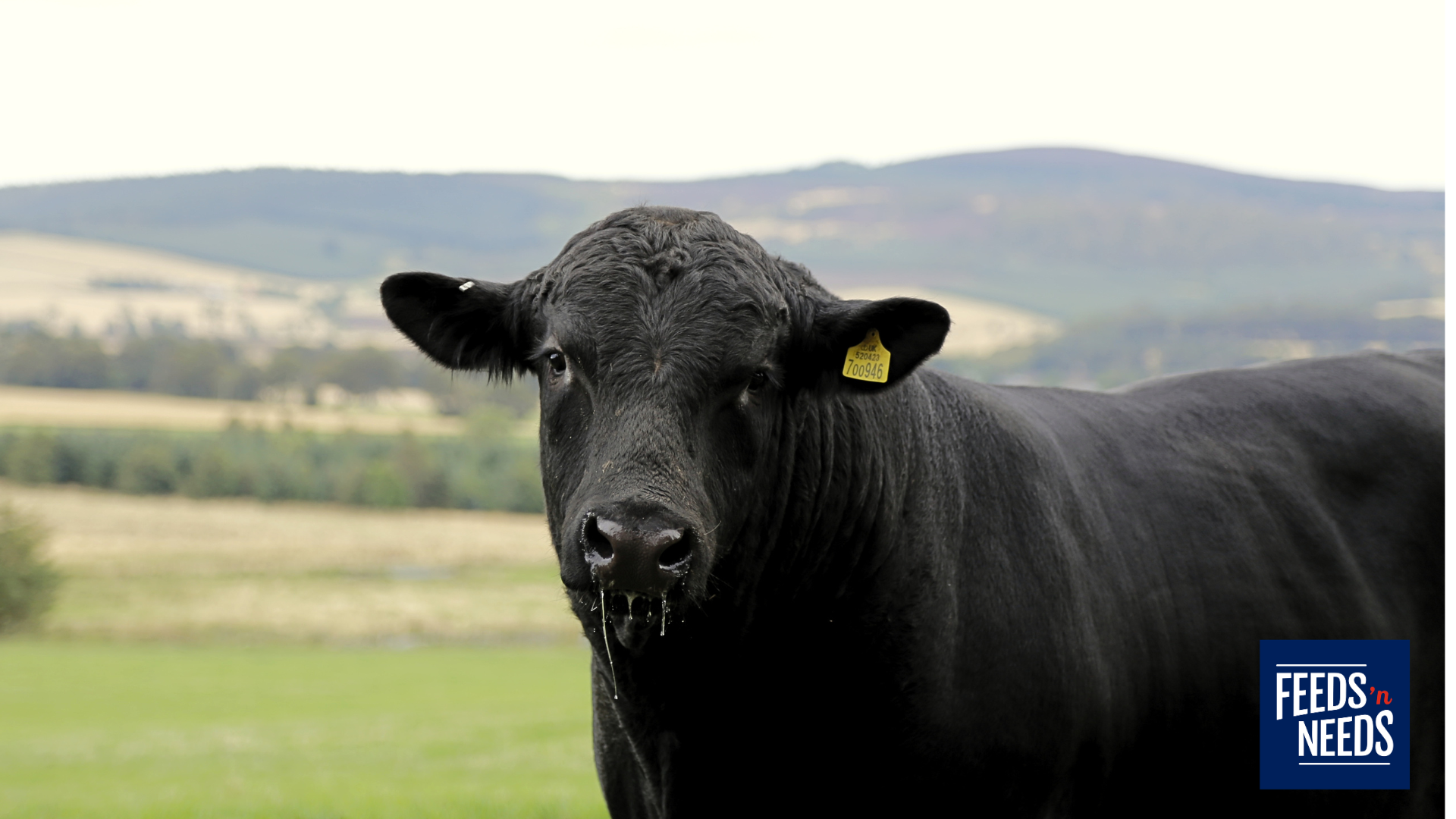
Walk the entire pasture boundary before turnout and check for: Broken or leaning posts Loose wire Damaged insulators Weak corners Low electric-fence voltage Vegetation grounding the fence Gates that sag or fail ...
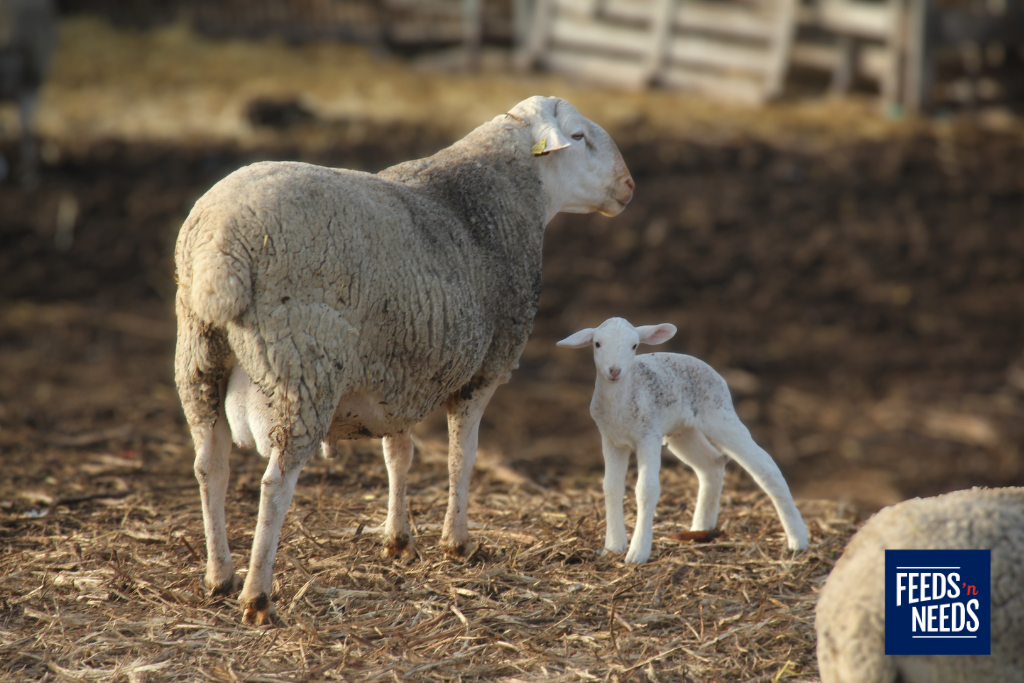
Cattle grazing wooded fence lines or rough pasture Goats that browse brush and shrubs Sheep in long pasture or bushy paddocks Outdoor pigs rooting in wooded or grassy ...

Light daily watering encourages shallow roots. Instead, water deeply and less frequently — this pushes roots deeper into the soil, making your lawn more drought-resilient. Best ...
After a long Maritime winter, it’s normal for your lawn to look rough. Snow mold, salt damage, ice, matted grass, bare spots, and compacted soil ...


