
Care
Winter Paw Care for Dogs in Atlantic Canada
22 October 2026 +Check them after every outing. Rinse after contact with salt, ice melt or dirty slush, then dry thoroughly between the toes. Can paw balm replace dog ...


From snowy backyard playtime to slushy neighbourhood walks, winter brings plenty of opportunities to get outside with your dog. It also brings surfaces that can be tough on their feet. Snow, sharp ice and salted sidewalks can turn a familiar route into an uncomfortable outing.
For dog owners in Nova Scotia, New Brunswick, Prince Edward Island and Newfoundland and Labrador, a practical winter routine starts at the door: protect paws before heading out, watch for discomfort along the way, and clean and dry them when you return.
Here’s how to make cold-weather paw care part of everyday life—and where paw balm, dog boots, towels and grooming supplies fit in.
A dog’s paw pads handle a lot, but they are still vulnerable to irritation and injury. Winter hazards include:
A dog who suddenly lifts a foot, slows down or refuses to continue may be telling you their paws hurt. Stop and check instead of encouraging them to push through.
Check the walking surface before choosing your route. A short loop on cleared ground may be a better option than a longer outing over crusted snow or icy sidewalks.
During walks, look for snow collecting between the toes. Gently remove loose clumps. If ice is stuck to the fur, head indoors and use lukewarm water to help loosen it rather than pulling.
Keep outings shorter in harsh conditions, and take breaks indoors to warm up and dry off. Boots and balm can support your routine, but they do not make prolonged exposure to extreme cold safe.
Salted sidewalks, parking lots and roadside slush deserve extra attention. Even a quick bathroom break can leave residue on your dog’s feet.
Choose less heavily treated routes where possible, discourage eating snow near salted areas, and rinse exposed paws when you get home. Clean affected lower legs and belly fur, too.
If you use ice melt at home, follow its directions and keep the product away from pets. A “pet-safe” label does not mean a product is safe to eat or that you can skip cleaning paws after contact.
Contact your veterinarian promptly if you suspect your dog has swallowed ice melt.
A dog-specific paw balm or wax can help support pad care. Depending on its formulation, it may moisturize dry pads or provide a protective layer before walks.
Choose a product intended for dogs and follow the label for application and reapplication. Ask your veterinarian for advice if your dog has sensitive skin, persistently dry pads or an existing paw condition.
Apply to clean, dry paws as directed. Avoid substituting human lotions or medicated creams without veterinary guidance.
Paw balm belongs alongside cleaning and inspection in your winter routine. It does not remove road salt, replace boots on difficult surfaces or treat a serious injury.
Winter dog boots can be useful for dogs who regularly cross treated sidewalks, struggle with snow collecting between their toes or show discomfort on cold ground.
When choosing boots, consider:
Introduce boots indoors with treats and short practice sessions. Let your dog build confidence before trying a longer walk.
Check the fit during use. Afterward, remove the boots, inspect the paws and allow both paws and boots to dry. Boots can help limit exposure, but your dog still needs supervision on slippery ground.
Keep a small cleanup station near your entrance with a basin, soft cloth and absorbent towel.
Dog grooming wipes can be convenient for light dirt, but rinsing is a better choice after contact with road salt. Keep a spare towel in the vehicle for outings away from home.
Regular grooming makes it easier to spot changes in your dog’s feet and manage fur that collects snow.
A useful winter kit includes:
Ask a groomer to tidy excess fur around the paws if snow repeatedly collects there. Avoid cutting close to the skin or between the pads if you are unsure how to do it safely.
Keep nails maintained and avoid unnecessary full baths. Frequent shampooing can contribute to dry skin; ask your veterinarian about an appropriate shampoo if dryness is a concern.
Do not assume every cracked pad is simply a winter problem. Irritation, injuries and other conditions can look similar.
Contact your veterinarian for cracks that are painful, bleeding, deep or persistent, or if your dog has swelling, discharge, ongoing licking or a limp. Avoid putting balm over a wound unless your veterinarian recommends it.
Pale, grey or blue skin, blisters, marked swelling or severe pain after cold exposure may indicate frostbite. Move your dog into a warm, dry area and seek veterinary care immediately. Do not rub the affected area or apply direct heat from a heating pad or hair dryer.
A few supplies by the door can make winter walks easier to manage: paw balm for appropriate pad care, well-fitting boots for added coverage, towels for drying and grooming tools for regular maintenance.
Visit your local Feeds’n Needs to explore paw-care and grooming options and ask about current product availability. Whether your dog loves snowy trails or prefers a quick neighbourhood loop, a consistent routine helps you care for the paws that carry them through every adventure.
Check them after every outing. Rinse after contact with salt, ice melt or dirty slush, then dry thoroughly between the toes.
Balm and boots serve different purposes. Balm may support pad moisture or provide a protective layer, depending on the product. Boots provide physical coverage. Neither replaces post-walk cleaning.
Cold, packed snow or irritation may be causing discomfort. Stop, inspect the paws and head indoors if your dog is uncomfortable. Persistent pain or limping needs veterinary attention.
Use a dog-specific product and seek veterinary advice for damaged pads. Human lotions may contain ingredients unsuitable for dogs, especially if licked.

Check them after every outing. Rinse after contact with salt, ice melt or dirty slush, then dry thoroughly between the toes. Can paw balm replace dog ...
Dormant grass is alive — the crowns and roots remain viable under snow and frozen soil Most winter lawn damage in the Maritimes is caused by ...
Pastured cattle may encounter gastrointestinal roundworms, lungworms, lice, grubs and other internal or external parasites. Calves and yearlings are often more vulnerable than mature cattle ...
Pick manure from smaller paddocks, dry lots and high-traffic areas regularly. Pay particular attention to: Hay-feeding areas Gates and laneways Shelters Water sources Small sacrifice paddocks Winter turnout areas Feeds’n Needs carries ...
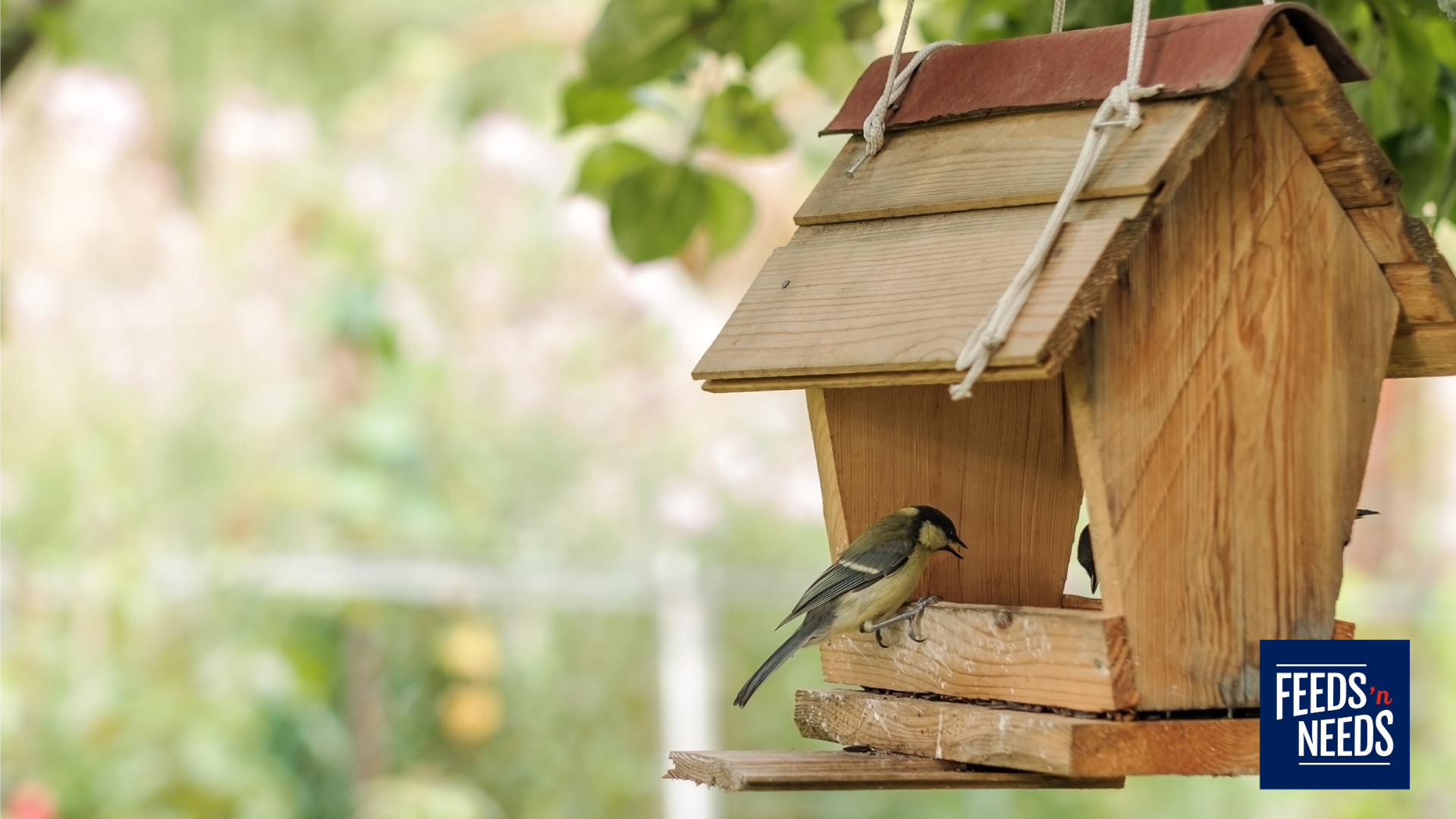
Black oil sunflower seed is one of the best all-around options for feeding backyard birds in Atlantic Canada. Its thin shell is easy for smaller ...
Fall is the single best time of year to overseed, aerate, fertilize, and lime Maritime lawns Cool-season grasses grow actively in fall — take advantage of ...
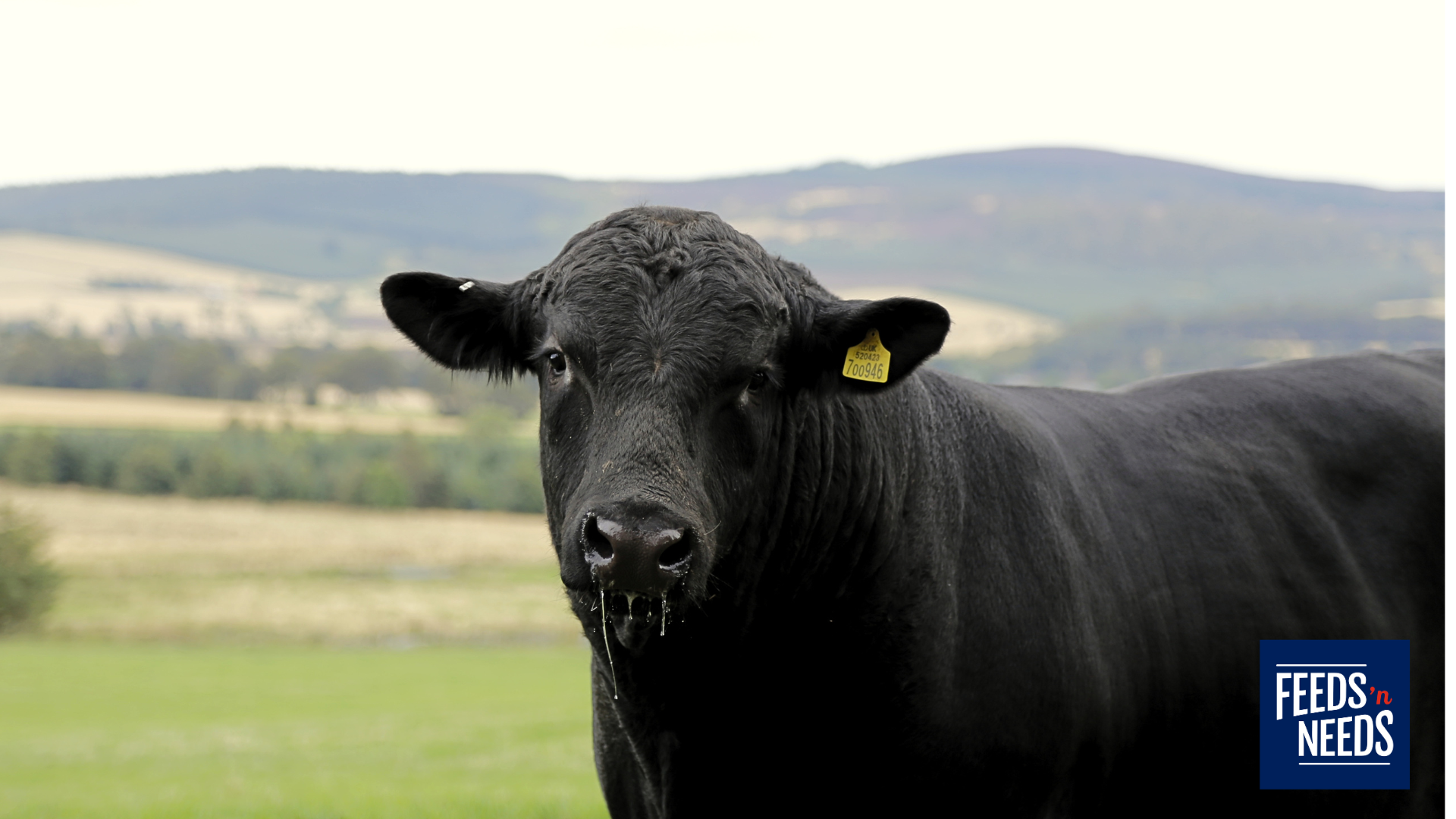
Walk the entire pasture boundary before turnout and check for: Broken or leaning posts Loose wire Damaged insulators Weak corners Low electric-fence voltage Vegetation grounding the fence Gates that sag or fail ...
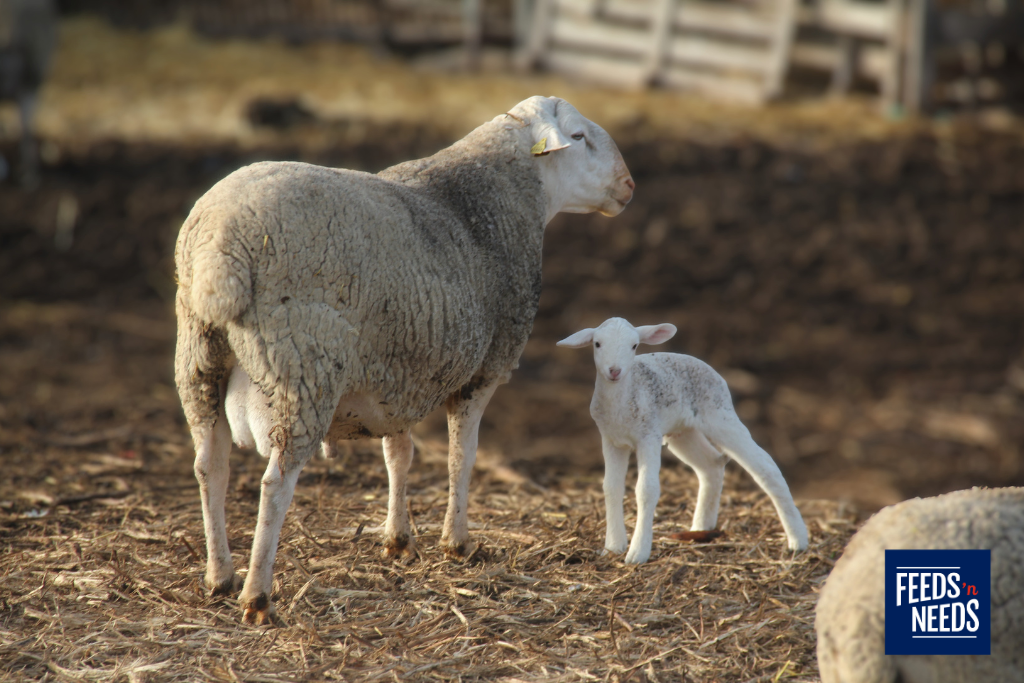
Cattle grazing wooded fence lines or rough pasture Goats that browse brush and shrubs Sheep in long pasture or bushy paddocks Outdoor pigs rooting in wooded or grassy ...

Light daily watering encourages shallow roots. Instead, water deeply and less frequently — this pushes roots deeper into the soil, making your lawn more drought-resilient. Best ...


