Care

Atlantic Canadian fall weather can shift quickly from warm afternoons to chilly, rainy days. Pets may move between damp outdoor conditions and heated indoor spaces, while dogs are often exposed to wet grass, mud, leaves and debris during daily walks.
Seasonal allergens may also contribute to itchy skin, paw chewing, facial rubbing, red skin, excessive tearing or recurring ear discomfort. Fleas and ticks can remain active during cool fall weather, so parasite prevention should not automatically end when summer does.
Pay attention to changes in your pet’s normal habits. Frequent scratching, licking or head shaking is often one of the first signs that something is irritating them.
Many cats and dogs shed as their coats adjust for the cooler months. Regular brushing removes loose hair, helps prevent mats and gives you an opportunity to look closely at the skin.
While brushing, check for:
Choose a brush suited to your pet’s coat type. Long-haired pets may need more frequent grooming to prevent mats, especially behind the ears, under the legs and around the tail. Mats can trap moisture close to the skin and make irritation more difficult to spot.
Wet grass, mud, gravel and plant debris can collect between paw pads. After walks or outdoor play, wipe or rinse your dog’s paws and dry them thoroughly, including the spaces between the toes. Outdoor cats may also benefit from a gentle paw check when they come inside.
Keep the fur between the paw pads neat if it tends to trap dirt or form mats, and inspect nails regularly. A pet-safe paw balm can help protect dry or rough pads; use only products made for pets and follow the label directions.
Watch for persistent paw licking, chewing, swelling, redness, odour, bleeding or limping. These signs may point to an allergy, injury, infection or foreign object and should be discussed with your veterinarian.
Wind, dust and seasonal allergens may irritate the area around a pet’s eyes. Some cats and dogs also naturally produce more visible tears than others.
For mild buildup around the eye, use a clean, soft, damp cloth or a pet-safe eye wipe to gently clean the surrounding fur. Use a separate clean area of the cloth for each eye, and never place shampoo, soap or unapproved drops in the eye.
Contact your veterinarian if you notice:
Eye problems can worsen quickly, so prompt veterinary advice is important when symptoms are persistent, painful or unusual for your pet.
Floppy-eared dogs, pets with allergies and animals that spend time in wet conditions may be more prone to ear trouble. Check the outer ear regularly for redness, excess wax, discharge, swelling or a strong odour.
If your veterinarian has recommended routine ear cleaning, use a pet-specific ear cleaner and follow the directions carefully. Do not push cotton swabs or other objects into the ear canal. After rainy walks, bathing or swimming, gently dry the outer ear and surrounding fur.
Repeated head shaking, ear scratching, sensitivity, dark debris or a foul smell can signal mites, yeast, bacteria, allergies or another problem. An ear infection can be painful and usually needs a veterinary assessment rather than home treatment.
Fall adventures sometimes end with a muddy dog or dirty outdoor cat, but frequent bathing can strip natural oils from the coat. Bathe only as needed using a shampoo formulated for cats or dogs. Human shampoos may be too harsh for a pet’s skin.
Rinse thoroughly, because leftover shampoo can cause irritation, and dry the coat completely before your pet heads back outside. Pets with sensitive, itchy or flaky skin may benefit from a moisturizing or veterinarian-recommended formula.
Between baths, pet-safe grooming wipes can be useful for quick cleanups of paws, legs and coats.
A complete and balanced diet provides the protein, fats, vitamins and minerals needed to support healthy skin and a strong coat. Some foods and supplements contain omega-3 and omega-6 fatty acids, which help support skin and coat condition.
Before adding oils or supplements, speak with your veterinarian—especially if your pet has a medical condition, follows a therapeutic diet or takes medication. Supplements are not a substitute for diagnosing ongoing itching, hair loss or inflammation.
Fresh water matters in every season. Indoor heating can create a drier environment, so make sure clean drinking water is always easy to access. Some cats may drink more readily from a pet fountain or when multiple water stations are available.
Cooler weather does not necessarily mean fleas and ticks have disappeared. Fleas can survive indoors, and ticks may remain active whenever conditions are suitable. Bites can cause skin irritation, and some pets are highly sensitive to flea saliva.
Continue the prevention plan recommended by your veterinarian, and check your pet after time in tall grass, brush, wooded areas or fallen leaves. Never use a dog-only flea or tick product on a cat; some canine ingredients can be dangerous to cats.
A practical weekly routine can make seasonal care easier:
Seasonal grooming can support your pet’s comfort, but it cannot replace veterinary care. Book an appointment if your cat or dog develops persistent itching, open sores, hot spots, hair loss, strong odour, swollen paws, painful ears, unusual eye discharge or a sudden change in behaviour.
Every pet experiences seasonal changes differently. By watching for small changes and keeping up with regular grooming, paw care, ear checks, eye-area cleaning, good nutrition and parasite prevention, you can help your cat or dog stay comfortable from the first cool morning through the wettest fall days.
Visit your local Feeds’n Needs for grooming brushes, pet-safe shampoos and wipes, paw-care products, flea and tick solutions, nutritious cat and dog food, supplements, treats and seasonal supplies. Our knowledgeable team is here to help you find practical products that suit your pet and their routine.
When a concern goes beyond everyday grooming, your veterinarian is always the best source of diagnosis and treatment advice.

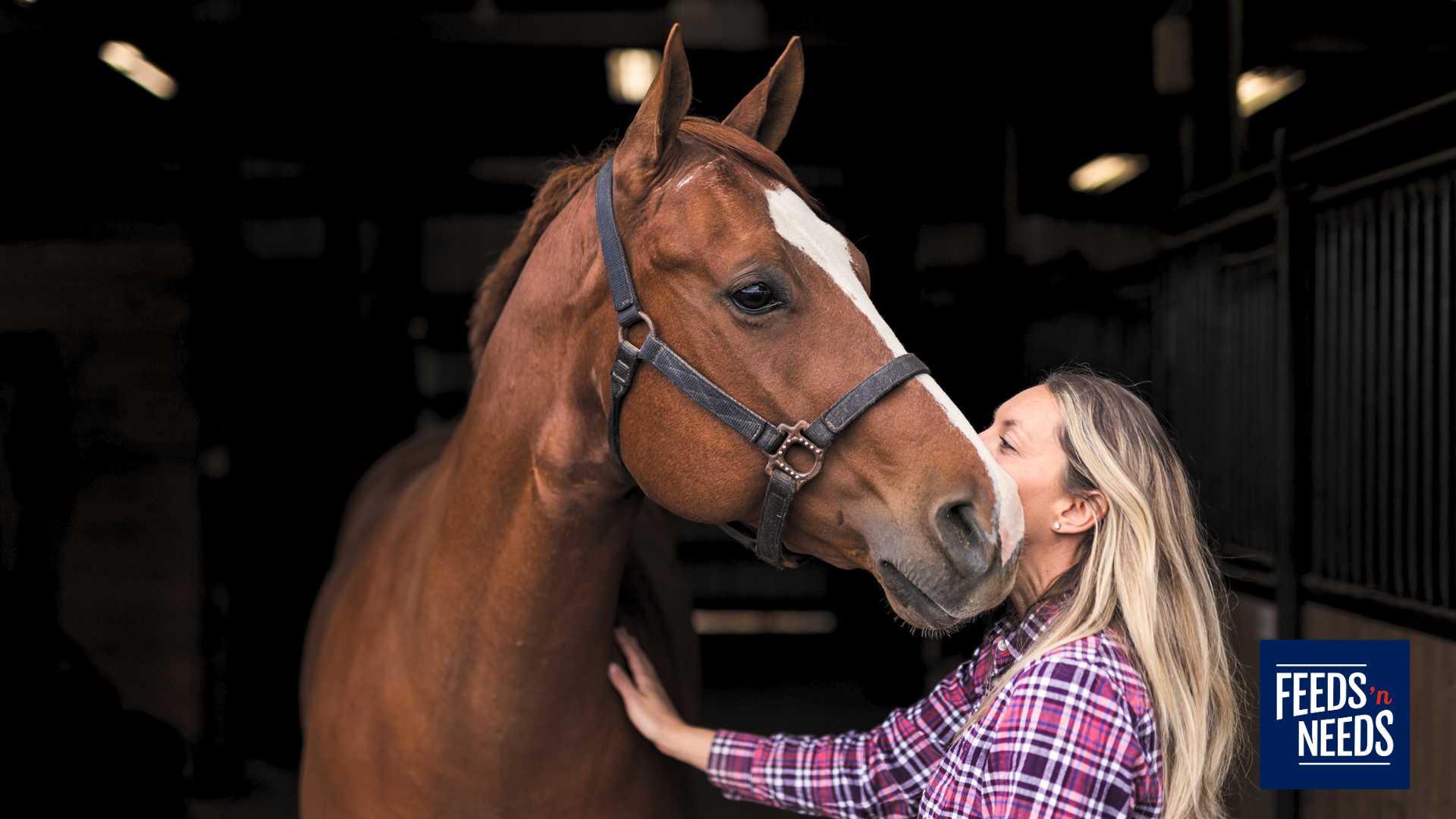
Pick manure from smaller paddocks, dry lots and high-traffic areas regularly. Pay particular attention to: Hay-feeding areas Gates and laneways Shelters Water sources Small sacrifice paddocks Winter turnout areas Feeds’n Needs carries ...
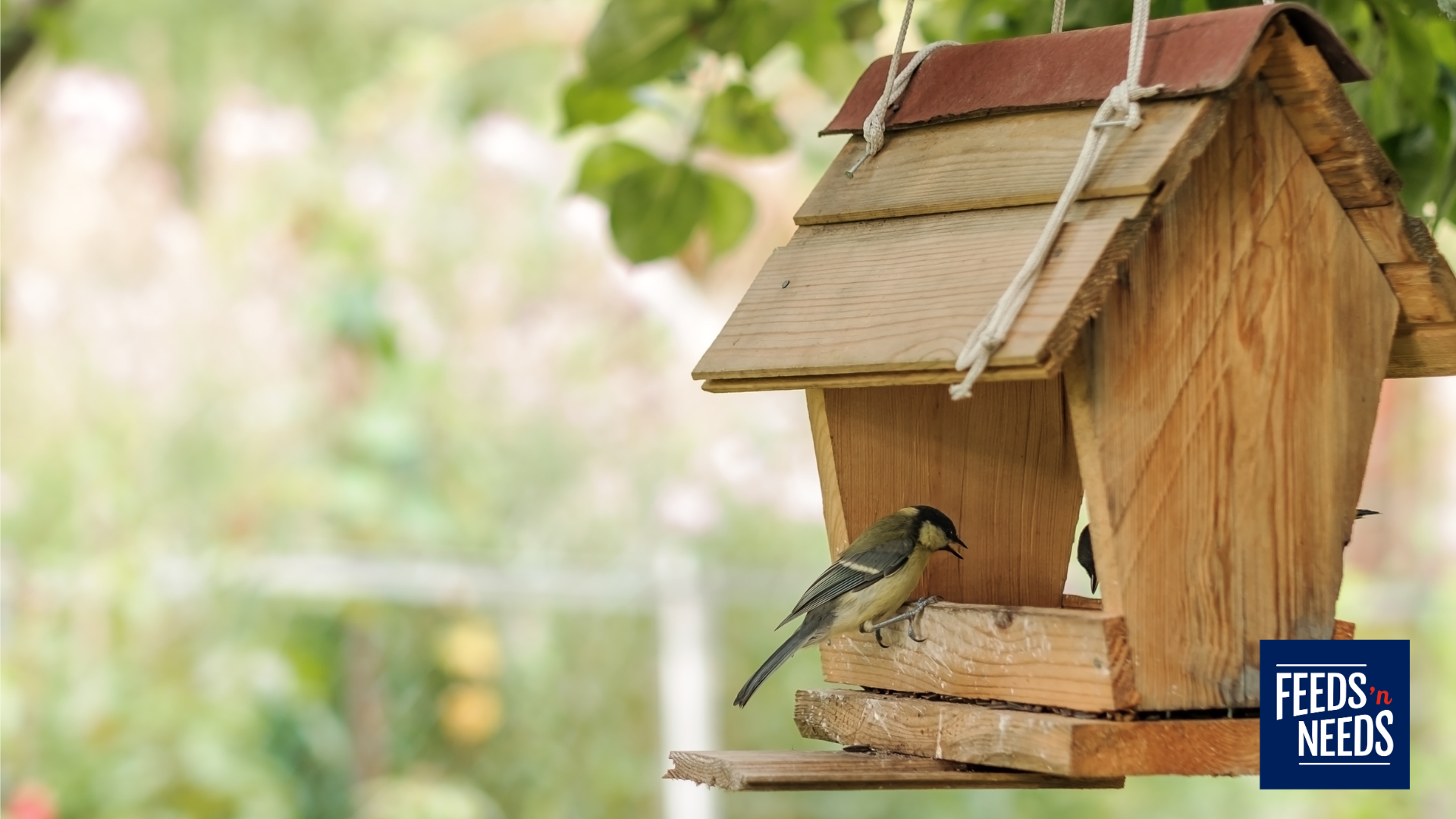
Black oil sunflower seed is one of the best all-around options for feeding backyard birds in Atlantic Canada. Its thin shell is easy for smaller ...

Fall is the single best time of year to overseed, aerate, fertilize, and lime Maritime lawns Cool-season grasses grow actively in fall — take advantage of ...
Walk the entire pasture boundary before turnout and check for: Broken or leaning posts Loose wire Damaged insulators Weak corners Low electric-fence voltage Vegetation grounding the fence Gates that sag or fail ...
Cattle grazing wooded fence lines or rough pasture Goats that browse brush and shrubs Sheep in long pasture or bushy paddocks Outdoor pigs rooting in wooded or grassy ...

Light daily watering encourages shallow roots. Instead, water deeply and less frequently — this pushes roots deeper into the soil, making your lawn more drought-resilient. Best ...
After a long Maritime winter, it’s normal for your lawn to look rough. Snow mold, salt damage, ice, matted grass, bare spots, and compacted soil ...