Health
Nutrition and Hay Needs for Rabbits and Guinea Pigs
12 October 2026 +Timothy hay is a widely used grass hay with a balance of fibre, leaves and stems. Its texture encourages chewing and foraging, making it a ...

As summer show schedules slow down and horses transition from pasture to winter routines, fall is an important time to review your parasite-control program.
Warm days, cool nights, autumn rain and heavily grazed paddocks can create favourable conditions for parasite exposure across Atlantic Canada. However, effective fall parasite control is no longer as simple as giving every horse the same dewormer on the same calendar date.
A responsible program considers each horse’s age, health, environment, travel history and previous treatments. It also combines veterinarian-guided deworming with accurate dosing, proper recordkeeping and good pasture management.
Internal parasites are a normal management concern for grazing horses. Parasite eggs are passed in manure, develop in the environment and may later be ingested while horses graze.
A significant parasite burden may contribute to:
These signs are not exclusive to parasites. Dental problems, poor nutrition, ulcers and other health conditions can cause similar symptoms. A horse showing weight loss, diarrhea, colic or a noticeable change in behaviour should be assessed by a veterinarian.
Atlantic Canadian pastures can remain damp well into the fall. Moderate temperatures and moisture can allow certain parasite eggs and larvae to continue developing on pasture.
Colder weather may slow that development, but the first frost does not automatically eliminate every parasite risk.
Fall also brings several management changes:
These conditions make fall a useful time to review your horse’s parasite-control plan with your veterinarian.
Parasites are not always easy to detect. Some horses can carry and shed parasites without showing obvious outward signs.
Possible signs that warrant a conversation with your veterinarian include:
These symptoms do not confirm that a horse has parasites. Contact your veterinarian before administering a dewormer, particularly if the horse is losing weight, showing signs of colic or appears unwell.
A horse can look healthy and still have parasite exposure. Certain management conditions may increase risk, including:
Foals, young horses, seniors and horses with health problems may require different parasite-control strategies. Their plans should always be developed with a veterinarian.
A horse can appear healthy while still contributing parasite eggs to its environment. On the other hand, a thin horse does not automatically need deworming.
Giving a dewormer based only on appearance or a fixed calendar can lead to unnecessary treatment. It may also contribute to anthelmintic resistance—the ability of parasites to survive a product that was previously effective.
Your veterinarian can consider the horse’s age, health, living conditions, previous treatments and exposure risks before recommending whether treatment is appropriate.
For many years, it was common to deworm every horse at fixed intervals and rotate products throughout the year. Current veterinary recommendations advise against blindly treating every horse using the same repeating schedule.
A strategic parasite-control program may consider:
The American Association of Equine Practitioners advises against deworming all horses at fixed intervals year-round or blindly rotating dewormer classes.
There is no single dewormer that is automatically right for every horse, parasite or farm.
Different products contain different active ingredients and target different parasites or life stages. The product used last fall may not necessarily be the correct choice this year.
Before selecting a horse dewormer, speak with your veterinarian about:
Never combine dewormers, change the recommended dose or give a horse a product intended for another livestock species unless specifically directed by a veterinarian.
Feeds’n Needs carries equine deworming products at select locations. Availability varies by store, and our team can help you locate the product recommended by your veterinarian.
Underdosing may result in ineffective treatment and contribute to resistance. Estimating a horse’s weight by sight can be difficult, especially when the horse has a thick winter coat or carries weight unevenly.
Use a livestock scale when available. An equine weight tape can provide a practical estimate when a scale is not accessible.
Once your veterinarian has recommended a product:
Never administer more than the labelled or veterinarian-prescribed amount.
Maintain a parasite-control record for every horse rather than relying on memory or a general barn calendar.
Record:
Good records help prevent accidental repeat treatments and allow your veterinarian to identify patterns over time.
Deworming alone is not a complete parasite-control program. Horses can be exposed again when grazing contaminated areas, making manure and pasture management essential.
Pick manure from smaller paddocks, dry lots and high-traffic areas regularly. Pay particular attention to:
Feeds’n Needs carries stable forks, manure-handling tools, wheelbarrows and other barn-cleaning supplies that make regular cleanup easier.
More horses in a limited area generally means more manure and greater environmental contamination. Avoid overcrowding whenever possible and provide enough room around hay, water and shelter areas.
Horses grazing very short pasture may feed closer to manure-contaminated areas. Rest overused paddocks and provide suitable forage when grass becomes limited.
Moving hay feeders periodically can also help reduce concentrated manure and damaged ground around winter feeding areas.
Pasture rotation can help protect forage and reduce overgrazing, but simply moving horses does not eliminate parasites.
Rotation works best when combined with:
New horses may introduce parasites—including resistant populations—to a property.
Before turning a new horse out with the resident herd:
Avoid spreading fresh horse manure directly onto fields currently being grazed. Proper composting creates heat that helps reduce parasite survival and produces a more useful soil amendment.
Keep compost piles away from feed and water sources and manage runoff during wet Atlantic Canadian weather.
Parasite control is only one part of preparing a horse for winter. A horse entering the colder months in good condition is better positioned to handle declining pasture quality and changing weather.
Review:
Feeds’n Needs offers equine feed, forage products, salt, minerals, buckets, weight tapes, manure forks and stable supplies to support your horse’s complete fall-care routine.
Nutritional products and supplements do not replace veterinary-prescribed parasite treatment.
Do not wait for a planned deworming date if your horse develops concerning symptoms.
Contact your veterinarian if you notice:
Attempting to treat a sick or heavily affected horse without veterinary direction may delay proper diagnosis and care.
Before administering a dewormer:
Fall parasite control is not about automatically reaching for the same dewormer used last year. It is about considering the horse in front of you, identifying its risk factors and making informed decisions with your veterinarian.
Strategic deworming, accurate dosing, recordkeeping and responsible pasture management can help protect horse health while preserving the effectiveness of available products.
Once your veterinarian recommends an appropriate product, visit your local Feeds’n Needs for select equine dewormers, weight tapes, manure forks, buckets, stable-cleaning tools and other supplies that support responsible fall horse care. Product selection varies by location.

Timothy hay is a widely used grass hay with a balance of fibre, leaves and stems. Its texture encourages chewing and foraging, making it a ...
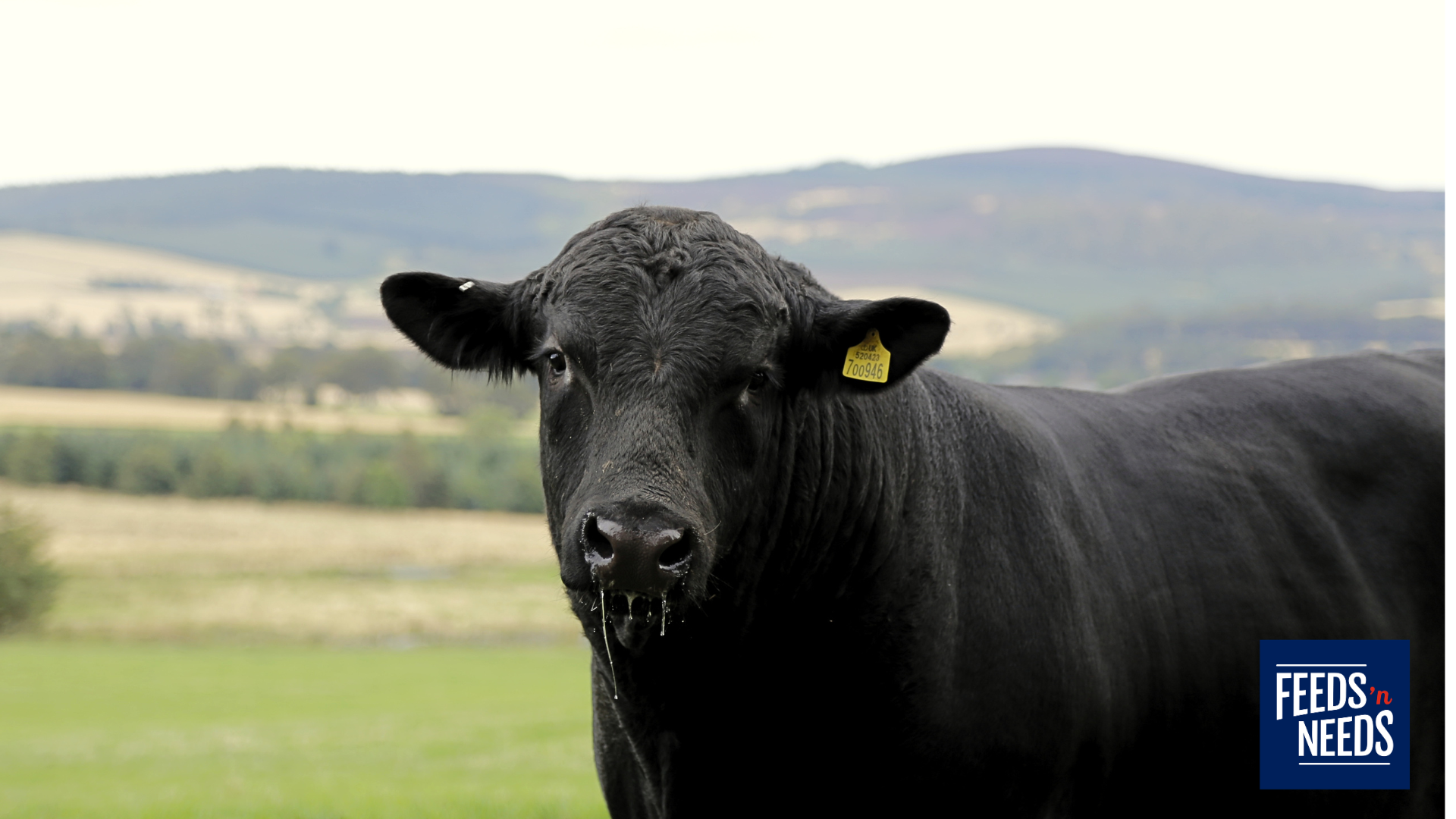
Pastured cattle may encounter gastrointestinal roundworms, lungworms, lice, grubs and other internal or external parasites. Calves and yearlings are often more vulnerable than mature cattle ...
Pick manure from smaller paddocks, dry lots and high-traffic areas regularly. Pay particular attention to: Hay-feeding areas Gates and laneways Shelters Water sources Small sacrifice paddocks Winter turnout areas Feeds’n Needs carries ...
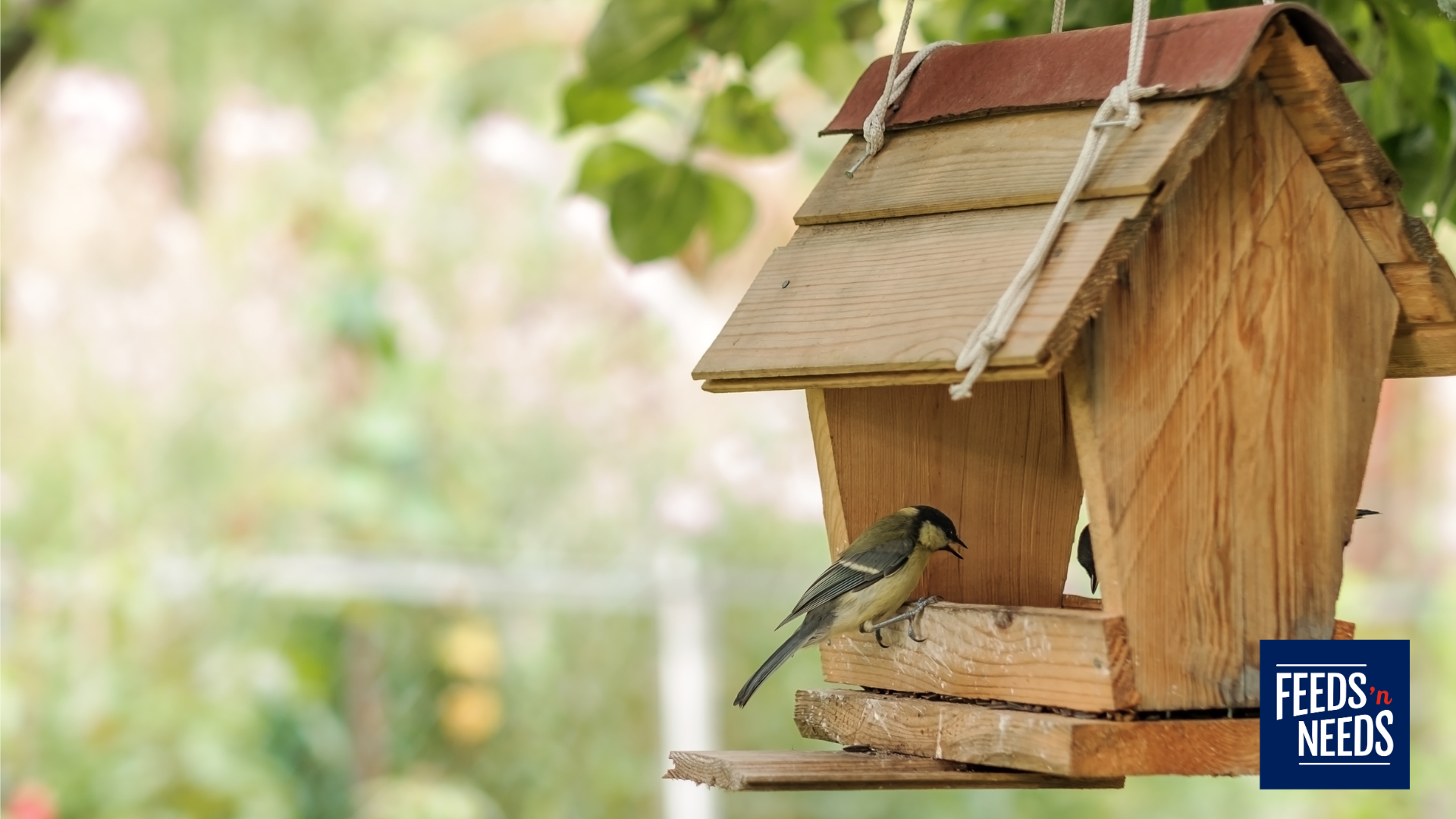
Black oil sunflower seed is one of the best all-around options for feeding backyard birds in Atlantic Canada. Its thin shell is easy for smaller ...
Walk the entire pasture boundary before turnout and check for: Broken or leaning posts Loose wire Damaged insulators Weak corners Low electric-fence voltage Vegetation grounding the fence Gates that sag or fail ...
Winter has arrived, and while we’re cozy under blankets and sipping warm drinks, our dogs feel the chill too. Winter isn’t just about keeping them ...
If your pet could write their own grocery list, there’s a good chance “more raw food, please!” would be at the top. Raw diets have ...


