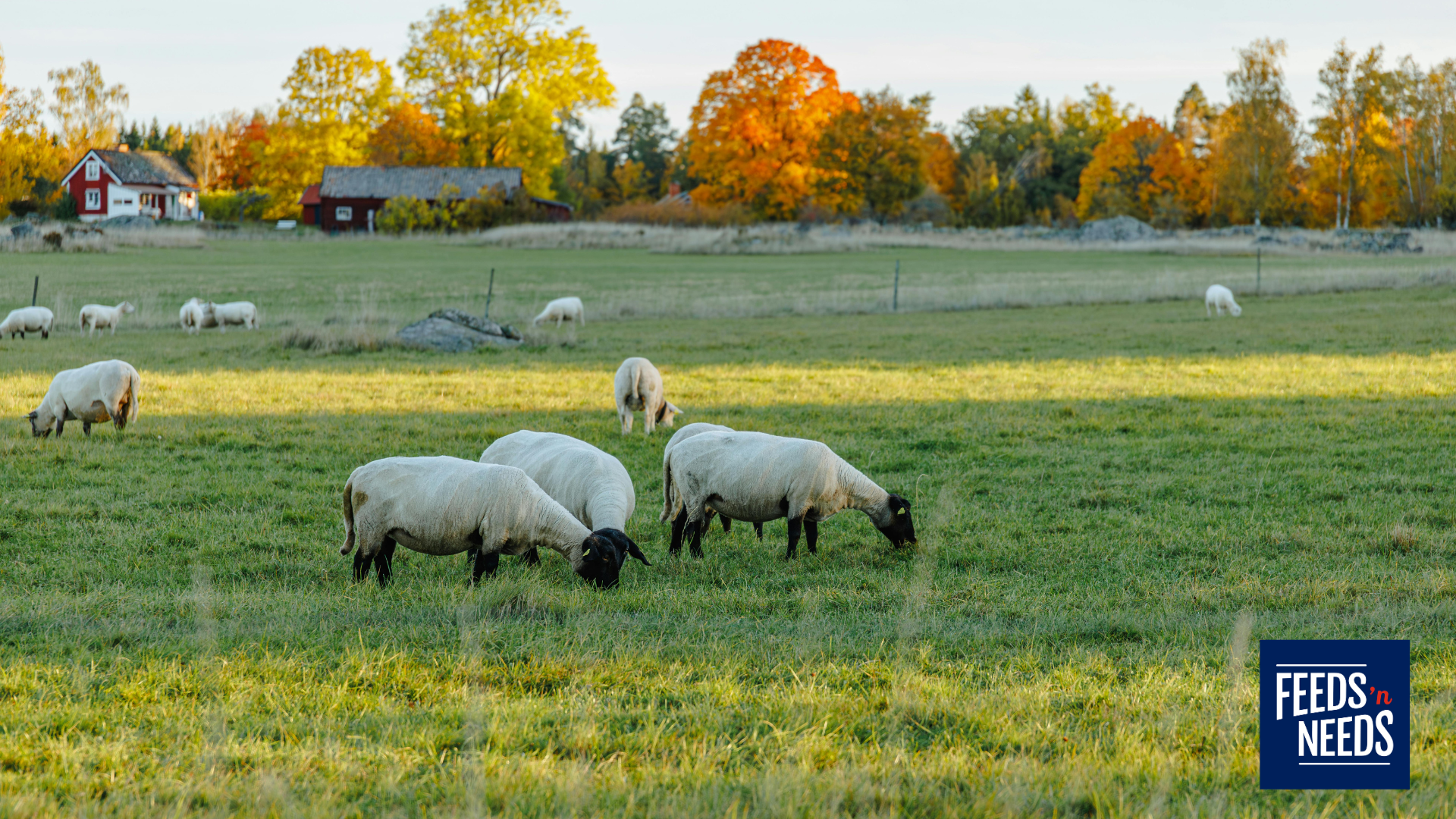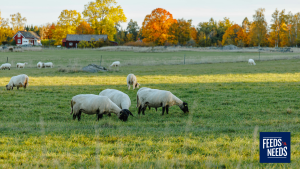
As Maritime farms move from pasture season toward winter housing, fall is an important time to evaluate parasite pressure in cattle, sheep, goats, pigs and other livestock.
Internal parasites can affect feed efficiency, weight gain, reproductive performance and overall animal health. However, effective control is not as simple as automatically treating every animal at the end of the grazing season. Parasite species, animal age, pasture conditions, previous treatments and product resistance can all influence the right approach.
A successful fall parasite-control program combines close observation, manure monitoring, pasture management, accurate dosing and species-appropriate treatment under veterinary guidance.
Why Parasite Pressure Can Increase During Pasture Season
Many internal parasites release eggs through manure. Under suitable conditions, the eggs develop into infective larvae that contaminate pasture, bedding, soil, feed or water.
Warm temperatures and moisture can support parasite development throughout the grazing season. Atlantic Canada’s damp conditions, heavy rainfall and periods of mild fall weather may allow animals to remain exposed later into the year.
Young livestock, newly weaned animals, animals under nutritional stress and those grazing heavily stocked fields may be especially vulnerable. By fall, animals may have accumulated a significant parasite burden even when obvious symptoms are not present.
Warning Signs of Parasites in Livestock
Parasite infections do not look the same in every species. Some animals continue eating and appear relatively normal while experiencing reduced growth or feed efficiency. Others may become noticeably unwell.
Possible warning signs include:
- Unexplained weight loss or poor weight gain
- Reduced appetite
- Dull, rough or unthrifty coats
- Diarrhea or persistently loose manure
- Pale gums or eyelids
- Swelling beneath the jaw, sometimes called “bottle jaw”
- Pot-bellied appearance
- Coughing or difficulty breathing
- Weakness, lethargy or reduced activity
- Poor feed conversion
- Reduced milk production
- Lower reproductive performance
- Increased susceptibility to other health problems
These signs are not exclusive to parasites. Nutritional deficiencies, respiratory disease, bacterial infections and other conditions may cause similar symptoms. A veterinarian can help identify the underlying problem before treatment begins.
Parasite Concerns by Species
Cattle
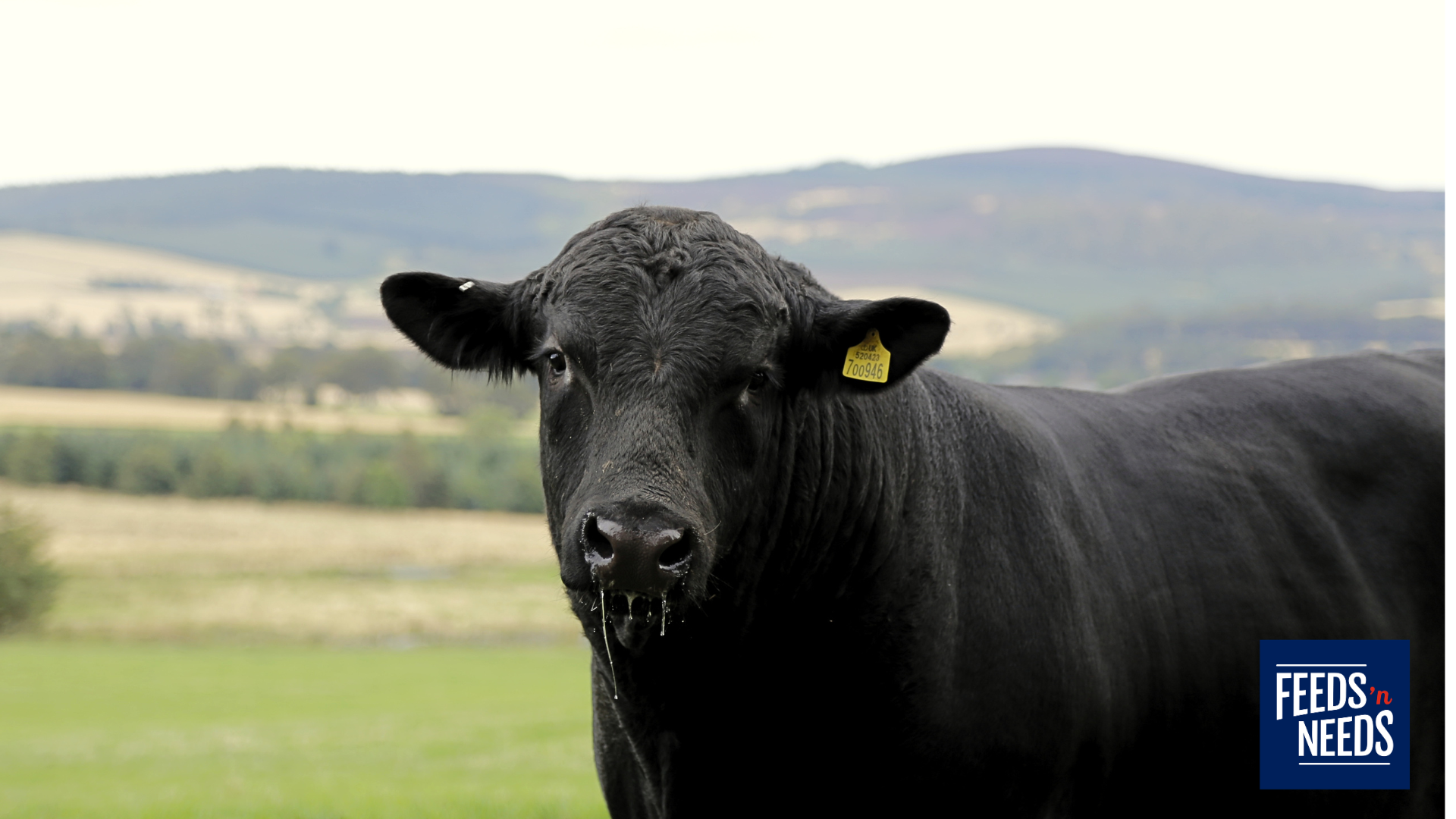
Pastured cattle may encounter gastrointestinal roundworms, lungworms, lice, grubs and other internal or external parasites. Calves and yearlings are often more vulnerable than mature cattle because they have had less time to develop immunity.
Poor weight gain, diarrhea, a rough hair coat and reduced body condition can indicate a problem. Lungworm infections may also cause coughing or respiratory distress.
A fall control plan may consider:
- The age and production stage of the cattle
- Length of the grazing season
- Stocking density
- Pasture history
- Previous deworming products
- Body condition and weight gain
- Manure-testing results
- Whether cattle will be housed for winter
Sheep and Goats
Small ruminants can be particularly vulnerable to gastrointestinal parasites, including barber pole worm. This blood-feeding parasite can cause severe anemia, weakness and bottle jaw, sometimes without diarrhea.
Checking eyelid colour can help trained producers identify anemia associated with barber pole worm. However, the FAMACHA system should be learned from a veterinarian or qualified instructor and used as one part of a broader monitoring program.
Other warning signs in sheep and goats include reduced growth, diarrhea, poor fleece or hair-coat quality, weight loss and declining body condition. Goats and sheep do not always respond to dewormers in the same way, and products labelled for one species should never automatically be assumed appropriate for the other.
Pigs
Pigs can be affected by roundworms, whipworms, strongyles and other parasites. Outdoor pigs may face greater exposure through contaminated soil, bedding and manure, although indoor herds can also experience parasite problems when sanitation and biosecurity practices are inconsistent.
Possible signs include:
- Reduced growth
- Poor feed efficiency
- Rough hair coats
- Coughing
- Diarrhea
- Loss of condition
- Uneven growth within a group
Pig parasite management should include cleaning pens, keeping feeders and waterers free from manure, rotating outdoor areas when practical and using a deworming product specifically labelled or prescribed for swine.
Other Livestock
Parasite-control needs also vary among poultry, llamas, alpacas and other farm animals. Coccidia, worms and external parasites require different monitoring and treatment strategies. A general livestock dewormer is not appropriate for every animal or every parasite.
Manure Monitoring: Look Beyond What You Can See
Regularly observing manure can provide valuable information. Watch for ongoing diarrhea, unusual consistency, blood, mucus or changes affecting multiple animals.
However, normal-looking manure does not confirm that an animal is parasite-free. Most parasite eggs and larvae are microscopic, and adult worms are not usually visible in manure.
A fecal egg count can help estimate the number and type of parasite eggs being shed. Results can support treatment decisions, identify higher-risk animals and help determine whether a deworming program is working.
Producers should remember that fecal egg counts have limitations. Egg shedding can vary, some parasites are not reliably detected through routine testing, and egg counts do not always directly reflect the number of adult parasites present. Results should be interpreted alongside clinical signs, body condition, production records and veterinary advice.
A fecal egg count reduction test compares samples collected before and after treatment. This can help assess whether the selected dewormer is still effective.
Pasture Management Is Part of Parasite Control
Deworming products are only one part of an effective parasite-management program. Reducing exposure can lower the number of infective larvae animals consume and may decrease reliance on repeated treatments.
Helpful pasture practices may include:
- Avoiding overgrazing
- Preventing excessive stocking density
- Rotating fields when sufficient land is available
- Resting heavily used paddocks
- Moving feeders and waterers away from manure-heavy areas
- Keeping feed off the ground
- Separating young, vulnerable animals from heavily contaminated pasture
- Maintaining clean, dry bedding
- Removing manure from pens and high-traffic areas
- Avoiding unnecessary grazing close to the soil surface
Rotational grazing can support parasite control, but short rotations alone do not guarantee clean pasture. Many parasite larvae remain viable after livestock move, especially during cool, damp conditions. Returning animals too quickly may expose them to larvae left during the previous rotation.
Pasture decisions should consider the parasite involved, weather, rest period, stocking rate and animal species.
Understanding Dewormer Resistance
Antiparasitic resistance occurs when parasites survive a treatment that once controlled them and pass those resistant traits to future generations. Over time, a dewormer may become less effective.
Resistance is a growing concern in cattle and small ruminants. Repeatedly treating every animal, underdosing and relying on the same drug class can increase selection pressure. The U.S. Food and Drug Administration recommends working with a veterinarian to develop parasite-control strategies that help preserve the effectiveness of available treatments. Learn more about antiparasitic resistance.
Ways to help slow resistance include:
- Treating based on risk, testing and veterinary recommendations
- Weighing animals or using an accurate weight estimate
- Calibrating drench guns and other dosing equipment
- Giving the full, correct dose
- Avoiding repeated use of one product simply out of habit
- Checking product effectiveness through follow-up testing
- Keeping accurate treatment records
- Using targeted treatment when appropriate
- Avoiding unnecessary deworming
Underdosing is not a safer option. It may fail to control parasites while allowing the more tolerant ones to survive. At the same time, giving more than the labelled dose can create animal-health and residue risks. Always follow the product label and veterinary directions.
Choose Species-Appropriate Products
Not every dewormer treats every parasite, and products cannot be freely interchanged among cattle, sheep, goats and pigs.
Before selecting a product, confirm:
- The animal species listed on the label
- The parasite species controlled
- The animal’s age and weight
- The correct dose and method of administration
- Meat and milk withdrawal periods
- Restrictions for pregnant or lactating animals
- Whether the product is approved for the intended production class
- Previous treatments and possible resistance
- Storage requirements and expiry date
Dewormers are available in several forms, including oral drenches, injectables, feed medications, pastes and pour-on products. The most convenient option is not always the most appropriate one.
Never assume that a cattle pour-on is suitable for sheep, goats or pigs. Goats may require veterinary direction because product approvals and dosing needs can differ. Some dewormers may also be unsuitable during particular stages of pregnancy.
Coccidia require additional consideration. They are protozoan parasites, not worms, and standard dewormers may not control them. Young animals with diarrhea, poor growth or dehydration should be assessed promptly so the cause can be identified and the correct treatment selected.
Don’t Forget Withdrawal Periods
Livestock intended for meat or producing milk for human consumption require careful attention to withdrawal periods. These periods vary by product, species, dose and route of administration.
Record:
- The animal or group treated
- Product name
- Lot number
- Date administered
- Dose
- Route of administration
- Person administering the treatment
- Meat or milk withdrawal date
Never send treated animals to market or use their milk for human consumption before the required withdrawal period has passed.
Build a Fall Parasite-Control Checklist
Before livestock move into winter housing:
- Review body condition, weight gain and overall appearance.
- Watch for diarrhea, coughing, anemia, bottle jaw or reduced performance.
- Examine manure patterns and collect fecal samples when recommended.
- Review pasture use and stocking density from the grazing season.
- Check treatment records from spring and summer.
- Discuss testing and product selection with your veterinarian.
- Weigh animals and calibrate dosing equipment.
- Use only a product appropriate for the species and parasite being targeted.
- Record the treatment and applicable withdrawal period.
- Arrange follow-up monitoring to confirm that the treatment worked.
Support Health Before Winter
Fall parasite control is about more than administering a dewormer. It is an opportunity to evaluate each herd or flock, reduce winter health challenges and protect the effectiveness of parasite-control products for the future.
Feeds’n Needs carries a selection of livestock health supplies, handling equipment, minerals, feeders and species-appropriate parasite-control products. Visit your local store and speak with our knowledgeable team about available options. For diagnosis, testing, dosing decisions and treatment planning, always work with your veterinarian.
A thoughtful fall plan can help livestock enter winter in stronger condition—ready to make better use of their feed and better prepared for the colder months ahead.