Care


Summer is when we want our lawns to look their best — green, thick, and ready for backyard barbecues, kids, and pets. But in Nova Scotia, New Brunswick, and PEI, summer also brings dry stretches, heat stress, weeds, insects, and heavy foot traffic.
Cool-season grasses like Kentucky Bluegrass, Fine Fescue, and Perennial Ryegrass thrive in cooler weather, so they naturally slow down during hot, dry periods. The goal in summer is to reduce stress on your lawn and support strong roots so it bounces back when cooler weather returns.
Light daily watering encourages shallow roots. Instead, water deeply and less frequently — this pushes roots deeper into the soil, making your lawn more drought-resilient.
Best practice: Water early in the morning so the grass absorbs moisture before peak heat. Avoid evening watering during humid weather, as wet overnight grass is more prone to fungal disease.
Tip: If your lawn looks blue-green or dull, or your footprints stay visible after walking across it, your grass is showing drought stress. Water before fertilizing.
Note on watering bylaws: Many Maritime municipalities have seasonal outdoor watering restrictions. Check your local municipality’s rules before setting up a regular watering schedule.
Cutting too short exposes soil, dries out roots, and opens the door for weeds. Taller grass shades the soil and holds moisture better.
Summer mowing guidelines:
21-7-7 Slow Release Fertilizer is the right choice for established Maritime lawns that need steady feeding and a greener colour. But timing matters more than product.
Apply when:
Avoid fertilizing during:
Tip: A stressed, dry lawn cannot absorb nutrients properly. Fertilizing during drought can burn your grass. Water first, then wait for recovery before feeding.
Maritime summers — humid, warm, with occasional cool nights — create ideal conditions for common turf diseases:
Prevention: Avoid evening watering, mow regularly, don’t over- or under-fertilize, and ensure good drainage. If disease spreads, consult your local Feeds’n Needs for treatment options.
White grubs (European Chafer and Japanese Beetle larvae) feed on grass roots through summer and are a growing problem in the Maritimes. Signs include:
If you suspect grubs, pull back a patch of turf and check the soil. More than five grubs per square foot generally warrants treatment. Ask your local Feeds’n Needs team for current product options available in your province.
Weeds move into thin, stressed, or compacted lawns. Dandelions, clover, and crabgrass are common in Maritime summers, especially where grass is weak.
The best weed control is a thick, healthy lawn. Support it by:
For more, read: Effective Weed Control: Essentials for Your Lawn
Dogs are hard on summer lawns. Urine spots, worn paths, and compacted areas from repeated use are common complaints.
To reduce pet damage:
Read more: Tips to Safeguard Your Lawn from Pet Damage
Summer seeding is possible but challenging. Heat and dry conditions make consistent moisture critical for germination.
For small summer repairs:
If conditions are very hot and dry, late summer or early fall will give you significantly better results.
| Seed | Best For |
|---|---|
| Triple Mix Lawn Seed | General repair, overseeding, pet damage, everyday bare spots |
| Premium Lawn Mix | Front yards, play areas, high-visibility or finished lawn spaces |
| Highway Mix | Ditches, slopes, driveway edges, rural or low-maintenance areas |
Maritime soils tend to be acidic, and summer is a good time to think about soil pH. Lime helps neutralize acidic soil so your lawn can actually absorb the nutrients you’re applying.
If your lawn looks pale despite regular feeding, or fertilizer doesn’t seem to be working, low soil pH may be the issue. A simple soil test can confirm this. Ask at your local Feeds’n Needs — our team can help you test and recommend the right lime application rate.
If your lawn struggled this summer, don’t worry. Fall is the best season for overseeding, aeration, lime application, and fertilizing cool-season grasses. Late summer and early fall give your lawn a chance to repair before winter.
Read more: Fall Lawn Care Tips
How often should I water my lawn in summer in the Maritimes?
Water deeply two to three times per week rather than lightly every day. Early morning is best to reduce evaporation and disease risk.
Should I fertilize my lawn in summer?
Yes, but only when your lawn is actively growing and not under heat or drought stress. Use 21-7-7 Slow Release Fertilizer for established lawns.
How do I tell if my lawn is dormant or dead?
Dormant grass is tan or straw-coloured but the crowns (just above soil level) remain firm and white-green. Dead grass has dry, brittle crowns. Pull a small plug — if the crown snaps rather than bends, the grass may be dead and need reseeding.
What height should I mow my lawn in summer?
Keep grass at 2.5 to 3 inches. Taller grass shades the soil, reduces moisture loss, and competes better against weeds.
Why is my lawn turning brown in summer?
Brown patches may result from drought dormancy, pet urine, grub damage, fungal disease, compacted soil, or mowing too short. Water first and assess whether the pattern suggests insects, disease, or drought stress.
What lawn seed is best for summer repairs in Atlantic Canada?
Triple Mix Lawn Seed is a reliable all-purpose option. Use Premium Lawn Mix for front yards or finished spaces where appearance matters most.
How do I know if I have grubs in my lawn?
Look for irregular brown patches that don’t green up after rain, spongy turf, or digging by birds and wildlife. Pull back a section of turf and check for white C-shaped larvae in the soil.
Does my lawn need lime?
Maritime soils are often acidic. If your lawn doesn’t respond well to fertilizer, a soil test may reveal low pH. Lime corrects this and improves nutrient uptake.
Visit your local Feeds’n Needs in Nova Scotia, New Brunswick, or PEI for expert advice and the right products for your yard.


Pick manure from smaller paddocks, dry lots and high-traffic areas regularly. Pay particular attention to: Hay-feeding areas Gates and laneways Shelters Water sources Small sacrifice paddocks Winter turnout areas Feeds’n Needs carries ...
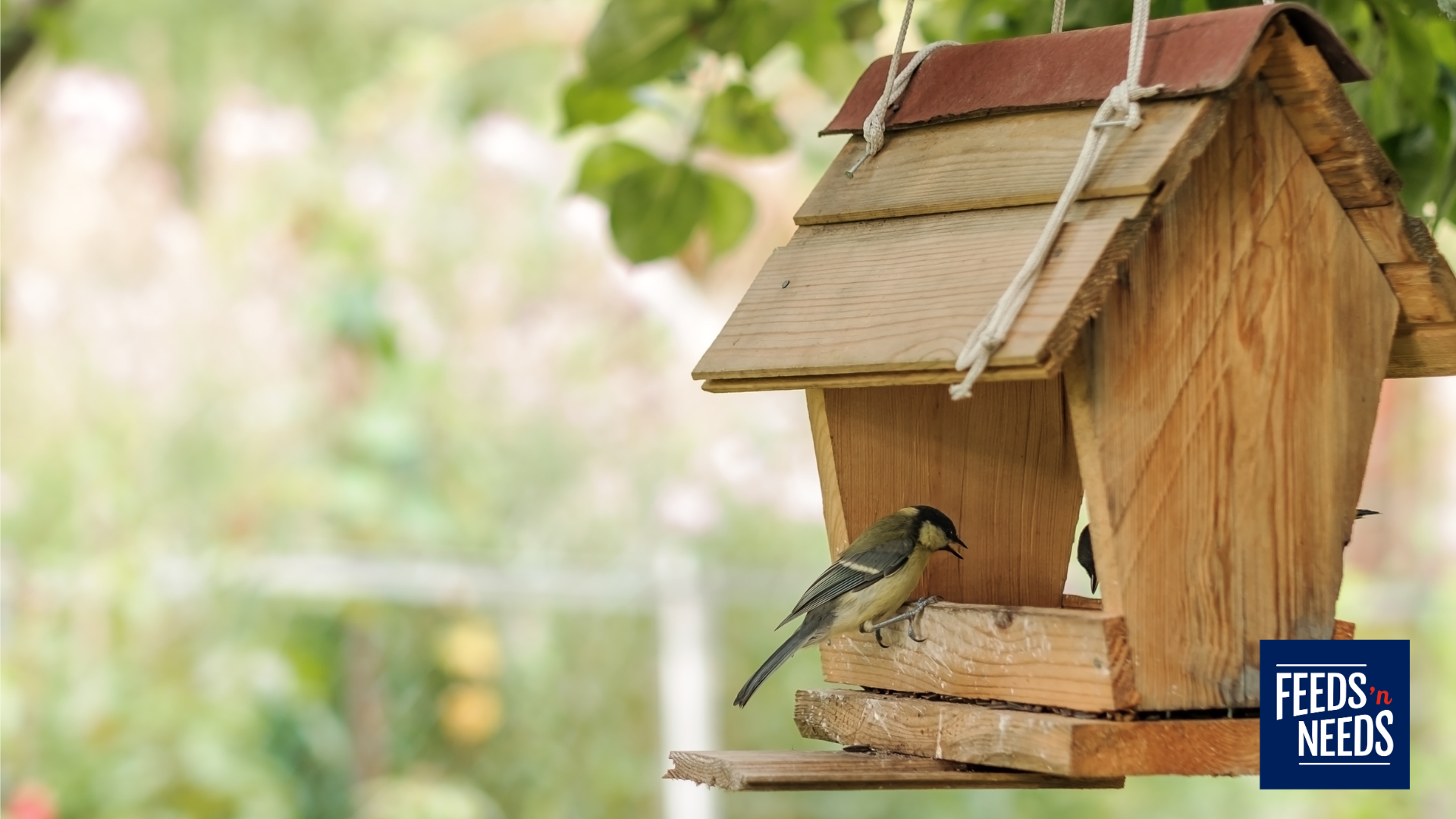
Black oil sunflower seed is one of the best all-around options for feeding backyard birds in Atlantic Canada. Its thin shell is easy for smaller ...

Fall is the single best time of year to overseed, aerate, fertilize, and lime Maritime lawns Cool-season grasses grow actively in fall — take advantage of ...

Walk the entire pasture boundary before turnout and check for: Broken or leaning posts Loose wire Damaged insulators Weak corners Low electric-fence voltage Vegetation grounding the fence Gates that sag or fail ...
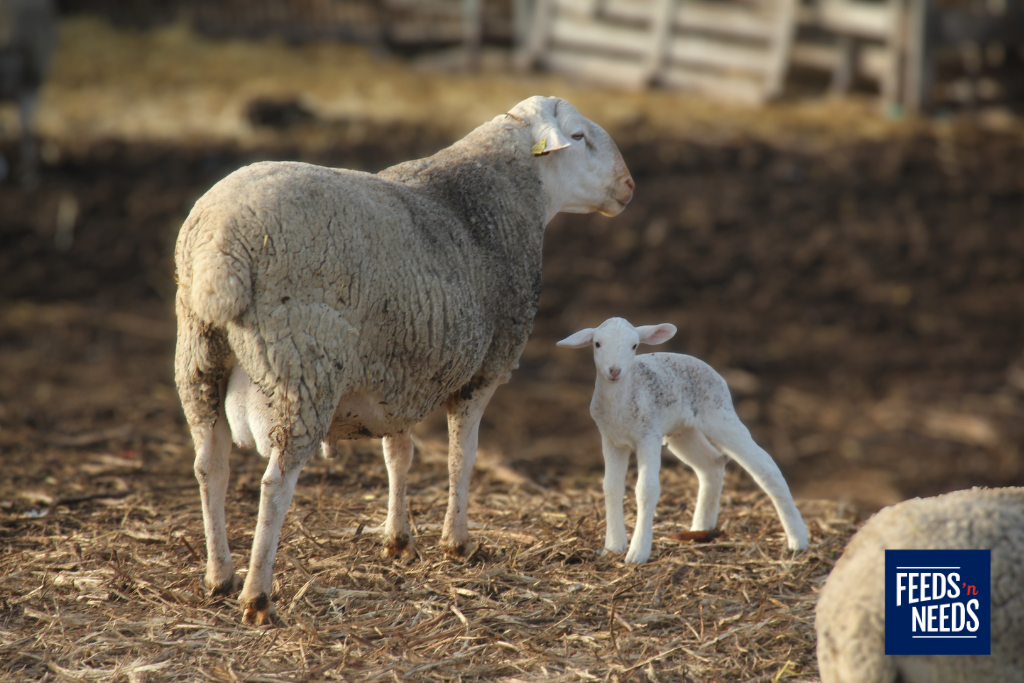
Cattle grazing wooded fence lines or rough pasture Goats that browse brush and shrubs Sheep in long pasture or bushy paddocks Outdoor pigs rooting in wooded or grassy ...
Light daily watering encourages shallow roots. Instead, water deeply and less frequently — this pushes roots deeper into the soil, making your lawn more drought-resilient. Best ...
After a long Maritime winter, it’s normal for your lawn to look rough. Snow mold, salt damage, ice, matted grass, bare spots, and compacted soil ...