
Care
Maritime Winter Lawn Care
10 October 2026 +Dormant grass is alive — the crowns and roots remain viable under snow and frozen soil Most winter lawn damage in the Maritimes is caused by ...


Maintaining a pristine lawn in the Maritimes can be challenging, especially when weeds start to invade your green space. However, with the right strategies and products, you can keep your lawn looking its best. Here are some essential tips and products for effective weed control.
The first step in effective weed control is identifying the common weeds that plague lawns in the Maritimes. Some of the most prevalent include dandelions, crabgrass, and clover. Knowing what you’re up against will help you choose the right control methods.
Weeds can tell you a lot about your soil because all plant species prefer specific environmental conditions to thrive. Does the soil have too little nitrogen or is it eroded or too compacted? Here is a more detailed review of each type of weed and the specific factors that influence their growth on lawns:

Dandelions are quite resilient and can thrive in various conditions. Here are some key factors that influence their growth on lawns:
To manage dandelions, maintaining a healthy, dense lawn is crucial. Regular aeration, proper mowing, and balanced fertilization can help keep these weeds at bay.

Chickweed (Stellaria media) is a common lawn weed that thrives under various conditions. Here are some key factors influencing its growth:
To manage chickweed, maintaining a healthy lawn through proper fertilization, regular mowing, and using turfgrasses well-adapted to your site conditions is essential. Postemergence herbicides containing dicamba, MCPP, and fluroxypyr can also be effective.

Canada Thistle (Cirsium arvense) is a persistent and invasive weed that can be challenging to manage on lawns. Here are some key factors that influence its growth:
To manage Canada Thistle, it’s important to maintain a healthy, dense lawn to outcompete the weed. Regular mowing, proper fertilization, and possibly the use of herbicides can help control its spread.

Crabgrass (Digitaria spp.) is a common and troublesome weed in lawns. Here are some key factors that influence its growth:
To manage crabgrass, maintaining a healthy, dense lawn is crucial. This includes proper mowing, watering, and fertilization practices. Pre-emergent herbicides can be applied in early spring to prevent crabgrass seeds from germinating, and post-emergent herbicides can be used to control any that do appear.

Bindweed (Convolvulus arvensis) is a persistent weed that can be challenging to control. Here are some key factors that influence its growth on lawns:
To control bindweed, maintaining a healthy lawn through proper fertilization, irrigation, and mowing practices is essential.

Velvetleaf (Abutilon theophrasti) is a resilient weed that can thrive under various conditions. Here are some key factors that influence its growth:
To manage velvetleaf, maintaining a healthy, dense lawn through proper fertilization, regular mowing, and minimizing soil disturbance is essential. Herbicides can also be effective in controlling this weed.

Yellow Rocket (Barbarea vulgaris) is a resilient weed that can thrive in various conditions. Here are some key factors that influence its growth:
To manage Yellow Rocket, maintaining a healthy, dense lawn through proper fertilization, regular mowing, and minimizing soil disturbance is essential. Post-emergent herbicides containing 2,4-D, MCPP, and dicamba can also be effective.

Tansy Ragwort (Senecio jacobaea) is a resilient weed that can thrive under various conditions. Here are some key factors that influence its growth:
To manage Tansy Ragwort, maintaining a healthy, dense lawn through proper fertilization, regular mowing, and minimizing soil disturbance is essential. Herbicides containing 2,4-D and picloram can be effective when applied to actively growing immature plants.

White Cockle (Lychnis alba), also known as White Campion, is a resilient weed that can thrive in various conditions. Here are some key factors that influence its growth:
To manage White Cockle, maintaining a healthy, dense lawn through proper fertilization, regular mowing, and minimizing soil disturbance is essential. Herbicides can also be effective in controlling this weed.

Common Milkweed (Asclepias syriaca) is a resilient plant that can thrive in various conditions. Here are some key factors that influence its growth:
To manage Common Milkweed, maintaining a healthy, dense lawn through proper fertilization, regular mowing, and minimizing soil disturbance is essential.

Partridge Berry (Mitchella repens) is a low-growing, evergreen plant that can thrive in various conditions. Here are some key factors that influence its growth:
To encourage the growth of Partridge Berry, maintaining a shaded, moist environment with well-drained, slightly acidic soil is essential.

Common Blue Wood-Aster (Symphyotrichum cordifolium) is a hardy perennial that can thrive in various conditions. Here are some key factors that influence its growth:
To manage Common Blue Wood-Aster, maintaining a healthy, dense lawn through proper fertilization, regular mowing, and minimizing soil disturbance is essential.
Note: While some plants are commonly considered weeds, some native species, like common milkweed, can also be beneficial to the ecosystem.
Some ‘weeds’ such as Goldenrod (Solidago species) and Joe Pye Weed (Eutrochium purpureum) are native species which support pollinating insects and birds and contribute to the ecosystem. Milkweed (Asclepias species), for example, provides a nursery for the offspring of Monarch butterflies. Also, Queen Anne’s Lace (Daucus carota) is also considered a weed but can be beneficial in that it attracts predatory wasps, flies and lady beetles which prey on garden pests such as aphids.
Pre-emergent herbicides are a great way to prevent weeds from taking root in your lawn. These products work by inhibiting the germination of weed seeds. Apply them early in the season before weeds start to grow. There are many popular options available, speak with your local Feeds’n Needs experts to find the right solution for your green space.
Remember to always read the label for application specifications.
For weeds that have already established themselves, post-emergent herbicides are necessary. These products target and kill weeds that are actively growing. There are many popular options available, speak with your local Feeds’n Needs experts to find the right solution for your green space. Remember to always read the label for application specifications.
If you prefer an eco-friendlier approach, there are organic weed control options available. These products are safe for pets and children and are effective in managing weeds. There are many popular options available, speak with your local Feeds’n Needs experts to find the right solution for your green space.
Sometimes, the best solution is good old-fashioned manual removal. Tools like weed pullers and hoes can help you remove weeds by the root, preventing them from growing back.
Maintaining a healthy lawn is one of the best defenses against weeds. Regular mowing, watering, and fertilizing can keep your grass strong and resilient. Here are some tips:
During summer, raising mowing heights to three inches or more helps turf grow thicker and reduces weed pressure. Taller turf also promotes deeper root growth, enhancing the turf’s ability to withstand heat, drought, disease, and insect pressure. Additionally, keeping mower blades sharp and returning clippings to the turf (using a mulching mower blade helps with this) contributing up to two pounds of nitrogen per year.
To get your green space looking it’s best, talk with one of our Feeds’n Needs experts in store. They will help you find the best solution to control and prevent weed growth.
Weed control in the Maritimes requires a combination of prevention, treatment, and maintenance. By using the right products and practices, you can keep your lawn looking lush and weed-free. Visit your local Feeds’n Needs to find all the essentials you need for effective weed control.

Dormant grass is alive — the crowns and roots remain viable under snow and frozen soil Most winter lawn damage in the Maritimes is caused by ...
Pastured cattle may encounter gastrointestinal roundworms, lungworms, lice, grubs and other internal or external parasites. Calves and yearlings are often more vulnerable than mature cattle ...

Pick manure from smaller paddocks, dry lots and high-traffic areas regularly. Pay particular attention to: Hay-feeding areas Gates and laneways Shelters Water sources Small sacrifice paddocks Winter turnout areas Feeds’n Needs carries ...
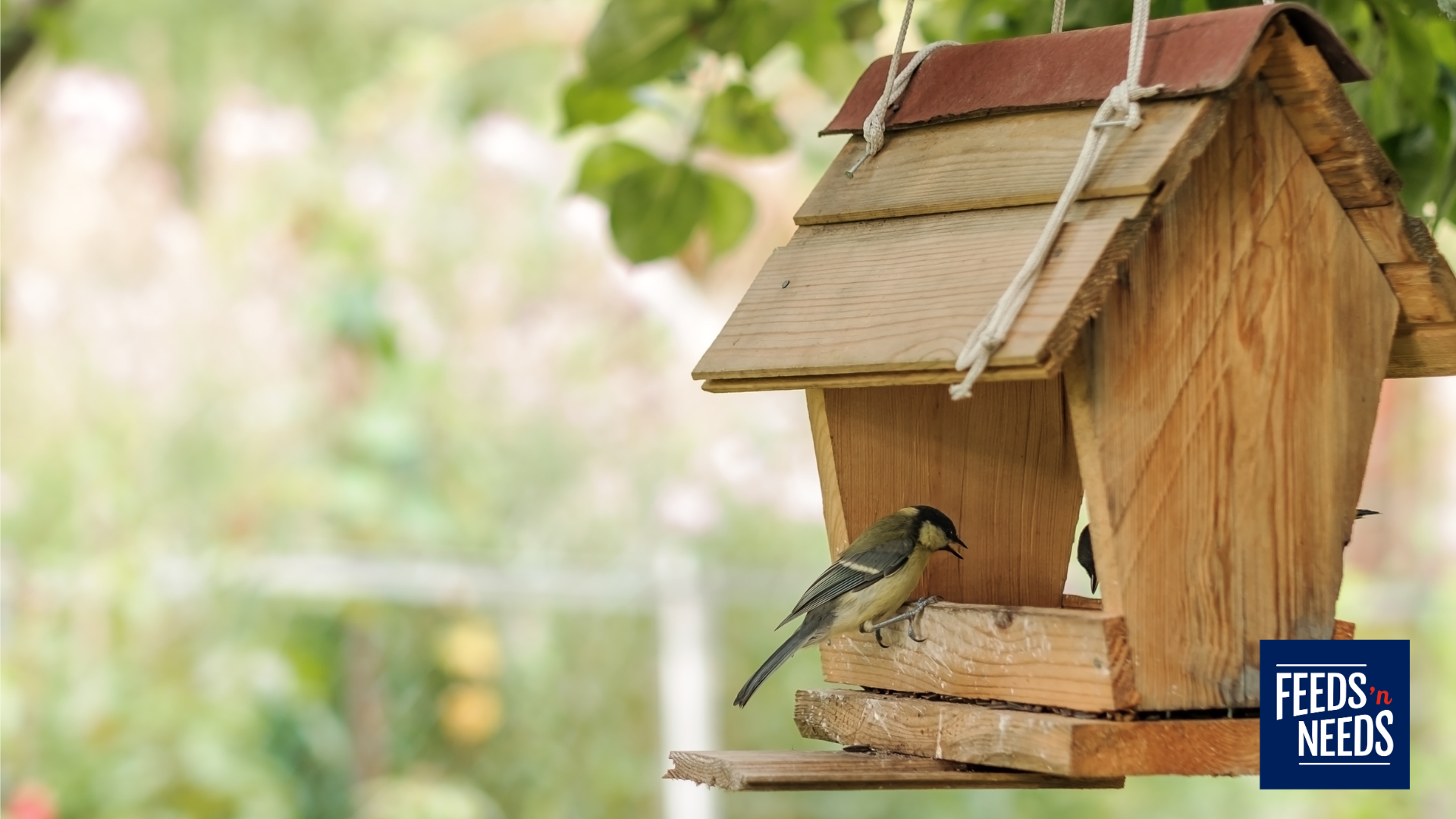
Black oil sunflower seed is one of the best all-around options for feeding backyard birds in Atlantic Canada. Its thin shell is easy for smaller ...
Fall is the single best time of year to overseed, aerate, fertilize, and lime Maritime lawns Cool-season grasses grow actively in fall — take advantage of ...
Walk the entire pasture boundary before turnout and check for: Broken or leaning posts Loose wire Damaged insulators Weak corners Low electric-fence voltage Vegetation grounding the fence Gates that sag or fail ...
Cattle grazing wooded fence lines or rough pasture Goats that browse brush and shrubs Sheep in long pasture or bushy paddocks Outdoor pigs rooting in wooded or grassy ...

Light daily watering encourages shallow roots. Instead, water deeply and less frequently — this pushes roots deeper into the soil, making your lawn more drought-resilient. Best ...
After a long Maritime winter, it’s normal for your lawn to look rough. Snow mold, salt damage, ice, matted grass, bare spots, and compacted soil ...


