Beginner's Guide
Your Garden’s Spring Kick-Start Guide
2 April 2026 +As the ground thaws and the days get longer, spring becomes the season gardeners wait for all year. Whether you’re a seasoned grower or just ...


When planning your garden, the type of seeds you choose influences everything – from flavour and appearance to how well your plants grow and whether you can save seeds for next year. Here’s a simple guide to help you understand the main seed types and how they connect to seed saving.
Heirloom Seeds
Heirloom seeds come from plant varieties that have been passed down through generations, often 50 years or more. Their genetics remain stable because they come from open‑pollinated plants that naturally reproduce true to type.
Why gardeners love them:
Best for:
Gardeners who love tradition, character, and seed-saving.
Hybrid Seeds
Hybrid seeds are created by intentionally crossing two parent plants to produce offspring with specific traits like disease resistance or higher yields.
Benefits:
Important to know:
Hybrid seeds won’t grow true if you save their seeds. The next generation will be unpredictable, often reverting to characteristics of the parent plants.
Best for:
Gardeners who want reliability and consistent results.
Open‑Pollinated Seeds
Open‑pollinated seeds come from plants pollinated naturally by wind, insects, or animals. Their genetics are stable, meaning they will produce plants similar to the parent.
Why they’re great:
All heirloom seeds are open-pollinated, but not all open-pollinated seeds are heirloom.
Saving Seeds: What You Need to Know
Seed saving is a rewarding way to maintain your favourite varieties and reduce gardening costs. But success depends on starting with the right types of seeds.
Best seeds for saving:
These seeds will reproduce true to type, giving you plants that match the parent.
Seeds not recommended for saving:
Tips for saving seeds:
Understanding seed types helps you make confident choices in your garden. Whether you love the charm of heirlooms, the strength of hybrids, or the dependability of open‑pollinated seeds, there’s a place for each in a thriving garden. And if you enjoy the idea of growing your own “garden legacy,” seed saving is the perfect next step.
References:
3 Main Types of Vegetable Seeds Explained – Food Gardening Network
Veseys Facebook Page

As the ground thaws and the days get longer, spring becomes the season gardeners wait for all year. Whether you’re a seasoned grower or just ...
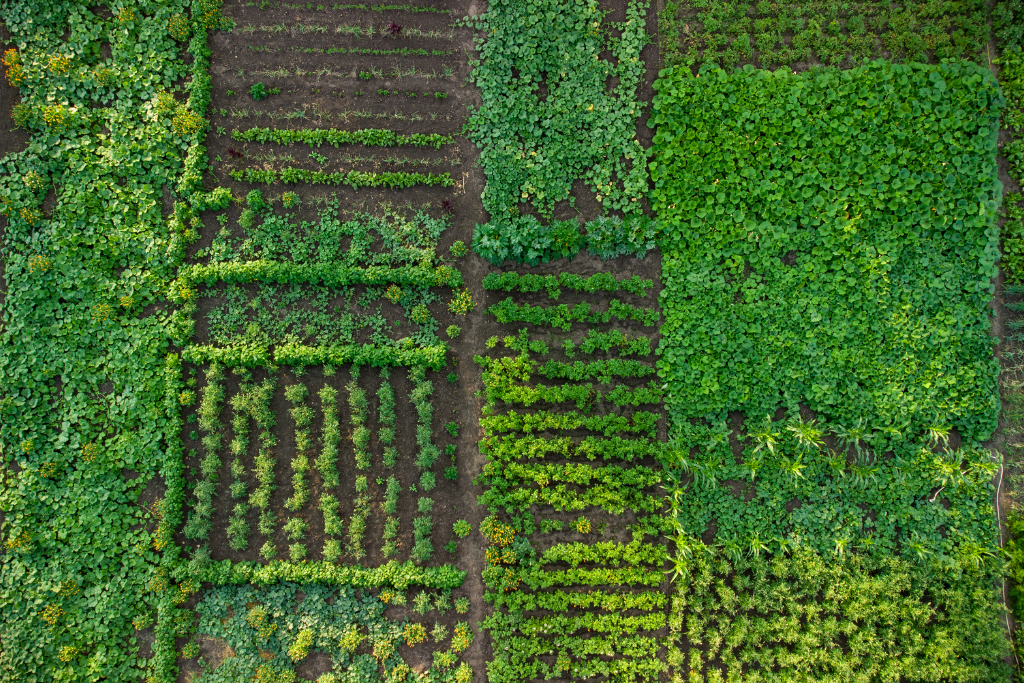
Planning your garden layout is one of the most exciting steps in kicking off a new growing season. Whether you’re a first‑time gardener or expanding ...
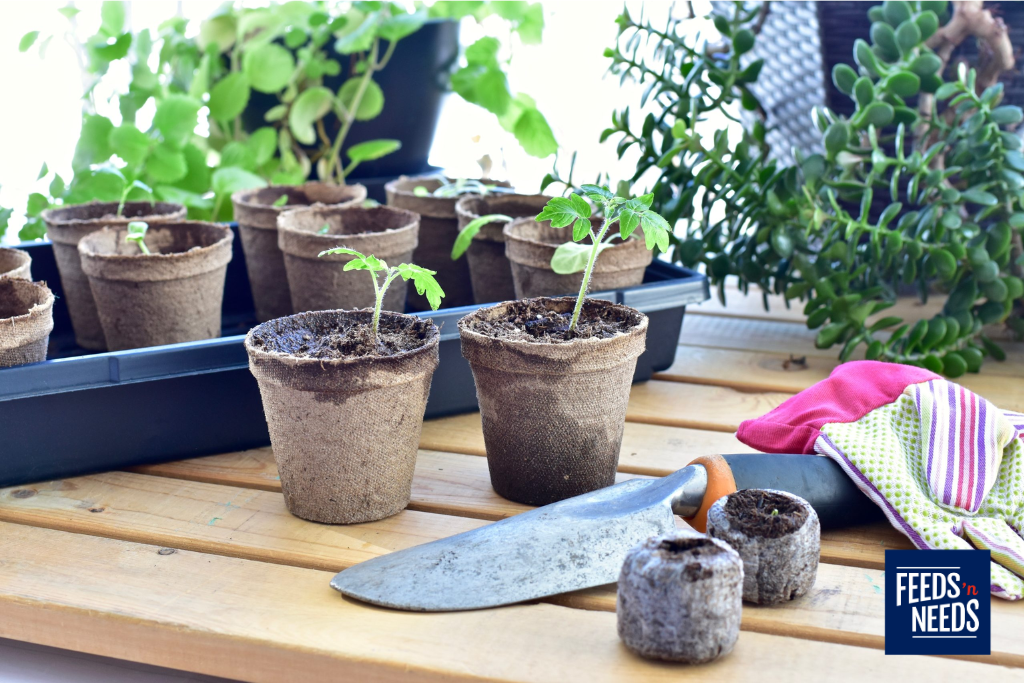
Spring is the perfect time to get a jump on your garden by starting seeds indoors—especially in Atlantic Canada, where our last frost typically lands ...

As winter fades and riding season approaches, giving your horse track a thorough clean‑up is one of the best ways to set the stage for ...

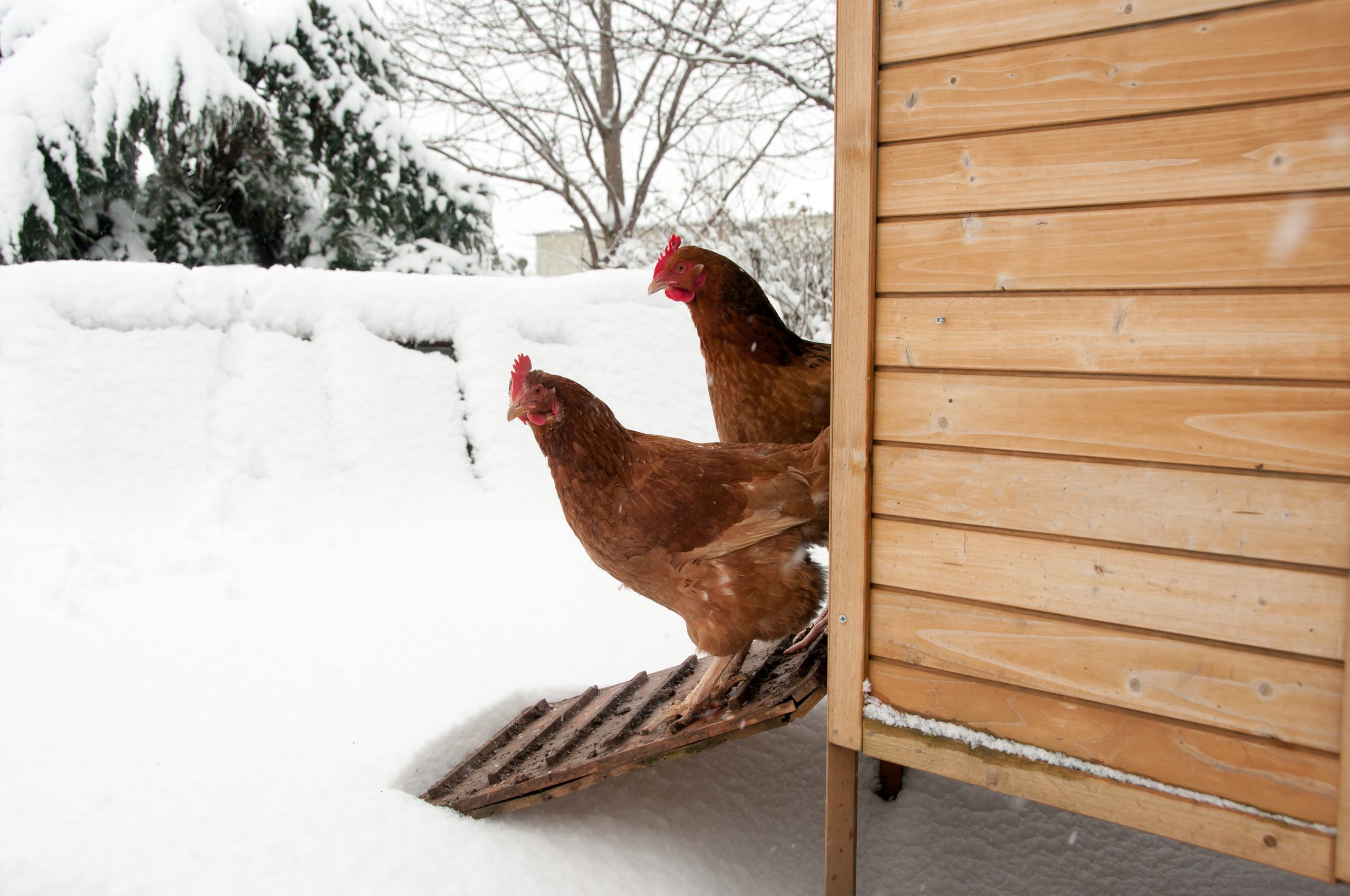
Cold weather can be tough on backyard flocks, and frostbite is one of the most common winter challenges for chicken owners. Understanding what frostbite is, ...

Integrating chickens into your gardening routine can transform your backyard into a thriving, eco-friendly oasis. These natural foragers offer numerous benefits, from pest control to ...

Let’s dive into the essential practices for egg collection and storage to ensure you get the freshest and safest eggs from your flock. Here’s a ...

Whether you have a few backyard chickens or a coop full of hens providing eggs to your community, there are several helpful tips to naturally ...


