When to Remove Bulls, Restore Body Condition and Prepare for Fall
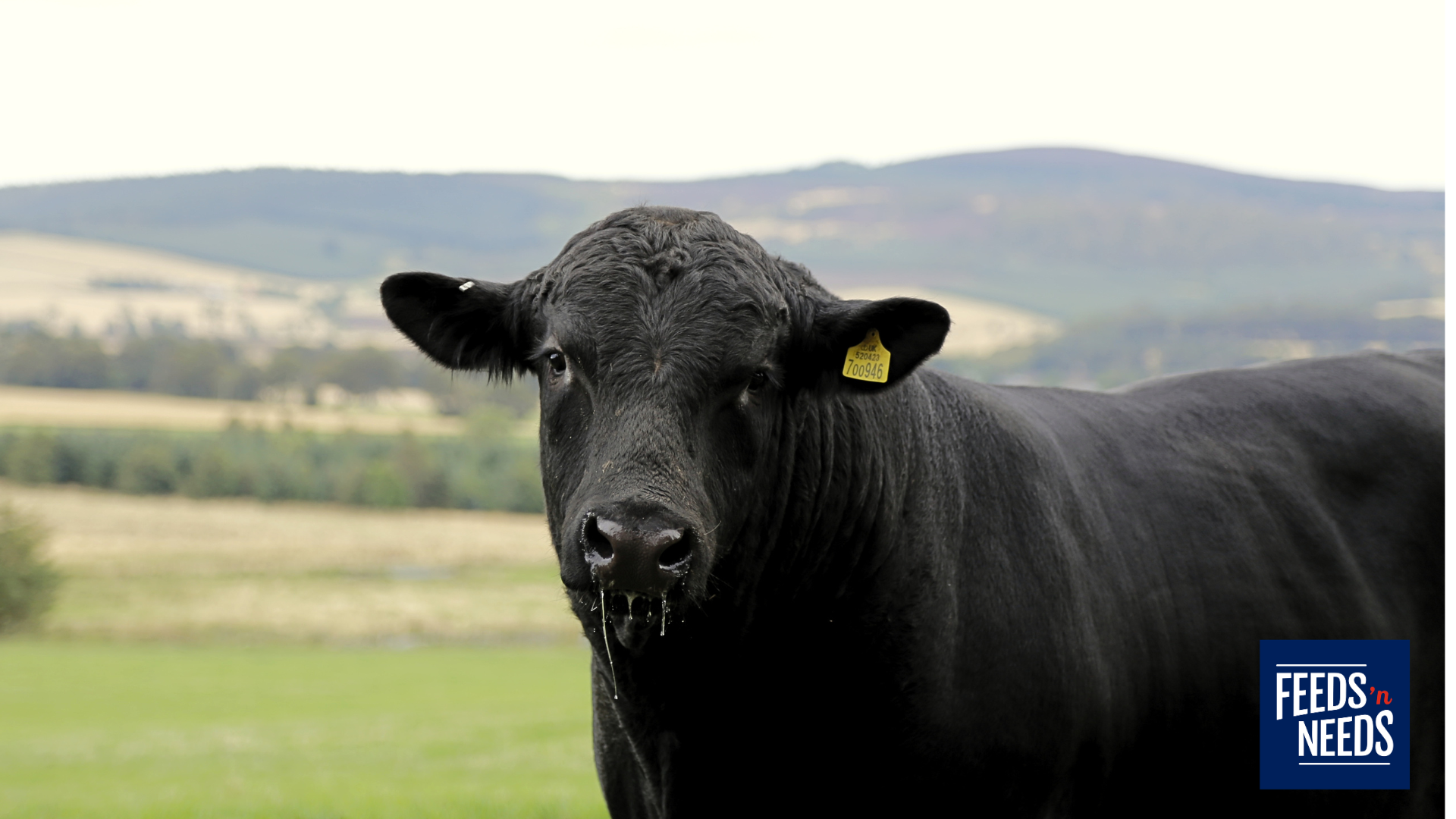
For many Atlantic Canadian spring-calving beef herds, late summer marks the end of the breeding season. Once the planned breeding window has closed, bulls should be removed from the cow herd and placed in a secure pasture where they can rest, regain condition and be evaluated before fall.
Removing bulls on schedule helps maintain a controlled calving season and gives producers a clearer picture of when next year’s calves should arrive. It also provides an opportunity to identify injuries, lameness or body-condition concerns while there is still time to respond before winter.
From fencing and pasture quality to mineral support and foot health, good post-breeding bull management protects one of the most important investments in a cow-calf operation.
Why Remove Bulls from the Cow Herd?
The right removal date depends on when bulls were turned out and how long the farm’s breeding season is intended to last. It should be based on the operation’s breeding plan—not simply a particular calendar date.
Leaving bulls with the cows longer than planned can result in:
- A longer and less predictable calving season
- More late-born calves
- Greater variation in calf age and weight
- Increased labour during calving
- More difficulty grouping cows for feeding and management
- Greater wear and weight loss for breeding bulls
- Unplanned breeding of young heifers
Record the date each bull entered and left the breeding herd. These dates will help estimate next year’s calving window and support future breeding decisions.
Move Bulls to a Secure Pasture
Once breeding is complete, move bulls to a separate pasture away from the cow herd. Bulls may test weak fencing when they can see, hear or smell cycling cows, so separation requires more than a convenient empty paddock.
The bull pasture should provide:
- Strong perimeter fencing
- Secure gates and latches
- Reliable access to clean water
- Adequate forage
- Shade or shelter
- Safe footing
- Enough room to move comfortably
- Easy access for regular observation
Whenever possible, use enough distance or a visual barrier to reduce contact with the cow herd.
Feeds’n Needs carries a range of farm-fencing supplies, including electric-fence components, posts, insulators, polywire, gate hardware and other repair essentials. Product availability varies by store.
Inspect the Fence Before Moving Bulls
Walk the entire pasture boundary before turnout and check for:
- Broken or leaning posts
- Loose wire
- Damaged insulators
- Weak corners
- Low electric-fence voltage
- Vegetation grounding the fence
- Gates that sag or fail to latch
- Washouts beneath fences
- Damage from fallen branches
- Areas weakened by wet soil
Atlantic Canada’s late-summer thunderstorms, heavy rain and tropical weather can quickly damage fence lines. Keep repair supplies on hand and recheck the perimeter after severe weather.
Take Care When Grouping Bulls
Bulls returning from separate breeding groups may re-establish their social order when placed together. Fighting can lead to leg, foot, shoulder or head injuries.
When grouping bulls:
- Use a large, open paddock with good footing.
- Avoid confined pens whenever possible.
- Remove unnecessary obstacles.
- Provide more than one feeding area.
- Avoid placing feed or water in tight corners.
- Observe the group closely after introduction.
- Have a safe plan for separating an injured animal.
Do not enter a pasture casually to break up fighting bulls. Cattle handling should be planned around appropriate facilities, escape routes and experienced help.
Evaluate Body Condition After Breeding
Breeding season can be physically demanding. Bulls may spend more time travelling, monitoring cows and breeding while spending less time grazing.
Assess each bull after removal rather than assuming the entire bull battery came through the season in the same condition.
Look for:
- Prominent ribs or spine
- Reduced muscle over the topline
- Loss of condition around the hips and tailhead
- A tucked-up appearance
- Reduced appetite
- Uneven movement
- Excessive fatigue
- Poor hair coat
- Noticeable weight loss
Use a consistent beef-cattle body-condition scoring system and keep records for comparison. Both underconditioned and overconditioned bulls may experience performance concerns, so the goal should be gradual recovery—not rapid fattening.
A livestock scale provides the most accurate weight. Weight tapes or other estimation methods may also help track changes when a scale is unavailable.
Support Gradual Weight and Condition Recovery
Bulls should have enough time after breeding to regain appropriate condition before cold weather increases their maintenance requirements.
Begin with forage. Evaluate:
- Pasture quantity
- Forage maturity
- Grazing pressure
- Available regrowth
- Weed content
- Mud or hoof damage around feeding areas
- Access to stored forage if pasture becomes limited
By late summer, pasture quality can decline quickly, particularly after dry weather, overgrazing or extended periods of heavy rain. A pasture that still looks green may not provide enough energy or protein for a bull that needs to regain condition.
If additional nutrition is required, work with a beef nutritionist, veterinarian or qualified feed adviser to develop a balanced program. Make feed changes gradually to protect rumen health.
Feeds’n Needs offers livestock feeds, forage products and feeding equipment for Atlantic Canadian beef operations. Our team can help you review available options, but significant weight loss or poor condition should also be discussed with your veterinarian.
Maintain a Complete Mineral Program
Bulls require balanced nutrition throughout the year—not only immediately before breeding.
Provide a cattle mineral appropriate for:
- The animal class
- The forage being fed
- The time of year
- Local deficiencies
- Farm management conditions
Mineral products are not interchangeable. A product intended for another livestock species may contain inappropriate nutrient levels for cattle.
Keep mineral feeders:
- Covered from rain
- Clean and dry
- Easy to access
- Located away from muddy areas
- Monitored for actual consumption
Atlantic Canadian humidity and heavy rain can cause exposed mineral to clump or spoil. Check feeders frequently and replace wet or contaminated material.
Feeds’n Needs carries cattle minerals, salt and mineral feeders at select locations. Ask our livestock team which option fits your feeding program and consult a qualified nutrition adviser when needed.
Provide Constant Access to Clean Water
Clean water remains essential as bulls recover from breeding season. Warm late-summer days can increase water needs, while poor water quality may reduce intake.
Inspect:
- Trough cleanliness
- Water flow
- Float systems
- Hoses and fittings
- Mud around the water source
- Algae buildup
- Electrical components on automatic systems
- Access for lower-ranking animals
If several bulls share a pasture, make sure dominant animals cannot easily block access to the only water source.
Feeds’n Needs offers livestock tubs, troughs, buckets and watering accessories to support pasture and barn setups.
Check Feet, Legs and Movement
A bull may have completed breeding while carrying an injury that was not obvious from a distance. Once bulls are separated, watch each animal walk on a firm, level surface.
Look for:
- Limping or shortened strides
- Stiffness
- Swelling around joints
- Reluctance to rise or travel
- Uneven hoof wear
- Cracks or overgrowth
- Sole damage
- Heat or swelling above the hoof
- Tenderness between the claws
- Signs of foot rot
- Injuries caused by fighting or rough ground
Sound feet and legs are essential for breeding performance.
Contact your veterinarian promptly if a bull is lame, swollen, feverish, losing weight or reluctant to move. Early attention may improve recovery and help determine whether the bull should remain in the breeding herd.
Complete a Hands-On Health Check
Post-breeding separation provides a valuable opportunity to examine each bull more closely.
Check:
- Eyes
- Teeth and mouth
- Hair coat and skin
- Feet and legs
- Joints
- Body condition
- Scrotum and testicles
- Sheath
- Signs of injury
- External parasites
- General attitude and appetite
Any swelling, asymmetry, wounds, abnormal discharge or suspected breeding injury should be evaluated by a veterinarian.
Review Herd Health with Your Veterinarian
Fall is a good time to review:
- Vaccination records
- Parasite-control plans
- Injuries or lameness
- Body-condition concerns
- Breeding performance
- Culling decisions
- Timing for a future breeding soundness examination
- Winter housing and nutrition
A breeding soundness examination is commonly completed before the next breeding season, allowing time to source a replacement if a bull does not pass. Your veterinarian can recommend the best timing for your operation.
Poor condition, lameness or reproductive abnormalities should be addressed when detected rather than left until spring.
Plan for Atlantic Canadian Fall Weather
Late summer can shift quickly into wet, windy and cool conditions across Nova Scotia, New Brunswick and Prince Edward Island.
Prepare the bull pasture for:
- Heavy rain
- Tropical storms
- Soft or muddy footing
- Falling branches
- Damaged electric fencing
- Declining pasture growth
- Early frost
- Reduced daylight
- Difficult vehicle access
Avoid placing hay, mineral or water in low areas where mud collects. Move feeding locations when practical to reduce hoof damage and soil disturbance.
Ensure bulls have access to shelter from wind and driving rain before colder weather arrives.
Begin Winter Feed Planning Early
Do not wait until pasture is finished to calculate winter feed requirements.
Review:
- Number and size of bulls
- Current body condition
- Hay quantity
- Forage quality
- Expected winter length
- Storage losses
- Feeding waste
- Mineral requirements
- Separate feeding needs
A forage test can help determine whether stored hay meets the bulls’ needs or if supplementation may be required. Rations should be balanced with help from a qualified livestock nutritionist or veterinarian.
If one bull is significantly thinner than the rest, he may require separate management to prevent competition and allow controlled recovery.
Make Records and Review Performance
Record information for every bull, including:
- Turn-in date
- Removal date
- Cow group
- Estimated number of cows exposed
- Body condition
- Weight when available
- Foot and leg observations
- Injuries or treatments
- Temperament
- Veterinary findings
- Planned winter group
- Future breeding status
When pregnancy-checking information becomes available, compare results with bull groups. Poor conception, a large number of late pregnancies or unexpected open cows may justify additional investigation.
Post-Breeding Bull Checklist
After removing bulls from the spring-calving herd:
- Move bulls to a secure pasture away from cows.
- Inspect fences, gates and electric-fence voltage.
- Monitor bulls carefully when regrouping.
- Record the breeding-season removal date.
- Assess body condition and weight.
- Watch each bull walk.
- Inspect feet, legs and joints.
- Check for breeding or fighting injuries.
- Provide clean water and adequate forage.
- Offer a suitable cattle mineral.
- Separate thin, injured or vulnerable bulls when needed.
- Review health concerns with your veterinarian.
- Evaluate winter hay and feed supplies.
- Plan future breeding soundness examinations.
- Keep individual bull records.
Give Your Bulls Time to Recover Before Winter
Removing bulls at the end of the planned breeding season is about more than controlling next year’s calving window. It creates an important management period for recovery, evaluation and winter preparation.
Secure separation, strong fencing, adequate forage, clean water, balanced minerals and close attention to feet, legs and body condition can help bulls enter fall in better shape.
Visit your local Feeds’n Needs for livestock feed, cattle minerals, feeders, water tubs, fencing supplies, posts, insulators, gate hardware and other essentials for post-breeding bull management. Product availability varies by store.
This article provides general educational information. Consult your veterinarian or qualified livestock nutrition adviser about health concerns, lameness, body-condition loss, feed changes, mineral selection and breeding soundness.