
How often do you brush your cat’s teeth? It is suggested that owners should brush their companion’s teeth after every meal, or at least once a day to keep their dental health in check. Did you know that once a cat reaches the age of three, they’re more likely to experience issues related to their dental health? Check for signs of bad breath, drooling, lack of appetite or repetitive shaking and pawing at their mouth for signs of a potential issue. If left untreated, poor dental hygiene can lead to more serious conditions, including kidney and heart disease. Many owners find that putting anything in a cat’s mouth to be a tricky, squirmy process, so here are a few tips to keep in mind when thinking about your furry friend’s dental health.
It is important to get into a habit of checking your cat’s teeth and gums for problems – the sooner you start, or earlier in your cat’s life you establish these habits, the better and more cooperative and patient they’ll be during teeth brushing and check-ups. Start by gently lifting their upper lip to check for red, swollen gums, or tartar build up on their teeth for indications that it’s time for a check in at the vet.
Use a pet-safe, cat-friendly toothpaste. Let one of our experts help you find a toothpaste in-store that will keep your cat interested and distracting during the brushing and cleaning process.
When it comes to selecting a toothbrush for your cat, opt for a human baby-sized or pet toothbrush, or a rubber finger slip that goes over your finger that allows you to graze over their teeth.
Reward with some catnip throughout the process to make it a pleasant experience for your kitty. We carry many great brands that are specifically formulated and coated to clean your pet’s teeth while chewing. Greenies Dental Treats are a great option for this, as they freshen breath while the treats’ textured surface helps remove tartar buildup. Ask our Experts in-store which treats they recommend!
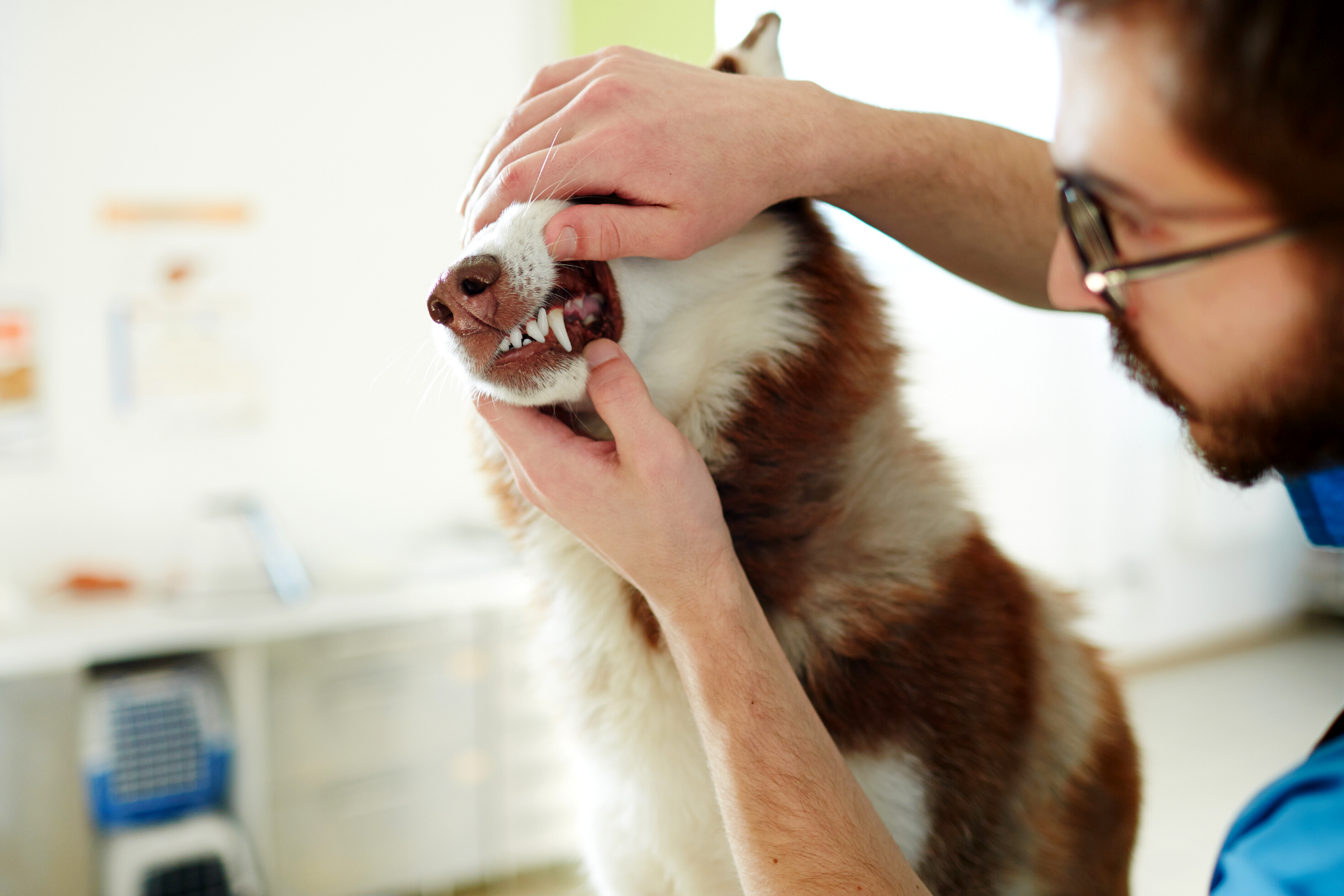
Dental Health Tips For Your Dog
We know the importance of brushing our teeth, but what about our pets? Did you know that dogs can get cavities, gum disease and plaque build up? Yep, just like humans! Your dog’s teeth should ideally be brushed after every meal to prevent tartar build up and protect against periodontal disease. If you haven’t gotten your dog accustomed to teeth brushing as a puppy, it’s not too late to start. Here are a few helpful dental health tips for your dog.
- Get your dog used to having their mouth open when you need to check their teeth or mouth. The more you do this, the more patient and calm your dog will be when brushing. It might be helpful to offer them a treat for good behaviour when they let you do this.
- Head to your local Feeds’n Needs and ask our Experts to help you pick out a dog-friendly toothpaste. This is an important step to take, as human brands contain fluoride which isn’t healthy for your pet to swallow and can be toxic. Many toothpaste for pets come in a variety of flavours, some similar to their favourite treats, such as beef, chicken, bacon and more.
- Pick a soft toothbrush for your dog, to ensure their gums don’t damage during brushing. There is a large selection of options, but opt for one with an angled tip, making it easier for you to reach the back of your dog’s mouth. Many pet owners use toothbrushes made for babies, as they are smaller and less intrusive in your dog’s mouth. If your dog is used to having your fingers in their mouth, you could consider purchasing a finger brush slip that can go over your index finger and get the job done!
Pro tip: If your dog is fussy when brushing, don’t worry too much about brushing the insides of their teeth as their tongue does a great job of keeping the inner sides of their teeth clean throughout the day. - Pick up some dental treats and kibble for your pet to help protect against disease. Greenie’s Dental Treats are a perfect choice for both dogs and cats, as they freshen breath while the treats’ textured surface helps remove tartar buildup. Ask our Experts in-store which treats they recommend!
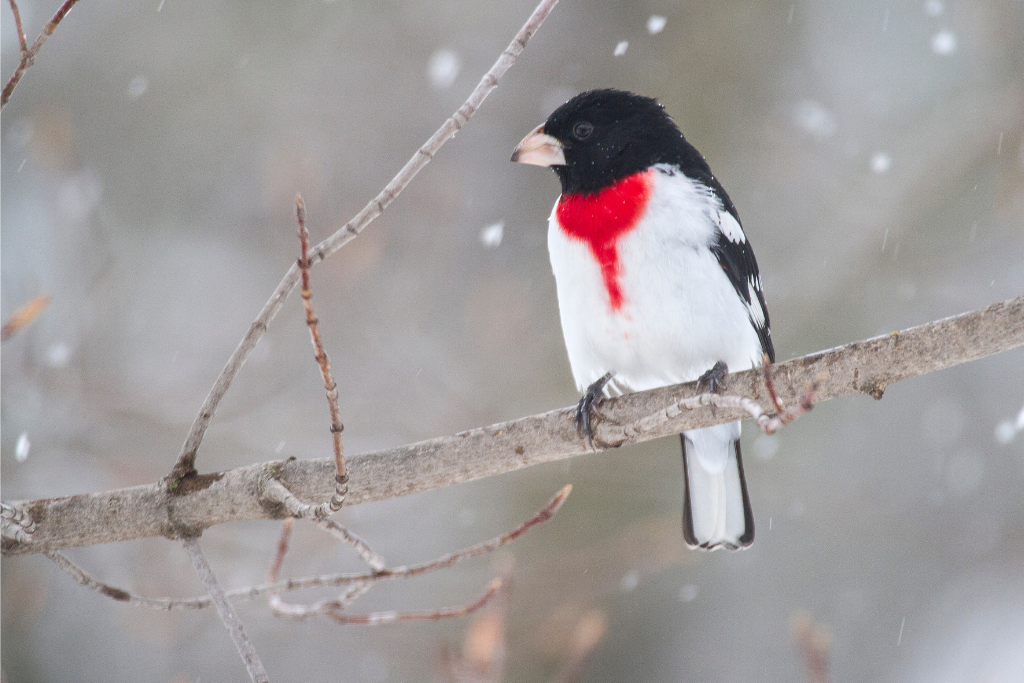
Keep Backyard Birds Healthy in Winter
When it comes to feeding the birds, keeping the backyard safe ensures a healthy, active, and diverse environment for feathered friends to enjoy.
- Periodically check feeders for damage, particularly after winter storms.
- Keep feeders clean, even in poor conditions, to prevent the spread of disease among wild birds.
- Keep birdbaths filled with fresh, clean water. Add a heater to the bath or a de-icing basin for winter use.
Things to Note When Installing Feeders
- Keep feeders a fair distance from windows (approximately 3 – 4 meters from glass).
- Use anti-collision stickers on the exterior of windows to prevent bird strikes.
- Choose locations that provide shelter from weather and predators, yet in view from inside your home.
- Clean feeders regularly and replace feed after wet weather conditions to avoid an unhealthy environment for birds.
- Keep feeders clear of debris so not to attract unwanted critters.
Help Birds During Severe Weather
It is not necessary to worry about how birds keep warm during winter. Birds have many adaptations that help them survive even the coldest days. However, mortality rates do rise during prolonged and severe weather conditions such as ice storms. Birders can help offset these rates by offering feathered friends high quality winter food, shelter from poor weather, and easy access to clean, fresh water. In turn, this strengthens bird’s ability to survive colder temperatures by enabling them to conserve precious energy reserves.
- Provide Quality Food and Stock Feeders Early. Offering quality winter foods high in fat and calories provide birds with the energy they use to generate body heat. On colder winter days, birds need to immediately replenish energy reserves used to stay warm overnight. Especially during cold snaps, fill feeders in the early morning to ensure birds don’t have far to go.
- Provide Clean, Fresh Water. Birds can melt snow to drink however this lowers their body temperature and uses valuable energy reserves used maintain body heat. Offering water in heated birdbaths or basins provide an especially helpful resource during challenging conditions.
- Offer Shelter. Give birds a way to escape poor weather conditions such as wind and snow by making a brush pile, keeping bird houses up and roosting boxes out. Long term consider planting evergreen trees, native trees, and bushes for natural protection against the elements.
Related Articles
Winter Backyard Bird Enthusiasts
Feeding Wild Birds in Winter
Best Winter Bird Feeders
Best Winter Bird Seed
How To Properly Store Bird Seed
Keep Feeding Areas Clean and Maintained

Watch our Tick Webinar Recording with Dr. Nicolette Faraone
We were fortunate to have Dr. Nicoletta Faraone, PHD. join us for a tick webinar to teach us all about tick safety and prevention! Dr. Nicoletta Faraone is an assistant professor at the Chemistry Department, Acadia University, Wolfville (NS). She teaches Biochemistry and Natural Product Chemistry. Her research focuses on studying tick chemosensory system, how ticks detect odours from hosts and how they respond to repellents. She designs and develops novel essential oil-based tick repellent products. In this one hour long webinar, customers had the chance to learn from Dr. Faraone and ask their questions. If you missed the live webinar, you can watch the recording below!
For more Expert Advice on products we carry to protect your pets, click here.
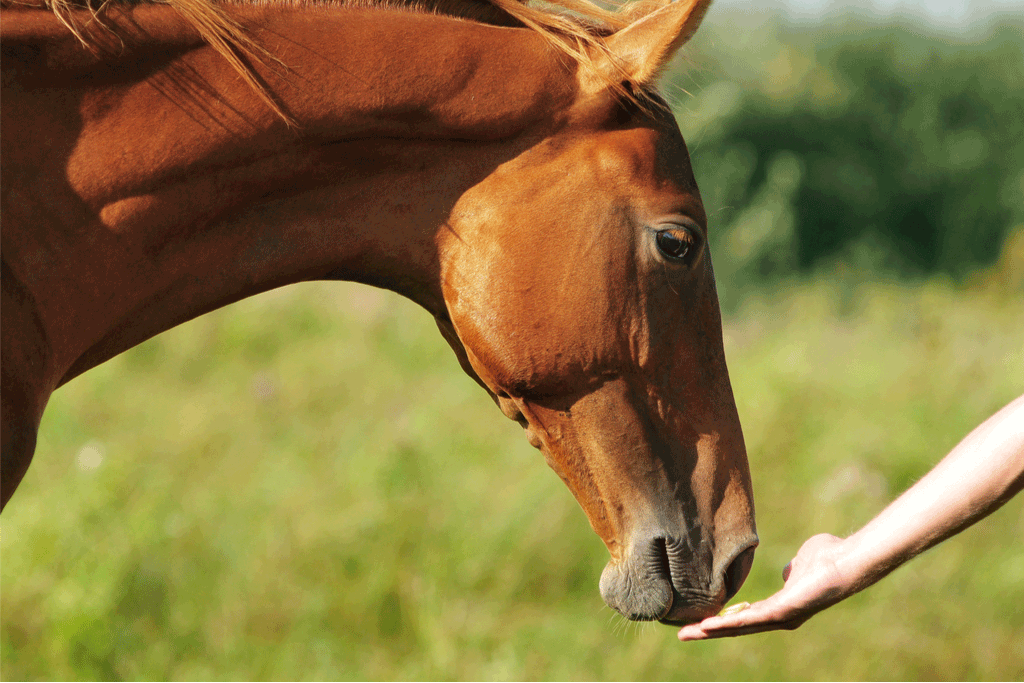
Maintaining Your Horses Health
Yearly veterinarian checkups are highly recommended for every species of animal, horses included. Your vet can administer vaccinations to prevent illness, assess and provide insight on your horses’ condition and overall health, and evaluate their teeth condition and float your horses’ teeth when needed. Here are a few subject areas that are crucial to maintaining your horses health.
Floating Teeth
Floating the teeth is important for the overall health of your horse and to ensure its comfort. The process of floating the teeth is done to remove any sharp hooks made in the teeth by the horses’ way of chewing. These sharp hooks can cause sores within the mouth tissue. Signs that your horses’ teeth need floated can be that he is losing weight unexplainably or dropping food while eating.
Hooves
Horses hooves require trims every 6-8 weeks to maintain healthy feet. Hoof trimming can be done by a professional farrier or blacksmith, or can be learned by horse owners through hoof care courses or through the teachings of a professional. Healthy and cared for feet keep horses sound and happy. For most horses, when they are travelling over different surfaces or being used for sport, will require horseshoes to protect their feet from damage. Your veterinarian will have the best recommendations for local hoof care providers.
Deworming
It is important to deworm your horse regularly to prevent the accumulation of internal parasites. Rotating deworming products helps to provide full coverage for every species of worms. It is usually recommended to deworm your horse once per season, unless your horse develops symptoms of worms such as weight loss, rubbing of tail, diarrhea or constipation, rough hair coat or trouble shedding winter coat, and more. Talk to your veterinarian about your horses’ personal deworming schedule, or if you suspect your horse has a severe infestation.
Feed
A consistent feed program that provides maximum forage feeding options will have the best impact on your horse’s overall health. Your horses’ digestive health and general ability to meet his performance demands depend on the quality and quantity of feed provided for him. A diet of at least 1% of his body weight in hay or grass, with additionally a complete balanced feed supplementing his vitamins, minerals – and requirements of protein, fat, and fiber, will ensure he is at the top of his condition and capabilities.
Providing your horse with the best maintenance to support his health will ensure he stays healthy, sound, and happily performs his job properly for years to come!
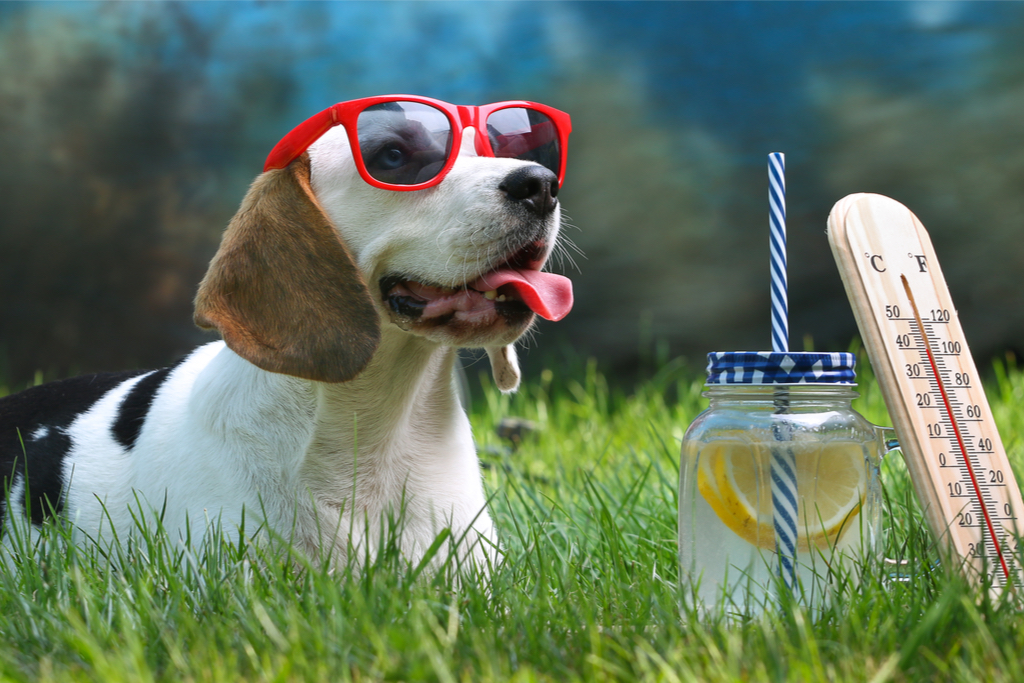
Animal Welfare During a Heat Wave
On hot days, it’s important to think about our four legged friends because chances are, they are probably hotter than you are. This article offers a few tips and solutions to help you keep your animals comfortable and cool during hot weather. Be sure to think about animal welfare during a heat wave!
Keep your pet well hydrated
No surprise here! Like their owner, animals must stay hydrated at all times and even more during hot periods. Make sure to give your pets water as often as possible during the day. The same goes for animals on farm. Think, for example, of cows, pigs or even horses, who drink large amounts of water on a normal day. Add a heat wave or drought in there and their water needs significantly amplify. Offer several areas on your property that allow for animals to have easy access to water, either on the ground, around the building or in your home.
Place ice cubes in the water to keep it cool. One trick to encourage your pet to drink more frequently: put bowls of water throughout your house, instead of having one spot they can go to drink. When going out with your pet, bring more water than you think is enough for yourself and your companion. Also, try to avoid going out in peak heat times (afternoon) and aim instead to go in the morning or the evening when the weather cools down.
If the pavement is too hot, consider putting booties on your pet so they don’t injure or burn their pads. If the weather is too hot, indoor activities are best. Consider playing games to develop the animal’s mental faculties, to allow them to burn energy while avoiding the hot sun.
Avoiding the sun
Close curtains and blinds to prevent the sun’s rays from entering and heating the house. For bird owners, try as much as possible to keep them away from the windows. If allowed, installing a small shaded kiddie pool can prove to be the perfect refreshment tool for dogs who love the water and swimming.
If you are on a farm, try to have a few places on land where animals can shade, like a shelter.
Identifying heatstroke in your pet
It is crucial to know how to recognize heat stroke in a pet! In case of heatstroke, the animal should see a veterinarian without delay. Here are some important symptoms to watch out for:
- Vomiting
- Diarrhea
- Bright red gums
- Disorientation
- Body temperature exceeding 40 degrees Celsius
When transporting your animal to the vet, cool it with a cold towel over their body. Do not use ice cubes.
Also, watch out for dogs with flat noses, older animals and young people. They are more at risk of having difficulty breathing during heat waves!
Other tips and tricks
Here are some additional hips to keep your pets cool at all times:
- Freeze a bottle of water and wrap it in a kitchen towel. Then place the cold bottle near the places where you pet is resting. Your animal should stay near it to cool down.
- Brush your pet often. A tangle free coat will be more comfortable for your pet, especially on a really hot day.
- Leave a cold water base in the bath so that your companions can soak their paws from time to time.
During periods of extreme heat, get in the habit of observing the behavior of your animals and make sure they don’t lack any water or shade. Thanks to these tips, you now have some handy tools up your sleeve to make the hot days more pleasant and much safer for your animals!


