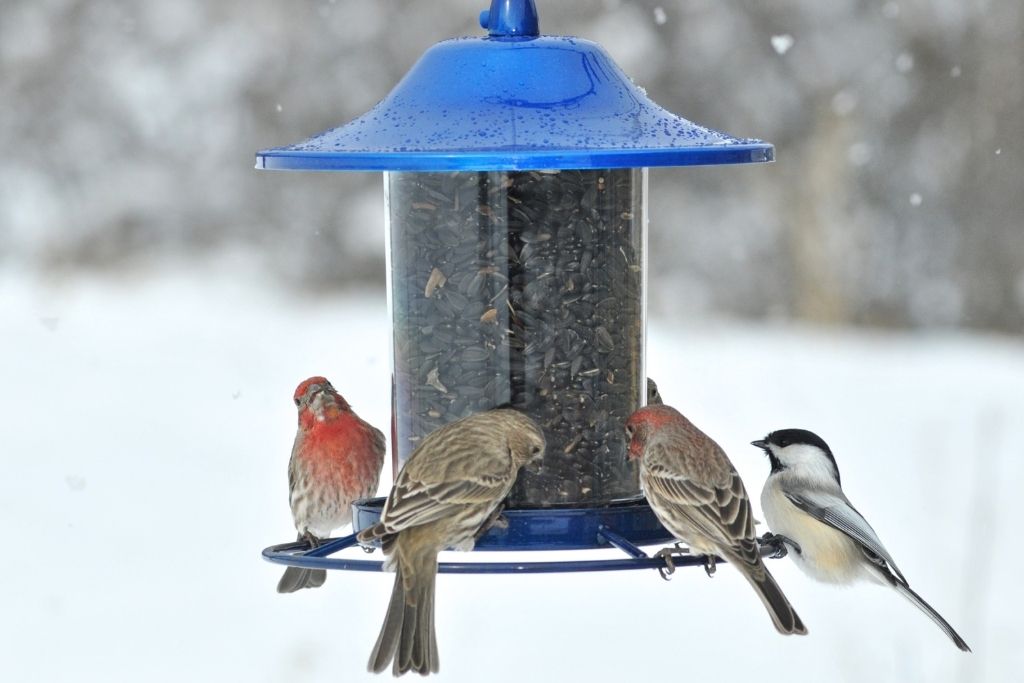
It is important to keep bird feeders clean and maintained. In the Atlantic provinces, a parasite called Trichomonas Gallinae can infect birds, especially purple and gold finches. Bird droppings and other contaminants may also spread infectious bird diseases. A dirty feeder can harbor bacteria, mold, and other disease agents that can quickly contaminate hungry birds and spread to other wild populations. Fortunately, it is easy to clean bird feeders to ensure birds enjoy safe, clean feeding stations.
Clean your feeders about once every week or two, more often during times of heavy use, wet weather, if there have been reports of salmonella in your area, or you notice sick birds in your yard.
Cleaning Bird Feeders
Clean feeders attract more wild birds as fresh, clean seed is more appealing. For the cleanest, healthiest, and most attractive feeders:
- Choose easy-to-clean feeders. Feeders made of plastic, metal, glazed ceramic, and glass feeders are best. Wooden feeders can absorb oils and other remains, making them much more difficult to clean over time. However, if choosing a wood feeder look for cedar constructions.
- Clean regularly. All feeders should be thoroughly cleaned at least once per month. Busier feeders should be cleaned much more frequently. Hummingbird and oriole feeders should be cleaned each time they are refilled.
- Use proper cleaning solutions. Feeders can be sanitized with a solution of one part bleach to nine parts hot water. A mild solution of unscented dish soap is also effective to clean less popular bird feeders.
Steps for Cleaning Bird Feeders
- Soak feeders first. Submerge feeders in a utility sink, large basin, or bucket full of proper cleaning solutions. By soaking a dirty feeder debris is loosened making it easier to scrub clean.
- Clean all feeder parts thoroughly. For the best sanitation each feeder should be cleaned inside and out. This includes cleaning all feeding ports, perches, lids, platforms, reservoirs, and any other part where birds may perch or where feces may collect.
- Use proper equipment. Wear rubber gloves to avoid any contamination. Use stiff brushes to ensure thorough cleaning. Feeds’n Needs sell specialized brushes specifically designed for feeders, though a regular bottle brush can also be effective. An old toothbrush is also a great option for reaching smaller parts, feeding ports, and tight corners. And a stiff pipe cleaner is ideal for pulling through small holes.
- Rinse thoroughly. Submerge cleaned feeders in clean water for several seconds and then rinse to be sure all chemical residue is removed. Inspect to ensure there is no debris remaining.
- Dry feeder completely before refilling. Remaining moisture can lead to mold and mildew that can cause illness and spoiled seed.
- Sanitize all tools and equipment after cleaning feeders. Before putting tools and equipment away, clean them thoroughly and let them dry completely.
Clean Around Feeding Areas
It is essential to clean all nearby feeding areas where birds perch and congregate.
- Clear away old seed and hulls from beneath feeders.
- Remove any rotten or fallen fruit from trees and bushes where birds feed.
- Add mulch or gravel beneath feeders to cover bird droppings.
- Keep birdbaths and other perches clean.
Maintaining Feeders During Poor Weather Conditions
Despite taking necessary steps to protect feeders, they can still accumulate snow and ice in the worst weather. This also happens to be when birds rely on feeders the most. To maintain winter bird feeders:
- Winter Storms. Clean off feeders after every storm, or during storms, to give birds easy access to food. Check all feeding ports are clear and that seed can flow freely. Inspect and repair any damages and ensure they feeders are still fastened securely.
- Keep Feeders Full. Refill feeders frequently with the best winter foods that are higher in fat and calories creating a healthy and trusted food source for hungry birds.
- Keep Feeding Areas Accessible. Remove snow in ground-feeding areas to allow ground-dwellers like juncos and doves easy access to food.
Related Articles
Winter Backyard Bird Enthusiasts
Feeding Wild Birds in Winter
Best Winter Bird Feeders
Best Winter Bird Seed
How To Properly Store Bird Seed
Keep Backyard Birds Healthy in Winter
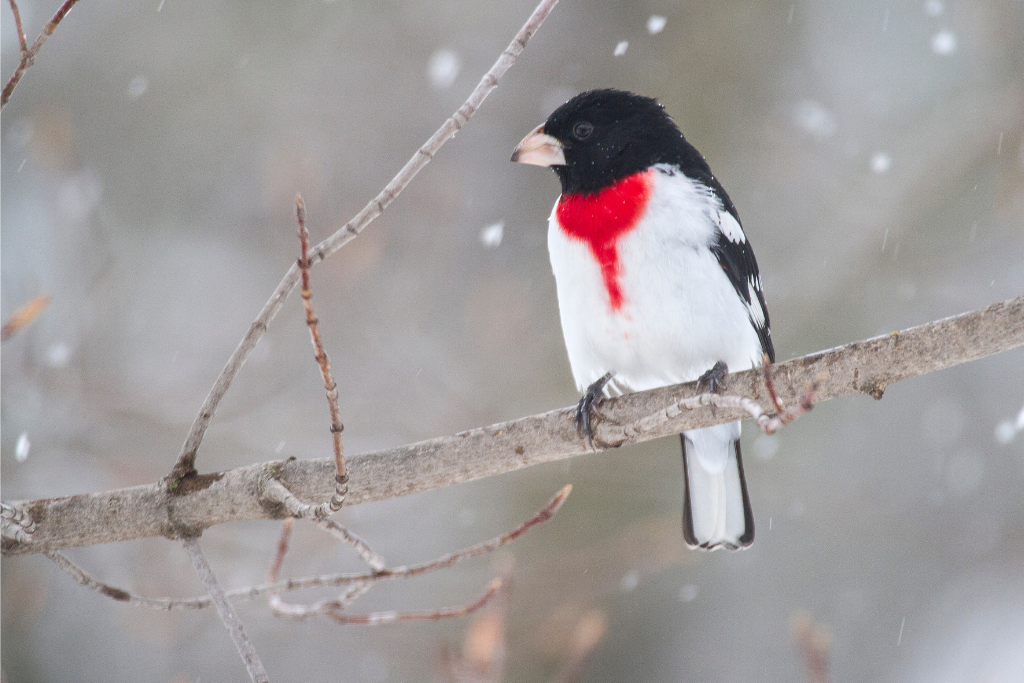
Keep Backyard Birds Healthy in Winter
When it comes to feeding the birds, keeping the backyard safe ensures a healthy, active, and diverse environment for feathered friends to enjoy.
- Periodically check feeders for damage, particularly after winter storms.
- Keep feeders clean, even in poor conditions, to prevent the spread of disease among wild birds.
- Keep birdbaths filled with fresh, clean water. Add a heater to the bath or a de-icing basin for winter use.
Things to Note When Installing Feeders
- Keep feeders a fair distance from windows (approximately 3 – 4 meters from glass).
- Use anti-collision stickers on the exterior of windows to prevent bird strikes.
- Choose locations that provide shelter from weather and predators, yet in view from inside your home.
- Clean feeders regularly and replace feed after wet weather conditions to avoid an unhealthy environment for birds.
- Keep feeders clear of debris so not to attract unwanted critters.
Help Birds During Severe Weather
It is not necessary to worry about how birds keep warm during winter. Birds have many adaptations that help them survive even the coldest days. However, mortality rates do rise during prolonged and severe weather conditions such as ice storms. Birders can help offset these rates by offering feathered friends high quality winter food, shelter from poor weather, and easy access to clean, fresh water. In turn, this strengthens bird’s ability to survive colder temperatures by enabling them to conserve precious energy reserves.
- Provide Quality Food and Stock Feeders Early. Offering quality winter foods high in fat and calories provide birds with the energy they use to generate body heat. On colder winter days, birds need to immediately replenish energy reserves used to stay warm overnight. Especially during cold snaps, fill feeders in the early morning to ensure birds don’t have far to go.
- Provide Clean, Fresh Water. Birds can melt snow to drink however this lowers their body temperature and uses valuable energy reserves used maintain body heat. Offering water in heated birdbaths or basins provide an especially helpful resource during challenging conditions.
- Offer Shelter. Give birds a way to escape poor weather conditions such as wind and snow by making a brush pile, keeping bird houses up and roosting boxes out. Long term consider planting evergreen trees, native trees, and bushes for natural protection against the elements.
Related Articles
Winter Backyard Bird Enthusiasts
Feeding Wild Birds in Winter
Best Winter Bird Feeders
Best Winter Bird Seed
How To Properly Store Bird Seed
Keep Feeding Areas Clean and Maintained

Best Winter Bird Feeders
Winter is a great time of year to feed the birds. Besides the large variety of bird species that live in the Maritimes year-round, northern migrants are arriving to spend the season in our milder climates. There are also some bird species that are more easily seen in cooler temperatures than in any other season. Adding a variety of feeders with different seed will attract an abundance of bird species. Separate larger specie feeders from smaller ones to allow smaller birds a chance to feed without being scared off by larger varieties.
Considerations for Winter Bird Feeders
Feeder Style: Consider designs that have a larger capacity and protected reservoirs to keep bird seed dry. Feeders with covers and with feeding stations underneath are ideal for a variety of birds. This also provides shelter for birds to feed. Select metal mesh or tube feeders for Nyjer seed.
Feeder Location: Hang feeders in areas that are more sheltered from winter elements such as closer to tree trunks, under covered patios or roof eaves. This will make them easier to refill and keep birds protected while they feed.
Protect Feeders From Pests: Birds are not the only hungry wildlife this time of year. To ward off unwanted visitors, take steps to squirrel-proof feeders and surround the area with cages or fences. Take feeders in at night if all else fails. Avoid excessive ground-feeding that can attract smaller pests.
Top Winter Bird Feeders
Tube Feeder: If you are going to put out just one bird feeder, a tube feeder is the way to go. Tubes keep seed clean, dry, prevent bird droppings from getting in the seed and reduce squirrel foraging. Perches on tube feeders are usually smaller attracting smaller birds and discouraging larger ones.
Hopper Feeder: A hopper or house feeder dispense seed into a tray at the bottom of the hopper aided by gravity. These feeders keep seed clean, dry, and readily available even in snowstorms. If you’re looking for a hopper feeder made of wood, weather-resistant cedar is a good choice.
Platform Feeder with Cover: Platform feeders attract a variety of birds due to their easy access to seed. For winter, place platform feeders where there is some shelter from the elements or opt for one that has a roof structure.
Bird droppings and wet weather can cause seed to spoil more so than other feeders. It is important to keep feeders clean on a regular basis, daily if possible. Replace seed every few days or immediately after wet weather to avoid an unhealthy environment for your feathered friends. Only fill enough for a few days’ worth to ensure seed doesn’t spoil due to unpredictable winter conditions.
Ground Feeding Table: This screen-bottomed tray sits a few inches off the ground and is easy to clean and disinfect. Select designs that have covers to prevent snow from accumulating over the seed and ones that are surrounded by wire mesh to keep out squirrels and large birds.
Place the feeder in an open location, at least 10 feet from the nearest shrub, to give birds a chance to flee in the event of predators. Ground feeders are especially favored by doves, juncos, sparrows, towhees, goldfinches, and cardinals. Only fill enough for a few days’ worth to ensure seed doesn’t spoil due to unpredictable winter conditions.
Suet Feeder: Winter is the perfect time for hanging suet because the cooler temperatures keep suet from spoiling. Place suet blocks in cage feeders during winter to help prevent moisture build up. Place in trees that provide some shelter from poor weather.
Nyjer Feeder: These feeders, also known as “Thistle Feeders”, are specifically designed to dispense ‘thistle’ seed. They feature tiny holes making seed available only to small-beaked birds. Select metal mesh designs or tube feeders as these styles are better for winter use.
Bird Houses & Roost Boxes: Though not exactly bird feeders, bird houses and roost boxes provide a place for birds to escape poor weather conditions and keeps them close to their reliable food source.
Related Articles
Winter Backyard Bird Enthusiasts
Feeding Wild Birds in Winter
Best Winter Bird Seed
How To Properly Store Bird Seed
Keep Feeding Areas Clean and Maintained
Keep Backyard Birds Healthy in Winter

Winter Backyard Bird Enthusiasts
From the beginning of December to the end of February it is an exciting time for backyard bird enthusiasts and bird watchers alike. It’s a time when most migratory birds and passing migrants have flown south, and more northern migrants arrive to spend the season in milder temperatures. There are also some bird species that live in the Maritimes year-round that are more easily seen in colder temperatures than in any other season.
This seasonal transition makes for an especially rewarding time for backyard bird enthusiasts, because these winter birds are only seen during colder months and welcome the opportunity to find an easy snack at feeders.
As the colder weather approaches, prepare your backyard for winter birds by:
- Inspecting and cleaning feeders.
- Cleaning the surrounding area where birds perch and feed.
- Switching to winter friendly bird feeders.
- Switching to winter bird seed that is higher in oil and calories.
- Providing a fresh water source.
- Adding windbreaks and other shelters for birds to escape poor weather.
For a more detailed look at each of these tips, see our related articles below.
Related Articles
Feeding Wild Birds in Winter
Best Winter Bird Feeders
Best Winter Bird Seed
How To Properly Store Bird Seed
Keep Feeding Areas Clean and Maintained
Keep Backyard Birds Healthy in Winter
How to Properly Store Bird Seed
Bird seed can spoil, so it is important to know how to store bird seed properly. Clumps indicate moisture and should not be used. Infestations of rodents or insects, foul-smells, or mold growth are all telltale signs that bird seed has gone bad and should be discarded immediately. Light coloration may indicate old seed or diminished nutrients and it is advisable to replace it.
Knowing how to properly store bird seed can make all the difference in how long it stays fresh. Here are some helpful tips:
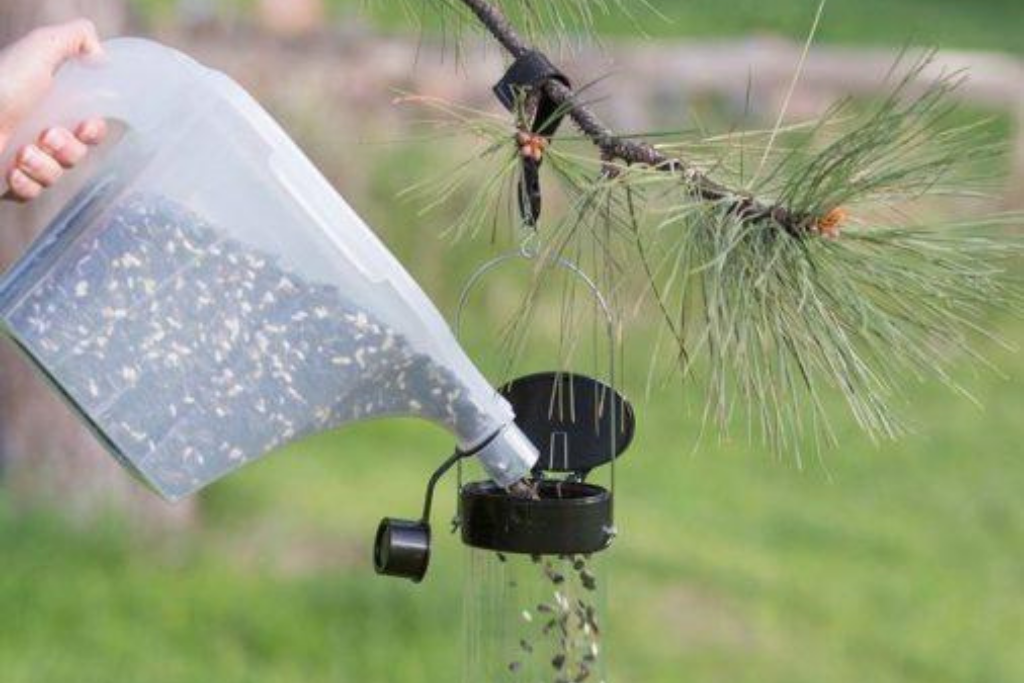
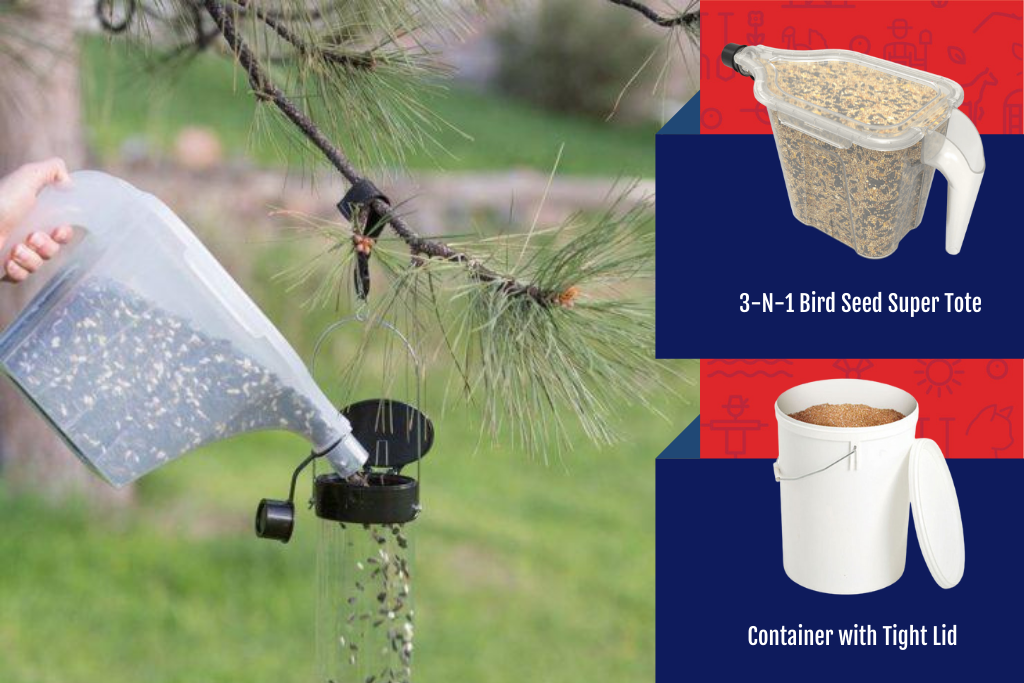
- Remove unused bird seed from its original packaging and place in an airtight plastic container or bin with a secure lid.
- Store in a cool, dry area away from harmful chemicals and pesticides.
- Label the type of bird seed and date of purchase.
- Use your oldest seed first and buy in moderation, enough for use up to a month.
- Check for signs of damage or other indications of spoilage before using.
- Filling feeders for only a few days’ worth of seed at a time, ensures less spoilage due to wet weather conditions.
- Clean feeders regularly to ensure a healthy and safe environment for birds to feed.


