Care

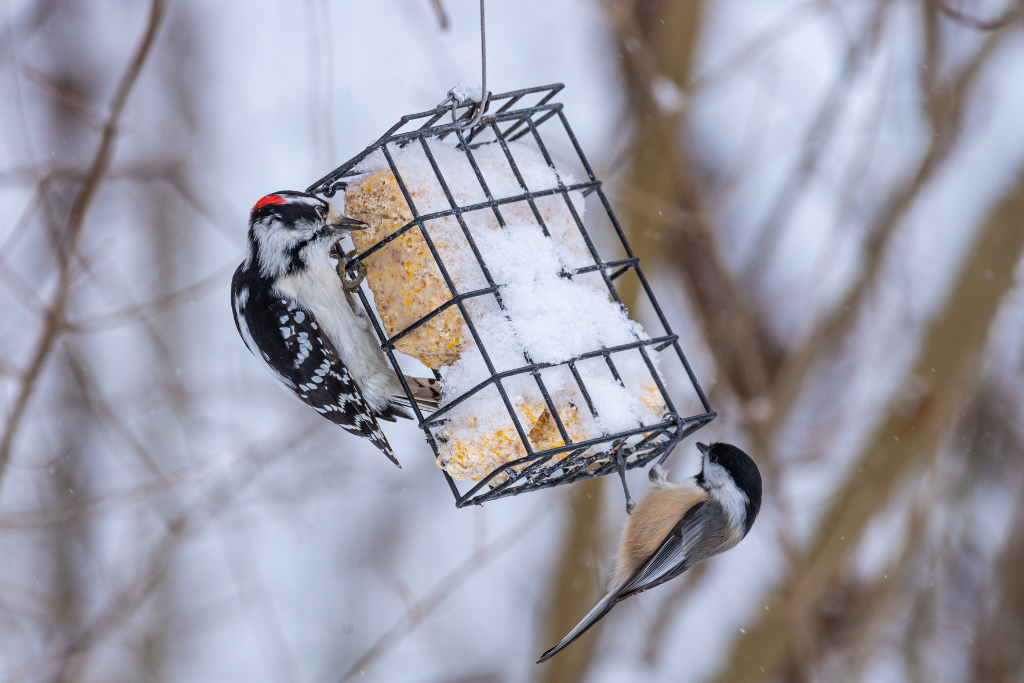
In the Maritimes, winter can mean freeze-thaw cycles, coastal winds, nor’easters, and icy conditions which make natural food scarce for birds. Responsible feeding helps local species like Black-capped Chickadees, Blue Jays, Red-breasted Nuthatches, and Downy Woodpeckers stay healthy through the season.
Support local birds this winter. Shop wild bird feed, suet, and heated bird baths at Feeds’n Needs across the Maritimes.

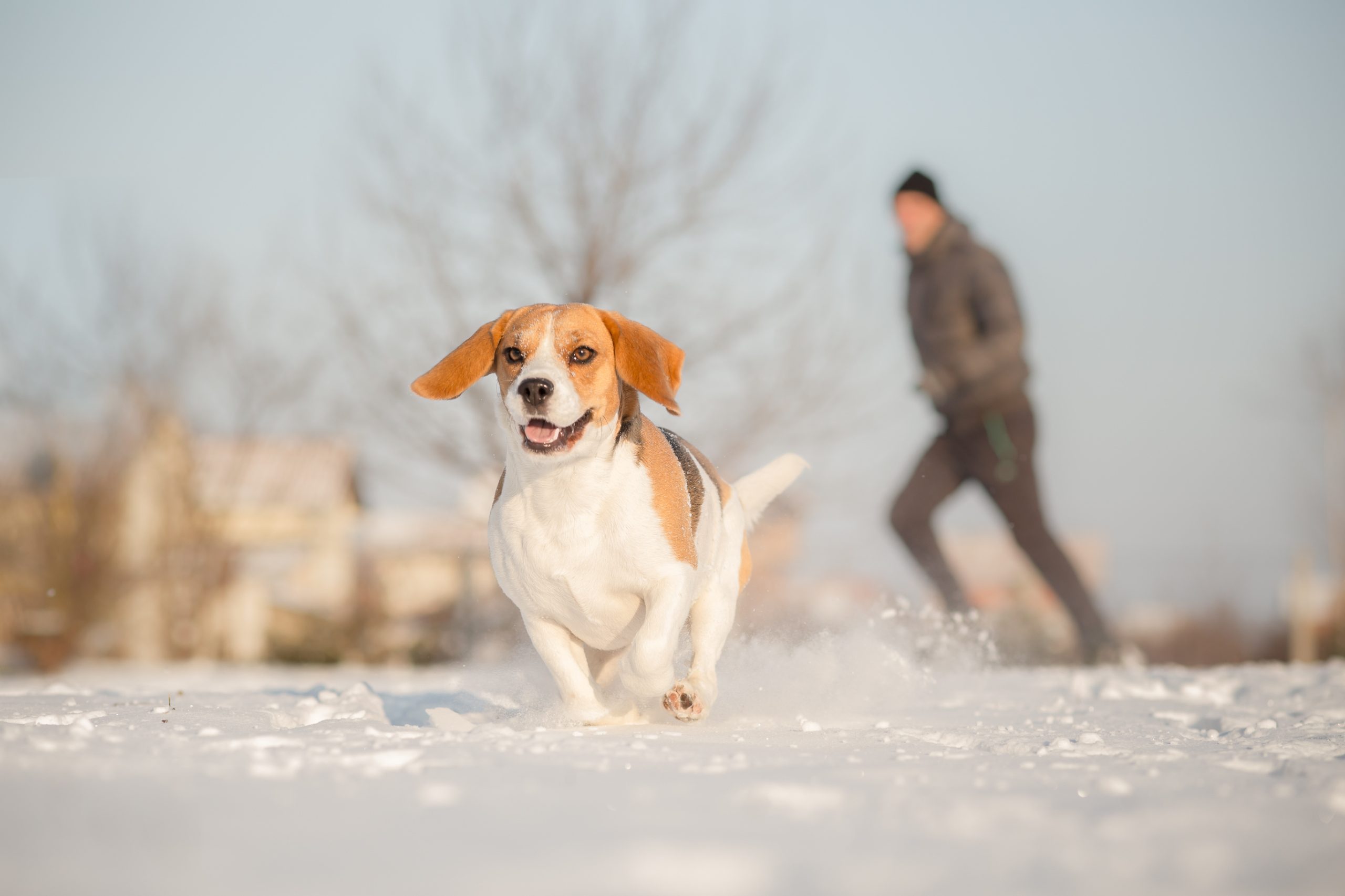
Winter has arrived, and while we’re cozy under blankets and sipping warm drinks, our dogs feel the chill too. Winter isn’t just about keeping them ...
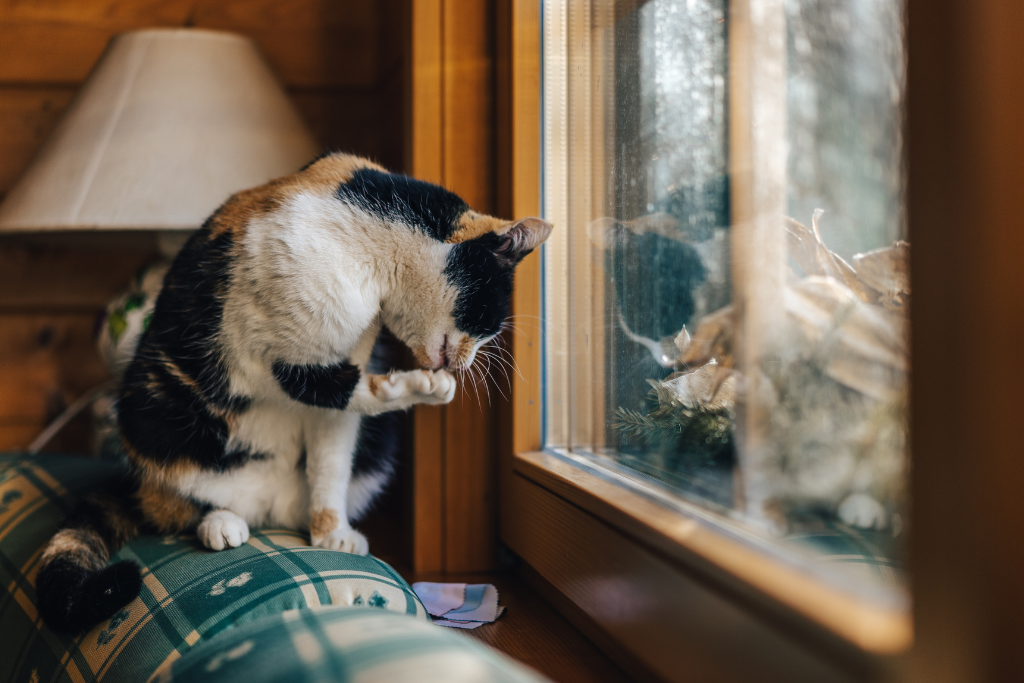
Short daylight, icy sidewalks, and stormy stretches can reduce outdoor time. Enrichment keeps pets mentally engaged, reduces anxiety, and prevents boredom behaviors (chewing, vocalizing, scratching). Dogs: ...
Why Myth-Busting Matters In the Maritimes, winter can mean freeze-thaw cycles, coastal winds, nor’easters, and icy conditions which make natural food scarce for birds. Responsible feeding ...
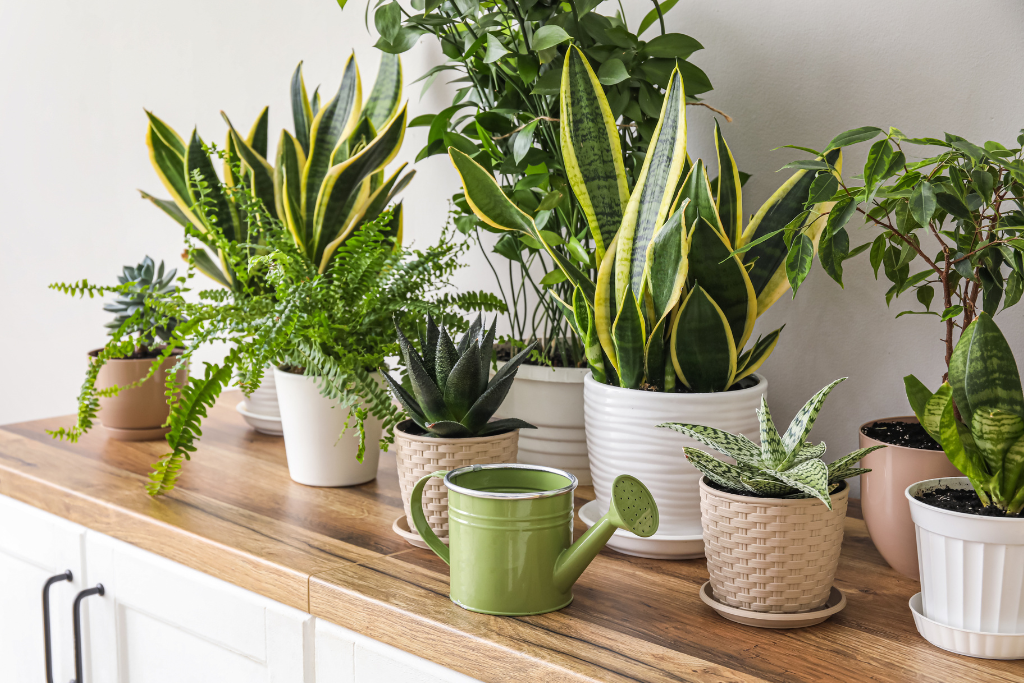
Winter Challenges in Maritime Homes Dry indoor air from baseboard or wood heat, short daylight, and drafts from coastal winds can stress plants. These simple habits ...
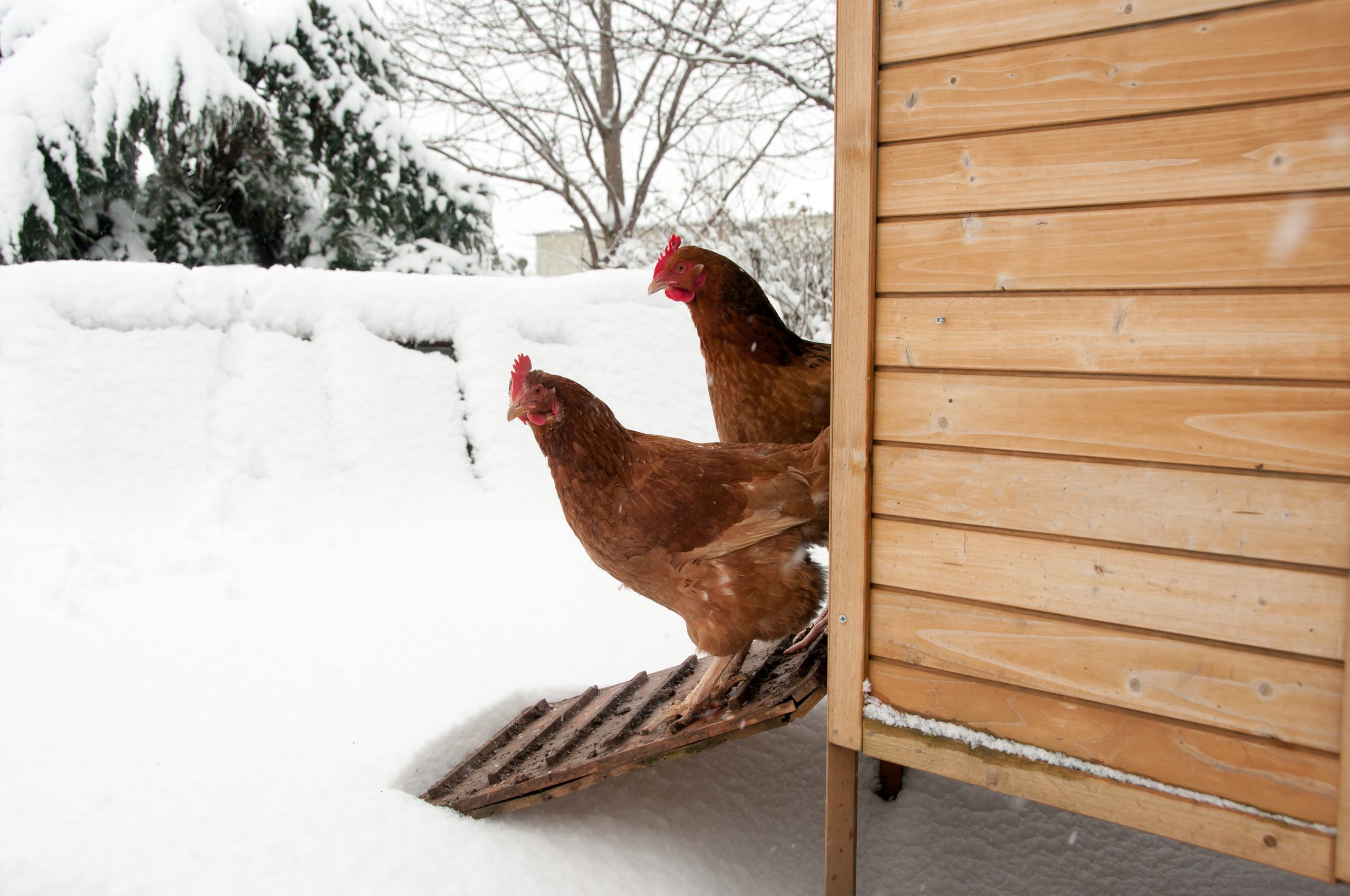
Cold weather can be tough on backyard flocks, and frostbite is one of the most common winter challenges for chicken owners. Understanding what frostbite is, ...
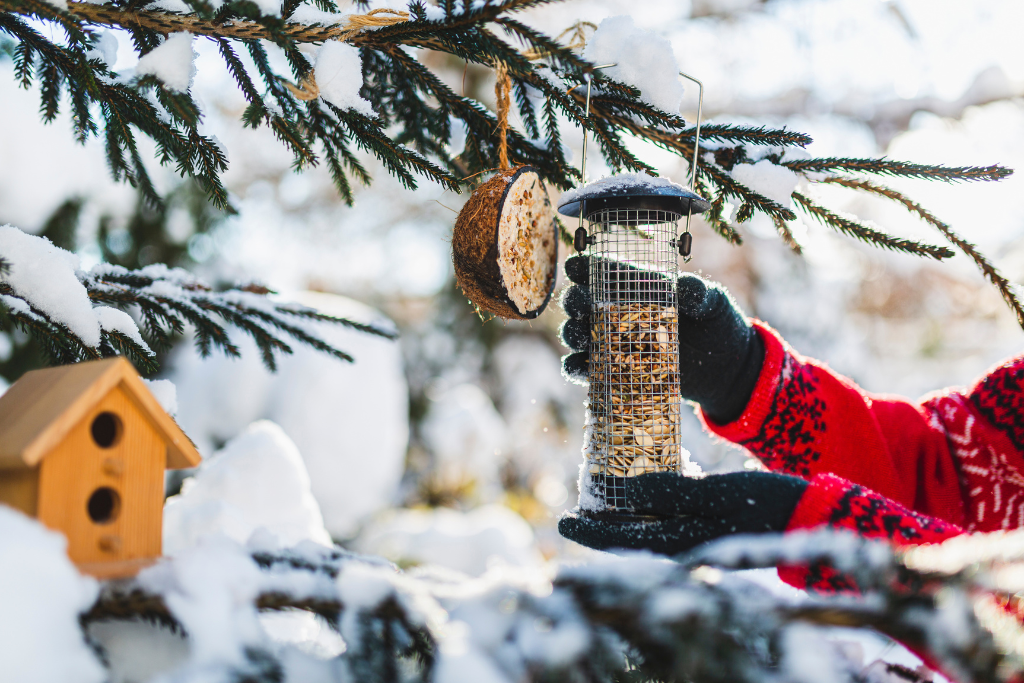
As winter settles in, the vibrant colors of Blue Jays, Red-Breasted Nuthatches, and Northern Cardinals bring life to an otherwise dull landscape. But with snow ...
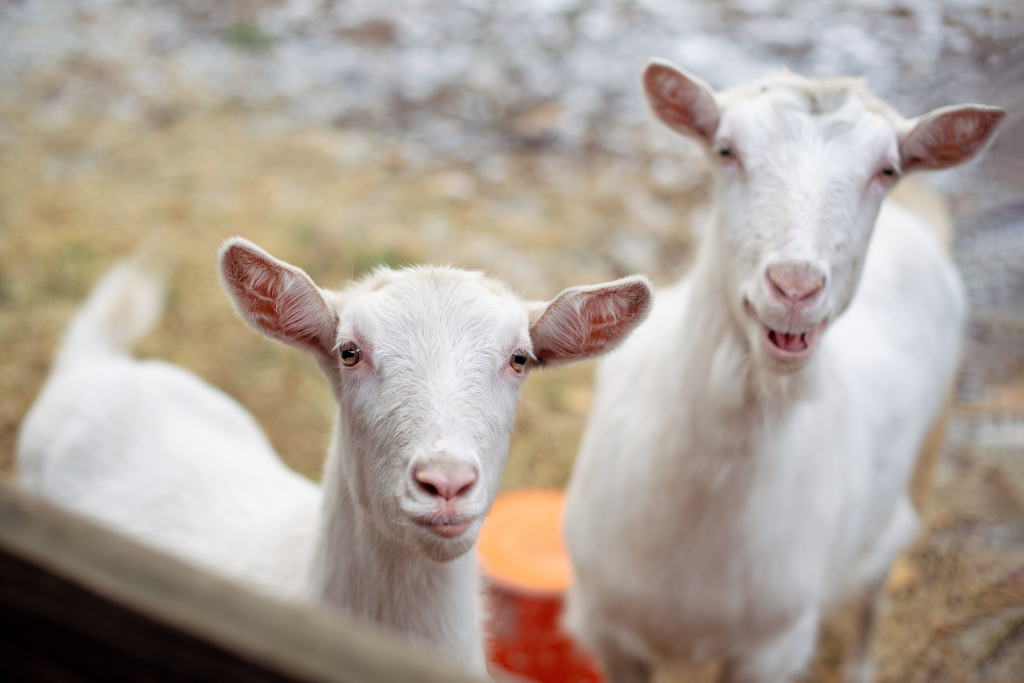
Ensuring the well-being of your goats is a top priority as winter weather approaches. Cold temperatures and harsh conditions bring unique challenges that can impact ...
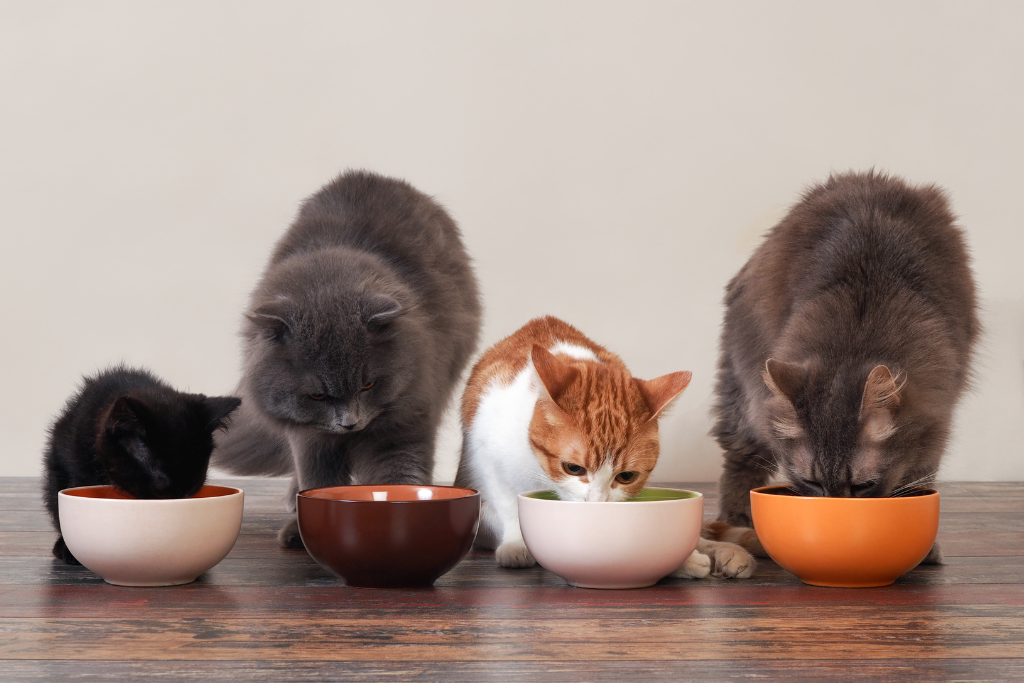
As your kitten grows, their nutritional needs change. Knowing when and how to transition to adult cat food is essential for their health and development. Can ...

As the days grow shorter and the air turns crisp, it’s the perfect time to give your garden a little TLC before winter sets in. ...


