Health

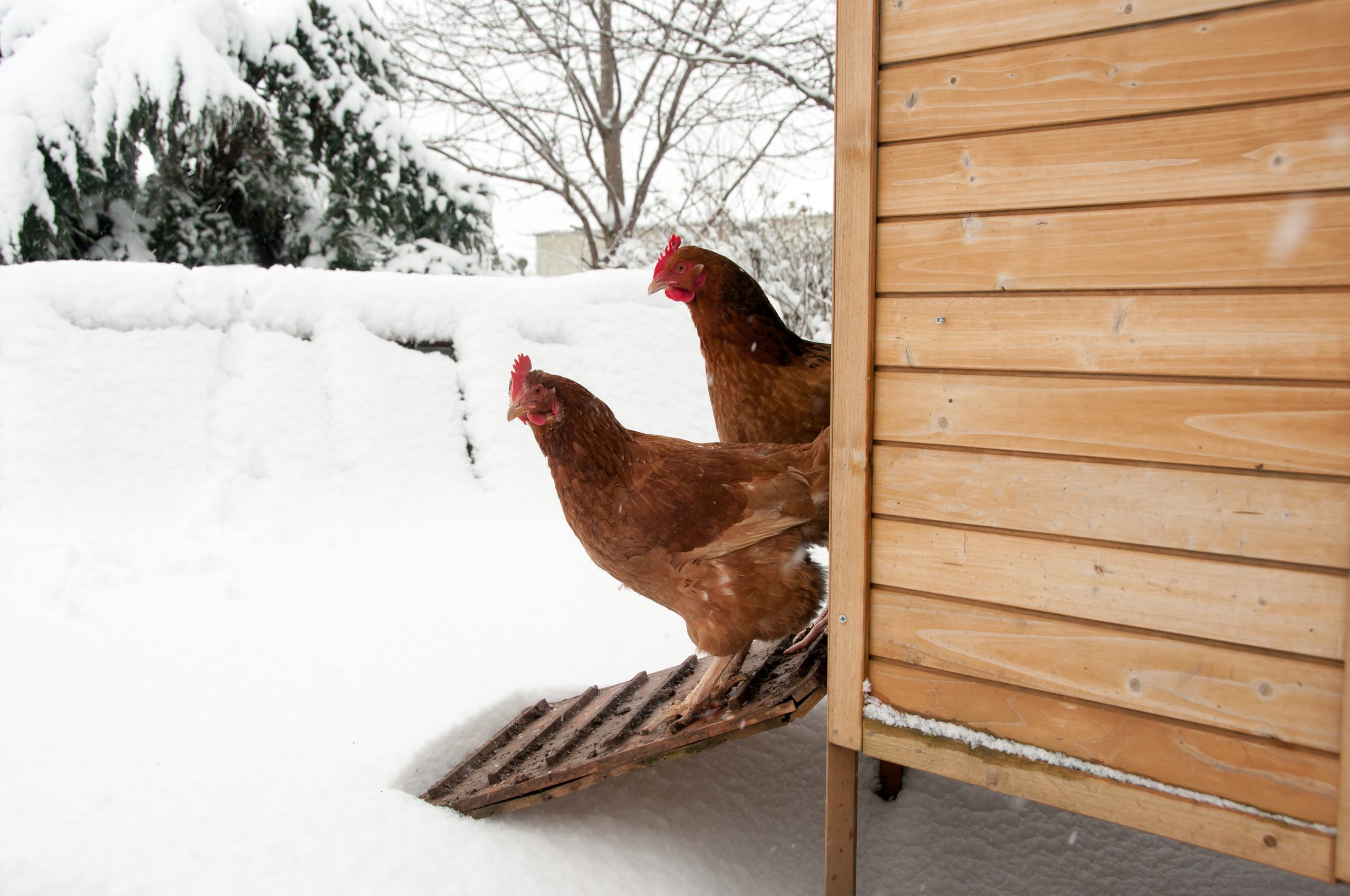
Cold weather can be tough on backyard flocks, and frostbite is one of the most common winter challenges for chicken owners. Understanding what frostbite is, how to recognize it, and how to prevent it can make all the difference in keeping your birds healthy and comfortable.
What Is Frostbite in Chickens?
Frostbite occurs when skin and underlying tissues freeze, typically affecting a chicken’s comb, wattles, and sometimes feet. Because these areas have small surface areas, frostbite can set in quickly—especially during extreme cold or wind chills. Early detection and treatment are key to preventing long-term damage.
Signs of Frostbite
Watch for these symptoms:
Chickens are good at hiding discomfort, so knowing their normal behavior helps you spot problems early.
What to Do If Frostbite Occurs
If you notice frostbite:
What Temperature Puts Chickens at Risk?
When temps drop below 32°F (0°C)—especially with wind chill—frostbite becomes a real threat. Roosters and breeds with large combs are most vulnerable. Daily checks and proper shelter are essential.
7 Tips to Prevent Frostbite
Can Chickens Recover From Frostbite?
Recovery takes time—often 4–6 weeks. Dead tissue will slough off naturally, leaving healthy tissue behind. The biggest risk is infection, so monitor closely and consult a vet if needed.
With proper care—dry bedding, good ventilation, and a few preventive measures—you can keep your flock safe and healthy all winter long. Here’s to happy hens and a frostbite-free season!

Winter has arrived, and while we’re cozy under blankets and sipping warm drinks, our dogs feel the chill too. Winter isn’t just about keeping them ...
Short daylight, icy sidewalks, and stormy stretches can reduce outdoor time. Enrichment keeps pets mentally engaged, reduces anxiety, and prevents boredom behaviors (chewing, vocalizing, scratching). Dogs: ...
Cold weather can be tough on backyard flocks, and frostbite is one of the most common winter challenges for chicken owners. Understanding what frostbite is, ...
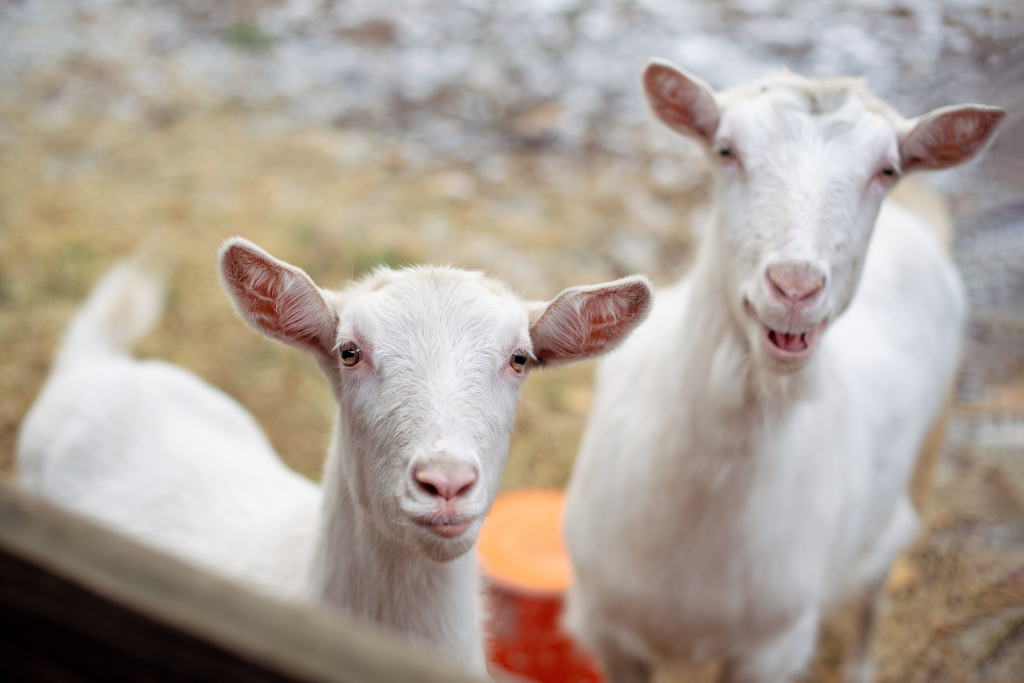
Ensuring the well-being of your goats is a top priority as winter weather approaches. Cold temperatures and harsh conditions bring unique challenges that can impact ...

Staying hydrated is just as important for cats as it is for us. Water supports digestion, circulation, temperature regulation, and overall health. Unlike what many ...
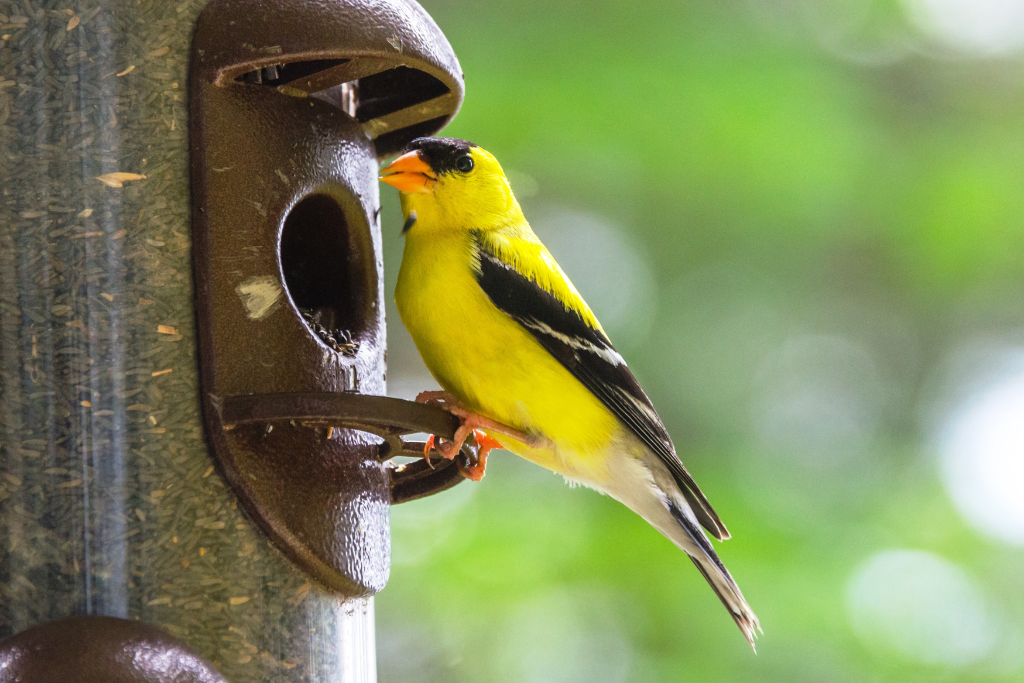
August is one of the most rewarding months for backyard birding. From the lively chatter of finches to the quick, darting visits of hummingbirds, you ...

Warm weather means more time outdoors, but while we enjoy the sunshine, it’s important to remember our pets need protection from harmful UV rays too. ...

Summer is a beautiful time to enjoy the outdoors with your horse. But as temperatures climb, so does the risk of heat-related illness. Just like ...

Fleas are more than just a nuisance — they can cause serious health problems for your pets and infest your home before you even know ...


