
Care
Maritime Winter Lawn Care
10 October 2026 +Dormant grass is alive — the crowns and roots remain viable under snow and frozen soil Most winter lawn damage in the Maritimes is caused by ...

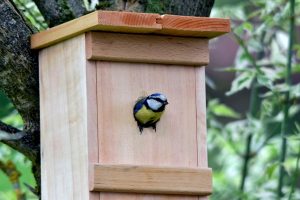
Nesting Boxes: Prep Your Backyard for Spring Birds!
As winter fades and the first signs of spring begin to appear, birds across your neighbourhood are searching for safe, cozy places to raise their young. Adding nesting boxes to your backyard is one of the easiest and most rewarding ways to support local bird populations while enjoying a little more feathered charm right outside your window. Here’s how to get your backyard spring‑ready for nesting season!
Why Nesting Boxes Matter
Natural tree cavities are becoming harder for birds to find, especially in urban and suburban areas. Nesting boxes provide:
From chickadees to bluebirds, many species rely on human‑made nest boxes as part of their spring routine.
Choose the Right Nesting Box
Not all birds use the same type of nest box. Before buying or installing one, consider:
Hole Size
Different birds need different entrance sizes:
Matching the size helps attract the right species and keep unwanted visitors out.
Material
Look for untreated wood (pine, cedar, spruce). Avoid plastic or thin materials, which can trap heat and moisture.
Ventilation & Drainage
Quality nesting boxes include vents at the top and drainage at the bottom to keep chicks dry and comfortable.
Where to Place Your Nesting Box
Placement matters! For best success:
If you’re installing multiple boxes for species like bluebirds or tree swallows, consider placing them in pairs or clusters to reduce territorial disputes.
Clean & Prep Before Spring
Before birds begin searching for homes (usually late February into March), take a few minutes to:
A clean, sturdy box increases your chances of hosting a successful brood.
Help Make Nesting Season a Success
Little touches can make your yard even more inviting:
A supportive environment encourages birds to stay and return year after year.
Enjoy a Spring Full of Song
Setting up nesting boxes is a simple, affordable way to enjoy more bird activity this spring while supporting local wildlife. With the right placement, maintenance, and materials, your backyard could become a safe nursery for some of your favourite feathered friends.

Dormant grass is alive — the crowns and roots remain viable under snow and frozen soil Most winter lawn damage in the Maritimes is caused by ...
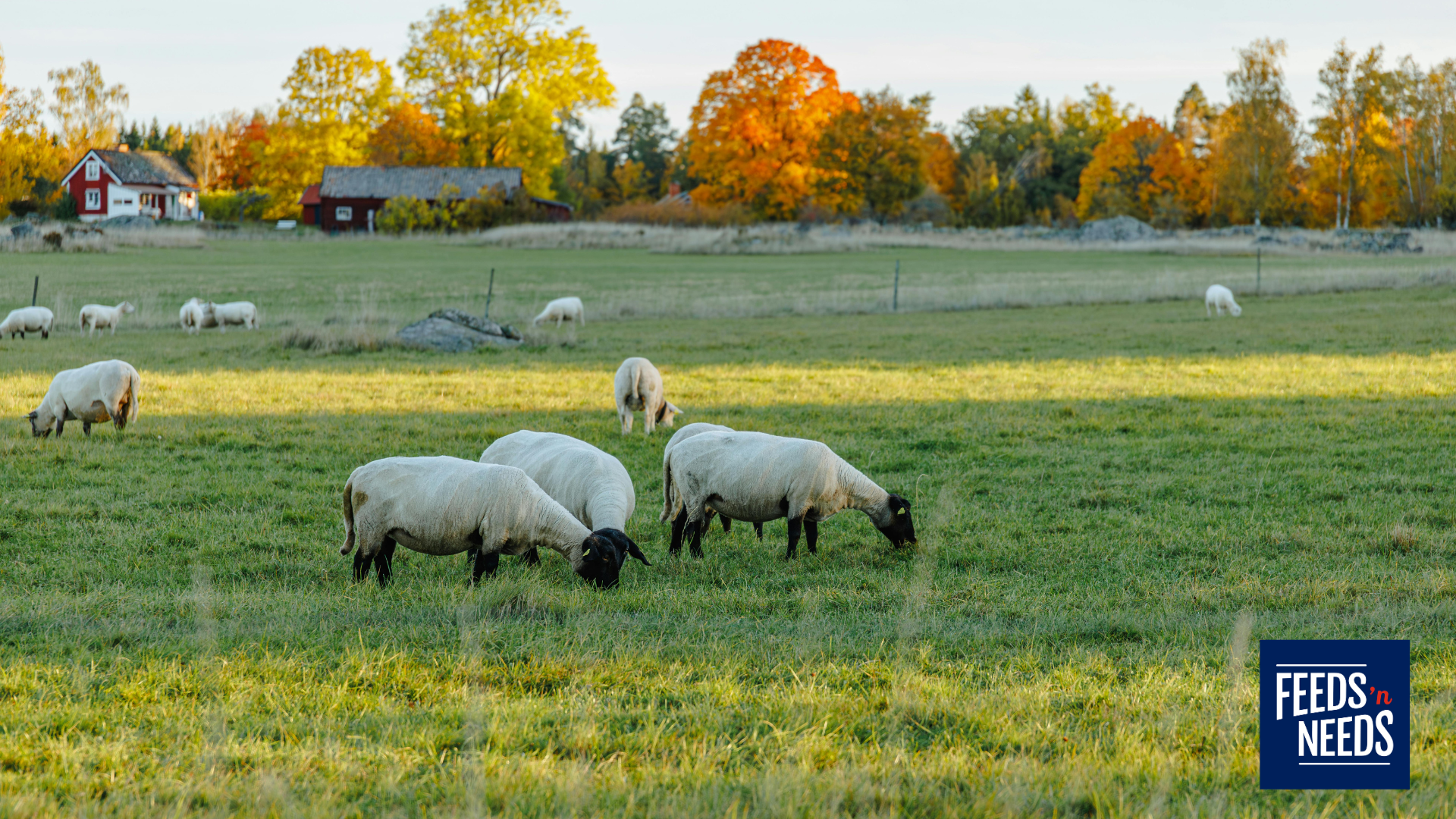
Pastured cattle may encounter gastrointestinal roundworms, lungworms, lice, grubs and other internal or external parasites. Calves and yearlings are often more vulnerable than mature cattle ...

Pick manure from smaller paddocks, dry lots and high-traffic areas regularly. Pay particular attention to: Hay-feeding areas Gates and laneways Shelters Water sources Small sacrifice paddocks Winter turnout areas Feeds’n Needs carries ...
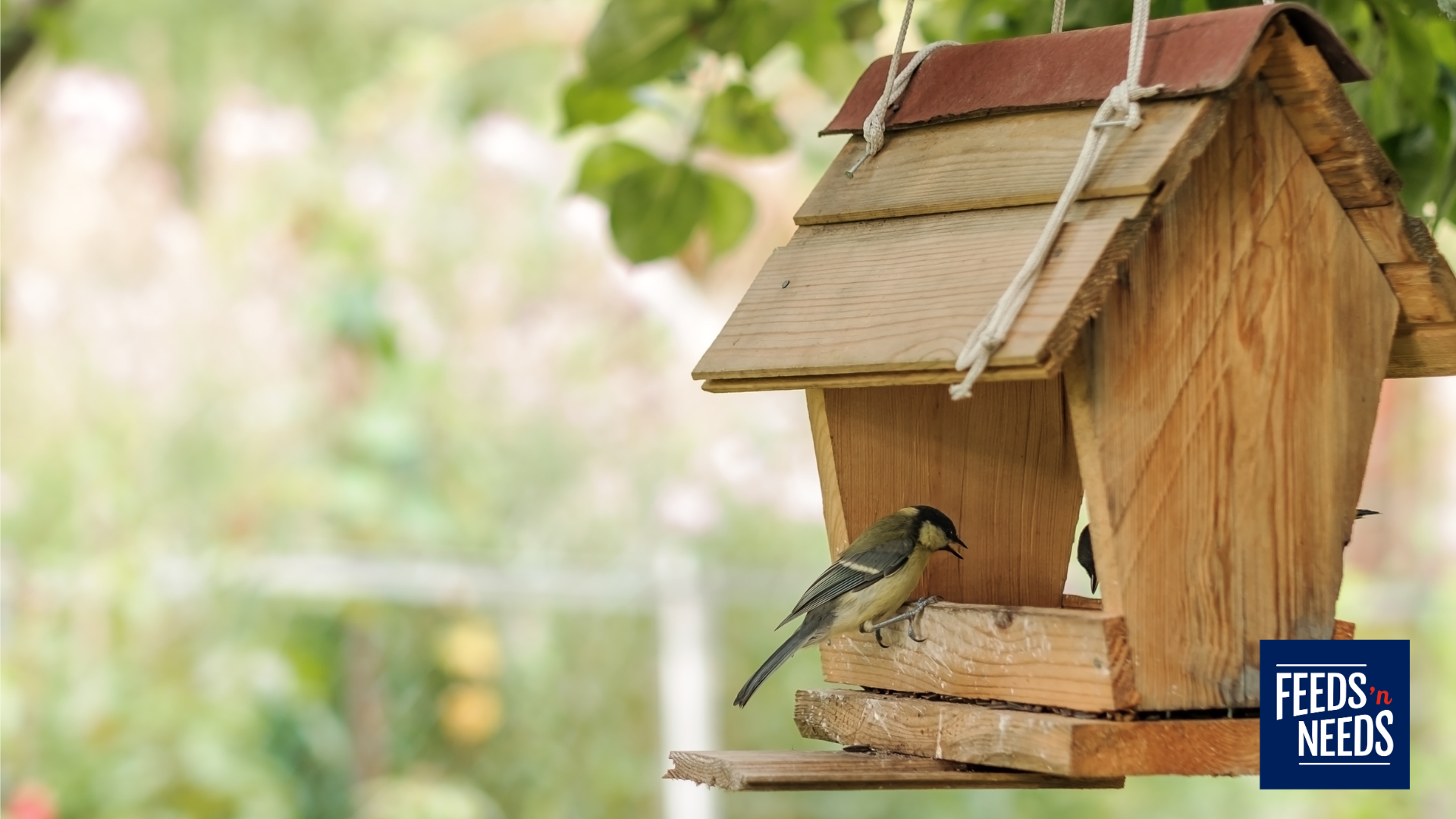
Black oil sunflower seed is one of the best all-around options for feeding backyard birds in Atlantic Canada. Its thin shell is easy for smaller ...

Fall is the single best time of year to overseed, aerate, fertilize, and lime Maritime lawns Cool-season grasses grow actively in fall — take advantage of ...
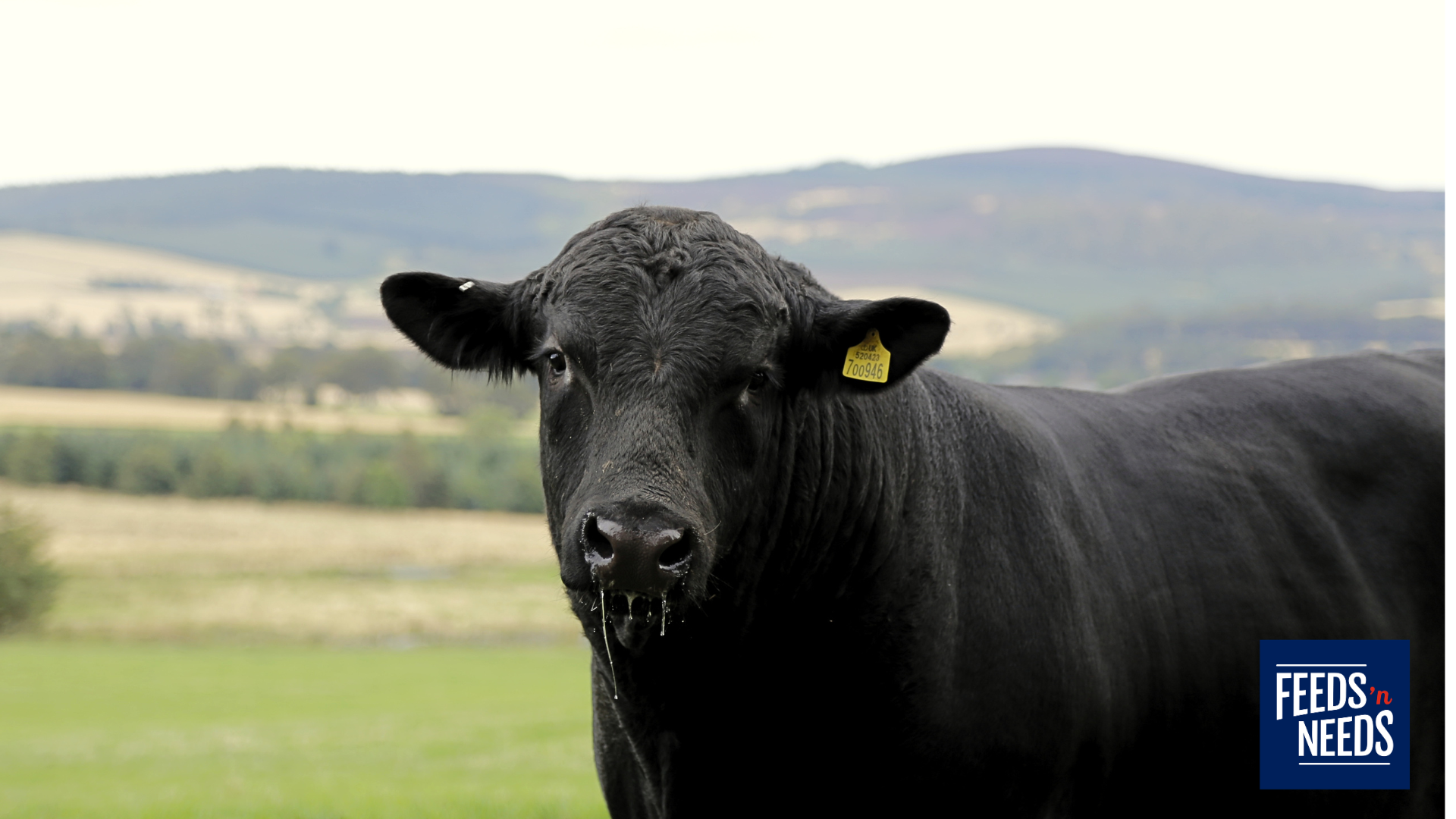
Walk the entire pasture boundary before turnout and check for: Broken or leaning posts Loose wire Damaged insulators Weak corners Low electric-fence voltage Vegetation grounding the fence Gates that sag or fail ...
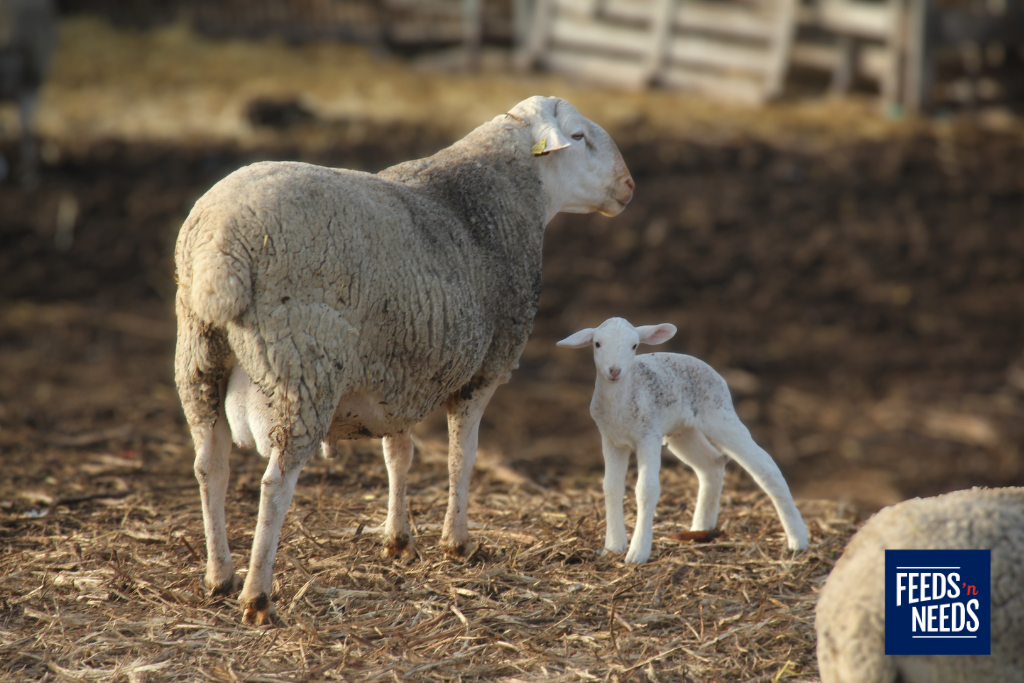
Cattle grazing wooded fence lines or rough pasture Goats that browse brush and shrubs Sheep in long pasture or bushy paddocks Outdoor pigs rooting in wooded or grassy ...

Light daily watering encourages shallow roots. Instead, water deeply and less frequently — this pushes roots deeper into the soil, making your lawn more drought-resilient. Best ...
After a long Maritime winter, it’s normal for your lawn to look rough. Snow mold, salt damage, ice, matted grass, bare spots, and compacted soil ...


