
Advice
Winter Paw Care for Dogs in Atlantic Canada
22 October 2026 +Check them after every outing. Rinse after contact with salt, ice melt or dirty slush, then dry thoroughly between the toes. Can paw balm replace dog ...


If you’re a gardener who saves seeds or buys in bulk, proper storage is key to keeping them viable for future planting seasons. Seeds are living organisms, and how you store them determines how long they’ll last.
Why Storage Matters:
Humidity and heat are the biggest enemies of seed longevity. Moisture causes seeds to deteriorate quickly, and high temperatures speed up aging. Ideally, seeds should have a moisture content of no more than 10–12% and be stored in a cool, dry environment.
Pro Tip: The sum of temperature (°F) plus relative humidity (%) should never exceed 100. For example, if your storage area is 50°F, humidity should stay below 50%.
Best Practices for Seed Storage
How Long do Seeds Last?
Most vegetable seeds remain viable for 2–3 years, but some last much longer. For example, lettuce can sprout after five years, while onion seeds typically last only one year.
Here’s a quick reference guide for average storage life under proper conditions:

Testing Seed Viability
Not sure if your old seeds are still good? Try a simple germination test:
Interpreting Results:
(You can plant the sprouted seeds from your test—just cut the towel around each seed and plant it paper and all.)

Check them after every outing. Rinse after contact with salt, ice melt or dirty slush, then dry thoroughly between the toes. Can paw balm replace dog ...
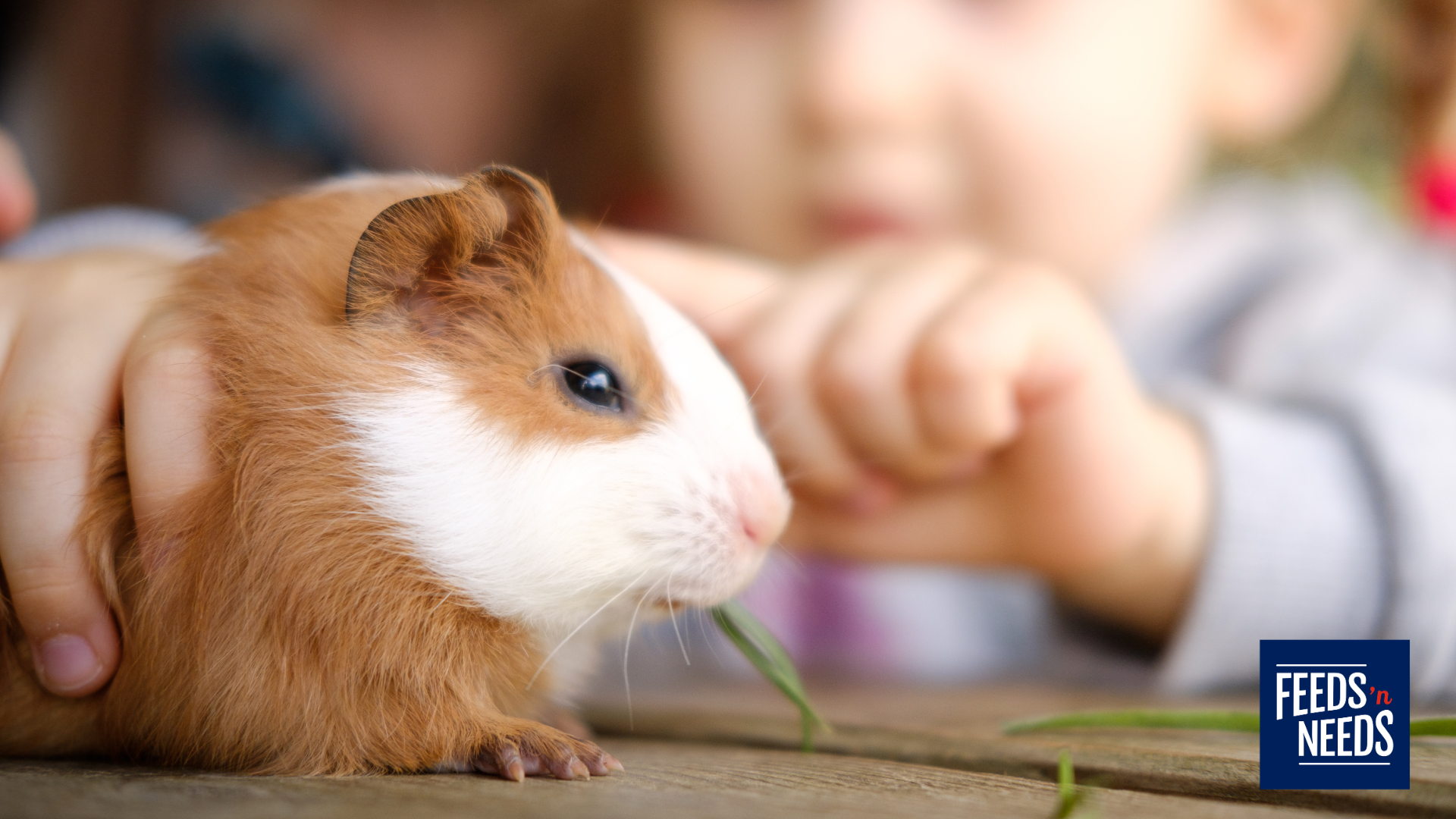
Timothy hay is a widely used grass hay with a balance of fibre, leaves and stems. Its texture encourages chewing and foraging, making it a ...
Dormant grass is alive — the crowns and roots remain viable under snow and frozen soil Most winter lawn damage in the Maritimes is caused by ...
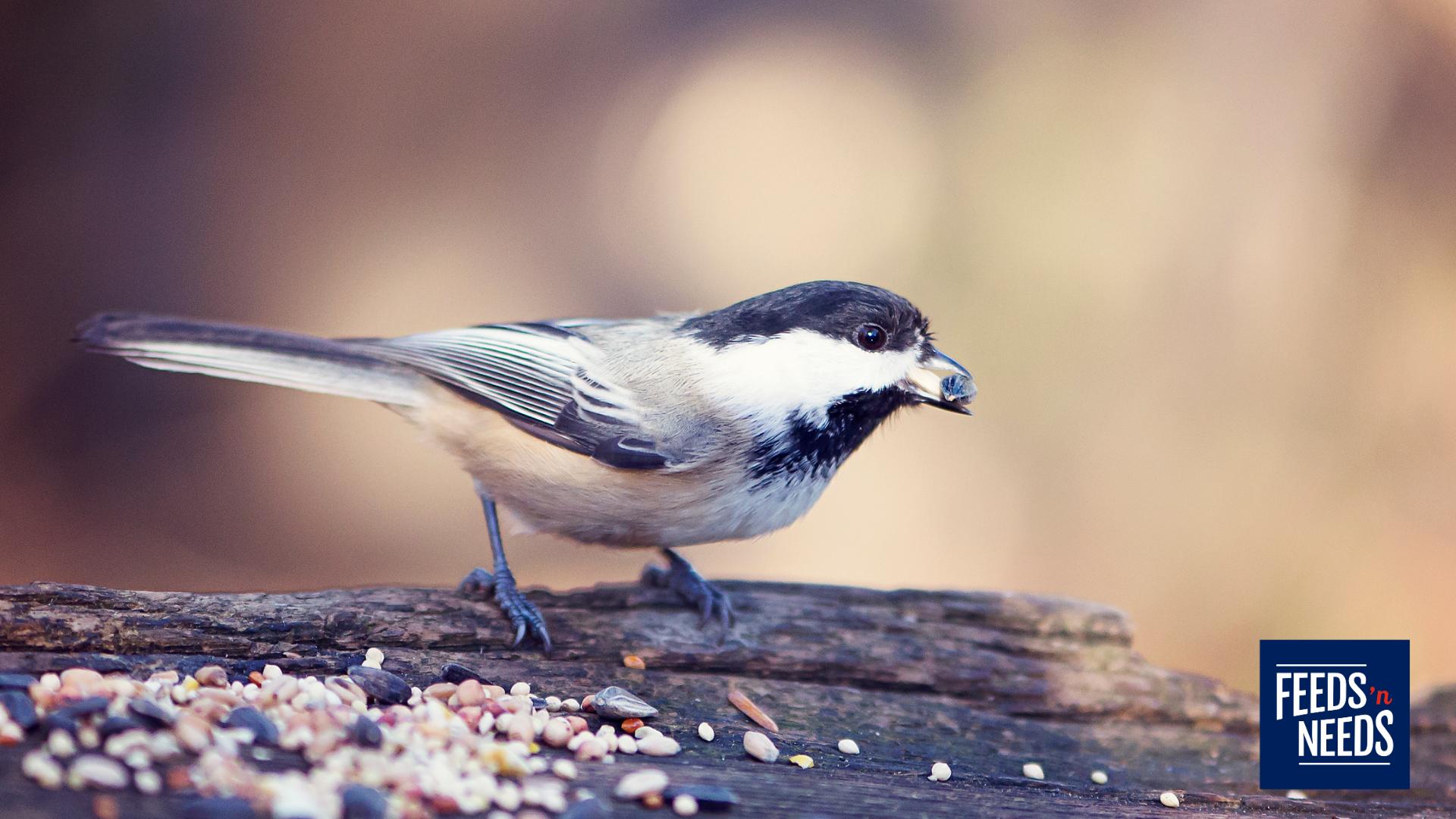
Black oil sunflower seed works well in: Tube feeders Hopper feeders Platform feeders Covered tray feeders Squirrel-resistant feeders Choose a feeder with drainage and enough protection to keep seed as dry ...
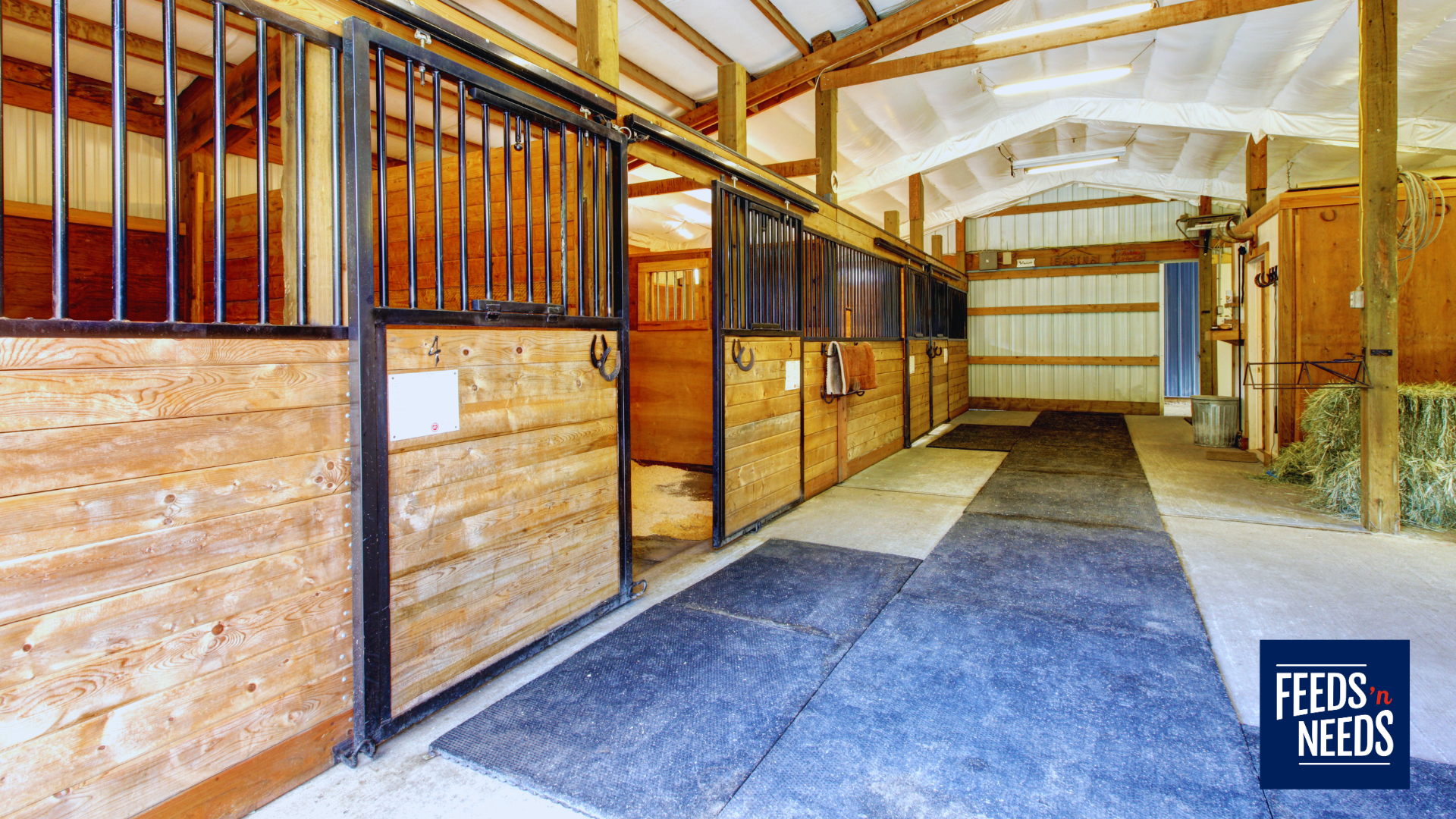
Whenever possible, store grain, pellets, supplements, pet food and birdseed in durable containers with tight-fitting lids. Metal containers are often the most resistant to chewing. Keep ...
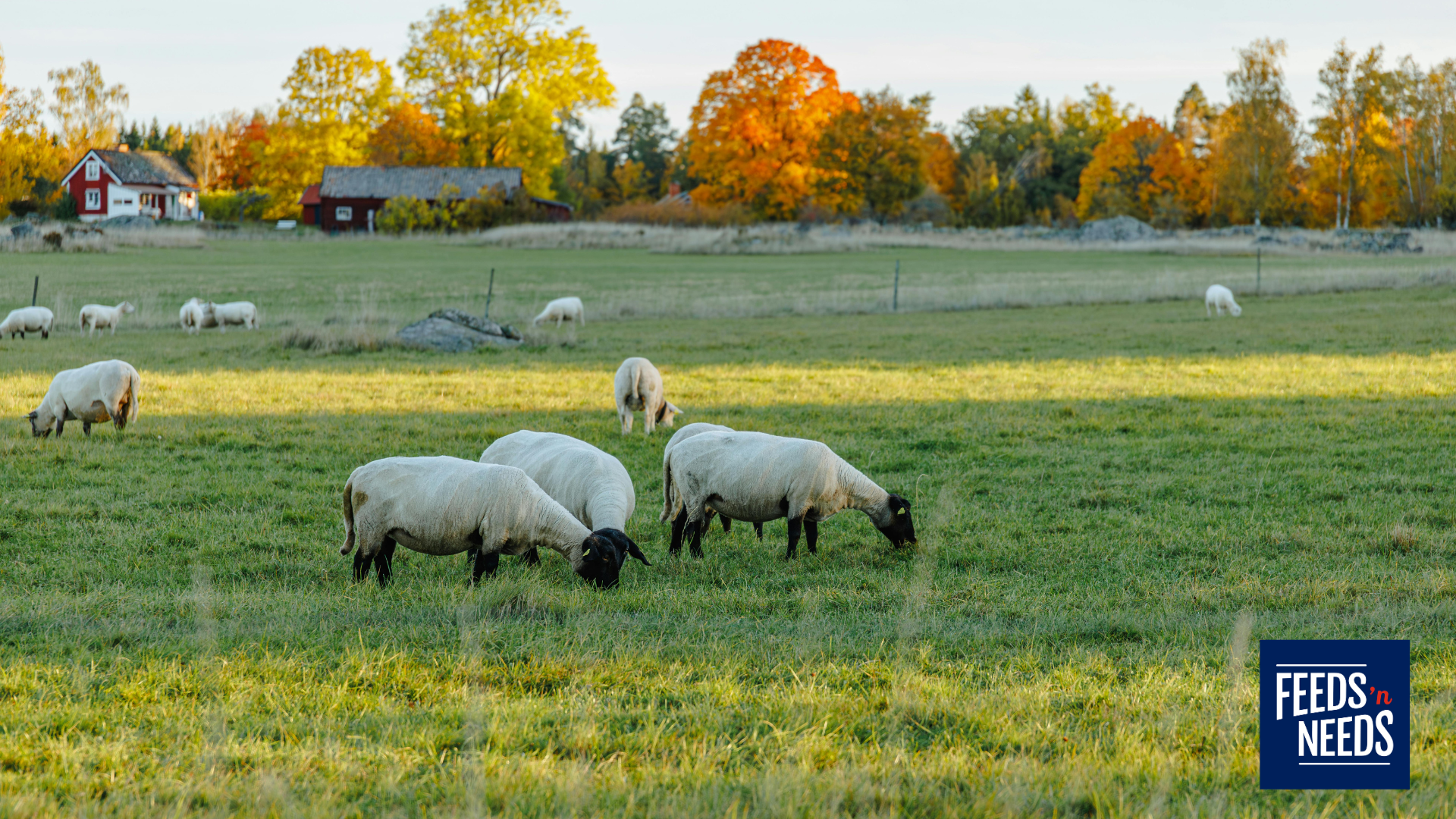
Pastured cattle may encounter gastrointestinal roundworms, lungworms, lice, grubs and other internal or external parasites. Calves and yearlings are often more vulnerable than mature cattle ...
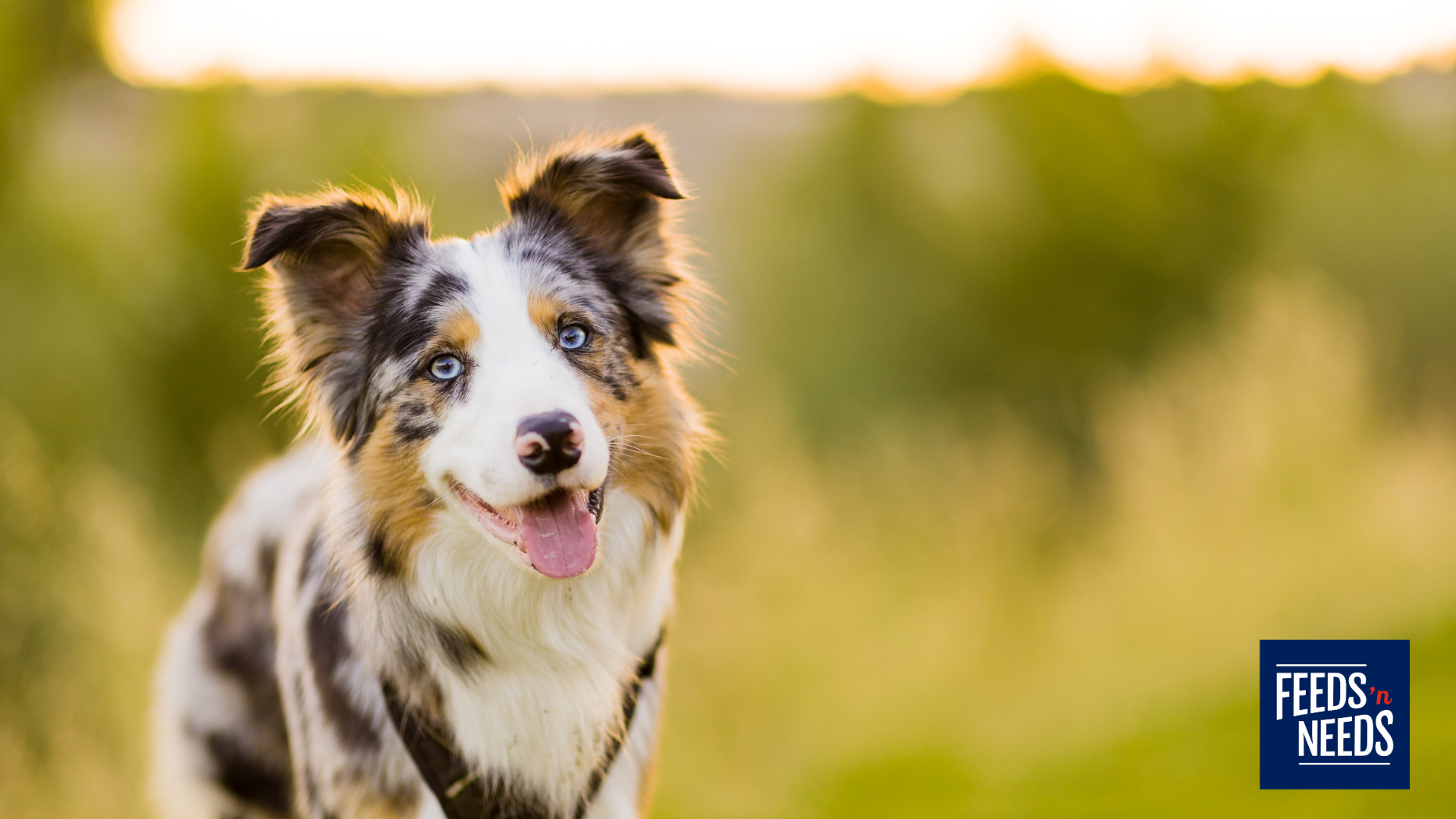
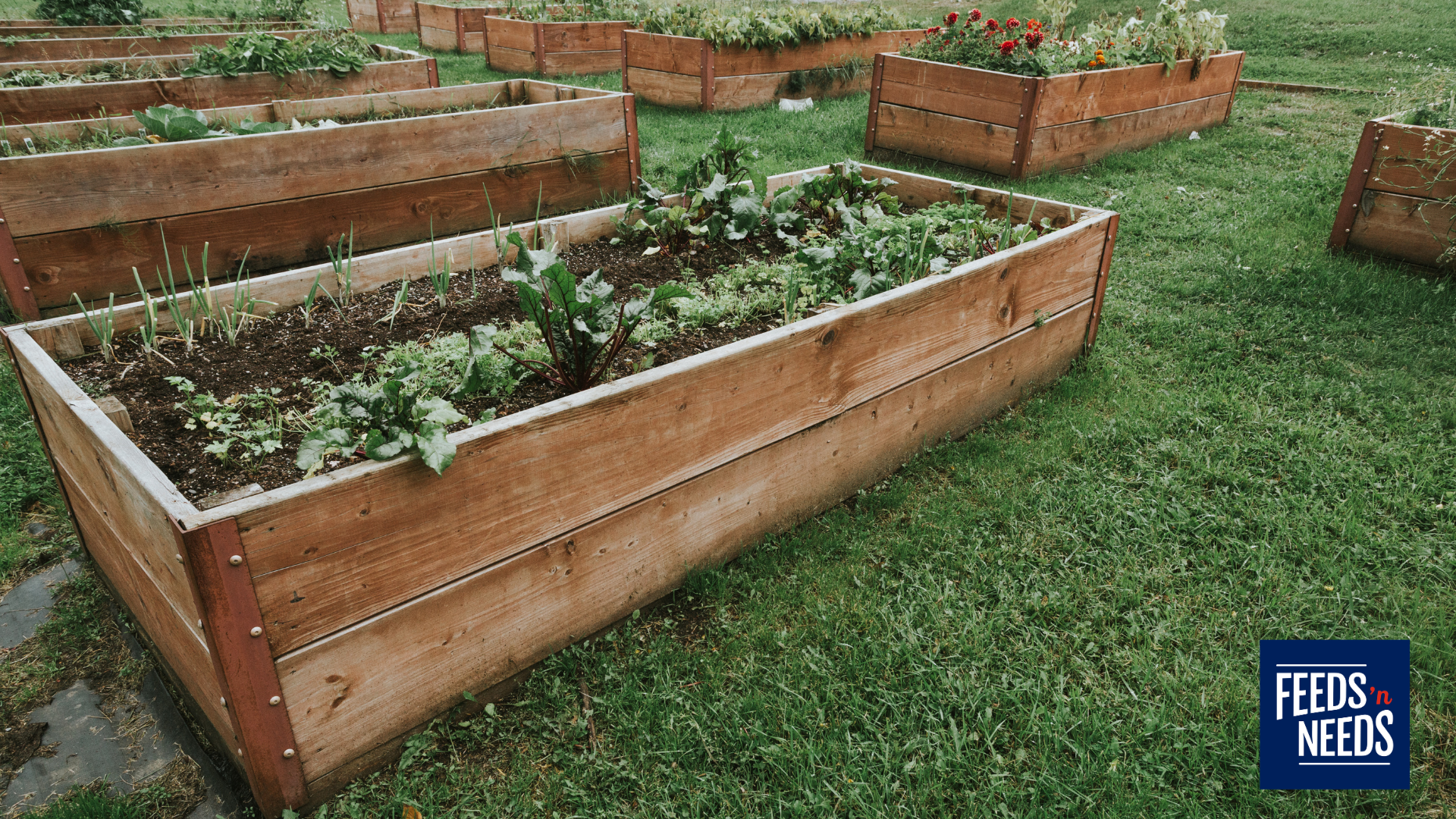
Healthy plant material can generally be added to a properly managed compost pile. Diseased or heavily infested plants require more caution. A typical backyard compost pile ...
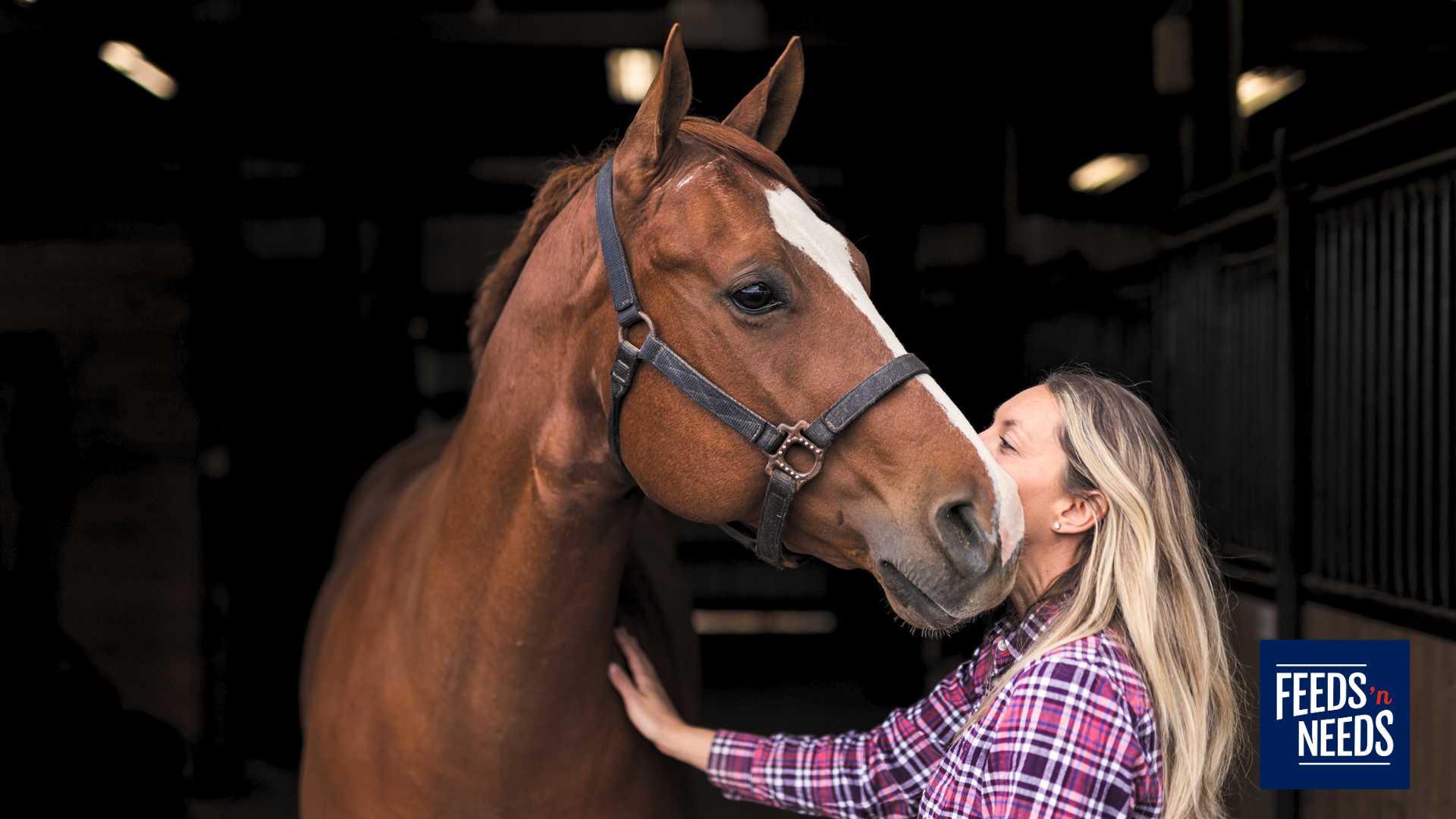
Pick manure from smaller paddocks, dry lots and high-traffic areas regularly. Pay particular attention to: Hay-feeding areas Gates and laneways Shelters Water sources Small sacrifice paddocks Winter turnout areas Feeds’n Needs carries ...
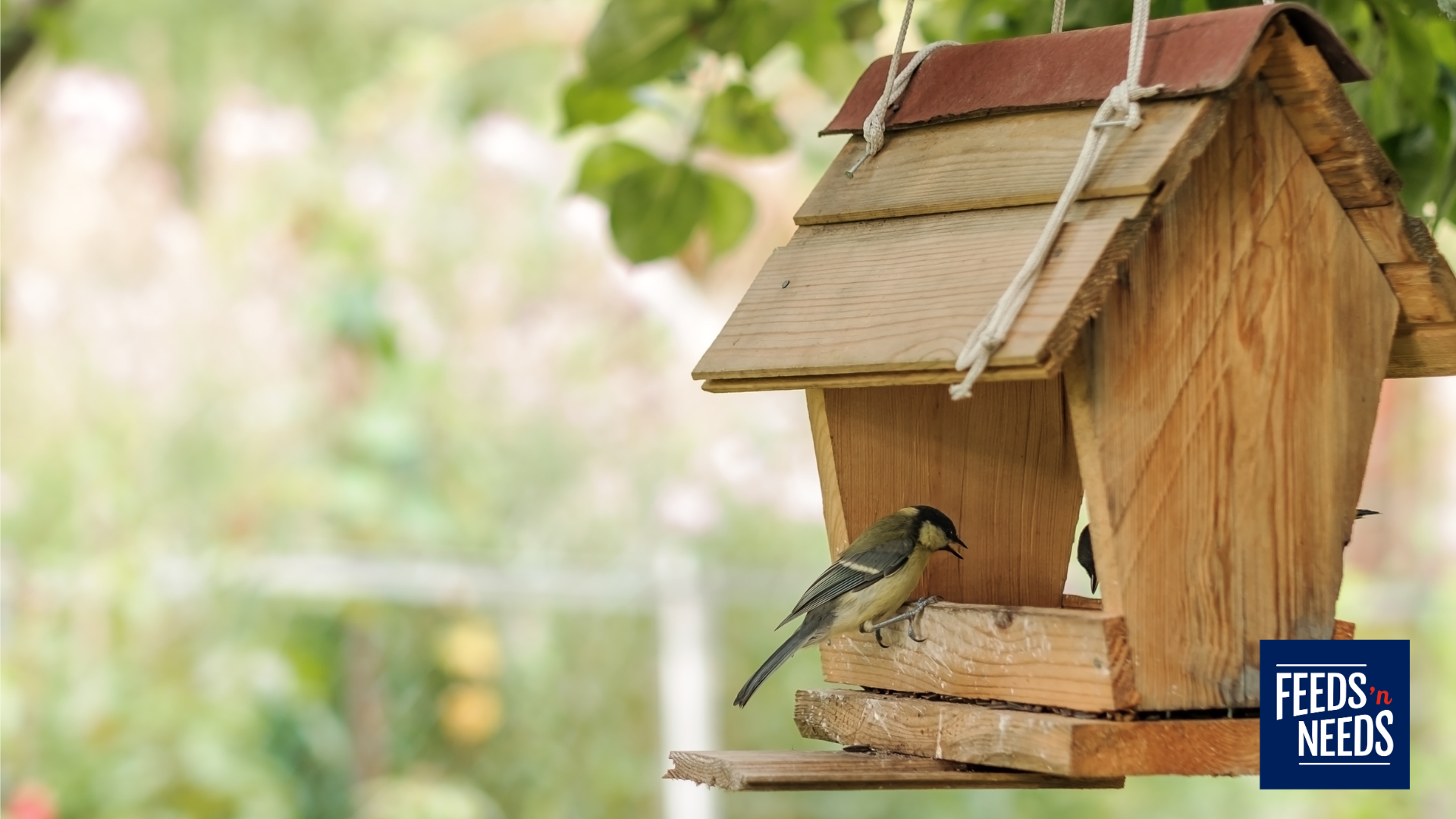
Black oil sunflower seed is one of the best all-around options for feeding backyard birds in Atlantic Canada. Its thin shell is easy for smaller ...


