Advice
Your Garden’s Spring Kick-Start Guide
2 April 2026 +As the ground thaws and the days get longer, spring becomes the season gardeners wait for all year. Whether you’re a seasoned grower or just ...


If you’re a gardener who saves seeds or buys in bulk, proper storage is key to keeping them viable for future planting seasons. Seeds are living organisms, and how you store them determines how long they’ll last.
Why Storage Matters:
Humidity and heat are the biggest enemies of seed longevity. Moisture causes seeds to deteriorate quickly, and high temperatures speed up aging. Ideally, seeds should have a moisture content of no more than 10–12% and be stored in a cool, dry environment.
Pro Tip: The sum of temperature (°F) plus relative humidity (%) should never exceed 100. For example, if your storage area is 50°F, humidity should stay below 50%.
Best Practices for Seed Storage
How Long do Seeds Last?
Most vegetable seeds remain viable for 2–3 years, but some last much longer. For example, lettuce can sprout after five years, while onion seeds typically last only one year.
Here’s a quick reference guide for average storage life under proper conditions:

Testing Seed Viability
Not sure if your old seeds are still good? Try a simple germination test:
Interpreting Results:
(You can plant the sprouted seeds from your test—just cut the towel around each seed and plant it paper and all.)

As the ground thaws and the days get longer, spring becomes the season gardeners wait for all year. Whether you’re a seasoned grower or just ...
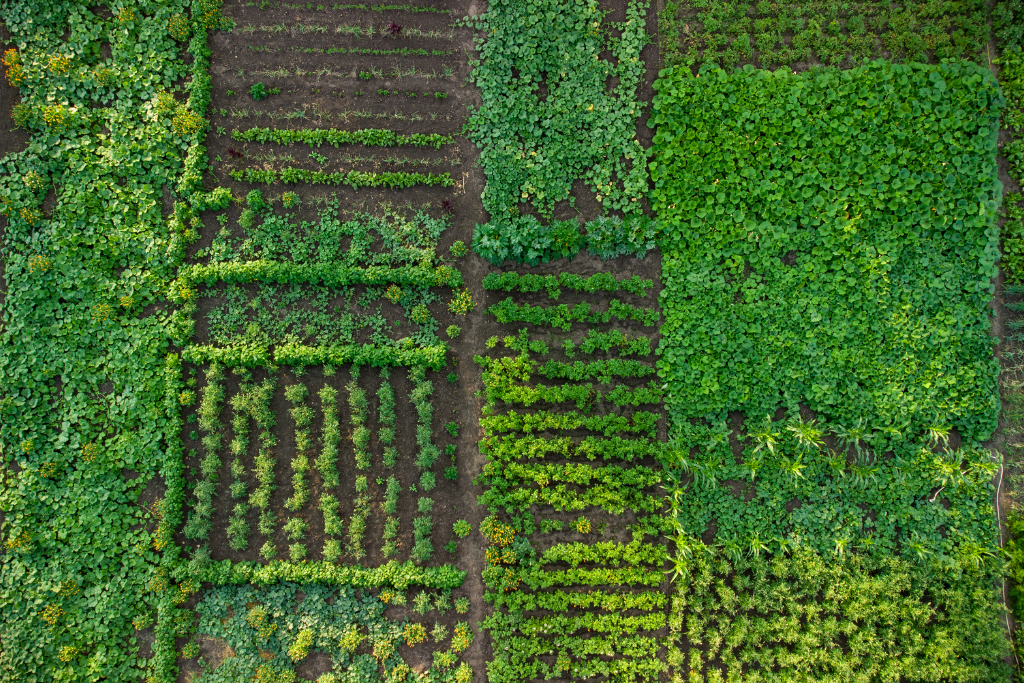
Planning your garden layout is one of the most exciting steps in kicking off a new growing season. Whether you’re a first‑time gardener or expanding ...
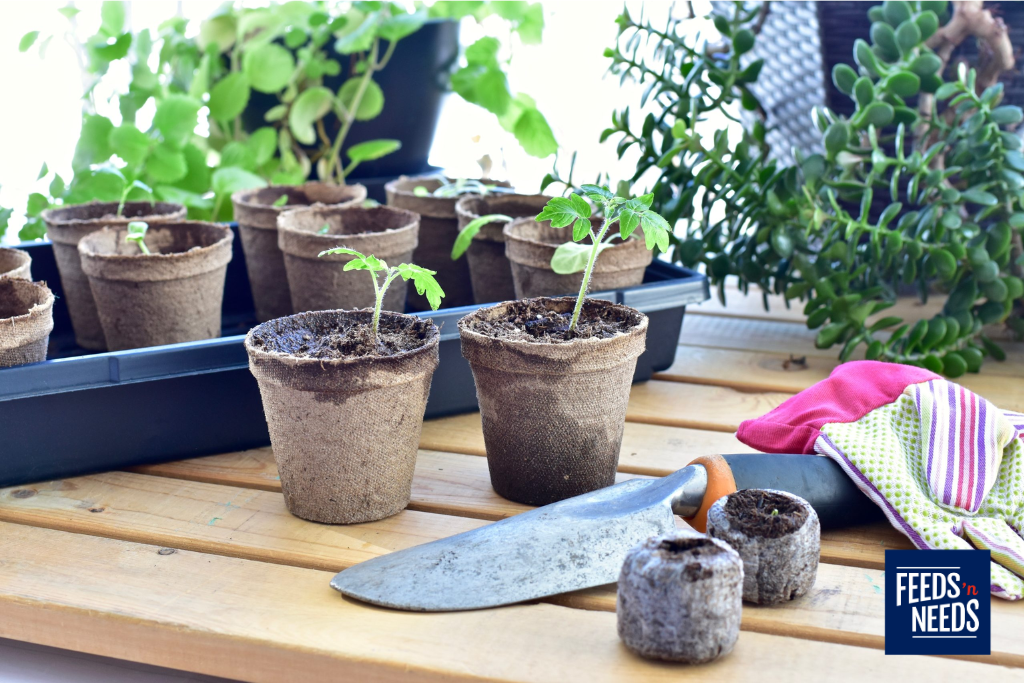
Spring is the perfect time to get a jump on your garden by starting seeds indoors—especially in Atlantic Canada, where our last frost typically lands ...

Winter has arrived, and while we’re cozy under blankets and sipping warm drinks, our dogs feel the chill too. Winter isn’t just about keeping them ...


As winter fades and riding season approaches, giving your horse track a thorough clean‑up is one of the best ways to set the stage for ...
If your pet could write their own grocery list, there’s a good chance “more raw food, please!” would be at the top. Raw diets have ...

Winter has arrived, and while we’re cozy under blankets and sipping warm drinks, our dogs feel the chill too. Winter isn’t just about keeping them ...
Short daylight, icy sidewalks, and stormy stretches can reduce outdoor time. Enrichment keeps pets mentally engaged, reduces anxiety, and prevents boredom behaviors (chewing, vocalizing, scratching). Dogs: ...


