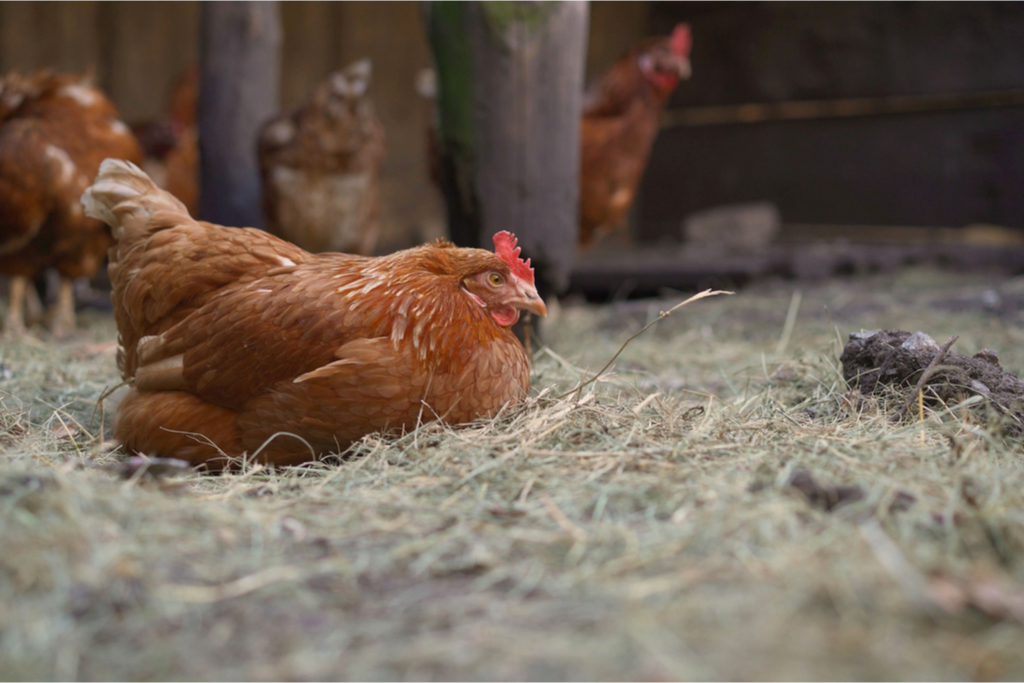
When it comes to providing your livestock with bedding, making sure it’s clean, absorbent and comfortable is a must. There are several options for materials that you can use to place under your animals in their enclosure to ensure overall well-being. Organic materials are usually best, as they contain lower levels of bacteria counts, resulting in better air quality and less discomfort (and will consequently result in less sores and other harmful ailments). While the type of flooring, animal breed and population density of animals in the enclosure matter when choosing the right bedding, here are a few good organic options to consider when making an informed decision for your furry friends.
Vegetable Litter for bedding
Plant litter is arguable the least harmful option for the environment, as it’s ecological and biodegradable and can be a great solution for your poultry flock! It’s mainly composed of natural elements, like wood chips, hay or pellets and is mainly used for animal enclosures.
Ripe wood
If you opt for a wood-based litter, it’s recommended to use soft wood that’s specially treated for composting purposes if you want better absorption quality. Like wood shavings, which are both absorbent and comfortable for farm animals. An interesting aspect of plant litter is that it doesn’t produce much dust, which benefits the respiratory health of the animals.
Hay and straw
Hay or straw are also materials used to create bedding for farm animals. Hay is cut and dried legumes and or grasses and is commonly used for feed, but lower qualities of hay are great for bedding purposes. Ensuring the quality of the hay is not palatable so animals don’t consume it.
If you’re considering using hay or straw, it’s important to know that there’s a bit more upkeep required due to the lower levels of absorbency than some other litter options. Another thing to consider is to ensure the quality of the hay or straw is older and dry when you are spreading it, as old hay may give off dust, resulting in potential respiratory damage in animals. When they have a high level of humidity, the risk of mold increases which rapidly grows bacteria that can be harmful to your animals.
Peat moss
Within the vegetable little category, you can also find peat moss as an option. This type of litter is becoming increasingly popular, as it tends to be more absorbent than wood or hay and it helps eliminate the amount of flies in facilities. Peat moss has a controlled PH, which helps to reduce odors and the amount of ammonia in the litter. This bedding has even been known to help improve areas of animal health, including udders, legs and airways.
Sources:
https://monvet.com/fr/fiche-informative/85/differentes-sortes-de-litieres
https://www.zoomalia.com/blog/article/quelle-litiere-choisir-pour-mon-chat.html
https://fr.wikipedia.org/wiki/Liti%C3%A8re
https://ag.umass.edu/sites/ag.umass.edu/files/fact-sheets/pdf/Bedding%2008-05.pdf
https://www.meunerievicto.com/fr/
https://www.meunerieacadienne.com/quoi-mettre-dans-les-enclos/
How to Properly Store Bird Seed
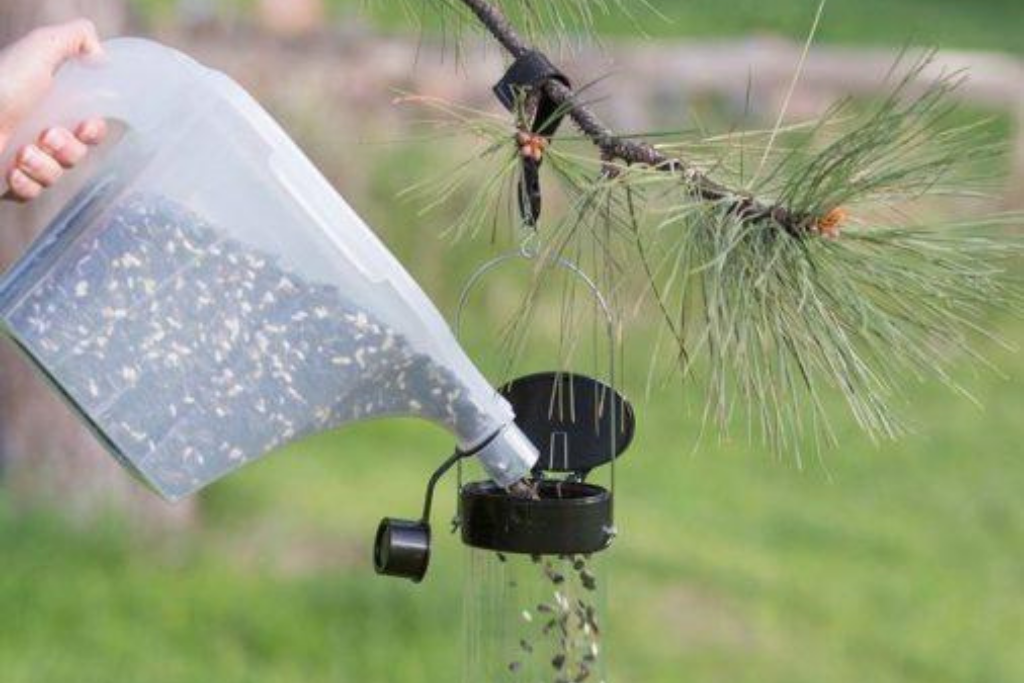
Bird seed can spoil, so it is important to know how to store bird seed properly. Clumps indicate moisture and should not be used. Infestations of rodents or insects, foul-smells, or mold growth are all telltale signs that bird seed has gone bad and should be discarded immediately. Light coloration may indicate old seed or diminished nutrients and it is advisable to replace it.
Knowing how to properly store bird seed can make all the difference in how long it stays fresh. Here are some helpful tips:
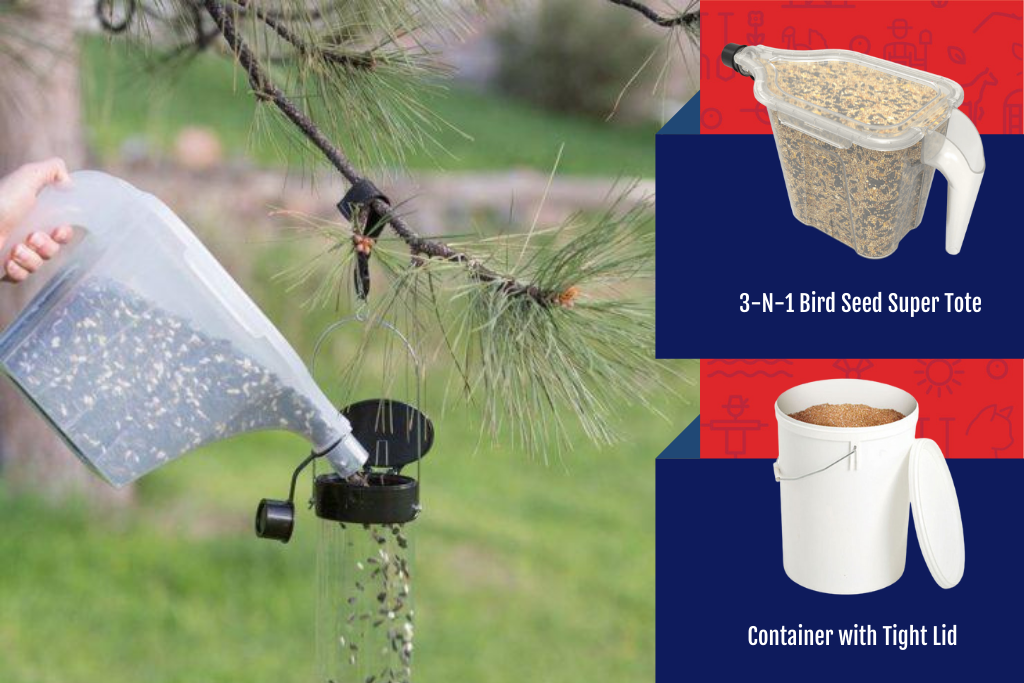
- Remove unused bird seed from its original packaging and place in an airtight plastic container or bin with a secure lid.
- Store in a cool, dry area away from harmful chemicals and pesticides.
- Label the type of bird seed and date of purchase.
- Use your oldest seed first and buy in moderation, enough for use up to a month.
- Check for signs of damage or other indications of spoilage before using.
- Filling feeders for only a few days’ worth of seed at a time, ensures less spoilage due to wet weather conditions.
- Clean feeders regularly to ensure a healthy and safe environment for birds to feed.
How to Help Endangered Bees in Your Garden
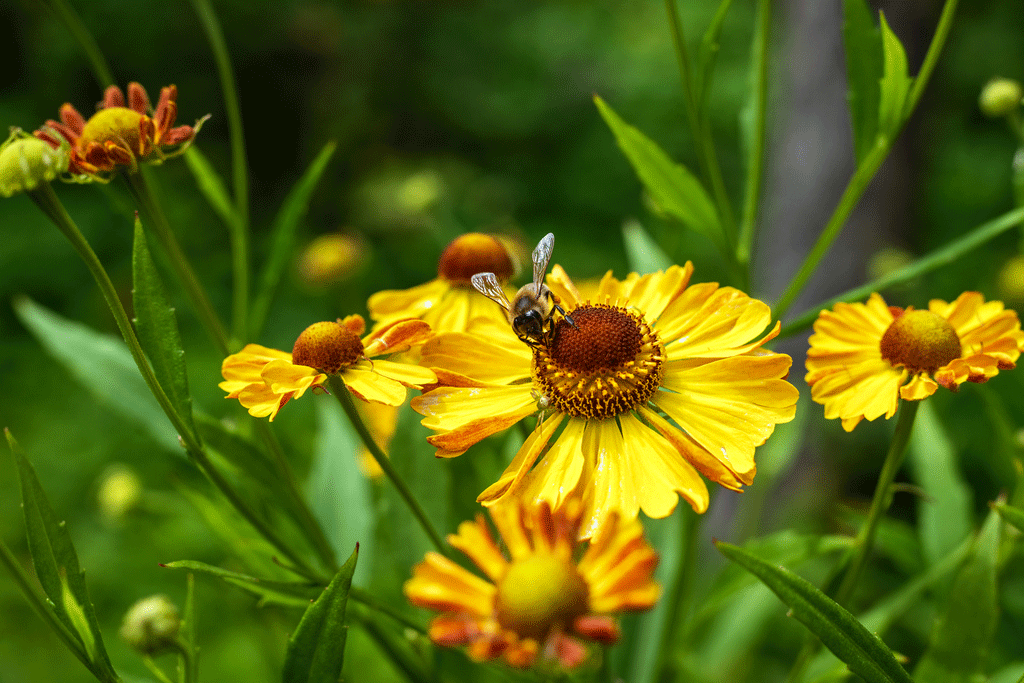
It is a well-known fact that for several years now, bees are in serious danger of extinction. This could have serious consequences for our diet at the planetary level. If you want to help the bees in your garden in your own way, here are a few things you can think about to help #savethebees!
Plant wild flowers and fruit shrubs
Wildflowers are excellent for feeding bees and giving them the nutrients they need to survive. Experts suggest planting varieties that are native to your region. Here are a few examples of helpful wild flowers and shrubs to sow in your garden:
- Lilacs
- Red clovers
- Blueberries
- Poppies
- Blackthorns
- Rosehips
Install a small garden pond nearby
Having a water point not far from the garden will allow bees to hydrate! By drinking the water, the bees dilute the honey that is used to feed the larvae in the hive. If your space is rather limited (if you only have a balcony, for example) you can use small plates, giving the insects an ability to drink water without the risk of drowning.
Planting organic seeds of honey plants
In your garden, try using organic seeds and sowing honey-like plants. These contain high quantities of pollen, nectar, and protein that bees use for pollination. Try to diversity your selection of plants and flowers, so that bees are spoiled for choice when pollinating! Here are some examples of flowers and plants that bees like:
- Rosemary
- Dahlia
- Lavendar
- Cosmos
- Lilies
- Yarrow
Additionally, it’s recommended to keep a space in your garden where you do not mow the lawn too often. A more “wild” type lawn allows flowers to develop and bees to forage at their ease.
Don’t use herbicides or pesticides in your garden
This argument goes without saying if we want to protect the bees. Pesticides and herbicides are very harmful to this species and is often the leading cause of death amongst the bee population. If bees forage on a plant that is covered in pesticides, it won’t survive. There are several more environmentally friendly alternatives when it comes to removing unwanted elements from your garden. Ask us what products we offer in-store to help!
All of these small gestures will allow you to create an environment favorable to pollination and will provide all of the elements necessary for the survival of the bees that you find in your own backyard. Don’t hesitate to inquire with us in-store for more advice on the bees and their well-beeing. See what we did there?
Sources :
https://planetehealthy.com/15-gestes-adopter-sauver-abeilles/
https://www.comment-economiser.fr/8-gestes-simples-et-efficaces-pour-aider-les-abeilles.html
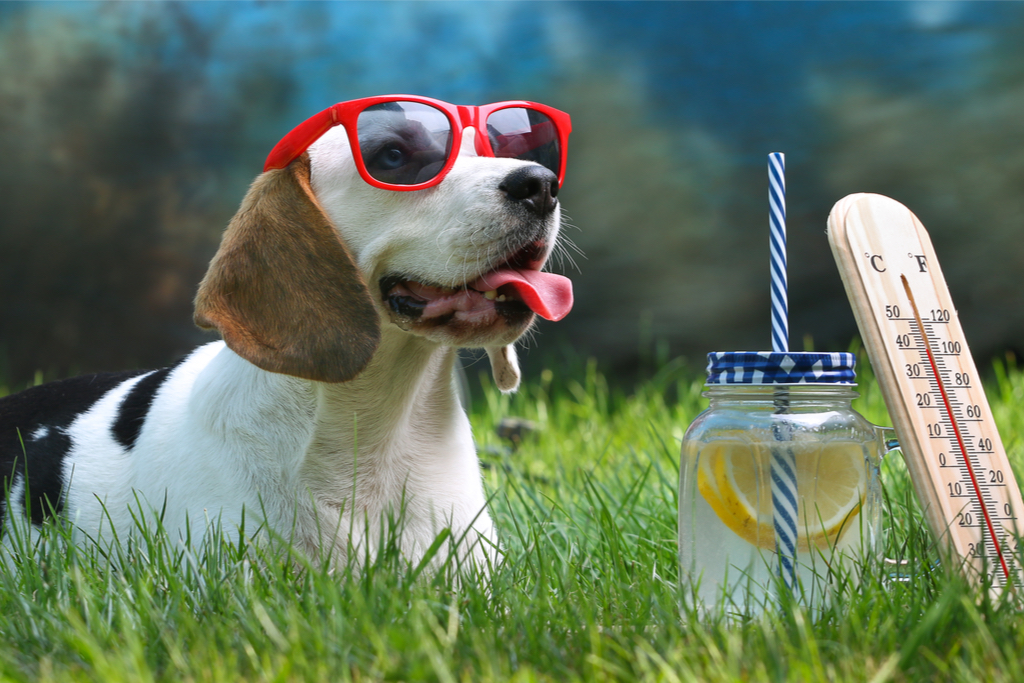
Animal Welfare During a Heat Wave
On hot days, it’s important to think about our four legged friends because chances are, they are probably hotter than you are. This article offers a few tips and solutions to help you keep your animals comfortable and cool during hot weather. Be sure to think about animal welfare during a heat wave!
Keep your pet well hydrated
No surprise here! Like their owner, animals must stay hydrated at all times and even more during hot periods. Make sure to give your pets water as often as possible during the day. The same goes for animals on farm. Think, for example, of cows, pigs or even horses, who drink large amounts of water on a normal day. Add a heat wave or drought in there and their water needs significantly amplify. Offer several areas on your property that allow for animals to have easy access to water, either on the ground, around the building or in your home.
Place ice cubes in the water to keep it cool. One trick to encourage your pet to drink more frequently: put bowls of water throughout your house, instead of having one spot they can go to drink. When going out with your pet, bring more water than you think is enough for yourself and your companion. Also, try to avoid going out in peak heat times (afternoon) and aim instead to go in the morning or the evening when the weather cools down.
If the pavement is too hot, consider putting booties on your pet so they don’t injure or burn their pads. If the weather is too hot, indoor activities are best. Consider playing games to develop the animal’s mental faculties, to allow them to burn energy while avoiding the hot sun.
Avoiding the sun
Close curtains and blinds to prevent the sun’s rays from entering and heating the house. For bird owners, try as much as possible to keep them away from the windows. If allowed, installing a small shaded kiddie pool can prove to be the perfect refreshment tool for dogs who love the water and swimming.
If you are on a farm, try to have a few places on land where animals can shade, like a shelter.
Identifying heatstroke in your pet
It is crucial to know how to recognize heat stroke in a pet! In case of heatstroke, the animal should see a veterinarian without delay. Here are some important symptoms to watch out for:
- Vomiting
- Diarrhea
- Bright red gums
- Disorientation
- Body temperature exceeding 40 degrees Celsius
When transporting your animal to the vet, cool it with a cold towel over their body. Do not use ice cubes.
Also, watch out for dogs with flat noses, older animals and young people. They are more at risk of having difficulty breathing during heat waves!
Other tips and tricks
Here are some additional hips to keep your pets cool at all times:
- Freeze a bottle of water and wrap it in a kitchen towel. Then place the cold bottle near the places where you pet is resting. Your animal should stay near it to cool down.
- Brush your pet often. A tangle free coat will be more comfortable for your pet, especially on a really hot day.
- Leave a cold water base in the bath so that your companions can soak their paws from time to time.
During periods of extreme heat, get in the habit of observing the behavior of your animals and make sure they don’t lack any water or shade. Thanks to these tips, you now have some handy tools up your sleeve to make the hot days more pleasant and much safer for your animals!
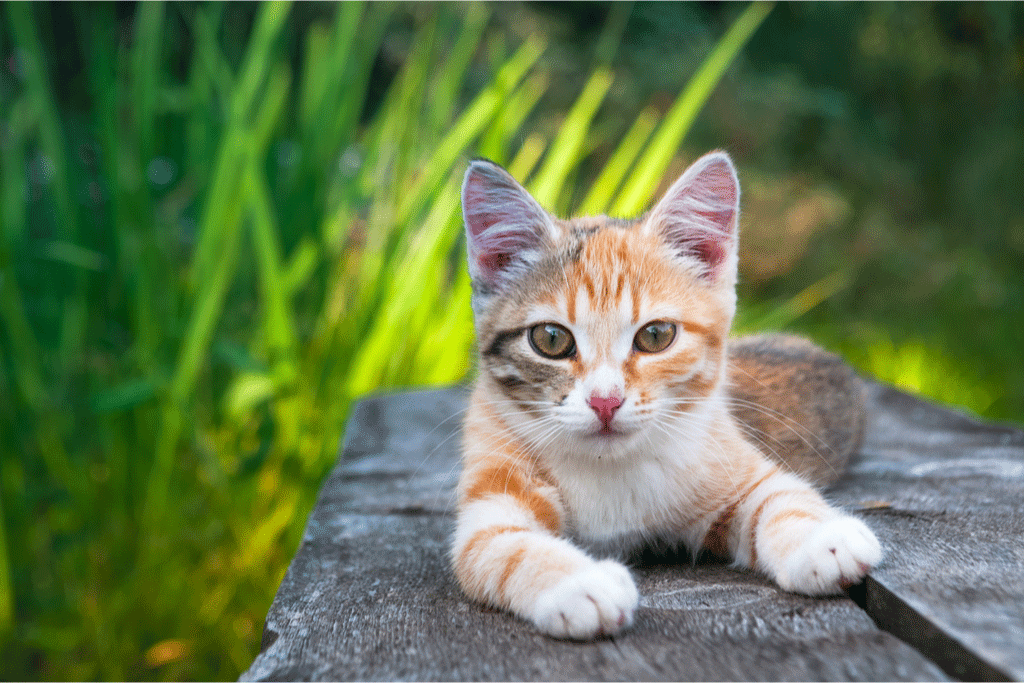
Outdoor Safety for Indoor Cats
Many owners with indoor cats are concerned when it comes to letting them out of the house, so we wanted to provide a few tips and tricks for outdoor safety for indoor cats.
First thing’s first: allow your cat to get used to its new environment
If you just brought your cat home for the first time to welcome he or she into your family, it can take several weeks, if not months, before your cat adapts and realizes that your home is permanent for them. A cat who has to get used to their new home must be able to create scent and visual cues to help them feel comfortable in this new, exciting environment. If a cat goes out too early without having any landmarks, it is more likely to get lost once it leaves the house.
Their first outing
So you are ready to let your cat explore the great big world (okay, maybe just your backyard). Firstly, it’s critical to make sure your kitty is equipped with a way to be identified in case you can’t locate them. A collar with their name and your contact information, or a tracking chip are two options to consider before any outing, and should work well if your cat ever goes missing in your neighbourhood. Vaccines against certain feline diseases, in addition to preventative treatments against ticks and fleas are also things to remember before letting them out.
It’s important to provide a calm and safe environment for your pet on their first outing. If you take them out, make sure you’re able to watch them at all times. Closely observe your cats behaviours to make sure they’re at ease and aren’t showing signs of stress. The first few outings should be kept rather short (15-20 minutes), and can be increased as your cat gains confidence outside.
If you find your cat to be more anxious or nervous in nature, taking them outside with a harness to make sure they don’t wander too far away from you is recommended. If you choose to put them in a harness, make sure they are accustomed to wearing it before they head out. It may take a few weeks before he or she is fully comfortable, but you could speed up the process by rewarding them with treats when they are wearing it and are remaining calm.
So you took them outside and all was well. When you return back inside, give your cat some treats! That way, he’ll associate the outing with something positive and rewarding, and will be less reluctant to come back inside in the future.
Why you should take your cat out (if they like it)
For the “outdoor cat” type, there are certainly benefits of letting them outside.
If your cat is comfortable outdoors, one obvious benefit is that the outdoors is one giant, natural litter box! More importantly, being outside will satisfy your cats natural hunting instincts and allow them to expend their energy in a different yet always-stimulating environment. Not only is this great for their physical health, but like humans, cats reap the great mental benefits of getting some fresh air and connecting with nature.
Every cat is different. Not all cats are ones that like to be outdoors, and indoor cats can still live a long, healthy and happy life by staying inside.
If you ever have any concerns or questions with taking your cat out, it is always best to contact the veterinarian who takes care of your companion for advice.
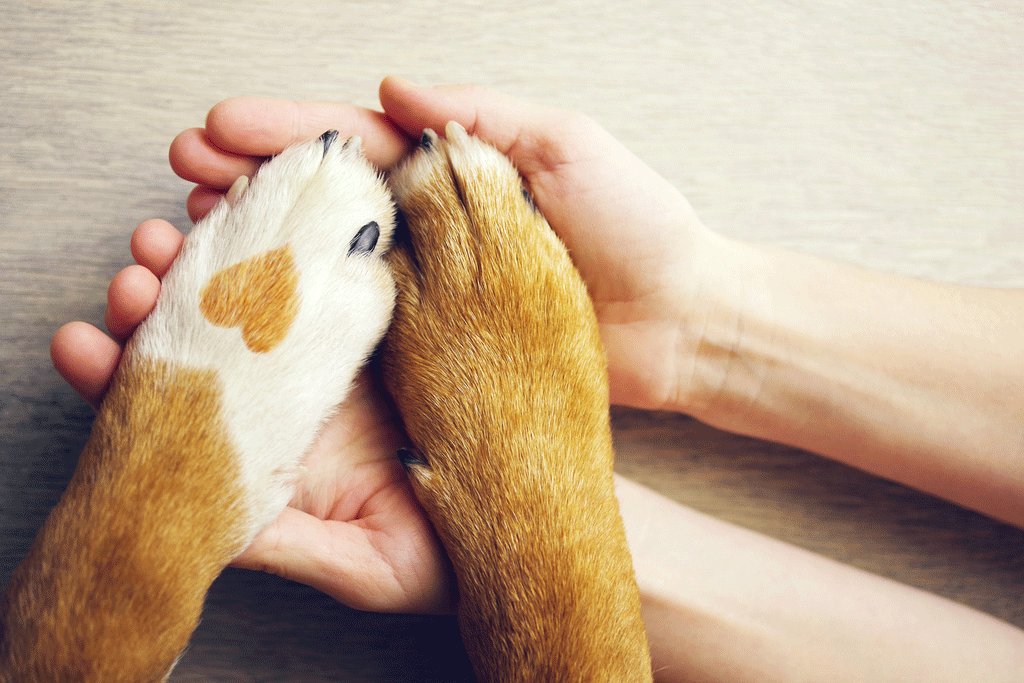
What You Need to Know About Your Dog’s Paws
Believe it or not, the pads of your dog’s paws are similar to the palms of your hands, while we humans know what we need to do to keep our hands and skin healthy throughout the changing seasons, our dogs need some extra help from you to do the same to ensure a better quality of life.
The pads
To prevent your pup’s pads from cracking and drying out, applying a pet-friendly moisturizer (yes, they exist!) or preventative can be so helpful when it comes to protection against even minor weather conditions. It is important to get into the habit of examining your dog’s paws and pads after every outing to double check for small rocks, cuts or scrapes that may have occurred after an adventure. Pay close attention to your dog’s walk to make sure he or she is not limping, which may be a sign of a recent ailment.
Additionally, during the summer months, it’s still important to take the extra minute to do a quick rinse of your dog’s pads after every outing with water and patting them dry. You can never be too safe! Whether the outside temperature is hot or cold, you can take additional precautions with your pet by using boots to add an extra layer between the pavement and your pet’s pads.
In the summer, asphalt can be more dangerous for your pet than you may think. Even if you think the air is comfortably warm, the ground can get much hotter than the surrounding air as it absorbs heat quickly. An easy way to test if the pavement will be too hot for your dog is to do the “seven second test” by simply touching the pavement with the back of your hand for seven seconds. If you can’t hold it for the duration of seven seconds, you can guarantee the pavement is too hot for your dog’s paws. Try to keep to the grass when outdoors, and stick to either morning or evening walks when the temperature is more comfortable for your pet.
Claws
How often do you trim your dog’s claws? If your response isn’t “regularly”, you may need to do it more frequently. Settle your dog in a calm environment where he or she feels comfortable. Be sure to have lots of treats on hand to give them during the trim as a reward. It may be beneficial to get them familiar with the tools required for trimming, such as the clipper for example. Although it may be tempting to trim their claws while they are sleeping, surprising them in such a way will make your dog associate the clippers negatively, making it increasingly more difficult to keep them calm when they are in need of a trim!
When you are trimming the claws, it’s important to trim them roughly, no need for them to be perfect! It’s also worth noting that you should be careful not to cut them too short. Make sure that the vein (pink part of their claw) is not affected when you are trimming. One way to ease your dog into this is by getting your dog used to you handling his or her paws. Pick them up, take a look at their pads and claws and keep giving them treats for good behaviour while you are getting them used to the contact.
One tip to keep their claws in good condition: play with your dog on a hard surface, such as asphalt or concrete (when the temperature is safe, of course!). This will allow the claws to file down naturally, allowing a bit less maintenance. For optimal comfort, it’s recommended you trim your dog’s claws at least once a week.
Taking care of your dog’s paws will greatly improve their mood and comfort, remember to check them often and always contact a veterinarian if a problem arises!
Sources:

Helping Your Dog When You Are Out
Does your dog suffer from separation anxiety when you leave them? Separation anxiety is a behavioural disorder in dogs that have trouble dealing with the absence of their owners. It’s common in dogs who have had more than one home in their lives or when they are puppies. There are many ways to tell if your pet may be experiencing separation anxiety. A few common symptoms may include coming home to destroyed objects, attempts to escape, defecating either in your home or in their crate, excessive barking, crying, or coming home to wounds that they may have given themselves from biting. Check out our tips on helping your dog when you are out.
How can I tell if my dog is anxious?
One helpful way to determine if you have an anxious pup is by filming them when your dog is home alone. This method will help you discover your dog’s home-alone habits. In consultation with your dog’s vet or behavioural expert, you could determine if your dog can be diagnosed with separation anxiety or help get to the root of the problem. Consulting with an expert is important, as your dog could show symptoms of other potential behavioural problems, not solely separation anxiety.
Helping your dog when you are out
Here are a few FnN #ExpertAdvice tips that can help gradually reduce your dog’s separation anxiety.
Separation disorder happens more often than not when a dog has lived in more than one or other homes throughout their life or if you live alone with your dog. Unfortunately, there is no cure-all for the disorder, but there are actions you can take to help your dog stay calm when you are gone.
- If you have a younger dog, it’s important to allow them to get used to your absence as soon as possible by providing them with a quiet and safe place where your dog will be sure to be comfortable. Feed them and ensure they have water, and leave a few different types of toys around so they can keep occupied while you’re gone.
- Some people find it helpful to leave either the television, radio or music on when the dog is alone, so they are not left in complete silence and have some background noise.
- It’s easy to want to tell your dog goodbye and that you will be right back, and because you missed them so much while you are gone, rush home to greet them immediately upon re-entering your home. As tempting as this is, it is better to wait at least 20 to 30 minutes to engage with them to allow your dog to gradually decrease its reaction to seeing you, leaving them in a calmer state.
- Without leaving, put your coat on, lace up your shoes or handle your keys. This will prevent your dog from associating these gestures with your departure.
- If the dog roams freely in your house, offer them different areas where they can rest and relax throughout your home. Sometimes a crate may not be the best solution to the problem. Some dogs like tight spaces, but for others, it may induce more anxiety if they feel too cramped. If you are ever concerned about letting your dog roam while you are gone, a diaper may be a good solution for them (yes, a diaper!). Some are designed specifically for dogs and can help with unexpected surprises when you get home.
Separation anxiety is a behavioural disorder that should be taken seriously with dogs because it is a constant state of panic that could be affecting their overall general health. Consider consulting with an Expert or an animal health professional to find the right solution for your situation!

Can a Cat Attach to its Owners?
Have you ever wondered if cats could attach to its owners? Have you ever thought maybe your cat doesn’t like you because they are more of the lonely type? Well, you might be delighted to hear that you could be wrong! A study by Oregon State University concluded that, like dogs, cats actually do become attached to their owners and have been proven to be a source of comfort for the cat.
How do cats recognize their owners?
Contrary to what you might think, cats can recognize their caretakers amongst a crowd of people, but not through vision. Cats cannot distinguish their master through sight. So as unique as you are, your cat can’t pick you out from the crowd based on your good looks. Your cat has to rely on their highly developed senses of smell and hearing to find you! Moreover, cats are accustomed to decoding their owner’s behaviours and habits. This gives them more to pick up on using their elements.
Your cat cares about you!
Like a dog or a human baby, cats develop an attachment to their owners over time. The study determines that cats can have an ambivalent attachment toward their owners. This might ring true to a few cat owners who think their cat may not be as “loving” towards them but still loyal and accustomed to their routines. Cats who are ambivalent tend to be less affectionate and may show signs of stress around their owners, such as wagging their tail, licking their lips and avoiding them.
On the other hand, for most cats, humans are a sign of comfort and safety in times of stress. Cats get used to the routines you have created for them. They tend to have trouble adapting to changes in that routine, for example, when you go away for the weekend. The study mentions that when cats are in the presence of their master, even after a short time away, it makes them less stressed and shows more signs of comfort. So yes, even when you may not always feel the love from your cat, at the end of the day, they do love you! You may find even more comfort in knowing that the study proves that the connection you have with your cat (whether your cat is attached to you or uncertain) remains totally stable over the years. A happy ever after!


