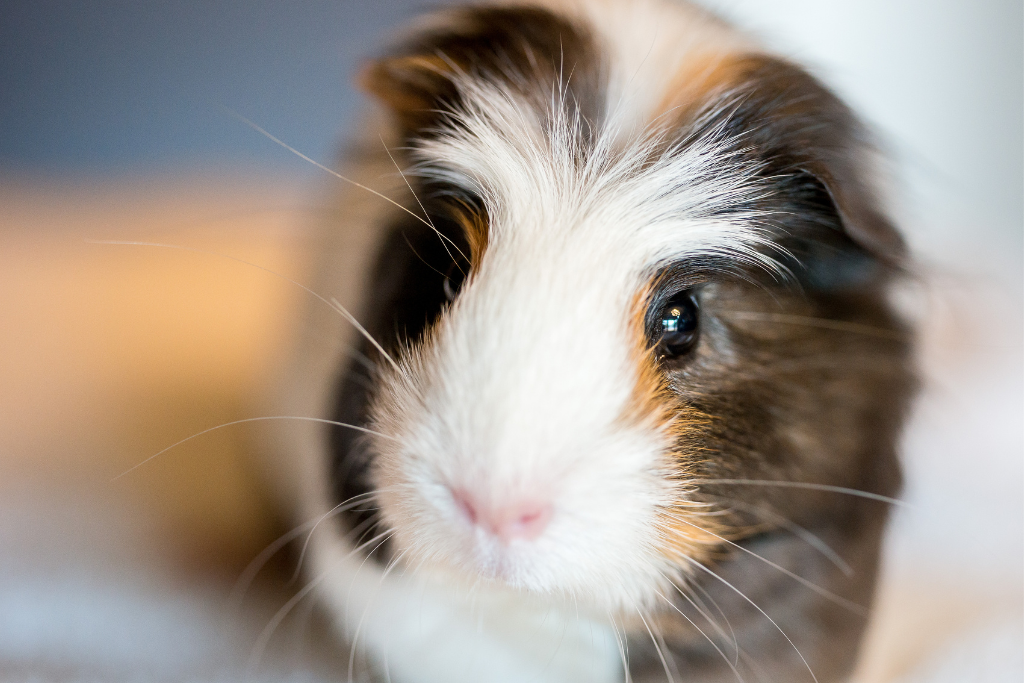
Guinea pigs are wonderful pets that are a joy to observe and interact with, and they have something in common with us humans that no other companion pet does! Did you know that guinea pigs can’t make their own vitamin C in their bodies like most other animals do? Just like humans, they have to get it through their food. As a responsible piggie parent, it’s your job to ensure that your guinea pig’s diet meets their unique nutritional requirements, and we’re here to teach you all about it!
Why is Vitamin C so Important?
The body needs vitamin C to make collagen, a building block for all kinds of different issues. This means that vitamin C plays an important role in keeping skin, joints, gums, and the whole immune system healthy and helping wounds heal.
What Happens if Guinea Pigs Don’t Get Enough Vitamin C?
Most guinea pigs need between 10 and 30mg of vitamin C per day to maintain good health. Any excess that is not required will be excreted through the urine and will not be absorbed through the body. Piggies who are still growing, pregnant, nursing, or sick may require extra vitamin C in their diet as recommended by your veterinarian.
Deficiency in vitamin C is generally referred to as ‘scurvy’ and in guinea pigs, will typically present itself as the following symptoms:
- Poor coat
- Swelling and ulcers on the skin or gums/mouth area
- Diarrhea
- Poor appetite
- Swollen joints and difficulty moving
- Lethargy
- Issues with wound healing
How do you Supplement Vitamin C in the Diet?
While a guinea pig’s diet should include around 80% hay, a portion of formulated guinea pig food, as well as fresh vegetables and fruit, must be fed daily to supplement them with the required vitamin C.
- Packaged Food: Guinea pig food you buy at the store should be of good quality and contain high amounts of vitamin C in a stabilized form. Vitamin C is considered a relatively “unstable” vitamin, meaning it will break down over time, especially if exposed to light, heat, and moisture. Because of this, your guinea pig may not receive the amount of vitamin C listed on the bag. It is always recommended to follow the manufacturer’s “best before” recommendation and try to feed the entire bag of food within 90 days after opening to ensure that your guinea pig does not become deficient. It is also important to monitor whether or not your piggie is eating all the food given to them. Many mixed guinea pig foods contain “extras” such as dried fruit, seeds and nuts alongside the fortified pellets containing added vitamin C. However, these pellets are typically the least appealing to guinea pigs, and they will often pick out the “extras,” leaving the nutritionally balanced pellets behind. Our experts recommend feeding your guinea pigs a purely pelleted formulation to ensure that they consume the required vitamins and nutrients. Check out our selection of quality guinea pig food options in store!
- Vegetables & Fruit: Besides pellets, the other primary source of vitamin C for guinea pigs is fresh vegetables and occasionally fruit. Feed a portion of veggies that are high in vitamin C each day, such as leafy greens, but be cautious not to overfeed veggies or fruits that are high in sugar (leads to obesity or intestinal issues) or high in calcium (guinea pigs are predisposed to bladder stones). Check this detailed chart to help you decide which fruits and veggies are safe for your guinea pigs: https://guineadad.com/blogs/news/guineadad-veggie-masterlist-what-kinds-of-vegetables-can-your-guinea-pig-eat
At Feeds ‘n Needs, we think your animals deserve the best, and that’s why we are proud to offer top-quality nutrition solutions for pets of all sizes! Stop by your local Feeds ‘n Needs, and one of our experts can show you our selection of guinea pig foods your piggie will be sure to love! We are always happy to answer any questions you may have!
Are you interested in learning more about small animals? Check out our related blog posts!
Small Animal Dental Health

How to Attract Birds to Your Yard
Attract different wild bird species to bring your backyard to life! Many birds in Canada depend on humans to provide them with safe habitats where they can find food and make nests. In return, they help reduce insects in your yard, sing beautiful birdsongs, and are delightful to watch!
There are four key elements to attracting birds to your yard; our blog will teach you about each one!
Habitat:
The ideal habitat for wild birds should be diverse in its plant life. Planting different kinds of flowers, trees, shrubs, and bushes that are native to your area will not only effectively attract native bird species, but it will also help to strengthen and preserve your local ecosystem. Ensuring there is plenty of greenery and cover in your backyard will provide birds with a safe place to explore.
Feed:
One of the best ways to attract birds to your yard is to provide them with a food source. Different species prefer different types of feeders, so try placing a few different kinds around your yard to attract a variety of birds. Feeders should be placed about 10 feet from trees and greenery to allow them to quickly escape from predators if needed. Additionally, different species prefer feeding from different heights, so try hanging your feeders at different levels. Make sure to keep all feeders clean by scrubbing them with one part bleach to nine parts hot water at least once per month. The type of seed you use to fill your feeders will also determine which birds may stop by. Different species have their own unique nutritional requirements and, therefore, will be attracted to different types of seed to meet their dietary needs. Black oil sunflower seeds and suet blocks are great options for feeding your yard’s most incredible variety of birds. Ask the Experts at your local Feeds ‘n Needs about what type of feeder and bird seed you should use to attract a desired bird species!
Water:
Birds require access to water for bathing and hydration year-round, so adding a water source like a bird bath, pond, or fountain can make your backyard even more popular with bird visitors. Try placing a shallow bird bath in your backyard near an area with good, dense greenery in which birds can take cover. Change the water in your bird bath every few days in the summer, and consider investing in a heater or de-icer to keep the water from freezing in the winter.
Nesting:
Encourage birds to stick around all year by providing safe places to nest in your backyard. Many birds will build nests in dense greenery that provides adequate shelter. However, some bird species, such as bluebirds and chickadees, prefer a more secure, warm shelter to nest. Install birdhouses or nesting boxes on posts or tree trunks in safe areas around your yard for these birds to make nests in. Ensure the entrance hole in your birdhouse is only big enough for the intended species to get through to prevent larger predatorial birds from entering.
You can also provide birds with materials to nest with by filling a suet cage with organic materials like grass clippings, twigs, dried leaves and even pet hair and hanging it where birds will find it. These organic materials will eventually decompose, so you don’t have to worry about harming the environment!
If you want to start attracting wild birds to your yard, make Feeds ‘n Needs your one-stop destination to find all the essentials you’ll need! Check out our wide selection of quality bird feeders, accessories, and premium bird seeds in our wild bird center! You’ll find that feeding the birds is even more rewarding when you join our Wild Bird Seed Club and start earning 10$ off after every $200 you spend on bird seed. Stop into your local Feeds ‘n Needs and ask one of our Experts for details on the loyalty program and how you can get started feeding the birds!
Are you interested in learning more about wild birds? You may enjoy our other blogs!
Keeping Feeding Areas Clean and Maintained
How to Properly Store Bird Seed
Feeding Wild Birds in Winter
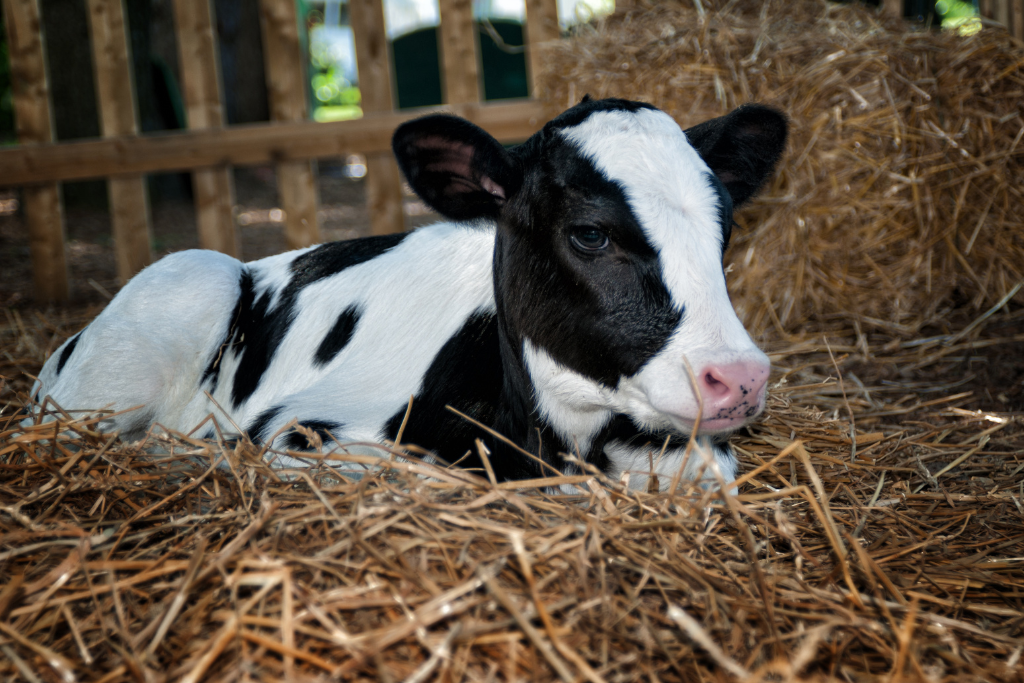
Calving Supplies Checklist
When it comes to the birth of new calves, things sometimes go differently than planned. From difficult labor and delivery to dealing with sick, cold newborns, when you’re expecting a pregnant cow to give birth, you need to be prepared for any scenario. Make sure your calving kit is fully stocked and ready to go prior to the due date of the first calf so that even if it’s born early, you’ll be prepared. Our calving supply checklist is a great guide to help you make sure you have everything you need this calving season!
Veterinarian Contact Information
If you plan to own and breed cattle, you’ll want to make sure you know who your local farm veterinarian is and keep their contact information on file in case of an emergency. It’s not uncommon for a cow to require assistance to deliver her calf; however, sometimes, if the farmer cannot get the calf out, a veterinarian must be called to the farm to perform emergency measures.
Notebook & Pencil
Keep a detailed record of important information, including breeding and due dates, so you have a rough idea of when to expect calves. Record newborn calves’ birth date, sex, birth weight, and any additional information such as the ID numbers of each cow and calf pair, whether or not a bull calf has been castrated, and any health issues noticed.
Calving Pen
Calving areas should be sheltered from cold weather, have clean straw or shavings for bedding, and ideally have a functional chute in case of emergencies requiring medical intervention. Make sure your calving pen has adequate lighting and keep a flashlight close by in case you need to inspect a cow or calf. Stock up on dust-free chopped straw or wood shavings at your local Feeds ‘n Needs.
Heating & Drying Sources
Since they are born covered in amniotic fluid, calves must be quickly dried and warmed up after birth to prevent them from developing hypothermia. A cow should be allowed to lick her calf clean after delivery; however, in cases of cold weather or if the mother does not clean her baby, have towels and blankets ready to dry the calf off and stimulate blood circulation. If a newborn gets chilled, have a warming box or other heat source like hair dryers and heat lamps ready to use to get the calf warm. Use a thermometer to keep track of calves’ temperatures, especially if they are sick or hypothermic. Always sterilize thermometers after use.
Gloves & OB Lubricant
Keep boxes of long and short disposable gloves to protect you and your animals from bacteria entering the body, and always change gloves between working with different animals. If a cow requires assistance delivering her calf, have lots of regular obstetrical lubricant on hand to lubricate the birth canal and your gloved arms to reduce friction and swelling. If your cow may require a C-section, avoid using J-lube to try and get the calf out, as it is toxic to the peritoneal cavity and will be fatal to the cow.
Halter, Rope & OB Chains
Ensure you have clean OB chains and handles ready in case you have to intervene and assist a cow during delivery. Additionally, have a halter and long rope prepared for laying down a cow to make delivery easier.
Disinfectant
A 7% iodine solution or chlorhexidine should be used to dip the calf’s navel after birth to keep it clean and disinfected. Additionally, you can add these disinfectants to a bucket or squeeze bottle of water to create wash water for cleaning the cow after delivery. Roll cotton soaked in this disinfectant water also works well to wash the cow.
Colostrum & Milk Replacer
The colostrum, or “first milk” a pregnant cow produces, is rich with antibodies and nutrients, which are vital for her calf to receive in the first 4 to 6 hours after birth. Calves should be standing and nursing on their own within 1 hour. Otherwise, you may need to intervene. If you are worried that a calf is not getting colostrum, or if you have a calf too weak to nurse on their own, frozen colostrum or dried colostrum mixed with warm water should be readily available to administer to the calf. Colostrum replacer products should contain a minimum of 100g of lgG per dose. Keep powdered milk replacer on hand for calves that will be bottle fed. Trust Feeds ‘n Needs to provide you with the best quality powdered colostrum and milk replacers to help your calves grow and thrive.
Feeding Supplies
A flexible stomach feeding tube and large syringe may need to be used to administer colostrum to weak or sick calves that are unable to suckle. Be sure to sterilize supplies between calves or keep a second stomach tube on hand to feed sick calves only. Additionally, keep bottle feeding supplies like calf bottles and extra nipples on hand to bottle feed calves that are stronger and able to suckle.
Needles & Syringes
Keep an assortment of sterile needles and syringes in your calving kit for administering supplements, vaccines, antibiotics, or other medications as per your veterinarian’s recommendation.
Use a bulb syringe to suction amniotic fluid out of newborn’s noses so they can breathe.
Injectables & Supplements
Administering supplements of the vitamins A, D, E, and selenium, as well as a mix of electrolytes for calves, is recommended for newborns. Our experts recommend the AVL Vitaferst-Care oral neonatal supplement for ruminants to give your calves the best start at life. Medications and vaccinations can be administered as per your veterinarian’s recommendation. Additionally, it’s always beneficial to keep scour pills or a prevention solution on hand in the event a calf develops scours and requires immediate treatment. If you do not have access to scour pills from your vet, we recommend administering Calf Renova at the first signs of diarrhea or Calf Perk to get a cold, weak calf to its feet after birth. Ask your local Feeds’ n Needs experts about product availability.
ID Equipment
Each head of cattle in Canada is required to have a registered CCIA tag before being transported from their farm of origin. These can be bought from an authorized dealer like your local Feeds ‘n Needs store. In addition to CCIA tags, you may want to tag your cattle with an on-farm ID tag, which should be done within the first few days of a calf’s life as cows sometimes swap calves, making future genetic selections inaccurate if calves were not tagged at birth. If you plan to give your calves tattooed ID numbers, ensure all your equipment is clean and in good working order.
Elastrator Rings & Tool
If you plan on castrating bull calves, you will need to make sure you have elastrator rings and the proper elastrator tool. Castration of bull calves is typically done between 1 week and 5 months of age. Be sure to record which calves are being castrated and which are not.
When it comes to calving, expect the unexpected and always be prepared. Stop by your local Feeds ‘n Needs to pick up some essential calving kit items so that you’ll be ready when the first calf arrives!
Disclaimer: Feeds ‘n Needs is not qualified to give medical advice or recommendations; please consult your veterinarian for any concerns, vaccine recommendations, etc.

Lambing Supplies Checklist
The arrival of new lambs can be exciting and busy, so the best way to guarantee a smooth lambing season is to ensure you are well-prepared in advance. In this blog, we will review the essential supplies that every shepherd should have on hand before the arrival of any lambs.
Notebook & Pencil
Have a notebook to record all contact between ewes and rams, and use a gestation table to calculate approximate due dates. Knowing roughly when to expect lambs to be born allows you to ensure you have all supplies on hand at least a week before due dates.
Use this notebook to keep track of other things, such as ewe and lamb ID numbers or colors, any health issues you have noticed, etc.
Lambing Pen
Ewes and their newborns should have an isolated pen away from the rest of the flock for the first several days after birth to allow a safe place for them to bond. The pen should be at least 5’ x 5’, and bedding should be kept clean and dry to prevent infection, especially after lambs are born.
Lighting
Keep bright flashlights or headlamps nearby if your barn does not have great lighting. If a lamb arrives at night, you’ll need a good light source to assist the ewe and her newborn.
Heat Sources
Newborn lambs are susceptible to hypothermia, so several methods to warm a chilled lamb can be vital to survival. Hair dryers, warming boxes, and heat lamps are all great ways to get a lamb warm after birth when used with caution. You can also place a lamb’s body in a plastic bag with its head sticking out and sit it in a warm water bath to quickly raise its body temperature without affecting its smell.
Digital Thermometer
Monitor lamb’s temperature to ensure it isn’t too cold or sick. A normal temperature for a lamb is 38.8°C to 39.4°C, if the temperature drops below 37.7°C, the lamb is hypothermic.
Towels and Paper Towel
Lambs are born covered in amniotic fluid which the mother ewe should clean off. While this is important for their bonding, you may need to assist the ewe and help get the baby dry using towels or paper towels to prevent the lamb from getting cold.
Bulb Syringe
The use of a bulb syringe may be required to suck any amniotic fluid out of a newborn lamb’s nostrils after birth to allow it to breathe.
Iodine Spray or Dip
Whether or not you decide to cut a newborn lamb’s umbilical cord using sterile scissors, the navel can serve as a pathogen pathway to a lamb, and it is vital that the area be kept clean. Use a 10% iodine spray or dip solution to keep the area disinfected, and make sure that the lambing pen has clean bedding.
Lubricant
Keep some OB lubricant on hand in case it’s needed. This can be helpful to lube up a thermometer, getting a lamb’s head unstuck during birth, or lubricating your arm and any needed birthing tools if the ewe requires help while giving birth.
Gloves
Keep boxes of long and short gloves to use when handling lambs and ewes to prevent bacteria from entering your body. Be sure to use different gloves when handling different sheep to avoid the potential spread of infection.
Colostrum & Milk Replacer
Lambs need to nurse during the first 24 hours of their life to receive the nutrients and antibodies from the ewe’s first milk, called colostrum. Before a lamb can nurse, you must strip the wax plug from the ewe’s teats and ensure her milk flows. If a lamb is rejected by its mother, or if you have a lamb that is too weak to nurse, have powdered or frozen colostrum that you can warm and feed to them as they must receive this vital colostrum within their first 8 hours of life. It is also a good idea to keep a lamb milk replacer on hand in case of a rejected lamb that may need to be bottle-reared.
Feeding Supplies
A flexible stomach feeding tube and large syringe can feed weak or cold lambs that can’t suckle on their own. Additionally, keep bottle-feeding supplies on hand, including lamb bottles and nipples, to feed stronger and able-to-suckle lambs, such as a triplet or rejected lamb.
Needles & Syringes
Have a variety of sterile needles and syringes to be used to administer any injectables or vaccines as recommended by your veterinarian.
Injectables & Supplements
Injectable vitamins A, D, and E with Selenium may be given after birth, as well as injectable antibiotics or vaccines per your veterinarian’s recommendation. Additionally, it can be beneficial to keep a propylene glycol solution on hand to help an exhausted ewe regain her energy after birth. This is especially helpful for ewes who have given birth to twins or triplets.
Elastrator Rings and Tool
If you plan on castrating ram lambs not intended for breeding, you will want to make sure you have elastrator rings and the appropriate elastrator tool to castrate within the first week of the ram’s life. The same rings and tool can be used to dock a lamb’s tail. Unless you plan on leaving your lambs with their natural long tails, they will need to be docked within the first few days of their lives.
ID Tags & Applicator
Animals intended to be sold and shipped must have registered CCIA tags which can be purchased from an authorized dealer. You may also want to tag your lambs using a different tag to use as an on-farm ID. Use your notebook to keep track of animal ID’s!
Marker Crayons or Spray
Identify your animals more easily by marking your ewes and lambs with colored ID-marking crayons or sprays. Use this method to keep track of twin lambs, mother and lamb pairs, banded ram lambs, etc. Keep notes of your ewes and their lambs in your notebook.
Get prepared for lambing season with a trip to your local Feeds ‘n Needs! Our stores carry a variety of essential supplies to ensure that you can be well-prepared for the arrival of new lambs! Our Experts will be happy to help you find what you need!
Disclaimer: Feeds ‘n Needs is not qualified to give medical advice or recommendations; please consult your veterinarian for any concerns, vaccine recommendations, etc.

Easy Easter DIYs Using Eggs
Springtime is all about bright colors, new beginnings, and creativity. What better way to welcome the season and have some Easter-themed fun than decorating eggs? This blog provides a step-by-step guide to making three easy Easter crafts that the whole family will love!
Blowing Eggs
Before starting any of our Easter egg DIYs, you’ll need to remove the yolks from all the eggs you’ll be working with.
What You’ll Need:
- Eggs
- Pin (you can also use a needle or sharp metal skewer)
- Cocktail stick or wooden skewer
- Paper clip (optional)
- Bowl
Step 1: Using your pin or needle, carefully poke a hole in the top and bottom of your egg. Gently insert your cocktail stick or skewer into the hole to gradually increase its size. The hole in the bottom of the egg needs to be big enough for the yolk to pass through, but be careful not to crack the egg in the process.
Step 2 (Optional): Use a straightened paper clip to “stir” the yolk inside the egg, making it easier to blow through the hole you made.
Step 3: Hold your egg over a bowl and blow as hard as you can into one of the holes in your egg. The yolk should start coming out the other end. You won’t need the yolk for these projects, but you can set them aside to use for cooking later!
Step 4: Now that the yolks are out of the eggs, rinse them under hot tap water to remove any residue. Once rinsed, leave the shells out to dry.
DIY #1 – Painting Eggs
Test your painting skills by getting creative with eggs! Paint stripes, patterns, splatters, and more! The design options for this DIY are endless!
What You’ll Need:
- Eggs with yolks blown out
- Acrylic paint
- Cocktail stick or skewer
- Paint brushes
- Sponge (optional)
Step 1: Insert a cocktail stick or skewer into the bottom hole of your egg to keep it away from your fingers while you paint.
Step 2: Use paintbrushes or a sponge to apply paint to your egg. Get creative with this part!
Step 3: Let the paint dry while your egg is still on the skewer by holding the skewer in a glass.
Step 4: Once your paint is dry, add a second coat to brighten the colors or add more designs! Leave your egg on the skewer until you are done painting and the egg is dry.
DIY #2 – Dyeing Eggs
Use food coloring or natural dyes with ingredients from around your home to create beautiful, dyed eggs that are the perfect Easter decorations! We will teach you how to dye eggs using food coloring for this DIY.
What You’ll Need:
- Eggs with yolks blown out
- Vinegar
- Food coloring (your choice of colors)
- Measuring spoons
- Kitchen tongs
- Paper towels
- Heat-proof bowls (one bowl for each color of food coloring)
- Crayons (optional)
Step 1: Prep your work area by laying down paper towels to prevent food coloring stains.
Step 2: To make your dyes, bring some water to a boil, then add 1 teaspoon of vinegar and about 20 drops of food coloring. The more food coloring you add, the more vibrant your dye color will be. Pour your mixture into a heat-proof bowl deep enough to dip your eggs in.
Step 3 (Optional): You can use crayons to create fun patterns and designs by drawing directly on the egg before you dye it. The dye pigment will not stick to the wax, so whatever you draw will stand out after you dip your egg!
Step 4: When you’re ready to dye your egg, use a pair of kitchen tongs to submerge the egg into your bowl of coloring. Make multicolor eggs, striped eggs, patterned eggs – You can be as creative as you want with this part!
Step 5: Remove your eggs from the dye using your kitchen tongs and set them out to air dry when finished.
DIY #3 – Jello Filled Eggs
This DIY project is a fun way to make a tasty treat that can also be a great April fool’s prank! You can paint or dye your eggs before you add the Jello to add to the fun and make this a 2-part project or leave them plain and give someone a surprise when their egg turns out to be Jello!
What You’ll Need:
- Eggs with yolks blown out
- Packets of Jello (Your choice of flavor)
- A fine pastry tip
- Egg carton
- Duct tape
Step 1: Use a small piece of duct tape over the hole in the bottom of your eggs to seal it closed, then place your eggs tape-side down back into the carton.
Step 2: Follow the instructions on the package to prepare your Jello mixture. Try making different flavors to add variety to your eggs!
Step 3: Once your Jello mix is ready, insert a fine pastry tip into the top hole of your egg and carefully pour the liquid Jello into the egg. Be careful not to overfill the egg, as the liquid will be hot.
Step 4: Once you’ve filled all your eggs, place the carton in the fridge to allow the Jello to set. This should take 2-3 hours.
Step 5: Once the Jello has set completely inside your eggs, open the shells and enjoy this tasty Easter treat!
Have fun and get creative this spring using everyday kitchen items and eggs from your own backyard! From all of us at Feeds ‘n Needs, we hope you try these Easter DIYs and have a great time making them!
Sources:
https://www.marthastewart.com/275626/egg-dyeing-101
https://www.marthastewart.com/266591/blowing-out-an-egg
Garden Projects for Spring
The weather is getting warmer, and it’s finally time to start making your garden plans! It’s not quite time to plant yet, but you can begin many other projects in the spring to ensure your garden is ready to roll once the frost is gone!
Create a Garden Journal:
Keep track of what you’ve planted in the past, what grew well and what didn’t, where you planted things last year so you can rotate crops, tape seed package tags to pages, sketch out garden bed ideas—the list goes on! Keeping a detailed journal of your garden is a great way to help you remember what worked well for you in previous years or even new ideas you might like to try!
Start Seeds Indoors:
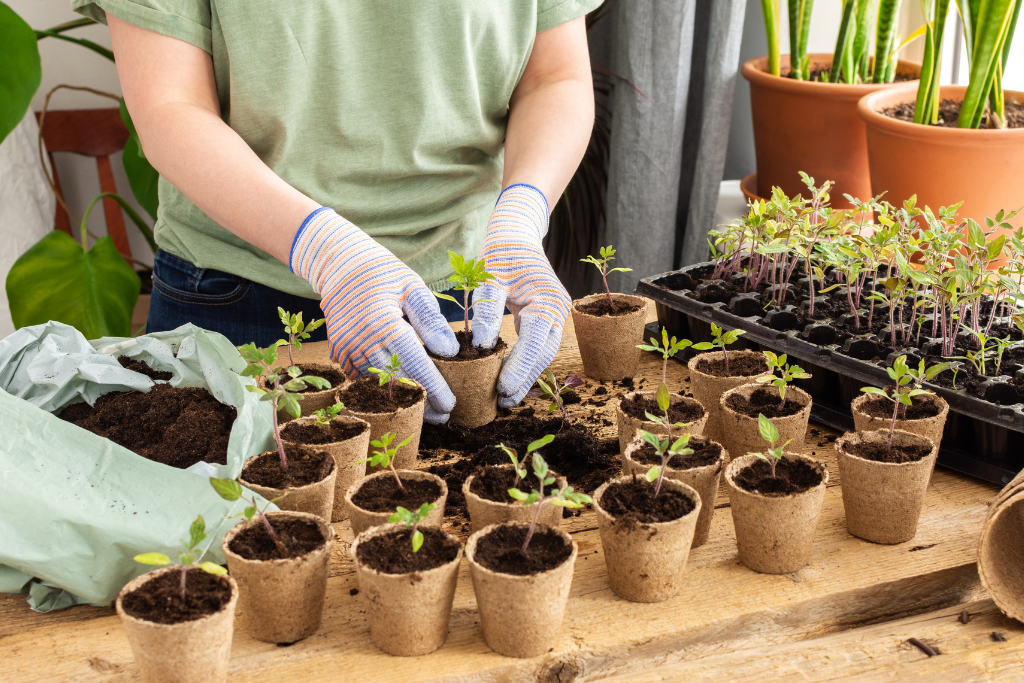
Many seed varieties, especially those that take longer to grow, such as tomatoes and peppers, can be started indoors. Plant your seeds in a shallow container about 2 to 3 ½ inches deep with drainage holes. Peat pots, pellets, paper cups, or shallow compartmented trays all work well.
Use a soilless seed starting mix, ideally made up of peat, perlite, vermiculite, and added nutrients. These mixes are light, improve drainage, and aid water retention, making them best for seedling germination.
Follow the planting directions on your seed packages to determine the depth in which to plant your seeds. Then, place your seed containers in a warm location (ideally 18 – 22 degrees Celsius) where they will have access to light for about 12 to 14 hours per day. Keep the soil moist and cover the seed pots or trays with plastic or damp paper towel to allow seeds to germinate.
Start a Compost Bin:
Commonly called “black gold,” compost does wonders for the soil and plants growing within it. Made up of recycled matter such as kitchen scraps and lawn clippings, compost adds vital nutrients to the soil, helping to maintain its structure, porosity, and density, maintain proper pH balance and moisture, and even prevent weeds! Composting is a great way to prevent unnecessary waste from ending up in landfills, helping your soil and plants thrive!
Test Your Soil:
Test your soil for deficiencies before you plant! Pick up a soil test kit at your local Feeds ‘n Needs to test your soil’s pH, nitrogen, phosphorus, and potash levels. The plants you grow need to be able to get their nutrients from the soil they grow in, so if your soil’s nutrient levels are too high or too low, it could cause problems down the road that are much easier to identify and fix before you plant!
Prepare Your Pots and Containers:
Make sure you have all the pots and containers you will need for all the planting you plan on doing. If you have containers that you used last year, get rid of any old soil and scrub them down with powdered laundry detergent and water. Once clean, disinfect the containers with a mixture of bleach and water. If you are new to planting or just need some new planting essentials, we carry a variety of plant pots, containers, and seed-starting kits!
Clean Your Tools:
Before you can start tending to your garden, make sure that all your tools are cleaned up and ready to go. Wash off any dirty tools and check their condition. If some of your tools have become rusty, try soaking them in a solid black tea bath or use sandpaper or a wire bristle brush to shine them up again. Take this time to tighten up any screws or bolts that may have come loose on any of your tools as well.
Our Experts know how exciting it is once the snow melts and gardening season is just within reach. But don’t forget to take advantage of springtime to make sure you have everything ready and planned out. We want to help you ensure that when it comes time to plant, you are more than prepared! Stop into your local Feeds ‘n Needs and check out our gardening section. We’ve got everything you need to prep, plant, and maintain your garden!
For more helpful gardening tips and tricks, check out our related posts!
Link 1 – Gardening Tips for Beginners
Link 2 – How to Sprout Your Own Seeds
Link 3 – Garden Planning for Spring and Summer
Sources:
https://www.almanac.com/content/3-simple-diy-soil-tests
https://www.farmandfleet.com/blog/early-spring-lawn-garden-projects/
https://www.housebeautiful.com/lifestyle/gardening/a31747273/easy-gardening-projects-spring/
https://www.countryliving.com/gardening/garden-ideas/a30753842/how-to-start-seeds/?psafe_param=1&utm_source=google&utm_medium=cpc&utm_campaign=arb_ga_clv_md_pmx_hybd_mix_ca_18700871953&gad_source=1&gclid=EAIaIQobChMI5svmw6P0hAMVdpJoCR1xhwOBEAAYAyAAEgKKOfD_BwE
https://www.veseys.com/ca/growing-from-seeds?gad_source=1&gclid=EAIaIQobChMI_bmPoqz0hAMV55KDBx11XwRdEAAYAiAAEgIhLvD_BwE
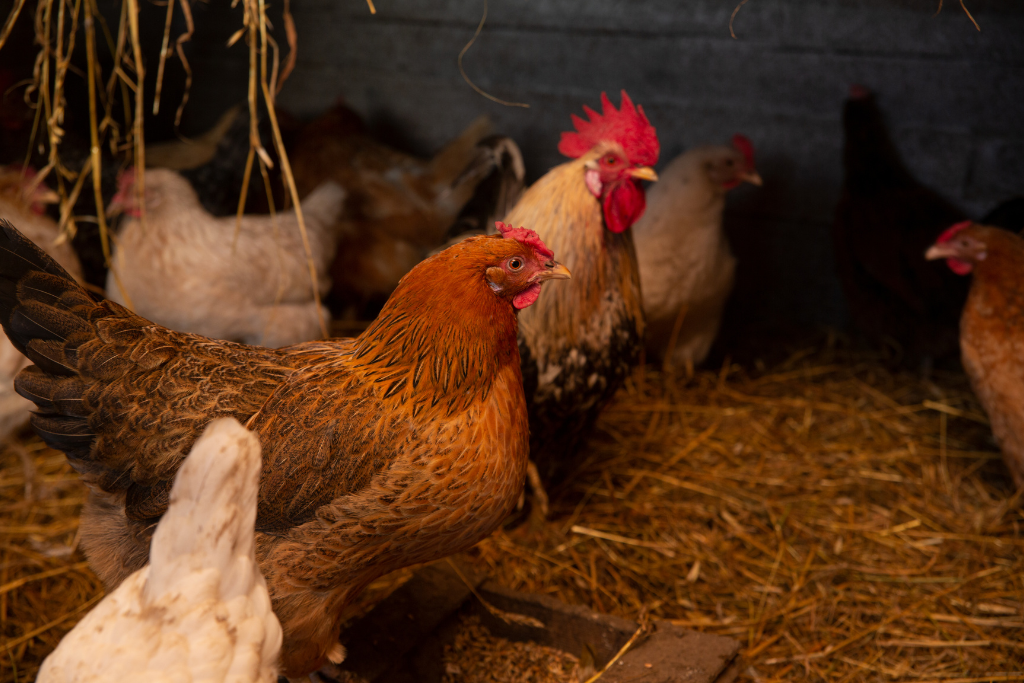
Spring Cleaning Your Coop
Springtime is just around the corner, which means it’s time for some spring cleaning. With the days getting longer and temperatures getting warmer, it’s the perfect time to deep clean your chicken coop and prepare your chickens for the season ahead.
Do a Health Check:
With the change of seasons, it is important to perform a quick health check on your birds. Check for overgrown beaks or toenails that need to be clipped, any abnormalities to their feet, cuts or wounds that require treatment, and ensure no mites or lice are hiding in their feathers.
Coop Cleaning: Step by Step
Wintertime typically leads to a messy chicken coop since birds aren’t out free-ranging, and cold temperatures make cleaning or repairs more challenging. This is why when spring arrives, thoroughly cleaning your coop and all supplies is essential to keeping your birds healthy and happy.
1. Remove and Clean Accessories
When you’re cleaning out your coop, you first want to remove any moveable accessories such as feeders, waterers, nesting boxes, broody cages, etc. Take any dirty bedding out of the nesting boxes and use a putty knife or scraper to remove any residue inside of them. Use a non-toxic cleaner or Dawn dish soap with a scrub brush to give those accessories a good scrub until clean. Rinse everything thoroughly and set in the sun to dry. If the winter weather was harsh on some of your feeders and waterers, be sure to stop by your local Feeds’ n Needs to find quality poultry essentials to last you for seasons to come!
2. Clear Out Dirty Bedding
Next, use a shovel to remove all the old bedding in your coop. You can use a broom to sweep the floors and the walls or ceilings to get rid of any remaining debris. Lice and mites are known to hide during the day, so it is important to pay extra attention to areas like corners and edges, under roosts and in between seams of the floor when cleaning out your coop. Mixing equal parts water and vinegar, you can make an at-home, non-toxic cleaning solution to spray down all the walls, floors and other surfaces in your coop and thoroughly scrub before putting everything back inside. This is also the perfect time to spray or dust any products to eliminate mites or lice if you have an issue with them. We carry a variety of easy-to-use products that will help you rid your coop and flock of pests in no time.
3. Inspect Your Coop
While your coop is empty and clean, thoroughly inspect it. The best defense against predators is having a safe coop to protect your birds. Check your coop for any loose boards, nails, or hardware, large or small holes that predators could fit through, leaks in the roof, and holes or weak points in your fencing. Be sure to make necessary repairs as soon as possible to prevent unwanted visitors from harming your flock.
4. Put Everything Back Together
Once your coop is clean and dry and repairs have been made if needed, refill your coop and nesting boxes with clean bedding of your choice. Our bales of pine shavings and dust-free chopped straw make excellent bedding options for your coop year-round. You can replace heated waterers with regular ones; keep an eye on the temperature forecast to ensure the water won’t freeze. Warm spring days often lead to cold nights, so be diligent. Fill feeders with fresh food and return your chickens to their clean coop!
Stop by your local Feeds ‘n Needs store to view our large selection of poultry essentials, which will help you get your spring coop cleaning under way!
For more tips, tricks, and information about raising and owning chickens, check out our related blogs:
Hen’s Health Throughout the Seasons
Prep Your Coop for Chicks
Livestock Bedding Options
Sources:
https://bestnestbox.com/blogs/news/how-to-clean-and-disinfect-your-chicken-coops-for-spring#:~:text=Mix%20equal%20parts%20vinegar%20and,for%20an%20all-natural%20cleaning.
https://www.muranochickenfarm.com/p/coop-and-housing-posts.html
https://www.muranochickenfarm.com/2018/02/preparing-chickens-for-spring.html
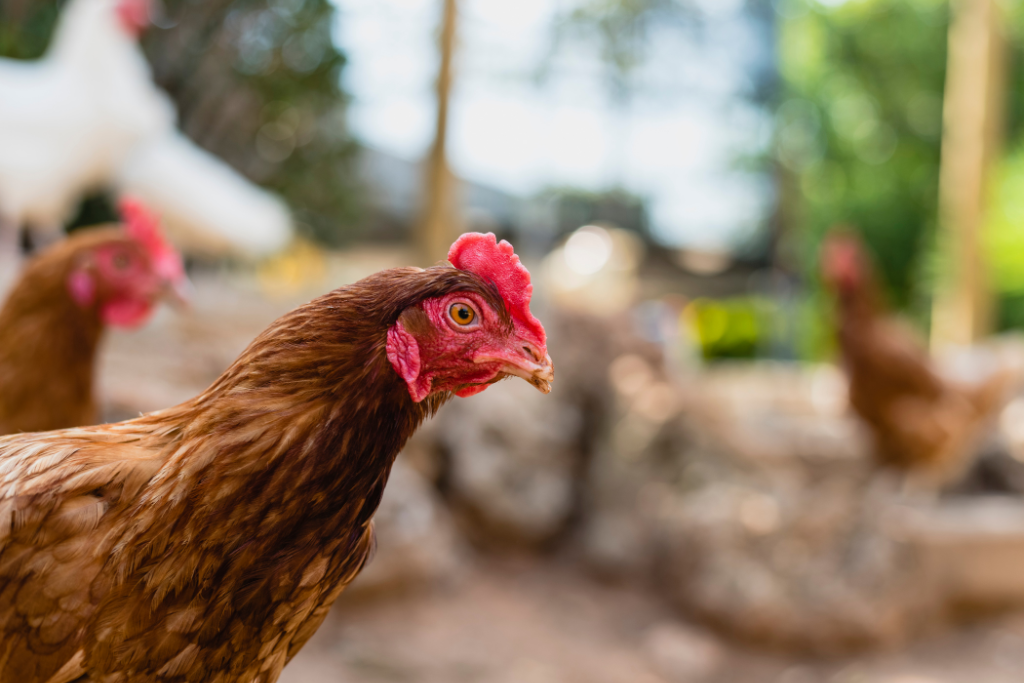
Predator Proofing Your Chicken Coop
When owning chickens, keeping your birds safe should always be a priority. Unfortunately, these birds have a rather lengthy list of predators who won’t hesitate to harm your flock if the opportunity arises. It is important to ensure your coop is a safe place for your birds. This blog covers all the basics of predator-proofing your chicken coop, from proper fencing to locking up feed bins.
Know The Predators:
Familiarizing yourself with the wildlife in your area that may pose a threat to your chickens is ultimately the first step in knowing how to protect them. By doing this, you will have a better idea of any potential weak areas in your coop that need to be reinforced to prevent these predators from breaking in. Some common chicken predators include foxes, coyotes, raccoons, weasels, rats, and birds of prey, but depending on your location, these predators may differ.
Inspect Your Coop:
Check your coop regularly for any areas that a predator may easily breach. Inspect all coop structures, including doors, windows, walls, roof, and floor. Predators are often capable of fitting through tiny holes, so use hardware cloth secured by washers and screws to cover up any cracks or holes in your coop structure, as well as any windows. Keeping all windows locked and adding a complex lock to the coop door will help prevent raccoons from opening them, as they are known for their cleverness.
Fencing:
Whether you have a fenced-in run attached to your coop or a large area where your chickens can free-range, ensuring your fence is secure and won’t allow predators through is essential. Our experts recommend using hardware cloth with ¼” holes or smaller when building a fence to protect your chickens. Chicken wire is typically flimsy and has larger holes that predators can easily get through, so investing in a sturdier wire will better protect your flock. When putting up fencing in a run or a larger fenced-in area, bury the wire 6 to 12 inches underground to deter digging or burrowing predators. An alternative to burying your wire is to create an “apron” of hardware cloth which extends 12 feet outward from the base of your fence. Check out our selection of different fencing options at your local Feeds ‘n Needs!
Prevent Aerial Attacks:
Digging and burrowing predators aren’t the only ones threatening your chickens. Birds of prey such as hawks, vultures and owls are also a danger to your flock while they are outside in their run or when free-ranging. Cover the top of your run or fenced area with hardware cloth or a solid roof to prevent aerial attacks from these predators who fly overhead. Ensure that your covering does not leave gaps between it and your fence, as climbing predators could squeeze through.
Secure Food Sources:
Easy access to your chicken’s feed is an almost guaranteed way to attract predators to your area. Keeping all chicken feed and other food sources locked up in metal bins with secure lids will help to keep rodents and other predators out of it. Keep chicken feeders inside the coop to avoid spilled feed on the ground outside, which would surely draw in predators.
Lock up at Night:
Most predators of chickens are nocturnal, meaning they are active at night. This is when your chickens are the most vulnerable since they are defenseless as they sleep. If your flock free ranges during the day, ensure everyone is back inside before nightfall and that the coop door is latched securely each night with a lock that predators cannot open.
Motion Sensor Lights:
Since most predators are nocturnal, mounting a motion sensor light on or around your coop may startle them, deterring them from coming closer and making attempts to break in.
At Feeds ‘n Needs, we know the best defense against predators is a secure coop and fence. Check out the fencing options available at your local Feeds ‘n Needs, and be sure to ask our experts any questions about how you can keep your birds safe year-round. We’re happy to help!
For more tips, tricks, and information about raising and owning chickens, check out our related blogs:
Hen’s Health Throughout the Seasons
Prep Your Coop for Chicks
Livestock Bedding Options
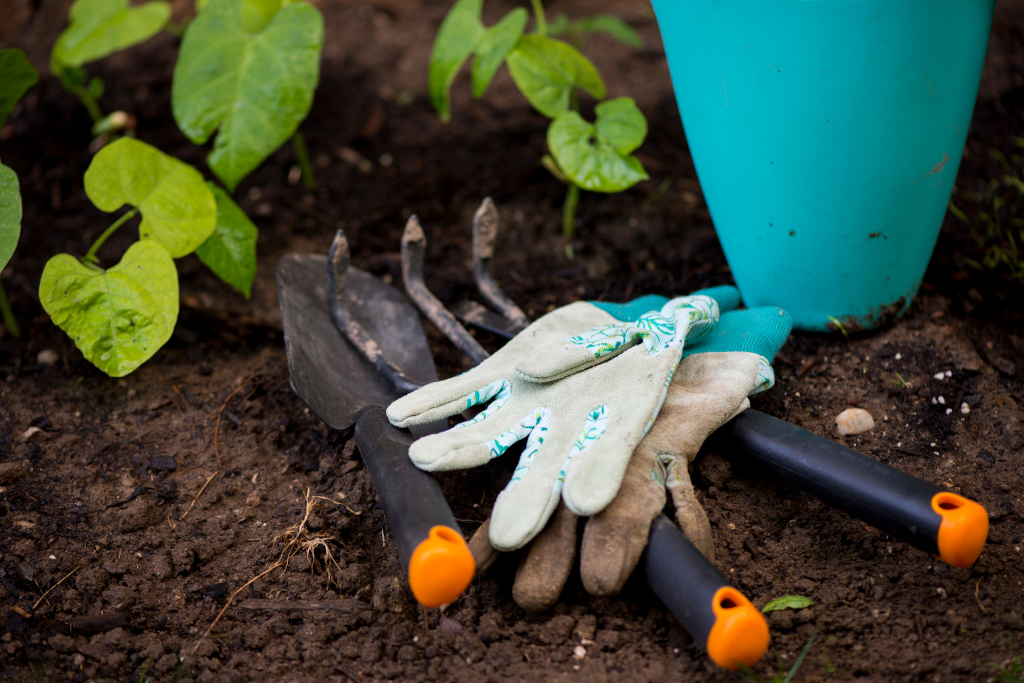
Essential Gardening Tools for Beginners
If you’re new to gardening, you may be wondering where to start. Before you can plant your garden, it’s helpful to have all the essentials you’ll need to ensure that your garden’s preparation, maintenance and harvesting are easy and hassle-free. Our list of the top 12 essential gardening tools is an excellent guide for first-time gardeners looking for a place to get started:
Gardening Gloves:
Keeping your hands clean, dry, and safe while you work. A good pair of breathable and waterproof gardening gloves is a must-have for every new gardener.
Garden Hoe:
A garden hoe is a useful tool for cultivating the garden, stirring up and mounding soil, and dislodging weeds. You can buy multiple types of garden hoes, each better suited to a specific task.
Garden Fork:
This tool comes in handy when getting your vegetable plots ready for planting. Garden forks come in different shapes and sizes but are generally used for breaking up stony soil, aerating sod and digging up root crops.
Shovel:
Shovels serve many purposes when gardening or working around the yard. A sturdy, long-handled shovel is perfect for digging large holes, moving and turning soil, digging out perennials to divide or transplant, and so much more. This is one tool you’ll definitely want to have on hand!
Garden Rake:
A long-handled tool with a wide head and teeth on the end, a garden rake works well to break down soil into a fine tilth that’s best for planting seeds. These rakes are also useful for getting rid of debris in your soil.
Spade:
Garden spades are essential tools for landscapers and come in handy in the garden, too. Used to break through ground and chop through tree roots and tough soil. Spades are helpful when excavating gardens, removing clumps of grass or roots, and cutting garden margins. These tools can also be used for soil aeration and turning soil.
Hand Trowel:
An invaluable tool in the garden, hand trowels are perfect for digging small holes for seeding and transplanting, turning small amounts of soil, and digging up weeds. Try finding a trowel with depth measurements to help you out when planting!
Hand Cultivator:
While these tools are available in various sizes, keeping a small handheld cultivator in your gardening tool kit will be helpful when you first start out. Great for reaching smaller areas where large tools won’t fit, hand cultivators have teeth that are perfect for pulling up pesky weeds between plants and digging or breaking up soil.
Pruners:
A good pair of hand pruners is perfect for trimming small branches, cutting through roots, and dividing root balls. There are various hand pruner options, with certain types better suited for specific tasks, and some even designed to minimize muscle strain and discomfort while using them.
Scissors:
A good, sharp pair of scissors serves many purposes while working in the garden. You can use them to deadhead flowers, harvest vegetables, snip herbs, cut twine or ties holding up plants and even cut open packages of seeds or fertilizers! The uses for this tool are endless!
Zip Ties or Twine:
Useful for securing plants to a support system like trellises, stakes, cages, fences, etc.
Hose & Watering Can:
Once you plant your garden, watering your crops as they grow is a daily task. A garden hose and nozzle with multiple watering settings are essential to ensure that your plants get the water they require to grow. A watering can is also beneficial to supply water to areas where your hose may not reach.
Having the proper tools on hand will make your time in the garden more efficient, precise, and safe while ensuring your plants’ health and maintenance. Stop by your local Feeds’ n Needs to view our selection of various garden tools, Vesey’s seeds, soils, and fertilizers. Let our Experts answer any questions about getting started in the garden!
For more expert advice on getting your garden started, check out our related blogs:
Garden Planning for Spring and Summer
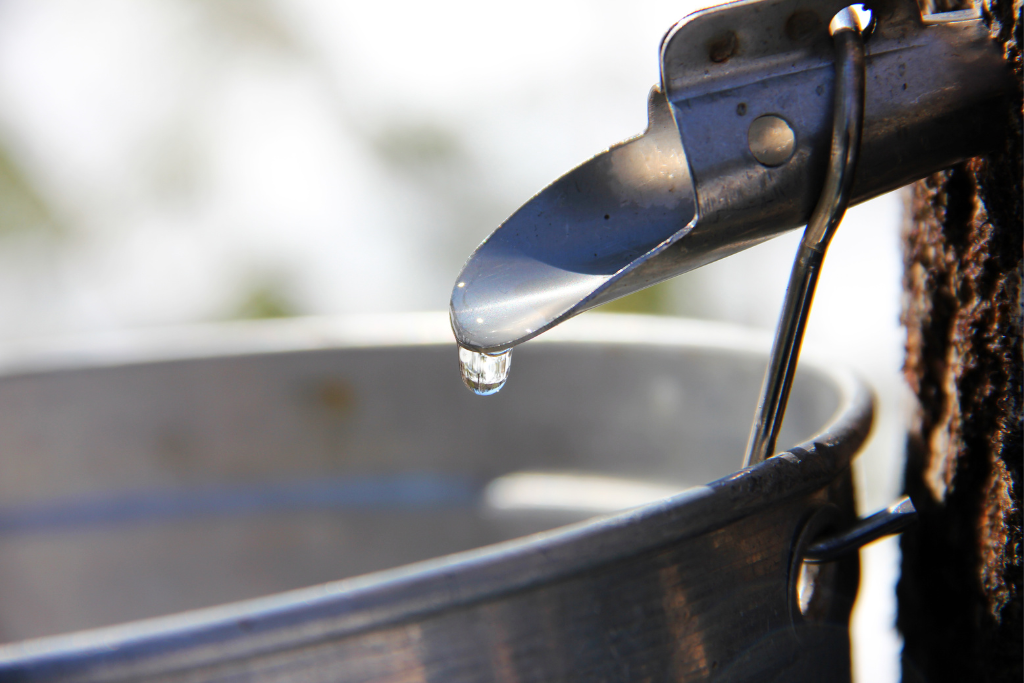
Tapping Maple Trees for Sap
There comes a time of year when the days begin to get warmer, and hope for spring is in the air. After a long, cold winter, these are the days we look forward to. The snow begins to melt, and the sap starts to flow within the trees. For many families in Canada, tapping trees in the springtime is an eagerly awaited annual tradition and an easy and fun way to collect sap to make homemade maple goodies.
Getting Started
Generally, sap begins to flow when the daytime temperatures rise above freezing (0 Celsius / 32 Fahrenheit) and nighttime temperatures fall below freezing. Typically, the season runs for 4-6 weeks, from around mid-February to mid-March. Sap only flows on warm days, so you may not get any on colder days.
Tapping trees is a relatively straightforward process and only requires a few supplies to get started:
- Power drill & drill bit
- Spiles
- Sap buckets & lids
- Hammer
Some of our local Feeds’n Needs stores carry a great selection of quality sap supplies; be sure to check them out!
Before tapping trees each season, it is important to ensure your supplies are clean. A solution of 1 part unscented household bleach to 20 parts clean water can be used to clean your spiles, buckets, and lids.
Selecting Trees to Tap
When selecting which trees to tap, a maple tree with a high sugar content will produce the best sap for making syrup. Popular maple trees for tapping are sugar, black, red, and silver maples. Select healthy and mature trees with a diameter of at least 12″. Depending on the size, some trees can support more than one tap.
A general guide to follow when tapping trees:
- 12 – 20” = 1 tap
- 21 – 27” = 2 taps
- 27” = 3 taps
How to Tap Trees
Spile Placement: When tapping a tree, place your spile at least 3 feet from the ground and at least 6 inches away from any former tap holes. Tap above a large root or below a branch on the south side of the tree if possible, and if placing multiple taps on one tree, distribute the spiles around the tree’s circumference.
Drill a Hole: Most spiles require a 7/16 or 5/16 drill bit, but double-check to ensure that you use a drill bit that matches the size of your spile. Drill a hole about 2 to 2 ½ inches deep so that you hit the sapwood of the tree. Drill slightly upward to allow the sap to flow downward through your spile and into your bucket.
Insert Your Spile: Insert your spile into the tap hole you drilled. Then, gently tap the spile into place using a hammer so that it fits snugly within the hole. Once the spile is placed, you should begin to see sap start to drip or flow. Maple sap is clear and resembles water.
Hang Your Bucket: Hang your sap bucket by inserting the hook on the spile into the hole in the bucket’s rim. Attach a lid to prevent unwanted snow or debris from collecting in the bucket with your sap.
Sap can be collected until the temperature consistently stays above freezing or when buds begin to form on trees. Remove spiles and wash them to be stored for next season.
Once you collect your sap, keep it cold at 38 degrees Fahrenheit or 3.3 degrees Celsius until you boil it. Sap can be stored for up to 7 days at this temperature.
Now that you’ve learned how to tap trees to collect maple sap, you are well on your way to becoming an expert and enjoying this beloved Canadian tradition. Feel free to ask your local Feeds’ n Needs experts any questions you may have about tree tapping and sap collection. Be sure to check out our great selection of supplies to get you started!


