
Heat stress is a serious concern that can severely impact the health and productivity of chickens in the summer months. As a responsible poultry keeper, understanding the causes, signs, and preventative measures of heat stress in chickens is essential to ensure the well-being of your birds, even on the hottest days. In this blog, you’ll learn all about heat stress and what you can do to keep your flock cool this summer.
What is Heat Stress?
Heat stress occurs when a chicken’s body temperature exceeds the normal range of 105°F to 107°F, which puts excessive stress on the chicken’s body systems. As the body temperature rises, this pressure increases which can lead to organ damage, decreased egg production and potentially death. Several factors can affect a chicken’s tolerance to heat, including age, breed, genetics, and whether or not preventative measures have been taken to avoid heat stress.
Causes of Heat Stress in Chickens:
While we know that rising body temperatures cause it, there are several factors that may cause heat stress in chickens:
- High ambient temperatures
- High humidity levels
- Poor coop ventilation
- Overcrowding
- Lack of shaded areas
- Lack of water access
- Age & breed of birds
What Are the Symptoms of Heat Stress in Chickens?
Knowing the signs and symptoms of heat stress is crucial to prevent illness and potential death in your flock. Let’s take a look at some of the telltale symptoms to watch for:
Panting & Rapid Breathing—During heat stress, chickens may exhibit rapid, open-mouth breathing in an attempt to dissipate internal heat.
Pale Comb & Wattles—Since the comb and wattles are the only parts of a chicken’s body that have direct skin-to-air access, extra body heat can escape through them, making the skin appear shriveled and pale.
Outspread & Drooping Wings—Holding their wings away from their body in a drooped position allows more airflow to their skin, releasing trapped heat through evaporative cooling.
Seeking Shade & Prolonged Resting—Most activity generates heat, so your chickens may seek a shady spot to rest during hot weather. You may notice them spending less time roaming and more time lying down and resting, and this is because they are trying to reduce heat production and conserve what little energy they may have. If your chickens become lethargic and aren’t moving, this may indicate that heat stress has progressed to heat stroke and immediate action must be taken.
Eating Less, Drinking More—Since bodily processes like eating and digestion generate heat through metabolic heat production, you may find that your chickens eat less during hot weather. However, they may increase their water intake by 2-4 times their normal amount when they are hot, as drinking cool water helps cool them down from the inside out.
Decreased Egg Production—High temperatures can take a toll on the reproductive function of hens, and they may stop laying eggs if their bodies experience heat stress. Additionally, because eggs are mostly made up of water, a dehydrated, heat-stressed hen won’t have enough body moisture to keep producing eggs.
Diarrhea—Heat stress can disrupt digestive processes in chickens due to reduced feed digestion and electrolyte imbalances. This can result in diarrhea, which may cause your chicken to become dehydrated from moisture loss in the body.
Increased Vocalization—Chickens in distress from heat stress may become more vocal as they try to express their discomfort and seek relief from the heat.
How to Prevent Heat Stress in Chickens:
Knowing how to prevent heat stress and being proactive in preparing for hot weather is imperative to the health and productivity of your flock during the summer months. By implementing these preventative measures, you could save your feathered friends’ lives!
Provide Lots of Water—Offer fresh, cool water to your chickens at all times and allow them to drink it freely. Try to place waterers in shady spots. You can even add a few ice cubes to the water to keep it cool for your flock. Just be careful not to add too many, as icy cold water may be a shock to the body of a hot chicken. Pick up some extra chicken waterers at your local Feeds’n Needs!
*Bonus—Offer cold treats to your chickens on hot days! Things like cold watermelon slices, ice cube treats with fruits and vegetables, or adding tasty snacks like peas or dried mealworms to a bowl of cold water are great ways to help your chickens keep cool and encourage them to stay hydrated.
Supplement Electrolytes—When chickens experience intense heat, their electrolyte levels can become imbalanced. Electrolytes are essential to maintaining normal bodily functions and hydration. On hot days, add a water-soluble electrolyte supplement such as Electrovite or Stress ADE to your chicken’s water to help maintain healthy electrolyte levels. Find these supplements and more at Feeds’n Needs.
Avoid Overcrowding—When many chickens are kept together in a crowded space, their body temperature is elevated by the temperatures of all the birds around them. This is why it is important to make sure that you can provide your chickens with lots of space, especially on hot days. If having them free range isn’t an option, ensure your coop or run allows 8 square feet per bird to prevent overcrowding.
Proper Coop Ventilation—Ensuring your coop is well ventilated to allow lots of airflow is important, especially on hot days when heat stress is a concern. When ventilating your coop, keep predator safety in mind and make sure no predators can get to your flock. If you are able to run electricity to your coop, consider setting up a fan to give your chickens an extra cool breeze!
Provide Shade & Cooling Measures—Make sure your chickens have access to shady areas to rest and relax on hot days! Whether it be natural shade sources like trees and shrubs or man-made shade sources like awnings or a tarp strung up over the run, your chickens will appreciate having a place to rest away from direct sunlight. Additionally, implement cooling measures like shallow pools of water or misters around the yard for your flock to take advantage of in the heat!
Adjust Their Feeding Schedule—Since eating and the whole digestion process generates heat, consider feeding your chickens in the morning and evening when the temperatures may be a bit lower.
Provide Dust Baths—Dust bathing keeps chickens’ feathers clean and healthy and helps them regulate their body temperature by kicking cool soil onto their skin. On hot days, provide your chickens with dust baths in shaded areas; they’ll definitely appreciate it!
Monitor Environmental Conditions and Chicken’s Behavior—By monitoring the outdoor temperature and humidity levels, you will be better prepared to implement heat stress preventative measures for your flock when necessary. Additionally, closely monitoring your chickens for signs and symptoms that may indicate heat stress and jumping into action if needed could save the lives of your birds!
Now that you have learned all about heat stress in chickens, you should be well equipped to take the proper precautions to prevent your flock from suffering in the heat. Drop by your local Feeds’n Needs store to stock up on emergency supplies like extra waterers and electrolyte supplements so you and your chickens will be well prepared for the next heat wave!
Looking for more poultry-related content? Check out our other posts!
How to Introduce New Chickens to Your Flock
Hens’ Health Throughout the Seasons
Predator Proofing Your Chicken Coop

Tips for Camping with Your Dog
Camping with your dog can be an enriching experience with adventure and bonding opportunities. However, it requires careful planning and preparation to ensure you and your furry friend have a safe and enjoyable trip. In this blog, we’ll explore the essential steps you must take when heading into the great outdoors with your canine companion. We’ve got you covered, from packing the gear to understanding campsite etiquette. So, grab your leash and get ready for an unforgettable camping journey with your dog!
Find Pet-Friendly Campsites & Activities
Before you can plan your camping trip, you need to find out if your campground allows dogs and, if so, if there are any specific rules they may have, such as how many dogs are permitted at a campsite, leash laws, if there are designated K9 potty areas, etc.
Additionally, you should check if the hiking trails or attractions you have planned for your trip allow dogs. Leashed dogs are usually permitted; however, checking beforehand and planning your trip from there is always best.
Pack The Right Camping Gear
When camping with dogs, packing the right gear is critical for ensuring your trip is a success. Let’s break down some of the basic essentials:
Tent—Make sure your tent is big enough for everyone to sleep comfortably. When deciding what size tent to bring, consider the size of your dog (or dogs) and how many people will be camping with you.
Floor Mats—Dogs have sharp claws that could potentially poke holes in your tent flooring. Lining your tent floor with inexpensive indoor/outdoor floor mats can prevent holes and make tent cleanup much easier!
Sleep Setup—The key to a great night’s rest while camping is ensuring everyone has a comfortable place to sleep! If you’re not keen on sharing a bed with your dog, give them their own place to sleep – whether it be a dog bed from home, their own inflatable sleeping pad or a cot with blankets. Make sure they’ll be able to keep warm if the temperature drops overnight and bring a cooling pad for them in case it gets hot. Find your dog a cozy bed to keep them comfy at Feeds’n Needs!
* Pro Tip—Ensure your dog gets lots of exercise during the day to help tire them out for bedtime!
Tie-Outs—Since most campgrounds require dogs to be on a leash at all times, a tie-out for the campsite makes it easy to keep your dog from running off without you having to hold a leash. Tie-outs can be attached to ground stakes or a tree (if there are any on your campsite), or you can create a “zipline” by attaching a tie out to 2 trees and clipping another tie out to it; that way, your dog has more freedom to move about the campsite. Consider placing your dog’s bed or camp chair outside so they can rest comfortably off the ground. Stop by your local Feeds ‘n Needs and check out our selection of tie-outs and ground stakes!
* Disclaimer—Never leave your dog tied up for prolonged periods of time or unsupervised at the campsite.
Food, Water & Accessories—Portion out each meal your dog will eat while camping in Ziploc baggies to make mealtime quick and easy – especially when you’re on the go! Store the baggies of food in a rolltop storage bag or airtight container to keep unwanted critters away from it. Collapsable food and water bowls are great for camping as they take up little space, and some can even clip to your backpack! Be sure to bring lots of drinking water for you and your dog, and try to avoid letting them drink from streams or puddles as they can be host to disease.
* Pro Tip – In the event you run out of clean drinking water, you can purify water from rivers, lakes, or streams by boiling it and making sure it stays at a rolling boil for at least one minute.
Leashes, Collars & ID—Make sure you pack your pet’s collar, leash, and harness before you go. Consider packing an extra collar and leash as a backup. Additionally, make sure your pet’s collar has an up-to-date ID tag. If they’re microchipped, ensure that information is also up to date. If you have a GPS-tracking collar for your dog, you can bring that along, too. If your dog gets lost while on your trip, making sure they can be identified when found is important. Be prepared by getting your pet ID tags made at Feeds’ n Needs! (Select Locations)
First Aid & Safety—Their safety is a top priority when camping or doing anything outdoors with your dog! Before you leave for your trip, research where the nearest 24-hour emergency vet is and write down their contact information. It is also recommended that you bring a doggie first aid kit with you. You can purchase these or easily make your own, including things like gauze and self-adhering wound wrap, antibacterial wipes or spray, tweezers, a tick remover, hydrogen peroxide to induce vomiting if your dog ingests anything harmful, children’s Benadryl for allergic reactions (ask your vet about dosage), and any medications prescribed by your veterinarian. It may also be a good idea to include special paperwork such as your dog’s vaccination records and proof of ownership with your first aid kit in case you need it. Check out the selection of animal health and first aid supplies at your local Feeds ‘n Needs and start building your own K9 first aid kit!
Other Things to Pack:
- Poop Bags (Lots!)
- Dog Treats to reward good behaviour
- Dog Toys to keep them occupied at the campsite
- Dog backpack so your dog can help carry their own supplies
- Bug repellant (Dog safe)
- Lighting (headlamps, glow collar to see your dog at night)
- Cooling vest to keep your pooch cool in the heat
- Raincoat for your dog in case it rains
- Dog boots to protect their paws from rough terrain, hot pavement, or hot sand
- Towel to dry your dog off if they get wet or dirty
Practice & Prepare Before You Go
Being well-prepared for your trip before you leave is the best way to ensure you have everything you need once you get there. Make a list of all the supplies you need to bring and double check that you’ve got everything before you head out. If your dog has never been camping with you before, they may benefit from some practice at home. Set up your tent in your backyard and camp out for the night with your dog to get them used to the sounds and experience of being in a tent. You can also plan a few day trips hiking or adventuring with your dog to get them better prepared for the big camping trip! At the end of the day, patience will be essential when taking your dog camping. New surroundings and smells can overwhelm them, so give them time to adjust and reward them with lots of treats and praise along the way!
Camping Etiquette
Once you arrive at the campground, it is important to be respectful of your fellow campers and hikers. Being mindful of your dog’s barking at late hours, respecting leash laws, and picking up after your dog are all ways to practice good camping etiquette while on your trip.
Camping with your dog can be a fantastic adventure. With the right preparation and our expert advice in mind, you and your furry friend are sure to enjoy a safe, fun-filled trip, making memories to last a lifetime! Stop by one of our 14 Feeds ‘n Needs locations across the Maritimes to pick up some of these K9 camping essentials! Stay safe and happy camping!
Ready to explore more expert advice topics? Check out these similar posts!
Road Trip Safety for Your Dog
Animal Welfare During a Heat Wave
Water Safety for Dogs
Sources:
25 Camping With Dogs Tips, Tricks, and Top Gear (countryliving.com)
Camping With Dogs – A Beginner’s Guide | GoPetFriendly.com
A guide to camping with your dog – She Gets Around
How to Camp With Your Dog: What To Know and What To Bring (rover.com)
How to Make a First Aid Kit for Dogs, Cats & Other Pets | Tractor Supply Co.

A Guide to Watering Pigs in the Summer
Ensuring your pigs have access to fresh drinking water at all times can feel like a never-ending challenge. These mud-loving animals are notorious for being able to tip over water troughs and buckets with their brute strength. How can you avoid this and be sure your pigs have clean water to drink 24/7? Our guide to watering pigs in the summer offers tips, tricks and products to keep your pigs cool and hydrated all summer!
Why Do Pigs Need Access to Water at All Times?
Did you know that pigs don’t have functional sweat glands? This means that instead of sweating, pigs must find other ways to keep cool to avoid heat stress and maintain healthy bodily functions. In the summer months, when the temperature may exceed 25 degrees Celsius, pigs can consume two times more water than they would on a cooler day. This is because the cool water helps them regulate their body temperature. Pigs love to roll around in mud and water because when they get wet, a process called “evaporative cooling” takes place, which helps the pig maintain a normal body temperature.
How Much Water Do Pigs Need Each Day?
How much water a pig needs to drink daily can vary based on several factors. Age, size, weather, and what the pig is eating are all things that need to be taken into consideration when it comes to swine water requirements. The chart below is a basic guide to pigs’ daily water requirements; however, our experts still recommend talking to your farm vet to help you determine your pigs’ water requirements.

Watering Systems for Pigs
Depending on how many pigs you have and how your farm is set up, there are several different ways to deliver constant fresh drinking water to your pigs. Let’s go over the best manual and automatic watering systems for swine:
Manual Watering Systems for Pigs – A manual watering system is something like a trough, bucket or tub that requires you to clean and refill daily. Whatever you use as a manual waterer must be durable and heavy so your pigs can’t damage or knock it over. The sides need to be low enough for the smaller pigs to be able to drink from but high enough to prevent mud or bedding from contaminating the water. Try placing a couple of cinder blocks at the bottom of your trough or tub to weigh them down and provide footing for any pigs who may accidentally fall in.
Automatic Watering Systems for Pigs – Automatic watering systems provide a continuous flow of drinking water for your pigs without the hassle of having to clean and refill a tub or trough. Pig water nipples and drinking cups are examples of popular and effective automatic watering systems that have animal-activated stem valves to ensure that your pigs are getting water when they need it without spilling everywhere and making a mess. These valves can be screwed into a garden hose and attached to the wall of your pig pen at a height of roughly two inches above where the shoulder of your smallest pig would reach. If your barn doesn’t have the option of running water through a hose, you can hook up your pig water nipples or cups to the side of a large plastic water barrel. You can even hook up your barrel to a rain barrel outside the barn to keep it filling automatically. Additionally, these auto waterers can be hooked up to large livestock tanks to provide water to pigs who may be on pasture.
Sometimes, all it takes are the right tools and a bit of creativity when it comes to pig watering solutions, so stop by your local Feeds’n Needs and chat with one of our Experts about which watering system may work best for your pigs. We’re here to help!
Be sure to check out our other blogs, where you’ll find helpful information on a wide range of topics!
feedsnneeds.ca/experts-advice/
Sources:
Keeping Pigs Cool in the Summer Heat (psu.edu)
How To Water Pigs: Equipment Tips, Winter Care & More – Hobby Farms
Water – Small Scale Pig Farming
The Easy Guide To Watering Your Pigs (qcsupply.com)

How Long Are Farm Fresh Eggs Good For?
Nothing is better than fresh eggs straight from the coop, but how long are farm fresh eggs good for? Several factors influence the freshness of eggs and their shelf life, so whether you’re just starting out raising chickens or an experienced homesteader, we’re here to fill you in on the knowledge and techniques you’ll need to determine whether or not the eggs you’ve collected are fresh and safe to eat.
How to Properly Clean Eggs:
Did you know that eggs have a natural protective coating over them called a bloom? This coating seals the pores of the egg, preserving its freshness and preventing harmful bacteria like salmonella from getting inside. This is why it’s important to be careful when cleaning your eggs. If the egg is relatively clean when collected, you can brush off dirt or debris with a dry cloth or brush, and if the eggs are quite dirty, gently rinse them under cool water with your hands. When eggs are cleaned excessively, it gets rid of dirt and bacteria, but also strips away the protective coating. Once the protective coating is gone, the eggs become more susceptible to contamination, and their shelf life is shortened.
How Long Can You Store Eggs?
Refrigerated Eggs Shelf Life – Because they are so sensitive to temperature and humidity fluctuations, eggs should be stored in a cool spot in your refrigerator where the temperature is below 7 degrees Celsius. If stored correctly in the fridge, farm fresh eggs can be stored for up to 6 weeks.
Unrefrigerated Eggs Shelf Life – Since warm temperatures will make eggs go bad faster, store your eggs in a cool area with no direct sunlight. Unrefrigerated eggs that are stored properly can stay fresh for up to 2 weeks.
Always label eggs with the date they were collected, that way you have a rough idea of how fresh they are and when they should be discarded.
How to Test if an Egg is Fresh
There are a few simple ways to test the freshness of an egg, you can do these tests right after collecting eggs or before you use them:
Float Test:
- Place your egg in a bowl of cold water.
- If the egg sinks to the bottom and lies horizontally, it’s very fresh and safe to eat.
- If the egg floats a bit or stands vertically, it’s past its peak freshness but is still edible.
- If the egg floats to the surface, the egg is old and should be thrown out.
Visual Inspection:
- Check for any cracks or powdery mold on the shell – Discard the egg if it’s cracked or moldy.
- Crack the egg open – Fresh eggs have thick, firm egg whites, plump, round yolks, and very little spreading. Old eggs will have flat yolks and watery egg whites and may not be safe to consume.
- If the shell is thin or brittle, it means that egg didn’t get enough calcium while being formed. Since these shells are weak, they are easily contaminated and shouldn’t be eaten.
Smell Test: Fresh eggs should have little to no smell when cracked open. Old eggs may have a strong, sulfurous odor. If your egg smells rotten, throw it out.
It’s essential to understand the importance of taking the proper precautions when handling and storing eggs to prevent foodborne sickness. A good rule of thumb when testing an egg to determine freshness is “When in doubt, throw it out.”
Visit our experts in store if you have any questions and be sure to check out our selection of poultry supplies and feed while you’re there!
For more expert advice on all things poultry and homesteading, check out our blog:
How to Introduce New Chickens to Your Flock
Hens Health Throughout the Seasons
Predator Proofing Your Chicken Coop

Horses Hoof & Skin Health
As an equine owner, it is important to maintain your horse’s hoof and skin health. Given that we live in the Maritimes, we sometimes see a lot of precipitation and moisture. Keeping our barns and equine companions as clean and dry as possible is essential. Anything we can do to minimize mud, puddles and manure around the barns and paddocks will help reduce precipitation and moisture. If left unattended, it can cause health issues with horses’ hooves and skin and create a nesting ground for flies. Issues such as mud fever, white line disease, thrush and rain rot can become a serious concern as a horse owner.
To prevent severe concerns for your horses, ensure that you manage your property to the best of your ability. Here are some tips to help you minimize precipitation and moisture:
- Proper drainage around the property is critical to ensuring dryer ground, which will lessen stagnant water.
- Weekly paddock maintenance helps remove old manure and excess hay. This should include run-ins as well, not just pastures and paddocks.
- Ensuring that your horse gets to dry off at least once per day will significantly reduce the risk of health issues.
- Routine grooming gets your hands on your equine companion to ensure you are not missing any signs of skin issues or irritations. Remove any thick mud from their legs or body and ensure proper attention is given where needed.
By providing your horse with the best maintenance, you’re not just ensuring their health, but also their soundness and ability to perform their job for years to come. This reassurance should give you the confidence to tackle any challenges that come your way in maintaining your horse’s hoof and skin health.
For more advice on maintaining your horses’ health, check out our related blogs or ask the Experts at your local Feeds’n Needs!
Deworming Your Horse
Maintaining Your Horses Health
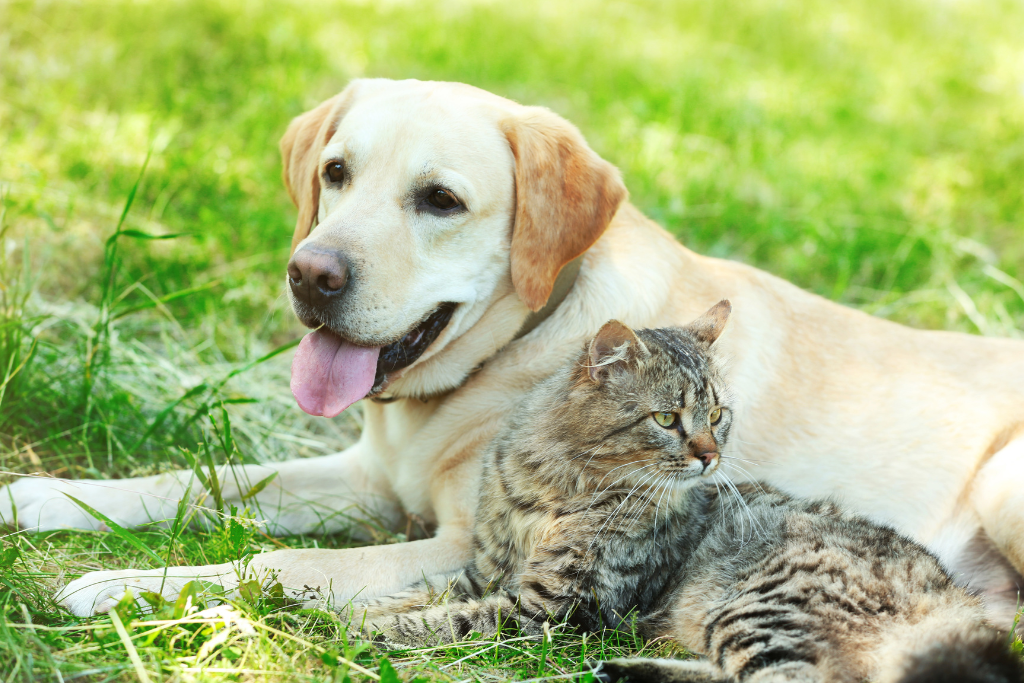
Pet Seasonal Allergies
If you’ve ever dealt with seasonal allergies, you know springtime is one of the worst times of year for producing allergens like pollen and dust. But did you know that seasonal allergies can also affect our pets? In this blog, you’ll learn what symptoms to look for and how to help your furry friend if they show signs of allergies.
What Are Seasonal Allergies?
Like us, dogs and cats can experience allergy symptoms during certain times of the year. Seasonal allergies are caused by various things in the environment that the immune system is hypersensitive to. These various things are called allergens, which can cause pets to have an allergic reaction when exposed. The spring (March-May) and fall (September-November) seasons are typically when most pets will be affected by seasonal allergies, but this can vary based on the weather and your location.
Symptoms of Seasonal Allergies in Pets:
Seasonal allergies typically affect pets around their paws, limbs, mouth, ears, abdomen, groin, armpits, tail, and around the eyes. During the spring and fall seasons, keep a close eye on your pet and watch out for these symptoms that may indicate a seasonal allergy:
- Itchiness – Scratching, gnawing, licking, chewing, or digging at the skin
- Skin Lesions – Redness, crusts, black pigmentation or thickening of the skin
- Odor to the Skin or Ears
- Head Shaking
- Pawing at the Eyes, Ears, or Face
- Watery Eyes
- Reverse Sneezing
- Recurring Scooting or Licking of the Anus
- Moist Skin
Seasonal allergies can be diagnosed by your veterinarian through a series of tests that will rule out any other conditions that could be causing similar symptoms. Since many common allergy symptoms can progress into more serious conditions, it is important to consult your veterinarian to help you decide the best course of treatment for your pet.
What Could my Pet be Allergic to?
Some of the most common allergens that affect pets seasonally are:
- Plant and tree pollens
- Mold spores
- Yeast and other bacteria
- Dust and storage mites
- Fleas
Treating Seasonal Allergies in Pets:
Seasonal allergies are a chronic condition that has no cure. However, many treatment options are available to manage symptoms and keep your furry friend feeling their best. We recommend consulting a veterinarian to help you determine what course of treatment is best for your pet.
Baths – Bathing your pet with a soothing shampoo will not only remove any allergens from your pet’s skin but also relieve symptoms like itching. Choose a shampoo with gentle ingredients such as coconut to hydrate the skin while minimizing inflammation or one that is formulated specifically for allergies and itch relief. Our experts recommend the OxyMed medicated or hypoallergenic oatmeal shampoos and soothing sprays for bathing pets with seasonal allergies.
Wipe Off Their Coat & Paws – When pets return from being outside, they can carry allergens inside with them. A quick way to combat this without giving them a bath is to use a moist cloth or hypoallergenic pet wipe to wipe down their coat, skin and paws each time they come inside. Tropiclean gentle coconut hypoallergenic wipes work perfectly for this!
Flea & Tick Prevention – Protect your pet from flea or tick irritation by regularly treating them with preventative treatments. Our experts recommend the Advantage II treatment for your canine or feline friends and the K9 Advantix treatment for canines only.
Inside Your Home – Cut down on airborne allergens inside your home by regularly changing air filters, running a dehumidifier to remove moisture and prevent mold and bacterial growth, vacuuming at least once per week, and remember to regularly wash areas that typically pick up allergens like rugs, curtains, blankets, and pet beds.
Dietary Supplements – Coconut oil, fish oils, and fatty acids like omegas 3 and 6 are a natural way to improve your pet’s skin and coat health. They can also help with anal gland irritation during allergy season. Supplementing your pet’s diet with these natural remedies can reduce itching and skin irritation, as well as improve overall coat health. Smart Earth camelina oil is a great source of omega 3 and 6 to help with pet’s allergies, skin and coat, joints and mobility, hearth health and more. Find this and other supplements, including Thrive herring oil, at your local Feeds’n Needs!
*Note – It can take 4-6 weeks for an omega-3 fatty acid supplement to take effect. If your pet is prone to seasonal allergies and skin irritation, we recommend supplementing year-round.
Topical Treatments – There are many topical treatment options that may help treat skin infections or irritation caused by seasonal allergies. These may include anti-bacterial or anti-fungal sprays, ointments, or wipes.
Ear Cleaning – Keeping your pet’s ears clean, especially after a bath or water activities, can help prevent bacterial growth and infections in the ears. Tropiclean dual action ear cleaner will both clean and dry your pets’ ears, working effectively to prevent bacteria.
Veterinary Treatments – Depending on the severity of your pet’s allergic reactions, your veterinarian may prescribe a more aggressive form of treatment such as steroids, antihistamines, or immunotherapy.
Our experts understand that each pet has its own unique needs, and this applies to seasonal allergies too. Stop by your local Feeds’n Needs to check out our selection of supplements, shampoos, and remedies to help your pet this allergy season!
For more tips and information about your pet’s health and wellbeing, check out some of our other blogs!
Dog Grooming Tips for Spring
What You Need to Know About Your Dog’s Paws
How to Properly Clean Your Dog’s Ears
Sources:
https://www.animalhumanesociety.org/resource/signs-your-pet-has-seasonal-allergies-and-what-you-can-do-help
https://www.dogtopia.com/blog/dog-seasonal-allergies/
https://www.petmd.com/dog/conditions/skin/seasonal-allergies-dogs
https://www.hillspet.com/dog-care/healthcare/managing-dog-seasonal-allergies?lightboxfired=true#\
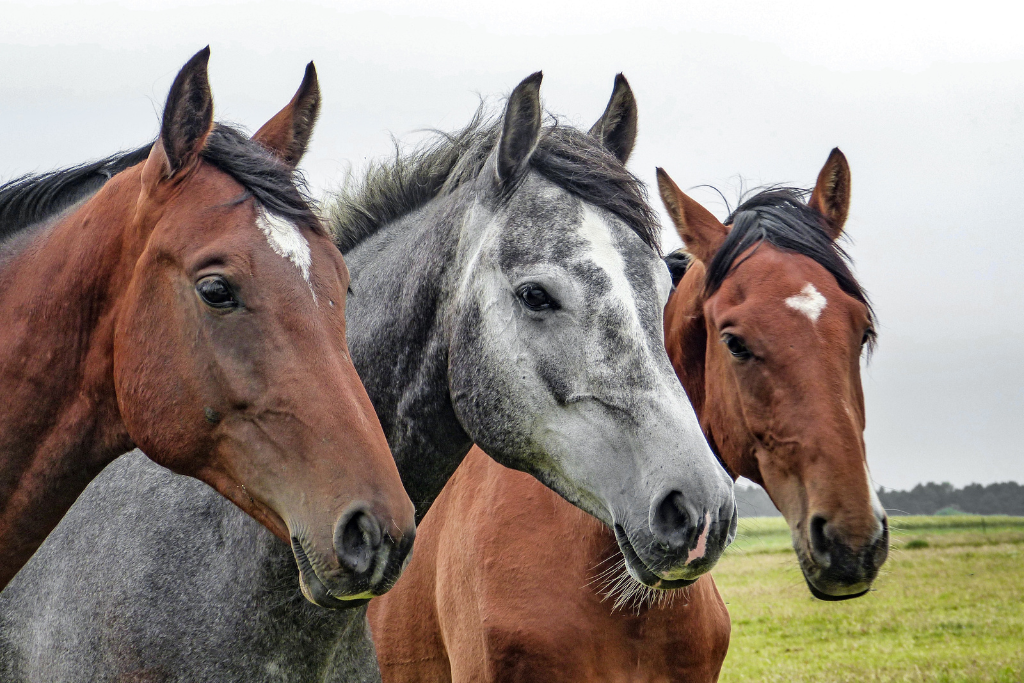
Deworming Your Horse
Deworming your horse four times a year is ideal. It is recommended to do it once per season, alternating between various types of dewormer to help keep the parasites from becoming immune to the ingredients. If symptoms persist, contact your veterinarian.

Our Equine Worming Products:
Panomec (1.87% Ivermectin):
Treats large and small strongyles, threadworms, pinworms, ascarids, hairworms, large mouth stomach worms, and bots.
Safe for horses of all ages, pregnant mares, and foals over eight weeks.
Strongid P (6.6% Pyrantel Pamoate):
Treats large and small strongyles, pinworms, ascarids, and tapeworms.
Safe for horses, pregnant mares, and foals over eight weeks.
IVL Ivermectin Liqiud (Ivermectin):
Treats internal nematodes and bots.
Safe horses of any age, pregnant mares, foals over eight weeks
Quest (2% Moxidectin):
Treats large and small strongyles, roundworms, stomach worms, pinworms, hairworms, integumentary microfilariae, tapeworms, and bots.
*MUST HAVE SPECIFIC WEIGHT OF HORSE AS YOU CAN EASILY OVERDOSE ON QUEST PRODUCTS*
Safe for horses, ponies 16 weeks +, and pregnant mares.
Quest Plus (2% Moxidectin & 12.5% Praziquantel):
Treats large and small strongyles, roundworms, stomach worms, pinworms, hairworms, integumentary microfilariae, tapeworms, largemouth stomach worms, and bots.
*MUST HAVE SPECIFIC WEIGHT OF HORSE AS YOU CAN EASILY OVERDOSE ON QUEST PRODUCTS*
Safe for horses, ponies 16 weeks +, and pregnant mares.
Safeguard (10% Fenbendazole):
Treats large and small strongyles, roundworms, and pinworms.
Safe for horses, ponies, foals, and pregnant mares.
Eqvalan Gold (1.55% Ivermectin & 7.75% Praziquantel)
Treats tapeworms, large and small strongyles, threadworms, pinworms, roundworms, hairworms, large mouth stomach worms, and bots.
Eqvalan Gold is the most popular broad-spectrum wormer we sell.
*NOT SUITABLE FOR PREGNANT MARES*
Safe for foals over eight weeks, horses and ponies.
PowerMectin (1.87% Ivermectin):
Treats large and small Strongyles, intestinal threadworms, pinworms, ascarids, hairworms, largemouth stomach worms, neck threadworms, and bots.
Safe for horses, pregnant mares, and foals over eight weeks.
Worms by Season:
Spring: Roundworm/Tapeworm
Summer: Roundworm/Small Redworm
Fall: Encysted Redworm/Tapeworm/Bots
Winter: Tapeworm/Pinworm
At Feeds’n Needs, we think your horse deserves the best care! Stop by your local Feeds’n Needs, and one of our Experts can show you our selection of worse dewormers and help you find the right one.
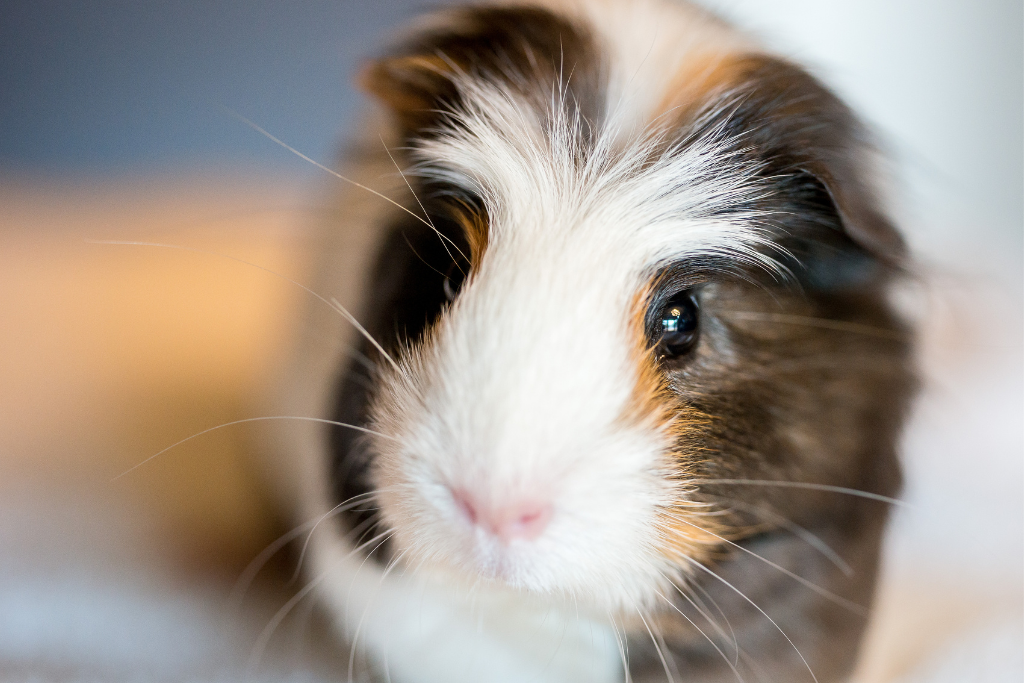
Why Guinea Pigs Need Vitamin C
Guinea pigs are wonderful pets that are a joy to observe and interact with, and they have something in common with us humans that no other companion pet does! Did you know that guinea pigs can’t make their own vitamin C in their bodies like most other animals do? Just like humans, they have to get it through their food. As a responsible piggie parent, it’s your job to ensure that your guinea pig’s diet meets their unique nutritional requirements, and we’re here to teach you all about it!
Why is Vitamin C so Important?
The body needs vitamin C to make collagen, a building block for all kinds of different issues. This means that vitamin C plays an important role in keeping skin, joints, gums, and the whole immune system healthy and helping wounds heal.
What Happens if Guinea Pigs Don’t Get Enough Vitamin C?
Most guinea pigs need between 10 and 30mg of vitamin C per day to maintain good health. Any excess that is not required will be excreted through the urine and will not be absorbed through the body. Piggies who are still growing, pregnant, nursing, or sick may require extra vitamin C in their diet as recommended by your veterinarian.
Deficiency in vitamin C is generally referred to as ‘scurvy’ and in guinea pigs, will typically present itself as the following symptoms:
- Poor coat
- Swelling and ulcers on the skin or gums/mouth area
- Diarrhea
- Poor appetite
- Swollen joints and difficulty moving
- Lethargy
- Issues with wound healing
How do you Supplement Vitamin C in the Diet?
While a guinea pig’s diet should include around 80% hay, a portion of formulated guinea pig food, as well as fresh vegetables and fruit, must be fed daily to supplement them with the required vitamin C.
- Packaged Food: Guinea pig food you buy at the store should be of good quality and contain high amounts of vitamin C in a stabilized form. Vitamin C is considered a relatively “unstable” vitamin, meaning it will break down over time, especially if exposed to light, heat, and moisture. Because of this, your guinea pig may not receive the amount of vitamin C listed on the bag. It is always recommended to follow the manufacturer’s “best before” recommendation and try to feed the entire bag of food within 90 days after opening to ensure that your guinea pig does not become deficient. It is also important to monitor whether or not your piggie is eating all the food given to them. Many mixed guinea pig foods contain “extras” such as dried fruit, seeds and nuts alongside the fortified pellets containing added vitamin C. However, these pellets are typically the least appealing to guinea pigs, and they will often pick out the “extras,” leaving the nutritionally balanced pellets behind. Our experts recommend feeding your guinea pigs a purely pelleted formulation to ensure that they consume the required vitamins and nutrients. Check out our selection of quality guinea pig food options in store!
- Vegetables & Fruit: Besides pellets, the other primary source of vitamin C for guinea pigs is fresh vegetables and occasionally fruit. Feed a portion of veggies that are high in vitamin C each day, such as leafy greens, but be cautious not to overfeed veggies or fruits that are high in sugar (leads to obesity or intestinal issues) or high in calcium (guinea pigs are predisposed to bladder stones). Check this detailed chart to help you decide which fruits and veggies are safe for your guinea pigs: https://guineadad.com/blogs/news/guineadad-veggie-masterlist-what-kinds-of-vegetables-can-your-guinea-pig-eat
At Feeds ‘n Needs, we think your animals deserve the best, and that’s why we are proud to offer top-quality nutrition solutions for pets of all sizes! Stop by your local Feeds ‘n Needs, and one of our experts can show you our selection of guinea pig foods your piggie will be sure to love! We are always happy to answer any questions you may have!
Are you interested in learning more about small animals? Check out our related blog posts!
Small Animal Dental Health
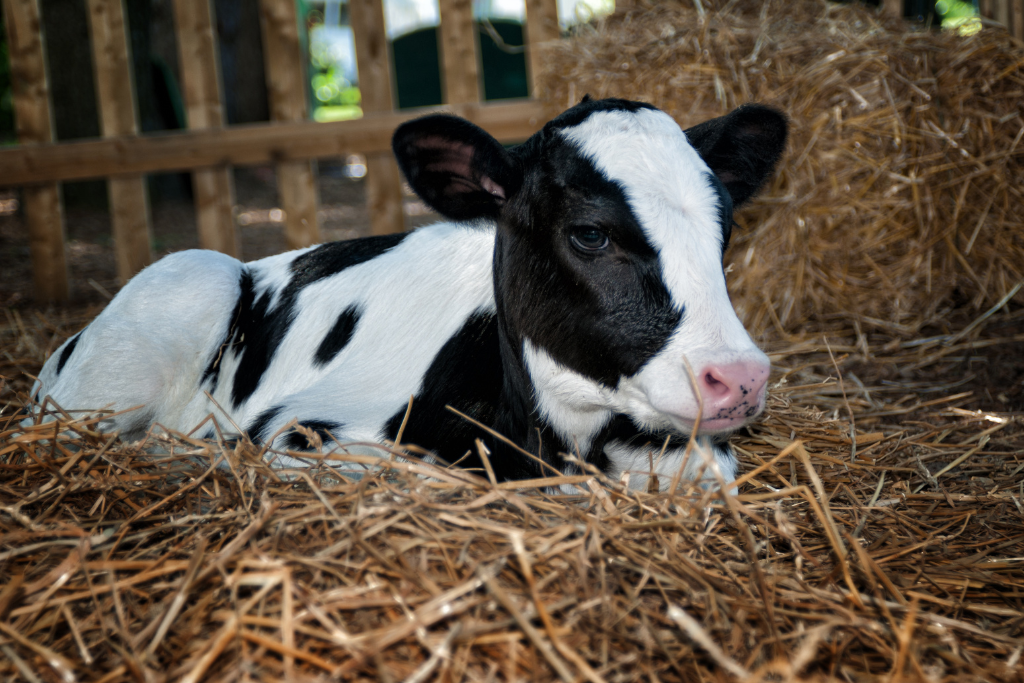
Calving Supplies Checklist
When it comes to the birth of new calves, things sometimes go differently than planned. From difficult labor and delivery to dealing with sick, cold newborns, when you’re expecting a pregnant cow to give birth, you need to be prepared for any scenario. Make sure your calving kit is fully stocked and ready to go prior to the due date of the first calf so that even if it’s born early, you’ll be prepared. Our calving supply checklist is a great guide to help you make sure you have everything you need this calving season!
Veterinarian Contact Information
If you plan to own and breed cattle, you’ll want to make sure you know who your local farm veterinarian is and keep their contact information on file in case of an emergency. It’s not uncommon for a cow to require assistance to deliver her calf; however, sometimes, if the farmer cannot get the calf out, a veterinarian must be called to the farm to perform emergency measures.
Notebook & Pencil
Keep a detailed record of important information, including breeding and due dates, so you have a rough idea of when to expect calves. Record newborn calves’ birth date, sex, birth weight, and any additional information such as the ID numbers of each cow and calf pair, whether or not a bull calf has been castrated, and any health issues noticed.
Calving Pen
Calving areas should be sheltered from cold weather, have clean straw or shavings for bedding, and ideally have a functional chute in case of emergencies requiring medical intervention. Make sure your calving pen has adequate lighting and keep a flashlight close by in case you need to inspect a cow or calf. Stock up on dust-free chopped straw or wood shavings at your local Feeds ‘n Needs.
Heating & Drying Sources
Since they are born covered in amniotic fluid, calves must be quickly dried and warmed up after birth to prevent them from developing hypothermia. A cow should be allowed to lick her calf clean after delivery; however, in cases of cold weather or if the mother does not clean her baby, have towels and blankets ready to dry the calf off and stimulate blood circulation. If a newborn gets chilled, have a warming box or other heat source like hair dryers and heat lamps ready to use to get the calf warm. Use a thermometer to keep track of calves’ temperatures, especially if they are sick or hypothermic. Always sterilize thermometers after use.
Gloves & OB Lubricant
Keep boxes of long and short disposable gloves to protect you and your animals from bacteria entering the body, and always change gloves between working with different animals. If a cow requires assistance delivering her calf, have lots of regular obstetrical lubricant on hand to lubricate the birth canal and your gloved arms to reduce friction and swelling. If your cow may require a C-section, avoid using J-lube to try and get the calf out, as it is toxic to the peritoneal cavity and will be fatal to the cow.
Halter, Rope & OB Chains
Ensure you have clean OB chains and handles ready in case you have to intervene and assist a cow during delivery. Additionally, have a halter and long rope prepared for laying down a cow to make delivery easier.
Disinfectant
A 7% iodine solution or chlorhexidine should be used to dip the calf’s navel after birth to keep it clean and disinfected. Additionally, you can add these disinfectants to a bucket or squeeze bottle of water to create wash water for cleaning the cow after delivery. Roll cotton soaked in this disinfectant water also works well to wash the cow.
Colostrum & Milk Replacer
The colostrum, or “first milk” a pregnant cow produces, is rich with antibodies and nutrients, which are vital for her calf to receive in the first 4 to 6 hours after birth. Calves should be standing and nursing on their own within 1 hour. Otherwise, you may need to intervene. If you are worried that a calf is not getting colostrum, or if you have a calf too weak to nurse on their own, frozen colostrum or dried colostrum mixed with warm water should be readily available to administer to the calf. Colostrum replacer products should contain a minimum of 100g of lgG per dose. Keep powdered milk replacer on hand for calves that will be bottle fed. Trust Feeds ‘n Needs to provide you with the best quality powdered colostrum and milk replacers to help your calves grow and thrive.
Feeding Supplies
A flexible stomach feeding tube and large syringe may need to be used to administer colostrum to weak or sick calves that are unable to suckle. Be sure to sterilize supplies between calves or keep a second stomach tube on hand to feed sick calves only. Additionally, keep bottle feeding supplies like calf bottles and extra nipples on hand to bottle feed calves that are stronger and able to suckle.
Needles & Syringes
Keep an assortment of sterile needles and syringes in your calving kit for administering supplements, vaccines, antibiotics, or other medications as per your veterinarian’s recommendation.
Use a bulb syringe to suction amniotic fluid out of newborn’s noses so they can breathe.
Injectables & Supplements
Administering supplements of the vitamins A, D, E, and selenium, as well as a mix of electrolytes for calves, is recommended for newborns. Our experts recommend the AVL Vitaferst-Care oral neonatal supplement for ruminants to give your calves the best start at life. Medications and vaccinations can be administered as per your veterinarian’s recommendation. Additionally, it’s always beneficial to keep scour pills or a prevention solution on hand in the event a calf develops scours and requires immediate treatment. If you do not have access to scour pills from your vet, we recommend administering Calf Renova at the first signs of diarrhea or Calf Perk to get a cold, weak calf to its feet after birth. Ask your local Feeds’ n Needs experts about product availability.
ID Equipment
Each head of cattle in Canada is required to have a registered CCIA tag before being transported from their farm of origin. These can be bought from an authorized dealer like your local Feeds ‘n Needs store. In addition to CCIA tags, you may want to tag your cattle with an on-farm ID tag, which should be done within the first few days of a calf’s life as cows sometimes swap calves, making future genetic selections inaccurate if calves were not tagged at birth. If you plan to give your calves tattooed ID numbers, ensure all your equipment is clean and in good working order.
Elastrator Rings & Tool
If you plan on castrating bull calves, you will need to make sure you have elastrator rings and the proper elastrator tool. Castration of bull calves is typically done between 1 week and 5 months of age. Be sure to record which calves are being castrated and which are not.
When it comes to calving, expect the unexpected and always be prepared. Stop by your local Feeds ‘n Needs to pick up some essential calving kit items so that you’ll be ready when the first calf arrives!
Disclaimer: Feeds ‘n Needs is not qualified to give medical advice or recommendations; please consult your veterinarian for any concerns, vaccine recommendations, etc.

Lambing Supplies Checklist
The arrival of new lambs can be exciting and busy, so the best way to guarantee a smooth lambing season is to ensure you are well-prepared in advance. In this blog, we will review the essential supplies that every shepherd should have on hand before the arrival of any lambs.
Notebook & Pencil
Have a notebook to record all contact between ewes and rams, and use a gestation table to calculate approximate due dates. Knowing roughly when to expect lambs to be born allows you to ensure you have all supplies on hand at least a week before due dates.
Use this notebook to keep track of other things, such as ewe and lamb ID numbers or colors, any health issues you have noticed, etc.
Lambing Pen
Ewes and their newborns should have an isolated pen away from the rest of the flock for the first several days after birth to allow a safe place for them to bond. The pen should be at least 5’ x 5’, and bedding should be kept clean and dry to prevent infection, especially after lambs are born.
Lighting
Keep bright flashlights or headlamps nearby if your barn does not have great lighting. If a lamb arrives at night, you’ll need a good light source to assist the ewe and her newborn.
Heat Sources
Newborn lambs are susceptible to hypothermia, so several methods to warm a chilled lamb can be vital to survival. Hair dryers, warming boxes, and heat lamps are all great ways to get a lamb warm after birth when used with caution. You can also place a lamb’s body in a plastic bag with its head sticking out and sit it in a warm water bath to quickly raise its body temperature without affecting its smell.
Digital Thermometer
Monitor lamb’s temperature to ensure it isn’t too cold or sick. A normal temperature for a lamb is 38.8°C to 39.4°C, if the temperature drops below 37.7°C, the lamb is hypothermic.
Towels and Paper Towel
Lambs are born covered in amniotic fluid which the mother ewe should clean off. While this is important for their bonding, you may need to assist the ewe and help get the baby dry using towels or paper towels to prevent the lamb from getting cold.
Bulb Syringe
The use of a bulb syringe may be required to suck any amniotic fluid out of a newborn lamb’s nostrils after birth to allow it to breathe.
Iodine Spray or Dip
Whether or not you decide to cut a newborn lamb’s umbilical cord using sterile scissors, the navel can serve as a pathogen pathway to a lamb, and it is vital that the area be kept clean. Use a 10% iodine spray or dip solution to keep the area disinfected, and make sure that the lambing pen has clean bedding.
Lubricant
Keep some OB lubricant on hand in case it’s needed. This can be helpful to lube up a thermometer, getting a lamb’s head unstuck during birth, or lubricating your arm and any needed birthing tools if the ewe requires help while giving birth.
Gloves
Keep boxes of long and short gloves to use when handling lambs and ewes to prevent bacteria from entering your body. Be sure to use different gloves when handling different sheep to avoid the potential spread of infection.
Colostrum & Milk Replacer
Lambs need to nurse during the first 24 hours of their life to receive the nutrients and antibodies from the ewe’s first milk, called colostrum. Before a lamb can nurse, you must strip the wax plug from the ewe’s teats and ensure her milk flows. If a lamb is rejected by its mother, or if you have a lamb that is too weak to nurse, have powdered or frozen colostrum that you can warm and feed to them as they must receive this vital colostrum within their first 8 hours of life. It is also a good idea to keep a lamb milk replacer on hand in case of a rejected lamb that may need to be bottle-reared.
Feeding Supplies
A flexible stomach feeding tube and large syringe can feed weak or cold lambs that can’t suckle on their own. Additionally, keep bottle-feeding supplies on hand, including lamb bottles and nipples, to feed stronger and able-to-suckle lambs, such as a triplet or rejected lamb.
Needles & Syringes
Have a variety of sterile needles and syringes to be used to administer any injectables or vaccines as recommended by your veterinarian.
Injectables & Supplements
Injectable vitamins A, D, and E with Selenium may be given after birth, as well as injectable antibiotics or vaccines per your veterinarian’s recommendation. Additionally, it can be beneficial to keep a propylene glycol solution on hand to help an exhausted ewe regain her energy after birth. This is especially helpful for ewes who have given birth to twins or triplets.
Elastrator Rings and Tool
If you plan on castrating ram lambs not intended for breeding, you will want to make sure you have elastrator rings and the appropriate elastrator tool to castrate within the first week of the ram’s life. The same rings and tool can be used to dock a lamb’s tail. Unless you plan on leaving your lambs with their natural long tails, they will need to be docked within the first few days of their lives.
ID Tags & Applicator
Animals intended to be sold and shipped must have registered CCIA tags which can be purchased from an authorized dealer. You may also want to tag your lambs using a different tag to use as an on-farm ID. Use your notebook to keep track of animal ID’s!
Marker Crayons or Spray
Identify your animals more easily by marking your ewes and lambs with colored ID-marking crayons or sprays. Use this method to keep track of twin lambs, mother and lamb pairs, banded ram lambs, etc. Keep notes of your ewes and their lambs in your notebook.
Get prepared for lambing season with a trip to your local Feeds ‘n Needs! Our stores carry a variety of essential supplies to ensure that you can be well-prepared for the arrival of new lambs! Our Experts will be happy to help you find what you need!
Disclaimer: Feeds ‘n Needs is not qualified to give medical advice or recommendations; please consult your veterinarian for any concerns, vaccine recommendations, etc.


