
Ensuring your pigs have access to fresh drinking water at all times can feel like a never-ending challenge. These mud-loving animals are notorious for being able to tip over water troughs and buckets with their brute strength. How can you avoid this and be sure your pigs have clean water to drink 24/7? Our guide to watering pigs in the summer offers tips, tricks and products to keep your pigs cool and hydrated all summer!
Why Do Pigs Need Access to Water at All Times?
Did you know that pigs don’t have functional sweat glands? This means that instead of sweating, pigs must find other ways to keep cool to avoid heat stress and maintain healthy bodily functions. In the summer months, when the temperature may exceed 25 degrees Celsius, pigs can consume two times more water than they would on a cooler day. This is because the cool water helps them regulate their body temperature. Pigs love to roll around in mud and water because when they get wet, a process called “evaporative cooling” takes place, which helps the pig maintain a normal body temperature.
How Much Water Do Pigs Need Each Day?
How much water a pig needs to drink daily can vary based on several factors. Age, size, weather, and what the pig is eating are all things that need to be taken into consideration when it comes to swine water requirements. The chart below is a basic guide to pigs’ daily water requirements; however, our experts still recommend talking to your farm vet to help you determine your pigs’ water requirements.

Watering Systems for Pigs
Depending on how many pigs you have and how your farm is set up, there are several different ways to deliver constant fresh drinking water to your pigs. Let’s go over the best manual and automatic watering systems for swine:
Manual Watering Systems for Pigs – A manual watering system is something like a trough, bucket or tub that requires you to clean and refill daily. Whatever you use as a manual waterer must be durable and heavy so your pigs can’t damage or knock it over. The sides need to be low enough for the smaller pigs to be able to drink from but high enough to prevent mud or bedding from contaminating the water. Try placing a couple of cinder blocks at the bottom of your trough or tub to weigh them down and provide footing for any pigs who may accidentally fall in.
Automatic Watering Systems for Pigs – Automatic watering systems provide a continuous flow of drinking water for your pigs without the hassle of having to clean and refill a tub or trough. Pig water nipples and drinking cups are examples of popular and effective automatic watering systems that have animal-activated stem valves to ensure that your pigs are getting water when they need it without spilling everywhere and making a mess. These valves can be screwed into a garden hose and attached to the wall of your pig pen at a height of roughly two inches above where the shoulder of your smallest pig would reach. If your barn doesn’t have the option of running water through a hose, you can hook up your pig water nipples or cups to the side of a large plastic water barrel. You can even hook up your barrel to a rain barrel outside the barn to keep it filling automatically. Additionally, these auto waterers can be hooked up to large livestock tanks to provide water to pigs who may be on pasture.
Sometimes, all it takes are the right tools and a bit of creativity when it comes to pig watering solutions, so stop by your local Feeds’n Needs and chat with one of our Experts about which watering system may work best for your pigs. We’re here to help!
Be sure to check out our other blogs, where you’ll find helpful information on a wide range of topics!
feedsnneeds.ca/experts-advice/
Sources:
Keeping Pigs Cool in the Summer Heat (psu.edu)
How To Water Pigs: Equipment Tips, Winter Care & More – Hobby Farms
Water – Small Scale Pig Farming
The Easy Guide To Watering Your Pigs (qcsupply.com)

Preparing for Your New Kitten
Adjusting to a new home can be a major transition for your kitten. Preparing for your new kitten is essential to help them settle and stay safe in their new environment. As you prepare for your new kitten’s arrival, there is a lot to do to ensure you have the right supplies and get your home and family ready. Key things to consider are kitten-proofing your home, buying the right kitten supplies, choosing appropriate food, and preparing your family and pets for your new addition. Our blog will teach you some tips on preparing for your new kitten and giving your furry friend the best start in life.
How to Kitten Proof Your Home?
Kittens are curious creatures and love to climb, explore and hide, so it’s important to do some kitten-proofing of your home before you pick up your new family member to ensure it’s safe for them. Here is our checklist to help you prepare:
Remove Serious Hazards—Electrical wires and outlets can be hard to manage as many are at ground level. Kittens and cats are attracted to loose wires and cables. Consider taping the wires to baseboards or the underside of tables and desks. Add covers to plug sockets to avoid any possible hazards.
Poisonous Foods—Many human foods can be toxic to cats or cause digestive issues, including onions, garlic, raw eggs, raw meat, chocolate, grapes, and raisins. Keep these foods out of your kitten’s reach and only feed them the proper kitten food.
Toxic House Plants—Some house plants can be highly toxic to cats; common ones include lilies, aloe vera, amaryllis, cutleaf philodendron, pothos, jade plants, snake plant, sago palm, english ivy, dieffenbachia, kalanchoe, lily of the valley, hyacinth, oleander, yew, tulips, daffodils, chrysanthemum, and poinsettias. Ask your veterinarian for a complete list of toxic house plants for cats. Remove these plants from your home before your new kitten’s arrival.
Dangerous Substances—Ensure medicine, cleaning products, and other toxic substances are stored safely. Some flea treatments for dogs can be dangerous to cats, and antifreeze is lethal. If you have any traps for ants or other pests, dispose of them safely.
Small Objects—Kittens are extremely curious, so put away small items, such as buttons, needles, thread, dental floss, elastic bands, and earplugs. This will prevent your kitten from swallowing any objects it could choke on. You’ll also want to check to be sure any breakable items are out of reach to kittens.
Hiding Places—Kittens tend to hide in places like laundry baskets, tumble dryers and under furniture. Spot the areas where your kitten’s likely to hide and either block them off or be careful as you move around your home to ensure they don’t get trapped. Be aware that chairs or gliders can crush an unwary kitten.
Supplies You’ll Need for Your Kitten:
Be prepared. Have essential supplies on hand before your furry friend arrives if you can. The first few days with a new kitten are the best time for bonding and forming good habits. Here are some of the essentials we recommend you’ll need for your new kitten:
– Food and water bowl
– Carrier
– Bedding
– Collar and ID tags
– Litterbox and litter
– Kitten food
– Grooming equipment – Cat brush and/or flea comb, and nail clippers
– Toothbrush and pet-safe toothpaste
– Scratching post and kitten-safe toys
– Cat tree
Choosing the Right Food for Your New Kitten:
Choosing the right food for your kitten is essential. As they grow, they need a precise balance of nutrients, including protein, vitamins, and minerals, at each stage. The first year of a cat’s life sets the pace for their future development, health, and well-being.
At first, give them the same brand of food they’ve been eating from their previous home to avoid issues from a sudden diet change. Start by gradually mixing small amounts of the new food in with the current diet, increasing the amount of the new food each day over seven to ten days. Chat with one of our Experts in-store for more information on getting your furry friend started on the right diet. We are here to help!
Provide your kitten with plenty of clean, fresh water. Change the water each day, and consider investing in a low-cost “cat fountain” which recirculates water and is often more attractive to kittens than a simple bowl.
During your next visit to Feeds’n Needs, ask us about our Free Pet Food Loyalty Program – Yes, FREE! Your pet deserves the best, which is why we have a large variety of quality brands to suit every need throughout your pet’s life. For most of our brands in-store, every 12 bags of pet food purchased, you will receive the 13th FREE. Ask our Experts how to sign up and start saving today because it’s not just your pet who deserves to be treated!
Introducing Your New Kitten to Other Household Pets:
During the initial adjustment period (at least seven to ten days), it is a good idea to confine your new kitten to a small room in your house. This room must be kitten-proofed entirely, as it should be the only room you leave your kitten in unsupervised at first. This gives your kitten a safe space to explore while you gradually introduce it to the rest of your home. This is especially important if you have other pets at home; it’s important to introduce pets in a safe and controlled way. Let pets get used to each other through a baby gate or with the new pet crated. Keep their initial interactions short and supervised.
Now that you have tips on preparing for your new kitten, you’re ready to bring your furry friend home! Visit your local Feeds’n Needs and chat with our Experts. Whether it is training tips, toy recommendations, or choosing the perfect food to suit your pet’s needs, you can count on our team to happily help you every step of the way! Also, be sure to ask us about our New Pet Parent brochure and savings! We are here to help get you and your furry friend off to a great start!
Disclaimer: Product availability and selection may vary by store. Please check your local store for availability.
For more helpful tips and tricks for cat owners, check out other blogs:
Dental Health Tips for Your Cat
Outdoor Safety for Indoor Cats
New Pet Essentials

How to Keep Wild Animals Out of Your Garden
Growing a garden requires lots of time and dedication, so it can be frustrating when wild animals come along and help themselves to your plants! Getting rid of these pests can be tricky but not impossible, and as long as you know what type of animal intruder you’re dealing with, you can find a solution to keep them out!
Repellants – Repellants are applied on or around plants to deter animals from snacking in your garden. Since not all repellants are food-safe, be sure to read the label before applying it to any fruits or vegetables. Reapply every 5 – 7 days since they can lose their effectiveness over time, or rain can wash the repellants away.
There are two types of animal repellants typically sold in stores:
- Taste: These repellants contain ingredients that taste bad to animals, so when an animal tries to nibble on your plants, it will be met with a foul taste that won’t have it coming back for seconds.
- Smell: These repellants are formulated to trick pesky wildlife into thinking that a rival animal or predator is already in the area by producing a scent that mimics other animals.
A longtime customer favourite for repelling thieving wildlife is Critter Ridder animal repellant. Available in granular or liquid formulations, Critter Ridder’s foul taste effectively repels unwanted animals when applied on or around plants.
Fencing – Animals can’t eat what’s growing in your garden if they can’t get to it. When done right, building a fence is one of the most effective ways to keep out pests. The key to protecting your garden with a fence is knowing what animals you need to keep out. Fences can be built from materials like chicken wire, hardware cloth, wood, plastic mesh, etc. They can be a permanent installation or set up temporarily during the gardening season. Regardless of what you use to build your fence and how tall you make it, we recommend extending it into the ground by at least one foot to prevent pests like groundhogs from burrowing underneath it. Visit your local Feeds’n Needs to see our selection of fencing options and ask our experts which one may work best for you.
Scare Tactics – Another way to deter wildlife in your garden is to scare them away. Things like scarecrows, motion sensor lights or sprinklers, reflective tape or faux predator decoys can spook animals and prevent them from coming near your garden. These tools may lose effectiveness over time as animals become familiar with them, so frequently switching up your scare methods and moving things around can help maintain the element of surprise. Find products like scare-eye balloons, buzzline bird scarers and more at Feeds’n Needs and say goodbye to pests around your home!
Plants – Did you know certain plants can help keep animals away from your garden? Like us, animals have food preferences, and most aren’t fans of plants that are incredibly fragrant, have fuzzy or prickly foliage, or have a bitter taste. Try planting some of these fragrant plants around your garden to help deter unwanted wildlife:
- Lavender
- Marigolds
- Sage
- Mint (Be careful when planting mint, as it can quickly take over your yard!)
- Chrysanthemums
- Geraniums
- Lemongrass
Raised Garden Beds – Depending on what type of animal you’re trying to deter, planting in raised garden beds or window boxes may help prevent damage from pests. You can even go a step further and put fencing around your raised beds to protect your plants from deer and other wildlife that could easily reach a raised bed.
Contain Garbage, Compost, Birdseed – Keep bins of garbage, compost, birdseed, or other food sources secure in sealed containers to prevent pests like raccoons, skunks, and squirrels from sniffing it out and drawing them into your yard.
Our experts want to help you get the most out of your garden this year, so stop in at your local Feeds’n Needs to find the supplies you need to keep the pests away! While you’re there, remember to check out our garden section and stock up on Vesey’s seeds, fertilizers, gardening tools and more!
Disclaimer: Product availability and selection may vary by store. Please check your local store for availability.
Looking for more gardening tips and tricks? Check out our other blogs!
What Type of Garden Best Suits Your Needs
Starting Seeds Indoors Using Peat Pellets
Gardening Tips for Beginners

Horses Hoof & Skin Health
As an equine owner, it is important to maintain your horse’s hoof and skin health. Given that we live in the Maritimes, we sometimes see a lot of precipitation and moisture. Keeping our barns and equine companions as clean and dry as possible is essential. Anything we can do to minimize mud, puddles and manure around the barns and paddocks will help reduce precipitation and moisture. If left unattended, it can cause health issues with horses’ hooves and skin and create a nesting ground for flies. Issues such as mud fever, white line disease, thrush and rain rot can become a serious concern as a horse owner.
To prevent severe concerns for your horses, ensure that you manage your property to the best of your ability. Here are some tips to help you minimize precipitation and moisture:
- Proper drainage around the property is critical to ensuring dryer ground, which will lessen stagnant water.
- Weekly paddock maintenance helps remove old manure and excess hay. This should include run-ins as well, not just pastures and paddocks.
- Ensuring that your horse gets to dry off at least once per day will significantly reduce the risk of health issues.
- Routine grooming gets your hands on your equine companion to ensure you are not missing any signs of skin issues or irritations. Remove any thick mud from their legs or body and ensure proper attention is given where needed.
By providing your horse with the best maintenance, you’re not just ensuring their health, but also their soundness and ability to perform their job for years to come. This reassurance should give you the confidence to tackle any challenges that come your way in maintaining your horse’s hoof and skin health.
For more advice on maintaining your horses’ health, check out our related blogs or ask the Experts at your local Feeds’n Needs!
Deworming Your Horse
Maintaining Your Horses Health

How to Introduce New Chickens to Your Flock
Chick days at Feeds’n Needs are in full swing, and for many of our local poultry lovers, this means adding new birds to an existing flock! Growing your flock is exciting, but introducing new hens can be challenging. Ensuring you’re well prepared is key to guaranteeing a smooth transition, so let’s discuss how to introduce new chickens to your flock safely.
Why it’s Important to Take All the Steps
Chickens instinctively establish a social structure within the flock called a “pecking order.” Each flock member knows their place within this pecking order, which allows everyone to coexist peacefully without fighting over resources.
When new chickens are introduced to an existing flock, it interferes with the pecking order established by the older birds, and bullying is bound to happen until a new pecking order that includes the new members is established.
If the new birds are not slowly integrated into the existing flock, it leaves everyone vulnerable to serious bullying, injuries, and stress, none of which are good for laying productivity and overall flock health.
When to Introduce New Chickens to the Flock
If you’ve decided it’s time to grow your flock, consider choosing breeds that will be similar in size or at least compatible with the current members.
New chickens should be fully feathered, weaned off of supplementary heat, and approximately 8-12 weeks old before being integrated into the flock. Waiting until the new birds have reached a similar size as your older chickens allows you to feed them the proper diet required for growth until they have reached mature, reproductive age, and it gives them more confidence to interact with the older flock members when introduced.
Try to introduce three or more chickens to an existing flock if possible; this way, any bullying from the older hens won’t be directed at one bird. Additionally, introducing a group of new birds that are familiar with each other and have established their own little pecking order will help them feel more secure and confident when being integrated into the rest of the flock.
The Introduction Process
The process of flock integration can be broken down into four steps and accomplished over several weeks.
- Isolate: Before your new birds come in contact with your older ones, they should be quarantined for at least two weeks to monitor the new birds for any signs of disease, injuries, or parasites. A good precaution to take is to treat everyone for external parasites like lice or mites with Doktor Doom lice killer for poultry and deworm with a piperazine powder for poultry. Find these products and more at your local Feeds’n Needs. Once you’re positive that all your new members are healthy, you may begin the next phase of integration.
- Segregate: House your new chickens in a temporary cage or fenced area near where the existing flock stays. For example, this temporary pen could be a large dog kennel or crate placed inside the coop or in the run where the two groups of birds can see, hear, and smell each other but not intermingle. This allows everyone to become familiar with each other without the risk of bullying or harassment. The temporary pen should be furnished with a feeder and waterer and large enough to comfortably house your new members during the day. Allow the new birds to get familiar with the flock through the safety of their temporary corral for 1-2 weeks or until the older flock members start to ignore the newbies.
- Acclimate: Now that the chickens have been introduced in a non-contact way, you may start allowing short periods of “together time,” where everyone can be together in the coop or run without any barriers. If everything is going well and the birds are getting along, you can start increasing the amount of supervised time your birds spend together over the course of a week or two. Allowing both groups to free range together is another great way to start “together time”, and it will give the new birds a chance to get familiar with the coop while the older gals are out. Offering distractions for the older birds may keep them occupied and reduce bullying during the transition period – try hanging a head of cabbage or putting down some premium chopped straw from Feeds’n Needs for the chickens to peck and scratch at to keep them busy! Return the new birds to their own coop after each of these sessions and take this time to check for any injuries that may need attention.
- Integrate: Once you feel that the flock has accepted the new birds, it’s time for everyone to be together full-time. As the new pecking order is being established, there is still bound to be some bullying, so keep a close eye on the situation and continue to check for injuries. If bullying continues or worsens, you may have to separate the birds again and return to supervised together time for a while longer.
So, are you ready to add to your flock? Stop by your local Feeds’n Needs or visit our website to get all the details about upcoming Chick Days. Remember to stock up on all the poultry essentials at Feeds’n Needs! Our experts are here to help, so don’t hesitate to ask questions!
Learn more about raising and caring for chickens by checking out the poultry section of our blog!
Prep Your Coop for Chicks
Hens Health Throughout the Seasons
Predator Proofing Your Chicken Coop
Pet Seasonal Allergies
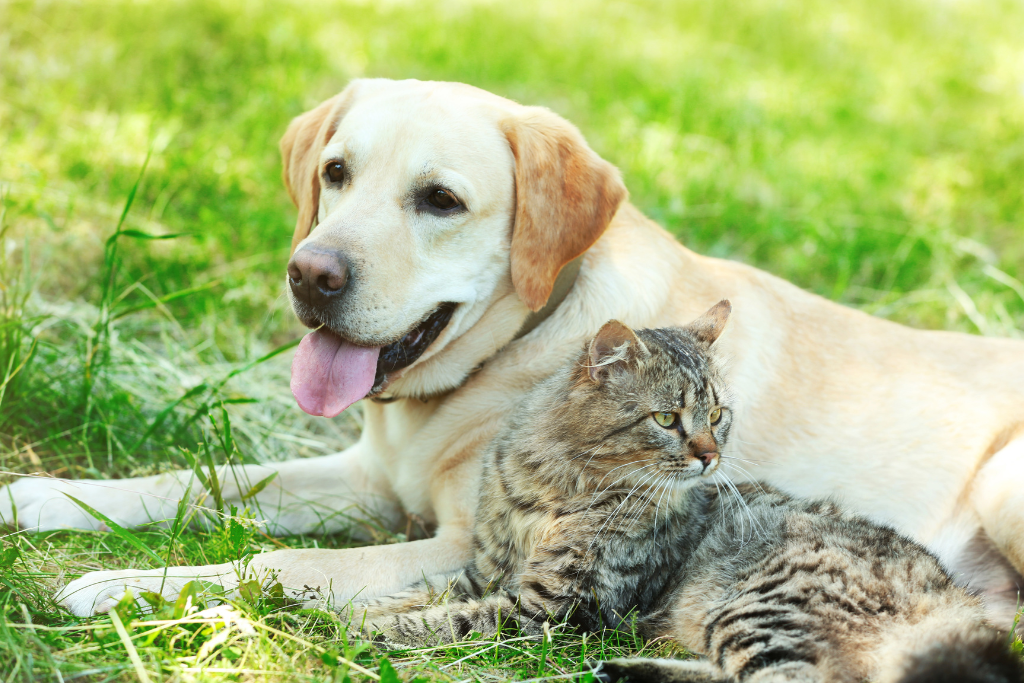
If you’ve ever dealt with seasonal allergies, you know springtime is one of the worst times of year for producing allergens like pollen and dust. But did you know that seasonal allergies can also affect our pets? In this blog, you’ll learn what symptoms to look for and how to help your furry friend if they show signs of allergies.
What Are Seasonal Allergies?
Like us, dogs and cats can experience allergy symptoms during certain times of the year. Seasonal allergies are caused by various things in the environment that the immune system is hypersensitive to. These various things are called allergens, which can cause pets to have an allergic reaction when exposed. The spring (March-May) and fall (September-November) seasons are typically when most pets will be affected by seasonal allergies, but this can vary based on the weather and your location.
Symptoms of Seasonal Allergies in Pets:
Seasonal allergies typically affect pets around their paws, limbs, mouth, ears, abdomen, groin, armpits, tail, and around the eyes. During the spring and fall seasons, keep a close eye on your pet and watch out for these symptoms that may indicate a seasonal allergy:
- Itchiness – Scratching, gnawing, licking, chewing, or digging at the skin
- Skin Lesions – Redness, crusts, black pigmentation or thickening of the skin
- Odor to the Skin or Ears
- Head Shaking
- Pawing at the Eyes, Ears, or Face
- Watery Eyes
- Reverse Sneezing
- Recurring Scooting or Licking of the Anus
- Moist Skin
Seasonal allergies can be diagnosed by your veterinarian through a series of tests that will rule out any other conditions that could be causing similar symptoms. Since many common allergy symptoms can progress into more serious conditions, it is important to consult your veterinarian to help you decide the best course of treatment for your pet.
What Could my Pet be Allergic to?
Some of the most common allergens that affect pets seasonally are:
- Plant and tree pollens
- Mold spores
- Yeast and other bacteria
- Dust and storage mites
- Fleas
Treating Seasonal Allergies in Pets:
Seasonal allergies are a chronic condition that has no cure. However, many treatment options are available to manage symptoms and keep your furry friend feeling their best. We recommend consulting a veterinarian to help you determine what course of treatment is best for your pet.
Baths – Bathing your pet with a soothing shampoo will not only remove any allergens from your pet’s skin but also relieve symptoms like itching. Choose a shampoo with gentle ingredients such as coconut to hydrate the skin while minimizing inflammation or one that is formulated specifically for allergies and itch relief. Our experts recommend the OxyMed medicated or hypoallergenic oatmeal shampoos and soothing sprays for bathing pets with seasonal allergies.
Wipe Off Their Coat & Paws – When pets return from being outside, they can carry allergens inside with them. A quick way to combat this without giving them a bath is to use a moist cloth or hypoallergenic pet wipe to wipe down their coat, skin and paws each time they come inside. Tropiclean gentle coconut hypoallergenic wipes work perfectly for this!
Flea & Tick Prevention – Protect your pet from flea or tick irritation by regularly treating them with preventative treatments. Our experts recommend the Advantage II treatment for your canine or feline friends and the K9 Advantix treatment for canines only.
Inside Your Home – Cut down on airborne allergens inside your home by regularly changing air filters, running a dehumidifier to remove moisture and prevent mold and bacterial growth, vacuuming at least once per week, and remember to regularly wash areas that typically pick up allergens like rugs, curtains, blankets, and pet beds.
Dietary Supplements – Coconut oil, fish oils, and fatty acids like omegas 3 and 6 are a natural way to improve your pet’s skin and coat health. They can also help with anal gland irritation during allergy season. Supplementing your pet’s diet with these natural remedies can reduce itching and skin irritation, as well as improve overall coat health. Smart Earth camelina oil is a great source of omega 3 and 6 to help with pet’s allergies, skin and coat, joints and mobility, hearth health and more. Find this and other supplements, including Thrive herring oil, at your local Feeds’n Needs!
*Note – It can take 4-6 weeks for an omega-3 fatty acid supplement to take effect. If your pet is prone to seasonal allergies and skin irritation, we recommend supplementing year-round.
Topical Treatments – There are many topical treatment options that may help treat skin infections or irritation caused by seasonal allergies. These may include anti-bacterial or anti-fungal sprays, ointments, or wipes.
Ear Cleaning – Keeping your pet’s ears clean, especially after a bath or water activities, can help prevent bacterial growth and infections in the ears. Tropiclean dual action ear cleaner will both clean and dry your pets’ ears, working effectively to prevent bacteria.
Veterinary Treatments – Depending on the severity of your pet’s allergic reactions, your veterinarian may prescribe a more aggressive form of treatment such as steroids, antihistamines, or immunotherapy.
Our experts understand that each pet has its own unique needs, and this applies to seasonal allergies too. Stop by your local Feeds’n Needs to check out our selection of supplements, shampoos, and remedies to help your pet this allergy season!
For more tips and information about your pet’s health and wellbeing, check out some of our other blogs!
Dog Grooming Tips for Spring
What You Need to Know About Your Dog’s Paws
How to Properly Clean Your Dog’s Ears
Sources:
https://www.animalhumanesociety.org/resource/signs-your-pet-has-seasonal-allergies-and-what-you-can-do-help
https://www.dogtopia.com/blog/dog-seasonal-allergies/
https://www.petmd.com/dog/conditions/skin/seasonal-allergies-dogs
https://www.hillspet.com/dog-care/healthcare/managing-dog-seasonal-allergies?lightboxfired=true#\

Benefits of Crate Training Your Dog
Crate training is a frequently overlooked yet highly beneficial training method when bringing a new dog home. Puppies, adults, and senior dogs can all benefit from being crate trained, and it’s a skill they can learn at any age. So, what are the benefits of crate training your dog? Keep reading to find out!
Nurturing Their Instincts:
Did you know that dogs have a natural “denning” instinct? This means that dogs will instinctively seek out small, safe places to take shelter and rest. Crates are a great way to nurture these instincts, providing the dog with a space to retreat where it feels safe and comfortable. Crate training is an important life skill for dogs, as it helps them learn to rest and relax when confined.
Crates can be a safe haven for dogs in many situations, for example:
Rescue Dogs – Crates can comfort fearful or insecure rescue dogs in a new environment. Since dogs feel responsible for their territory, having a smaller space to protect and call their own may help them relax while adjusting to their surroundings.
Senior Dogs – Crates provide senior dogs with a place to rest their achy joints and take naps undisturbed. Senior pets sometimes get overwhelmed if surrounded by other pets or children, and crates offer them a safe place where they can be left alone.
Anxious Dogs – Crates help teach dogs to self-soothe and cope with anxiety. When stressed or frightened, they seek the safety and comfort they know their crate provides.
Housebreaking:
Did you know that crate training is one of the most effective ways to housebreak your dog? Dogs instinctively try to keep their sleeping areas clean, which is where crate training comes in handy. Keeping your puppy in their crate between training sessions and socialization gives them a designated place to rest and teaches them to hold and strengthen their bladder and bowel muscles as they won’t want to soil their sleeping area. When kennel time is over, take your puppy directly outside to their designated potty area to reinforce proper bathroom habits. When choosing a kennel, it’s essential to select one that will give your dog enough room to relax comfortably but not be able to use the bathroom without soiling their sleeping space. For puppies, you could buy several appropriately sized crates as they grow or find a crate that includes a divider so you can adjust the crate size as they grow. Stop by your local Feeds ‘n Needs to see our crate and kennel options selection.
Prevent Hazardous Behavior:
As a dog owner, the last thing we want is to come home to chewed-up furniture or garbage strewn across the room after leaving our dog alone with free rein in the house. Not only is this inconvenient to us, but it’s incredibly dangerous for your dog. Dogs who display destructive behaviour when left alone are at risk of swallowing foreign material or injuring themselves, which could potentially be life-threatening. An easy way to resolve this is to crate-train your dog. While in a crate, there is very little harm your dog can do to your home or themselves, giving you peace of mind knowing that your dog will be safe while you’re out of the house or unable to supervise. Keeping your dog in a crate while you’re out will also prevent them from escaping or getting out of the house if this is something they have tried to do in the past.
Additionally, crate-trained dogs are less likely to develop anxiety disorders, which can lead to destructive behaviour. This is because if they are accustomed to being in a crate, whether you are home or not, they learn to self-soothe themselves and relax while confined.
Transportation:
Keeping your dog in a crate while travelling with them makes road trips safer for them and you. Having a dog loose in a moving vehicle is dangerous, as they can distract the driver, potentially causing an accident or getting them injured if they stumble around or fall while you’re driving. Crating your dog in the car will keep them safe, secure, and out of the driver’s way. Additionally, if you ever take your dog on a flight, so having a dog who is comfortable being kenneled will make the journey less stressful.
Emergencies / Evacuation:
In an emergency where you may need to make a quick escape or evacuate your home, having a dog trained to go into their crate could save you precious time and reduce the risk of your pet getting lost or injured. Additionally, if there was ever an emergency when you weren’t home, having your dog in a crate will make it easier for first responders or rescuers to locate them than if they were free roaming the house. Crated dogs will also keep first responders safe from your dog if they were to become reactive out of fear.
Vet Visits / Recovery:
If your dog has to spend the night at the vet or a boarding facility, being comfortable in a crate will help them adjust to being crated in a new environment and reduce stress. In extreme cases, your veterinarian may require you to keep your dog on crate rest while recovering from surgery. A crate-trained dog is less likely to suffer complications following surgery since they are used to resting in their crate. Dogs who have never spent time in a crate may feel stressed and fearful, potentially causing more harm to themselves and delaying their recovery.
Stop by your local Feeds‘n Needs to check out our selection of crates and kennels, one of our experts would love to help you choose the right one for your dog!
Disclaimer – Dogs require lots of exercise, socialization, and mental stimulation daily to remain healthy, which is why they should never be left in their crate for prolonged periods. The crate is a tool for you to use when you cannot supervise your dog or when housebreaking a puppy, and it should never be used as a form of punishment for your dog. Consult a knowledgeable dog trainer or veterinarian if you have any questions or concerns about crate training your dog.
Check out our other blogs for more training tips and advice!
Helping Your Dog When You Are Out
Tips to Prevent Leash Pulling
Road Trip Safety for Your Dog
Tips to Minimize Your Dog’s Separation Anxiety

Dog Grooming Tips for Spring
With spring in full swing, most dogs are saying goodbye to their winter coats, allergens are filling the air, and pests are coming out; now is the perfect time to start a grooming routine for your pet. Here are some important spring (and year-round) grooming tips for your furry friend to feel like their best selves:
Brush:
Dogs with thick winter coats will begin shedding as the weather gets warmer with spring. If your dog has a double coat, they’ll shed their thick undercoat for a light one, which is better for the warmer seasons. Brush them often; this helps remove all that extra fur and keeps their coat smooth. Regular brushing is essential during spring to remove dead hair and prevent mats. Brushing also helps remove dirt and improves circulation to promote healthier skin. Using a slicker brush will help to remove loose hair, followed by a comb to keep your pup’s coat knot-free. Visit your local Feeds’n Needs to see our selection of brushes. Not sure what you are looking for? Our Experts can help!
Bath Time:
Ensure all dead hair and mats are removed from brushing before bathing your dog. If a dog is bathed with mats in their fur, it only makes their hair tighter and harder to brush out. It’s important to regularly wash your dog, particularly during the spring, because pollen and other allergens are most active during this time and can take a toll on your dog’s skin. You should bathe your dog every 21 days to align with their skin rejuvenation cycle. Always use dog-safe shampoo and conditioner to keep their coat healthy and clean and avoid any irritation to your dog’s skin.
Paws and Noses:
Keep your pup’s paws and noses moisturized with paw ointment to prevent dry or cracked skin. Don’t forget about their nails! When you don’t clip your dog’s nails, they get uncomfortable, and walking can hurt. If you don’t feel comfortable cutting your dog’s nails, try using a nail grinder or filer to maintain them between visits to a professional groomer. After your walks, always check your dog for foreign objects. Remove debris and carefully clean paws, examining each pad for any unwanted objects or injuries.
Smelling Sweet:
Keep your furry friends smelling sweet with a nice smelling dog-safe spritz. This will help them get by until their next bath.
Fleas and Ticks:
Pests like fleas and ticks start showing up more in spring. Be sure to check your pet often. A good time to always watch for them is while brushing and bathing your dog. The more frequently you check your pets, the more likely you are to locate these pests.
* Spring brings… muddy paws! If your dog is covered from head to paw in mud, act fast and wipe them down to prevent mud from drying and setting in. When your dog is dry, brush them with a slicker brush to remove any excess dirt and tangles before bath time.
Get your pup squeaky clean at one of our Splash’n Dash locations!
The Feeds’n Needs in Berwick, NS, and Woodstock, NB, offer a self-service dog wash (with more locations opening soon)! You can bring your dog in for a $12 self-service wash, where we provide professional tubs, shampoo, towels, and dryers. The cost is only $10 if you bring your own towel.
We can’t wait to see your furry friends soon!
Sources:
5 Essential Spring Grooming Tips for Your Dog. (shop-pawness.com)
Spring Grooming Tips to Get Your Dog Ready for Warmer Weather – American Kennel Club (akc.org)
April Showers Bring…Muddy Paws: Tips for Spring Grooming (hsgn.ca)
Spring and Summer Grooming Tips for Dogs (cruisincanines.com)
Deworming Your Horse
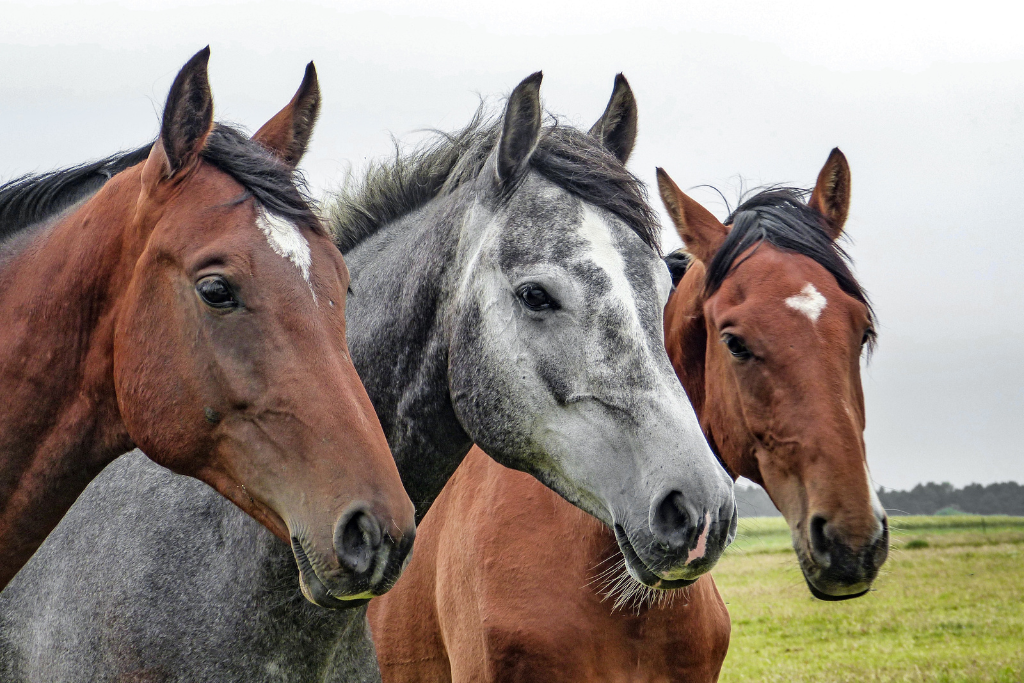
Deworming your horse four times a year is ideal. It is recommended to do it once per season, alternating between various types of dewormer to help keep the parasites from becoming immune to the ingredients. If symptoms persist, contact your veterinarian.

Our Equine Worming Products:
Panomec (1.87% Ivermectin):
Treats large and small strongyles, threadworms, pinworms, ascarids, hairworms, large mouth stomach worms, and bots.
Safe for horses of all ages, pregnant mares, and foals over eight weeks.
Strongid P (6.6% Pyrantel Pamoate):
Treats large and small strongyles, pinworms, ascarids, and tapeworms.
Safe for horses, pregnant mares, and foals over eight weeks.
IVL Ivermectin Liqiud (Ivermectin):
Treats internal nematodes and bots.
Safe horses of any age, pregnant mares, foals over eight weeks
Quest (2% Moxidectin):
Treats large and small strongyles, roundworms, stomach worms, pinworms, hairworms, integumentary microfilariae, tapeworms, and bots.
*MUST HAVE SPECIFIC WEIGHT OF HORSE AS YOU CAN EASILY OVERDOSE ON QUEST PRODUCTS*
Safe for horses, ponies 16 weeks +, and pregnant mares.
Quest Plus (2% Moxidectin & 12.5% Praziquantel):
Treats large and small strongyles, roundworms, stomach worms, pinworms, hairworms, integumentary microfilariae, tapeworms, largemouth stomach worms, and bots.
*MUST HAVE SPECIFIC WEIGHT OF HORSE AS YOU CAN EASILY OVERDOSE ON QUEST PRODUCTS*
Safe for horses, ponies 16 weeks +, and pregnant mares.
Safeguard (10% Fenbendazole):
Treats large and small strongyles, roundworms, and pinworms.
Safe for horses, ponies, foals, and pregnant mares.
Eqvalan Gold (1.55% Ivermectin & 7.75% Praziquantel)
Treats tapeworms, large and small strongyles, threadworms, pinworms, roundworms, hairworms, large mouth stomach worms, and bots.
Eqvalan Gold is the most popular broad-spectrum wormer we sell.
*NOT SUITABLE FOR PREGNANT MARES*
Safe for foals over eight weeks, horses and ponies.
PowerMectin (1.87% Ivermectin):
Treats large and small Strongyles, intestinal threadworms, pinworms, ascarids, hairworms, largemouth stomach worms, neck threadworms, and bots.
Safe for horses, pregnant mares, and foals over eight weeks.
Worms by Season:
Spring: Roundworm/Tapeworm
Summer: Roundworm/Small Redworm
Fall: Encysted Redworm/Tapeworm/Bots
Winter: Tapeworm/Pinworm
At Feeds’n Needs, we think your horse deserves the best care! Stop by your local Feeds’n Needs, and one of our Experts can show you our selection of worse dewormers and help you find the right one.
Why Guinea Pigs Need Vitamin C
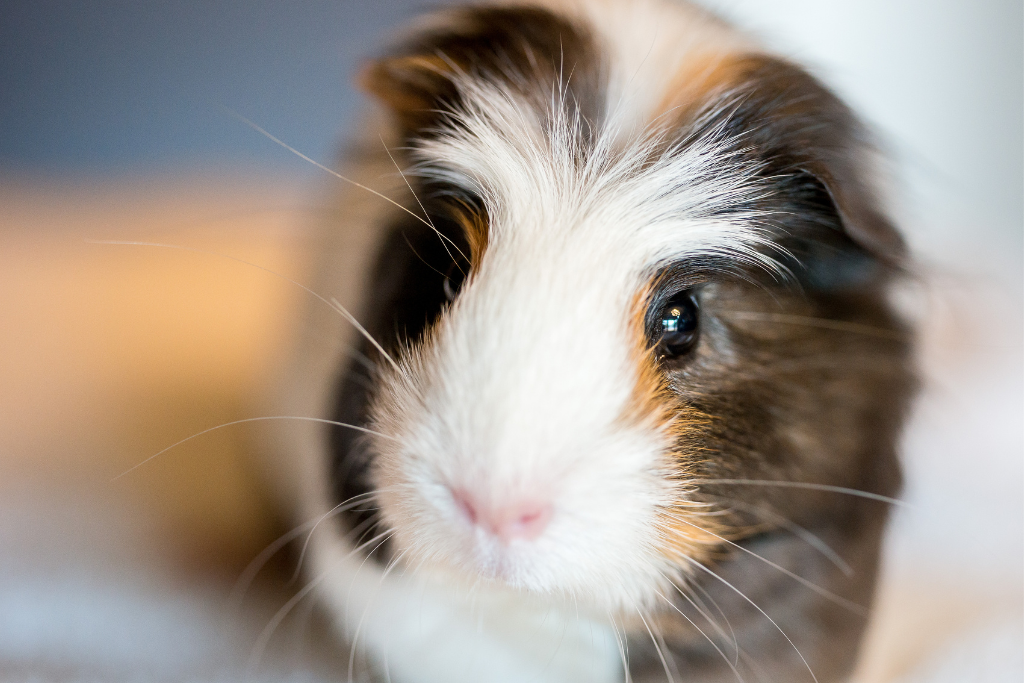
Guinea pigs are wonderful pets that are a joy to observe and interact with, and they have something in common with us humans that no other companion pet does! Did you know that guinea pigs can’t make their own vitamin C in their bodies like most other animals do? Just like humans, they have to get it through their food. As a responsible piggie parent, it’s your job to ensure that your guinea pig’s diet meets their unique nutritional requirements, and we’re here to teach you all about it!
Why is Vitamin C so Important?
The body needs vitamin C to make collagen, a building block for all kinds of different issues. This means that vitamin C plays an important role in keeping skin, joints, gums, and the whole immune system healthy and helping wounds heal.
What Happens if Guinea Pigs Don’t Get Enough Vitamin C?
Most guinea pigs need between 10 and 30mg of vitamin C per day to maintain good health. Any excess that is not required will be excreted through the urine and will not be absorbed through the body. Piggies who are still growing, pregnant, nursing, or sick may require extra vitamin C in their diet as recommended by your veterinarian.
Deficiency in vitamin C is generally referred to as ‘scurvy’ and in guinea pigs, will typically present itself as the following symptoms:
- Poor coat
- Swelling and ulcers on the skin or gums/mouth area
- Diarrhea
- Poor appetite
- Swollen joints and difficulty moving
- Lethargy
- Issues with wound healing
How do you Supplement Vitamin C in the Diet?
While a guinea pig’s diet should include around 80% hay, a portion of formulated guinea pig food, as well as fresh vegetables and fruit, must be fed daily to supplement them with the required vitamin C.
- Packaged Food: Guinea pig food you buy at the store should be of good quality and contain high amounts of vitamin C in a stabilized form. Vitamin C is considered a relatively “unstable” vitamin, meaning it will break down over time, especially if exposed to light, heat, and moisture. Because of this, your guinea pig may not receive the amount of vitamin C listed on the bag. It is always recommended to follow the manufacturer’s “best before” recommendation and try to feed the entire bag of food within 90 days after opening to ensure that your guinea pig does not become deficient. It is also important to monitor whether or not your piggie is eating all the food given to them. Many mixed guinea pig foods contain “extras” such as dried fruit, seeds and nuts alongside the fortified pellets containing added vitamin C. However, these pellets are typically the least appealing to guinea pigs, and they will often pick out the “extras,” leaving the nutritionally balanced pellets behind. Our experts recommend feeding your guinea pigs a purely pelleted formulation to ensure that they consume the required vitamins and nutrients. Check out our selection of quality guinea pig food options in store!
- Vegetables & Fruit: Besides pellets, the other primary source of vitamin C for guinea pigs is fresh vegetables and occasionally fruit. Feed a portion of veggies that are high in vitamin C each day, such as leafy greens, but be cautious not to overfeed veggies or fruits that are high in sugar (leads to obesity or intestinal issues) or high in calcium (guinea pigs are predisposed to bladder stones). Check this detailed chart to help you decide which fruits and veggies are safe for your guinea pigs: https://guineadad.com/blogs/news/guineadad-veggie-masterlist-what-kinds-of-vegetables-can-your-guinea-pig-eat
At Feeds ‘n Needs, we think your animals deserve the best, and that’s why we are proud to offer top-quality nutrition solutions for pets of all sizes! Stop by your local Feeds ‘n Needs, and one of our experts can show you our selection of guinea pig foods your piggie will be sure to love! We are always happy to answer any questions you may have!
Are you interested in learning more about small animals? Check out our related blog posts!
Small Animal Dental Health


