
With spring in full swing, most dogs are saying goodbye to their winter coats, allergens are filling the air, and pests are coming out; now is the perfect time to start a grooming routine for your pet. Here are some important spring (and year-round) grooming tips for your furry friend to feel like their best selves:
Brush:
Dogs with thick winter coats will begin shedding as the weather gets warmer with spring. If your dog has a double coat, they’ll shed their thick undercoat for a light one, which is better for the warmer seasons. Brush them often; this helps remove all that extra fur and keeps their coat smooth. Regular brushing is essential during spring to remove dead hair and prevent mats. Brushing also helps remove dirt and improves circulation to promote healthier skin. Using a slicker brush will help to remove loose hair, followed by a comb to keep your pup’s coat knot-free. Visit your local Feeds’n Needs to see our selection of brushes. Not sure what you are looking for? Our Experts can help!
Bath Time:
Ensure all dead hair and mats are removed from brushing before bathing your dog. If a dog is bathed with mats in their fur, it only makes their hair tighter and harder to brush out. It’s important to regularly wash your dog, particularly during the spring, because pollen and other allergens are most active during this time and can take a toll on your dog’s skin. You should bathe your dog every 21 days to align with their skin rejuvenation cycle. Always use dog-safe shampoo and conditioner to keep their coat healthy and clean and avoid any irritation to your dog’s skin.
Paws and Noses:
Keep your pup’s paws and noses moisturized with paw ointment to prevent dry or cracked skin. Don’t forget about their nails! When you don’t clip your dog’s nails, they get uncomfortable, and walking can hurt. If you don’t feel comfortable cutting your dog’s nails, try using a nail grinder or filer to maintain them between visits to a professional groomer. After your walks, always check your dog for foreign objects. Remove debris and carefully clean paws, examining each pad for any unwanted objects or injuries.
Smelling Sweet:
Keep your furry friends smelling sweet with a nice smelling dog-safe spritz. This will help them get by until their next bath.
Fleas and Ticks:
Pests like fleas and ticks start showing up more in spring. Be sure to check your pet often. A good time to always watch for them is while brushing and bathing your dog. The more frequently you check your pets, the more likely you are to locate these pests.
* Spring brings… muddy paws! If your dog is covered from head to paw in mud, act fast and wipe them down to prevent mud from drying and setting in. When your dog is dry, brush them with a slicker brush to remove any excess dirt and tangles before bath time.
Get your pup squeaky clean at one of our Splash’n Dash locations!
The Feeds’n Needs in Berwick, NS, and Woodstock, NB, offer a self-service dog wash (with more locations opening soon)! You can bring your dog in for a $12 self-service wash, where we provide professional tubs, shampoo, towels, and dryers. The cost is only $10 if you bring your own towel.
We can’t wait to see your furry friends soon!
Sources:
5 Essential Spring Grooming Tips for Your Dog. (shop-pawness.com)
Spring Grooming Tips to Get Your Dog Ready for Warmer Weather – American Kennel Club (akc.org)
April Showers Bring…Muddy Paws: Tips for Spring Grooming (hsgn.ca)
Spring and Summer Grooming Tips for Dogs (cruisincanines.com)
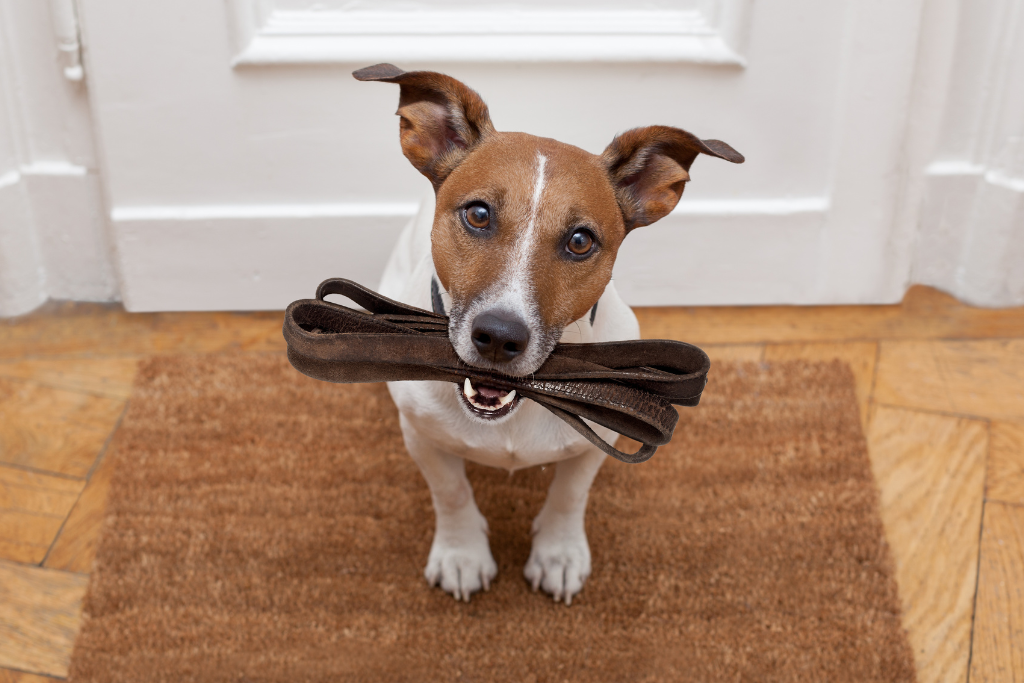
Tips to Prevent Leash Pulling
Does your dog constantly pull on their leash during walks? Has it made walking with them become a dreaded task? We’ve been there too, and we’re here to help! Training your dog to have good leash manners can be difficult and time-consuming, but it is never too late to start. With the right tools, tricks, and patience, even the worst pullers can be trained to walk with a loose leash!
Invest in Equipment
Having the right equipment to walk your dog can make a huge difference when it comes to pulling. If you train your dog to stop pulling on the leash during walks, investing in quality, no-pull collars, harnesses, and leashes will be key to your success.
No-Pull Harnesses: Fitting your dog with a harness with 2 points of connection helps prevent the dog from pulling all their weight forward and putting you both out of balance. Connecting a leash to the dog’s chest and back enables the handler to “steer” the dog in their desired direction and encourages the dog to walk in balance with you. Products such as Halti’s no-pull or front control harnesses paired with their versatile Halti training lead have proven to be successful for many of our customers looking to teach their dogs to stop pulling.
Headcollars: These collars are built with one loop that goes around your dog’s nose and a strap that secures around the back of their head. A leash with two clasps to connect to the collar and the noseband is designed to discourage pulling by giving you control of the direction in which your dog walks. With the leash attached to the dog’s noseband, handlers can create tension when the dog tries to pull forward and redirect their attention back to where you want them to go. Gentle Leaders and Halti Headcollars are created to do this while ensuring your dog’s comfort.
Training Tips
Location & Frequency:
- Begin your training sessions in a quiet area with minimal distractions. Going for short walks daily rather than a couple of long ones throughout the week will be beneficial, as repetition is important in successful training.
- Try to pick a time for your walks when your dog may have less energy, such as later in the evening.
- The less excitable your dog is during your training sessions, the more responsive they will likely be to your instruction.
Treats:
- Having treats on hand to reward your dog when they follow your commands and behave how you want them to is a useful tool to enforce a positive association between them and good leash manners.
- Oven Baked Tradition dog treats are soft and chewy treats that make the perfect reward during training sessions. They are low in calories and have several irresistible flavours to choose from. Find these treats and more at your local Feeds ‘n Needs!
Attention & Focus:
One of the most important things to incorporate into dog training is demanding your dog’s attention. When going for a walk:
- Remain still and quiet until your dog gives you their attention. Once they are paying attention to you, you may begin walking.
- If your dog moves too far ahead of you, stop walking before they put tension on the leash and wait for them to return their focus to you.
- Offer them a treat when they give you their attention or to help encourage them to walk beside you.
- Consistency and patience are key to this method.
Verbal Commands:
Before you begin teaching your dog proper leash manners, make sure they understand basic obedience commands such as “sit,” “stay,” “come,” etc.
These commands are helpful while leash training as they can be used alongside the attention and focus strategy. If your dog starts to pull, stop and wait for their attention, then give them a command such as “sit” or “heel.” If they perform this command for you, reward them with a treat before releasing them to start walking with another command, like telling them, “okay.”
Try out some of these training tips next time you take your dog for a walk, and remember that consistency is critical with this training!
Visit your local experts at your nearest Feeds ‘n Needs location to check out our great selection of quality leashes, no pull harnesses, headcollars and more! We are always happy to answer any questions you may have!

How to Brush Your Dogs Teeth
Brushing your dog’s teeth for the first time can be intimidating, and you may be wondering where to start. Having their teeth brushed is an unnatural feeling for dogs, so you must be diligent in taking all the proper steps to ensure that your dog is introduced stress-free.
Your local experts at Feeds’ n Needs will gladly help you select the proper tools to help you get started brushing your pup’s teeth!
What you’ll need
- Dog toothbrush or finger brush
- Pet safe toothpaste
- A soft cloth or piece of sterile gauze
- Your dog’s favourite treats
Introducing your dog to teeth brushing should be done gradually over several sessions, and depending on your dog, it can take a week to several months to accomplish successfully. Only do as much as your dog will tolerate during one session, and be sure to reward them through the entire process.
How to Brush Their Teeth
Step 1:
- Make sure your hands are clean before you begin, then find a quiet place where you and your dog will be comfortable without any distractions.
Step 2:
- Offer your dog a taste of the pet-safe toothpaste you will be using by putting a small amount on your finger and letting them lick it off.
Step 3:
- Using your finger, gently rub a bit of toothpaste onto the outer side of the dog’s upper teeth in a back-and-forth motion. Your dog may only tolerate a few seconds of this, so it’s best to focus on only a few teeth at first.
Step 4:
- Once your dog is comfortable with step 3, use a soft cloth or sterile gauze over your finger to brush the toothpaste onto your dog’s teeth. Go slow and focus on brushing only the outsides of the teeth. Most of the plaque and tartar buildup occurs on the outer sides of the teeth, so brushing the inner sides should only be done once your dog is very comfortable with brushing their teeth.
Step 5:
- Next, it’s time to introduce the toothbrush or finger brush to your dog. Apply a pea-sized amount of toothpaste to the brush, and holding it at a 45-degree angle, gently lift one side of your dog’s lips and begin brushing. Use circular motions and start with the teeth at the back, slowly working towards the front on each side. Once your dog feels comfortable with this, you may also begin brushing its bottom teeth during your sessions. To brush the bottom teeth, gently tilt the dog’s head back, allowing their mouth to open slightly. You can use your finger to hold the lip away from the teeth, then repeat the same brushing process that you did on the top. It is recommended to brush each side for 30 seconds if your dog allows it.
Step 6:
- Thoroughly rinse your dog’s toothbrush after every use, and wash your hands to avoid spreading any harmful bacteria. Pet toothbrushes should be replaced every three months, and NEVER use the same toothbrush on multiple pets.
Praising your dog and rewarding them with treats throughout every step will help to reinforce their positive association with having their teeth brushed. We carry a wide variety of healthy treats that your pup will find irresistible, even while having their teeth brushed!
For more information on the importance of dental health in pets and what you can do to prevent dental disease, check out some of our other helpful blogs!
Valentine’s Pet Safety Tips
Valentine’s Day is almost here, a day you can also celebrate with your pets. Give them a special toy or treat, take them for a long walk, or cuddle them on the couch. However you choose to celebrate, be aware of the possible Valentine’s Day hazards. Check out our tips to help keep your pets safe this love day!
Xylitol: This sugarless sweetener is in many candies and gums and is toxic to pets. It can cause hypoglycemia.
Chocolate: Do NOT feed your pets anything with chocolate. It can be very toxic to them!
Flowers: Certain flowers are deadly to pets. All Lilies are fatal to cats. Roses can cause punctures to the mouth and paws and possible bawl obstruction if swallowed. Keep them away from your furry friends!
Decorations: Tape, ribbons, bows, balloons, and wrapping paper can become a choking hazard. Dispose of them before your pet finds them!
Candles: Candles can become a fire hazard around pets. They can also burn themselves accidentally. Never leave candles or a fire unattended with pets.
Cocktails: A small amount of alcohol can cause illness, coma or death. Keep cocktails away from pets and wipe up any spills ASAP!
A safe home is a happy home during festivities! Keeping these tips in mind can help avoid emergency trips to the vet.
Have a safe and happy Valentine’s Day from Feeds’n Needs!
Keep Your Pets Safe this Holiday Season
We love including our pets in holiday celebrations, but there are some holiday hazards to look out for to make this season safe and fun for everyone!
Here are some holiday pet safety tips to keep in mind:
- Secure your Christmas Tree – Always observe dogs and cats around the tree. If possible, set it up in a room your can easily close off when you’re not home to avoid them trying to jump onto or into the tree.
- Don’t let your pets drink the tree water – Pet parents with a real tree at home should ensure the water inside the tree stand is NOT easily accessible to dogs and cats as it can sometimes release toxic sap into the water.
- Keep Christmas light away from your pet s- Christmas lights and cords can cause electrocution, internal injuries, or intestinal blockage if your curious pet decides to chew on them. Fasten your lights to your tree and place cords out of reach.
- Make sure ornaments are out of reach – Chewing on ornaments can cause cuts in you rpet’s mouth, throat and digestive tract. When eaten, decorations such as garland and tinsel can also result in gastrointestinal blockages.
- Pick pet safe Christmas plants – popular decorative plants like holly, mistletoe, and poinsettias can be poisonous for pets if ingested.
- Keep gifts and candy/chocolate out of reach – Gift wrapping, candy and chocolate can threaten your pet’s health if ingested.
A safe home is a happy and festive home this holiday season. Keeping these tips in mind can help avoid emergency trips to the vet, which means the whole family can celebrate a joyful holiday season.
Have a safe and happy holiday from Feeds’n Needs!
Pet Obesity Awareness
National Pet Obesity Awareness Day takes place every year in October. It is a day to remind people to keep their pets healthy. Obesity is the #1 health risk for pets. Now is the perfect time to start focusing on your pet’s weight. When your cat or dog starts to look a little plump, you know it is time for a few things – more walks, fewer table scraps, and perhaps even an additional visit to your vet. Here is why it is important to maintain your pet’s weight and why it should be your number one priority!
Pet obesity is well-known for causing the following:
– Chronic inflammation
– Reduced life expectancy
– Weakened immune system
– Cardiac diseases
– Joint problems
– Diabetes
– Respiratory disorders
– Cancer
– Metabolic disorders
– Kidney dysfunction
– Poor quality of life
You can use several strategies if your cat or dog has put on some weight.
- Portion Control: Measure your pet’s food.
- Calorie Deficit Diet: Prefer feeding a low-carb, low-fat diet.
- Fibres: Add more fibres to their diet to help keep them fuller for longer.
- No Unhealthy Treats: Give only healthy and natural treats such as Crumps Sweet Potato chews – available at your local Feeds’n Needs.
- Regular Exercise: More walks and exercise help burn extra fat.
- Dry Food/Wet Food: Wet pet food has a higher water content, which promotes feeling full.
If you’ve tried all these strategies and your pet is still not showing any signs of losing weight, visit or call your veterinarian for the best suggestions.


New Pet Essentials
Are you a new pet parent?! Congratulations on your new best friend! Be sure to start off on the right paw by stopping into your local Feeds’n Needs with your new pet. Our Experts are here to help you. Whether it is training tips, toy recommendations, or choosing the perfect food to suit your pet’s needs, you can count on our team at Feeds’n Needs to happily help you every step of the way for your new pet essentials!
During your next visit to Feeds’n Needs, ask us about our Free Pet Food Loyalty Program – Yes, FREE! Your pet deserves the best, which is why we have a large variety of quality brands to suit every need throughout your pet’s life. For most of our brands in-store, every 12 bags of pet food purchased, you will receive the 13th FREE. Ask our Experts how to sign up and start saving today because it’s not just your pet who deserves to be treated!
Be prepared. Have essential supplies on hand before your new pet arrives if you can. The first few days with a new pet is the best time for bonding and forming good habits. Here are some of the essentials we recommend having for your new pet:
- Food
- Treats
- Bowls
- Pet Tag
- Collar
- Leash
- Crate
- Pet Bed
- Brush
- Tick Spray
Let your new pet take the time to explore their new surrounding without any other pets or people around to help them adjust when you first arrive home. It’s important to introduce pets in a safe and controlled way. Let pets get used to each other through a baby gate or with the new pet crated. Keep their initial interactions short and supervised until they get used to one another.
If you have a new pet, visit your local Feeds’n Needs and ask us about our New Pet Parent brochure and savings! We are here to help get you and your furry friend off to a great start!
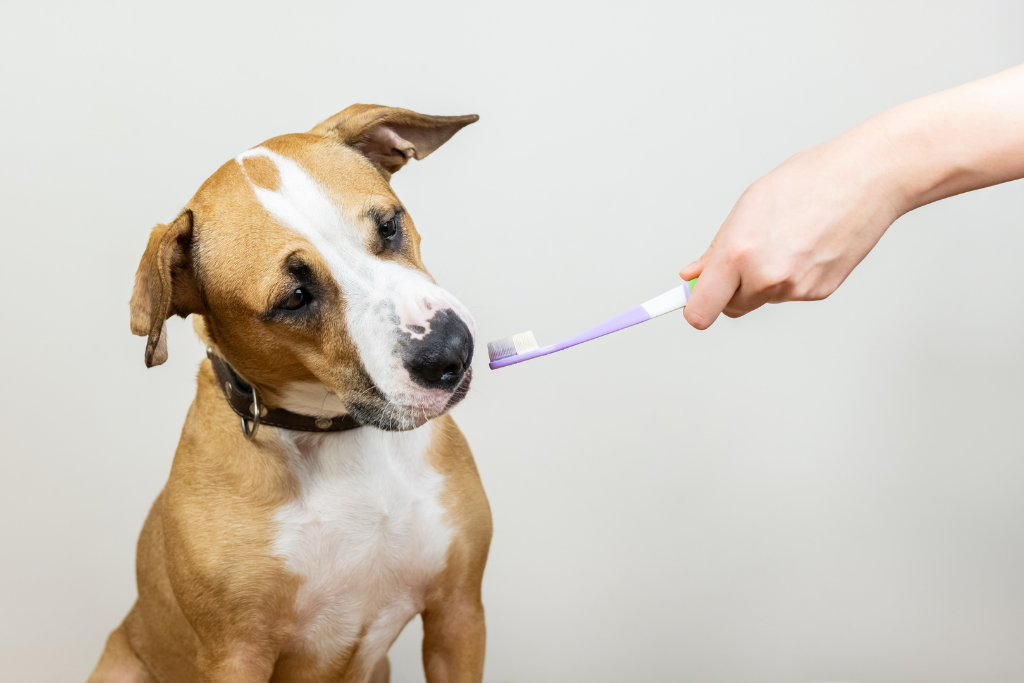
The Importance of Your Pet’s Dental Health
Dental care for pets is often overlooked. We teach our children about the importance of oral health care, so why do we neglect our pets? Our pets rely on us to keep their mouths clean and healthy. Good dental hygiene is directly tied to overall health and longevity for our pets. As pet parents, we want our pets to have healthy mouths. Here are some reasons why good dental care is so critical to our pet’s overall health:
- Preventing Tooth Loss: Good pet dental care will ensure the structures supporting a dog and cat’s teeth stay healthy and keep their teeth in place.
- Preventing Bad Breath: Bad breath will not be a problem when your pet has a healthy mouth and teeth.
- Preventing Oral Pain: Dental disease can become painful for dogs and cats. Keeping their teeth and gums healthy will prevent any pain.
- Preventing Organ Damage: Bacteria in plaque buildup can actually enter your pet’s bloodstream and spread to their heart, kidney and liver. This spread of bacteria, called bacteremia, can damage organs and make your pets quite sick.
- Preventing Worsening Dental Disease: So many pets have dental disease by the time they are three years old. Good dental care can prevent dental disease from becoming severe. It is essential to take preventative measures when your pets are young to avoid dental disease.
Preventative measures against dental disease should begin when your pets are young, but it is never too late to get them accustomed to teeth brushing! Here are some good reminders and tips to ensure the well-being of your furry friend’s oral hygiene:
- Regular exams are important. It is recommended to visit the vet once a year.
- Check your pet’s breath monthly. Bad breath can indicate gum disease.
- Dogs can often disguise how much pain they are truly in. Regularly monitor eating and chewing habits to look for signs of oral distress.
- Check for red, puffy gums and yellow or browning tartar on teeth as signs of concern.
- Supplements and diet play an important role.
- Dental-specific kibble and dental treats can help reduce plaque and tartar.
- Daily oral chews can help improve dental health.
- Look for Veterinary Oral Health Council-approved products.
- Daily brushing is essential in preventing bacteria build-up.
- Use a pet-specific toothbrush or a soft child toothbrush.
- Use pet-friendly toothpaste only.
- Start slow and work up to longer brushing.
Oral care is health care for our furry friends. Feeds’n Needs has a variety of specialty treats, chews and more to help keep your pet’s teeth healthy. Ask our Experts in-store about our favourite oral health care products and what will best suit your pet’s needs!
For more dental health tips for your pets, check out our other blogs:
Dental Health Tips for Your Dog
Dental Health Tips for Your Cat
Source:
Top 5 Favourite Pumpkin Products for Fall
It is officially fall, which means… Pumpkin Spice Season! Our furry friends should be able to join us while we enjoy Pumpkin Spice everything!
Pumpkin is a superfood for dogs. It contains essential micronutrients and fibre, making it a very nutritious treat for our pets. Besides being a natural stomach soother, pumpkin also helps to remove excess water in a dog’s digestive tract.
Check out our top 5 favourite pumpkin products for fall that your dogs can enjoy!
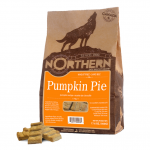
1. Northern Biscuit, Pumpkin Pie Treat
Excellent for sensitive stomachs and overall digestive health, a superfood immune booster! Topped with cinnamon, this vegan recipe is loved by all dogs. Baked in small batches with limited ingredients. At only 18 calories per 5g biscuit, these are perfect for treating, rewarding and bonding with your dog!

2. Crumps Plaque Buster, Pumpkin Spice Treat
Every Pumpkin Spice Plaque Buster contains all-natural pumpkin spice, sweet potato, citrus pulp, and coconut oil. It’s a truly unique treat that assists in turning the scent of your dog’s breath into the smell of a colourful autumn breeze.

3. Oven Baked Tradition, Chicken and Pumpkin Treat
Whether to help with training or simply to make them happy, Oven Baked Tradition Chicken and Pumpkin Treat is an all-natural grain-free soft and chewy chicken & pumpkin dog treat that is low in calories. These chicken & pumpkin dog treats contain real chicken that they simply won’t be able to resist!

4. Big Country Raw Frozen Goat Yogurt, Pumpkid
A decadent frozen yogurt treat your pet is sure to love! Frozen Goat is made with raw goat milk yogurt, fruit puree and agar from 100% natural, thick and creamy treat. Big Country Raw’s frozen yogurt is cold fermented and naturally full of probiotics that are great for your furry friend’s gut health.

5. Wholesome Blend Grain Free Dog Food
- Digestive Care Turkey & Pumpkin
- Healthy Weight Turkey & Pumpkin
- Mobility Care Salmon & Pumpkin
- Skin & Coat Care Salmon & Pumpkin
Our Wholesome Blend Grain Free line is made with fresh pumpkin. Complete and balanced grain-free diets, providing moderate levels of protein and fat to encourage a healthy weight. Diets that are formulated for all life stages – from puppy through adulthood.
Don’t let your pups miss out on Pumpkin Spice Season! Stop by your local Feeds’n Needs to purchase any of these products.
Sources:
Pumpkin for Dogs: Health Benefits, Harmful Effects, Preparation (webmd.com)
Pumpkin Pie 500g | Northern Biscuit
Plaque Busters with Pumpkin Spice – Crumps’ Naturals Canada
The best, all-natural, and healthiest dog treats | Chicken and pumkin (ovenbakedtradition.com)
Benefits of a Raw Food Diet
Raw food diets for cats and dogs are becoming more popular! Many people are choosing to feed their pets a raw diet because it is more natural and less processed than kibble. Others feed raw due to the many health benefits of a raw food diet. Here are some of the top reasons you should make the switch to raw:
-
- Joint and Bone Health
The best way to support bones is with bones! Real crushed bone is a natural source of calcium, phosphorus, glucosamine, chondroitin, collagen and marrow. These components result in healthy growth in puppies and maintain superior joint and bone health for your dog throughout its lifetime. - Immune System Support
Raw meat is highly bioavailable and contains live bacteria/enzymes that support digestion and help to absorb almost all the immune-boosting nutrients. Raw food is also naturally rich in moisture, which supports organ health. - Less Stool
Having a diet of highly digestible ingredients for your pet is that more of what goes in is absorbed and utilized within the body – meaning less comes out the other end. Carbohydrates and filler ingredients such as soy, potato, corn and rice take longer to digest and do not fully absorb within your pet’s body. These ingredients can lead to larger stool volume with a heavy odour. Most raw diets contain no fillers and are low in carbohydrates, resulting in less waste passing through and decomposing faster. - Healthy Skin & Coat
Raw diets contain many ingredients that support skin and coat health, one of the most notable being omega-3 fatty acids. Healthy omega fats play a significant role in supporting healthy skin and a soft coat. Some common ingredients that provide essential omega-3 fatty acids include salmon, chia, and flax seeds. After switching your pet to a raw diet, you’ll notice a difference in their skin, coat and even how much less they shed! - Reduced Body Odour
When pets consume food high in fillers, additives, and preservatives, it can lead to unpleasant odours. A raw food diet better supports your pet’s digestive system, which often decreases or eliminates gas. - Weight Management
A raw diet is a natural way to help manage your pet’s weight and improve its overall well-being. Kibble contains carbohydrates and sugars that are harder for your pet to burn off, most times causing weight issues. - Cleans Teeth Naturally
Poor dental hygiene in your pets can sometimes be caused by a poor diet, especially if their diet is heavily processed or high in carbohydrates. Kibble and canned food can often get stuck in your pet’s teeth, leading to plaque, tartar and bad breath. Raw, meaty bones are well-known for helping them get into those tricky places between their teeth and removing plaque. - Reduction in Allergies
A pet’s diet is the most common cause of allergies. Many fillers used in kibble are not biologically meant for pets to digest and can cause stress on their digestive system and compromise their immune system. Common allergic reactions include rashes, itchy paws, ear infections, and digestive and joint issues. Healthy omega fats provide anti-inflammatory benefits, perfect for dogs with allergies or inflammatory skin diseases. A raw food diet can help reduce and sometimes even eliminate your furry friend’s allergy symptoms.
- Joint and Bone Health
These are just some of the many benefits of a raw food diet for your pet. Our Experts here at Feeds’n Needs recommend Big Country Raw for your pets! There is something on their menu for dogs and cats of all breeds, sizes, and ages! Chat with one of our Experts in-store for more information on getting your furry friend started on a raw diet. We are here to help!
Sources:
Health benefits of raw feeding – Guides | Big Dog Pet Foods
The Top 10 Benefits Of A Raw Diet For Your Pet – Top Dog Food & Supply (topdogfoodandsupply.com)


