
Are you a new pet parent?! Congratulations on your new best friend! Be sure to start off on the right paw by stopping into your local Feeds’n Needs with your new pet. Our Experts are here to help you. Whether it is training tips, toy recommendations, or choosing the perfect food to suit your pet’s needs, you can count on our team at Feeds’n Needs to happily help you every step of the way for your new pet essentials!
During your next visit to Feeds’n Needs, ask us about our Free Pet Food Loyalty Program – Yes, FREE! Your pet deserves the best, which is why we have a large variety of quality brands to suit every need throughout your pet’s life. For most of our brands in-store, every 12 bags of pet food purchased, you will receive the 13th FREE. Ask our Experts how to sign up and start saving today because it’s not just your pet who deserves to be treated!
Be prepared. Have essential supplies on hand before your new pet arrives if you can. The first few days with a new pet is the best time for bonding and forming good habits. Here are some of the essentials we recommend having for your new pet:
- Food
- Treats
- Bowls
- Pet Tag
- Collar
- Leash
- Crate
- Pet Bed
- Brush
- Tick Spray
Let your new pet take the time to explore their new surrounding without any other pets or people around to help them adjust when you first arrive home. It’s important to introduce pets in a safe and controlled way. Let pets get used to each other through a baby gate or with the new pet crated. Keep their initial interactions short and supervised until they get used to one another.
If you have a new pet, visit your local Feeds’n Needs and ask us about our New Pet Parent brochure and savings! We are here to help get you and your furry friend off to a great start!

Seeds for Fall Planting Season
It is a great time to stock up on seeds for the fall planting season – it is never too early to start thinking about spring. Many seeds enjoy the cold spell to nestle in the ground for winter and get a head start next spring.
For fall planting in Atlantic Canada, you want to wait until after a killing frost, meaning nothing is left growing from the summer season. If you plant your seeds too early, they may sprout. You want your seeds to hibernate for the winter and emerge in spring. If a fall seedling does sprout, mulch over them to prevent them from freezing.
To plant your seeds:
1. Prepare the bed as you normally would any time of the year
2. Clear all debris and add a layer of organic compost
3. Follow the seed packet for light and soil requirements
Seeds to Plant in the Fall:
This list covers both annuals and perennials to plant in the fall. These seeds require cold stratification to bloom the following spring, or they don’t mind the cold.
- Bells of Ireland Moluccella laevis
- Cornflower Centaurea cyanus
- Blanket Flower Gaillardia
- Poppy Papaveraceae
- Coneflower Echinacea
- Columbine Aquilegea
- Sweet Peas Lathyrus odoratus
- False Queen Anne’s Lace Ammi majus
- Foxglove Digitalis
- Sea Holly Eryngium
- Tickseed Coreopsis tinctoria
- Snapdragon Antirrhinum
- Hollyhock Alcea
- Black-Eyed Susan Rudbeckia
- Forget-Me-Not Myosotis
- Penstemon Penestemon
- Sweet William Dianthus
- Ashy Sunflower Helianthus mollis
- Pansy Viola
- Love-In-A-Mist Nigella damascene
- Delphinium
- Basket of Gold Alyssum Aurinia saxatilis
- Chinese Forget-Me-Not Cynoglossum amabile
- Common Woolly Sunflower Eriophyllum lanatum
- Lunaria Lunaria annua
- Biglead Lupin Lupinus polyphyllus
- Veronica Veronica spicata
- Purple Chinese Houses Collinsia heterophylla
- Globe Gilia Gilia capitata
- Baby’s Breath Gypsophila elegans
- Baby Blue Eyes Nemophila menziesii
Vegetables to Plant in the Fall:
Here is a list of some vegetables you can plant in the fall and enjoy next spring and summer!
- Onion, garlic, and shallots:
-
- These are best planted in the fall due to their long growing season. They need a cold period to grow well and are best planted early to mid-fall.
- Turnips, carrots, radishes, and beets
-
- These root vegetables don’t mind the cold, you may even see minimal growth. You will most likely notice a sweeter taste when planted in the fall.
- Lettuce and leafy greens
-
- You can have fresh greens year-round by using a cold frame or mini-greenhouse outside throughout the winter.
Here is a complete list of when to plant vegetables in Atlantic Canada!
New Brunswick: 2023 Planting Calendar: When to Start Vegetable Seeds | The Old Farmer’s Almanac
Nova Scotia: 2023 Planting Calendar: When to Start Vegetable Seeds | The Old Farmer’s Almanac
Prince Edward Island: 2023 Planting Calendar: When to Start Vegetable Seeds | The Old Farmer’s Almanac
Visit us today at any one of our 13 Feeds’n Needs locations. Stock up on your seeds before they’re gone! Now is the perfect time to plant for next year’s harvest. Happy planting!
Source: Seeds to Plant in the Fall for Next Season’s Blooms – Garden Therapy
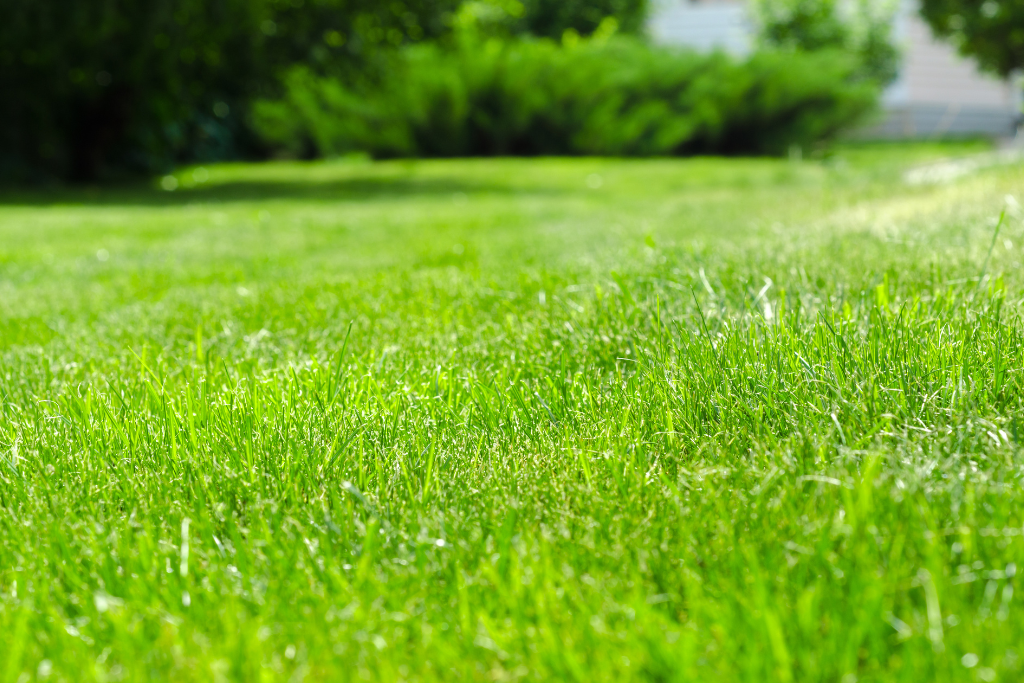
How to Maintain a Healthy Lawn
Are you looking to have the best yard in your neighbourhood this season?! Now is the time to start! While maintaining an attractive lawn, it is important to concentrate on the basic needs and conditions of the lawn and soil to fix any issues. Preventing lawn problems is usually easier than treating them with chemical pesticides after the issues start. Here are some simple tips on how to maintain a healthy lawn.
Rake Thatch
Rake any thatch – any dead grass from the previous year. Too much thatch reduces water and nutrients moving down to the roots and can shelter damaging insects and fungi.
Fertilize
Regularly fertilizing your lawn gives it the necessary nutrients to keep it strong and healthy. It will help out-compete any possible weed infestations and will make it tolerate a certain degree of insect infestation. Choose a fertilizer high in nitrogen with some iron for your first fertilizer application. Move to a fertilizer that has a longer-lasting effect for your second application. This type of fertilizer will release over the season rather than quickly. Fertilize in April/May or September when the lawn is actively growing.
Lime
Maritime soil is often very acidic. Sweeten the soil by adding lime. It is recommended to apply twice a year. Test your soil to determine whether your pH level suits your lawn. It should have a pH of 5.8-6.5.
Overseed
Overseeding is an easy and effective way to strengthen your lawn and protect against weed problems, especially in sparse areas after the winter cold or summer heat.
How to overseed:
1. Rake the bare or thin areas vigorously to loosen the soil.
2. For thickening-up purposes, apply at half the recommended rate.
3. For patching-up purposes, apply at the full recommended rate.
4. Apply a thin layer of topsoil on patched-up areas.
Aerate
Aerating the soil increases air and water circulation by opening up air spaces. Compacted soil is bad for grass development and often results in weed infestations such as plantain and clover.
Mowing Habits
Good mowing habits will help the overall health of your lawn. It is healthier to mow more frequently and keep the grass longer than removing too much at once. Maintaining your grass at a high of about 2-3 inches makes it more tolerant of drought and better to compete against weeds.
Grass Seed
Grow a lawn with more than one type of grass. Lawns with mixed grass are more tolerant of different growing conditions and insect- and disease-resistant.
Watering
Lawns usually receive enough water from rainfall, but in the driest summer periods, ensuring your lawn gets enough water is vital. Water just enough so that about 1 inch covers the entire surface of your yard. Watering in the morning or evening will reduce evaporation.
Weed Control
Weeds are prone to grow in lawns that are in poor condition. Weed seeds quickly germinate and grow in damaged areas where the soil is compacted or grass that is heavily damaged by insects and diseases. Re-seed any bare or damaged patches quickly. Walk in different places to avoid compacting the soil or waring bare spots in the grass.
Pest Control
Some lawn problems don’t seem to go away and might need a pesticide. Figure out what’s causing the problem, and visit your local Feeds’n Needs for advice on the best product to resolve your lawn issues. You can ask our Experts in-store any questions about your lawn care process. Great lawns start with Feeds’n Needs!
Early lawn care process:
April to May – Set a plan, rake, lime, create air movement, sunlight, and start with a clean slate.
May to June – Overseed and fertilize OR take care of weeds
July to August – Water (deep); mow (about 3″); fertilize, and weed
September to October – Lime, overseed and fertilize
Early November – Rake, dormant fertilize, dormant seed, put to bed
Sources:
Halifax Seed Company – Lawn Care: How to Maintain a Lush, Green & Healthy Lawn
Healthy.Lawns.pdf (novascotia.ca)
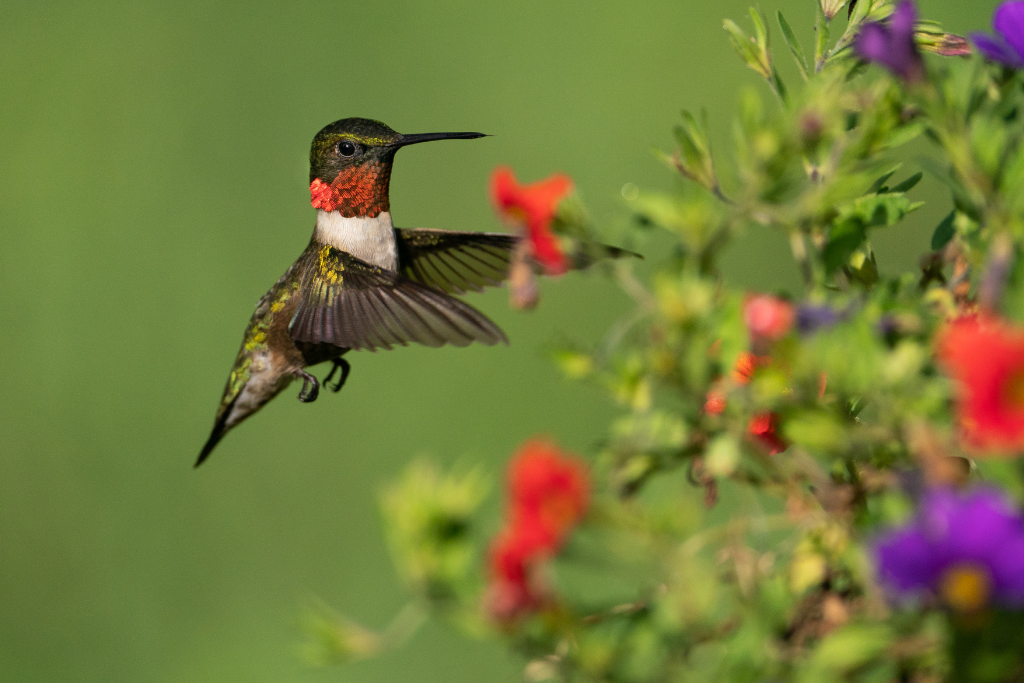
Tips on Attracting Hummingbirds
Hummingbirds are fascinating little visitors, and when we start seeing them in our backyard, we know the warmer weather is approaching as they migrate north. Native flowers are the best source of nectar, but a nectar powder or concentrate can give them a needed energy boost to help them along their journey.
The most common hummingbirds seen in Atlantic Canada are the Ruby-throated and Rufous. Here are some tips on attracting hummingbirds to your backyard.
- Choose a Feeder: Make sure your feeder is easy to open and clean. Red feeders attract hummingbirds as the flowers pollinated by hummingbirds are often red. The port size is important when choosing a hummingbird feeder because if your ports are too small, they will not allow the nectar out and will be difficult for hummingbirds to use. Ports that are too large may leak and allow insects to get in. Consider adding bee guards, which snap over ports.
- Choose a Nectar: Hummingbirds love sweet formulas and will eat nectar and sugar water all season. At Feeds’n Needs, we have many different ready-to-use nectar options available, ranging from powder concentrates, liquid concentrates and instant concentrates. Never use honey in your feeders. Honey fosters bacterial and fungal growth and ferments faster than sugar water.
- Change Your Nectar Regularly: Scrub feeders with hot water and a clean bottle brush and refill every three days. If it is hot out, you should clean and refill your feeders more often. Discard the nectar and clean your feeder immediately if there are any signs of cloudy water or mould. Always rinse feeders in hot or boiling water before adding fresh nectar. A consistently clean feeder will ensure regular feedings.
- Attract Hummingbirds to Your Backyard: Plant native plants near your hummingbird feeder. Colourful plants, predominantly red, will attract hummingbirds as they have good colour vision.
- Feeder Placement: Hummingbirds prefer feeders near trees and shrubs to rest and observe their surroundings. Set feeders in areas protected from the wind. Make sure your feeder is safe from cats and other predators.
- When to Put Up and Take Down Feeders: Set up and fill your hummingbird feeder before the first spring hummingbirds arrive. Male hummingbirds arrive a few days before females and young birds.
Hummingbird season is here, and our stores have a large selection of feeders and supplies. Check out this interactive hummingbird migration map to track them this Spring! https://www.hummingbirdcentral.com/hummingbird-migration-spring-2023-map.htm
Sources:
Fun Facts About Hummingbirds (kaytee.com)
Feeding and attracting hummingbirds – Birds Canada | Oiseaux Canada
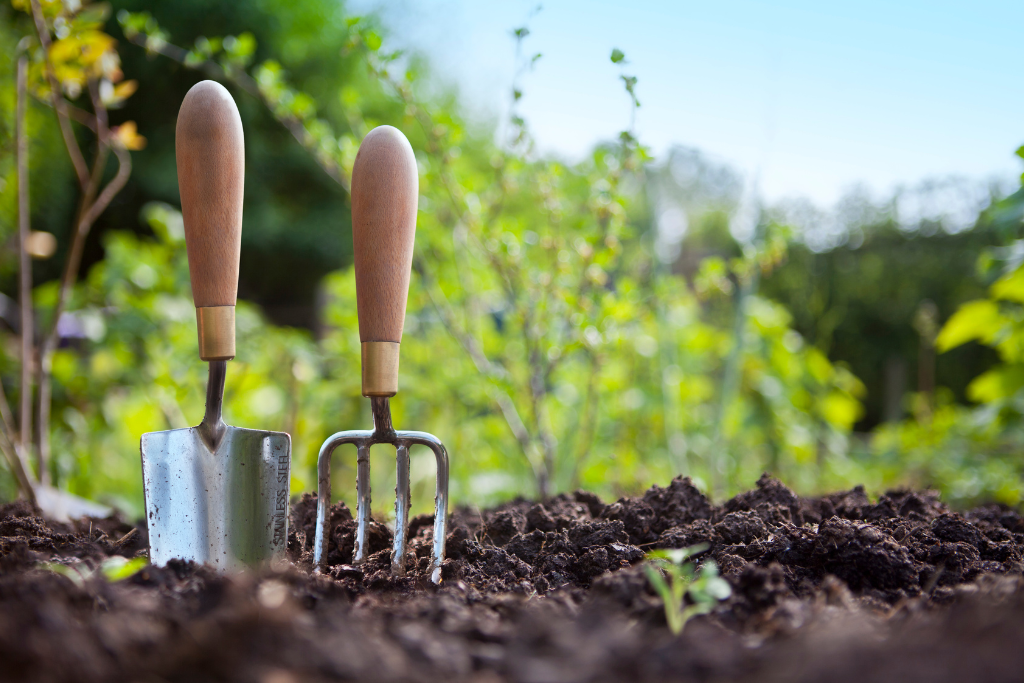
Gardening Tips for Beginners
Do you want to learn something new this spring and summer? Gardening is a fun and rewarding hobby! If you’re unsure where to start, no problem! Whether you’re trying to grow fruits and veggies or add some colour and curb appeal to your home, these seven simple gardening tips for beginners can help:
- Site it right – Gardening is all about location. When deciding where to put your garden plot, it’s essential to know if the area is “full sun,” “full shade,” or a combination of both. This information can help you determine which plants to place in which areas.
- Plan your garden – Sitting down and planning your garden is a great starting point. It is important to choose the right plants for your space and avoid overcrowding. Many plants, including fruits and vegetables, need six hours of sun daily to thrive, while others are better suited to areas with little light. If you are thinking of putting your garden in a spot that will get lots of sunlight, consider planting perennial plants (plants that return every year) like dahlias, roses, peonies, and lavender. Fruit trees and vegetables also thrive in sunny spots. If your garden will sit in a shaded area, consider plants like ferns, hydrangeas, sweet woodruff, hostas, and azaleas. Be sure to know how high your plants will grow. Shorter ones should be planted toward the front of your garden bed, with taller plants in the back to prevent blocking smaller ones.
- Test Your Soil – To thoroughly read your soil’s pH and nutrient levels, purchase an at-home testing kit available at your local Feeds’n Needs. The results will tell you how acidic or alkaline your soil is, which affects how plants absorb nutrients. Since different plants thrive in different pH levels, this test will help you decide what to plant or indicate how you should treat the soil.
- Invest in the Proper Gardening Tools – Visit your local Feeds’n Needs to pick up the essential gardening tools needed to start your garden.
- Learn Your Frost Dates – Planting too early (or late) in the season can set you up for disaster. Starting a garden before the season’s last frost is a mistake many new gardeners make. You need to know your area’s last average spring frost date so you don’t accidentally kill plants by putting them out prematurely, especially if you’re growing frost-sensitive plants. It’s also good to know your first average fall frost date to get your plants harvested or moved indoors before late-season cold damages them.
- Add Some Mulch – Consider adding 2-3 inches deep of mulch around the base of each plant. This will help reduce weeds and moisture loss through evaporation, so you have to weed and water less often. You can also put down straw, shredded leaves, pine straw, or other locally available material.
- Feed Plants Regularly – Watering and fertilizing your garden should become a regular part of your routine during the spring and summer. Knowing when and how to water plants seems easy, but it is often done incorrectly. Generally, water the root rather than the leaves, as the roots absorb the water. Depending on how much rain your area receives, you should head out to your garden at least once a week to water your plants. Once every two weeks, fertilize your garden, we recommend Seaboost to help grow healthy, vibrant plants. When diluted, this concentrated liquid can be applied by watering can or spray equipment.
These are just a few tips for starting your gardening journey. If you want more specific advice or plant recommendations, visit your local Feeds’n Needs and ask one of our Experts. Happy gardening!
Sources:
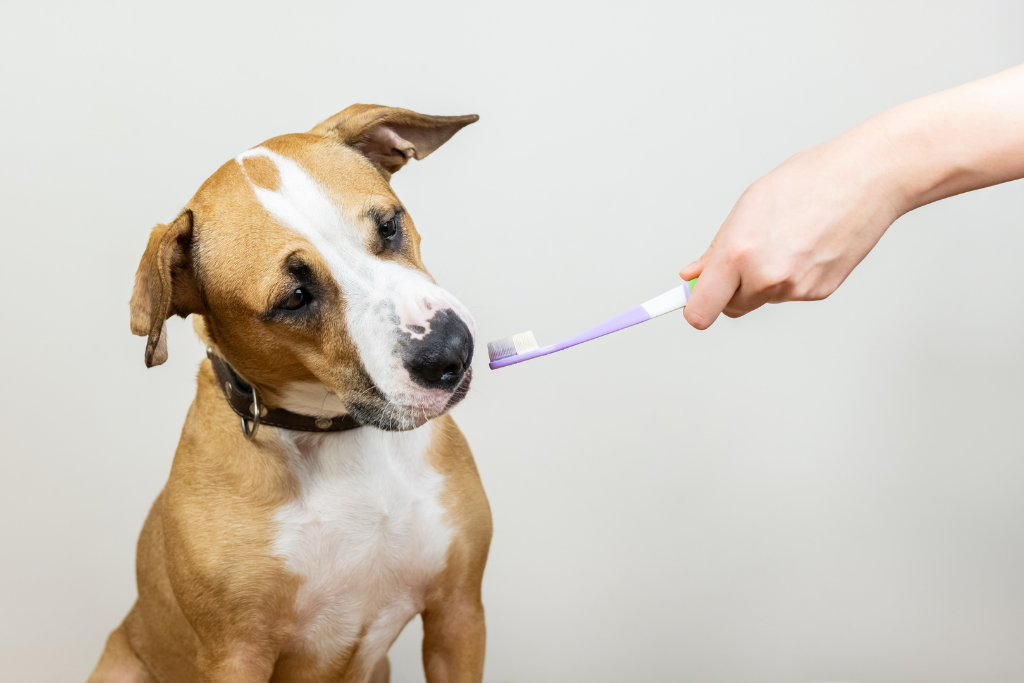
The Importance of Your Pet’s Dental Health
Dental care for pets is often overlooked. We teach our children about the importance of oral health care, so why do we neglect our pets? Our pets rely on us to keep their mouths clean and healthy. Good dental hygiene is directly tied to overall health and longevity for our pets. As pet parents, we want our pets to have healthy mouths. Here are some reasons why good dental care is so critical to our pet’s overall health:
- Preventing Tooth Loss: Good pet dental care will ensure the structures supporting a dog and cat’s teeth stay healthy and keep their teeth in place.
- Preventing Bad Breath: Bad breath will not be a problem when your pet has a healthy mouth and teeth.
- Preventing Oral Pain: Dental disease can become painful for dogs and cats. Keeping their teeth and gums healthy will prevent any pain.
- Preventing Organ Damage: Bacteria in plaque buildup can actually enter your pet’s bloodstream and spread to their heart, kidney and liver. This spread of bacteria, called bacteremia, can damage organs and make your pets quite sick.
- Preventing Worsening Dental Disease: So many pets have dental disease by the time they are three years old. Good dental care can prevent dental disease from becoming severe. It is essential to take preventative measures when your pets are young to avoid dental disease.
Preventative measures against dental disease should begin when your pets are young, but it is never too late to get them accustomed to teeth brushing! Here are some good reminders and tips to ensure the well-being of your furry friend’s oral hygiene:
- Regular exams are important. It is recommended to visit the vet once a year.
- Check your pet’s breath monthly. Bad breath can indicate gum disease.
- Dogs can often disguise how much pain they are truly in. Regularly monitor eating and chewing habits to look for signs of oral distress.
- Check for red, puffy gums and yellow or browning tartar on teeth as signs of concern.
- Supplements and diet play an important role.
- Dental-specific kibble and dental treats can help reduce plaque and tartar.
- Daily oral chews can help improve dental health.
- Look for Veterinary Oral Health Council-approved products.
- Daily brushing is essential in preventing bacteria build-up.
- Use a pet-specific toothbrush or a soft child toothbrush.
- Use pet-friendly toothpaste only.
- Start slow and work up to longer brushing.
Oral care is health care for our furry friends. Feeds’n Needs has a variety of specialty treats, chews and more to help keep your pet’s teeth healthy. Ask our Experts in-store about our favourite oral health care products and what will best suit your pet’s needs!
For more dental health tips for your pets, check out our other blogs:
Dental Health Tips for Your Dog
Dental Health Tips for Your Cat
Source:
Top 5 Favourite Pumpkin Products for Fall
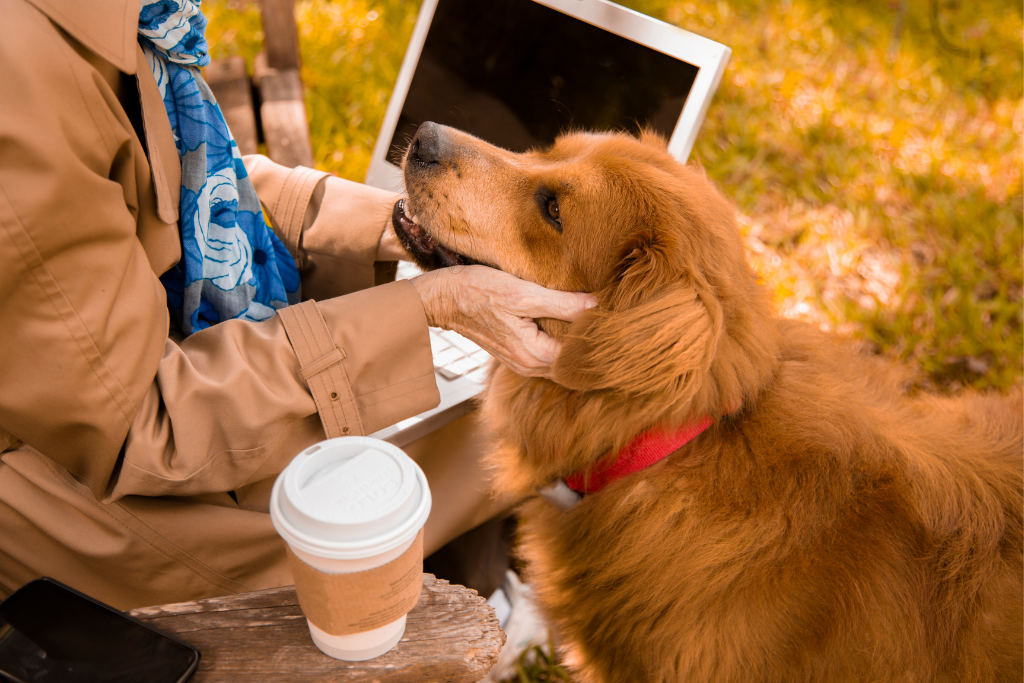
It is officially fall, which means… Pumpkin Spice Season! Our furry friends should be able to join us while we enjoy Pumpkin Spice everything!
Pumpkin is a superfood for dogs. It contains essential micronutrients and fibre, making it a very nutritious treat for our pets. Besides being a natural stomach soother, pumpkin also helps to remove excess water in a dog’s digestive tract.
Check out our top 5 favourite pumpkin products for fall that your dogs can enjoy!
1. Northern Biscuit, Pumpkin Pie Treat
Excellent for sensitive stomachs and overall digestive health, a superfood immune booster! Topped with cinnamon, this vegan recipe is loved by all dogs. Baked in small batches with limited ingredients. At only 18 calories per 5g biscuit, these are perfect for treating, rewarding and bonding with your dog!

2. Crumps Plaque Buster, Pumpkin Spice Treat
Every Pumpkin Spice Plaque Buster contains all-natural pumpkin spice, sweet potato, citrus pulp, and coconut oil. It’s a truly unique treat that assists in turning the scent of your dog’s breath into the smell of a colourful autumn breeze.

3. Oven Baked Tradition, Chicken and Pumpkin Treat
Whether to help with training or simply to make them happy, Oven Baked Tradition Chicken and Pumpkin Treat is an all-natural grain-free soft and chewy chicken & pumpkin dog treat that is low in calories. These chicken & pumpkin dog treats contain real chicken that they simply won’t be able to resist!

4. Big Country Raw Frozen Goat Yogurt, Pumpkid
A decadent frozen yogurt treat your pet is sure to love! Frozen Goat is made with raw goat milk yogurt, fruit puree and agar from 100% natural, thick and creamy treat. Big Country Raw’s frozen yogurt is cold fermented and naturally full of probiotics that are great for your furry friend’s gut health.

5. Wholesome Blend Grain Free Dog Food
- Digestive Care Turkey & Pumpkin
- Healthy Weight Turkey & Pumpkin
- Mobility Care Salmon & Pumpkin
- Skin & Coat Care Salmon & Pumpkin
Our Wholesome Blend Grain Free line is made with fresh pumpkin. Complete and balanced grain-free diets, providing moderate levels of protein and fat to encourage a healthy weight. Diets that are formulated for all life stages – from puppy through adulthood.
Don’t let your pups miss out on Pumpkin Spice Season! Stop by your local Feeds’n Needs to purchase any of these products.
Sources:
Pumpkin for Dogs: Health Benefits, Harmful Effects, Preparation (webmd.com)
Pumpkin Pie 500g | Northern Biscuit
Plaque Busters with Pumpkin Spice – Crumps’ Naturals Canada
The best, all-natural, and healthiest dog treats | Chicken and pumkin (ovenbakedtradition.com)
Benefits of a Raw Food Diet
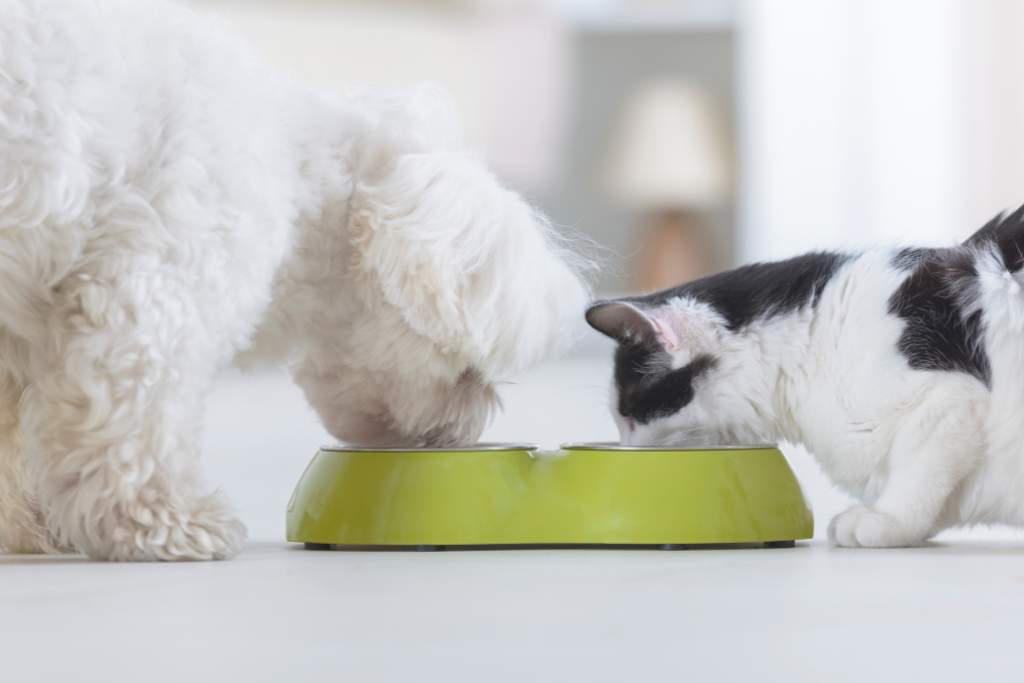
Raw food diets for cats and dogs are becoming more popular! Many people are choosing to feed their pets a raw diet because it is more natural and less processed than kibble. Others feed raw due to the many health benefits of a raw food diet. Here are some of the top reasons you should make the switch to raw:
-
- Joint and Bone Health
The best way to support bones is with bones! Real crushed bone is a natural source of calcium, phosphorus, glucosamine, chondroitin, collagen and marrow. These components result in healthy growth in puppies and maintain superior joint and bone health for your dog throughout its lifetime. - Immune System Support
Raw meat is highly bioavailable and contains live bacteria/enzymes that support digestion and help to absorb almost all the immune-boosting nutrients. Raw food is also naturally rich in moisture, which supports organ health. - Less Stool
Having a diet of highly digestible ingredients for your pet is that more of what goes in is absorbed and utilized within the body – meaning less comes out the other end. Carbohydrates and filler ingredients such as soy, potato, corn and rice take longer to digest and do not fully absorb within your pet’s body. These ingredients can lead to larger stool volume with a heavy odour. Most raw diets contain no fillers and are low in carbohydrates, resulting in less waste passing through and decomposing faster. - Healthy Skin & Coat
Raw diets contain many ingredients that support skin and coat health, one of the most notable being omega-3 fatty acids. Healthy omega fats play a significant role in supporting healthy skin and a soft coat. Some common ingredients that provide essential omega-3 fatty acids include salmon, chia, and flax seeds. After switching your pet to a raw diet, you’ll notice a difference in their skin, coat and even how much less they shed! - Reduced Body Odour
When pets consume food high in fillers, additives, and preservatives, it can lead to unpleasant odours. A raw food diet better supports your pet’s digestive system, which often decreases or eliminates gas. - Weight Management
A raw diet is a natural way to help manage your pet’s weight and improve its overall well-being. Kibble contains carbohydrates and sugars that are harder for your pet to burn off, most times causing weight issues. - Cleans Teeth Naturally
Poor dental hygiene in your pets can sometimes be caused by a poor diet, especially if their diet is heavily processed or high in carbohydrates. Kibble and canned food can often get stuck in your pet’s teeth, leading to plaque, tartar and bad breath. Raw, meaty bones are well-known for helping them get into those tricky places between their teeth and removing plaque. - Reduction in Allergies
A pet’s diet is the most common cause of allergies. Many fillers used in kibble are not biologically meant for pets to digest and can cause stress on their digestive system and compromise their immune system. Common allergic reactions include rashes, itchy paws, ear infections, and digestive and joint issues. Healthy omega fats provide anti-inflammatory benefits, perfect for dogs with allergies or inflammatory skin diseases. A raw food diet can help reduce and sometimes even eliminate your furry friend’s allergy symptoms.
- Joint and Bone Health
These are just some of the many benefits of a raw food diet for your pet. Our Experts here at Feeds’n Needs recommend Big Country Raw for your pets! There is something on their menu for dogs and cats of all breeds, sizes, and ages! Chat with one of our Experts in-store for more information on getting your furry friend started on a raw diet. We are here to help!
Sources:
Health benefits of raw feeding – Guides | Big Dog Pet Foods
The Top 10 Benefits Of A Raw Diet For Your Pet – Top Dog Food & Supply (topdogfoodandsupply.com)

Tips To Minimize Your Dogs Separation Anxiety
Many dogs have gained separation anxiety after getting used to having their humans home with them more often over the past few years. Now that life is returning to a sense of normalcy and people are returning to the office, our dogs are left at home to deal with separation anxiety. They don’t understand why all of a sudden we aren’t at home every day with them. While you’re away, your four-legged friend may show signs of distress, such as barking, destructive chewing and even potty accidents or episodes of self-harm. These signs can all be due to separation anxiety.
Separation Anxiety In Dogs Can Be From Different Scenarios Such As:
-
- Being left alone for the first time or when used to constant human contact.
-
- Suffering a traumatic event, such as time away from you at a boarding kennel.
-
- A change in your dog’s routine or the loss of a family member or another pet.
Here Are Some Tips To Help Minimize Your Dogs Separation Anxiety:
- Keep arrivals and departures low-key. Ignore your pup for the first few minutes after you get home.
- Leave some recently worn clothes that have your scent on them.
- Consider trying an all-natural calming product such as Hemp 4 Paws Hemp Seed Oil. A natural health alternative for pets made with organic cold-pressed hemp seed oil and CO2-extracted hemp terpenes. These products are THC-free, so your pets can experience all of the health benefits of the hemp plant without any psychoactive effects. Ask your Feeds’n Needs Experts for more information on this great product on your next visit!
- Give your dog a special toy or treat each time you leave. Only give it to them when you’re gone, and take it away when you get home.
- Create a crate routine. Practice keeping your dog in their crate for short periods while you are home and gradually lengthen the time.
- Practice leaving your house for short periods. Not being home, even for a brief amount of time, can help maintain a sense of normalcy and help prevent your dog from becoming too dependent on your presence.
- Confine your dog in a safe place, such as a room with a window and toys that will keep them busy, and never leave them in total isolation.
- If you’re really concerned about your dog’s behaviour while you are out of the house, try a pet cam to help give you some peace of mind. Look for a model with two-way features that allow your dog to see and hear you. This trick is helpful for some dogs, while for others, it can make their anxiety worse not knowing where you are but being able to hear you.
- Desensitize items such as putting your shoes on and picking up your keys. Try putting on your shoes and then sit down at the table. Or pick up your keys and watch TV. Do this over and over many times a day.
What NOT To Do:
- Punishment is never effective in trying to help separation anxiety. It can worsen the situation.
- Getting your dog a companion usually doesn’t help an anxious dog because their anxiety results from their separation from you, not just the result of being alone.
- Crating your dog without being crate trained. If you do not crate train your dog and try to crate them to help with separation anxiety, they will still engage in anxiety responses inside their crate. They may urinate, defecate, howl/bark or even injure themselves in an attempt to escape.
Don’t rush things when helping your dog minimize their separation anxiety. Only you can tell if your dog is ready to be left home alone for more extended periods. Make sure your pup gets lots of exercise daily. It’s important to challenge your dog’s mind and body. A tired, happy dog will be less stressed when you leave them home.
Sources:
Separation Anxiety: How to Keep Your Dog Calm When You Leave (webmd.com)
Helping dog anxiety | The Humane Society of the United States
24Petwatch: Soothe Your Dog’s Separation Anxiety in These 8 Ways
How To Properly Clean Your Dogs Ears
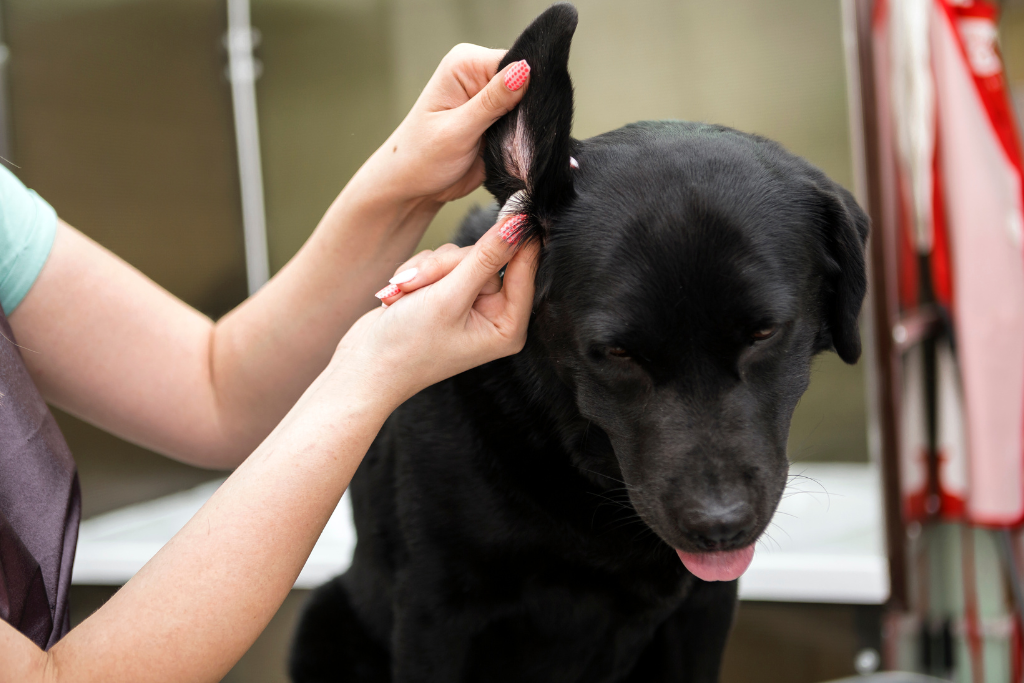
Ears of all shapes and sizes must be cleaned regularly as part of your dog’s grooming.. Every dog is different when determining how often they need their ears cleaned. Long, floppy ears need to be cleaned more often as they can be prone to ear infections, while others rarely require cleaning. If your dog visits a professional groomer regularly, you should check with them to verify that your dog’s ears are getting cleaned. All dog owners should know how to clean their dog’s ears properly. Dogs with short ears and not a lot of hair may only need to have their ears wiped out occasionally when they begin to look dirty. Dogs with long, floppy ears and those with a lot of hair around their ears should have a more thorough inspection and have them cleaned at least every other week to prevent any infections or irritations. Here is everything you need to know, from supplies to steps:
Supplies Needed to Clean Your Dog’s Ears:
- Ear Cleaner: Look for a veterinarian-recommended cleaning solution. If you’re unsure whether something is okay to use on your dog, ask your vet or the Experts at your local Feeds’n Needs. Visit your local Feeds’n Needs for an ear-dry solution with aloe vera by Professional Pet Products. It is a routine ear cleaning, drying and odour control product. Be sure to follow the recommended directions on the ear cleaner you are using.
- Cotton Balls or Pads: Swab your dog’s ears with a cotton ball or pads. Be careful not to go too deep. A rule of thumb to remember is to not go past skull depth to avoid causing hearing damage. Wipe the inside of the ear flap and ridges of the outer ear as well.
- Tweezers: It’s a good idea to have a pair of tweezers dedicated to your dog’s ear.
- A Towel: This is recommended for containing potential messes, especially if your dog is prone to shaking its head when something gets in its ears.
- Treats: You’ll want to reward your dog when you’re all done.
Steps on How to Clean Your Dog’s Ears
Before you begin, take a moment to inspect your dog’s ears. If they appear red or inflamed, they smell bad, or your dog shows signs that their ears itch, contact your vet as they may have an infection that needs to be treated. For dogs who have a lot of hair, use tweezers to clear the hair out of the ear canal. If everything appears normal, follow this step-by-step process on how to clean their ears:
- Get your pup to sit, reward them with a treat and then let them inspect the bottle of ear cleaner.
- If your pup has long, floppy ears, hold their ear flap upright and carefully fill the ear canal with a cleaning solution.
- Keep the ear flap out of the way and gently massage the base of the ear with your fingers for about 20 seconds.
- Allow your dog to shake their head if they desire. Hold a towel over their head to prevent the solution from flying everywhere.
- Use a cotton ball or pad wrapped around your index finger to gently wipe the visible part of your dog’s ear canal and outer ear.
- Reward your pup with another treat and repeat these steps for their other ear.
Tips and Tricks to Make it Easier
Here are a few tips that will help it go easier for both you and your pup:
- Wear old clothing that won’t get ruined if the cleaning solution gets on them.
- Follow directions on the cleaning solution bottle.
- If the ears still appear dirty when you’re done, go ahead and repeat the process, and stop immediately if you notice redness or bleeding or if your dog show signs of discomfort.
Knowing how to clean dog ears is fundamental to their health. Make sure cleaning is done regularly to help protect their hearing and ensure that your pup’s ears stay healthy throughout their life.
Sources: How to Clean Dog Ears | Hill’s Pet (hillspet.com)
24Petwatch: How to Properly Clean Your Pet’s Ears


