
Free-ranging is a natural instinct for chickens, and they thrive when they have the space to roam and forage. However, as with anything, free-ranging comes with both pros and cons.
Pros of Free-Ranging Chickens:
- They Eat Less Feed When chickens have the freedom to roam, they forage for a variety of food, from grass and weeds to bugs and small critters. This means they’ll rely less on the feed you provide, which can help save on feed costs.
- Less Need for Grit Chickens need grit to help break down their food, as they don’t have teeth. When free-ranging, they naturally pick up sand, small rocks, and pebbles as they go about their day. This reduces the need to purchase grit for them.
- Insect Control Chickens are natural pest controllers. They love to snack on bugs, and they’ll even scratch through manure, eating fly larvae, which helps keep unwanted pests at bay.
- Control of Other Pests Chickens love to hunt. Given the opportunity, chickens will keep all kinds of unwanted pests away from your property.
- Healthier Roaming freely keeps chickens active and fit. They get plenty of exercise, which contributes to better overall health. Additionally, by being outside, they’re exposed to less crowding, which lowers their risk of illnesses that can spread in a confined coop.
- Less Space Required in the Coop Chickens that are free-ranging don’t require as much space in the coop. Since they’ll spend most of their day outside, you don’t need to provide the standard 4 square feet per bird inside the coop. They only need space for sleeping, eating, and laying eggs, so a little less room can suffice. Most birds prefer 1-2 feet of roosting space.
- Natural Shade When chickens free-range, they’ll seek out shaded spots like bushes or trees, where they can relax during hot summer days. If they’re in a coop full-time, make sure the run and coop have shaded areas to keep them cool.
Cons of Free-Ranging Chickens:
- Predators Chickens are vulnerable to predators, both during the day and at night. At night, they are targets for raccoons, weasels, foxes, coyotes, and even bears. During the day, hawks, eagles, and even domestic dogs can pose a threat, so it’s essential to ensure they’re safe from roaming pets and wild animals.
- Egg Hunting When chickens are free to roam, they tend to lay eggs in unexpected places. You may find eggs scattered all over the yard, making it harder to collect them. Consider placing fake eggs in desirable nesting spots to encourage hens to lay in specific areas.
- Eating Unwanted Plants Chickens will happily munch on whatever plants they can find, and if they get into your garden, they may snack on your vegetables, flowers, and herbs. Consider fencing off your garden to protect your plants from hungry hens.
- Scratching Up Landscaped Areas Chickens love to scratch, and unfortunately, this can mean scratched-up flower beds, mulched areas, and freshly planted gardens. If you’re proud of your landscaping, free-ranging may not be the best choice without some protective measures in place.
- Manure Mess Chickens will poop wherever they please, which can lead to stepping in manure.
- Noise When Returning to the Coop Chickens that are used to free-ranging often resist being locked up at night, and they’ll let you know by making noise. If you have neighbours nearby, this can become a bit of an issue, so be prepared for some clucking complaints.
- Risk of Eating Harmful Substances When chickens are free-ranging, they may pick up things that aren’t safe for them to eat. If you use pest control chemicals, weed killers, or fertilizers in your yard, there’s a risk that these substances could be ingested, potentially affecting your chickens’ health and even contaminating their eggs.
Weigh the pros and cons carefully to determine if free-ranging is the right choice for your flock—and if so, take precautions to keep them safe, healthy, and happy.

Chicken Wellness Best Practices
Effective chicken management can have a lasting impact on their health and lifespan. By following a few key wellness best practices, you can ensure that your flock remains healthy and protected throughout their lives. Here are some essential guidelines to consider as a responsible chicken owner:
- Provide the Right Feed Chickens’ nutritional needs vary depending on their stage of development. Newly hatched chicks up to nine weeks old require starter feed. Chickens between nine and 18 weeks should be fed a grower/finisher feed. Hens should switch to a layer feed once they reach 18 weeks of age or when they start laying eggs. Layer feed contains calcium, which is essential for eggshell production but can be harmful to younger chickens. To meet their calcium needs, laying hens should always have free access to oyster shells, which dissolve slowly and safely.
- Limit Treats While treats can be a fun addition to your chickens’ diet, they should be given in moderation. Excessive treats—regardless of how healthy they are—can lead to a number of health issues, including obesity, reduced egg production, malformed eggs, and more serious conditions like fatty liver syndrome and heart problems. Commercially formulated chicken feed is designed to provide the right balance of nutrients, so treats should never make up more than 5% of their daily diet.
- Ensure Clean Water Fresh, clean water should always be available to your chickens. Dehydration can lead to various health problems, so it’s essential that they have constant access to water that is free from contaminants.
- Keep the Coop Clean A clean and dry coop is vital for your chickens’ health. Chickens have sensitive respiratory systems, which can be easily compromised by mold and ammonia from droppings. A clean environment not only protects them from respiratory issues but also helps reduce the risk of external parasites like mites and lice.
- Provide a Safe Roosting Area Chickens need a secure, enclosed space to sleep at night. A safe, sheltered area protects them from predators and the elements. Providing a roosting perch is beneficial because it allows chickens to feel secure, stay warmer in cooler weather, and maintain better hygiene by keeping them off the ground.
- Maintain Dry Litter A wet environment created by damp bedding or spilled water encourages the growth of harmful organisms like coccidia, which can cause coccidiosis—a potentially deadly intestinal disease. To maintain a dry and healthy environment, make sure to:
- Remove droppings daily
- Avoid placing food or water inside the coop
- Use sand for bedding and as ground cover in the run
- Monitor Droppings Chickens’ droppings can provide valuable insight into their health. Regularly observing their droppings will help you spot any abnormalities, which can often be the first sign of illness. Knowing what’s normal and what’s not will help you take action early if needed.
- Break up Broody Hens A broody hen is one that wants to sit on eggs to hatch chicks, whether or not the eggs are fertile. During this time, a broody hen will neglect her own health—eating, drinking, and resting only briefly. While this behavior is natural, prolonged periods of broodiness can lead to malnutrition, weight loss, and vulnerability to parasites. If you don’t intend for her to hatch chicks, it’s important to break her broodiness as soon as possible to prevent these health risks.
- Practice Good Biosecurity Biosecurity refers to practices that protect your chickens from infectious diseases. These pathogens can be carried by a variety of sources, including people, animals, equipment, and even wildlife. To minimize the risk of disease, limit access to your chicken yard from high-risk areas such as other poultry yards, swaps, shows, and feed stores. Always be mindful of how diseases can spread and take steps to prevent them.
By incorporating these best practices, you can help ensure the health and well-being of your chickens throughout their lives.
Sources:
10+ Tips for Healthy Chickens | The Chicken Chick®
Best Practices to Keep Your Chickens Healthy – Homestead Hustle

Reducing Noise in Backyard Flocks
Managing noise in backyard flocks is essential for maintaining good relationships with your neighbors and ensuring a peaceful environment. Here are some effective strategies to help reduce noise in your backyard flock:
1. Choose Quiet Breeds
Some chicken breeds are naturally quieter than others. Research breeds known for their calm and quiet demeanor.
2. Limit Roosters
Roosters are often the primary source of noise in a flock. If noise is a concern, consider:
- Keeping only hens: Hens are generally quieter and still provide eggs.
3. Proper Coop Design
The design and location of your coop can significantly impact noise levels:
- Soundproofing: Use materials like insulation or soundproof panels to reduce noise escaping from the coop.
- Location: Place the coop away from neighbors’ homes and common areas to minimize disturbance.
4. Routine and Environment
Establishing a routine and providing a comfortable environment can help keep your chickens calm and quiet:
- Consistent feeding schedule: Chickens are less likely to make noise if they know when to expect food.
- Enrichment activities: Provide toys, perches, and dust baths to keep chickens occupied and reduce boredom-related noise.
5. Addressing Health Issues
Healthy chickens are generally quieter. Regular health checks can help identify and address any issues that may cause distress and noise:
- Veterinary care: Regular check-ups can prevent and treat illnesses that might cause chickens to be noisy.
- Clean living conditions: A clean coop reduces stress and promotes overall well-being.
By implementing these tips, you can reduce noise in your backyard flock, creating a more harmonious environment.

Reducing Odour in Backyard Flocks
Managing odour in backyard flocks is essential for maintaining a pleasant environment for you, your chickens, and your neighbors. Here are some ways to help reduce odour in your backyard flock:
Regular Cleaning
One of the best ways to manage odour is through regular cleaning of the coop. This includes:
- Daily removal of droppings: This prevents the buildup of ammonia, which is a primary source of odour.
- Weekly deep cleaning: Remove all bedding, scrub surfaces with a mild disinfectant or Virkon (found at your local Feeds’n Needs store), allow to dry completely, and replace with fresh bedding.
2. Proper Ventilation
Ensuring proper ventilation in the coop helps to reduce moisture and ammonia levels. This can be achieved by:
- Installing vents: Place vents at the top of the coop to allow hot air and ammonia to escape.
- Using fans: In larger coops, fans can help to circulate air and reduce odour.
3. Use of Odour Control Products
There are several products available that can help to control odour in the coop:
- Diatomaceous earth: This natural product found at Feeds’n Needs helps to absorb moisture and reduce odour.
- Fresh Coop: Fresh Coop found at Feeds’n Needs neutralizes and eliminates odour-causing bacteria and absorbs moisture. Sprinkle on fresh bedding or wet areas while removing droppings and soiled litter.
4. Proper Waste Management
Effective waste management practices can significantly reduce odour:
- Composting: Composting chicken waste can help to reduce odour and produce valuable fertilizer for your garden.
- Frequent removal: Regularly remove waste from the coop and surrounding areas to prevent odour buildup.
5. Diet and Health
The diet and health of your chickens can also impact odour levels:
- Balanced diet: Ensure your chickens are receiving a balanced diet to reduce the risk of digestive issues that can cause odour.
- Limit Treats: Certain treats like fruits and vegetables can add moisture to droppings increasing odour if not managed properly. Dry treats like mealworms, grains and seeds are less likely to cause odour issues.
- Health checks: Regular health checks can help to identify and address any health issues that may contribute to odour.
By implementing these tips, you can better manage and reduce odour in your backyard flock, creating a healthier and more pleasant environment for all.

Rooster Aggression
Rooster aggression can be a challenging issue for backyard chicken owners. Understanding the causes and implementing effective strategies can help maintain a peaceful and productive flock. Here, we explore the reasons behind rooster aggression and provide tips on managing this behaviour.
Understanding Rooster Aggression
Most Roosters are not aggressive. However, you may notice signs when cockerels reach puberty, typically around four months old. This behaviour can be influenced by several factors, including genetics, environment, and social dynamics within the flock. Any rooster, regardless of breed, can exhibit aggressive behaviour. Learning what to look for and what to do if you notice attack signs is essential to ensuring a healthy and peaceful flock.
Signs of Aggression in a Rooster
- Lowers head and dances while starring at you
- Runs at you as you turn away
- Flaps wings to make himself appear larger
- Shakes his head, stomps feet
- Feathers around neck are puffed up
Common Causes of Aggression
- Hormonal Changes: As roosters mature, hormonal changes can trigger aggressive behavior. This is a natural part of their development and is often seen during the breeding season.
- Territorial Instincts: Roosters are naturally territorial and may become aggressive to protect their flock from perceived threats.
- Social Hierarchy: Establishing dominance within the flock can lead to aggressive interactions, especially if there are multiple roosters.
Tips for Managing Rooster Aggression
- Provide Adequate Space: Overcrowding can increase stress and aggression. Ensure your flock has enough space to move freely.
- Environmental Enrichment: Keeping roosters engaged with perches, dust-bathing areas, and objects to peck at can reduce boredom and aggression.
- Consistent Handling: Regular, gentle handling from a young age can help roosters become more accustomed to human interaction and less likely to be aggressive.
- Separate Aggressive Roosters: If a rooster becomes overly aggressive, it may be necessary to separate him from the rest of the flock to prevent injuries. Spurs on the back of roosters legs are very sharp and can injure you. Take precautions when handling aggression, wearing long pants and shirts, boots and gloves. Also, take precautions to keep pets and small children away from aggressive roosters.
- Monitor Health: Illness or injury can make roosters more prone to aggression. Regular health checks can help identify and address any underlying issues.
- No Improvement: If all else fails, it may be time to rehome your rooster. He may do better in a new environment that has more space and can better use his protective instincts.
Conclusion
By understanding the causes of rooster aggression and implementing these management strategies, you can create a harmonious environment for your backyard flock.

Preventing Aggression Among Chickens
Preventing aggression among chickens can be a significant challenge for backyard flock owners. Understanding the root causes and implementing effective strategies can help maintain a peaceful environment for your birds. Here are some insights and tips
Understanding Pecking Order Disputes
Chickens naturally establish a pecking order to determine social hierarchy within the flock. While this is a normal behavior, it can sometimes lead to aggressive pecking and bullying. According to the National Farm Animal Care Council (NFACC), overcrowding and lack of resources can exacerbate these disputes1. Ensuring adequate space, food, and water for all chickens can help reduce tension.
Identifying and Addressing Aggression
Aggression can stem from various factors, including stress, boredom, and competition for resources. The Chicken Farmers of Canada recommend providing environmental enrichment to keep chickens engaged and reduce aggressive behaviors1. This can include perches, dust-bathing areas, and objects to peck at.
Preventing Egg-Eating
Egg-eating is another common issue that can arise from nutritional deficiencies or boredom. The Canadian Poultry and Egg Processors Council suggests ensuring a balanced diet rich in calcium and protein to prevent this behavior1. Additionally, collecting eggs frequently and providing dark, private nesting areas can discourage egg-eating.
Tips for Maintaining a Peaceful Coop
- Provide Adequate Space: Overcrowding can lead to stress and aggression. Ensure each chicken has enough space to move freely.
- Enrich the Environment: Offer perches, dust-bathing areas, and pecking objects to keep chickens occupied.
- Monitor Health: Regularly check for signs of illness or injury, as these can increase vulnerability to bullying.
- Balanced Diet: Ensure your flock receives a nutritionally balanced diet to prevent deficiencies that can lead to behavioral issues.
- Frequent Egg Collection: Collect eggs multiple times a day to reduce the temptation for chickens to eat them.
By understanding the causes of aggression and implementing these strategies, you can create a harmonious and productive environment for your backyard flock.

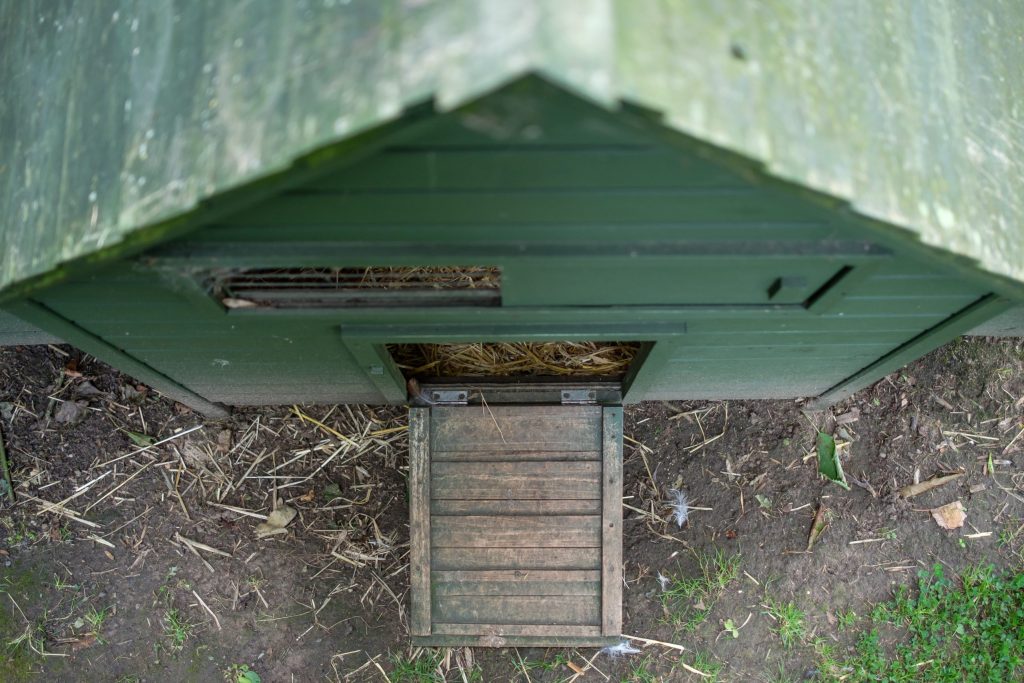
Proper Ventilation for a Healthy Chicken Coop
Maintaining good air quality in your chicken coop is crucial for your flock’s health. One of the primary causes of poor air quality is ammonia, which is released from fresh or moist chicken droppings. If ammonia accumulates, it can be harmful to your chickens. Therefore, proper ventilation is essential to remove excess ammonia and ensure clean, breathable air for your birds.
To achieve effective ventilation, place vents near the top of the coop. This setup allows contaminated air to escape without creating drafts that could make your chickens uncomfortable. Ventilation is particularly important in the winter, as moisture and condensation can lead to frostbite.
Here are a few tips for ventilating your coop during colder months:
- Install roof vents: These help moisture escape.
- Cover partially open windows with burlap: This allows airflow while still insulating the coop.
- Open doors or windows on warmer days: This promotes air circulation.
By regularly cleaning droppings and maintaining proper airflow, you can keep your coop comfortable and your chickens healthy all year round!

Common Threats to Your Flock
Chickens are prey animals, and many predators are eager to target them or their eggs. Understanding the threats in your area helps you reinforce weak spots in your coop to protect your flock.
Common Chicken Predators in the Maritimes:
- Canines: Domestic Dogs, Coyotes, Foxes
- Domestic Dogs: Particularly those allowed to roam, are a significant threat. They often attack repeatedly and may kill an entire flock.
- Coyotes and Foxes: These can be bold, attacking even when humans are nearby. They typically take one bird at a time and may return for more.
- Prevention Tips: Ensure your coop is secure with strong fencing and a locked gate. Consider adding motion-activated lights or alarms to deter these predators.
- Felines: Domestic Cats & Bobcats
- Domestic Cats: Mainly target young or smaller chickens.
- Bobcats: Found in rural areas, also prey on chickens, taking one or two birds per visit and leaving little evidence behind.
- Prevention Tips: Use fine mesh wire to cover any openings and ensure the coop is fully enclosed.
- Weasel Family: Fishers, Mink, Weasels
- Fishers and Minks: Often attack chickens by targeting the head and neck.
- Weasels: Can sneak through tiny gaps and may bite the neck or vent of their prey. These predators can kill multiple birds at once.
- Prevention Tips: Seal all small gaps and holes in the coop. Use hardware cloth instead of chicken wire for added security.
- Raccoons
- Behavior: Persistent predators, often killing several birds per visit. They can climb, dig, and figure out simple latches.
- Identification: Raccoon attacks are identified by tracks with longer hind feet.
- Prevention Tips: Use raccoon-proof latches and reinforce the coop with heavy-duty materials. Elevate the coop off the ground to prevent digging.
- Snakes
- Targets: Typically target eggs and young chicks, but rarely mature chickens.
- Behavior: May be found resting in nesting boxes after consuming an egg.
- Prevention Tips: Regularly check for and seal any small openings. Use snake-proof netting around the coop.
- Rats
- Targets: Mainly prey on young chicks and eggs, but can also harm adult birds by biting their legs or pulling feathers.
- Signs: Droppings and tail marks.
- Prevention Tips: Keep the coop clean and free of food scraps. Use rat-proof feeders and traps around the coop.
- Bears
- Behavior: While not frequent, bears may attack a chicken coop if hungry, often destroying a whole flock.
- Identification: Bear tracks and claw marks around the scene.
- Prevention Tips: Install electric fencing around the coop and secure all food sources to deter bears.
- Hawks & Owls
- Targets: Birds of prey like hawks, eagles, and owls can swoop in for chickens, especially in spring and fall. They often target smaller chickens, eating the breast or neck of their prey. Larger owls, like the great horned owl, may also hunt at night.
- Prevention Tips: Use overhead netting to protect your flock from aerial attacks. Provide covered areas where chickens can hide.
By understanding these threats, you can take proper precautions to safeguard your chickens and their eggs. Regularly inspect your coop and make necessary improvements to ensure it remains a safe haven for your flock.

Preventing Injuries in Backyard Chickens
Raising backyard chickens can be a rewarding experience, but it’s important to ensure their environment is safe to prevent injuries. Here are some tips to help keep your flock healthy and injury-free.
1. Provide Adequate Space
Overcrowding can lead to stress and aggressive behavior, increasing the risk of injuries. Ensure each chicken has enough space:
- Coop Space: At least 3-5 square feet per bird inside the coop.
- Outdoor Space: A minimum of 10 square feet per bird in the run.
2. Maintain a Clean Environment
A clean coop reduces the risk of infections and injuries:
- Regular Cleaning: Clean the coop and run regularly to remove waste and debris.
- Dry Bedding: Keep bedding dry to prevent foot problems like bumblefoot.
3. Inspect and Repair the Coop
Regularly check the coop for potential hazards:
- Sharp Edges: Remove or cover any sharp edges or protruding nails.
- Secure Fencing: Ensure fencing is secure to protect against predators.
4. Monitor Flock Dynamics
Chickens establish a pecking order, which can sometimes lead to aggression:
- Observe Behavior: Keep an eye on flock interactions to identify any aggressive birds.
- Separate Aggressive Birds: Isolate aggressive chickens to prevent injuries to others.
5. Provide Proper Nutrition
A balanced diet is crucial for overall health and injury prevention:
- Quality Feed: Provide high-quality feed appropriate for the age and type of your chickens.
- Supplements: Offer supplements like oyster shell for calcium and grit for digestion.
6. Regular Health Checks
Regularly check your chickens for signs of injury or illness:
- Foot Inspections: Look for signs of bumblefoot or other foot injuries.
- Feather Condition: Check for missing feathers or wounds from pecking.
7. Predator Protection
Protect your flock from predators, which can cause severe injuries:
- Secure Coop: Ensure the coop is predator-proof with sturdy locks and fencing.
- Supervised Free-Range: Supervise chickens during free-range time to protect them from predators.
General Tips for Preventing Injuries
- First Aid Kit: Keep a chicken first aid kit on hand for immediate treatment of injuries.
- Education: Stay informed about common chicken health issues and their prevention.
By following these guidelines, you can create a safe environment for your backyard chickens, reducing the risk of injuries and ensuring a happy, healthy flock.

Common Health Issues in Chickens
Maintaining your chickens’ health is essential for a thriving flock. Here are some common issues to watch for, along with solutions to each:
1. Egg Laying Problems
Egg-laying issues can be caused by vitamin deficiencies, parasites, infections, or stress. Symptoms include lethargy, loss of appetite, and abnormal droppings. To address this:
- Diet: Add calcium and protein to their diet and provide supplements like oyster shell.
- Environment: Reduce stress by ensuring a calm environment.
- Severe Cases: Conditions like egg binding may require a vet visit.
2. Cuts and Peck Marks
Chickens often get peck marks or cuts from other flock members, especially in crowded coops or with aggressive breeds. Signs include missing feathers or scabs. To prevent and treat this:
- Space: Provide enough space (3–5 square feet per bird).
- Isolation: Isolate aggressive chickens.
- Treatment: Use colored wound spray to prevent further pecking.
3. Foot Injuries
Foot injuries like bumblefoot or cuts can be painful. Look for signs of reluctance to walk or pus-filled abscesses. To treat foot injuries:
- Cleaning: Clean wounds with antiseptic.
- Bandaging: Bandage the wounds.
- Veterinary Care: Bumblefoot may need vet treatment if it doesn’t improve.
4. Diseases
Chickens can suffer from various diseases, including:
- Parasitic: Mites, lice, and worms can cause skin irritation and lethargy. Treat with antiparasitic medications.
- Viral: Diseases like Marek’s, avian flu, and fowl pox are contagious and often require vaccines.
- Bacterial: E. coli and salmonella can spread quickly and require separating infected birds. Maintain good hygiene to reduce risk.
- Fungal: Issues like brooder pneumonia are treatable with cleaning and proper care.
5. Pasty Vent (Pasty Butt)
This condition mainly affects chicks and occurs when droppings clog the vent, causing a blockage. Symptoms include lethargy and caked droppings. To treat pasty vent:
- Cleaning: Gently clean the area with a wet towel to clear the blockage.
General Tips for Chicken Health
- Balanced Diet: Provide a balanced diet rich in nutrients.
- Space: Ensure enough space for each bird.
- Monitoring: Regularly monitor for signs of illness or injury.
- Early Detection: Early detection and treatment are key to maintaining a happy and thriving flock.
By following these guidelines, you can help ensure your chickens remain healthy and productive.


