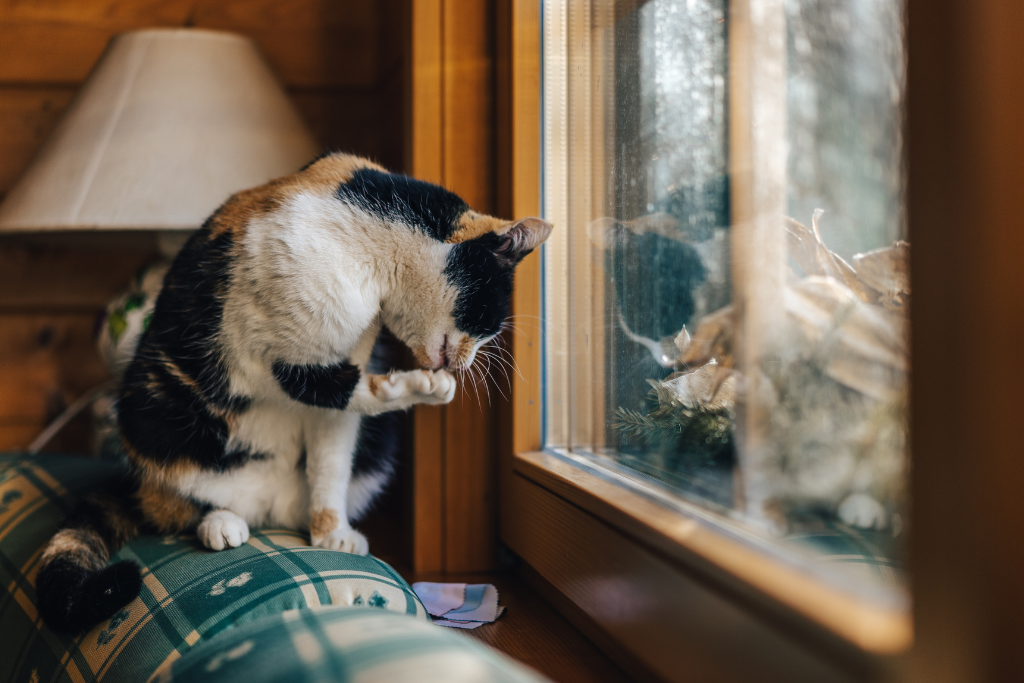
Short daylight, icy sidewalks, and stormy stretches can reduce outdoor time. Enrichment keeps pets mentally engaged, reduces anxiety, and prevents boredom behaviors (chewing, vocalizing, scratching).
Dogs: Indoor Activities
- Puzzle Feeders: Slow feeding, boost problem-solving.
- Scent Games: Hide treats in boxes or towels and let them “hunt.”
- Training Bursts: 10-minute sessions to learn new cues and tricks.
- Indoor Agility: Use cones, chairs, and blanket tunnels for obstacle fun.
- Tug & Fetch: In hallways or basements and mind slippery floors.
Cats: Indoor Activities
- Vertical Spaces: Add shelves or cat trees for climbing.
- Hunt & Pounce: Wand toys, laser pointers (end with a real catch like treats).
- Foraging Feeders: Scatter kibble in snuffle mats or puzzle toys.
- Window Watching: Place bird-friendly feeders outside windows for safe viewing.
Routine & Environment
- Maintain a consistent routine: meals, play, rest.
- Use cozy beds away from drafts.
- Add background nature sounds for calming ambience.
Maritime-Friendly Tips
- After storm closures, plan micro-walks when sidewalks are cleared.
- Choose grippy booties for dogs to prevent slips.
- Keep salt off paws: wipe after outdoor exposure; use pet-safe de-icers.
Explore puzzle toys, snuffle mats, interactive feeders, booties, and pet-safe de-icers at Feeds’n Needs – your local partner for winter pet wellness.
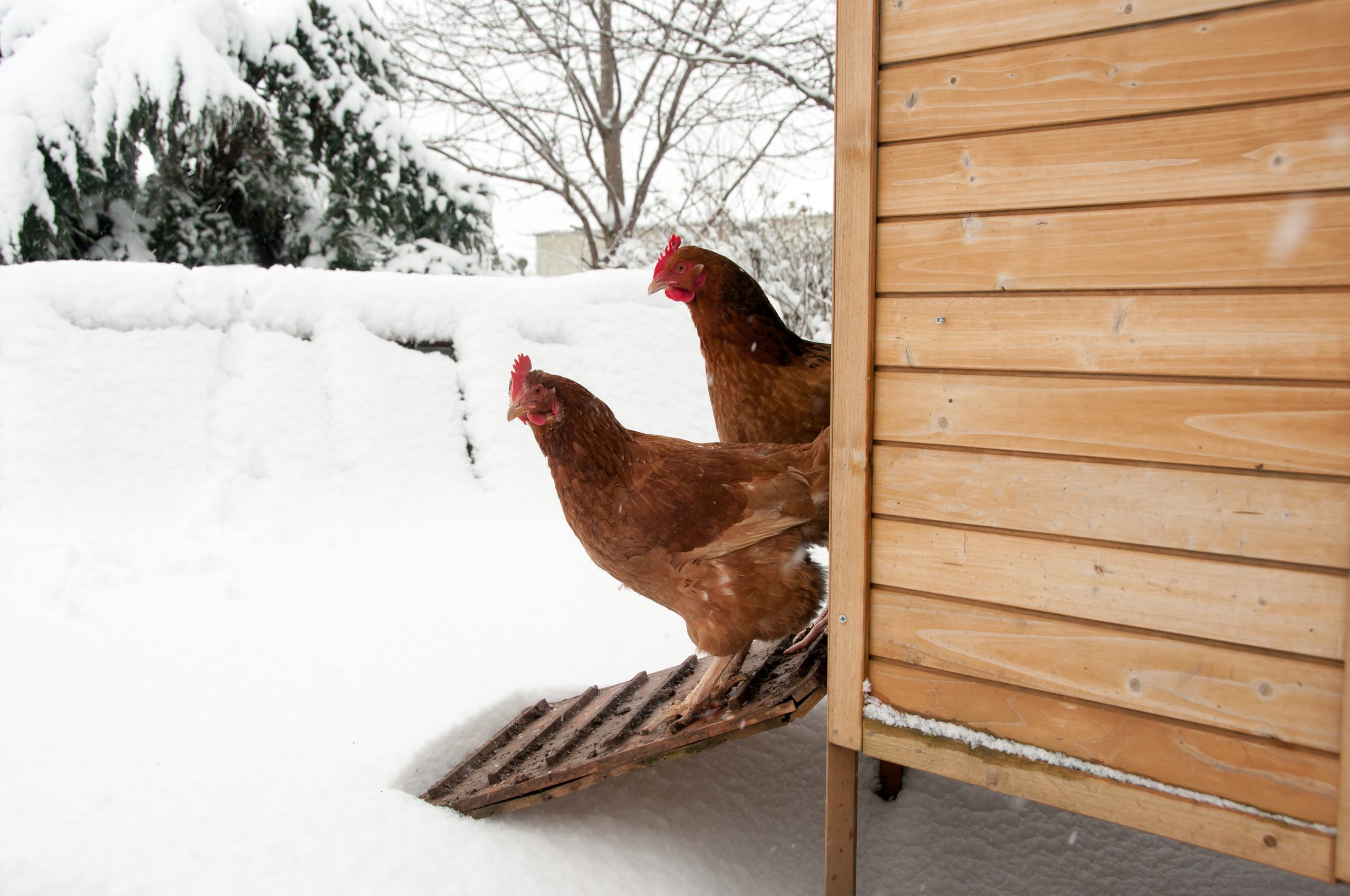
How to Prevent Frostbite in Chickens
Cold weather can be tough on backyard flocks, and frostbite is one of the most common winter challenges for chicken owners. Understanding what frostbite is, how to recognize it, and how to prevent it can make all the difference in keeping your birds healthy and comfortable.
What Is Frostbite in Chickens?
Frostbite occurs when skin and underlying tissues freeze, typically affecting a chicken’s comb, wattles, and sometimes feet. Because these areas have small surface areas, frostbite can set in quickly—especially during extreme cold or wind chills. Early detection and treatment are key to preventing long-term damage.
Signs of Frostbite
Watch for these symptoms:
- Early Stage: Combs and wattles turn gray; feet may appear dark red.
- Advanced Stage: Swelling in large combs and wattles, blackened tissue, or necrotic areas. Severe frostbite often cannot be reversed.
Chickens are good at hiding discomfort, so knowing their normal behavior helps you spot problems early.
What to Do If Frostbite Occurs
If you notice frostbite:
- Warm Slowly: Use a warm, damp cloth on combs and wattles for 15–20 minutes. For feet, a shallow lukewarm bath works well. Avoid rapid warming or rubbing the tissue.
- Isolate & Monitor: Place the bird in a warm, draft-free area with deep bedding. Apply a hydrogel spray to promote healing.
- Watch for Infection: Severe cases may involve blisters or tissue loss—contact a vet if needed.
What Temperature Puts Chickens at Risk?
When temps drop below 32°F (0°C)—especially with wind chill—frostbite becomes a real threat. Roosters and breeds with large combs are most vulnerable. Daily checks and proper shelter are essential.
7 Tips to Prevent Frostbite
- Apply a Protective Salve: Use coconut oil or bag balm on combs and wattles (avoid Vaseline in extreme cold—it can freeze).
- Ensure Proper Ventilation: Good airflow prevents moisture buildup, reducing frostbite risk.
- Provide Electrolytes & Vitamins: These can help birds cope with cold stress.
- Create Ample Roosting Space: Chickens huddle for warmth—make sure everyone has room.
- Avoid Open Water Bowls: Use nipple waterers to prevent wet feathers and feet.
- Keep Bedding Dry: Damp bedding increases frostbite risk. Use deep litter and refresh often.
- Add a Safe Heat Source: In extreme cold, consider a heating panel or caged lamp (avoid fire hazards).
Can Chickens Recover From Frostbite?
Recovery takes time—often 4–6 weeks. Dead tissue will slough off naturally, leaving healthy tissue behind. The biggest risk is infection, so monitor closely and consult a vet if needed.
Conclusion
With proper care—dry bedding, good ventilation, and a few preventive measures—you can keep your flock safe and healthy all winter long. Here’s to happy hens and a frostbite-free season!
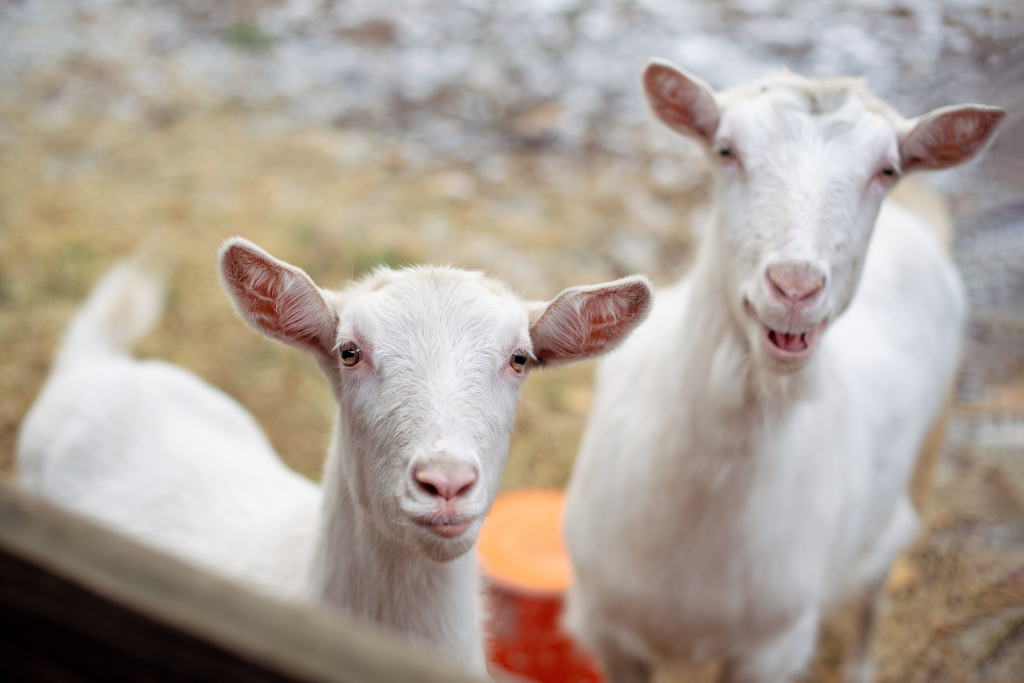
Winter Care for Goats
Ensuring the well-being of your goats is a top priority as winter weather approaches. Cold temperatures and harsh conditions bring unique challenges that can impact your goats’ health and comfort. By covering the basics—shelter, water, and nutrition—you can help your herd thrive all season long.
Shelter: Protection from the Elements
Goats don’t need elaborate housing, but they do require protection from wind, snow, and rain. At a minimum, provide a three-sided shelter that blocks cold north winds while still allowing ventilation. In barns, consider using a door flap to keep wind and snow out while letting goats move freely. To maintain comfort and insulation, keep plenty of clean, dry straw or shavings available for bedding.
Ventilation Matters:
Avoid sealing the barn too tightly. While drafts should be minimized, airflow is essential to prevent moisture buildup, which can lead to pneumonia and other respiratory issues. Proper ventilation reduces humidity and keeps your goats healthy.
Keep It Dry
Moisture is the enemy in winter.
- Location: Avoid low-lying areas where water collects.
- Maintenance: Regularly refresh bedding and keep loafing areas dry to prevent hoof problems like rot or scald, and udder issues such as mastitis.
Do Goats Need Heat?
Surprisingly, goats do not need supplemental heat in most cases. Heat lamps and jackets can interfere with their natural ability to acclimate. As temperatures drop, goats grow a thick winter coat for insulation.
Tip: If snow sits on their coat without melting, their insulation is working!
Typically only newborn kids or a sick goat require extra warmth—use heat lamps with extreme caution due to fire risk and cord chewing.
Water: Fresh and Unfrozen
Goats need constant access to fresh water, even more so in winter when hay replaces moisture-rich pasture. Without water, goats eat less and lose body condition. To prevent freezing, use heated water bowls or change water frequently.
Nutrition: Fuel for Warmth
Winter feeding isn’t just about calories—it’s about heat production.
- Hay is Key: Offer free-choice hay 24/7. Goats are ruminants, and the fermentation process in their rumen generates internal heat.
- Extra Energy: Consider adding alfalfa for protein and energy, but use caution with bucks and wethers to avoid urinary calculi.
- Minerals: Provide salt and mineral supplements year-round.
Helping Goats Adjust
Gradual acclimation is important. Keep goats outdoors as long as possible in fall so they develop thick coats before moving to winter housing. Goats generally handle snow well if they have dry shelter and clear paths to water and feeders. Plowed snow can even serve as a windbreak.

How to Keep Your Cat Hydrated
Staying hydrated is just as important for cats as it is for us. Water supports digestion, circulation, temperature regulation, and overall health. Unlike what many people believe, milk or cream is not a good substitute—most cats are actually lactose intolerant, and dairy can leave them with an upset stomach. That’s why fresh, clean water should always be their number one source of hydration.
If you’ve noticed your cat isn’t drinking much, don’t worry—many felines are naturally picky about water. Here are some ways to encourage them to drink more:
- Fresh Water Daily
Cats can be finicky about their water quality. Make it a habit to change and refull their bowl daily so it’s always fresh and clean.
- Offer Multiple Water Stations
Placing several bowls around the house ensures your cat never has to wader far to get a drink. This is especially helpful in multi-level homes.
- Choose the Right Bowl
Some cats dislike the taste or smell that comes from plastic or metal. Glass or ceramic bowls are usually a safer bet. Wide, shallow bowls are ideal—they help keep whiskers from getting squished and allow cats to feel secure while drinking. You can find a wide variety of water bowls at your local Feeds’n Needs.
- Try a Water Fountain
Running water naturally attracts cats (hence the fascination with faucets). A pet water fountain keeps water circulating and fresh, which can encourage reluctant drinkers. You can find pet water fountains at your local Feeds’n Needs.
- Keep Water Away from the Litter Box
Cats instinctively avoid drinking near where they go to the bathroom—it’s a survival instinct from their wild ancestors. Place bowls in a different room to make the water source more inviting.
- Separate Food and Water
Many cats also prefer to keep their eating and drinking spots apart. Position their water bowl in a different area than their food dish to mimic their natural instincts.
- Add Moisture with Wet Food
Canned or pouch food contains up to 80% water, making it an easy way to boost hydration. If your cat currently eats mostly dry kibble, introducing wet food gradually can help balance their water intake.
- Make Water More Tempting
A splash of tuna water (from tuna in water, not oil) or a little unsalted chicken broth can make plain water more appealing. Be cautious about added salt or seasonings.
Conclusion
Cats are often subtle about their needs, but ensuring proper hydration can make a huge difference in their health and comfort. By offering fresh water, experimenting with different bowls or fountains, and even adjusting their diet, you can help your feline friend stay happy, healthy, and hydrated.
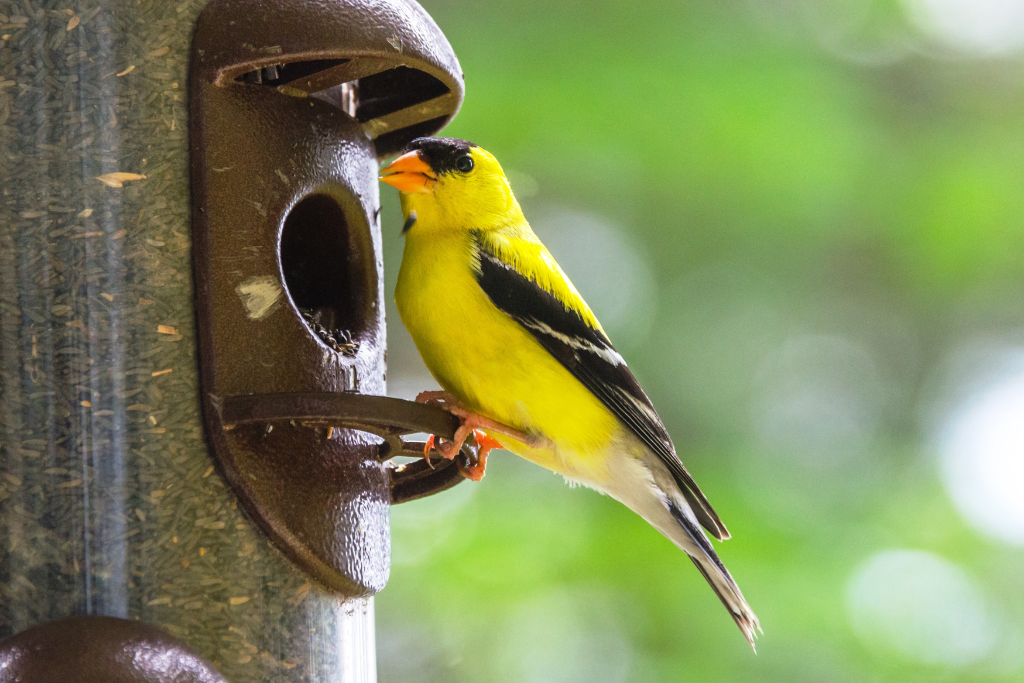
Backyard Birder’s August Checklist
August is one of the most rewarding months for backyard birding. From the lively chatter of finches to the quick, darting visits of hummingbirds, you get a front-row seat to nature at its finest. But the heat of summer can be challenging for our feathered friends—especially as many prepare for late-summer and early-fall migration.
By making a few simple adjustments, you can keep your backyard buzzing with activity while giving birds the food, water, and safe spaces they need.
- Keep Bird Baths Fresh and Clean
In hot weather, water sources can dry up or become stagnant quickly. Clean your bird baths often and refill them with fresh water daily. Birds rely on water not just for drinking, but also for bathing, which helps them keep their feathers in top condition.
- Offer High-Quality, Energy-Rich Food
Provide a mix of high-calorie seeds, suet, and nuts. These energy-packed foods help birds maintain strength through the summer heat and build reserves for their upcoming migration.
- Maintain Clean Feeders
Seed can mold or clump in humid weather. Empty and wash feeders regularly with hot, soapy water, rinse thoroughly, and allow them to dry before refilling. Clean feeders are healthier for birds and more inviting to visitors.
- Keep Hummingbird Nectar Fresh
For hummingbird lovers, fresh nectar is a must. In summer heat, change and clean feeders every 2–3 days to prevent fermentation and bacteria growth.
- Leave Natural Areas Untouched
Skip the urge to rake or blow away leaves as it provides shelter, food, and overwintering space for insects—which in turn feed young birds and other wildlife.
- Say No to Pesticides
Avoid chemical pesticides in your yard. They can harm beneficial insects, reduce natural food sources, and even poison birds. Instead, encourage natural pest control by creating a healthy, balanced ecosystem.
Conclusion
August birding is a way to support wildlife when they need it most. By providing fresh water, nutritious food, and safe spaces, you’ll enjoy more bird activity and know you’re helping these incredible creatures thrive.
Grab your binoculars, fill those feeders, and enjoy the beauty of summer birding right from your own backyard.
UV Safety for Pets
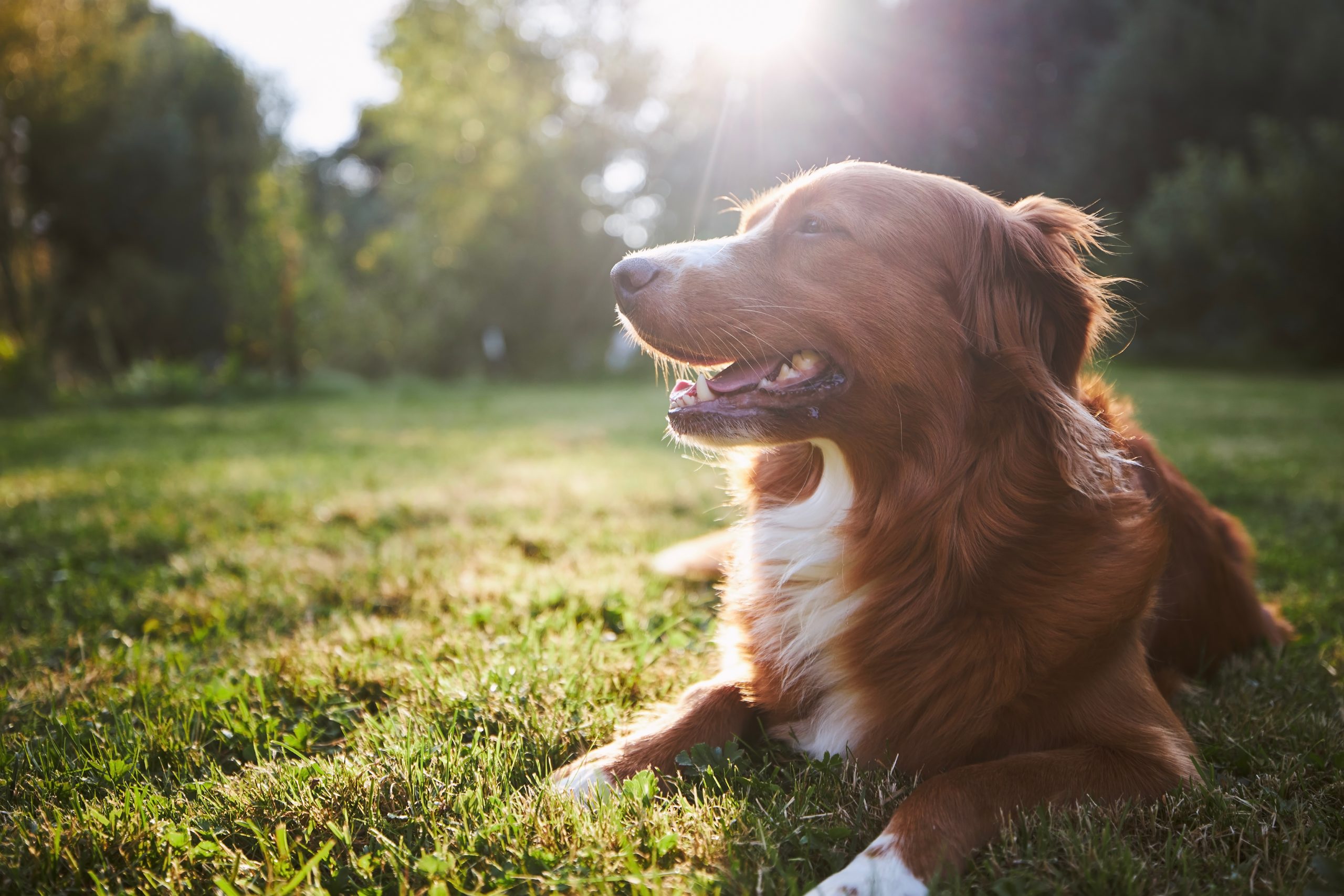
Warm weather means more time outdoors, but while we enjoy the sunshine, it’s important to remember our pets need protection from harmful UV rays too. Sun exposure can be beneficial in small doses—but without proper precautions, pets can suffer sunburns and even face long-term skin issues, including cancer. Luckily, a few simple steps can keep your furry companions safe while they soak up the sun.
Can Pets Get a Sunburn?
Yes, they can—and not just hairless breeds. Any animal can get sunburned, especially in spots where fur is sparse, such as the nose, ears, belly, and around surgical sites. Light-colored or thin-coated pets are more vulnerable.
Even indoor cats who love to nap in sunny windows aren’t fully safe—standard glass doesn’t block all UV rays, so they can still get burned.
What Does a Sunburn Look Like on a Pet?
A sunburn on pets appears much like it does on humans: red, dry, sensitive skin that may crack or peel. Your pet might flinch when touched, lick or scratch at the area, or show signs of discomfort. Severe burns can lead to blisters or even fever, so it’s important not to ignore the warning signs.
Treating a Sunburn
Minor sunburns typically heal on their own, but it’s best to consult your vet if the area is red, painful, or if your pet seems distressed. Treatment often includes cleaning the area, applying a soothing ointment, and possibly trimming fur around the burn to help it heal.
Sun Safety Tips for Pets
To keep your pet safe under the sun:
- Use vet-approved sunscreen on vulnerable areas (never use human sunscreen—it can be toxic to pets).
- Opt for sun-protective pet clothing if your pet tolerates it.
- Plan walks and playtime for early morning or evening when the sun is less intense.
- Seek shade on outings and keep pets cool and hydrated.
- Install UV-blocking window film or shades if your indoor pet loves to bask in sunbeams.
Always check with your veterinarian for recommended sunscreen products and how to apply them safely.
Skin Cancer Risks
Repeated sunburn can increase the risk of skin cancer in pets, particularly squamous cell carcinoma. Regularly check your pet’s skin for any unusual lumps, bumps, red spots, or flaky patches. Early detection makes a significant difference.
If you notice anything concerning, schedule a veterinary exam promptly. Not every change is dangerous, but it’s always better to be safe.
Hot Spots: Another Summer Skin Concern
In warmer months, pets are also more prone to hot spots—raw, inflamed patches caused by constant licking, scratching, or biting. These can be triggered by allergies, insect bites, or matted fur and often become infected quickly.
Treatment involves trimming the hair around the area, cleaning the skin, and applying medications.
Just like us, pets need sun protection. With a little planning and attention, you can help your four-legged friends enjoy the sunny days safely—whether they’re lounging by the window or running around in the yard.

Preventing Heat Stress in Horses
Summer is a beautiful time to enjoy the outdoors with your horse. But as temperatures climb, so does the risk of heat-related illness. Just like humans, horses can suffer from heat stress and, in severe cases, heat stroke. That’s why it’s critical to understand how to recognize the signs and take proactive steps to keep your horse safe and comfortable.
What Is Heat Stress?
Heat stress occurs when a horse’s internal cooling system is no longer able to regulate body temperature effectively. This often happens during high temperatures, high humidity, or intense exercise. If left unmanaged, heat stress can lead to serious complications like dehydration, shock, or even collapse.
The horse’s normal body temperature typically ranges from 37.5–38.5°C (99–101.5°F). Anything above 40.5°C (105°F) is cause for concern and may indicate the onset of heat stroke—a potentially life-threatening emergency.
Warning Signs to Watch For
Knowing the signs of heat stress and heat stroke can make all the difference. Monitor your horse closely during warm weather or periods of exertion.
Common signs of heat stress include:
- Elevated rectal temperature (above 103°F / 39.5°C)
- Rapid breathing and flared nostrils
- Increased heart rate
- Lethargy or reluctance to move
- Excessive sweating or, conversely, no sweating
- Dehydration: tacky gums, sunken eyes, or reduced urination
- Diminished appetite
In severe cases (heat stroke), symptoms may escalate to:
- Rectal temperature exceeding 105°F (40.5°C)
- Staggering, incoordination, or collapse
- Very rapid heart and respiratory rates
- Extended skin tent when testing hydration
- Signs of agitation or distress
If you observe any of these signs, stop all activity, move your horse to a shaded area, and begin cooling them down immediately. If symptoms persist or worsen within 20 minutes, call your veterinarian.
Why Horses Struggle in the Heat
Despite being incredible athletes, horses are not as heat-tolerant as we might think. They generate a lot of heat during exercise due to their large muscle mass and relatively small surface area for heat loss. Sweating is their main cooling mechanism—losing up to 4 gallons per hour in extreme heat.
Unfortunately, high humidity prevents sweat from evaporating effectively, trapping heat and raising the risk of dehydration and electrolyte loss.
Contributing Risk Factors
Some horses are more vulnerable to heat stress than others. Keep an eye on:
- Foals and senior horses – less efficient thermoregulation
- Overweight or unfit horses – fat insulates, making it harder to cool down
- Long travel – confined spaces with poor airflow and limited water access
- Thick coats or heavy blanketing
Prevention Strategies
When it comes to heat stress, prevention is always the best medicine. Try these management strategies to help your horse beat the heat:
Modify Exercise Routines
- Avoid riding during peak heat (typically 12–5 PM)
- Use early mornings or cooler evenings for training
- Watch for early fatigue—even low-intensity work in heat can be harmful
Prioritize Hydration & Electrolytes
- Always provide access to clean, cool water
- In hot weather, horses may drink up to 19 gallons per day
- Use electrolyte supplements to replenish minerals lost through sweat (especially sodium, potassium, and chloride)
- Avoid giving large quantities of plain water alone after heavy sweating, as this can dilute existing electrolytes
Utilize Cooling Tools
- Install fans or mist systems in barns and shelters
- Walk your horse in shaded areas after workouts
- Hose down with cool water
- Use ice packs or cold towels on the neck and chest if temperatures remain high
- Skip cooling sheets during active heat stress—they can trap heat if the horse is still sweating
Consider Clipping
- Thick coats can trap heat—body clipping in the summer can help some horses cool more efficiently
Emergency Response: Cooling Down a Hot Horse
If your horse becomes overheated:
- Move to shade or a well-ventilated area
- Hose down with cool water continuously (focus on large muscle groups and neck)
- Walk gently to promote circulation
- Use ice on large blood vessels along the neck and shoulders if the temperature is dangerously high
- Offer small sips of water with electrolytes
- Monitor rectal temperature—if it doesn’t drop below 103°F (39.5°C) within 15–20 minutes, call your vet
Conclusion
Heat stress is a real concern during the summer months, but it’s also highly preventable. Understanding the warning signs and taking simple, proactive steps can protect your horse’s health and ensure you both enjoy the season safely.

Flea Control for Your Pets
Fleas are more than just a nuisance — they can cause serious health problems for your pets and infest your home before you even know it. Whether you’re a new pet parent or a seasoned pro, understanding how to prevent, treat, and eliminate fleas is essential for keeping your furry companions happy and healthy.
In this guide, we’ll walk you through how dogs and cats get get fleas, what to do if your pet has them, and how to prevent them.
Why Flea Prevention Matters
Flea infestations aren’t just uncomfortable — they can pose real health risks to your pets. Even a few fleas can multiply rapidly and cause:
Flea Allergy Dermatitis (FAD)
Some pets are allergic to flea saliva, and just one bite can lead to severe itching, hair loss, scabbing, and even skin infections.
Tapeworms
When pets groom themselves and accidentally ingest an infected flea, they can develop tapeworms, which can lead to weight loss and nutritional deficiencies.
Anemia
Fleas feed on your pet’s blood — and in large numbers, they can cause flea-bite anemia, a serious condition especially dangerous for puppies, kittens, or older pets.
How Do Pets Get Fleas?
Understanding how fleas make their way onto your pets is key to prevention. Here are the most common sources:
Other Animals
Playdates with other pets, dog parks, and even walks around the neighborhood can lead to flea exposure.
Your Home
Fleas can hitch a ride on humans, clothing, or visitors, then lay eggs in carpets, bedding, and upholstery.
Pet-Focused Places
Doggy daycares, grooming salons, boarding facilities, and shelters can all harbor fleas if proper prevention isn’t in place.
Outdoor Environments
Yards, parks, and trails are flea hotspots — especially during warm months when fleas thrive.
What To Do If Your Pet Has Fleas
If you suspect a flea infestation, don’t panic — but do act fast:
Call Your Vet
Your veterinarian can confirm the infestation and recommend the most effective treatment. Options may include oral medications, topical treatments, or flea collars.
Bathe Your Pet
A vet-approved flea shampoo can help kill fleas on contact. Use lukewarm water and be thorough — especially around the neck and tail. Feeds’n Needs has a variety of flea shampoos to help get rid of fleas!
Use a Flea Comb
Flea combs are specially designed to remove adult fleas and flea dirt from your pet’s fur.
Getting Rid of Fleas in Your Home
Fleas don’t stay on your pet — they infest your home, too. To break the cycle, you need a multi-step approach:
Treat Every Pet
Even if only one pet seems affected, treat all animals in the household. Talk to your local Feeds’n Needs Expert about safe options for each pet, especially if you have cats and dogs.
Vacuum Daily
Vacuum carpets, rugs, baseboards, and under furniture thoroughly and frequently. Empty your vacuum outside to prevent re-infestation.
Wash Everything
Wash pet bedding, blankets, and any soft surfaces your pet touches. Use hot water and a pet-safe detergent.
Flea Prevention Tips & Tricks
Prevention is the most powerful tool you have. Once you’re flea-free, here’s how to stay that way:
Stay Consistent With Treatments
Follow year-round flea preventatives. Options include monthly topicals, oral medications, flea collars, and more. Don’t skip doses! We have lots of flea preventative options at Feeds’n Needs for dogs and cats!
Bathe Regularly
Routine bathing can help you spot fleas early and keep your pet’s skin healthy. Use a flea-repellent shampoo if your vet recommends it.
Check for Signs
Keep an eye out for excessive scratching or flea “dirt” — tiny black specks in your pet’s fur that resemble pepper.
Be Extra Vigilant in Warm Weather
Fleas love warmth and humidity. Peak flea season is spring through fall, but year-round prevention is recommended in most regions.
Flea infestations can be overwhelming, but they’re completely manageable with the right approach. Prevention is always easier than treatment, and a consistent plan — in partnership with your vet — will go a long way in keeping your pets safe.
Whether you’re dealing with fleas now or just looking to stay one step ahead, remember: staying proactive is the best defense. Your pets will thank you — with tail wags, happy purrs, and flea-free cuddles.

Brushing Your Puppy’s Teeth
Just like humans, puppies need dental care! Teaching your puppy to get used to having their teeth brushed early on helps establish good habits for their dental health. Preventative measures should begin when they are young. Start brushing their teeth after they get their adult teeth, usually around 6 months old, to help them adjust to the process.
Why Start Early?
Builds a Habit
Introducing brushing when they’re young helps your puppy get comfortable with it. If you wait too long, brushing may feel strange or uncomfortable for them.
Prevents Dental Issues
By the age of 2, 80% of dogs show signs of gum disease. Brushing regularly helps prevent plaque buildup and reduces the risk of dental problems later.
What Happens if You Don’t Brush?
Not brushing your puppy’s teeth can lead to gum disease, infections, tooth loss, and other health issues. Signs of dental trouble include bad breath, swollen gums, difficulty chewing, and more. If your puppy shows these signs, contact your vet.
Tips for Brushing Your Puppy’s Teeth
- Be Patient
Start slow by rubbing dog-safe toothpaste on your puppy’s gums with your finger. Once they’re comfortable with the taste, introduce a toothbrush. Always praise them to make it a positive experience. - Use Dog-Specific Products
Never use human toothpaste or toothbrushes. Stick to products made for dogs to ensure their safety. - Chew Toys Help
Puppies love to chew, and it’s great for their teeth! Use dental chews or toys to help reduce plaque buildup. - Consider Supplements
Talk to your vet about adding dental supplements or vitamins to your puppy’s diet to support their dental health. - Regular Vet Checkups
Ensure your puppy gets a dental exam twice a year, and a cleaning if necessary. Bad breath could indicate a dental issue.
Starting a dental care routine early gives your puppy the best chance for a healthy mouth. With the right products and routine, your pup can enjoy a lifetime of smiles!

Dental Care Treats
Pets adore treats, and dental treats are a fantastic way to promote oral health. They help fight bad breath, combat plaque and tartar buildup, and can even prevent periodontal disease, keeping your pet’s mouth clean and healthy.
How Do Dental Treats Work?
Dental treats work in two key ways: mechanical action and enzymatic action.
Mechanical Action: This is the physical scraping that occurs when your pet chews on the treat. The texture of the treat rubs against your pet’s teeth and gums, helping to remove plaque and tartar—similar to how brushing works for humans.
Enzymatic Action: This refers to the special ingredients in the treats that help fight plaque and tartar buildup. These ingredients work much like toothpaste or mouthwash for humans. They break down the harmful buildup in your pet’s mouth, providing an added layer of protection.
It’s important to note that while dental treats are an excellent preventive measure, they are most effective when combined with regular brushing and professional cleanings by your vet. However, for pets who aren’t keen on having their teeth brushed, dental treats are a great alternative for maintaining cleaner, healthier teeth.
Top 5 Dental Treats for Your Pet
- Greenies Dental Treats: With a chewy texture that cleans teeth and supports healthy gums, Greenies are made with natural ingredients, plus added vitamins and minerals. They’re safe and easy to digest for both dogs and cats.
- Chew A Bulls Dental Ring: This unique dental chew is designed to gently remove plaque while massaging your dog’s gums. It also includes cumin, which aids digestion and gives the chew a pleasant scent.
- Tartar Buster Dog Bones: These bones help remove tartar buildup and plaque, leaving your dog’s teeth cleaner and whiter. They also freshen your dog’s breath, making for a healthier mouth overall.
- Oven-Baked Dental Treats: These crunchy treats are made with natural, functional ingredients like spearmint, parsley, pumpkin, and green tea extract. Slowly oven-baked to preserve nutrients, they help break down plaque and tartar with every bite, keeping teeth clean and breath fresh.
- Vetgies Healthy Dog Treats: These treats not only help maintain healthy teeth and gums, but also prevent boredom and destructive behavior. They’re perfect for keeping your pet engaged while supporting their oral health.
With these top dental treats, you can help your pet enjoy a cleaner, healthier smile!


