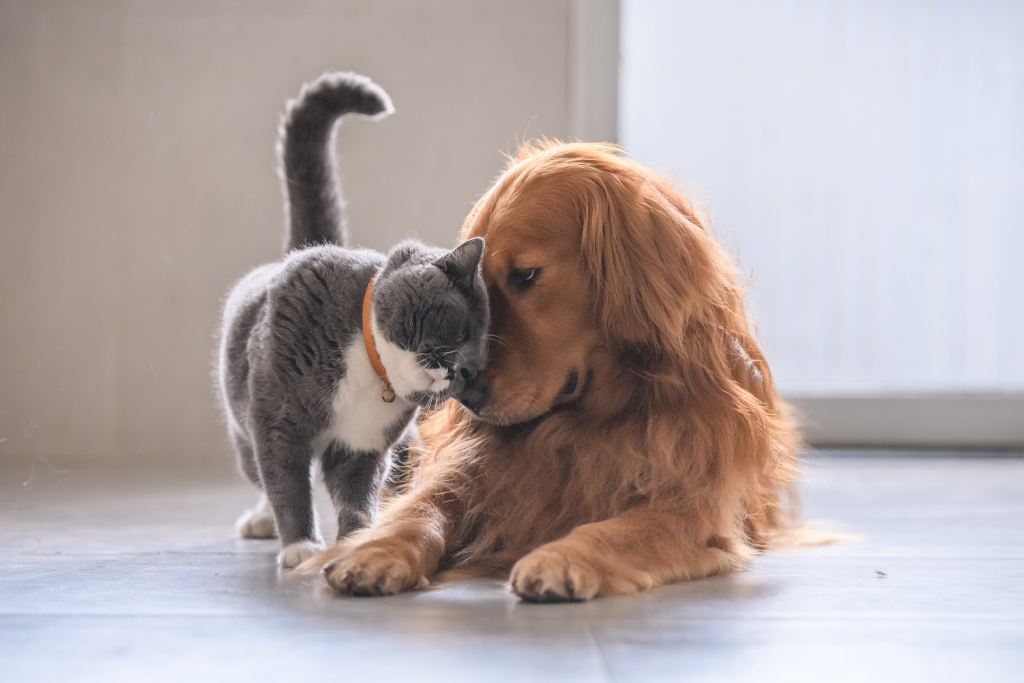
National Pet Obesity Awareness Day takes place every year in October. It is a day to remind people to keep their pets healthy. Obesity is the #1 health risk for pets. Now is the perfect time to start focusing on your pet’s weight. When your cat or dog starts to look a little plump, you know it is time for a few things – more walks, fewer table scraps, and perhaps even an additional visit to your vet. Here is why it is important to maintain your pet’s weight and why it should be your number one priority!
Pet obesity is well-known for causing the following:
– Chronic inflammation
– Reduced life expectancy
– Weakened immune system
– Cardiac diseases
– Joint problems
– Diabetes
– Respiratory disorders
– Cancer
– Metabolic disorders
– Kidney dysfunction
– Poor quality of life
You can use several strategies if your cat or dog has put on some weight.
- Portion Control: Measure your pet’s food.
- Calorie Deficit Diet: Prefer feeding a low-carb, low-fat diet.
- Fibres: Add more fibres to their diet to help keep them fuller for longer.
- No Unhealthy Treats: Give only healthy and natural treats such as Crumps Sweet Potato chews – available at your local Feeds’n Needs.
- Regular Exercise: More walks and exercise help burn extra fat.
- Dry Food/Wet Food: Wet pet food has a higher water content, which promotes feeling full.
If you’ve tried all these strategies and your pet is still not showing any signs of losing weight, visit or call your veterinarian for the best suggestions.


New Pet Essentials
Are you a new pet parent?! Congratulations on your new best friend! Be sure to start off on the right paw by stopping into your local Feeds’n Needs with your new pet. Our Experts are here to help you. Whether it is training tips, toy recommendations, or choosing the perfect food to suit your pet’s needs, you can count on our team at Feeds’n Needs to happily help you every step of the way for your new pet essentials!
During your next visit to Feeds’n Needs, ask us about our Free Pet Food Loyalty Program – Yes, FREE! Your pet deserves the best, which is why we have a large variety of quality brands to suit every need throughout your pet’s life. For most of our brands in-store, every 12 bags of pet food purchased, you will receive the 13th FREE. Ask our Experts how to sign up and start saving today because it’s not just your pet who deserves to be treated!
Be prepared. Have essential supplies on hand before your new pet arrives if you can. The first few days with a new pet is the best time for bonding and forming good habits. Here are some of the essentials we recommend having for your new pet:
- Food
- Treats
- Bowls
- Pet Tag
- Collar
- Leash
- Crate
- Pet Bed
- Brush
- Tick Spray
Let your new pet take the time to explore their new surrounding without any other pets or people around to help them adjust when you first arrive home. It’s important to introduce pets in a safe and controlled way. Let pets get used to each other through a baby gate or with the new pet crated. Keep their initial interactions short and supervised until they get used to one another.
If you have a new pet, visit your local Feeds’n Needs and ask us about our New Pet Parent brochure and savings! We are here to help get you and your furry friend off to a great start!

Seeds for Fall Planting Season
It is a great time to stock up on seeds for the fall planting season – it is never too early to start thinking about spring. Many seeds enjoy the cold spell to nestle in the ground for winter and get a head start next spring.
For fall planting in Atlantic Canada, you want to wait until after a killing frost, meaning nothing is left growing from the summer season. If you plant your seeds too early, they may sprout. You want your seeds to hibernate for the winter and emerge in spring. If a fall seedling does sprout, mulch over them to prevent them from freezing.
To plant your seeds:
1. Prepare the bed as you normally would any time of the year
2. Clear all debris and add a layer of organic compost
3. Follow the seed packet for light and soil requirements
Seeds to Plant in the Fall:
This list covers both annuals and perennials to plant in the fall. These seeds require cold stratification to bloom the following spring, or they don’t mind the cold.
- Bells of Ireland Moluccella laevis
- Cornflower Centaurea cyanus
- Blanket Flower Gaillardia
- Poppy Papaveraceae
- Coneflower Echinacea
- Columbine Aquilegea
- Sweet Peas Lathyrus odoratus
- False Queen Anne’s Lace Ammi majus
- Foxglove Digitalis
- Sea Holly Eryngium
- Tickseed Coreopsis tinctoria
- Snapdragon Antirrhinum
- Hollyhock Alcea
- Black-Eyed Susan Rudbeckia
- Forget-Me-Not Myosotis
- Penstemon Penestemon
- Sweet William Dianthus
- Ashy Sunflower Helianthus mollis
- Pansy Viola
- Love-In-A-Mist Nigella damascene
- Delphinium
- Basket of Gold Alyssum Aurinia saxatilis
- Chinese Forget-Me-Not Cynoglossum amabile
- Common Woolly Sunflower Eriophyllum lanatum
- Lunaria Lunaria annua
- Biglead Lupin Lupinus polyphyllus
- Veronica Veronica spicata
- Purple Chinese Houses Collinsia heterophylla
- Globe Gilia Gilia capitata
- Baby’s Breath Gypsophila elegans
- Baby Blue Eyes Nemophila menziesii
Vegetables to Plant in the Fall:
Here is a list of some vegetables you can plant in the fall and enjoy next spring and summer!
- Onion, garlic, and shallots:
-
- These are best planted in the fall due to their long growing season. They need a cold period to grow well and are best planted early to mid-fall.
- Turnips, carrots, radishes, and beets
-
- These root vegetables don’t mind the cold, you may even see minimal growth. You will most likely notice a sweeter taste when planted in the fall.
- Lettuce and leafy greens
-
- You can have fresh greens year-round by using a cold frame or mini-greenhouse outside throughout the winter.
Here is a complete list of when to plant vegetables in Atlantic Canada!
New Brunswick: 2023 Planting Calendar: When to Start Vegetable Seeds | The Old Farmer’s Almanac
Nova Scotia: 2023 Planting Calendar: When to Start Vegetable Seeds | The Old Farmer’s Almanac
Prince Edward Island: 2023 Planting Calendar: When to Start Vegetable Seeds | The Old Farmer’s Almanac
Visit us today at any one of our 13 Feeds’n Needs locations. Stock up on your seeds before they’re gone! Now is the perfect time to plant for next year’s harvest. Happy planting!
Source: Seeds to Plant in the Fall for Next Season’s Blooms – Garden Therapy
How to Maintain a Healthy Lawn
Are you looking to have the best yard in your neighbourhood this season?! Now is the time to start! While maintaining an attractive lawn, it is important to concentrate on the basic needs and conditions of the lawn and soil to fix any issues. Preventing lawn problems is usually easier than treating them with chemical pesticides after the issues start. Here are some simple tips on how to maintain a healthy lawn.
Rake Thatch
Rake any thatch – any dead grass from the previous year. Too much thatch reduces water and nutrients moving down to the roots and can shelter damaging insects and fungi.
Fertilize
Regularly fertilizing your lawn gives it the necessary nutrients to keep it strong and healthy. It will help out-compete any possible weed infestations and will make it tolerate a certain degree of insect infestation. Choose a fertilizer high in nitrogen with some iron for your first fertilizer application. Move to a fertilizer that has a longer-lasting effect for your second application. This type of fertilizer will release over the season rather than quickly. Fertilize in April/May or September when the lawn is actively growing.
Lime
Maritime soil is often very acidic. Sweeten the soil by adding lime. It is recommended to apply twice a year. Test your soil to determine whether your pH level suits your lawn. It should have a pH of 5.8-6.5.
Overseed
Overseeding is an easy and effective way to strengthen your lawn and protect against weed problems, especially in sparse areas after the winter cold or summer heat.
How to overseed:
1. Rake the bare or thin areas vigorously to loosen the soil.
2. For thickening-up purposes, apply at half the recommended rate.
3. For patching-up purposes, apply at the full recommended rate.
4. Apply a thin layer of topsoil on patched-up areas.
Aerate
Aerating the soil increases air and water circulation by opening up air spaces. Compacted soil is bad for grass development and often results in weed infestations such as plantain and clover.
Mowing Habits
Good mowing habits will help the overall health of your lawn. It is healthier to mow more frequently and keep the grass longer than removing too much at once. Maintaining your grass at a high of about 2-3 inches makes it more tolerant of drought and better to compete against weeds.
Grass Seed
Grow a lawn with more than one type of grass. Lawns with mixed grass are more tolerant of different growing conditions and insect- and disease-resistant.
Watering
Lawns usually receive enough water from rainfall, but in the driest summer periods, ensuring your lawn gets enough water is vital. Water just enough so that about 1 inch covers the entire surface of your yard. Watering in the morning or evening will reduce evaporation.
Weed Control
Weeds are prone to grow in lawns that are in poor condition. Weed seeds quickly germinate and grow in damaged areas where the soil is compacted or grass that is heavily damaged by insects and diseases. Re-seed any bare or damaged patches quickly. Walk in different places to avoid compacting the soil or waring bare spots in the grass.
Pest Control
Some lawn problems don’t seem to go away and might need a pesticide. Figure out what’s causing the problem, and visit your local Feeds’n Needs for advice on the best product to resolve your lawn issues. You can ask our Experts in-store any questions about your lawn care process. Great lawns start with Feeds’n Needs!
Early lawn care process:
April to May – Set a plan, rake, lime, create air movement, sunlight, and start with a clean slate.
May to June – Overseed and fertilize OR take care of weeds
July to August – Water (deep); mow (about 3″); fertilize, and weed
September to October – Lime, overseed and fertilize
Early November – Rake, dormant fertilize, dormant seed, put to bed
Sources:
Halifax Seed Company – Lawn Care: How to Maintain a Lush, Green & Healthy Lawn
Healthy.Lawns.pdf (novascotia.ca)
The Importance of Your Pet’s Dental Health
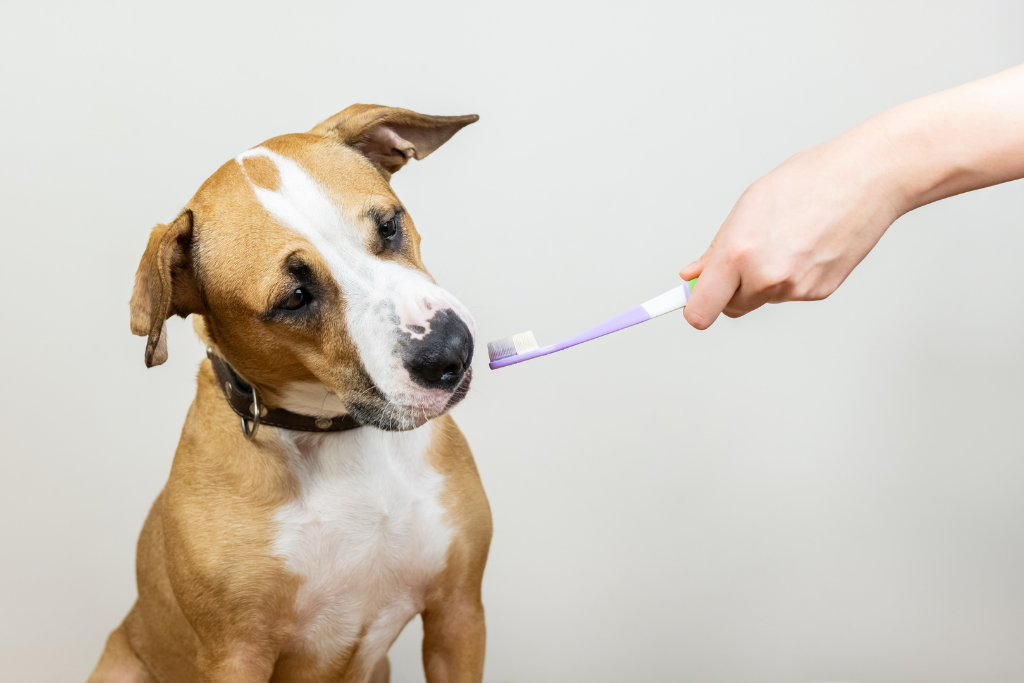
Dental care for pets is often overlooked. We teach our children about the importance of oral health care, so why do we neglect our pets? Our pets rely on us to keep their mouths clean and healthy. Good dental hygiene is directly tied to overall health and longevity for our pets. As pet parents, we want our pets to have healthy mouths. Here are some reasons why good dental care is so critical to our pet’s overall health:
- Preventing Tooth Loss: Good pet dental care will ensure the structures supporting a dog and cat’s teeth stay healthy and keep their teeth in place.
- Preventing Bad Breath: Bad breath will not be a problem when your pet has a healthy mouth and teeth.
- Preventing Oral Pain: Dental disease can become painful for dogs and cats. Keeping their teeth and gums healthy will prevent any pain.
- Preventing Organ Damage: Bacteria in plaque buildup can actually enter your pet’s bloodstream and spread to their heart, kidney and liver. This spread of bacteria, called bacteremia, can damage organs and make your pets quite sick.
- Preventing Worsening Dental Disease: So many pets have dental disease by the time they are three years old. Good dental care can prevent dental disease from becoming severe. It is essential to take preventative measures when your pets are young to avoid dental disease.
Preventative measures against dental disease should begin when your pets are young, but it is never too late to get them accustomed to teeth brushing! Here are some good reminders and tips to ensure the well-being of your furry friend’s oral hygiene:
- Regular exams are important. It is recommended to visit the vet once a year.
- Check your pet’s breath monthly. Bad breath can indicate gum disease.
- Dogs can often disguise how much pain they are truly in. Regularly monitor eating and chewing habits to look for signs of oral distress.
- Check for red, puffy gums and yellow or browning tartar on teeth as signs of concern.
- Supplements and diet play an important role.
- Dental-specific kibble and dental treats can help reduce plaque and tartar.
- Daily oral chews can help improve dental health.
- Look for Veterinary Oral Health Council-approved products.
- Daily brushing is essential in preventing bacteria build-up.
- Use a pet-specific toothbrush or a soft child toothbrush.
- Use pet-friendly toothpaste only.
- Start slow and work up to longer brushing.
Oral care is health care for our furry friends. Feeds’n Needs has a variety of specialty treats, chews and more to help keep your pet’s teeth healthy. Ask our Experts in-store about our favourite oral health care products and what will best suit your pet’s needs!
For more dental health tips for your pets, check out our other blogs:
Dental Health Tips for Your Dog
Dental Health Tips for Your Cat
Source:
Benefits of a Raw Food Diet
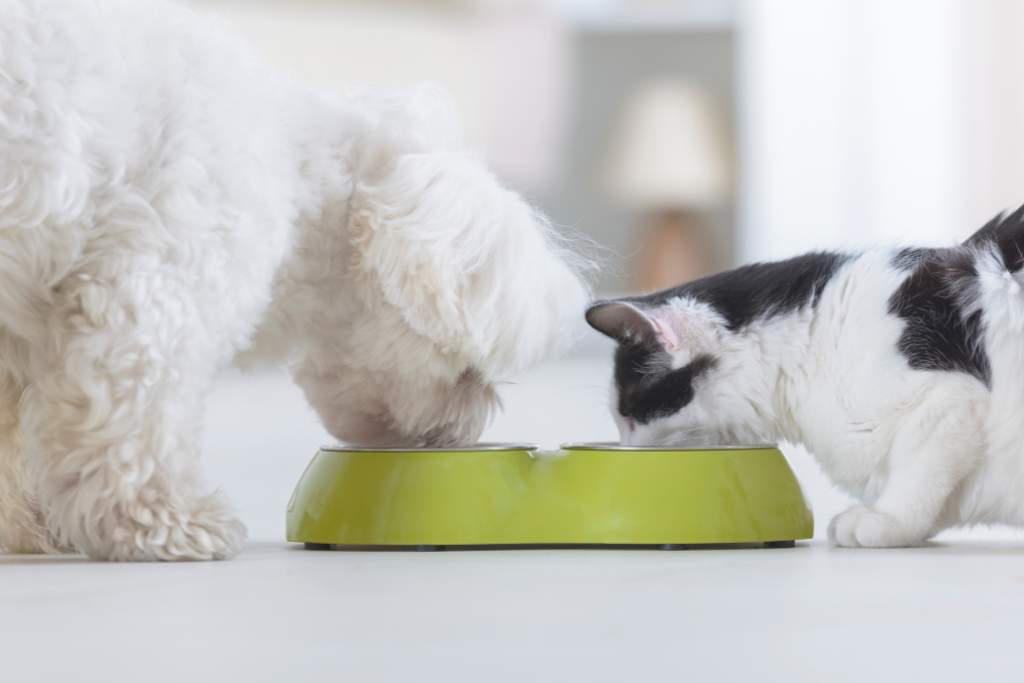
Raw food diets for cats and dogs are becoming more popular! Many people are choosing to feed their pets a raw diet because it is more natural and less processed than kibble. Others feed raw due to the many health benefits of a raw food diet. Here are some of the top reasons you should make the switch to raw:
-
- Joint and Bone Health
The best way to support bones is with bones! Real crushed bone is a natural source of calcium, phosphorus, glucosamine, chondroitin, collagen and marrow. These components result in healthy growth in puppies and maintain superior joint and bone health for your dog throughout its lifetime. - Immune System Support
Raw meat is highly bioavailable and contains live bacteria/enzymes that support digestion and help to absorb almost all the immune-boosting nutrients. Raw food is also naturally rich in moisture, which supports organ health. - Less Stool
Having a diet of highly digestible ingredients for your pet is that more of what goes in is absorbed and utilized within the body – meaning less comes out the other end. Carbohydrates and filler ingredients such as soy, potato, corn and rice take longer to digest and do not fully absorb within your pet’s body. These ingredients can lead to larger stool volume with a heavy odour. Most raw diets contain no fillers and are low in carbohydrates, resulting in less waste passing through and decomposing faster. - Healthy Skin & Coat
Raw diets contain many ingredients that support skin and coat health, one of the most notable being omega-3 fatty acids. Healthy omega fats play a significant role in supporting healthy skin and a soft coat. Some common ingredients that provide essential omega-3 fatty acids include salmon, chia, and flax seeds. After switching your pet to a raw diet, you’ll notice a difference in their skin, coat and even how much less they shed! - Reduced Body Odour
When pets consume food high in fillers, additives, and preservatives, it can lead to unpleasant odours. A raw food diet better supports your pet’s digestive system, which often decreases or eliminates gas. - Weight Management
A raw diet is a natural way to help manage your pet’s weight and improve its overall well-being. Kibble contains carbohydrates and sugars that are harder for your pet to burn off, most times causing weight issues. - Cleans Teeth Naturally
Poor dental hygiene in your pets can sometimes be caused by a poor diet, especially if their diet is heavily processed or high in carbohydrates. Kibble and canned food can often get stuck in your pet’s teeth, leading to plaque, tartar and bad breath. Raw, meaty bones are well-known for helping them get into those tricky places between their teeth and removing plaque. - Reduction in Allergies
A pet’s diet is the most common cause of allergies. Many fillers used in kibble are not biologically meant for pets to digest and can cause stress on their digestive system and compromise their immune system. Common allergic reactions include rashes, itchy paws, ear infections, and digestive and joint issues. Healthy omega fats provide anti-inflammatory benefits, perfect for dogs with allergies or inflammatory skin diseases. A raw food diet can help reduce and sometimes even eliminate your furry friend’s allergy symptoms.
- Joint and Bone Health
These are just some of the many benefits of a raw food diet for your pet. Our Experts here at Feeds’n Needs recommend Big Country Raw for your pets! There is something on their menu for dogs and cats of all breeds, sizes, and ages! Chat with one of our Experts in-store for more information on getting your furry friend started on a raw diet. We are here to help!
Sources:
Health benefits of raw feeding – Guides | Big Dog Pet Foods
The Top 10 Benefits Of A Raw Diet For Your Pet – Top Dog Food & Supply (topdogfoodandsupply.com)
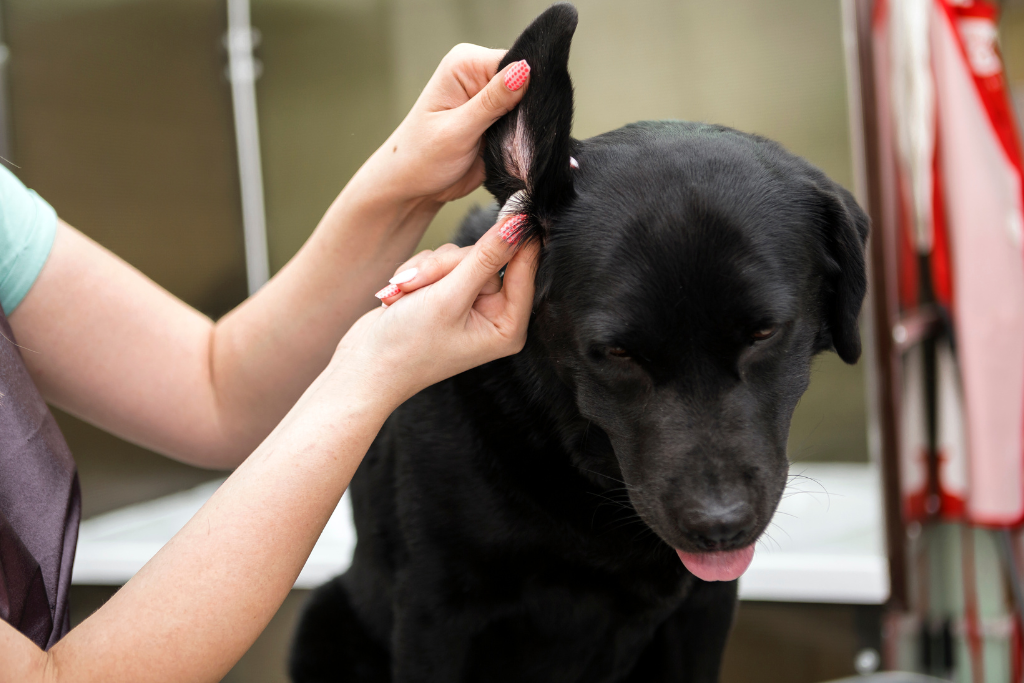
How To Properly Clean Your Dogs Ears
Ears of all shapes and sizes must be cleaned regularly as part of your dog’s grooming.. Every dog is different when determining how often they need their ears cleaned. Long, floppy ears need to be cleaned more often as they can be prone to ear infections, while others rarely require cleaning. If your dog visits a professional groomer regularly, you should check with them to verify that your dog’s ears are getting cleaned. All dog owners should know how to clean their dog’s ears properly. Dogs with short ears and not a lot of hair may only need to have their ears wiped out occasionally when they begin to look dirty. Dogs with long, floppy ears and those with a lot of hair around their ears should have a more thorough inspection and have them cleaned at least every other week to prevent any infections or irritations. Here is everything you need to know, from supplies to steps:
Supplies Needed to Clean Your Dog’s Ears:
- Ear Cleaner: Look for a veterinarian-recommended cleaning solution. If you’re unsure whether something is okay to use on your dog, ask your vet or the Experts at your local Feeds’n Needs. Visit your local Feeds’n Needs for an ear-dry solution with aloe vera by Professional Pet Products. It is a routine ear cleaning, drying and odour control product. Be sure to follow the recommended directions on the ear cleaner you are using.
- Cotton Balls or Pads: Swab your dog’s ears with a cotton ball or pads. Be careful not to go too deep. A rule of thumb to remember is to not go past skull depth to avoid causing hearing damage. Wipe the inside of the ear flap and ridges of the outer ear as well.
- Tweezers: It’s a good idea to have a pair of tweezers dedicated to your dog’s ear.
- A Towel: This is recommended for containing potential messes, especially if your dog is prone to shaking its head when something gets in its ears.
- Treats: You’ll want to reward your dog when you’re all done.
Steps on How to Clean Your Dog’s Ears
Before you begin, take a moment to inspect your dog’s ears. If they appear red or inflamed, they smell bad, or your dog shows signs that their ears itch, contact your vet as they may have an infection that needs to be treated. For dogs who have a lot of hair, use tweezers to clear the hair out of the ear canal. If everything appears normal, follow this step-by-step process on how to clean their ears:
- Get your pup to sit, reward them with a treat and then let them inspect the bottle of ear cleaner.
- If your pup has long, floppy ears, hold their ear flap upright and carefully fill the ear canal with a cleaning solution.
- Keep the ear flap out of the way and gently massage the base of the ear with your fingers for about 20 seconds.
- Allow your dog to shake their head if they desire. Hold a towel over their head to prevent the solution from flying everywhere.
- Use a cotton ball or pad wrapped around your index finger to gently wipe the visible part of your dog’s ear canal and outer ear.
- Reward your pup with another treat and repeat these steps for their other ear.
Tips and Tricks to Make it Easier
Here are a few tips that will help it go easier for both you and your pup:
- Wear old clothing that won’t get ruined if the cleaning solution gets on them.
- Follow directions on the cleaning solution bottle.
- If the ears still appear dirty when you’re done, go ahead and repeat the process, and stop immediately if you notice redness or bleeding or if your dog show signs of discomfort.
Knowing how to clean dog ears is fundamental to their health. Make sure cleaning is done regularly to help protect their hearing and ensure that your pup’s ears stay healthy throughout their life.
Sources: How to Clean Dog Ears | Hill’s Pet (hillspet.com)
24Petwatch: How to Properly Clean Your Pet’s Ears

Road Trip Safety For Your Dog
While road tripping with your dog, their safety should be a top priority. Whether you’re driving a couple of kilometres or taking a long road trip, it’s important to have safety precautions in place at all times for your pet’s safety. Check out our tips to road trip safety for your dog. These tips will help keep your furry friends safe, secure and comfortable during your road trips so you both can enjoy the drive!
Keep them Buckled!
In order to keep your pup safe while on the road, the best thing to do is keep them properly restrained. Accidents can’t be foreseen, so it’s crucial to keep them protected at all times. Vehicles, unfortunately, don’t come with doggy seat belts, so during your next visit to your local Feeds’n Needs, ask our Experts what equipment is available and would be best for you and your furry friend. These are necessary to secure your dog and restrict them from harmful movement in the event of an accident. Prepare your pup for a safe road trip by taking them on short trips to town to get used to the safety equipment.
Pack the Essentials!
You never know what may happen on the road, so it’s good to have a first aid kit for you and your dog. Packing your pet’s food, water, treats, medicine, toys, and feeding bowls is also a good idea when going on a long drive. It’s a good idea to have something to keep your dog entertained and engaged, such as their favourite chew toy helping to keep them calm during the ride.
Wear your Dog Out!
A tired pup is often a more well-behaved one, so right before you plan to head out on your trip, take your pet for a long run or a visit to the dog park. This should help your dog feel more rested and calm. They may even sleep a portion of the drive. During long trips, it’s important to stop anywhere from 2 to 3 hours so your dog has some time to play and get some more energy out.
Don’t Let Them Overheat!
You should never leave your dog unattended in your car for any reason. Especially during the warmer weather, this can lead to heat stroke and even death. Be sure to pack water to keep your dog hydrated during your trip. Grab a portable dog water bottle from one of our stores before your next trip, making it simple to keep your pup hydrated during the drive!
These are just simple tips, but following them will help you have a safe road trip with your dog and one that you can both enjoy. If you ever have any questions, reach out to the Experts are your local Feeds’n Needs.

Dental Health Tips For Your Cat
How often do you brush your cat’s teeth? It is suggested that owners should brush their companion’s teeth after every meal, or at least once a day to keep their dental health in check. Did you know that once a cat reaches the age of three, they’re more likely to experience issues related to their dental health? Check for signs of bad breath, drooling, lack of appetite or repetitive shaking and pawing at their mouth for signs of a potential issue. If left untreated, poor dental hygiene can lead to more serious conditions, including kidney and heart disease. Many owners find that putting anything in a cat’s mouth to be a tricky, squirmy process, so here are a few tips to keep in mind when thinking about your furry friend’s dental health.
It is important to get into a habit of checking your cat’s teeth and gums for problems – the sooner you start, or earlier in your cat’s life you establish these habits, the better and more cooperative and patient they’ll be during teeth brushing and check-ups. Start by gently lifting their upper lip to check for red, swollen gums, or tartar build up on their teeth for indications that it’s time for a check in at the vet.
Use a pet-safe, cat-friendly toothpaste. Let one of our experts help you find a toothpaste in-store that will keep your cat interested and distracting during the brushing and cleaning process.
When it comes to selecting a toothbrush for your cat, opt for a human baby-sized or pet toothbrush, or a rubber finger slip that goes over your finger that allows you to graze over their teeth.
Reward with some catnip throughout the process to make it a pleasant experience for your kitty. We carry many great brands that are specifically formulated and coated to clean your pet’s teeth while chewing. Greenies Dental Treats are a great option for this, as they freshen breath while the treats’ textured surface helps remove tartar buildup. Ask our Experts in-store which treats they recommend!
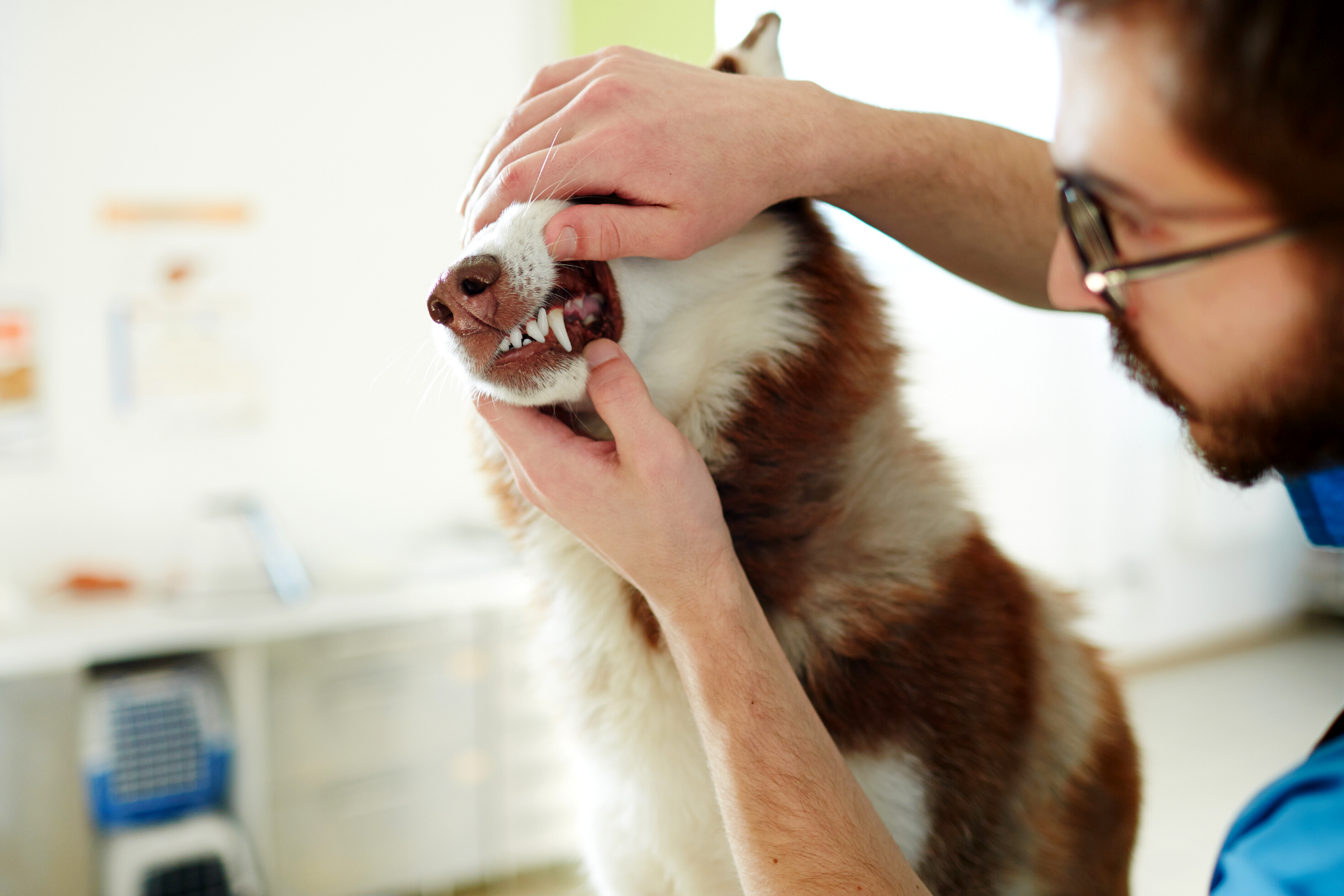
Dental Health Tips For Your Dog
We know the importance of brushing our teeth, but what about our pets? Did you know that dogs can get cavities, gum disease and plaque build up? Yep, just like humans! Your dog’s teeth should ideally be brushed after every meal to prevent tartar build up and protect against periodontal disease. If you haven’t gotten your dog accustomed to teeth brushing as a puppy, it’s not too late to start. Here are a few helpful dental health tips for your dog.
- Get your dog used to having their mouth open when you need to check their teeth or mouth. The more you do this, the more patient and calm your dog will be when brushing. It might be helpful to offer them a treat for good behaviour when they let you do this.
- Head to your local Feeds’n Needs and ask our Experts to help you pick out a dog-friendly toothpaste. This is an important step to take, as human brands contain fluoride which isn’t healthy for your pet to swallow and can be toxic. Many toothpaste for pets come in a variety of flavours, some similar to their favourite treats, such as beef, chicken, bacon and more.
- Pick a soft toothbrush for your dog, to ensure their gums don’t damage during brushing. There is a large selection of options, but opt for one with an angled tip, making it easier for you to reach the back of your dog’s mouth. Many pet owners use toothbrushes made for babies, as they are smaller and less intrusive in your dog’s mouth. If your dog is used to having your fingers in their mouth, you could consider purchasing a finger brush slip that can go over your index finger and get the job done!
Pro tip: If your dog is fussy when brushing, don’t worry too much about brushing the insides of their teeth as their tongue does a great job of keeping the inner sides of their teeth clean throughout the day. - Pick up some dental treats and kibble for your pet to help protect against disease. Greenie’s Dental Treats are a perfect choice for both dogs and cats, as they freshen breath while the treats’ textured surface helps remove tartar buildup. Ask our Experts in-store which treats they recommend!


