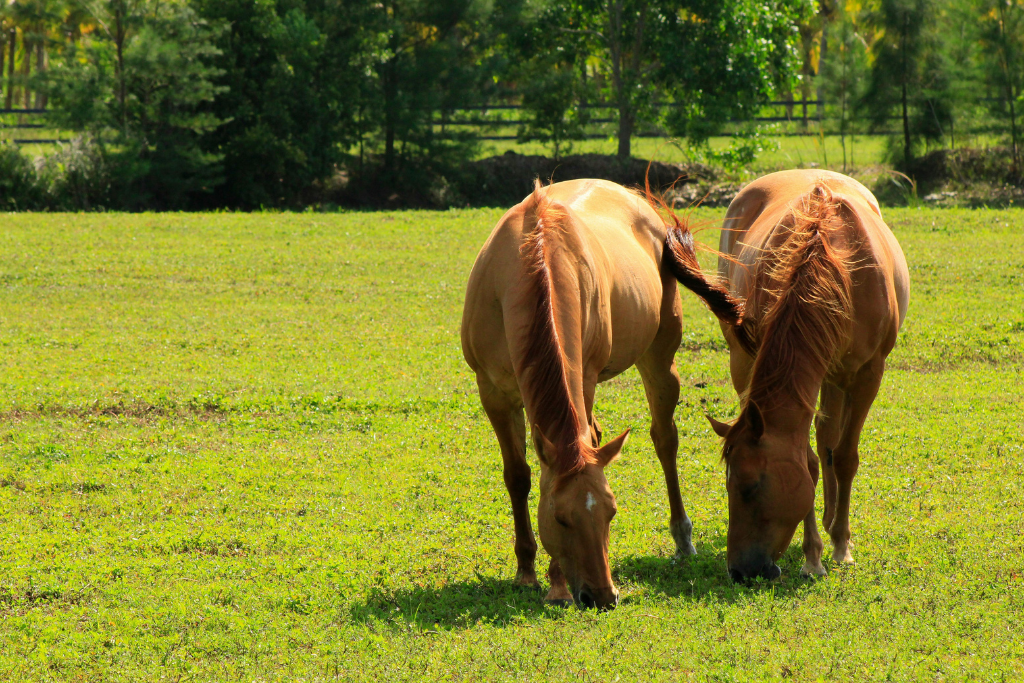
Is pasture enough for horses in the summer?
Understanding nutrition gaps, Grazing management & Supplement needs
For many horse owners across Atlantic Canada, summer means lush green fields, longer grazing hours, and horses spending more time outdoors. It’s easy to assume that a horse surrounded by green grass is receiving all the nutrition they need.
While quality pasture can be an excellent source of forage, energy, and fiber, it doesn’t always provide a complete nutritional package. Factors such as weather, grazing pressure, soil health, and seasonal changes can significantly impact the nutritional value of pasture throughout the summer.
Whether you own a retired pasture companion, a growing youngster, a senior horse, or an active performance horse, understanding the strengths and limitations of pasture is an important part of managing your horse’s health.
The benefits of summer pasture
Healthy pasture offer several advantages for horses:
- Natural forage and fiber
- Consistent movement and grazing behavior
- A source of calories and energy
- Improved mental well-being
- Reduced reliance on stored feeds
In ideal conditions, pasture can contribute to a significant portion of a horse’s daily nutritional needs. However, “green” doesn’t always mean “nutritionally complete.”
Why pasture quality changes throughout the summer
Your Pasture is constantly changing. What your horse grazes in May can be very different from what they consume in July or August. Several factors influence pasture quality:
Overgrazing: One of the most common pasture management challenges is overgrazing.
When horses repeatedly graze the same area, grass plants are unable to recover properly. Over time, desirable forage species decline, weeds become more prevalent, and overall forage production decreases.
Overgrazed pastures often look green from a distance but provide significantly less nutrition than healthy, actively growing grass.
Weather and drought stress: Atlantic Canada’s weather can vary dramatically throughout the summer. Extended dry periods slow grass growth and reduce forage availability. Even when grass remains present, drought-stressed plants often contain lower nutritional value than actively growing pasture.
Seasonal changes: As grasses mature, their nutritional profile changes. Early-season pasture tends to be higher in digestible energy and protein, while mature summer pasture often contains more fiber and fewer readily available nutrients.
Soil health and nutrient levels: The nutritional value of pasture starts with the soil. Pastures that haven’t been soil tested or properly managed may lack important nutrients needed to support healthy forage growth. This can ultimately affect the nutritional quality of the grass available to horses.
The importance of pasture rotation
One of the best ways to improve pasture quality is through rotational grazing. Pasture rotation involves dividing fields into smaller sections and moving horses periodically to allow the grazed areas time to recover.
Benefits of rotational grazing include:
- Healthier root systems
- Improved forage production
- Reduced weed pressure
- Better drought resilience
- More consistent nutritional value
- Less soil compaction and erosion
Allowing grass to have adequate recovery time helps maintain a healthier pasture throughout the growing season and can significantly extend grazing availability.
Even small hobby farms can benefit from simple rotation systems using temporary fencing to create separate grazing areas.
How to support your horse on pasture
The best feeding programs start with regular observation and evaluation.
Monitor your horse’s:
- Body condition score
- Weight and topline
- Coat quality
- Energy levels
- Hoof condition
- Overall health
Depending on your horse’s needs, nutritional support may include:
- Vitamin and mineral supplements
- Salt blocks or loose salt
- Additional hay during dry periods
- Concentrates or feeds for working horses
- Senior-specific feeds
- Protein or energy supplementation when needed
Every horse and pasture system is different, making an individualized approach important.
Pasture is one of the most valuable tools available to horse owners, but it isn’t always a complete feeding program on its own.
Changes in weather, grazing pressure, soil health, and seasonal growth can all impact the nutritional value of your pasture throughout the summer. By practicing good pasture management, utilizing rotational grazing, and monitoring your horse’s condition regularly, you can help ensure they receive the nutrition they need.
If you’re unsure whether your horse’s pasture is meeting their nutritional requirements, visit your local Feeds’n Needs store. Our knowledgeable team can help you select the right feeds, supplements, minerals, and forage solutions to support your horse’s health all summer long.
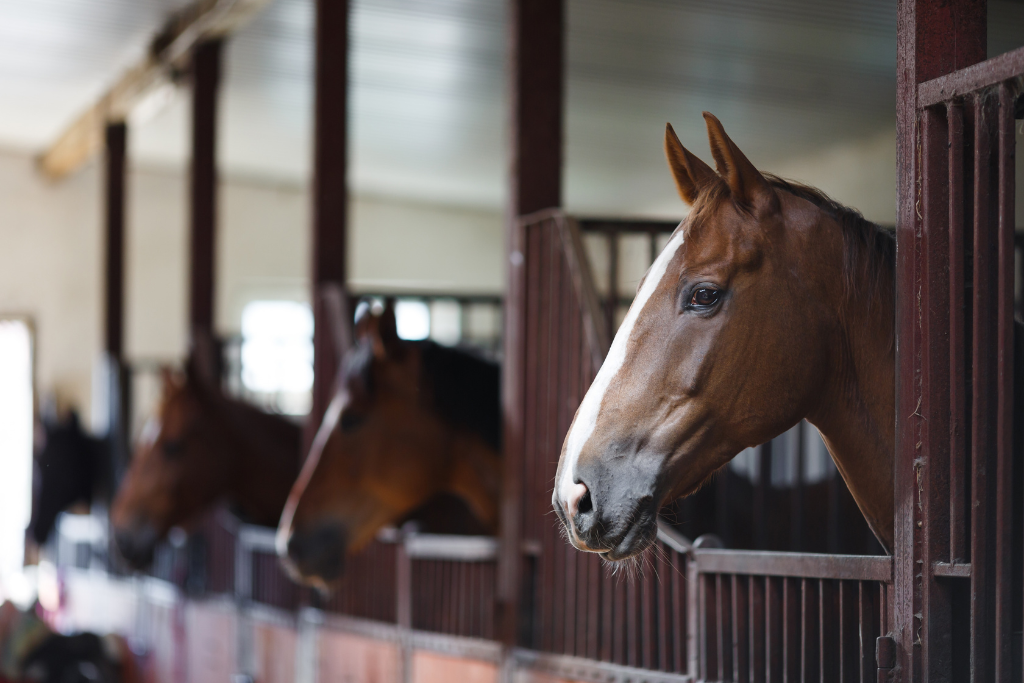
How much water should a horse drink in the summer?
Signs of dehydration, hydration tips & daily water needs
Summer in Atlantic Canada means longer days, warmer temperatures, trail rides, horse shows, and more time spent outdoors. While most horse owners focus on feed, pasture quality, and fly control during the warmer months, one of the most important aspects of summer horse care is often the simplest: water.
Hydration plays a critical role in your horse’s overall health, performance, digestion, and recovery. Understanding how much your horse should drink—and recognizing when they’re not getting enough—can help prevent serious health concerns during the hottest months of the year.
Why water intake matters more in summer
Water is the most important nutrient in your horse’s diet. During summer, horses lose significant amounts of fluid through sweating as they regulate their body temperature.
Several factors can increase a horse’s risk of dehydration, including:
- Hot temperatures
- High humidity
- Increased exercise and training
- Long trailer rides
- Horse shows and competitions
- Dry forage diets
- Limited shade or pasture access
Even mild dehydration can impact digestion, recovery, and performance. More severe dehydration can contribute to the impact of colic, heat stress, and electrolyte imbalances.
How much water should a horse drink?
A typical horse will drink between 20 and 60 liters of water per day, depending on their size, workload, diet, and environmental conditions.
As a general guideline:
- Horses at rest in moderate weather may drink 20–30 liters daily.
- Horses working regularly or spending long hours in the sun may consume 40–60 liters or more.
- Lactating mares and growing horses often require additional water.
- Horses eating primarily dry hay typically drink more water than horses grazing lush pasture.
The key is knowing what is normal for your horse and monitoring changes.
Factors that increase water requirements:
Hot weather: As temperatures rise, horses sweat more to cool themselves. Increased sweating means increased fluid loss that must be replaced.
Humidity: Atlantic Canadian summers often bring high humidity. Humid conditions make it harder for sweat to evaporate, causing horses to sweat longer and lose more fluids.
Exercise and performance: Whether you’re competing on the show circuit, trail riding, or training regularly, exercise significantly increases water requirements. Performance horses can lose several liters of fluid during a single workout.
Dry hay diets: Hay contains very little moisture compared to fresh pasture. Horses consuming mostly hay must make up the difference through increased water intake.
Travel: Many horses drink less while traveling because water tastes different at new locations or because the stress of transport reduces their desire to drink.
Senior horses: Older horses may be less efficient at regulating body temperature and can be more susceptible to dehydration during heat waves.
Dehydration; What to look for in your horse
Dehydration can develop quickly during warm weather. Watch for these common warning signs:
- Dry or firm manure
- Reduced appetite
- Lethargy or fatigue
- Slow recovery after exercise
- Reduced performance
- Darker urine
- Dry gums
- Skin that tents when gently pinched
If you suspect significant dehydration, contact your veterinarian immediately.
Tips to encourage water intake
Clean and fresh: Horses are surprisingly picky about water quality. Scrub buckets, troughs, and automatic waterers regularly encourage drinking.
Offer multiple options: Providing several water stations in fields, paddocks, and barns can encourage horses to drink more frequently.
Soaking feed: Adding water to beet pulp, hay cubes, pellets, or senior feeds can significantly increase daily water consumption.
Bring water from home: Many horses dislike unfamiliar water. Bringing water from home to horse shows or events can help maintain normal drinking habits.
Provide shade: Shade helps reduce heat stress and encourages horses to spend more time near water sources.
Electrolytes: Horses that sweat heavily may benefit from electrolyte supplementation to help replace minerals lost through sweat and encourage drinking. Always follow feeding directions and ensure fresh water is available.
Product support products here at Feeds’n Needs
Several products can help support hydration during the summer months, including:
- Electrolyte supplements
- Performance horse hydration products
- Senior horse feeds designed for easy soaking
- Beet pulp and other moisture-friendly feeds
- Salt blocks and loose salt options
Our team can help you choose the right hydration strategy based on your horse’s age, workload, and lifestyle.


Summer feed tips for show horses
Keeping nutrition performance on track during the show season.
Summer is one of the busiest times of year for horse owners across Atlantic Canada. From local schooling shows and gymkhanas to provincial hunter-jumper, dressage, western circuits, horses are travelling more, working harder, and facing additional stressors that can impact their health and performance.
While training and conditioning are important, nutrition plays a major role in helping horses maintain energy, hydration, recovery, and overall condition throughout the season.
At Feeds’n Needs, we understand the demands of Atlantic Canada’s equine community and the challenges that come with hauling, competing, and keeping horses performing at their best all summer long.
Summer challenges for show horses
Competition season introduces several factors that can affect a horse’s nutritional needs, including:
- Travel and trailer stress
- Unfamiliar water sources
- Reduced appetite
- Increased sweating
- Hot, humid weather
- More frequent training and competition
Even experienced show horses can experience changes in hydration, feed intake, and recovery during a busy season.
Feeding priorities during the show season
Keeping feed consistent: Avoid making major feed changes during competition season whenever possible. Maintaining a consistent feeding program helps support digestive health and reduces unnecessary stress.
Prioritize forage: High-quality forage should remain the foundation of every show horse’s diet. Consistent access to hay supports digestive function, hydration, and steady energy levels, especially when travelling.
Focus on hydration: Proper hydration is essential for muscle function, temperature regulation, recovery, and performance. Even mild dehydration can affect stamina and recovery time.
Monitor body condition: Competition schedules can make it easy to overlook gradual changes in weight or muscle condition. Regularly evaluate your horse’s topline, body condition, coat quality, and overall appearance throughout the season.
Nutritional support: Depending on your horse’s workload and individual needs, several products may help support performance and recovery during the summer months:
Electrolytes: Electrolytes help replace minerals lost through sweat and support hydration during training, competition, and travel.
Vitamin and mineral support: A balanced vitamin and mineral program helps support overall health, muscle function, and performance throughout the season.
Hydration support products: Hydration-focused supplements can help encourage drinking and support fluid balance during periods of increased work.
Easy-to-feed support: Products such as beet pulp and other digestible fibre sources can provide additional calories while helping support hydration and digestive health.
Successful show seasons aren’t built on performance alone—they start with preparation.
At Feeds’n Needs, we work with equestrians across Atlantic Canada and understand the unique demands of our summer show season. From hydration support and electrolytes to feeds, supplements, and forage solutions, our team can help you build a nutrition program that fits your horse’s needs.

Winter has arrived, and while we’re cozy under blankets and sipping warm drinks, our dogs feel the chill too. Winter isn’t just about keeping them warm, it’s about giving them the right nutrition to stay healthy and energetic all season long.
If you’re a pet parent wondering how to support your dog during colder months, here’s what you need to know.
Why Winter Nutrition Matters
Cold weather means your dog uses more energy to stay warm. Without proper nutrition, they can experience fatigue, a dull coat, or lowered immunity. A balanced diet tailored for winter helps keep them strong, active, and happy.
Essential Food Categories for Winter Wellness
- Protein-Packed Meals
Protein is the foundation of your dog’s health. It supports muscle strength and energy—especially important when temperatures drop. Look for high-quality kibble or wet food featuring real meat like chicken, fish, or lamb.
Tip: Check labels for “high-protein” formulas to meet seasonal energy needs.
- Healthy Fats for Warmth
Fats provide concentrated energy and help maintain a shiny coat. Omega-3 and Omega-6 fatty acids are key for skin health and warmth. Fish oil or flaxseed are great additions, and many premium foods include these naturally.
Pro Tip: Balance is important, too much fat can lead to weight gain.
- Fibre for Digestive Health
Seasonal changes can affect digestion. Fibre from carrots, pumpkin, or sweet potatoes keeps your dog’s gut healthy and helps them feel full. Many complete diets include fibre-rich ingredients for convenience. - Vitamins & Minerals for Immunity
Winter can challenge your dog’s immune system. Nutrients like Vitamin C, Vitamin D, and zinc help fight seasonal stress. Choose foods fortified with essential vitamins and minerals to keep their defences strong. - Hydration-Friendly Options
Dogs often drink less water in winter. Wet food or pet-safe broths can help maintain hydration. Serving warm broth over kibble is a comforting way to boost fluid intake.
Extra Tips for Winter Care
- Adjust Portions: If your dog is less active, reduce food slightly to avoid weight gain.
- Serve Warm Meals: A little warmth makes mealtime more inviting.
- Keep Them Cozy: Blankets, coats, and indoor play keep your dog comfortable and happy.
The Bottom Line
Winter doesn’t have to slow your dog down. By focusing on protein, healthy fats, fibre, vitamins, and hydration, you’ll help them thrive through the season. Explore Feeds’n Needs’ selection of premium pet foods and winter care essentials—because a healthy dog is a happy dog.
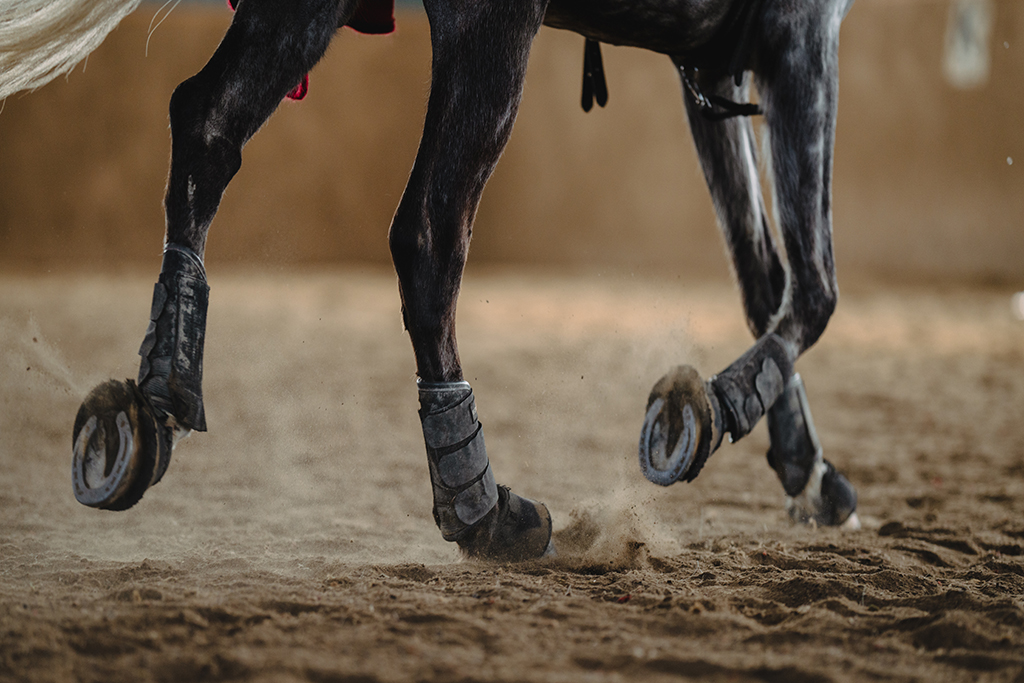
Cleaning Your Horse Track for Riding Season
As winter fades and riding season approaches, giving your horse track a thorough clean‑up is one of the best ways to set the stage for safer, smoother training sessions. A well‑maintained track supports better footing, prevents injuries, and keeps your horse performing at their best. Here’s how to get your track ride‑ready this spring.
- Clear Away Debris
Start by walking the track and removing any fallen branches, rocks, leaves, or broken fencing that may have accumulated over the winter. Even small debris can throw off footing or create hazards for horses moving at speed.
- Check Drainage
Spring melt can leave tracks damp or uneven. Take note of puddles or soft spots—these often indicate drainage issues. Clearing ditches, leveling low areas, or adding drainage material helps ensure a safer, more consistent surface.
- Repair Fencing & Perimeter Areas
Inspect the track edges and fencing for winter damage. Replace loose boards, tighten wire, and ensure gates latch properly. A secure, well‑marked boundary helps keep horses focused and riders safe.
- Groom the Footing
Footing makes all the difference. Use a harrow or drag to break up compacted areas, redistribute material, and smooth the surface. This reduces strain on your horse’s joints and provides even traction throughout the track.
If your footing feels thin or uneven, consider adding fresh material—sand, screenings, or specialized footing—depending on what your track is built from.
- Address Dust Early
As temperatures rise, dust becomes a common challenge. Watering the track or using dust‑control products helps maintain visibility and comfort for both horse and rider.
- Inspect Jumps & Training Equipment
If your track includes jumps or training markers, give them a spring tune‑up. Check for loose screws, broken poles, rotted wood, and faded markers. Safe, clearly visible equipment supports better training sessions.
- Create a Maintenance Routine
Once your track is clean and ready for spring, keep it that way with a simple weekly routine—dragging, debris checks, and moisture management go a long way toward preserving footing and preventing wear.
Ready, Set, Ride!
With a bit of spring prep, your horse track can be safe, comfortable, and ready for a great riding season ahead. A clean, well‑maintained surface doesn’t just look good—it protects your horse’s health and helps every ride feel better.

The Benefits Of A Raw Food Diet For Dogs & Cats
If your pet could write their own grocery list, there’s a good chance “more raw food, please!” would be at the top. Raw diets have been getting tons of love lately and for good reason! From better nutrition to allergy‑friendly options, there are plenty of benefits packed into every bowl. And when it comes to choosing a trustworthy raw brand, Big Country Raw is a standout star.
- Made in Canada, With Love (and Great Ingredients)
Big Country Raw is a Canadian, family‑owned company based in Ontario, proudly using Canadian‑sourced ingredients in all their recipes, except their imported kangaroo protein (which would be tricky to find in the wilds of Ontario). Their commitment to local sourcing means fresher ingredients and higher quality in every bite. Plus, with a certified pet nutritionist on staff, they ensure every recipe is expertly balanced to support your pet’s health from bowl to tail. - Safety You Can Trust
Big Country Raw is HACCP certified, an internationally recognized food safety standard that ensures strict control over biological, chemical, and physical hazards. It’s the same level of oversight used in human food production, giving pet parents peace of mind. - Allergy‑Friendly Options & So Much Variety
Got an itchy dog? A picky eater? A pet with mysterious tummy troubles? With nine different proteins and a wide range of natural supplements, Big Country Raw makes it easy to tailor meals to your pet’s needs. Dogs with allergies or health concerns often thrive on raw because it’s minimally processed and rich in clean, species‑appropriate ingredients. - Nutrients That Actually Get Absorbed
The magic of raw food is how naturally digestible it is. Without heavy processing, pets can absorb nutrients more effectively leading to shinier coats, better digestion, and a whole lot more tail wagging. - Cats Need Taurine, Raw Has Plenty
Fun fact: cats can’t produce their own taurine, an essential nutrient for heart health, vision, and overall wellbeing. Big Country Raw’s cat formulas naturally contain high taurine levels, giving your feline friend exactly what they need. - Backed by a 100% Satisfaction Guarantee
Trying raw for the first time? No stress! Big Country Raw backs all food and supplements with a 100% satisfaction guarantee, making raw feeding easier and more approachable for everyone.
Raw feeding doesn’t have to be complicated—and with high-quality brands like Big Country Raw, it’s easier than ever. Better ingredients, better nutrition, and better results… your pet just might thank you with extra cuddles.
If you have any questions about a raw food diet for your pet, the knowledgeable staff at Feeds’n Needs are happy to help!
More info on raw food diets: Raw Master Class

Nesting Boxes: Prep Your Backyard for Spring Birds!
As winter fades and the first signs of spring begin to appear, birds across your neighbourhood are searching for safe, cozy places to raise their young. Adding nesting boxes to your backyard is one of the easiest and most rewarding ways to support local bird populations while enjoying a little more feathered charm right outside your window. Here’s how to get your backyard spring‑ready for nesting season!
Why Nesting Boxes Matter
Natural tree cavities are becoming harder for birds to find, especially in urban and suburban areas. Nesting boxes provide:
- Safe shelter from predators
- Protection from spring weather
- A dedicated space for raising chicks
- A way to attract more bird species to your backyard
From chickadees to bluebirds, many species rely on human‑made nest boxes as part of their spring routine.
Choose the Right Nesting Box
Not all birds use the same type of nest box. Before buying or installing one, consider:
Hole Size
Different birds need different entrance sizes:
- Chickadees: ~1 1/8″
- Bluebirds: ~1 1/2″
- Tree swallows: ~1 1/2″
Matching the size helps attract the right species and keep unwanted visitors out.
Material
Look for untreated wood (pine, cedar, spruce). Avoid plastic or thin materials, which can trap heat and moisture.
Ventilation & Drainage
Quality nesting boxes include vents at the top and drainage at the bottom to keep chicks dry and comfortable.
Where to Place Your Nesting Box
Placement matters! For best success:
- Mount boxes 5–10 feet off the ground
- Face them east or southeast to avoid harsh afternoon sun
- Keep away from heavy foot traffic and high‑activity areas
- Space boxes well apart to reduce competition between species
- Ensure there’s open flight access to avoid thick branches blocking the entrance
If you’re installing multiple boxes for species like bluebirds or tree swallows, consider placing them in pairs or clusters to reduce territorial disputes.
Clean & Prep Before Spring
Before birds begin searching for homes (usually late February into March), take a few minutes to:
- Clean out old nesting material
- Remove debris, broken pieces, or old bedding
- Check screws, roofs, and panels for winter wear
- Make sure drainage holes are clear
- Secure the box tightly so it won’t wobble in the wind
A clean, sturdy box increases your chances of hosting a successful brood.
Help Make Nesting Season a Success
Little touches can make your yard even more inviting:
- Offer natural nesting materials like twigs, dried grasses, or pet‑safe fur
- Provide fresh water in a clean birdbath
- Avoid using pesticides as birds rely on insects to feed their chicks
- Add bird feeders nearby to help parents refuel throughout the day
A supportive environment encourages birds to stay and return year after year.
Enjoy a Spring Full of Song
Setting up nesting boxes is a simple, affordable way to enjoy more bird activity this spring while supporting local wildlife. With the right placement, maintenance, and materials, your backyard could become a safe nursery for some of your favourite feathered friends.
Winter Wellness for Dogs: The Right Foods for the Season
Winter has arrived, and while we’re cozy under blankets and sipping warm drinks, our dogs feel the chill too. Winter isn’t just about keeping them warm, it’s about giving them the right nutrition to stay healthy and energetic all season long.
If you’re a pet parent wondering how to support your dog during colder months, here’s what you need to know.
Why Winter Nutrition Matters
Cold weather means your dog uses more energy to stay warm. Without proper nutrition, they can experience fatigue, a dull coat, or lowered immunity. A balanced diet tailored for winter helps keep them strong, active, and happy.
Essential Food Categories for Winter Wellness
- Protein-Packed Meals
Protein is the foundation of your dog’s health. It supports muscle strength and energy—especially important when temperatures drop. Look for high-quality kibble or wet food featuring real meat like chicken, fish, or lamb.
Tip: Check labels for “high-protein” formulas to meet seasonal energy needs.
- Healthy Fats for Warmth
Fats provide concentrated energy and help maintain a shiny coat. Omega-3 and Omega-6 fatty acids are key for skin health and warmth. Fish oil or flaxseed are great additions, and many premium foods include these naturally.
Pro Tip: Balance is important, too much fat can lead to weight gain.
- Fibre for Digestive Health
Seasonal changes can affect digestion. Fibre from carrots, pumpkin, or sweet potatoes keeps your dog’s gut healthy and helps them feel full. Many complete diets include fibre-rich ingredients for convenience. - Vitamins & Minerals for Immunity
Winter can challenge your dog’s immune system. Nutrients like Vitamin C, Vitamin D, and zinc help fight seasonal stress. Choose foods fortified with essential vitamins and minerals to keep their defences strong. - Hydration-Friendly Options
Dogs often drink less water in winter. Wet food or pet-safe broths can help maintain hydration. Serving warm broth over kibble is a comforting way to boost fluid intake.
Extra Tips for Winter Care
- Adjust Portions: If your dog is less active, reduce food slightly to avoid weight gain.
- Serve Warm Meals: A little warmth makes mealtime more inviting.
- Keep Them Cozy: Blankets, coats, and indoor play keep your dog comfortable and happy.
The Bottom Line
Winter doesn’t have to slow your dog down. By focusing on protein, healthy fats, fibre, vitamins, and hydration, you’ll help them thrive through the season. Explore Feeds’n Needs’ selection of premium pet foods and winter care essentials—because a healthy dog is a happy dog.

Prevent Cabin Fever in Pets During Long Winters
Short daylight, icy sidewalks, and stormy stretches can reduce outdoor time. Enrichment keeps pets mentally engaged, reduces anxiety, and prevents boredom behaviors (chewing, vocalizing, scratching).
Dogs: Indoor Activities
- Puzzle Feeders: Slow feeding, boost problem-solving.
- Scent Games: Hide treats in boxes or towels and let them “hunt.”
- Training Bursts: 10-minute sessions to learn new cues and tricks.
- Indoor Agility: Use cones, chairs, and blanket tunnels for obstacle fun.
- Tug & Fetch: In hallways or basements and mind slippery floors.
Cats: Indoor Activities
- Vertical Spaces: Add shelves or cat trees for climbing.
- Hunt & Pounce: Wand toys, laser pointers (end with a real catch like treats).
- Foraging Feeders: Scatter kibble in snuffle mats or puzzle toys.
- Window Watching: Place bird-friendly feeders outside windows for safe viewing.
Routine & Environment
- Maintain a consistent routine: meals, play, rest.
- Use cozy beds away from drafts.
- Add background nature sounds for calming ambience.
Maritime-Friendly Tips
- After storm closures, plan micro-walks when sidewalks are cleared.
- Choose grippy booties for dogs to prevent slips.
- Keep salt off paws: wipe after outdoor exposure; use pet-safe de-icers.
Explore puzzle toys, snuffle mats, interactive feeders, booties, and pet-safe de-icers at Feeds’n Needs – your local partner for winter pet wellness.
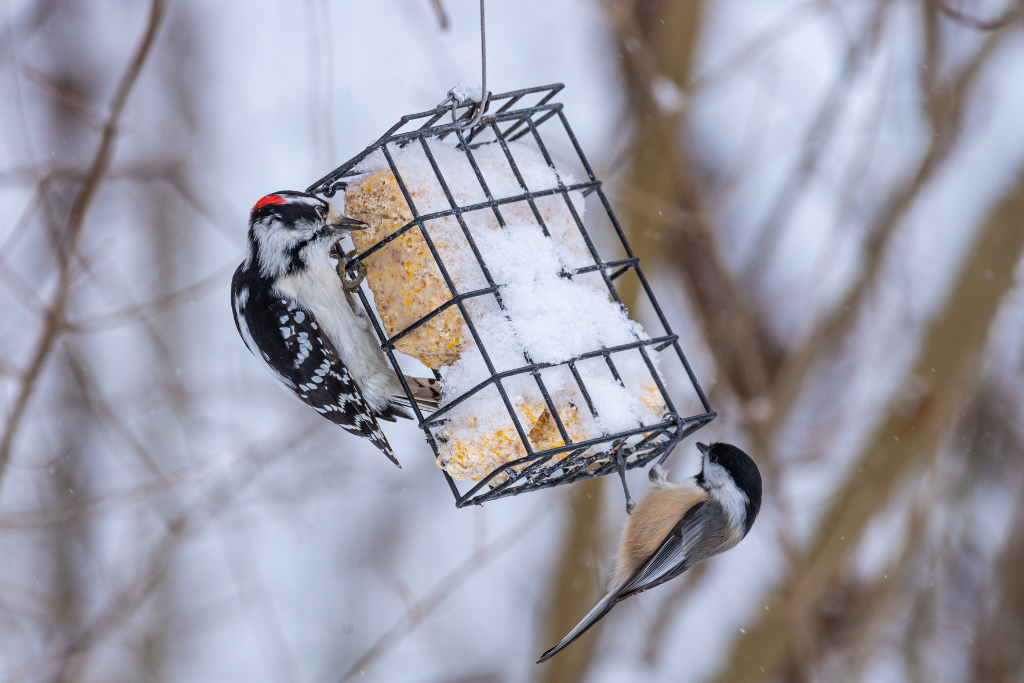
Winter Bird Feeding Myths Debunked
Why Myth-Busting Matters
In the Maritimes, winter can mean freeze-thaw cycles, coastal winds, nor’easters, and icy conditions which make natural food scarce for birds. Responsible feeding helps local species like Black-capped Chickadees, Blue Jays, Red-breasted Nuthatches, and Downy Woodpeckers stay healthy through the season.
Myth #1: “Feeding Birds Makes Them Dependent”
- Fact: Birds are opportunistic. They balance natural food sources (seeds, berries, insects) with feeders. Your feeder is supplemental, especially during storms or deep freezes.
- Your Action: Keep feeders consistent but don’t worry if you miss a day because birds will continue to forage widely.
Myth #2: “Feeding Disrupts Migration”
- Fact: Most overwintering species in the Maritimes aren’t migrating. For migrants, daylight and genetics drive migration, not feeders.
- Your Action: Offer high-energy foods (black oil sunflower, suet) to sustain overwintering birds during cold snaps.
Myth #3: “Bread Is Fine for Birds”
- Fact: Bread lacks nutrients and can harm birds. Choose quality seeds and suet instead.
- Your Action: Stock black oil sunflower, peanut pieces, Nyjer (for finches), and suet with nuts or insects.
Myth #4: “Birds Don’t Need Water in Winter”
- Fact: Birds need clean, unfrozen water for drinking and feather care.
- Your Action: Add a heated bird bath or place warm water in shallow dishes and refresh as needed.
Myth #5: “Cleaning Feeders Isn’t Necessary”
- Fact: Dirty feeders can spread disease. Winter cleaning is as important as summer.
- Your Action: Clean feeders every 1–2 weeks with a 9:1 water-to-bleach solution and rinse thoroughly.
Other Tips
- Shelter from wind: Place feeders near spruce or cedar hedges to reduce exposure.
- Snow management: Clear perches and trays after snowfall.
- Storm prep: Top up feeders before nor’easters; switch to suet cages and hopper feeders that shield seed.
Support local birds this winter. Shop wild bird feed, suet, and heated bird baths at Feeds’n Needs across the Maritimes.


