Effective Weed Control: Essentials for Your Lawn

Maintaining a pristine lawn in the Maritimes can be challenging, especially when weeds start to invade your green space. However, with the right strategies and products, you can keep your lawn looking its best. Here are some essential tips and products for effective weed control.

Understanding Common Weeds in the Maritimes

The first step in effective weed control is identifying the common weeds that plague lawns in the Maritimes. Some of the most prevalent include dandelions, crabgrass, and clover. Knowing what you’re up against will help you choose the right control methods.

Specific Weeds in the Maritimes

  • Dandelion (Taraxacum officinale): A widely recognized weed with yellow flowers and rosette-shaped leaves.
  • Chickweed (Stellaria media): A low-growing weed with small, white flowers and fleshy leaves. 
  • Canada Thistle (Cirsium arvense): A perennial weed with spiny leaves and purple flower heads. 
  • Crabgrass (Digitaria spp.): A common grassy weed that grows in lawns and other disturbed areas.
  • Bindweed (Convolvulus arvensis): A vining weed with trumpet-shaped flowers and heart-shaped leaves. 
  • Velvetleaf (Abutilon theophrasti): An annual weed with large, velvety leaves and pale yellow flowers.
  • Yellow Rocket (Barbarea vulgaris): A biennial weed with yellow flowers and dissected leaves. 
  • Yellow Nut Sedge (Cyperus esculentus): A grassy weed with rhizomes (underground stems) that can be difficult to control. 
  • Tansy Ragwort (Senecio jacobaea): A biennial weed with yellow flowers and pinnate leaves. 
  • White Cockle (Lychnis alba): A biennial weed with white flowers and lance-shaped leaves.
  • Common Milkweed (Asclepias syriaca): A native perennial weed with pinkish-white flowers and lance-shaped leaves, also important for monarch butterflies.
  • Partridge Berry (Mitchella repens): A low-growing ground cover with oval, green leaves and red berries.
  • Common Blue Wood-Aster (Symphyotrichum cordifolium): A perennial plant with blue or purple flowers and heart-shaped leaves.

Factors Influencing Weed Growth

  • Soil conditions: Weeds thrive in disturbed or nutrient-poor soils. 
  • Disturbed areas: Roadsides, pastures, and harvested tree lots are prone to weed invasion.
  • Climate: Environmental conditions like temperature and moisture can influence weed distribution and growth. 

Weeds can tell you a lot about your soil because all plant species prefer specific environmental conditions to thrive. Does the soil have too little nitrogen or is it eroded or too compacted? Here is a more detailed review of each type of weed and the specific factors that influence their growth on lawns:

Dandelions are quite resilient and can thrive in various conditions. Here are some key factors that influence their growth on lawns:

  1. Soil Compaction: Dandelions can grow well in compacted soil where grass roots struggle to penetrate
  2. Thin Turf: Sparse grass provides less competition, allowing dandelion seeds to germinate more easily.
  3. Excess Soil Moisture: Dandelions thrive in moist-to-wet soil conditions, especially when the grass is weakened by waterlogged soil
  4. Soil Acidity: Dandelions prefer slightly acidic soil, which might indicate your lawn’s pH is not optimal for grass
  5. Calcium Deficiency: Soil lacking calcium can favor dandelion growth, as these plants can pull nutrients from deeper layers to the surface
  6. Mowing Practices: Cutting grass too short can reduce its ability to compete with dandelions

To manage dandelions, maintaining a healthy, dense lawn is crucial. Regular aeration, proper mowing, and balanced fertilization can help keep these weeds at bay.

Chickweed (Stellaria media) is a common lawn weed that thrives under various conditions. Here are some key factors influencing its growth:

  1. Soil Type: Chickweed prefers moist, fertile, and well-drained soils. It can tolerate a wide range of soil pH levels
  2. Moisture Levels: It thrives in moist conditions but can also tolerate some drought
  3. Climate Conditions: Chickweed is cold-hardy and often flourishes in cooler seasons, even under snow cover
  4. Disturbed Soil: Areas with disturbed soil, such as those with frequent foot traffic or lawn maintenance activities, are ideal for chickweed growth
  5. Shade: Chickweed can grow in both sunny and shaded areas, but it often forms dense patches in shaded lawns
  6. High Nitrogen Levels: Chickweed tends to do well in soils with high nitrogen content

To manage chickweed, maintaining a healthy lawn through proper fertilization, regular mowing, and using turfgrasses well-adapted to your site conditions is essential. Postemergence herbicides containing dicamba, MCPP, and fluroxypyr can also be effective.

Canada Thistle (Cirsium arvense) is a persistent and invasive weed that can be challenging to manage on lawns. Here are some key factors that influence its growth:

  1. Soil Disturbance: Canada Thistle thrives in disturbed soils, such as those found in areas with frequent foot traffic or lawn maintenance activities
  2. Moisture Levels: It prefers moist soil conditions but can also tolerate dry periods
  3. Soil Fertility: This weed can grow in a variety of soil types but tends to do well in fertile soils
  4. Sunlight: Canada Thistle grows best in full sun but can also tolerate partial shade
  5. Root System: It has an extensive root system that can penetrate deep into the soil (up to 6 feet) and spread horizontally (up to 15 feet), allowing it to form dense patches
  6. Seed Dispersal: The seeds are equipped with a pappus (a tuft of hairs) that aids in wind dispersal, allowing them to spread over long distances

To manage Canada Thistle, it’s important to maintain a healthy, dense lawn to outcompete the weed. Regular mowing, proper fertilization, and possibly the use of herbicides can help control its spread.

Crabgrass (Digitaria spp.) is a common and troublesome weed in lawns. Here are some key factors that influence its growth:

  1. Soil Temperature: Crabgrass seeds germinate when soil temperatures consistently reach between 55°F and 60°F (13°C to 16°C) in the spring
  2. Sunlight: It thrives in sunny areas and can outcompete turfgrass in these conditions
  3. Soil Compaction: Compacted soil provides an ideal environment for crabgrass, as it struggles to compete with healthy, dense turf
  4. Moisture Levels: Crabgrass prefers moist conditions but can also tolerate drought, making it adaptable to various watering regimes
  5. Mowing Practices: Mowing the lawn too short can stress the grass and create opportunities for crabgrass to establish
  6. Bare Spots: Areas of the lawn that are thin or bare are prime spots for crabgrass to take hold

To manage crabgrass, maintaining a healthy, dense lawn is crucial. This includes proper mowing, watering, and fertilization practices. Pre-emergent herbicides can be applied in early spring to prevent crabgrass seeds from germinating, and post-emergent herbicides can be used to control any that do appear.

Bindweed (Convolvulus arvensis) is a persistent weed that can be challenging to control. Here are some key factors that influence its growth on lawns:

  1. Soil Type: Bindweed thrives in moist, deep, fertile soils but can also tolerate poor, dry, gravelly soils
  2. Climate: It grows well in temperate, Mediterranean, and tropical climates
  3. oil Moisture: While it prefers moist conditions, bindweed seldom grows in wet soils
  4. Shade: Bindweed growth can be partially reduced by shade from other plants
  5. Root System: Bindweed has an extensive root system that can reach depths of up to 20 feet, making it difficult to eradicate
  6. Nitrogen Levels: Adequate nitrogen fertilization can help manage bindweed by promoting healthy grass growth

To control bindweed, maintaining a healthy lawn through proper fertilization, irrigation, and mowing practices is essential.

Velvetleaf (Abutilon theophrasti) is a resilient weed that can thrive under various conditions. Here are some key factors that influence its growth:

  1. Soil Moisture: Velvetleaf prefers moist soil conditions but can tolerate moderate water stress. It grows best when soil moisture is maintained at 75% to 100% field capacity
  2. Soil Fertility: It thrives in fertile soils and can grow quickly during the hot summer months
  3. Sunlight: Velvetleaf can grow under both full sun and partially shaded conditions, making it adaptable to different light environments
  4. Temperature: It grows well in warm temperatures but is not frost-tolerant and dies with the first hard frost
  5. Seed Dormancy: Velvetleaf seeds exhibit considerable dormancy, allowing them to survive in the soil for over 50 years. Scarification of the seed coat by microbial action, soil action, or tillage permits water entry and germination
  6. Disturbed Soil: Areas with disturbed soil, such as those with frequent foot traffic or lawn maintenance activities, are ideal for velvetleaf growth

To manage velvetleaf, maintaining a healthy, dense lawn through proper fertilization, regular mowing, and minimizing soil disturbance is essential. Herbicides can also be effective in controlling this weed.

Yellow Rocket (Barbarea vulgaris) is a resilient weed that can thrive in various conditions. Here are some key factors that influence its growth:

  1. Soil Moisture: Yellow Rocket prefers moist, well-drained soils but can tolerate a range of moisture conditions
  2. Soil Fertility: It thrives in fertile soils and can grow quickly, especially in nutrient-rich environments
  3. Sunlight: This weed can grow in both full sun and partial shade, making it adaptable to different light conditions
  4. Temperature: Yellow Rocket is a cool-season plant that can germinate in both spring and fall. It is frost-tolerant and can survive through winter
  5. Disturbed Soil: Areas with disturbed soil, such as those with frequent foot traffic or lawn maintenance activities, are ideal for Yellow Rocket growth
  6. Seed Dispersal: The seeds of Yellow Rocket can remain viable in the soil for several years, allowing it to re-establish even after removal

To manage Yellow Rocket, maintaining a healthy, dense lawn through proper fertilization, regular mowing, and minimizing soil disturbance is essential. Post-emergent herbicides containing 2,4-D, MCPP, and dicamba can also be effective.

Tansy Ragwort (Senecio jacobaea) is a resilient weed that can thrive under various conditions. Here are some key factors that influence its growth:

  1. Soil Type: Tansy Ragwort grows well in medium to light-textured soils, including calcareous soils, organic-rich alluvium, light loam, and clay-with-flints
  2. Moisture Levels: It prefers areas with sufficient rainfall (around 34 inches or 860 millimeters per year) but is absent where the water table is high
  3. Sunlight: This weed can grow in both full sun and partial shade, making it adaptable to different light conditions
  4. Temperature: Tansy Ragwort is a winter annual, biennial, or short-lived perennial that can grow between 8-36 inches tall but can attain heights greater than 6 feet under optimal conditions
  5. Disturbed Soil: Areas with disturbed soil, such as those with frequent foot traffic or lawn maintenance activities, are ideal for Tansy Ragwort growth
  6. Seed Dispersal: The seeds are equipped with a pappus that aids in wind dispersal, allowing them to spread over long distances

To manage Tansy Ragwort, maintaining a healthy, dense lawn through proper fertilization, regular mowing, and minimizing soil disturbance is essential. Herbicides containing 2,4-D and picloram can be effective when applied to actively growing immature plants.

White Cockle (Lychnis alba), also known as White Campion, is a resilient weed that can thrive in various conditions. Here are some key factors that influence its growth:

  1. Soil Type: White Cockle prefers well-drained soils and is commonly found in pastures, along right-of-ways, and in hay fields
  2. Moisture Levels: It thrives in moist conditions but is seldom seen in very dry climates
  3. Sunlight: This weed is a “sun-lover” and grows best in full sun, although it can tolerate partial shade
  4. Temperature: White Cockle seedlings do not tolerate high temperatures well, making it more prevalent in cooler climates
  5. Seed Dispersal: Each female plant can produce over 24,000 seeds, which can remain viable in the soil for up to three years. The seeds are similar in size and shape to clover and alfalfa seeds, often leading to contamination
  6. Disturbed Soil: Areas with disturbed soil, such as those with frequent foot traffic or lawn maintenance activities, are ideal for White Cockle growth

To manage White Cockle, maintaining a healthy, dense lawn through proper fertilization, regular mowing, and minimizing soil disturbance is essential. Herbicides can also be effective in controlling this weed.

Common Milkweed (Asclepias syriaca) is a resilient plant that can thrive in various conditions. Here are some key factors that influence its growth:

  1. Soil Type: Common Milkweed prefers well-drained soils but can grow in a variety of soil types, including sandy and loamy soils
  2. Moisture Levels: It thrives in moist conditions but can tolerate periods of drought. Consistent moisture helps in optimal growth
  3. Sunlight: This plant grows best in full sun but can also tolerate partial shade
  4. Temperature: Common Milkweed grows well in warm temperatures. Elevated temperatures can increase its growth, while water stress can decrease it
  5. Seed Dormancy: The seeds require a period of cold stratification to break dormancy. This means they need to be exposed to cold, moist conditions for a few weeks before they can germinate
  6. Disturbed Soil: Areas with disturbed soil, such as those with frequent foot traffic or lawn maintenance activities, are ideal for Common Milkweed growth

To manage Common Milkweed, maintaining a healthy, dense lawn through proper fertilization, regular mowing, and minimizing soil disturbance is essential.

Partridge Berry (Mitchella repens) is a low-growing, evergreen plant that can thrive in various conditions. Here are some key factors that influence its growth:

  1. Soil Type: Partridge Berry prefers well-drained, slightly acidic soils. It is commonly found in mature forests with rich, organic soil
  2. Moisture Levels: It thrives in moist, well-drained conditions but can tolerate some drought once established
  3. Sunlight: This plant grows best in partial to full shade, making it ideal for shaded areas of the lawn
  4. Temperature: Partridge Berry is hardy and can survive in a range of temperatures, but it prefers cooler, temperate climates
  5. Growth Habit: It spreads vegetatively through creeping stems that root at the nodes, forming dense mats over time
  6. Seed Dormancy: The seeds require a period of cold stratification to break dormancy and germinate

To encourage the growth of Partridge Berry, maintaining a shaded, moist environment with well-drained, slightly acidic soil is essential.

Common Blue Wood-Aster (Symphyotrichum cordifolium) is a hardy perennial that can thrive in various conditions. Here are some key factors that influence its growth:

  1. Soil Type: It prefers average, dry to moist, well-drained soils. Poorly drained locations can lead to issues like aster wilt
  2. Moisture Levels: While it can tolerate dry conditions, it grows best in moist soils
  3. Sunlight: This plant can grow in both full sun and partial shade, making it adaptable to different light environments
  4. Temperature: Common Blue Wood-Aster blooms late summer into fall and can continue blooming through the first few frosts
  5. Growth Habit: It spreads by short rhizomes, leading to a clumping growth habit. Taller plants may require staking or support
  6. Disturbed Soil: Areas with disturbed soil, such as those with frequent foot traffic or lawn maintenance activities, are ideal for its growth

To manage Common Blue Wood-Aster, maintaining a healthy, dense lawn through proper fertilization, regular mowing, and minimizing soil disturbance is essential.

Note: While some plants are commonly considered weeds, some native species, like common milkweed, can also be beneficial to the ecosystem. 

Some ‘weeds’ such as Goldenrod (Solidago species) and Joe Pye Weed (Eutrochium purpureum) are native species which support pollinating insects and birds and contribute to the ecosystem. Milkweed (Asclepias species), for example, provides a nursery for the offspring of Monarch butterflies. Also, Queen Anne’s Lace (Daucus carota) is also considered a weed but can be beneficial in that it attracts predatory wasps, flies and lady beetles which prey on garden pests such as aphids.

Pre-Emergent Herbicides

Pre-emergent herbicides are a great way to prevent weeds from taking root in your lawn. These products work by inhibiting the germination of weed seeds. Apply them early in the season before weeds start to grow. There are many popular options available, speak with your local Feeds’n Needs experts to find the right solution for your green space.

Remember to always read the label for application specifications.

Post-Emergent Herbicides

For weeds that have already established themselves, post-emergent herbicides are necessary. These products target and kill weeds that are actively growing. There are many popular options available, speak with your local Feeds’n Needs experts to find the right solution for your green space. Remember to always read the label for application specifications.

Organic Weed Control Options

If you prefer an eco-friendlier approach, there are organic weed control options available. These products are safe for pets and children and are effective in managing weeds. There are many popular options available, speak with your local Feeds’n Needs experts to find the right solution for your green space.

Manual Weed Removal

Sometimes, the best solution is good old-fashioned manual removal. Tools like weed pullers and hoes can help you remove weeds by the root, preventing them from growing back.

Lawn Maintenance Practices

Maintaining a healthy lawn is one of the best defenses against weeds. Regular mowing, watering, and fertilizing can keep your grass strong and resilient. Here are some tips:

  • Mow Regularly: Keep your grass at a height of 2.5-3 inches (or use the one-third rule) to prevent weed growth. Mowing is a crucial maintenance practice for turf, significantly influencing the type and amount of weeds present. Following the one-third rule (never mow off more than one-third of the plant) is beneficial, but there’s more to consider. As turf grows taller and denser, it shades the soil, preventing weed seeds from germinating due to lack of sunlight. Increased mowing height alone can reduce weed pressure significantly.

During summer, raising mowing heights to three inches or more helps turf grow thicker and reduces weed pressure. Taller turf also promotes deeper root growth, enhancing the turf’s ability to withstand heat, drought, disease, and insect pressure. Additionally, keeping mower blades sharp and returning clippings to the turf (using a mulching mower blade helps with this) contributing up to two pounds of nitrogen per year.

  • Water Deeply: Water your lawn deeply but infrequently to encourage deep root growth.
  • Fertilize: Use a balanced fertilizer to keep your lawn healthy and vigorous. Remember to always read the label for application specifications.

To get your green space looking it’s best, talk with one of our Feeds’n Needs experts in store. They will help you find the best solution to control and prevent weed growth.

Conclusion

Weed control in the Maritimes requires a combination of prevention, treatment, and maintenance. By using the right products and practices, you can keep your lawn looking lush and weed-free. Visit your local Feeds’n Needs to find all the essentials you need for effective weed control.

Introducing a New Cat to Your Pets

Bringing a new cat into your home is exciting, but it can also come with a bit of uncertainty—especially when other pets are already part of the family. When introducing a new cat, the key to success lies in patience, planning, and understanding pet behavior.

Preparing for a Cat-to-Cat Introduction

Cats are creatures of habit and highly territorial by nature, so adding a new one into the mix can ruffle some whiskers. But don’t worry—it’s completely manageable with the right approach.

Consider Personalities First
Think about the personalities involved. A shy senior cat might not appreciate a rambunctious kitten invading their space, while a cat who has never shared a home before might be extra wary. Adjust your expectations based on how your current cat typically reacts to change or new animals.

Start With Separation
For the first few days, keep your new cat in a separate room equipped with essentials: food, water, a bed, toys, a litter box, and a scratching post. This gives them a safe space to acclimate while letting your resident cat adjust to new smells from a distance.

Build Positive Associations
Feed both cats at the same time, on either side of the closed door. This helps them associate each other’s presence with something positive—mealtime. You can also try placing interactive toys at the door to encourage play through the gap, which can foster a sense of curiosity instead of competition.

Swap Scents and Spaces
Let your cats take turns exploring each other’s rooms without direct contact. This scent-swapping helps normalize the presence of the other cat in their shared environment. Do this for several days before progressing to a visual introduction.

Gradual Visual Introduction
Use a baby gate or cracked door to let the cats see each other without physical access. Monitor their body language closely—relaxed tails and curious sniffing are good signs. Flattened ears, hissing, or growling means it’s time to slow down and give them more time apart.

Face-to-Face Meetings
When you’re ready for the cats to meet without barriers, keep it short and supervised. Some may just sniff and walk away, while others might stare each other down or try to establish dominance. If there’s hissing or swatting, calmly separate them—never try to grab an agitated cat, as you could get scratched or bitten.
Keep interactions brief and positive, using treats and toys to redirect any tension. Over time, and with consistency, most cats can learn to coexist—and in many cases, even enjoy each other’s company.

Introducing a New Cat to a Dog

Cats and dogs can absolutely become best friends—but their first meetings need to be carefully managed, especially if your dog has a strong prey drive or no experience with cats.

Start With Separate Spaces
Just like with another cat, your new feline should have a private area away from the dog. This gives the cat time to adjust to the new home while your dog becomes familiar with the new smells and sounds.

Controlled, Positive Interactions
Place a baby gate in the doorway of the cat’s room. Walk your dog past it on a leash, rewarding calm behavior with treats. Do the same for the cat—treats and praise go a long way in building a sense of trust and safety.

Supervised Face-to-Face Time
When you’re ready for direct interaction, keep your dog on a leash and let the cat approach on their own terms. If the cat hides, let it. Avoid forcing any interaction. Use treats, praise, and gentle reassurance to reward both pets for calm behavior.
Over time, your dog should learn to be gentle and your cat will likely gain confidence. Each animal is different, so go at the pace that works best for them.

Conclusion

Integrating a new pet into your household isn’t always easy, but it’s definitely rewarding. With time, patience, and plenty of positive reinforcement, your furry family members can learn to live together peacefully—and maybe even become best pals.
For more information on introducing a new cat to your home, check out our blog Preparing for Your New Kitten!

New Gardeners – When to Plant According to Frost Dates

For gardeners, the itch to get started as early as possible is real. The sight of a thawing garden bed, the longer daylight hours—it’s all so tempting! But timing is everything. When it comes to planting, especially in colder regions like the Maritimes, patience pays off.

When Is It Safe to Start Planting?

The golden rule is to wait until after the last frost date before doing any major planting. This date variers by region, but for much of Maritimes, it typically falls in the second half of May. In some areas, frost can still be a risk into early June. In fact, many seasoned gardeners play it safe and wait until after the full moon in June.

Starting Seeds Indoors: Where to Begin

If you’re eager to get a jump on the season, starting seeds indoors is a great option. Not all seeds need or want a head start inside, but some absolutely benefit from it. The seed packet is your best friend here—follow its timing suggestions carefully.

New to indoor seed starting? Begin with beginner-friendly plants like sweet peas or marigolds. A simple trick when choosing seeds: give the packet a shake. Larger seeds tend to be easier to germinate, making them a great choice for those just starting out.

What to Start Indoors (And What to Skip)

Not all veggies thrive when started indoors. Some, especially root vegetables, don’t like being transplanted because their roots are easily disturbed. These should go straight into the garden once the soil is ready. Think carrots, radishes, and beets.

Others, particularly heat-loving plants or those with a long growing season, benefit from being started inside. These include:

  • Tomatoes
  • Peppers
  • Eggplants
  • Broccoli
  • Cauliflower
  • Brussels sprouts

These plants are either sensitive to cold or need extra time to mature, so giving them a head start indoors is beneficial. For more information on starting seeds indoors, check out Starting Seeds Indoors Using Peat Pellets.

When and How to Transplant

Once your seedlings have outgrown their starter trays or small pots, it’s time to think about transplanting. If it’s still too chilly to plant them outdoors, move them to slightly larger containers and keep them growing indoors.

About a week before planting them in the garden, begin the “hardening off” process—this means gradually introducing them to outdoor conditions. Set them outside for a few hours each day, slowly increasing their exposure to wind, sun, and cooler temperatures. This helps prevent transplant shock and toughens them up for life in the garden.

Conclusion

Gardening is as much about timing as it is about technique. While it can be tough to wait, especially when the spring sun is shining, resisting the urge to plant too early can mean the difference between thriving plants and a garden full of frost damage. So, start indoors when it makes sense, wait for the frost-free dates, and you’ll be rewarded with a strong, healthy garden all season long.

Tips to Safeguard Your Lawn from Pet Damage

Our beloved pets bring joy to our lives, but they can also be quite hard on our lawns. From digging holes to causing yellow patches, pets can inflict considerable damage on our green spaces. However, there’s no need to fret! With a few straightforward techniques, you can maintain a vibrant and healthy lawn while enjoying your pets’ company. Here are some tips from Feeds’n Needs to help you safeguard your lawn from pet damage.

Establish a Pet Zone

A highly effective method to protect your lawn is to designate a specific area for your pets to relieve themselves. Opt for a gravel or mulch zone, which is easier to clean and less prone to damage from pet urine. Training your pets to use this area may require some patience, but it’s a worthwhile investment in the long run.

Hydrate Your Lawn Frequently

Pet urine is rich in nitrogen, which can scorch grass and create yellow spots. To counteract this, water the affected areas immediately after your pet urinates. This helps dilute the nitrogen and prevent damage. Regular watering of your entire lawn also contributes to its overall health and durability.

Utilize Lawn Protection Products

There are various products available that can help shield your lawn from pet damage.

  1. Grass Seed & Fertilizer: Feeds’n Needs offers a variety of grass seeds and fertilizers to help maintain a healthy lawn. We also provide erosion control products.
  2. Lawn Protection Supplements: Select Feeds’n Needs locations carry supplements for pets, that can contain probiotics and enzymes to neutralize the nitrogen in pet urine, which are an immune boost to pets and helps prevent yellow spots on your lawn. Always consult an expert or veterinarian before adding any new supplement to your pet’s diet.
  3. Lime: Feeds’n Needs carries calcitic lime, which can help improve soil quality and promote healthy grass growth.
  4. Decorative Fencing and Barriers: Decorative fencing and rocks can create statement pieces that also help protect specific areas of your lawn.

Practice Proper Lawn Maintenance

A well-maintained lawn is more resilient to pet damage. Mow your lawn to a height of 2.5-3 inches, as longer grass can better endure wear and tear. Regular aeration and fertilization promote strong root growth and overall lawn health.

Implement Barriers

If your pet has a preferred digging spot, consider creating a barrier to protect that area. Decorative fencing, rocks, or shrubs can deter your pet from digging. Providing a designated digging area, such as a sandbox, can also satisfy their natural instincts without harming your lawn.

By implementing these strategies, you can enjoy a beautiful, healthy lawn while still cherishing the time spent with your beloved pets. Remember, a little effort in training and lawn care can go a long way in preventing pet damage. Whether it’s designating a specific pet area, using lawn protection products, or maintaining proper lawn care, these tips from Feeds’n Needs will help you keep your green space looking its best. Happy gardening!

Flea Control for Your Pets

Fleas are more than just a nuisance — they can cause serious health problems for your pets and infest your home before you even know it. Whether you’re a new pet parent or a seasoned pro, understanding how to prevent, treat, and eliminate fleas is essential for keeping your furry companions happy and healthy.

In this guide, we’ll walk you through how dogs and cats get get fleas, what to do if your pet has them, and how to prevent them.

Why Flea Prevention Matters
Flea infestations aren’t just uncomfortable — they can pose real health risks to your pets. Even a few fleas can multiply rapidly and cause:
Flea Allergy Dermatitis (FAD)
Some pets are allergic to flea saliva, and just one bite can lead to severe itching, hair loss, scabbing, and even skin infections.
Tapeworms
When pets groom themselves and accidentally ingest an infected flea, they can develop tapeworms, which can lead to weight loss and nutritional deficiencies.
Anemia
Fleas feed on your pet’s blood — and in large numbers, they can cause flea-bite anemia, a serious condition especially dangerous for puppies, kittens, or older pets.

How Do Pets Get Fleas?
Understanding how fleas make their way onto your pets is key to prevention. Here are the most common sources:
Other Animals
Playdates with other pets, dog parks, and even walks around the neighborhood can lead to flea exposure.
Your Home
Fleas can hitch a ride on humans, clothing, or visitors, then lay eggs in carpets, bedding, and upholstery.
Pet-Focused Places
Doggy daycares, grooming salons, boarding facilities, and shelters can all harbor fleas if proper prevention isn’t in place.
Outdoor Environments
Yards, parks, and trails are flea hotspots — especially during warm months when fleas thrive.

What To Do If Your Pet Has Fleas
If you suspect a flea infestation, don’t panic — but do act fast:
Call Your Vet
Your veterinarian can confirm the infestation and recommend the most effective treatment. Options may include oral medications, topical treatments, or flea collars.
Bathe Your Pet
A vet-approved flea shampoo can help kill fleas on contact. Use lukewarm water and be thorough — especially around the neck and tail. Feeds’n Needs has a variety of flea shampoos to help get rid of fleas!
Use a Flea Comb
Flea combs are specially designed to remove adult fleas and flea dirt from your pet’s fur.

Getting Rid of Fleas in Your Home
Fleas don’t stay on your pet — they infest your home, too. To break the cycle, you need a multi-step approach:
Treat Every Pet
Even if only one pet seems affected, treat all animals in the household. Talk to your local Feeds’n Needs Expert about safe options for each pet, especially if you have cats and dogs.
Vacuum Daily
Vacuum carpets, rugs, baseboards, and under furniture thoroughly and frequently. Empty your vacuum outside to prevent re-infestation.
Wash Everything
Wash pet bedding, blankets, and any soft surfaces your pet touches. Use hot water and a pet-safe detergent.

Flea Prevention Tips & Tricks
Prevention is the most powerful tool you have. Once you’re flea-free, here’s how to stay that way:
Stay Consistent With Treatments
Follow  year-round flea preventatives. Options include monthly topicals, oral medications, flea collars, and more. Don’t skip doses! We have lots of flea preventative options at Feeds’n Needs for dogs and cats!
Bathe Regularly
Routine bathing can help you spot fleas early and keep your pet’s skin healthy. Use a flea-repellent shampoo if your vet recommends it.
Check for Signs
Keep an eye out for excessive scratching or flea “dirt” — tiny black specks in your pet’s fur that resemble pepper.
Be Extra Vigilant in Warm Weather
Fleas love warmth and humidity. Peak flea season is spring through fall, but year-round prevention is recommended in most regions.

Flea infestations can be overwhelming, but they’re completely manageable with the right approach. Prevention is always easier than treatment, and a consistent plan — in partnership with your vet — will go a long way in keeping your pets safe.

Whether you’re dealing with fleas now or just looking to stay one step ahead, remember: staying proactive is the best defense. Your pets will thank you — with tail wags, happy purrs, and flea-free cuddles.

Best Methods to Attract Hummingbirds

There’s something magical about watching hummingbirds dart through your garden. Whether you’re hoping to catch a glimpse or create a hummingbird haven, it’s easier than you might think to bring these amazing birds into your yard.

With the right combination of food, shelter, water, and thoughtful planting, you can turn your outdoor space into a hummingbird paradise. Here’s how to get started:

  1. Feed Them Right

Nectar feeders are one of the quickest and most effective ways to attract hummingbirds, especially if you already have some near you yard. You can purchase a ready-made nectar mix, or easily make your own by combining 1 part white sugar with 4 parts water. Boil the water, add the sugar, stir until dissolved, and cool completely before filling your feeder. Store any leftovers in the fridge for up to four weeks.

Important Tips:

  • Never use honey, artificial sweeteners, or food coloring.
  • The red coloring on the feeder is enough to attract them.
  • If you’re not seeing any activity after a couple of weeks, move the feeder to a more visible location.
  1. Choose the Right Feeder

There are two main types of hummingbird feeders:

  • Tube-style feeders with ports at the bottom.
  • Saucer-style feeders with openings on the top.

Whichever you choose, make sure it’s easy to clean and refill. Simpler designs with fewer nooks and crannies are ideal, as sugar water can ferment and grow harmful bacteria if not maintained properly. Clean feeders every 2–3 days (daily in hot weather) with hot water and a brush—avoid soap or rinse thoroughly if used.

  1. Pick the Perfect Spot

Location matters when placing your feeder:

  • Hang feeders in open areas where birds can spot predators.
  • Avoid high-traffic spots near people or pets.
  • Place feeders near shrubs or trees to provide perching and shade.
  • Keep them close to windows (within 30 cm) or far away (over 1.8 m) to reduce window collisions.
  1. Add a Source of Water

Hummingbirds love a gentle mist or small puddles for bathing. Here are a few ideas:

  • Let dew collect naturally on large-leafed plants like maples or tulip trees.
  • Mist your garden with a hose set to a fine spray.
  • Set up a misting fountain or device near their favorite flowers.

Try running a misting spray at the same time every day for about 20 minutes—hummingbirds will start to show up right on schedule.

  1. Provide Shelter and Nesting Materials

Shelter is essential for protecting hummingbirds from the elements and predators. You can offer shelter by planting a mix of evergreens and deciduous trees. Native plants are best—think spruce, pine, oak, maple, and birch.

When it comes to nesting, hummingbirds are particular. They usually build tiny, cup-shaped nests at the tip of branches, often over water. They use soft plant down (from milkweed, cattail, or thistle), animal hair, and spiderwebs for construction.

To support nesting:

  • Let native plants go to seed to supply nesting material.
  • Avoid using pesticides (even organic ones) that could harm spiders or insects hummingbirds rely on.
  • Encourage lichen growth by reducing air pollution—lichens are key for nest camouflage.
  1. Start a Hummingbird Garden

The best long-term strategy for attracting hummingbirds is to grow a garden full of their favorite flowers. Not only will it support the birds, but it will also beautify your yard. Choose a mix of bright, tubular flowers such as bee balm, columbine, salvia, and trumpet vine.

With just a bit of planning, you can transform your yard into a hummingbird-friendly sanctuary. Provide food, water, shelter, and nesting materials—and be patient. Once hummingbirds discover your space, they’re likely to return year after year.

Have you spotted a hummingbird in your garden yet?

Best Time to Prune Trees

Pruning your trees is an essential part of tree care that, when done correctly, can keep your trees healthy, enhance their shape, and even boost fruit production. The key to successful pruning is determined by timing. So, when exactly should you prune trees?
The answer depends on several factors: the type of tree, your pruning goals, and the climate in your area. Let’s break it down to help you determine the best time to grab those shears.

General Pruning Window: Late Winter to Early Spring
For most deciduous trees, the sweet spot for pruning is late winter to early spring—usually between February and May. During this dormant phase, trees are less stressed, and cuts heal faster, reducing the risk of disease or pests.

This is the perfect time to:

  • Shape your tree for better form and structure
  • Remove dead, damaged, or diseased limbs
  • Encourage healthy new growth in the spring

However, not all trees are created equal, and some have specific needs that require special attention.

Tree-Specific Pruning Guidelines

  1. Maples, Walnuts, and Birches
    These trees are known for “bleeding” sap if pruned too early. To avoid stressing them, wait until late spring or early summer, once their leaves have fully emerged. The sap loss isn’t typically harmful, but it’s best avoided.
  2. Fruit Trees (Apples, Pears, etc.)
    For a strong harvest, prune these trees in late winter, from February to early April. This boosts flower and fruit production and keeps the tree’s structure manageable.
  3. Oaks and Elms
    These trees are vulnerable to serious diseases like oak wilt. Avoid pruning them between April 15 and October 15, when disease-carrying insects are active. Instead, prune in late fall or winter to reduce the risk.
  4. Spring-Flowering Trees (Magnolias, Dogwoods, etc.)
    Prune after their blooming cycle is complete. This way, you won’t accidentally cut off next year’s buds before they even have a chance to shine.
  5. Dead or Damaged Branches
    These should be removed as soon as you spot them, no matter the season. Prompt pruning helps prevent the spread of disease and avoids potential hazards.

Why You Should Avoid Fall Pruning
It might be tempting to tidy up trees in the fall, but it’s generally not recommended. Pruning in late autumn can stimulate new growth that’s too tender to withstand winter conditions. Save major cuts for dormant or post-bloom periods instead.

Pruning Tips for Success

  • Use the Right Tools: Sharp, clean pruning shears make cleaner cuts and help prevent infections.
  • Think Ahead: Always consider the natural shape and growth pattern of your tree before making cuts. Strategic pruning now leads to stronger, better-looking trees later.
  • Don’t Overdo It: Avoid removing more than 25% of a tree’s canopy in one season unless it’s for safety or disease management.

Quick Pruning Guide
To help you stay on track, here’s a simple pruning schedule for different types of trees:

By pruning at the right time and using the right techniques, you can set your trees up for a long, healthy life—and maybe even a bumper crop of fruit!
So go ahead—grab those shears and give your trees the care they deserve. Happy pruning!

Gardener’s Guide to Soil pH

If you’ve noticed your plants struggling to thrive, one possible culprit could be an imbalance in your soil pH. The pH level of your soil is essential for plant health and can directly affect the growth and vitality of everything in your garden. It may seem like a small detail, but soil pH plays a huge role in how well your plants can absorb nutrients and flourish. Whether you’re a seasoned gardener or just starting out, understanding soil pH can make all the difference. Here’s everything you need to know to keep your plants happy and healthy!

What is Soil pH?
Soil pH measures how acidic or alkaline the soil is. The “pH” stands for “potential hydrogen,” which refers to the concentration of hydrogen ions in the soil. The more hydrogen present, the lower the pH (acidic), and the less hydrogen, the higher the pH (alkaline). The pH scale ranges from 0 to 14, where 7 is neutral. Soils with a pH of 4-6.5 are acidic, while soils with a pH of 7.5-9 are alkaline. Most plants thrive in soil with a pH around 6.5. When pH levels fall below 5 or exceed 7, it becomes toxic for many plants.

Why is Soil pH Important to the Garden?
Soil pH directly impacts your plants’ ability to absorb nutrients. Plants require 14 of the 17 essential nutrients from the soil, and the pH level determines how available these nutrients are. Generally, slightly acidic soils (pH 6-7) provide the best environment for nutrient availability, allowing plants to grow and flourish. If the soil pH is out of balance, plants can struggle to access vital nutrients, even if they’re present in the soil.
Additionally, soil pH affects the beneficial microorganisms that help decompose organic matter. In highly acidic soil, these bacteria can’t function properly, causing nutrient buildup that plants can’t access.

Causes for Acidic or Alkaline Soil
Soil pH can vary depending on location. Dry, sandy areas tend to have more alkaline soils, while moist climates often result in more acidic soil due to rain washing away calcium and magnesium. The type of rock in your area also influences soil pH. For instance, areas with abundant lime will likely have more alkaline soil. Understanding your local soil composition helps you work with nature, not against it.

How to Test Your Soil’s pH
Testing your soil’s pH is the first step toward a healthier garden. A simple home testing kit can provide an accurate reading. Here’s how to use it:

  1. Collect soil samples from various spots in your garden.
  2. Mix the samples for an average result.
  3. Follow the instructions provided with your test kit.

Knowing your soil’s pH makes it easier to adjust it if necessary.

How to Raise Soil pH
If your soil is too acidic, you can raise the pH by adding garden lime. Lime, a finely ground limestone, is available at Feeds’n Needs and helps neutralize acidity. Be cautious not to overapply, as too much lime can harm plants. To adjust the pH, apply lime in the fall, then rototill or turn the soil to ensure it mixes well with the ground.

How to Lower Soil pH
Lowering soil pH is often easier than raising it. If your soil is too alkaline, consider using raised garden beds filled with high-quality soil. If raised beds aren’t an option, sulfur can help lower soil pH. Mix the sulfur into the soil before planting. Additionally, materials like sawdust, peat moss, wood chips, and leaf mold can help reduce soil pH, especially when combined with sulfur.

Balancing Soil pH with Compost
Adding compost is a great way to stabilize your soil’s pH. The rich organic material in compost acts as a buffer, preventing drastic pH fluctuations that can stress your plants. You can make your own compost or purchase processed manure to enrich your soil.

Soil pH is a key factor in maintaining a healthy garden. By understanding and adjusting your soil’s pH, you can ensure your plants have access to the nutrients they need to thrive. Gardening is a journey, and getting to know the specific needs of your plants—like soil pH—will help you create a lush, vibrant outdoor space. Take the time to test and adjust your soil’s pH, and your plants will thank you with healthy growth and bountiful blooms!

Prepare Your Lawn for Spring

As the days are now becoming longer and spring approaches, it’s the perfect time to start prepping your lawn. With a little springtime effort, you’ll set your yard up for a healthy, vibrant season ahead. Here are some easy steps to ensure your lawn thrives this spring:

Raking
Raking is essential to spring lawn care. It helps remove debris and prepare your grass for healthy growth. However, it’s crucial that the grass is dry enough before you begin. You can check this by walking on the lawn—if your footprints remain, the grass is still too moist, and raking could cause damage.
It’s best to rake when the grass is still dormant and brown. Waiting too long could harm the healthy roots and set back your lawn’s recovery. Removing leaves, dead grass, and other debris allows your lawn to breathe and encourages new growth as the weather warms up.

Aerating
Aeration is essential for improving soil health and allowing water and fertilizer to penetrate deeper. This process is especially beneficial if your lawn is over five years old or has compacted soil. Spring is an excellent time to aerate because the soil is often moist and more forgiving. However, it can be done at any point during the season.

Fertilizing
After the long winter, your lawn needs a little help getting back to full health. Choose fertilizer with a slow-release formula which has a higher amount of phosphorous to encourage root growth. Once your grass is green and actively growing (around June), you can switch to a higher-nitrogen fertilizer to help maintain its lush appearance.

Overseeding
If your lawn is looking a little sparse, overseeding is a great way to encourage new growth and thicken it up. Start by spreading a thin layer of compost or soil over your lawn after it’s been raked. Then, sprinkle high-quality grass seed and cover it with another light layer of compost. This extra layer helps keep the seed moist and protects it from birds. Be sure to water it lightly every day until the seeds are established, which usually takes about 2–3 weeks, depending on the weather.
For more tips on overseeding, check out our blog, Overseeding Your Lawn in Spring.

Preventing Weeds
Bare or thin spots on your lawn can attract weeds like crabgrass, which can quickly take over. Crabgrass is tough and thrives in dry, hot conditions when cool-season grasses are dormant. It can survive low mowing, foot traffic, and poor soil conditions. The key to controlling it is early prevention. Crabgrass seeds start germinating when the soil warms to 13°C-16°C for five consecutive days. A combination of pre-emergent herbicides and a thick, healthy lawn can significantly reduce its growth. The thicker the grass, the better it can fight off weeds like crabgrass.

Clean Up Debris
Don’t forget to tidy up your lawn and landscape! Clear away any leftover leaves, sticks, or debris from winter. This will help your grass breathe and allow it to thrive as the season progresses. If your lawn has a severe thatch issue, it might be a good time to do a more intense dethatching.

By following these simple steps, you’ll be well on your way to a healthy, vibrant lawn this spring. The time you invest now will pay off with a beautiful yard all season long!

Attracting Downy Woodpeckers

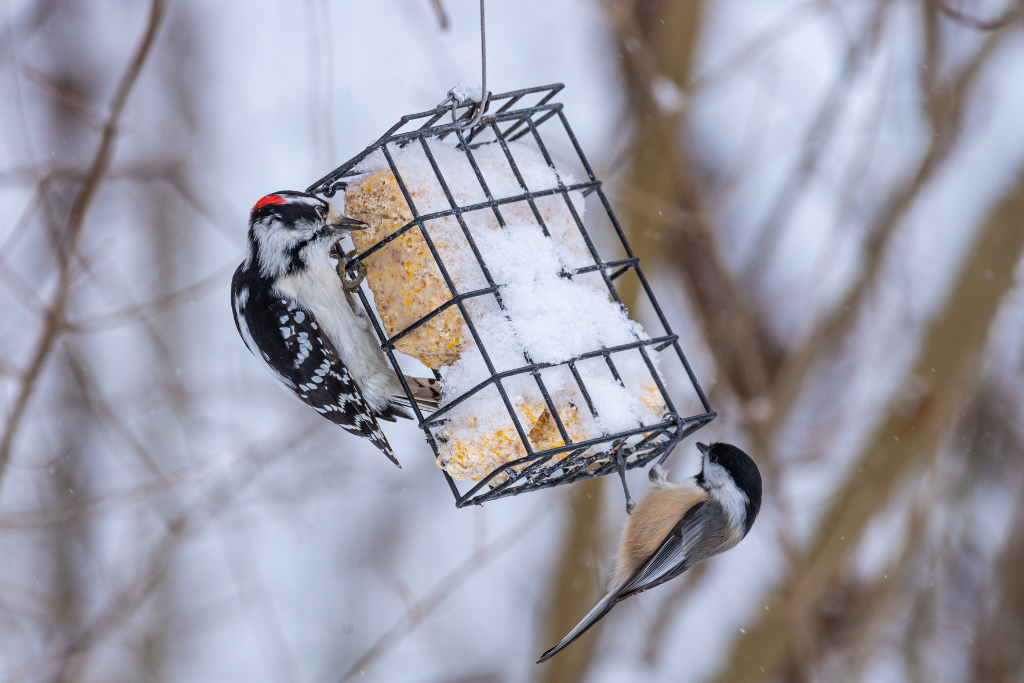
March’s Bird of the Month is the Downy Woodpecker! With their colourful feathers and lively personalities, woodpeckers make a captivating addition to any backyard. Their distinctive habit of foraging vertically on tree trunks provides endless entertainment, while their diet of insects like beetles, grubs, and ants makes them valuable natural pest controllers for garden enthusiasts. You’ll know you have Downy Woodpeckers nearby when you hear their signature “drumming” as they tap on trees or other structures. Since Downy Woodpeckers are year-round residents, they are a welcome presence in all seasons. But how can we create a backyard that’s inviting to these fascinating birds?

Offer a Variety of Food:
Downy Woodpeckers enjoy a diverse diet, foraging for insects, nuts, and berries in the wild. In your yard, they’ll appreciate offerings like suet, peanut butter, peanuts, and black oil sunflower seeds. These birds are often quite cautious, so placing feeders and water sources in quieter corners of your yard, especially near mature trees, will help them feel at ease.

Make sure any suet you provide stays fresh. You can break it into smaller pieces or use suet cakes packed with sunflower seeds, which they will devour quickly.

Provide Clean, Fresh Water:
While Downy Woodpeckers do enjoy visiting birdbaths, they are somewhat shy about using them. Placing them in more secluded spots is ideal. A ground bird bath with a dripper or moving water feature will catch their attention, make sure the water depth is shallow—around 1-2 inches is perfect.  Adding perches nearby will make them accustomed to the bath over time. Always keep the bath clean to avoid the spread of disease. In winter, it’s essential to offer heated bird baths so the birds have access to fresh water even in freezing temperatures.

Create Safe, Secure Sheltering and Nesting Areas:
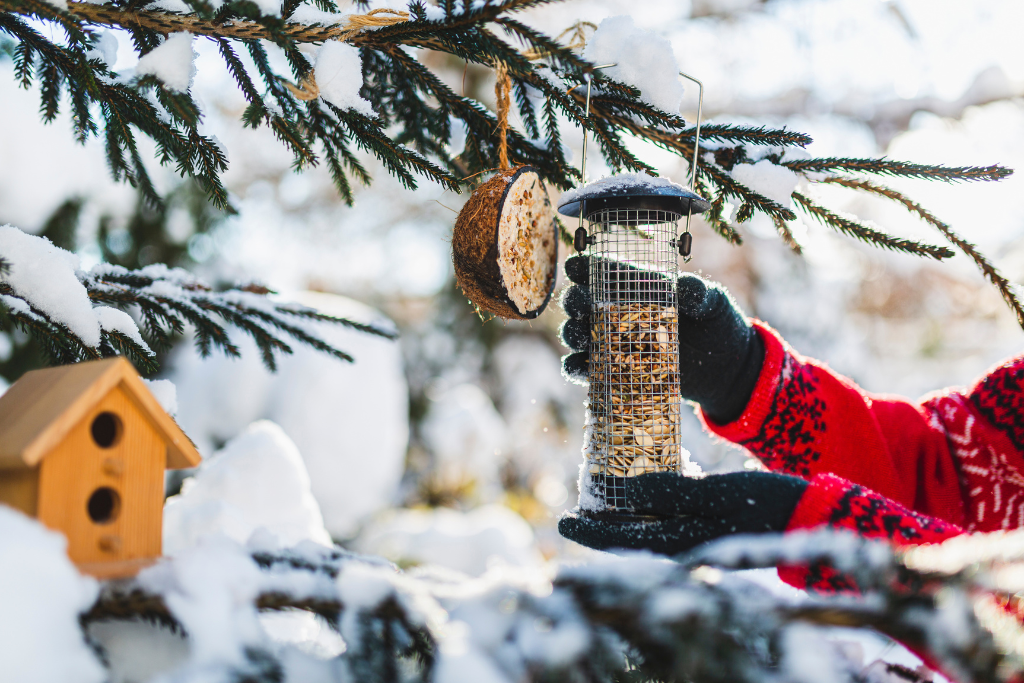
Downy Woodpeckers thrive in small, wooded spaces surrounded by mature trees, with the added benefit of shrubs, especially those with berries. They nest in tree cavities but will also appreciate a well-positioned birdhouse with an entrance hole suited to their size, mounted 10-20 feet above the ground.

Attracting Too Many Woodpeckers
While it’s a joy to host woodpeckers in your yard, sometimes, these birds can cause problems. If they begin pecking at wooden siding, eaves, fences, or even chimneys and downspouts, the damage can be significant. To prevent this, repair any damage and cover the area with wire mesh or netting to deter further pecking. Hanging reflective items near the problem area can also help prevent woodpeckers from targeting inappropriate surfaces.

By providing these woodpecker-friendly resources, you can enjoy the company of these energetic and charming birds while keeping them safe and content in your backyard.