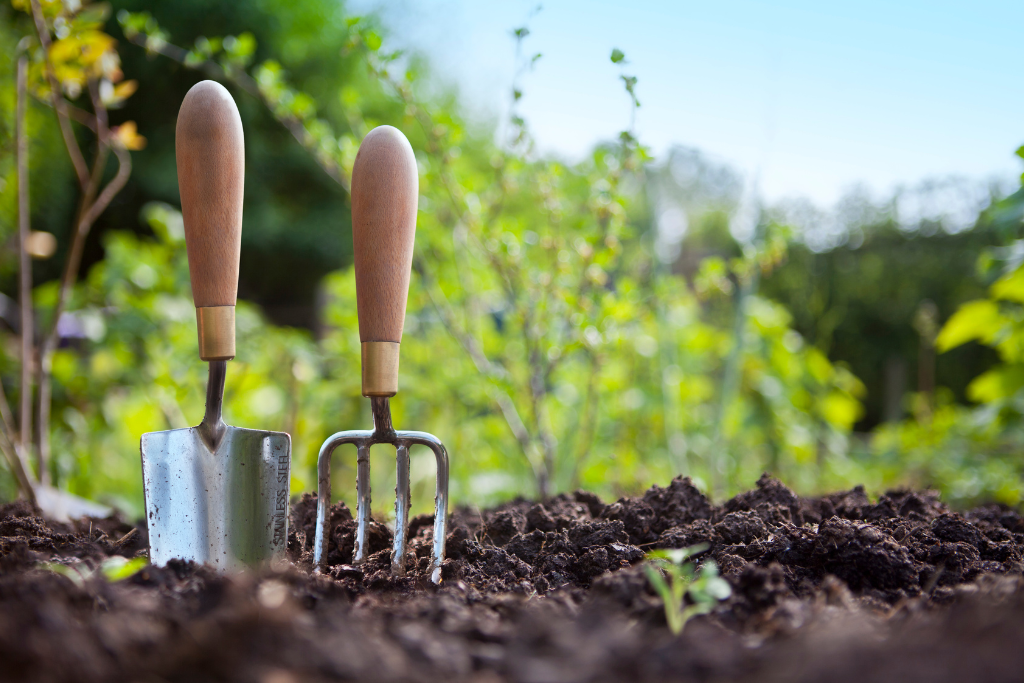
Do you want to learn something new this spring and summer? Gardening is a fun and rewarding hobby! If you’re unsure where to start, no problem! Whether you’re trying to grow fruits and veggies or add some colour and curb appeal to your home, these seven simple gardening tips for beginners can help:
- Site it right – Gardening is all about location. When deciding where to put your garden plot, it’s essential to know if the area is “full sun,” “full shade,” or a combination of both. This information can help you determine which plants to place in which areas.
- Plan your garden – Sitting down and planning your garden is a great starting point. It is important to choose the right plants for your space and avoid overcrowding. Many plants, including fruits and vegetables, need six hours of sun daily to thrive, while others are better suited to areas with little light. If you are thinking of putting your garden in a spot that will get lots of sunlight, consider planting perennial plants (plants that return every year) like dahlias, roses, peonies, and lavender. Fruit trees and vegetables also thrive in sunny spots. If your garden will sit in a shaded area, consider plants like ferns, hydrangeas, sweet woodruff, hostas, and azaleas. Be sure to know how high your plants will grow. Shorter ones should be planted toward the front of your garden bed, with taller plants in the back to prevent blocking smaller ones.
- Test Your Soil – To thoroughly read your soil’s pH and nutrient levels, purchase an at-home testing kit available at your local Feeds’n Needs. The results will tell you how acidic or alkaline your soil is, which affects how plants absorb nutrients. Since different plants thrive in different pH levels, this test will help you decide what to plant or indicate how you should treat the soil.
- Invest in the Proper Gardening Tools – Visit your local Feeds’n Needs to pick up the essential gardening tools needed to start your garden.
- Learn Your Frost Dates – Planting too early (or late) in the season can set you up for disaster. Starting a garden before the season’s last frost is a mistake many new gardeners make. You need to know your area’s last average spring frost date so you don’t accidentally kill plants by putting them out prematurely, especially if you’re growing frost-sensitive plants. It’s also good to know your first average fall frost date to get your plants harvested or moved indoors before late-season cold damages them.
- Add Some Mulch – Consider adding 2-3 inches deep of mulch around the base of each plant. This will help reduce weeds and moisture loss through evaporation, so you have to weed and water less often. You can also put down straw, shredded leaves, pine straw, or other locally available material.
- Feed Plants Regularly – Watering and fertilizing your garden should become a regular part of your routine during the spring and summer. Knowing when and how to water plants seems easy, but it is often done incorrectly. Generally, water the root rather than the leaves, as the roots absorb the water. Depending on how much rain your area receives, you should head out to your garden at least once a week to water your plants. Once every two weeks, fertilize your garden, we recommend Seaboost to help grow healthy, vibrant plants. When diluted, this concentrated liquid can be applied by watering can or spray equipment.
These are just a few tips for starting your gardening journey. If you want more specific advice or plant recommendations, visit your local Feeds’n Needs and ask one of our Experts. Happy gardening!
Sources:

How to Successfully Grow a Vegetable Garden
Planting and maintaining your own vegetable garden takes time and care but is a fun, satisfying way to bring nutritious foods to your family’s table. If you are not sure where to start, below we share a step-by-step guide to growing a successful vegetable garden!
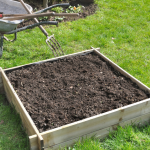
Step 1: Plan
Plan out your garden. Choose a spot that gets full sun, at least 6 hours a day (8 to 10 hours is even better). Start small if this is your first garden; anything over 1 m x 1 m may require more time than you are prepared to commit. After your first successful year of gardening, you can always add to your garden to make it larger.
Step 2: Remove Rocks and Debris from Soil
Remove any rocks, roots or debris from your soil and use a garden fork or spade to break up the soil to a depth of at least 15-20 cm. Using the fork, add a layer at least 5 cm deep of Grampie’s Super Soil and work it in to help stimulate root growth and ensure that you get the very best produce and herbs in your garden.

Step 3: Plant Your Seedlings
Plant your vegetable or herb seedlings. Keep in mind how big your plants will grow, and plant taller plants on the north side of the patch. Ask your Feeds’n Needs Experts for helpful tips on spacing your seedlings depending on what vegetable you are planting. Inspect your garden for weeds, pests and diseases at least twice each week. Pull weeds by hand, identify any pests and use an appropriate pest remedy before the problem becomes serious. Be sure to remove any diseased plant parts promptly to avoid affecting others.

Step 4: Feed Vegetables with Fertilizer Every 2 Months
Feed your garden every 2 months with 6-12-12 fertilizer or 10-10-10 fertilizer. Alternatively, apply water-soluble fertilizer approximately once every second week. During your next visit to your local Feeds’n Needs, ask our Experts what water-soluble fertilizer they recommend for your vegetable garden!
Step 5: Water as Needed
Water slowly with very little pressure so that the water has a chance to sink into the soil rather than running off. Water the soil rather than spraying the leaves of the plants, ideally in the very early morning before the sun becomes intense. Depending on the temperature, wind, soil type, spacing and type of plants, watering is usually required every second day unless it rains. If in doubt, stick your finger into the soil past the first joint and water if it feels dry.
Materials you will need:
- Plants, vegetable seeds or bulbs of your choice
- Grampie’s Super Soil
- 6-12-12 Fertilizer or 10-10-10 Fertilizer
Tools you will need:
- Shovel
- Garden hoses
- Fork or Spade
Sources: How to Grow an Organic Vegetable Garden | The Home Depot Canada
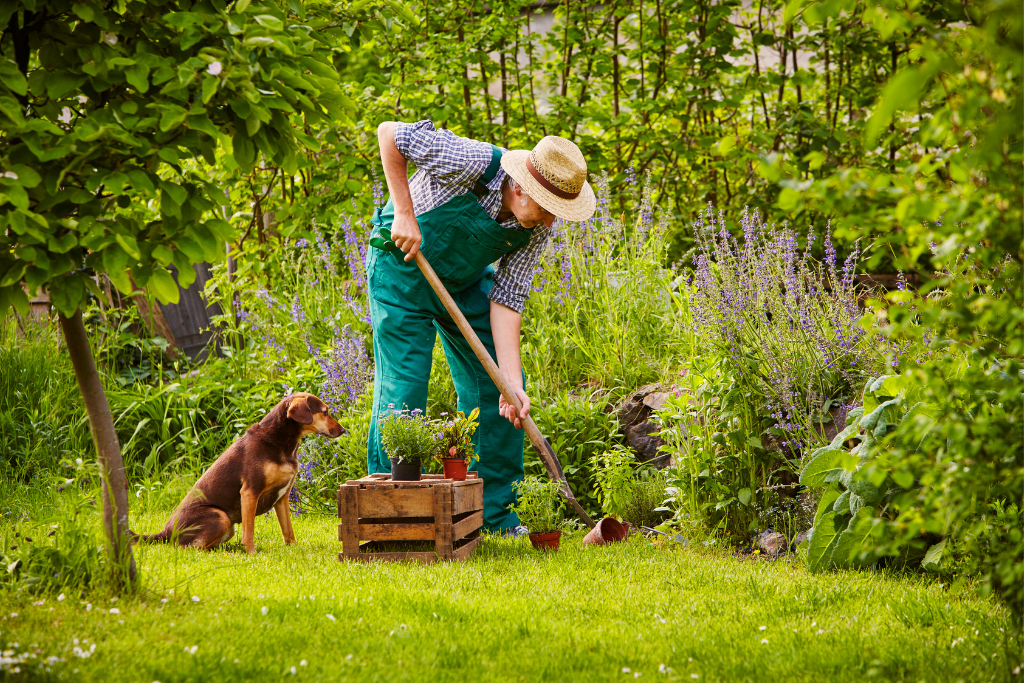
Springtime Garden Pet Safety
Gardening season is upon us, and for us pet owners, that means we need to be aware of how to keep our pets safe from hazardous spring plants! There are few effective treatments for toxic plant ingestion, so it’s important to know the potential dangers spring plants can have on our furry friends.
Most common toxic spring plants:
- Tulips, Daffodils, Narcissus, and Hyacinths – The skin at the bottom of bulb flowers is dangerous to both dogs and cats, but they are especially toxic to dogs. Make sure your dog isn’t digging up the bulbs in the garden! If ingested, it can cause vomiting, diarrhea, and drooling.
- Lilies – These are highly toxic to cats. The pollen, leaves, stems, and even the water in a vase can cause kidney failure, even small ingestions such as 2-3 petals or leaves.
- Irises – These are considered toxic to both dogs and cats. All parts of the iris contain harmful components, but the bulbs are the most dangerous part. If your pet ingests an iris, it can cause vomiting, diarrhea, and drooling.
- Begonias – The underground stem can cause severe mouth irritation for both dogs and cats.
- Buttercups – These flowers can cause your pets to have an upset stomach if ingested.
- Crocus – The spring Crocus may cause gastrointestinal upset like vomiting, diarrhea, and drooling if any part of the plant is ingested by dogs or cats.
- Lily of the Valley – This plant can cause symptoms such as vomiting, diarrhea, a drop in heart rate, severe cardiac arrhythmias, and possibly seizures.
It’s also important to be mindful of fertilizers as these often contain bone, blood or feather meal which ingesting in large quantities can cause vomiting and diarrhea. Next time you visit your local Feeds’n Needs store, be sure to ask our Experts for advice on safe fertilizers to use as a pet owner! You can also keep your curious furry friend away from the garden by fencing it off.
Educating yourself about these springtime hazards will help you, and your pet enjoy your backyard with no worry!
Sources:
Springtime Hazards: Protect your Pets From Toxic Plants | 24Petwatch
Spring Dangers To Pets | Pet Poison Helpline

How To Sprout Your Own Seeds
Sprouting seeds is an easy way to start growing plants indoors in the springtime, then you can plant them in soil once the roots appear. If it is warm enough to plant outside, you can plant seeds directly into the garden soil.
What you’ll need:
- Ruler, small shovel or garden trowel
- Garden gloves
- Vegetable seeds
- Compost or garden soil
- Paper towels
- Plastic baggie
- Water marker
Planting Indoors:
- Lay 1 to 3 seeds on a square paper towel.
- Fold one side of the towel over the seeds and dampen the paper towel. Use a spray bottle if you have one—you don’t want it to soak it!
- Put the paper towel in a clear plastic baggie and seal it.
- Write the name of the plant and the date on the front of the bag. Put it in a warm, sunny spot.
- Keep an eye on it! Once roots appear, you can plant it in the garden or a pot in a sunny window.
Planting Outdoors:
- Find a space in the garden to plant your seeds. If it’s still too cold to plant outdoors, you can plant them directly into the soil in a pot kept in a sunny spot in your house.
- Look at the back of the seed packet to see how much room each plant will need. Use your ruler to see how many seeds you can plant in your area.
- Put on your gloves and mix some compost or bagged garden soil in with the soil in the ground.
- Dig a shallow line in the soil, then drop in the seeds. Gently cover with dirt and water the row.
- It may take a few weeks before you see any growth, but don’t forget to water and weed the planting area!
Be sure to write down when you first see roots, when the first leaves appear, which plants seem to be growing faster, and more as this will help you with future garden planting!
Sources: Sprout Your Own Seeds | Miracle-Gro Canada (miraclegro.com)
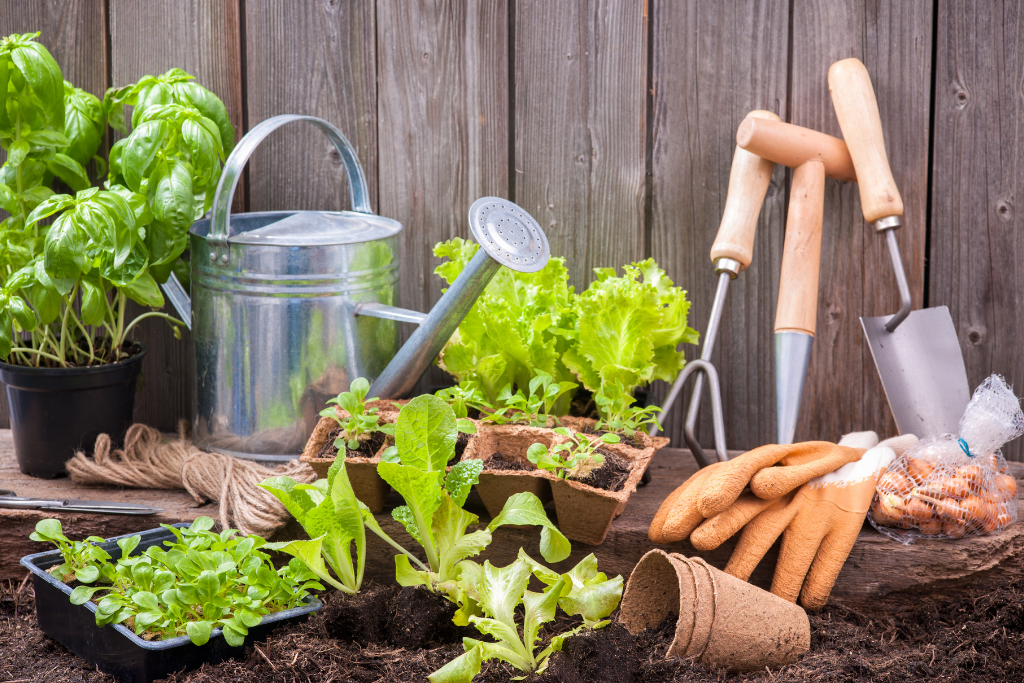
Garden Planning for Spring and Summer
Is garden planning on your to-do list this spring and summer?
Deciding what to grow in your garden is one of the most essential steps in gardening; sometimes, it can be the most challenging too. If you focus on the three main keys to success, you can’t go wrong: available sunlight, soil type, and climate.
1. Available Sunlight:
When trying to figure out what area you want to plant your garden, ask yourself, does it get at least 6 hours of direct sunlight per day? If it does, consider it a sunny spot; if it doesn’t, consider it a shady spot.
2. Soil Type:
Every plant prefers a specific type of soil. A great way to improve overall soil is to mix 3 inches of All Purpose soil into the top 6 to 8 inches of your existing garden soil.
3. Climate:
Climate is another crucial aspect to consider when deciding what to plant in your garden.
When discovering which plants fit your specific growing conditions, visit your local Feeds’n Needs store; they can provide helpful tips and tricks to help get your garden prepped for the growing season.
Here are a few plant types that suit some common growing conditions:
- Shade – ferns, hydrangeas, sweet woodruff, hostas, azaleas
- Sun – fruit trees, vegetables, daylilies, roses, ornamental grasses
- Heat – angelonia, coneflowers, sage, oregano, prairie natives, cactus
- Pots – annual flowers, bush-type edibles, herbs, perennials
Growing in containers is a great way to create custom growing conditions. Not only can you move them around to get more (or less) sunlight and choose to keep them indoors or outdoors, but you can also customize your soil.
The bottom line on choosing what to grow depends on how much elbow grease you’re willing to invest in keeping plants happy.
Sources: Making the Decision on What to Grow in Your Garden | Miracle=Gro (miraclegro.com).
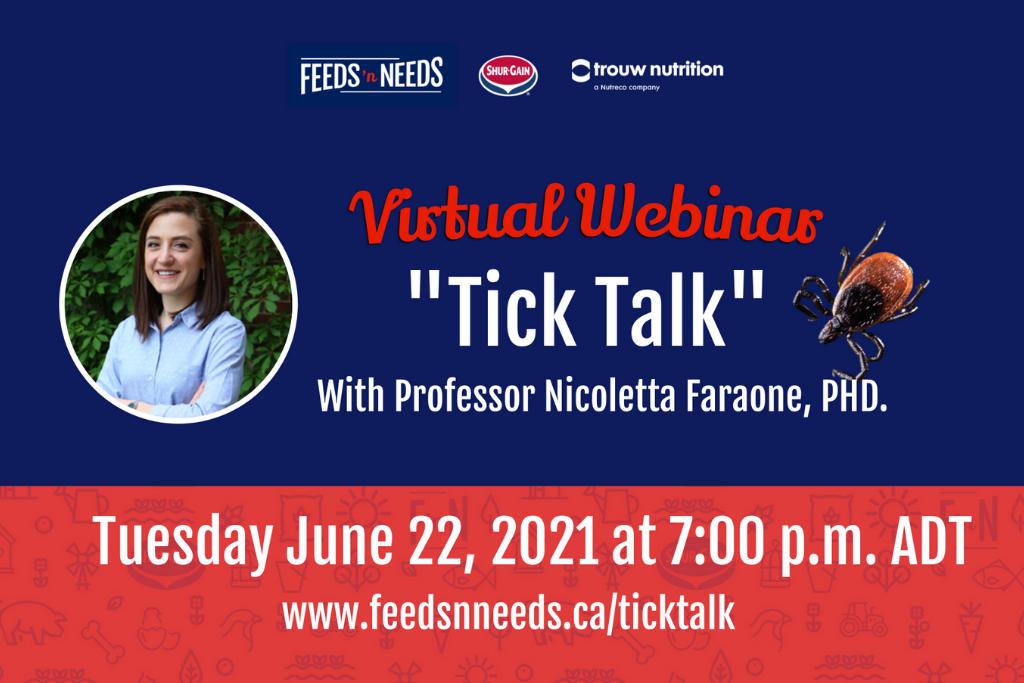
Watch our Tick Webinar Recording with Dr. Nicolette Faraone
We were fortunate to have Dr. Nicoletta Faraone, PHD. join us for a tick webinar to teach us all about tick safety and prevention! Dr. Nicoletta Faraone is an assistant professor at the Chemistry Department, Acadia University, Wolfville (NS). She teaches Biochemistry and Natural Product Chemistry. Her research focuses on studying tick chemosensory system, how ticks detect odours from hosts and how they respond to repellents. She designs and develops novel essential oil-based tick repellent products. In this one hour long webinar, customers had the chance to learn from Dr. Faraone and ask their questions. If you missed the live webinar, you can watch the recording below!
For more Expert Advice on products we carry to protect your pets, click here.
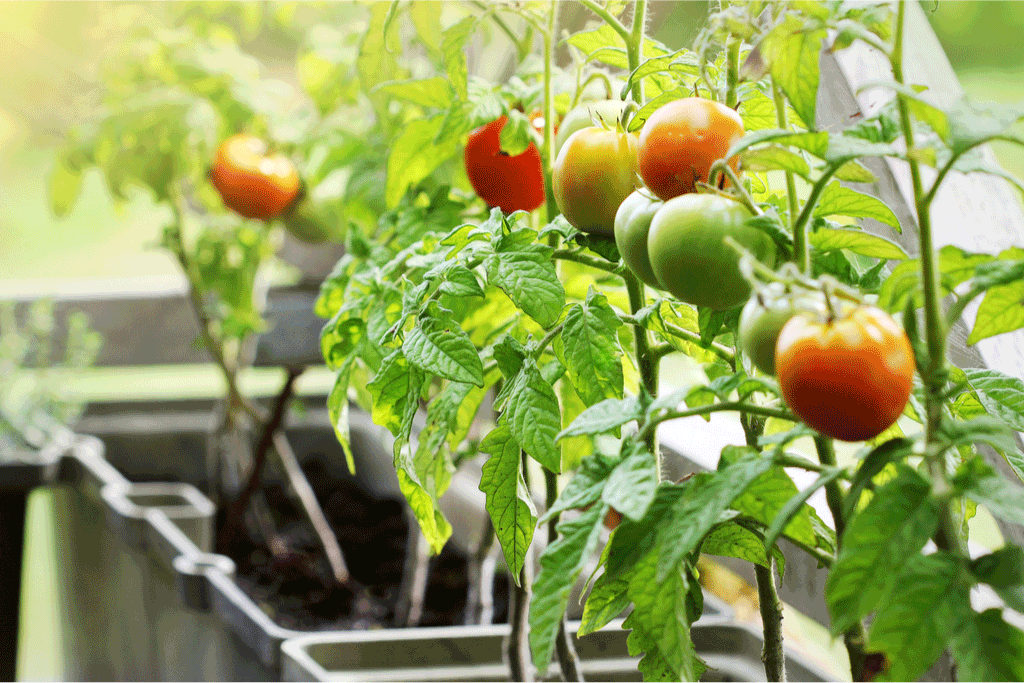
What Type of Garden Best Suits Your Needs?
Are you interested in starting your own garden, but aren’t sure where to start, and what type of garden would work for you? Here we’ll share information about different types of gardens, and hopefully help you choose the type that best suits your needs!
Edible Gardens
Edible gardens are perfect for those who want to grow their own fruits and vegetables! The great thing about this kind of garden is that it doesn’t have to be complicated and you can do it in containers that you already own! If you are in an apartment and have a balcony, you can still grow edible plants like tomatoes, herbs, and even edible flowers.
Urban Gardens
Urban gardens are great for those who have access to a small years, balcony, or roof. They are gardens that don’t take up much space, but still allow you to perk up and beautify a small space to grow certain fruits or veggies. Be cautious of rooftop gardens, as you must take into account the weather conditions that could vary depending on the height of your building. Choose plants that can thrive in light, strong winds, and heat.
Environmental Gardens
There are many types of environmental gardens, you just need to find the type that interests you the most and matches your gardening goals!
Pollinating Gardens
Pollinating gardens contain a multitude of plants, flowers and shrubs which attract the insects and animals responsible for pollination. Some familiar friends you may find in these types of gardens are garden butterflies, bees and birds, to name a few.
Wildlife Garden
The wildlife garden attracts small animals and insects and allows them to survive on the plants and flowers found there.
Japanese Gardens
Japanese gardens, unlike other types of gardens, remains simplistic in its design. Water is an important part of this type of garden, such as streams or ponds. If you have a large lot, you could even add bamboo features like a bridge or create stone trails for some extra design added to your space! These gardens are relaxing, and will allow you to have a zen space only a few steps from the house.
Water Gardens
If your property allows, a water garden can add a peaceful and original touch to your backyard. Whether it’s a small pond, or a waterfall, you will be sure to find many kinds of moisture-loving aquatic plants, like water lilies and cattails. Not all fields however can accommodate this type of garden of course. It’s important to check with your municipality to make sure the project is doable !
Tropical Garden
Tropical gardens are surprisingly easy to create and feature many famous plants, such as Geraniums and Cannas or even palm trees (although you likely aren’t seeing these anywhere in the Maritimes). If you want a colourful and original garden, this might be the perfect type for you! However, make sure you have the space to plant several species of plants for added diversity to your garden.
Woodland Gardens
A woodland type of garden consists of a wooden garden which groups together trees and wildflowers. It is the perfect kind of garden if you have a rather shady space because the plants they have thrive well without direct sunlight.
In conclusion, there are a ton of different types of gardens, you just need to choose the one that you find yourself most passionate about and that best meets your needs and gardening goals! Of course, when you are developing a garden, it’s important to take into account the space you have available and the type of soil on your land. Budget correctly to ensure you have the materials required for whichever design you choose. Big or small, we have everything you need to get equipped with starting and maintaining your garden! Ask one of our Experts in-store to know how we can get you started!
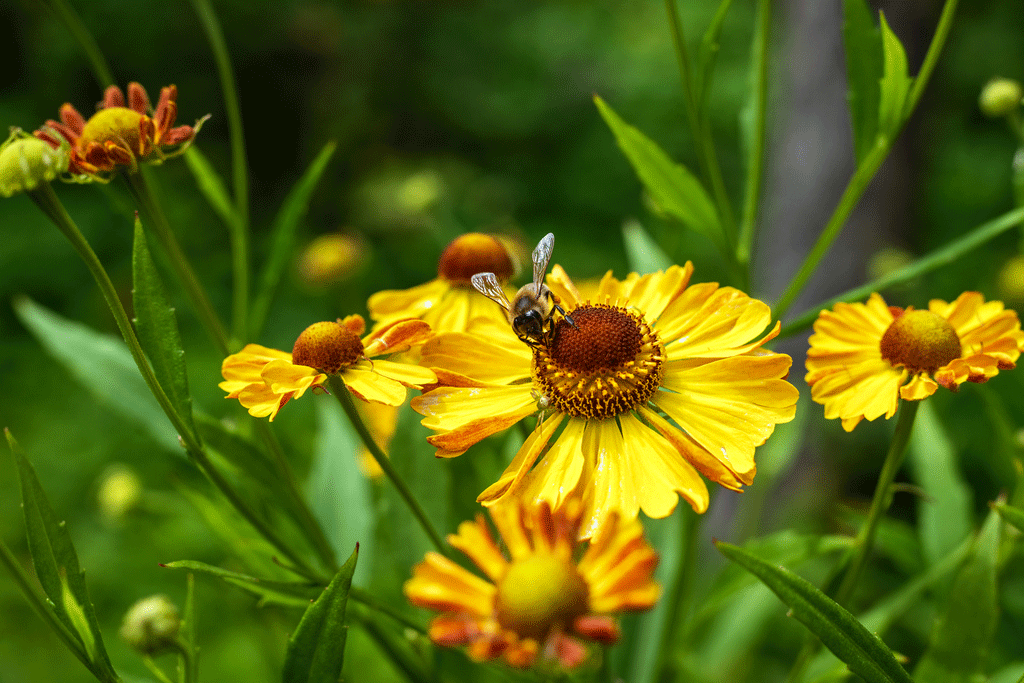
How to Help Endangered Bees in Your Garden
It is a well-known fact that for several years now, bees are in serious danger of extinction. This could have serious consequences for our diet at the planetary level. If you want to help the bees in your garden in your own way, here are a few things you can think about to help #savethebees!
Plant wild flowers and fruit shrubs
Wildflowers are excellent for feeding bees and giving them the nutrients they need to survive. Experts suggest planting varieties that are native to your region. Here are a few examples of helpful wild flowers and shrubs to sow in your garden:
- Lilacs
- Red clovers
- Blueberries
- Poppies
- Blackthorns
- Rosehips
Install a small garden pond nearby
Having a water point not far from the garden will allow bees to hydrate! By drinking the water, the bees dilute the honey that is used to feed the larvae in the hive. If your space is rather limited (if you only have a balcony, for example) you can use small plates, giving the insects an ability to drink water without the risk of drowning.
Planting organic seeds of honey plants
In your garden, try using organic seeds and sowing honey-like plants. These contain high quantities of pollen, nectar, and protein that bees use for pollination. Try to diversity your selection of plants and flowers, so that bees are spoiled for choice when pollinating! Here are some examples of flowers and plants that bees like:
- Rosemary
- Dahlia
- Lavendar
- Cosmos
- Lilies
- Yarrow
Additionally, it’s recommended to keep a space in your garden where you do not mow the lawn too often. A more “wild” type lawn allows flowers to develop and bees to forage at their ease.
Don’t use herbicides or pesticides in your garden
This argument goes without saying if we want to protect the bees. Pesticides and herbicides are very harmful to this species and is often the leading cause of death amongst the bee population. If bees forage on a plant that is covered in pesticides, it won’t survive. There are several more environmentally friendly alternatives when it comes to removing unwanted elements from your garden. Ask us what products we offer in-store to help!
All of these small gestures will allow you to create an environment favorable to pollination and will provide all of the elements necessary for the survival of the bees that you find in your own backyard. Don’t hesitate to inquire with us in-store for more advice on the bees and their well-beeing. See what we did there?
Sources :
https://planetehealthy.com/15-gestes-adopter-sauver-abeilles/
https://www.comment-economiser.fr/8-gestes-simples-et-efficaces-pour-aider-les-abeilles.html


