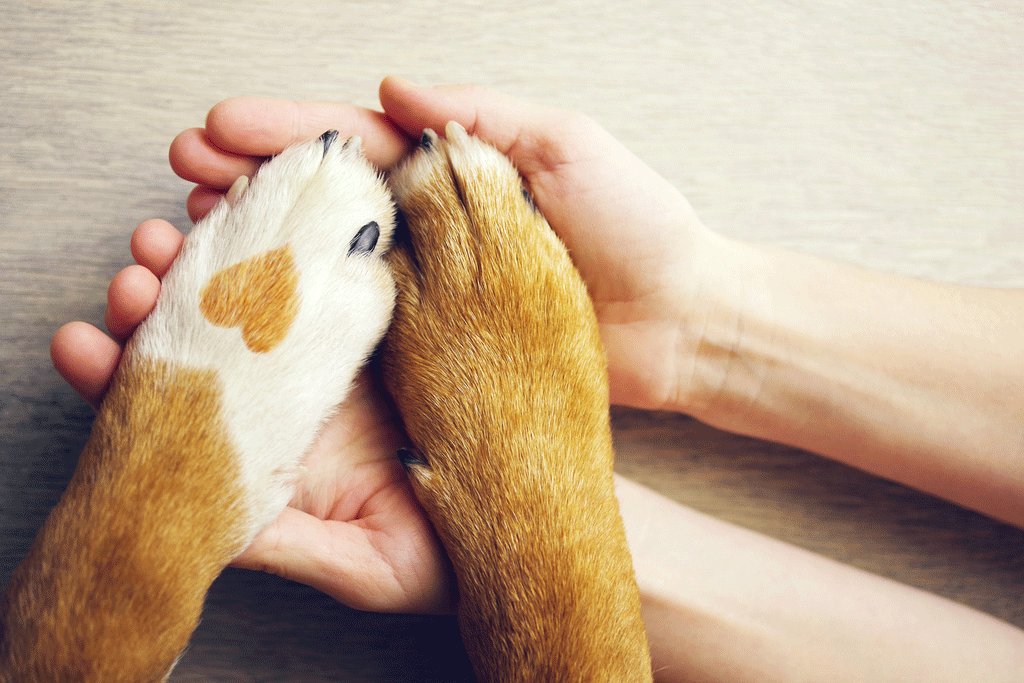
Believe it or not, the pads of your dog’s paws are similar to the palms of your hands, while we humans know what we need to do to keep our hands and skin healthy throughout the changing seasons, our dogs need some extra help from you to do the same to ensure a better quality of life.
The pads
To prevent your pup’s pads from cracking and drying out, applying a pet-friendly moisturizer (yes, they exist!) or preventative can be so helpful when it comes to protection against even minor weather conditions. It is important to get into the habit of examining your dog’s paws and pads after every outing to double check for small rocks, cuts or scrapes that may have occurred after an adventure. Pay close attention to your dog’s walk to make sure he or she is not limping, which may be a sign of a recent ailment.
Additionally, during the summer months, it’s still important to take the extra minute to do a quick rinse of your dog’s pads after every outing with water and patting them dry. You can never be too safe! Whether the outside temperature is hot or cold, you can take additional precautions with your pet by using boots to add an extra layer between the pavement and your pet’s pads.
In the summer, asphalt can be more dangerous for your pet than you may think. Even if you think the air is comfortably warm, the ground can get much hotter than the surrounding air as it absorbs heat quickly. An easy way to test if the pavement will be too hot for your dog is to do the “seven second test” by simply touching the pavement with the back of your hand for seven seconds. If you can’t hold it for the duration of seven seconds, you can guarantee the pavement is too hot for your dog’s paws. Try to keep to the grass when outdoors, and stick to either morning or evening walks when the temperature is more comfortable for your pet.
Claws
How often do you trim your dog’s claws? If your response isn’t “regularly”, you may need to do it more frequently. Settle your dog in a calm environment where he or she feels comfortable. Be sure to have lots of treats on hand to give them during the trim as a reward. It may be beneficial to get them familiar with the tools required for trimming, such as the clipper for example. Although it may be tempting to trim their claws while they are sleeping, surprising them in such a way will make your dog associate the clippers negatively, making it increasingly more difficult to keep them calm when they are in need of a trim!
When you are trimming the claws, it’s important to trim them roughly, no need for them to be perfect! It’s also worth noting that you should be careful not to cut them too short. Make sure that the vein (pink part of their claw) is not affected when you are trimming. One way to ease your dog into this is by getting your dog used to you handling his or her paws. Pick them up, take a look at their pads and claws and keep giving them treats for good behaviour while you are getting them used to the contact.
One tip to keep their claws in good condition: play with your dog on a hard surface, such as asphalt or concrete (when the temperature is safe, of course!). This will allow the claws to file down naturally, allowing a bit less maintenance. For optimal comfort, it’s recommended you trim your dog’s claws at least once a week.
Taking care of your dog’s paws will greatly improve their mood and comfort, remember to check them often and always contact a veterinarian if a problem arises!
Sources:

Helping Your Dog When You Are Out
Does your dog suffer from separation anxiety when you leave them? Separation anxiety is a behavioural disorder in dogs that have trouble dealing with the absence of their owners. It’s common in dogs who have had more than one home in their lives or when they are puppies. There are many ways to tell if your pet may be experiencing separation anxiety. A few common symptoms may include coming home to destroyed objects, attempts to escape, defecating either in your home or in their crate, excessive barking, crying, or coming home to wounds that they may have given themselves from biting. Check out our tips on helping your dog when you are out.
How can I tell if my dog is anxious?
One helpful way to determine if you have an anxious pup is by filming them when your dog is home alone. This method will help you discover your dog’s home-alone habits. In consultation with your dog’s vet or behavioural expert, you could determine if your dog can be diagnosed with separation anxiety or help get to the root of the problem. Consulting with an expert is important, as your dog could show symptoms of other potential behavioural problems, not solely separation anxiety.
Helping your dog when you are out
Here are a few FnN #ExpertAdvice tips that can help gradually reduce your dog’s separation anxiety.
Separation disorder happens more often than not when a dog has lived in more than one or other homes throughout their life or if you live alone with your dog. Unfortunately, there is no cure-all for the disorder, but there are actions you can take to help your dog stay calm when you are gone.
- If you have a younger dog, it’s important to allow them to get used to your absence as soon as possible by providing them with a quiet and safe place where your dog will be sure to be comfortable. Feed them and ensure they have water, and leave a few different types of toys around so they can keep occupied while you’re gone.
- Some people find it helpful to leave either the television, radio or music on when the dog is alone, so they are not left in complete silence and have some background noise.
- It’s easy to want to tell your dog goodbye and that you will be right back, and because you missed them so much while you are gone, rush home to greet them immediately upon re-entering your home. As tempting as this is, it is better to wait at least 20 to 30 minutes to engage with them to allow your dog to gradually decrease its reaction to seeing you, leaving them in a calmer state.
- Without leaving, put your coat on, lace up your shoes or handle your keys. This will prevent your dog from associating these gestures with your departure.
- If the dog roams freely in your house, offer them different areas where they can rest and relax throughout your home. Sometimes a crate may not be the best solution to the problem. Some dogs like tight spaces, but for others, it may induce more anxiety if they feel too cramped. If you are ever concerned about letting your dog roam while you are gone, a diaper may be a good solution for them (yes, a diaper!). Some are designed specifically for dogs and can help with unexpected surprises when you get home.
Separation anxiety is a behavioural disorder that should be taken seriously with dogs because it is a constant state of panic that could be affecting their overall general health. Consider consulting with an Expert or an animal health professional to find the right solution for your situation!


