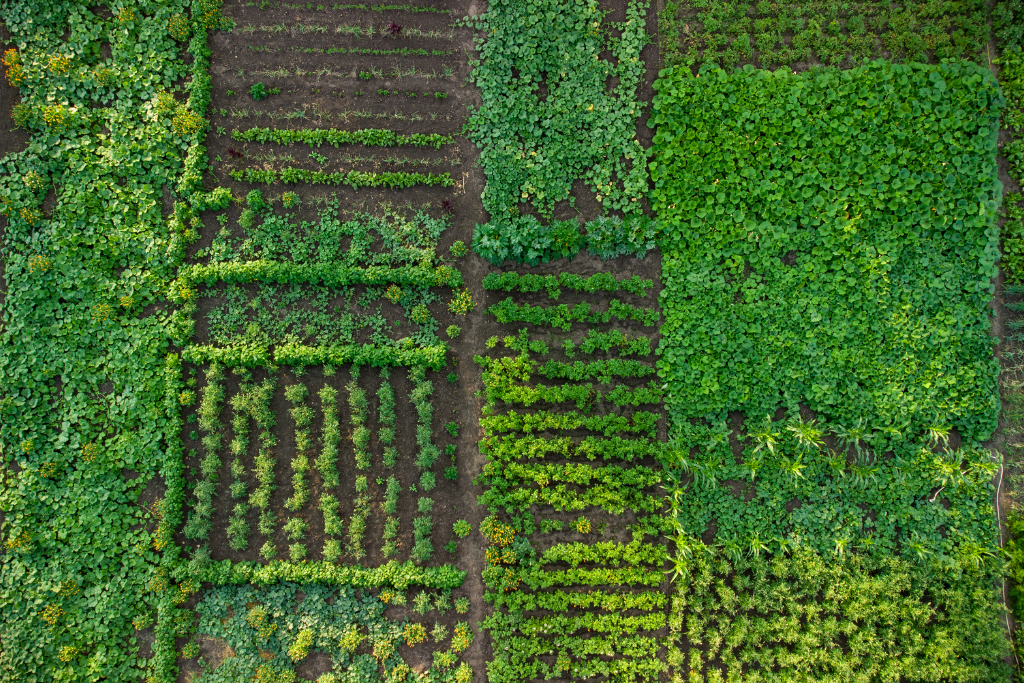
Planning your garden layout is one of the most exciting steps in kicking off a new growing season. Whether you’re a first‑time gardener or expanding an existing space, a thoughtful layout helps you grow healthier plants, save time, and enjoy a more productive garden all season long. Here’s what to consider as you map out your perfect garden.
- Sunlight: The Most Important Factor
Most vegetables and flowers need 6–8 hours of sunlight each day. Spend a day observing your yard to see where the sun falls in the morning, afternoon, and evening.
- Place sun‑loving plants (tomatoes, peppers, squash, herbs) in the brightest spots.
- Save shadier areas for greens and cool‑season crops like lettuce, spinach, kale, and peas.
- Soil Quality & Preparation
Healthy soil is the foundation of a thriving garden.
- Test your soil or simply observe texture: is it sandy, clay-heavy, or rich and dark?
- Add compost or organic matter to improve drainage and boost nutrients.
- Consider raised beds if your soil is difficult to work with—they warm faster in spring and offer great control.
- Water Access
Make watering simple.
- Choose a location close to a hose or rain barrel.
- Avoid layouts that require dragging hoses around obstacles.
- Plan for even watering—group plants with similar moisture needs together.
- Pathways & Access
Think ahead to weeding, harvesting, and daily care.
- Leave comfortable walking paths between rows or beds.
- Avoid planting too tightly—good airflow prevents disease.
- Make sure tools and wheelbarrows can easily reach your garden space.
- Plant Spacing & Growth Habits
Different plants have very different sizes and shapes once mature.
- Place tall crops like corn, sunflowers, or trellised peas on the north side so they don’t cast shade over smaller plants.
- Give sprawling plants (squash, pumpkins, cucumbers) plenty of room—or grow them vertically on trellises to save space.
- Follow spacing recommendations on seed packets for best results.
- Garden Layout Style
Choose a layout that fits your space, goals, and lifestyle:
Rows
Traditional, easy to maintain, and great for larger gardens.
Raised Beds
Excellent organization, improved drainage, and reduced bending.
Square‑Foot Gardening
Maximizes yield in small spaces with neat, efficient planting grids.
Container Gardens
Perfect for decks, patios, and renters—grow herbs, greens, tomatoes, and more.
- Companion Planting
Pairing compatible plants can boost growth and deter pests.
- Basil with tomatoes
- Marigolds near almost anything to help reduce pests
- Carrots with onions to discourage carrot flies
- Wildlife & Pest Considerations
Consider fencing or natural deterrents if you share your space with deer, rabbits, or raccoons.
- Raised beds, row covers, or simple fencing can protect young seedlings.
- Native plants nearby attract beneficial insects like bees and ladybugs.
- Plan for the Future
A good garden layout grows with you.
- Leave room for new crops you may want to try next year.
- Consider where perennials (strawberries, rhubarb, herbs) will live long-term.
- Think about adding compost bins, rain barrels, or a tool area.
Ready to Start Planting?
A thoughtful layout sets the stage for a more productive, enjoyable gardening season. By taking time to consider sunlight, soil, spacing, and long‑term goals, you’ll create a garden that’s easy to maintain and rewarding to grow.
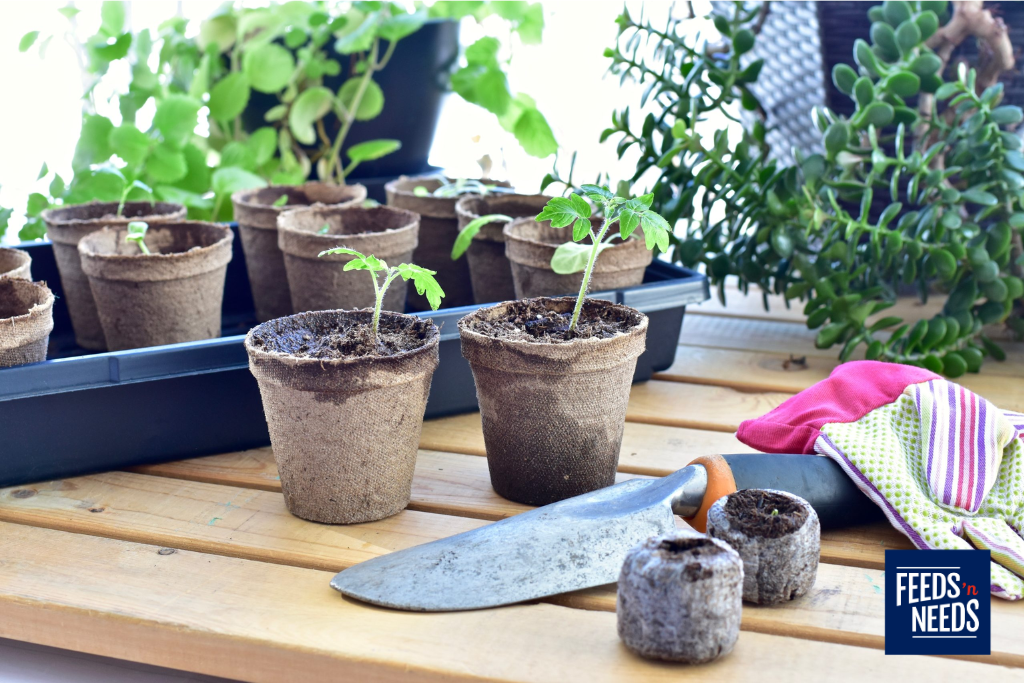
Seed Starting in Spring: What to Start & When
Seed Starting Guide for Atlantic Canada: What to Plant and When
Spring is the perfect time to get a jump on your garden by starting seeds indoors—especially in Atlantic Canada, where our last frost typically lands in early to mid‑May.
What to Start Indoors (and When)
Here’s a simple timeline based on regional planting calendars:
Early March
Start longer-season veggies like onions and leeks, which benefit from early indoor sowing. Both can be started in early March and transplanted outdoors in May.
Mid-March
This is when many popular garden plants can be started indoors, including:
- Basil (germinates in 5–21 days; transplant early June)
- Cabbage
- Celery (for experienced growers—germinates slowly)
These plants appreciate a few extra weeks of indoor warmth before heading outside.
Late March to Early April
As days brighten, start quicker growers like broccoli, bok choy, zinnias, marigolds, and other annual flowers to enjoy a colourful early-summer display. Many flowers—like zinnias and marigolds—are commonly started this time of year in cold climates.
Direct Sowing Outdoors
Once frost danger has passed—around mid-May in much of Atlantic Canada—you can directly sow hardy crops like:
- Carrots
- Beets
- Arugula
These can be seeded outdoors shortly after soil becomes workable.
Final Tips
- Always check your seed packets—they’re your best source for timing guidance.
- It’s better to plant a little later than too early, especially in cooler regions.
- If in doubt, base your schedule around your local last frost date to keep seedlings healthy and on track.
Stop into Feeds’n Needs to ask our experts for all your gardening needs.
More information about local frost dates: Canada Hardiness Zones Frost Dates | Veseys
Growing from Seeds | Veseys

Types of seeds: Heirloom, Hybrid, Open Pollenated
When planning your garden, the type of seeds you choose influences everything – from flavour and appearance to how well your plants grow and whether you can save seeds for next year. Here’s a simple guide to help you understand the main seed types and how they connect to seed saving.
Heirloom Seeds
Heirloom seeds come from plant varieties that have been passed down through generations, often 50 years or more. Their genetics remain stable because they come from open‑pollinated plants that naturally reproduce true to type.
Why gardeners love them:
- Amazing flavours and unique colours
- Rich history and biodiversity
- You can save seeds, and they’ll grow true year after year
Best for:
Gardeners who love tradition, character, and seed-saving.
Hybrid Seeds
Hybrid seeds are created by intentionally crossing two parent plants to produce offspring with specific traits like disease resistance or higher yields.
Benefits:
- Strong, uniform plants
- Improved productivity
- Better resistance to pests and disease
Important to know:
Hybrid seeds won’t grow true if you save their seeds. The next generation will be unpredictable, often reverting to characteristics of the parent plants.
Best for:
Gardeners who want reliability and consistent results.
Open‑Pollinated Seeds
Open‑pollinated seeds come from plants pollinated naturally by wind, insects, or animals. Their genetics are stable, meaning they will produce plants similar to the parent.
Why they’re great:
- Seeds can be saved and replanted
- Wide variety of shapes, sizes, and flavours
- Great for gardeners who want dependable results
All heirloom seeds are open-pollinated, but not all open-pollinated seeds are heirloom.
Saving Seeds: What You Need to Know
Seed saving is a rewarding way to maintain your favourite varieties and reduce gardening costs. But success depends on starting with the right types of seeds.
Best seeds for saving:
- Heirloom
- Open‑pollinated
These seeds will reproduce true to type, giving you plants that match the parent.
Seeds not recommended for saving:
- Hybrid: Hybrids won’t produce consistent offspring, so saved seeds usually lead to surprises not always good ones!
Tips for saving seeds:
- Choose healthy, vigorous plants as parents.
- Allow fruits or flowers to fully mature before collecting seeds.
- Dry seeds thoroughly before storing.
- Store seeds in a cool, dark, dry place.
Understanding seed types helps you make confident choices in your garden. Whether you love the charm of heirlooms, the strength of hybrids, or the dependability of open‑pollinated seeds, there’s a place for each in a thriving garden. And if you enjoy the idea of growing your own “garden legacy,” seed saving is the perfect next step.
References:
3 Main Types of Vegetable Seeds Explained – Food Gardening Network
Veseys Facebook Page
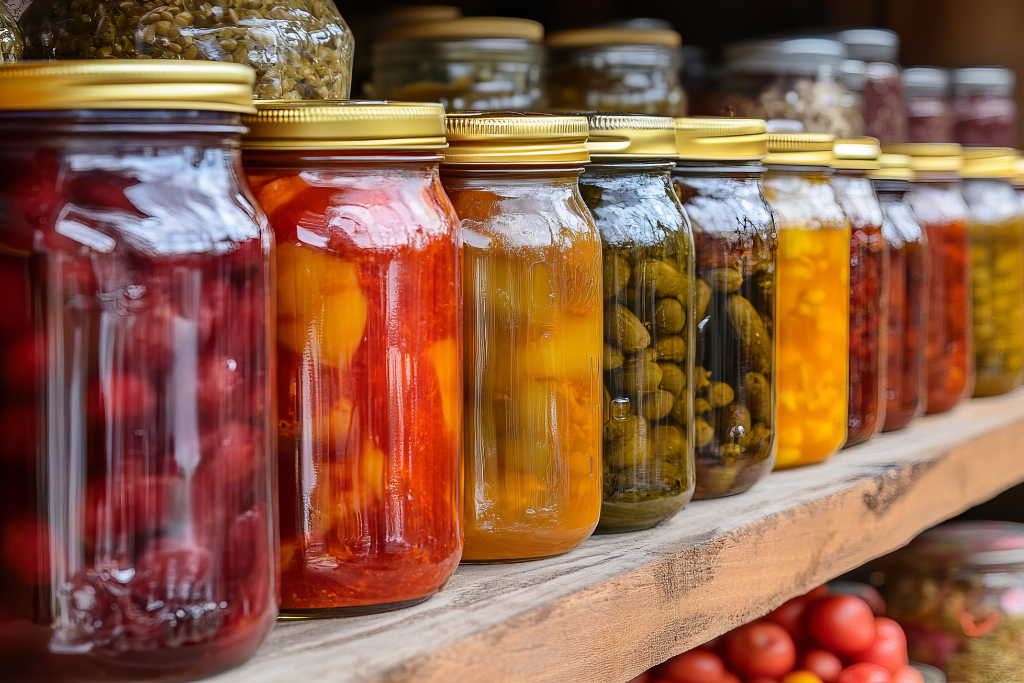
Best Vegetables to Can for Beginners
Canning is a fantastic way to preserve your garden harvest and enjoy fresh-tasting vegetables all year long. If you’re new to the process, starting with easy, reliable options can make your first season a success. Here are ten of the best vegetables to can for beginners that taste just as good months later as the day you packed them.
- Asparagus – Tender asparagus is a spring favorite that cans surprisingly well. Start with fresh, firm stalks, trim them to fit your jars, and blanch before packing. Whether you add them to salads, stir-fries, or snack straight from the jar, you’ll be glad you preserved them when winter rolls around.
- Beets – With their rich color and earthy flavor, beets are as beautiful as they are delicious. Leave a bit of stem and root when boiling to keep juices in, then slip off the skins before canning. They can be preserved whole, halved, or quartered, making them perfect for salads, side dishes, or snacking.
- Carrots – Crisp, sweet carrots hold their texture wonderfully after canning. Simply wash, peel, and cut them into slices or chunks. They’re great for soups, stews, or quick side dishes—and pulling a jar off the shelf is much easier than peeling fresh ones on a busy night.
- Corn – Fresh corn is hard to beat, and canning lets you keep that summer flavour on hand. Cut the kernels from the cob without scraping too close (to avoid tough bits) and pack them for year-round use in chowders, casseroles, and side dishes.
- Cucumbers – Cucumbers are a classic canning choice—especially for pickles. Small ones stay crisp, while larger cucumbers can be sliced into spears or rounds. With the right brine, you’ll have tangy, crunchy pickles that brighten any meal.
- Green Beans – Whether you prefer them whole or cut into bite-sized pieces, green beans are a canning staple. Just snap off the ends, rinse, and pack them in jars. They stay tender yet firm, making them a reliable side dish straight from the pantry.
- Peas – Peas might not be the first vegetable you think of for canning, but they’re a hidden gem. Shell and blanch them to lock in their bright green color, then preserve them on their own or as part of a mixed vegetable blend. Their sweet pop adds flavour to soups, stews, and salads.
- Peppers – From sweet bells to spicy varieties, peppers are versatile and full of flavor. Blister or boil them to remove skins before canning. Small peppers can be left whole, while larger ones work well halved or sliced for quick fajitas, pasta, or stir-fries.
- Tomatoes – Tomatoes are practically made for canning. Use them for sauces, soups, stews, or salsa. Blanch to slip off the skins, then choose your style—whole, diced, or puréed. Season with herbs like basil or garlic for ready-to-use flavor boosters.
- Radishes – Not just for salads, radishes shine when pickled. Their peppery bite mellows into a tangy, slightly sweet crunch that’s perfect for tacos, sandwiches, or charcuterie boards. They’re quick to grow, easy to prepare, and add something unique to your pantry lineup.
Start small and build your skills each season. With just a few jars of each of these vegetables, you’ll be stocking your pantry with homemade goodness—and you might find yourself looking forward to canning season as much as the harvest itself.

New Year’s Resolutions for Pets
We’re officially into 2025, and many of us are working hard to stick to our New Year’s resolutions. Changing out habits for self-improvement can be for more than just humans. Pets benefit just as much from setting goals for their health, happiness, and well-being.
Why Are Setting Resolutions for Pets Beneficial?
Like us, our pets need focus and attention on their health and wellness. Creating resolutions for them is a great way to monitor and improve their overall well-being, from diet to dental care and physical activity. These resolutions help keep your pets physically healthy and strengthen the emotional connection between you and your furry friend.
Dental Hygiene: Keep Those Teeth Sparkling!
Dental hygiene is a critical part of your pet’s overall health. Just like humans, dogs (and cats!) can develop plaque and tartar on their teeth. Left untreated, it can lead to painful gum disease and even tooth loss. Thankfully, there are plenty of ways to help prevent dental issues in pets. Not all pets enjoy getting their teeth brushed, but there are alternatives, such as dental treats, oral care food, and water gels, that help maintain your pet’s oral health.
A dental exam at the vet is the first step in creating a healthy oral care plan. If your pet needs a professional cleaning, your vet will help set that up, and from there, you can establish a home care routine to maintain their pearly whites. Remember, healthy teeth lead to a healthier pet overall!
Exercise: Keep Them Active and Fit
Just like humans, pets can experience joint issues, reduced mobility, and a shorter lifespan due to being overweight. Exercise should be a priority in your pet’s New Year’s resolutions.
Regular walks, playtime, and outdoor adventures are not only fun but essential for your pet’s overall health. Whether it’s chasing a ball in the backyard or going for a daily stroll around the block, exercise helps maintain a healthy weight and supports joint health. Start slowly and gradually increase their activity level, especially if they’ve been less active during winter.
Diet: Nourish Their Bodies the Right Way
It’s easy to spoil our pets with extra snacks and table scraps, but this can lead to unwanted weight gain and long-term health issues. Overweight pets are at a higher risk of heart disease, diabetes, and even certain cancers. One of the best ways to combat this is by providing a balanced diet.
Stick to a high-quality pet food, if you are unsure where to start, the Expert at Feeds’n Needs can help you find the right food for your pet.
Nutrition: Boost Their Health with Supplements
Ensuring your pet’s diet is nutritionally balanced is key, but you can take their health a step further by adding supplements to their daily routine. Products like Thrive supplements can support various aspects of your pet’s health, from digestive health to joint support, skin and coat issues, and more.
By incorporating the right supplements, you can enhance their diet and make sure they’re getting the nutrients. If you’re unsure where to start, stop by Feeds’n Needs and chat with one of our Experts who can recommend the best supplements for your pet’s specific needs.
When making changes to your pet’s routine, it’s important to start slow. Abrupt changes can be stressful for your pet, so allow them time to adjust. Whether introducing a new food, adding supplements, or starting a new exercise routine, gradual changes will ensure a smooth transition and greater success in maintaining these new habits.
Make 2025 a year of health and wellness for your furry friends, and enjoy the journey together. After all, a healthy pet means a happier, more active life for both of you!
Let’s make this year the best one yet—for you and your pets!

Gift Guide for Homesteaders
Looking for the perfect Christmas Gifts? Feeds’n Needs has a great selection of gifts for everyone on your list! Here are some of our top ideas:
Books – Farmer’s Almanac, gardening books, recipe books, and how-to books, you’ll be sure to find the perfect option!
Canning & Preserving Supplies – Mason jars, lids, and fermentation kits so that someone on your list you’re shopping for can preserve the foods they grow!
Seed-Starting Supplies – Help them prepare for the upcoming growing season by gifting them seed-starting supplies! Plant pots, trays, starter soil, peat pellets, plant markers, etc.
Sprout Growing Kit – For greens all year long, you can’t go wrong with sprouts. Healthy and packed full of nutrients, sprouts are both easy and fun to grow, so get them started with a sprout starter kit!
Vesey’s Seeds – The gift that keeps on giving! Gift them high-quality Vesey’s seeds this Christmas.
Gardening Supplies – Gardening gloves, tools, a soil test kit, a rain gauge, etc. Useful gifts they’ll surely appreciate!
Beekeeping Starter Kit – Bees play a vital role in fertilizing the plants we grow, and their by-products can be used for all sorts of things! If someone on your list is interested in beekeeping, a starter kit could be the perfect gift for them!
Farm Décor – Chicken coop signs, farm style décor, garden flags, door mats, and so much more will make perfect gifts for the homesteader in your life!
Walton Wood Farm Products – Consciously crafted, natural beauty and personal care products make the perfect gift for any hard-working homesteader to relax and pamper themselves!
Rescue Coffee – Premium, fair trade, organic coffee for a good cause! With each bag purchased, 10% of the profits go towards helping local shelter animals. Available in multiple delicious flavours.
Coffee Mug – Pair a new mug with a bag of rescue coffee, and you’ve got a perfect gift for the coffee lover on your list!
Apron – A great gift for the homesteader who loves to cook and bake!
Egg Basket – An excellent tool for the chicken farmer in your life. Egg baskets make egg collection easy with less risk of breaking eggs!
Feeds’n Needs Gift Card – Not sure what they would like? Why not give them a gift card to Feeds’ n Needs?!
Visit your local Feeds’n Needs to find the perfect gift for everyone on your list!

Homemade Cranberry Sauce Recipe
Here’s a quick and easy recipe for delicious homemade cranberry sauce! Whether hosting a holiday dinner or just bringing a side dish, this sauce made with fresh whole cranberries will surely impress. Check out the recipe below!
Ingredients:
⅔ cup sugar
⅓ cup light brown sugar, tightly packed
⅓ cup water
⅔ cup orange juice
12 oz cranberries rinsed and picked through — bad/bruised cranberries removed
Instructions
Combine sugars, water, and orange juice in a medium-sized saucepan over medium heat. Stir occasionally until sugars are dissolved, and bring to a boil.
Add cranberries and return to a boil.
Reduce heat to a simmer and continue to cook cranberries, stirring occasionally, 10-15 minutes or until all or most berries have burst (careful, there is some splatter) and the mixture is slightly reduced. The longer you cook your cranberries, the thicker your mixture will be, but it will also thicken up after standing.
Transfer the mixture to a bowl and allow it to cool for at least 20 minutes at room temperature.
Cover and refrigerate at least 2 hours before serving.
How Do You Make Cranberry Sauce Thicker?
When cooking your cranberry sauce, you can simmer it as long as needed after your berries burst until the desired thickness is reached. Remember that your sauce will seem runnier while it’s hot and thickens as it cools and sets.
Can Cranberry Sauce Be Made in Advance?
Yes! Cranberry sauce requires a minimum of 2 hours in the refrigerator to thicken and set properly. However, you can make this holiday side dish up to a week in advance. Just be sure to store it in an airtight container.
And that’s all there is to making homemade cranberry sauce. Enjoy!

Basics of Home Canning for Beginners
Canning is a great way to preserve the fruits and vegetables you worked so hard to grow all summer long from your Vesey’s seeds you bought at Feeds’n Needs! It offers a great way to stock your pantry for the fall and winter or to give delicious homemade gifts. Learn all about canning with our guide to basics of home canning for beginners!
What is Canning?
Home canning is a simple procedure of applying heat to food in a closed jar to prevent decay. By putting prepared food into home canning jars and sealing them with two-piece vacuum caps, you can eliminate exposure to air, which is one part of the decay process.
By heating the filled jars to the proper temperature, you eliminate another part: the spoilage microorganisms and inactive enzymes that break down food over time.
You’ll remove the rest of the air from the food and set the final seal by properly cooling the jars and allowing the lids to vent.
Ingredients
Use only the best, top-quality ingredients. Preserve fruits and vegetables at their peak ripeness. Ensure they are thoroughly cleaned and scrubbed to remove any excess dirt or chemicals.
When canning jams, canning jellies, and other high-acid foods like fruits, fruit juices, tomatoes with added acid, pickles, relishes, chutneys, sauces, vinegar, and other condiments, process them at 212°F. This means you can use a water bath canner for them. Water bath canning is a basic method that involves putting your jam or pickles in a sterilized canning jar. Put the jars into the pot and cover them with at least one to two inches of water. Bring them to a boil, up to 212°F (100°C) and keep the jars at the boil for a specified amount of time, depending on your recipe.
You can pickle all sorts of vegetables with the water bath method, but you need to use an approved recipe. Ensure that the acid you use (like vinegar, citric acid, or lemon juice) reduces the pH to a safe level for whatever food you pickle.
Recipes and Instructions
Follow only current and tested home canning recipes that include the appropriate processing method for the canned food type. Also, follow the canning jar manufacturer’s directions for preparing home canning jars and two-piece vacuum caps.
How to Can
After following the processing directions in the recipe, fill the hot jar with the processed food, leaving the recommended headspace.
Remove air bubbles by sliding a non-metallic spatula between the jar and the food. Then, press gently on the food to release the trapped air. Repeat around the circumference of the jar.
Wipe the rim and threads of the canning jars with a clean, damp cloth. Center the heated lid on the jar. Screw the band down evenly and firmly until you meet resistance (fingertip tight).
After processing, remove the jars from the canner with a jar lifter and set them upright on a towel to cool. Never re-tighten the bands or check the lids for a seal while the jars are still hot.
After 24 hours, check the lids for a seal. Sealed lids curve downward. Press the center of the lid to ensure it does not flex up or down. Reprocess or refrigerate any unsealed jars.
Remove the bands from the sealed jars. Wipe the jars with a clean, damp cloth and dry them off. Wash the bands in soapy water, dry them, and store them away.
Storage
Label and store your jars in a cool, dry, dark place.
Now that you have home canning basics down start with a small project! It will be as fresh and delicious as the day you canned it. For the best quality, use home canned foods within one year.

Strawberry Rhubarb Jam Recipe
A perfect recipe for beginners!
You’ll be spoiled for life once you try this fabulous Strawberry Rhubarb Jam! You can enjoy it on toast, biscuits, scones, ice cream, yogurt… It will be a hit with all your friends and family.
If you’ve never made jam before, this Strawberry Rhubarb Jam is the best place to start. It’s super easy and doesn’t require any canning knowledge. Check out our recipe below:
Ingredients:
5 – 7 cups Rhubarb
1 – 2 cups Strawberries
½ cup Honey
1 ½ cups Granulated Sugar
2 packages of Strawberry Jello
1 cup Water (optional)
Finely chop fruit. Add honey and sugar. Leave in the fridge overnight. Boil on the stove with packages of Jello and water for 20 minutes, until thick.
Place in jars. Cool. Freeze. When using, keep refrigerated for up to 6 weeks.
Tips:
Adjust the sugar amount to taste if you like your jam to be sweet or if you like it to be more tart. Optionally, use 1 cup of water for a smoother spreading jam.

How Long Are Farm Fresh Eggs Good For?
Nothing is better than fresh eggs straight from the coop, but how long are farm fresh eggs good for? Several factors influence the freshness of eggs and their shelf life, so whether you’re just starting out raising chickens or an experienced homesteader, we’re here to fill you in on the knowledge and techniques you’ll need to determine whether or not the eggs you’ve collected are fresh and safe to eat.
How to Properly Clean Eggs:
Did you know that eggs have a natural protective coating over them called a bloom? This coating seals the pores of the egg, preserving its freshness and preventing harmful bacteria like salmonella from getting inside. This is why it’s important to be careful when cleaning your eggs. If the egg is relatively clean when collected, you can brush off dirt or debris with a dry cloth or brush, and if the eggs are quite dirty, gently rinse them under cool water with your hands. When eggs are cleaned excessively, it gets rid of dirt and bacteria, but also strips away the protective coating. Once the protective coating is gone, the eggs become more susceptible to contamination, and their shelf life is shortened.
How Long Can You Store Eggs?
Refrigerated Eggs Shelf Life – Because they are so sensitive to temperature and humidity fluctuations, eggs should be stored in a cool spot in your refrigerator where the temperature is below 7 degrees Celsius. If stored correctly in the fridge, farm fresh eggs can be stored for up to 6 weeks.
Unrefrigerated Eggs Shelf Life – Since warm temperatures will make eggs go bad faster, store your eggs in a cool area with no direct sunlight. Unrefrigerated eggs that are stored properly can stay fresh for up to 2 weeks.
Always label eggs with the date they were collected, that way you have a rough idea of how fresh they are and when they should be discarded.
How to Test if an Egg is Fresh
There are a few simple ways to test the freshness of an egg, you can do these tests right after collecting eggs or before you use them:
Float Test:
- Place your egg in a bowl of cold water.
- If the egg sinks to the bottom and lies horizontally, it’s very fresh and safe to eat.
- If the egg floats a bit or stands vertically, it’s past its peak freshness but is still edible.
- If the egg floats to the surface, the egg is old and should be thrown out.
Visual Inspection:
- Check for any cracks or powdery mold on the shell – Discard the egg if it’s cracked or moldy.
- Crack the egg open – Fresh eggs have thick, firm egg whites, plump, round yolks, and very little spreading. Old eggs will have flat yolks and watery egg whites and may not be safe to consume.
- If the shell is thin or brittle, it means that egg didn’t get enough calcium while being formed. Since these shells are weak, they are easily contaminated and shouldn’t be eaten.
Smell Test: Fresh eggs should have little to no smell when cracked open. Old eggs may have a strong, sulfurous odor. If your egg smells rotten, throw it out.
It’s essential to understand the importance of taking the proper precautions when handling and storing eggs to prevent foodborne sickness. A good rule of thumb when testing an egg to determine freshness is “When in doubt, throw it out.”
Visit our experts in store if you have any questions and be sure to check out our selection of poultry supplies and feed while you’re there!
For more expert advice on all things poultry and homesteading, check out our blog:
How to Introduce New Chickens to Your Flock
Hens Health Throughout the Seasons
Predator Proofing Your Chicken Coop


