
Freshness & Quality
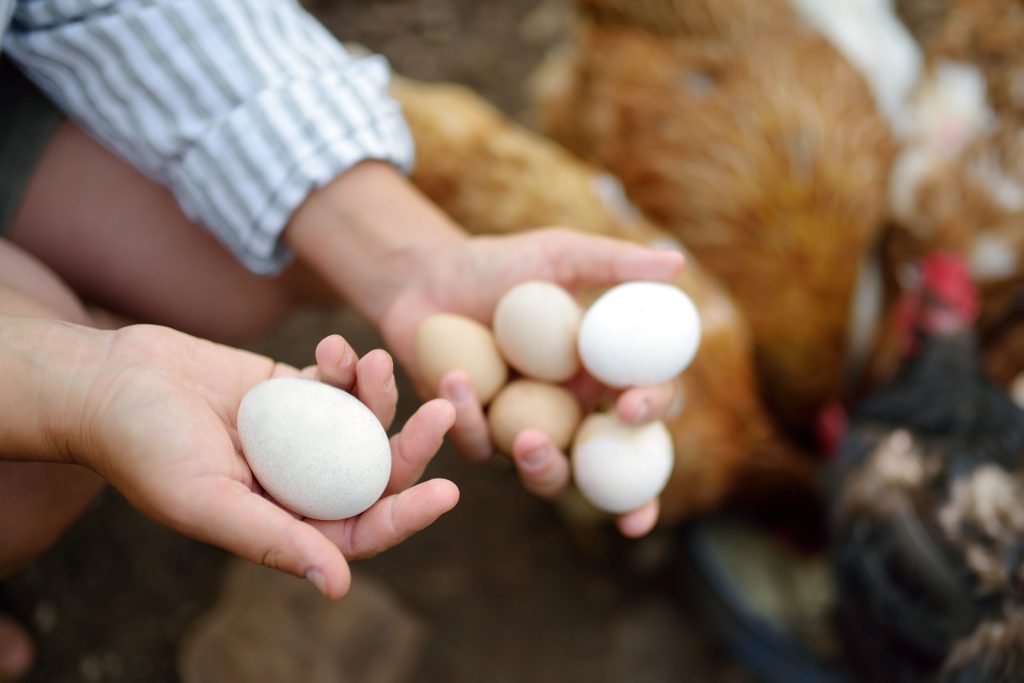
Freshness is indeed the most significant advantage of backyard eggs. Store-bought eggs can be several weeks old by the time they reach your kitchen, whereas backyard eggs can be consumed the same day they are laid. This freshness translates to better taste and texture, with firmer whites and more vibrant yolks.
Nutritional Differences
Backyard eggs often have superior nutritional profiles compared to store-bought eggs. Studies have shown that eggs from chickens allowed to roam freely and forage naturally contain:
- Lower cholesterol and saturated fat: Backyard eggs typically have less cholesterol and saturated fat due to the varied diet of the chickens.
- Higher levels of vitamins and minerals: These eggs are richer in beta-carotene, vitamin A, vitamin E, and omega-3 fatty acids, which are crucial for maintaining good health.
- Deeper yolk color: The deep golden yolks of backyard eggs indicate higher levels of carotenoids, which are beneficial antioxidants.
Variety and Aesthetics
Backyard eggs come in a variety of colors, including shades of brown, green, and blue, depending on the breed of the chicken. This not only adds visual appeal but also reflects the diversity of your flock.
Control Over Chicken Health and Diet
By raising your own chickens, you have complete control over their diet and living conditions. This means you can ensure they are fed a balanced diet free from antibiotics and hormones, which are often used in large-scale egg production. Healthier chickens lay healthier eggs, which benefits your overall well-being.
Environmental and Ethical Benefits
Raising chickens in your backyard can also have positive environmental and ethical implications:
- Reduced carbon footprint: By sourcing eggs locally, you reduce the need for transportation and packaging, which lowers your carbon footprint.
- Better animal welfare: Backyard chickens typically have better living conditions compared to those in commercial egg production facilities, leading to improved animal welfare.
Economic Benefits
While there is an initial investment in setting up a chicken coop and purchasing feed, raising your own chickens can be cost-effective in the long run. You save money on eggs and potentially reduce waste by feeding kitchen scraps to your chickens.
Conclusion
In summary, sourcing fresh eggs from your backyard offers numerous benefits, from superior freshness and nutritional quality to environmental and ethical advantages. By taking control of your egg supply, you ensure a healthier, more sustainable, and enjoyable experience.

Dental Care Treats
Pets adore treats, and dental treats are a fantastic way to promote oral health. They help fight bad breath, combat plaque and tartar buildup, and can even prevent periodontal disease, keeping your pet’s mouth clean and healthy.
How Do Dental Treats Work?
Dental treats work in two key ways: mechanical action and enzymatic action.
Mechanical Action: This is the physical scraping that occurs when your pet chews on the treat. The texture of the treat rubs against your pet’s teeth and gums, helping to remove plaque and tartar—similar to how brushing works for humans.
Enzymatic Action: This refers to the special ingredients in the treats that help fight plaque and tartar buildup. These ingredients work much like toothpaste or mouthwash for humans. They break down the harmful buildup in your pet’s mouth, providing an added layer of protection.
It’s important to note that while dental treats are an excellent preventive measure, they are most effective when combined with regular brushing and professional cleanings by your vet. However, for pets who aren’t keen on having their teeth brushed, dental treats are a great alternative for maintaining cleaner, healthier teeth.
Top 5 Dental Treats for Your Pet
- Greenies Dental Treats: With a chewy texture that cleans teeth and supports healthy gums, Greenies are made with natural ingredients, plus added vitamins and minerals. They’re safe and easy to digest for both dogs and cats.
- Chew A Bulls Dental Ring: This unique dental chew is designed to gently remove plaque while massaging your dog’s gums. It also includes cumin, which aids digestion and gives the chew a pleasant scent.
- Tartar Buster Dog Bones: These bones help remove tartar buildup and plaque, leaving your dog’s teeth cleaner and whiter. They also freshen your dog’s breath, making for a healthier mouth overall.
- Oven-Baked Dental Treats: These crunchy treats are made with natural, functional ingredients like spearmint, parsley, pumpkin, and green tea extract. Slowly oven-baked to preserve nutrients, they help break down plaque and tartar with every bite, keeping teeth clean and breath fresh.
- Vetgies Healthy Dog Treats: These treats not only help maintain healthy teeth and gums, but also prevent boredom and destructive behavior. They’re perfect for keeping your pet engaged while supporting their oral health.
With these top dental treats, you can help your pet enjoy a cleaner, healthier smile!

How to Celebrate Valentine’s Day with Your Dog
Our pets give us unconditional love every day of the year, so why not return the favour on Valentine’s Day? This year, take the opportunity to express just how much your furry friend means to you. Here are some of our favourite ways to make the day extra special for your dog:
1. Give Them a Valentine’s Day Gift
Treat your dog to something they’ll love! Head to your favorite pet store, like Feeds’n Needs, and let them pick out a new toy (or a few!). They will be so excited to go home and play with their new toy with you.
2. Plan a Special Valentine’s Meal
Dogs like eating at the same time as their pet parents! Plan to sit down to eat a meal at the same time as your pet. Your dog will appreciate the extra attention.
3. Make Them Special Valentine’s Treats
Show your love by baking your dog some heart-shaped treats! Choose their favorite flavors and get creative in the kitchen. Try out these tasty DIY Pumpkin Dog Treats. They’ll be sure to savor every bite!
4. Create Valentine’s Day Keep Sake Artwork
Why not make a lasting memory with your dog? Use pet-safe clay to make a paw print impression or have them walk across a canvas with pet-safe paint on their paws to create a one-of-a-kind masterpiece. You can even personalize a treat jar with their name, filling it with their favourite treats from Feeds’n Needs. Your dog will love this thoughtful gesture (and the treats, of course!).
5. Quality Time Together
Sometimes, the best gift is simply your time. Whether you’re taking a walk through the snowy outdoors, playing at the dog park, or curling up on the couch for a cozy movie night, your dog will cherish the time spent with you. Quality moments are the heart of any great Valentine’s celebration.
Wishing you and your furry friend a very Happy Valentine’s Day from your Experts at Feeds’n Needs!

How to Attract Cardinals to Your Yard
February’s Bird of the Month is the Northern Cardinal! With their striking red feathers and beautiful songs, cardinals are a favourite among bird watchers. These non-migratory birds can become year-round visitors if you create a welcoming space with the right mix of food, water, and shelter. Here’s our tips on how to attract them to your yard:
1. Offer the Right Food
– Black Oil Sunflower Seeds: Easy to crack open and nutrient-rich.
– Safflower Seeds: A favourite of cardinals but not as appealing to squirrels.
– Suet, Cracked Corn, and Berries: Good supplementary options.
Consider purchasing seed mixes designed for cardinals. These blends typically include their favourite seeds.
2. Use the Right Feeders
Cardinals prefer ground feeders, so provide options like:
– Tray, Platform, or Hopper Feeders: These allow for easy perching.
– Covered Feeders: Protects food from rain and snow.
– Placement: Set feeders 4-6 feet above the ground near shrubs for safe escapes.
Keep feeders clean and stocked to encourage frequent visits.
3. Provide Fresh Water
A bird bath is essential for attracting cardinals, offering both drinking and bathing opportunities. Cardinals prefer deeper baths, ideally placed on the ground to match their feeding habits. In winter, a heated bath or de-icer will prevent freezing.
4. Create Shelter
Cardinals like dense shrubs and evergreen trees for shelter, so adding plants like dogwoods or honeysuckles can help. They also nest in low bushes, so leave out materials like twigs or pine needles for them to use.
Things to Avoid
– Reflective Surfaces: Prevent window collisions by using screens or bird netting.
– Harmful Chemicals: Avoid pesticides and herbicides near bird feeders.
– Predators: Keep feeding areas away from places where pets or predators can hide.
You can enjoy these beautiful birds all year long by offering the right food, water, and shelter!

How to Properly Feed Your Rabbits
A rabbit’s digestive system is delicate, and their nutritional needs require careful attention. By understanding the basics of rabbit nutrition, you can avoid common health problems and help your bunny thrive. Here’s our guide on how to properly feed your rabbits so you can enjoy many years of companionship.
Key Components of a Rabbit’s Diet
A healthy rabbit diet primarily consists of three main components: hay, fresh greens, and limited pellets. Anything beyond that—such as fruits and other treats—should be offered sparingly. A balanced diet helps keep your rabbit’s digestive system running smoothly.
Hay (80% of Diet)
Hay is the most essential part of a rabbit’s diet and should make up about 80%. It provides the necessary fibre to promote healthy digestion and prevent common issues like hairballs. Hay is also a source of essential proteins and nutrients. It should be offered daily in unlimited amounts and available to your rabbit at all times.
Types of Hay:
Timothy Hay: Ideal for adult rabbits, it’s rich in fibre but low in calories and calcium.
Alfalfa Hay: Suitable for baby rabbits, pregnant or nursing mothers, and elderly or injured rabbits. However, it’s too high in calcium for adult rabbits and should not be used for long-term feeding.
Other Grass Hays: Adult bunnies do best on a mix of timothy hay and other grass hays because they are lower in calories and calcium than alfalfa hay.
Store hay in a cool, dry place with good ventilation to prevent mold. Ensure the hay smells fresh, and discard any wet or stale hay. Offer it in a hay rack or basket to prevent waste; remember, rabbits love to nibble all day long.
Fresh Greens (10% of Diet)
Fresh greens provide important vitamins and minerals, and they help keep your rabbit’s digestive system healthy. Aim to give your rabbit a variety of fresh, fibrous vegetables daily, especially leafy greens. Fresh greens should make up about 10% of your rabbit’s diet. Avoid feeding your rabbit iceberg lettuce, as it lacks nutritional value.
Recommended Vegetables:
– Carrot tops
– Beet tops
– Dandelion greens and flowers
– Kale
– Collard Greens
– Dark Leafy Green Lettuce
– Romain Lettuce
– Parsley
– Clover
– Broccoli and its leaves
– Green Peppers
– Snow Pea Pods
– Basil
– Peppermint Leaves
– Raspberry Leaves
– Bok Choy
– Spinach
For a full list of recommended vegetables for rabbits, visit: Best Vegetables for Rabbits: A Healthy Diet Guide – Rabbit.org
Start with small amounts of one type of green to avoid your rabbit having an upset stomach, and gradually add more variety over time. Aim for at least 1 cup of fresh veggies for every 5 pounds of body weight, given twice a day.
Pellets (5% of Diet)
Rabbit pellets are a convenient way to supplement your bunny’s nutrition, but they should only make up a small part of their overall diet at 5%. Overfeeding pellets can lead to obesity, heart disease, liver disease, and other health issues due to their high carbohydrate and low fibre content.
How to Feed Pellets:
Young Rabbits (under 8 months): Pellets can be offered free choice as they are growing quickly.
Adult Rabbits (over 8 months): Follow the recommended daily amounts based on their weight:
– 2-4 pounds: 1/8 cup
– 5-7 pounds: 1/4 cup
– 8-10 pounds: 1/2 cup
– 11-15 pounds: 3/4 cup
Pregnant or Nursing Rabbits: Can be offered unlimited pellets until the babies are weaned.
Fruits & Treats(<5% of Diet)
While rabbits love their fruits, they should only be given as treats due to their high sugar content. Treats should make up to no more than 5% of your rabbit’s diet and only occasionally. Feeds’n Needs carries delicious Sunburst treats made specifically for rabbits. Here are some other good options for rabbit treats:
– Strawberries, raspberries, and blackberries
– Apples, pears, peaches, and melon
– Papaya and pineapple (but only in small amounts)
Carrots also fall into the “treat” category dur o their sugar content, and should only be given sparingly.
Fresh Water
Fresh water should always be available to your rabbit in a water bottle or heavy, spill-proof bowl. Change the water daily to ensure it stays clean and free from bacteria. A dirty water dish can lead to health problems, so be diligent about cleanliness.
Special Dietary Needs
Some rabbits have special dietary requirements due to age, health conditions, or specific life stages. For example:
Long-Haired Rabbits like Angoras, Lion Heads, or Jersey Woolies may require more protein to support the growth of their long fur.
Overweight Rabbits may need fewer pellets and more hay to help them shed excess pounds.
Older or Sick Rabbits may require a higher calorie intake to regain strength or support healing.
Mother Rabbits nursing babies will need extra pellets and hay to keep up with the demands of milk production.
For any specific concerns, it’s always a good idea to consult a veterinarian who can recommend the best diet for your rabbit’s unique needs.
By providing your rabbit with a balanced, fiber-rich diet primarily consisting of hay, supplemented with fresh vegetables and limited pellets, you’ll set the foundation for a long healthy life. Always monitor your rabbit’s weight, adjust portions as necessary, and consult your vet if any dietary issues arise.
Taking the time to feed your rabbit properly helps ensure their health and strengthens the bond you share as a pet and caregiver. Happy feeding!

Beating The January Blues with Your Pet
Now that life has started to slow down again, we are snapped back to the reality of shorter days, cold temperatures and a lack of sunlight. January is often referred to as the most depressing month of the year, with “Blue Monday” dubbed the saddest day. Fortunately for us pet lovers, our furry companions can significantly help beat the January blues! Here is our list of things you can do with your pets to bring you some joy this winter:
Get Some Sun
It is recommended that humans get 5-30 minutes of sunlight several times per week to remain healthy. Vitamin D is also essential for the health of our pets, and a great way to ensure you’re both getting the amount you need is by getting outside for a mid-day walk each day! With the sunlight hours being so short in the winter, making it a priority to get outside and soak up some sunshine will help boost your mood.
Exercise
When you exercise, your brain releases endorphins responsible for your happiness. Evidence shows that even 10 minutes of light exercise, such as walking or stretching, can help boost energy levels, alertness and mood. Exercise isn’t just great for you; it’s also essential for your pet’s well-being! Going for a walk each day or playing a game of fetch in the yard are great ways for you and your pet to exercise and release those happy endorphins!
Nutrition
We all know that eating healthy, nutritious food is great for our physical health, but did you know that it is also essential for our mental well-being? Some vital mood-boosting nutrients that you can incorporate into your and your pet’s diet are:
Omega 3’s – Healthy fats are vital for helping our brains to function and manage our moods. A great source of omega-3 fatty acids is fish and fish oils. Incorporate this into your pet’s diet with supplements like Thrive herring oil, available at Feeds’n Needs!
Magnesium – Helps support healthy brain growth and development, including our memory and ability to learn and form new connections. Magnesium is found in leafy greens like curly kale and broccoli, and it is an excellent supplement to incorporate into your winter diet.
B Vitamins – These vitamins play an essential role in the production of chemicals that affect our mood and other brain functions. Foods such as beef, chicken and liver are rich in B vitamins. If you’re looking for a supplement incorporating B vitamins, magnesium, and more into your pet’s diet, Omega Alpha’s OptiPet Multi is the perfect supplement. It is available at your local Feeds’n Needs!
Bond With Your Pet
When we bond and connect with others, such as a loved one or pet, the happiness hormone oxytocin is released, boosting our mood. Bonding with our pets is a terrific way to deepen our connection with them and foster feelings of happiness and love. There are many ways you can bond with your pets, but here are some of our favourites:
Teach Them a New Trick – Spend time training your pet a cool new trick!
Play Games – Games like Hide ‘n Treat, where you hide your pet’s favourite treats around the house for them to seek out, provide mental stimulation and is a great opportunity for them to work for their food, nurturing their natural instincts to hunt.
Interactive Toys – These puzzle-style toys offer great mental stimulation. They can help reduce boredom-related habits like chewing and barking.
Cuddles – We saved the best for last! Nothing beats cuddling up with your furry friend on a cold winter day.
Make Homemade Treats
One fun activity we love doing with our pets on a cold, snowy day is making them DIY healthy treats! Check out our recipe for DIY Pumpkin Dog Treats.
Random Acts of Kindness
Studies have shown that performing simple acts of kindness can boost self-esteem, reduce stress, and increase happiness. This time of year can be especially difficult, so spread some happiness wherever you go, whether it be paying a stranger a compliment or helping at your local animal shelter. These gestures can significantly impact the receiver while bringing you some cheer at the same time!
Whether it’s getting outside for a walk, indulging in a snuggle session, or trying out new activities together, spending quality time with your furry friend can lift your spirits and bring a sense of warmth to the season. Embrace the joy your pet brings and use this time to bond, play, and create memories that will help chase away those January blues. Remember: a happy pet often leads to a happier you!

How to Attract Chickadees to Your Backyard
With their playful antics and charming personalities, Chickadees are a favourite among backyard birders. These small, curious birds are year-round residents in the Maritimes, making them a delightful sight no matter the season. With just a few simple steps and basic bird supplies, you can attract Black-Capped Chickadees to your yard all year round!
Offer the Right Food
Chickadees are active birds with big appetites, so having a reliable food source is essential. These feathered friends are particularly fond of black oil sunflower seeds, which offer high energy content. In addition to sunflower seeds, chickadees will gladly munch on peanuts, striped sunflower seeds, and suet.
Use a hopper feeder, tray, or tube feeder to offer these tasty treats. For a natural touch, consider growing sunflowers in your garden to create a feeding station where chickadees can perch and feast. Chickadees are also known to enjoy insects, berries, and nuts. To support this, minimize insecticide use in your garden and plant native berry bushes for natural food sources. You can also offer whole peanuts or peanut halves at your feeders.
For an easy-to-access snack, smear suet or peanut butter directly on tree trunks and watch these tiny birds enjoy the tasty treat!
Provide Clean, Fresh Water
Water is essential to attracting chickadees, especially in winter when they stay in their range and don’t migrate. A shallow bird bath is an excellent way to give chickadees a place to drink and bathe. Consider investing in a heated bird bath or a bird bath de-icer to keep the water from freezing; this will give chickadees a consistent water source, helping them stay hydrated throughout the colder months. If you’re using small dishes, make sure they are shallow enough for chickadees to safely access.
Create Shelter and Nesting Areas
Chickadees are cavity-nesting birds, which means they need safe, sheltered spots to rest and raise their young. One of the best ways to attract chickadees to your yard is by providing nesting boxes. A suitable birdhouse should be 8-10 inches tall with a 4-inch square base and a 1-1/8 inch entrance hole. Adding some wood shavings inside your birdhouses will make them even more attractive, and chickadees are known to use pet fur for their nests (just be sure the fur hasn’t been treated with flea products, as these can be toxic to birds).
Hang the nesting box on a tree trunk for easy access, and consider smearing some peanut butter or soft suet on the tree nearby to lure the birds closer.
For natural shelter, chickadees prefer dense, mature trees—especially evergreens. Chickadees will also use roost boxes or nesting pockets during the winter months to keep warm, often cuddling together in small groups.
Attracting chickadees to your yard is an enjoyable and rewarding experience. With the right food, clean water, shelter, and nesting areas, these delightful birds will become regular visitors. By following these tips and being patient, you’ll create a welcoming environment that encourages chickadees to thrive in your backyard, year-round.

New Year’s Resolutions for Pets
We’re officially into 2025, and many of us are working hard to stick to our New Year’s resolutions. Changing out habits for self-improvement can be for more than just humans. Pets benefit just as much from setting goals for their health, happiness, and well-being.
Why Are Setting Resolutions for Pets Beneficial?
Like us, our pets need focus and attention on their health and wellness. Creating resolutions for them is a great way to monitor and improve their overall well-being, from diet to dental care and physical activity. These resolutions help keep your pets physically healthy and strengthen the emotional connection between you and your furry friend.
Dental Hygiene: Keep Those Teeth Sparkling!
Dental hygiene is a critical part of your pet’s overall health. Just like humans, dogs (and cats!) can develop plaque and tartar on their teeth. Left untreated, it can lead to painful gum disease and even tooth loss. Thankfully, there are plenty of ways to help prevent dental issues in pets. Not all pets enjoy getting their teeth brushed, but there are alternatives, such as dental treats, oral care food, and water gels, that help maintain your pet’s oral health.
A dental exam at the vet is the first step in creating a healthy oral care plan. If your pet needs a professional cleaning, your vet will help set that up, and from there, you can establish a home care routine to maintain their pearly whites. Remember, healthy teeth lead to a healthier pet overall!
Exercise: Keep Them Active and Fit
Just like humans, pets can experience joint issues, reduced mobility, and a shorter lifespan due to being overweight. Exercise should be a priority in your pet’s New Year’s resolutions.
Regular walks, playtime, and outdoor adventures are not only fun but essential for your pet’s overall health. Whether it’s chasing a ball in the backyard or going for a daily stroll around the block, exercise helps maintain a healthy weight and supports joint health. Start slowly and gradually increase their activity level, especially if they’ve been less active during winter.
Diet: Nourish Their Bodies the Right Way
It’s easy to spoil our pets with extra snacks and table scraps, but this can lead to unwanted weight gain and long-term health issues. Overweight pets are at a higher risk of heart disease, diabetes, and even certain cancers. One of the best ways to combat this is by providing a balanced diet.
Stick to a high-quality pet food, if you are unsure where to start, the Expert at Feeds’n Needs can help you find the right food for your pet.
Nutrition: Boost Their Health with Supplements
Ensuring your pet’s diet is nutritionally balanced is key, but you can take their health a step further by adding supplements to their daily routine. Products like Thrive supplements can support various aspects of your pet’s health, from digestive health to joint support, skin and coat issues, and more.
By incorporating the right supplements, you can enhance their diet and make sure they’re getting the nutrients. If you’re unsure where to start, stop by Feeds’n Needs and chat with one of our Experts who can recommend the best supplements for your pet’s specific needs.
When making changes to your pet’s routine, it’s important to start slow. Abrupt changes can be stressful for your pet, so allow them time to adjust. Whether introducing a new food, adding supplements, or starting a new exercise routine, gradual changes will ensure a smooth transition and greater success in maintaining these new habits.
Make 2025 a year of health and wellness for your furry friends, and enjoy the journey together. After all, a healthy pet means a happier, more active life for both of you!
Let’s make this year the best one yet—for you and your pets!

How to Attract Blue Jays
January’s Bird of the Month is the Blue Jay! With their striking blue, black, and white plumage, these vibrant songbirds are a delight to observe. Many Blue Jays are year-round residents of the Maritimes, making them a familiar presence in local backyards. If you’re looking to attract these stunning birds, you’ll need to know their favorite foods, nesting habits, and other key preferences. Follow our expert tips to create an inviting environment for Blue Jays all year long.
Food Preferences
Blue Jays are particularly fond of nuts, especially peanuts—whether whole or shelled. They’re also big fans of common bird feed like suet, cracked corn, and black oil sunflower seeds. Due to Blue Jays being larger birds, they require sturdy, spacious feeders to feel at ease. Hopper feeders, as well as open trays or platform feeders, are ideal for Blue Jays. To make your yard even more attractive, you can offer natural food sources like berries and acorns. The more food sources you offer in your yard, the more Blue Jays will be able to feed. Providing a mix of different food options will not only appeal to Jays, but a wider variety of different birds as well.
Water Source
Water is especially important during the colder winter months as Blue Jays rely on water not only for drinking but also for splashing and bathing. To keep them coming back, consider investing in a heated birdbath, which will ensure a reliable water supply even in freezing temperatures. Due to their larger size, Blue Jays need a broad basin that is about 2-3 inches deep. This setup will provide them with plenty of space for both drinking and bathing.
Shelter & Nesting
Unlike many other bird species, Blue Jays don’t typically use birdhouses. Instead, they prefer to nest in mature, sturdy trees. They especially favor trees that also provide a food source. Evergreen trees are crucial for Blue Jays in the fall and winter, as they offer dense cover once trees have shed their leaves. To encourage nesting, consider leaving out natural materials such as grass clippings, twigs, and small branches. These resources will help Blue Jays create well-constructed nests in your yard.
At Feeds’n Needs, we understand that each bird species has its own unique requirements. That’s why we offer a wide selection of bird feed and feeders designed to attract a variety of birds. Whether you’re new to birdwatching or a seasoned enthusiast, we have everything you need to turn your backyard into a haven for Blue Jays and other feathered friends.

DIY Treat Blocks for Chickens
Treat your flock to a fun and nutritious snack with this easy DIY chicken treat block recipe packed with wholesome ingredients your hens will love! For those times when your hens can’t free range or in the wintertime when the ground is snow-covered, treat blocks make great boredom busters and can help reduce cannibalism in the coop. Here’s how to make it:
You Will Need:
- 1lb loaf pan or baking dish
- Parchment paper
- Medium mixing bowl
- Large mixing bowl
- Whisk
- Long-handled spoon
- Knife
If you have a larger flock, you should split this recipe between 2 or more appropriately sized pans.
Ingredients:
This recipe is packed full of ingredients that offer incredible health benefits for your flock! Dried mealworms/grubs and black oil sunflower seeds are excellent sources of protein, while cinnamon and cayenne support immune system and gut health, as well as general growth in poultry!
Here is the list of ingredients you’ll need:
- 1 cup chicken feed
- 2 cups scratch grains
- ½ cup old-fashioned oats
- ½ cup whole wheat flour
- ¾ cup blackstrap molasses
- ½ cup melted coconut oil
- 4 eggs, whisked, include crushed shells for calcium
- ¾ cup black oil sunflower seeds
- ½ cup dried mealworms or grubs
- 1 tsp ground cinnamon
- ½ tsp cayenne pepper
How to Make it:
Step 1 – Preheat your oven to 350 degrees Fahrenheit and prepare your loaf pan by lining it with parchment paper.
Step 2 – In a large mixing bowl, add your dry ingredients and mix.
Step 3 – Add your wet ingredients in a separate medium mixing bowl, including the blackstrap molasses and whisked eggs. Don’t forget to crush the eggshells and add them to your mixture.
Step 4 – Add your wet ingredients to your dry ingredients in the large mixing bowl and mix thoroughly until no dry pockets are left. The mixture will be thick and clumpy.
Step 5 – Transfer your mixture into your lined loaf pan and pat down to compact it. Your treat block should be roughly 2” thick.
Step 6 (Optional) – If you plan on hanging your treat block with a string, poke a hole near the top of the block to feed a string through once it’s done baking.
Step 7 – Bake in the oven for approximately 30 minutes or until the sides of your block turn dark and the middle is firm. If you made your block thicker than 2”, it will take longer to fully bake.
Step 8 – Once out of the oven, allow the treat block to fully cool before removing it from the pan to prevent crumbling. To remove from the pan, run a knife along the edges of the pan and invert to loosen the block.
Step 9 – Serve to your chickens and watch them enjoy!
How to Serve to Your Flock:
To serve your DIY treat block to your chickens, you can put the block on a plate, hang by a string in the coop (if you opted to follow step 6), or place it in a hanging treat net for your flock to peck away at. If your chickens have never had a treat block before and aren’t quite sure what to do with it, try crumbling the edges of the block to help them figure it out.
Your chickens will love you forever after you make them this DIY treat block! Find some of the ingredients like chicken feed, scratch grain, black oil sunflower seeds and dried mealworms at your local Feeds’n Needs, and while you’re there, ask one of our experts about what other healthy treats you can offer to your flock!
Sources:
Best DIY Flock Block Recipe: How to Make a Chicken Treat Block ~ Homestead and Chill
Flock Block Knock Off | Homemade Chicken Treat – Fresh Eggs Daily® with Lisa Steele
DIY Flock Block Substitute | The Prairie Homestead
How to Make a Snack Block for Your Flock – a DIY Flock Block® Copycat Recipe Knockoff | Eco-Friendly Home & Garden – Creative Green Living


