
There’s something magical about watching hummingbirds dart through your garden. Whether you’re hoping to catch a glimpse or create a hummingbird haven, it’s easier than you might think to bring these amazing birds into your yard.
With the right combination of food, shelter, water, and thoughtful planting, you can turn your outdoor space into a hummingbird paradise. Here’s how to get started:
- Feed Them Right
Nectar feeders are one of the quickest and most effective ways to attract hummingbirds, especially if you already have some near you yard. You can purchase a ready-made nectar mix, or easily make your own by combining 1 part white sugar with 4 parts water. Boil the water, add the sugar, stir until dissolved, and cool completely before filling your feeder. Store any leftovers in the fridge for up to four weeks.
Important Tips:
- Never use honey, artificial sweeteners, or food coloring.
- The red coloring on the feeder is enough to attract them.
- If you’re not seeing any activity after a couple of weeks, move the feeder to a more visible location.
- Choose the Right Feeder
There are two main types of hummingbird feeders:
- Tube-style feeders with ports at the bottom.
- Saucer-style feeders with openings on the top.
Whichever you choose, make sure it’s easy to clean and refill. Simpler designs with fewer nooks and crannies are ideal, as sugar water can ferment and grow harmful bacteria if not maintained properly. Clean feeders every 2–3 days (daily in hot weather) with hot water and a brush—avoid soap or rinse thoroughly if used.
- Pick the Perfect Spot
Location matters when placing your feeder:
- Hang feeders in open areas where birds can spot predators.
- Avoid high-traffic spots near people or pets.
- Place feeders near shrubs or trees to provide perching and shade.
- Keep them close to windows (within 30 cm) or far away (over 1.8 m) to reduce window collisions.
- Add a Source of Water
Hummingbirds love a gentle mist or small puddles for bathing. Here are a few ideas:
- Let dew collect naturally on large-leafed plants like maples or tulip trees.
- Mist your garden with a hose set to a fine spray.
- Set up a misting fountain or device near their favorite flowers.
Try running a misting spray at the same time every day for about 20 minutes—hummingbirds will start to show up right on schedule.
- Provide Shelter and Nesting Materials
Shelter is essential for protecting hummingbirds from the elements and predators. You can offer shelter by planting a mix of evergreens and deciduous trees. Native plants are best—think spruce, pine, oak, maple, and birch.
When it comes to nesting, hummingbirds are particular. They usually build tiny, cup-shaped nests at the tip of branches, often over water. They use soft plant down (from milkweed, cattail, or thistle), animal hair, and spiderwebs for construction.
To support nesting:
- Let native plants go to seed to supply nesting material.
- Avoid using pesticides (even organic ones) that could harm spiders or insects hummingbirds rely on.
- Encourage lichen growth by reducing air pollution—lichens are key for nest camouflage.
- Start a Hummingbird Garden
The best long-term strategy for attracting hummingbirds is to grow a garden full of their favorite flowers. Not only will it support the birds, but it will also beautify your yard. Choose a mix of bright, tubular flowers such as bee balm, columbine, salvia, and trumpet vine.
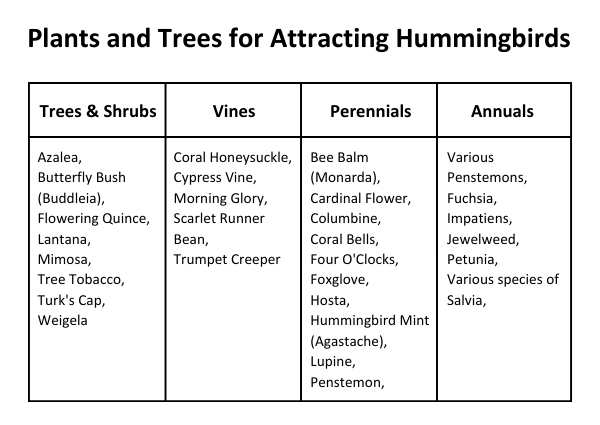
With just a bit of planning, you can transform your yard into a hummingbird-friendly sanctuary. Provide food, water, shelter, and nesting materials—and be patient. Once hummingbirds discover your space, they’re likely to return year after year.
Have you spotted a hummingbird in your garden yet?

Best Time to Prune Trees
Pruning your trees is an essential part of tree care that, when done correctly, can keep your trees healthy, enhance their shape, and even boost fruit production. The key to successful pruning is determined by timing. So, when exactly should you prune trees?
The answer depends on several factors: the type of tree, your pruning goals, and the climate in your area. Let’s break it down to help you determine the best time to grab those shears.
General Pruning Window: Late Winter to Early Spring
For most deciduous trees, the sweet spot for pruning is late winter to early spring—usually between February and May. During this dormant phase, trees are less stressed, and cuts heal faster, reducing the risk of disease or pests.
This is the perfect time to:
- Shape your tree for better form and structure
- Remove dead, damaged, or diseased limbs
- Encourage healthy new growth in the spring
However, not all trees are created equal, and some have specific needs that require special attention.
Tree-Specific Pruning Guidelines
- Maples, Walnuts, and Birches
These trees are known for “bleeding” sap if pruned too early. To avoid stressing them, wait until late spring or early summer, once their leaves have fully emerged. The sap loss isn’t typically harmful, but it’s best avoided. - Fruit Trees (Apples, Pears, etc.)
For a strong harvest, prune these trees in late winter, from February to early April. This boosts flower and fruit production and keeps the tree’s structure manageable. - Oaks and Elms
These trees are vulnerable to serious diseases like oak wilt. Avoid pruning them between April 15 and October 15, when disease-carrying insects are active. Instead, prune in late fall or winter to reduce the risk. - Spring-Flowering Trees (Magnolias, Dogwoods, etc.)
Prune after their blooming cycle is complete. This way, you won’t accidentally cut off next year’s buds before they even have a chance to shine. - Dead or Damaged Branches
These should be removed as soon as you spot them, no matter the season. Prompt pruning helps prevent the spread of disease and avoids potential hazards.
Why You Should Avoid Fall Pruning
It might be tempting to tidy up trees in the fall, but it’s generally not recommended. Pruning in late autumn can stimulate new growth that’s too tender to withstand winter conditions. Save major cuts for dormant or post-bloom periods instead.
Pruning Tips for Success
- Use the Right Tools: Sharp, clean pruning shears make cleaner cuts and help prevent infections.
- Think Ahead: Always consider the natural shape and growth pattern of your tree before making cuts. Strategic pruning now leads to stronger, better-looking trees later.
- Don’t Overdo It: Avoid removing more than 25% of a tree’s canopy in one season unless it’s for safety or disease management.
Quick Pruning Guide
To help you stay on track, here’s a simple pruning schedule for different types of trees:

By pruning at the right time and using the right techniques, you can set your trees up for a long, healthy life—and maybe even a bumper crop of fruit!
So go ahead—grab those shears and give your trees the care they deserve. Happy pruning!

Gardener’s Guide to Soil pH
If you’ve noticed your plants struggling to thrive, one possible culprit could be an imbalance in your soil pH. The pH level of your soil is essential for plant health and can directly affect the growth and vitality of everything in your garden. It may seem like a small detail, but soil pH plays a huge role in how well your plants can absorb nutrients and flourish. Whether you’re a seasoned gardener or just starting out, understanding soil pH can make all the difference. Here’s everything you need to know to keep your plants happy and healthy!
What is Soil pH?
Soil pH measures how acidic or alkaline the soil is. The “pH” stands for “potential hydrogen,” which refers to the concentration of hydrogen ions in the soil. The more hydrogen present, the lower the pH (acidic), and the less hydrogen, the higher the pH (alkaline). The pH scale ranges from 0 to 14, where 7 is neutral. Soils with a pH of 4-6.5 are acidic, while soils with a pH of 7.5-9 are alkaline. Most plants thrive in soil with a pH around 6.5. When pH levels fall below 5 or exceed 7, it becomes toxic for many plants.
Why is Soil pH Important to the Garden?
Soil pH directly impacts your plants’ ability to absorb nutrients. Plants require 14 of the 17 essential nutrients from the soil, and the pH level determines how available these nutrients are. Generally, slightly acidic soils (pH 6-7) provide the best environment for nutrient availability, allowing plants to grow and flourish. If the soil pH is out of balance, plants can struggle to access vital nutrients, even if they’re present in the soil.
Additionally, soil pH affects the beneficial microorganisms that help decompose organic matter. In highly acidic soil, these bacteria can’t function properly, causing nutrient buildup that plants can’t access.
Causes for Acidic or Alkaline Soil
Soil pH can vary depending on location. Dry, sandy areas tend to have more alkaline soils, while moist climates often result in more acidic soil due to rain washing away calcium and magnesium. The type of rock in your area also influences soil pH. For instance, areas with abundant lime will likely have more alkaline soil. Understanding your local soil composition helps you work with nature, not against it.
How to Test Your Soil’s pH
Testing your soil’s pH is the first step toward a healthier garden. A simple home testing kit can provide an accurate reading. Here’s how to use it:
- Collect soil samples from various spots in your garden.
- Mix the samples for an average result.
- Follow the instructions provided with your test kit.
Knowing your soil’s pH makes it easier to adjust it if necessary.
How to Raise Soil pH
If your soil is too acidic, you can raise the pH by adding garden lime. Lime, a finely ground limestone, is available at Feeds’n Needs and helps neutralize acidity. Be cautious not to overapply, as too much lime can harm plants. To adjust the pH, apply lime in the fall, then rototill or turn the soil to ensure it mixes well with the ground.
How to Lower Soil pH
Lowering soil pH is often easier than raising it. If your soil is too alkaline, consider using raised garden beds filled with high-quality soil. If raised beds aren’t an option, sulfur can help lower soil pH. Mix the sulfur into the soil before planting. Additionally, materials like sawdust, peat moss, wood chips, and leaf mold can help reduce soil pH, especially when combined with sulfur.
Balancing Soil pH with Compost
Adding compost is a great way to stabilize your soil’s pH. The rich organic material in compost acts as a buffer, preventing drastic pH fluctuations that can stress your plants. You can make your own compost or purchase processed manure to enrich your soil.
Soil pH is a key factor in maintaining a healthy garden. By understanding and adjusting your soil’s pH, you can ensure your plants have access to the nutrients they need to thrive. Gardening is a journey, and getting to know the specific needs of your plants—like soil pH—will help you create a lush, vibrant outdoor space. Take the time to test and adjust your soil’s pH, and your plants will thank you with healthy growth and bountiful blooms!

Prepare Your Lawn for Spring
As the days are now becoming longer and spring approaches, it’s the perfect time to start prepping your lawn. With a little springtime effort, you’ll set your yard up for a healthy, vibrant season ahead. Here are some easy steps to ensure your lawn thrives this spring:
Raking
Raking is essential to spring lawn care. It helps remove debris and prepare your grass for healthy growth. However, it’s crucial that the grass is dry enough before you begin. You can check this by walking on the lawn—if your footprints remain, the grass is still too moist, and raking could cause damage.
It’s best to rake when the grass is still dormant and brown. Waiting too long could harm the healthy roots and set back your lawn’s recovery. Removing leaves, dead grass, and other debris allows your lawn to breathe and encourages new growth as the weather warms up.
Aerating
Aeration is essential for improving soil health and allowing water and fertilizer to penetrate deeper. This process is especially beneficial if your lawn is over five years old or has compacted soil. Spring is an excellent time to aerate because the soil is often moist and more forgiving. However, it can be done at any point during the season.
Fertilizing
After the long winter, your lawn needs a little help getting back to full health. Choose fertilizer with a slow-release formula which has a higher amount of phosphorous to encourage root growth. Once your grass is green and actively growing (around June), you can switch to a higher-nitrogen fertilizer to help maintain its lush appearance.
Overseeding
If your lawn is looking a little sparse, overseeding is a great way to encourage new growth and thicken it up. Start by spreading a thin layer of compost or soil over your lawn after it’s been raked. Then, sprinkle high-quality grass seed and cover it with another light layer of compost. This extra layer helps keep the seed moist and protects it from birds. Be sure to water it lightly every day until the seeds are established, which usually takes about 2–3 weeks, depending on the weather.
For more tips on overseeding, check out our blog, Overseeding Your Lawn in Spring.
Preventing Weeds
Bare or thin spots on your lawn can attract weeds like crabgrass, which can quickly take over. Crabgrass is tough and thrives in dry, hot conditions when cool-season grasses are dormant. It can survive low mowing, foot traffic, and poor soil conditions. The key to controlling it is early prevention. Crabgrass seeds start germinating when the soil warms to 13°C-16°C for five consecutive days. A combination of pre-emergent herbicides and a thick, healthy lawn can significantly reduce its growth. The thicker the grass, the better it can fight off weeds like crabgrass.
Clean Up Debris
Don’t forget to tidy up your lawn and landscape! Clear away any leftover leaves, sticks, or debris from winter. This will help your grass breathe and allow it to thrive as the season progresses. If your lawn has a severe thatch issue, it might be a good time to do a more intense dethatching.
By following these simple steps, you’ll be well on your way to a healthy, vibrant lawn this spring. The time you invest now will pay off with a beautiful yard all season long!

Attracting Downy Woodpeckers
March’s Bird of the Month is the Downy Woodpecker! With their colourful feathers and lively personalities, woodpeckers make a captivating addition to any backyard. Their distinctive habit of foraging vertically on tree trunks provides endless entertainment, while their diet of insects like beetles, grubs, and ants makes them valuable natural pest controllers for garden enthusiasts. You’ll know you have Downy Woodpeckers nearby when you hear their signature “drumming” as they tap on trees or other structures. Since Downy Woodpeckers are year-round residents, they are a welcome presence in all seasons. But how can we create a backyard that’s inviting to these fascinating birds?
Offer a Variety of Food:
Downy Woodpeckers enjoy a diverse diet, foraging for insects, nuts, and berries in the wild. In your yard, they’ll appreciate offerings like suet, peanut butter, peanuts, and black oil sunflower seeds. These birds are often quite cautious, so placing feeders and water sources in quieter corners of your yard, especially near mature trees, will help them feel at ease.
Make sure any suet you provide stays fresh. You can break it into smaller pieces or use suet cakes packed with sunflower seeds, which they will devour quickly.
Provide Clean, Fresh Water:
While Downy Woodpeckers do enjoy visiting birdbaths, they are somewhat shy about using them. Placing them in more secluded spots is ideal. A ground bird bath with a dripper or moving water feature will catch their attention, make sure the water depth is shallow—around 1-2 inches is perfect. Adding perches nearby will make them accustomed to the bath over time. Always keep the bath clean to avoid the spread of disease. In winter, it’s essential to offer heated bird baths so the birds have access to fresh water even in freezing temperatures.
Create Safe, Secure Sheltering and Nesting Areas:
Downy Woodpeckers thrive in small, wooded spaces surrounded by mature trees, with the added benefit of shrubs, especially those with berries. They nest in tree cavities but will also appreciate a well-positioned birdhouse with an entrance hole suited to their size, mounted 10-20 feet above the ground.
Attracting Too Many Woodpeckers
While it’s a joy to host woodpeckers in your yard, sometimes, these birds can cause problems. If they begin pecking at wooden siding, eaves, fences, or even chimneys and downspouts, the damage can be significant. To prevent this, repair any damage and cover the area with wire mesh or netting to deter further pecking. Hanging reflective items near the problem area can also help prevent woodpeckers from targeting inappropriate surfaces.
By providing these woodpecker-friendly resources, you can enjoy the company of these energetic and charming birds while keeping them safe and content in your backyard.

Avian Influenza (Bird Flu)
What is Avian Influenza (Bird Flu)?
Avian Influenza (AI), commonly known as Bird Flu, is a contagious viral infection that affects all bird species, including poultry such as chickens and turkeys, as well as pet and wild birds. The AI virus is classified into two types based on the severity of the illness it causes: low pathogenic avian influenza (LPAI) and highly pathogenic avian influenza (HPAI). While LPAI typically causes mild or no symptoms, HPAI can lead to severe illness and high mortality rates in birds. Visit Government of Canada website for more information.
Transmission and Spread
Birds spread the avian flu virus to one another through secretions and droppings. Wild birds, especially waterfowl like ducks, often carry the virus without showing symptoms and can spread it over long distances. Domestic birds, however, can become severely ill when infected.
Signs of Avian Influenza (Bird Flu)
- A drop in egg production, often accompanied by decreased eggshell quality
- Huddling, depression, decreased activity, and reduced feed and water consumption
- Mild to severe respiratory symptoms, such as coughing, sneezing, noisy breathing, and discharge from the eyes and sinuses
- Swollen sinuses (particularly in turkeys)
- Diarrhea, swelling of the head and face, and/or nervous disorders
- Sudden increase in mortality (death rate), which can reach up to 100% without any other signs of sickness
Prevention Measures
To protect your flock from Avian Influenza, consider the following preventive measures:
- Keep Birds Undercover: Avoid letting your backyard flocks free-range until the threat of spread is eliminated.
- Disinfect Clothing and Shoes: Keep your backyard/barn clothing and shoes disinfected and separate from those you wear in public.
- Clean Bird Feeders and Water Baths: Regularly clean and disinfect bird feeders, water baths, and the surrounding area, ideally on a daily basis.
Importance of Biosecurity
Biosecurity is crucial in preventing the spread of Avian Influenza. Implementing strict biosecurity measures, such as controlling access to your birds, maintaining cleanliness, and monitoring for signs of illness, can significantly reduce the risk of infection.
Reporting Signs of Infection
If you suspect an outbreak of Avian Influenza, it is essential to report it immediately. Contact your local veterinarian or the Canadian Food Inspection Agency (CFIA) for guidance and assistance.
By staying vigilant and implementing these measures, you can help protect your poultry and contribute to the overall health of the bird population.
Other Resources:

Biosecurity
Biosecurity involves implementing measures to prevent the spread of disease-causing organisms to other farms or flocks. Maintaining the biosecurity of your poultry flock is a vital responsibility. The government and the poultry industry have worked together to create biosecurity guides, which are regularly updated with new information and standards.
Key disease symptoms to watch for include coughing, sneezing, watery eyes, droopiness, abnormal droppings, and sudden drops in feed consumption or egg production. If you notice any of these symptoms, isolate the sick birds and consult your local veterinarian or poultry disease diagnostic laboratory for immediate diagnosis and treatment. Severely ill birds should be humanely euthanized and disposed of according to local regulations, either by burial or incineration. If disposal pits are permitted, they should be located at least 46 meters (150 feet) from wells or springs.
To prevent disease spread, avoid mixing birds of different ages or species. Young birds are more susceptible to diseases carried by older birds, and turkeys and game birds can be affected by diseases carried by chickens. Disease control can be achieved through thorough cleaning and disinfection of facilities and equipment before introducing new birds. Proper sanitation practices will help prevent disease transmission from one flock to another.
Maintaining fresh, dry litter is essential, as wet and caked litter can incubate disease. By keeping litter clean and dry, you can minimize the risk of disease spread.

Brushing Your Puppy’s Teeth
Just like humans, puppies need dental care! Teaching your puppy to get used to having their teeth brushed early on helps establish good habits for their dental health. Preventative measures should begin when they are young. Start brushing their teeth after they get their adult teeth, usually around 6 months old, to help them adjust to the process.
Why Start Early?
Builds a Habit
Introducing brushing when they’re young helps your puppy get comfortable with it. If you wait too long, brushing may feel strange or uncomfortable for them.
Prevents Dental Issues
By the age of 2, 80% of dogs show signs of gum disease. Brushing regularly helps prevent plaque buildup and reduces the risk of dental problems later.
What Happens if You Don’t Brush?
Not brushing your puppy’s teeth can lead to gum disease, infections, tooth loss, and other health issues. Signs of dental trouble include bad breath, swollen gums, difficulty chewing, and more. If your puppy shows these signs, contact your vet.
Tips for Brushing Your Puppy’s Teeth
- Be Patient
Start slow by rubbing dog-safe toothpaste on your puppy’s gums with your finger. Once they’re comfortable with the taste, introduce a toothbrush. Always praise them to make it a positive experience. - Use Dog-Specific Products
Never use human toothpaste or toothbrushes. Stick to products made for dogs to ensure their safety. - Chew Toys Help
Puppies love to chew, and it’s great for their teeth! Use dental chews or toys to help reduce plaque buildup. - Consider Supplements
Talk to your vet about adding dental supplements or vitamins to your puppy’s diet to support their dental health. - Regular Vet Checkups
Ensure your puppy gets a dental exam twice a year, and a cleaning if necessary. Bad breath could indicate a dental issue.
Starting a dental care routine early gives your puppy the best chance for a healthy mouth. With the right products and routine, your pup can enjoy a lifetime of smiles!

Chickens: Your Garden’s Best Friend
Integrating chickens into your gardening routine can transform your backyard into a thriving, eco-friendly oasis. These natural foragers offer numerous benefits, from pest control to soil health improvement. Here’s how chickens can work wonders for your garden.
Benefits of Chickens in Your Garden
Chickens can be your garden’s best helpers without causing damage to your plants. Here are some key benefits they provide:
1. Natural Pest Control
Chickens have an instinct to forage for insects, happily feasting on bugs that threaten your plants. This chemical-free solution helps manage pests effectively. By eating harmful insects, larvae, and eggs, chickens reduce pest populations and keep your garden healthy, minimizing the need for pesticides.
2. Organic Fertilizer
Chicken manure is a valuable resource, boasting one of the highest N-P-K (nitrogen, phosphorus, potassium) ratios among livestock manures. It enhances soil fertility and contains ample calcium, benefiting your plants. When composted, chicken manure can:
- Improve soil moisture retention
- Enhance soil structure
- Promote stronger root development
- Increase disease resistance in plants
- Slowly release essential nutrients into the soil
For tips on composting chicken manure, check out resources like “Composting Chicken Manure.”
3. Soil Aeration
As chickens scratch around for bugs and weed seeds, they naturally aerate the soil. Aerated soil improves water penetration, leading to healthier root growth. Chickens help turn over the top layers of soil, maintaining a healthy soil ecosystem without heavy tilling.
4. Reducing Garden Waste
Chickens are excellent at cleaning up garden scraps. Instead of tossing thinned seedlings, pruned branches, and unwanted weeds, let your chickens forage through the remnants. They’ll eagerly eat:
- Thinned plants
- Pruned clippings and deadheads
- Weeds
- Damaged or overripe fruits and vegetables
In the fall, chickens can save you time by cleaning up remaining produce and fertilizing the soil with their manure, preparing your garden for the next planting season.
5. Weed Control
Weeds can be a constant headache, but chickens are happy to help. They’ll eat almost any plant, including weeds. You can feed your chickens the weeds you pull or let them roam freely to do the weeding for you. Just protect your crops, as chickens might mistake them for weeds too. Most weeds are safe for chickens to consume and can be part of their natural diet.
Common Garden Pests Chickens Love to Eat
Chickens are excellent at controlling a variety of garden pests commonly found in the Maritimes. Here are some of the most common pests they love to eat:
Beetles
Chickens will happily feast on beetles, including Japanese beetles and cucumber beetles. These pests can cause significant damage to your plants, but chickens help keep their populations in check.
Caterpillars
Caterpillars, such as cabbage worms and tomato hornworms, can be devastating to your garden. Chickens will eagerly hunt down and eat these pests, protecting your leafy greens and other crops.
Grasshoppers
Grasshoppers can quickly defoliate plants, but chickens are excellent at catching and eating them. This helps prevent the extensive damage grasshoppers can cause.
Slugs and Snails
Slugs and snails are notorious for munching on tender plants, especially in damp conditions. Chickens will seek out and eat these slimy pests, reducing their numbers and protecting your garden.
Aphids
Aphids can weaken plants by sucking sap from their leaves and stems. While chickens may not eat aphids directly, they will consume the ants that farm aphids, indirectly helping to control aphid populations.
Cutworms
Cutworms can sever young plants at the base, causing significant damage. Chickens will dig up and eat these pests, preventing them from harming your seedlings.
Earwigs
Earwigs can be a nuisance in the garden, feeding on seedlings and soft fruits. Chickens will happily eat earwigs, helping to keep their numbers down.
Ants
While ants themselves are not a major threat to plants, they farm aphids and other pests. Chickens will eat ants, disrupting this relationship and helping to control aphid populations.
Moths and Flies
Chickens will also eat moths and flies, including their larvae. This helps reduce the number of pests that can damage your plants.
Ticks
Ticks can be a problem for both humans and animals. Chickens will eat ticks, helping to reduce their numbers and lower the risk of tick-borne diseases.
Crickets
Crickets can cause damage to young plants and seedlings. Chickens will hunt and eat crickets, protecting your garden from these pests.
By allowing chickens to roam your garden, you can naturally reduce the populations of these common pests, leading to healthier plants and a more productive garden. Just remember to protect beneficial insects and your crops from being mistaken for pests!
Conclusion
Integrating chickens into your garden can provide a range of benefits, from natural pest control to enriching your soil with organic fertilizer. Chickens make great gardeners, assisting with aeration, weed removal, and reducing garden waste. Plus, their manure is a potent resource for creating a healthy, fertile environment for your plants.

Egg Collection and Storage: Best Practices for Fresh Eggs
Let’s dive into the essential practices for egg collection and storage to ensure you get the freshest and safest eggs from your flock. Here’s a detailed guide to help you manage your eggs effectively, including tips on what to do with extra eggs.
Egg Collection
Hens typically lay one egg a day, usually in the morning. Depending on the size of your flock, you may need to check for eggs more than once in a 24-hour period. Frequent checks are encouraged to prevent eggs from being accidentally stepped on or soiled.
Steps for Collecting Eggs:
- Timing: Wait until the hen has left the nesting box to collect eggs. Many backyard chicken keepers find that checking right after feeding is an ideal time.
- Handling Broody Hens: If you have a broody hen (one wanting to hatch her eggs), you might encounter some resistance. Wear gloves and a long-sleeved shirt to protect yourself from pecks. Gently shoo her out of the nest if necessary.
Cleaning Eggs
Eggs are naturally coated with a thin protective layer called a bloom, which helps protect the egg’s pores from bacteria. It’s important not to wash your eggs immediately after collecting them, as washing removes the bloom and makes the egg more vulnerable to bacteria.
Proper Cleaning Method:
- Warm Water: Submerge eggs in clean, warm water (not cold) and gently scrub them with a soft vegetable brush.
- Avoid Cold Water: Cold water can cause the egg to shrink inside the shell, promoting bacterial growth.
- Drying: Dry the eggs with a towel and allow them to air dry before storing them in the fridge.
Egg Storage
Unlike store-bought eggs, your fresh eggs are coming in daily, so it’s important to track when each egg was laid. To ensure you use the oldest eggs first, consider storing your eggs in a dated carton or writing the collection date directly on the eggshell with a pencil.
Storage Tips:
- Unwashed Eggs: If you plan to store eggs unwashed, they can be kept on the counter for a short period. Remember to give them a light scrub just before using.
- Refrigerated Eggs: For longer storage, keep eggs in the fridge. Properly cleaned and dried eggs can last several weeks when refrigerated.
Managing Extra Eggs
If you find yourself with an abundance of eggs, here are some ideas on how to manage and utilize them:
- Preserving Eggs:
- Freezing: Crack the eggs into a bowl, beat them lightly, and pour them into ice cube trays or freezer-safe containers. Once frozen, transfer the egg cubes to a freezer bag for long-term storage.
- Pickling: Hard-boil the eggs and pickle them in a vinegar-based solution for a tasty, long-lasting treat.
- Sharing with Community:
- Sell or Donate: Share your surplus eggs with neighbours, friends, or local food banks. Fresh, homegrown eggs are always appreciated.
- Bartering: Trade your eggs for other goods or services within your community.
- Cooking and Baking:
- Recipes: Use extra eggs in various recipes such as quiches, frittatas, custards, and baked goods. Eggs are versatile and can be incorporated into many dishes.
By following these best practices for egg collection, cleaning, and storage, you can ensure your eggs remain fresh and safe to eat. Additionally, managing extra eggs effectively can help you make the most of your flock’s productivity. Happy egg collecting!
Related Blogs:
How Long are Farm Fresh Eggs Good For


