
As the days grow shorter and temperatures begin to drop, it’s time to give your lawn a little extra care before winter sets in. Winterizing your lawn helps protect it from harsh conditions and sets the stage for lush, green growth when spring arrives. Here’s a step-by-step guide to help you get started:
- Aerate the Lawn
Aeration is one of the most beneficial things you can do for your lawn before winter. By creating small holes in the soil, aeration allows water, oxygen, and nutrients to reach the roots more effectively. This strengthens the root system and improves overall lawn health.
- Mow the Grass Shorter
Before the snow flies, give your lawn a final trim. Mow to a height of about 2–3 inches—short enough to prevent matting under snow, but not so short that the grass becomes stressed. This helps reduce the risk of disease and keeps your lawn tidy through the colder months.
- Fertilize with a Winterizer
Applying a winter fertilizer gives your lawn the nutrients it needs to survive the cold and thrive in the spring. Look for a blend high in nitrogen and potassium, which promotes strong root growth and helps store energy for next season. Available at your local Feeds’n Needs. A well-fed lawn now means a greener lawn later!
- Mulch the Leaves
Instead of raking and bagging fallen leaves, mulch them directly into the lawn using your mower. This adds valuable organic matter, helps retain soil moisture, and provides insulation for the roots. It’s a simple way to recycle nutrients and improve soil health.
- Seed Bare Spots
Fall is a great time to overseed any thin or bare patches in your lawn. The cooler temperatures and increased moisture create ideal conditions for seed germination. By spring, you’ll enjoy a thicker, more resilient lawn.
Conclusion
Winterizing your lawn doesn’t take long, but the benefits last well into the next growing season. With a little effort now, you’ll be rewarded with a vibrant, healthy lawn when the snow melts and the sun returns.

Digging Up and Storing Bulbs for Winter
As the growing season winds down and frost begins to settle in, it’s time to think about lifting and storing your tender bulbs to protect them through the winter. Proper care can ensure vibrant blooms next year!
- Know When to Dig
Timing is everything when it comes to digging up bulbs.
- Wait for dieback: Let the foliage die back naturally after the first frost. This signals the bulb has stored enough energy for next season.
- Avoid frost damage: Digging too soon can harm the bulb, while waiting too long may expose it to freezing temperatures underground.
- Dig Up and Clean the Bulbs
- Use the right tool: A garden fork is ideal to gently lift bulbs without damaging them.
- Lift carefully: Dig around and under the bulb to avoid cutting roots or bruising the bulb.
- Clean gently: Shake or brush off excess soil—no need to wash them.
- Dry the Bulbs
- Air-dry: Place bulbs in a well-ventilated, dry area for about a week.
- Trim foliage: Once dry, remove any remaining leaves or stems.
- Prepare for Storage
- Choose ventilated containers: Cardboard boxes, mesh bags, or crates work well.
- Add insulation: Layer bulbs with peat moss, sawdust, or vermiculite to prevent them from touching and to retain just enough moisture.
- Label everything: Include bulb type and color for easy spring planting.
- Store the Bulbs
- Find the right spot: Store bulbs in a cool 7–13°C, dark, and dry location that won’t freeze.
- Ideal places: Unheated garages, basements, or root cellars are perfect.
- Monitor regularly: Check for signs of rot or mold and remove affected bulbs.
Spring & Summer Bulb Tips
Spring Bulbs (e.g., Daffodils, Crocus)
- Dormancy begins: Once foliage turns brown and papery in late spring or early summer, bulbs are dormant and ready to be lifted if needed.
- Divide every 5 years: Overcrowding leads to smaller blooms and uneven growth. Dig, divide, and replant to refresh your beds.
Summer Bulbs (e.g., Dahlias, Begonias)
- Lift after frost: Wait until frost blackens the foliage, then gently dig up the bulbs.
- Dry before storing: Allow leaves to dry naturally before trimming. Dust bulbs with fungicide to prevent rot.
- Store smart: Use paper bags or nylon stockings with dry peat moss. Keep in a frost-free, well-ventilated area between 16–18°C.
Conclusion
While many bulbs can stay in the ground for years, lifting and storing tender varieties ensures they survive harsh winters and thrive come spring. With a little care and attention, your garden will reward you with a stunning display year after year.

Fall Garden Prep
As the days grow shorter and the air turns crisp, it’s the perfect time to give your garden a little TLC before winter sets in. Prepping your garden in the fall not only keeps things tidy but also sets the stage for a healthy, vibrant growing season next year. Here’s how to wrap up the season with care:
Clean Up and Sanitize Your Garden
A tidy garden is a healthy garden. Start by removing any spent annuals and vegetable plants that have finished producing. This helps prevent pests and diseases from lingering through the winter.
- Toss diseased plants in the trash—not the compost pile—to avoid spreading pathogens.
- Leave healthy roots from nitrogen-fixing plants like beans and peas in the soil. They’ll break down naturally and enrich your garden.
- Weed thoroughly, especially those that have gone to seed, to reduce next spring’s weed load.
Enrich Your Soil
Fall is a great time to give your soil a boost so it’s ready to support new growth come spring.
- Test your soil every few years to check pH and nutrient levels. Fall is ideal for applying amendments like lime, which need time to take effect.
- Add compost—a 2–3 inch layer will feed your soil over the winter as it breaks down.
- Mulch generously with shredded leaves, straw, or wood chips to protect the soil and retain moisture.
Care for Perennials and Bulbs
Your perennials and bulbs need a little attention before the frost hits.
- Divide and transplant overcrowded perennials to give them room to thrive.
- Water deeply before the ground freezes to help roots stay hydrated through winter.
- Plant spring-blooming bulbs like tulips and daffodils now for a colorful show next year.
- Dig up tender bulbs such as dahlias and gladiolus and store them indoors.
Prep Your Tools and Equipment
Don’t forget to take care of your gardening gear!
- Clean and sharpen tools to keep them in good shape and ready for spring.
- Drain hoses and irrigation systems to prevent freezing and cracking.
- Store pots and containers in a dry place to avoid damage from freeze-thaw cycles.
Fall Planting and Final Harvest
There’s still time to enjoy a few more crops before winter.
- Plant garlic between September and the end of November.
- Harvest remaining produce before the first hard frost. Green tomatoes? Let them ripen on a sunny windowsill indoors.
With a little effort now, your garden will be healthier, your tools will last longer, and you’ll be one step ahead when spring rolls around. Happy fall gardening!
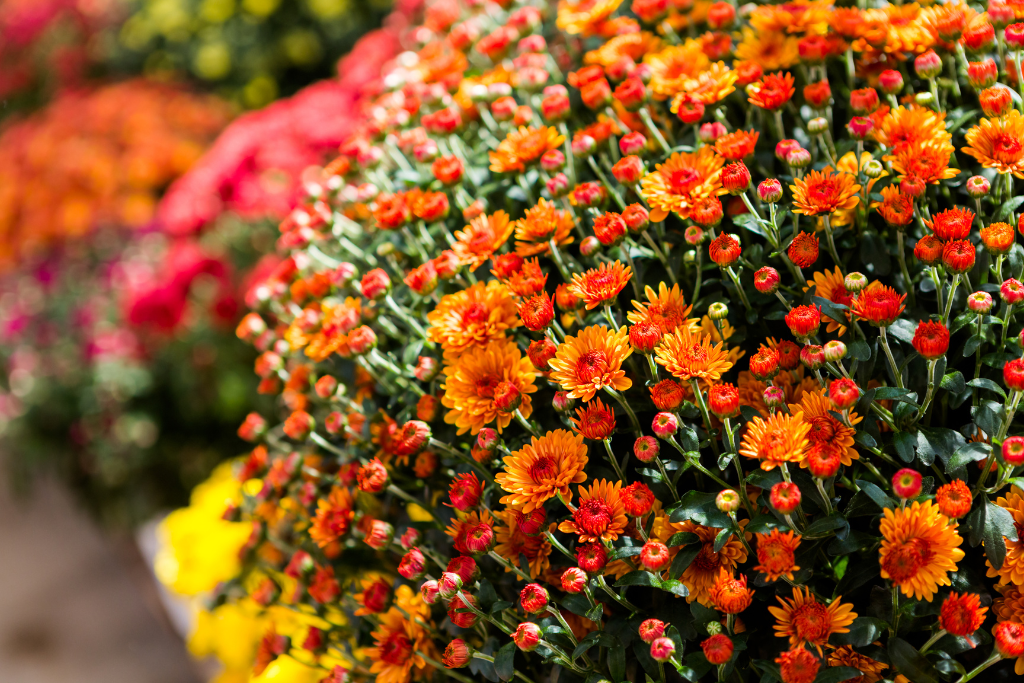
How to Care for Potted Mums
As summer fades and autumn rolls in, it’s time to welcome one of the season’s most iconic flowers — the chrysanthemum, or as most of us call them, mums. These vibrant blooms are a staple in fall décor, adding bursts of color to porches, patios, and gardens. Whether you’re a seasoned green thumb or just starting out, caring for potted mums is simple with a few key tips.
Here’s how to keep your mums healthy, happy, and blooming beautifully all season long.
Choosing the Right Pot & Placement
Start with a container that drains well — think terra cotta, ceramic, or even the plastic nursery pot your mum came in. Good drainage is essential to prevent root rot.
If you’re repotting, use a high-quality potting mix from Feeds’n Needs that holds moisture but still drains well. Mums love sunlight, so place them where they’ll get at least 6 hours of direct sun daily. Want to extend their bloom time? Try a spot with partial shade to slow down bud opening.
Watering Wisely
Mums like consistent moisture, but soggy soil is a no-go. Water when the top inch of soil feels dry, and always aim for the base of the plant — not the leaves — to avoid fungal issues. A regular watering schedule will help your mums stay vibrant longer.
Deadheading for More Blooms
To keep your mums looking fresh and encourage new flowers, remove faded blooms as they appear. This redirects the plant’s energy into producing more blossoms instead of seed.
Fertilizing for Fall Success
If you’re growing mums from spring, start feeding them with a balanced fertilizer like 10-10-10. As buds begin to form, switch to one with higher phosphorus and potassium (like 5-10-5) to boost blooms and root strength.
- Start feeding after the last frost in spring
- Continue until late July
- Feed every 7–14 days
- Water deeply after fertilizing to avoid root burn
If you’re treating your mums as seasonal décor and plan to compost them after fall, you can skip the fertilizer.
Winterizing Your Mums
Want your mums to come back next year? Here’s how to give them a fighting chance:
- Wait until after the first hard frost
- Add 4 inches of mulch (straw or shredded hardwood) around the base
- Leave stems intact — prune in spring, not fall
- In early spring, remove mulch and trim away dead growth
Keep in mind: mums are hardy, but poor drainage or extreme cold can reduce their chances of surviving winter.
Conclusion
Caring for potted mums is a great way to celebrate the season and add a splash of color to your outdoor space. With the right pot, proper watering, and a little TLC, your mums will thrive well into autumn — and maybe even return next year.
Looking for supplies? Visit your local Feeds’n Needs for potting mix, fertilizers, and everything you need to keep your fall garden blooming.

What to do When Your Dog Gets Skunked
It’s a scenario no pet owner wants to face: your dog comes bounding back from the yard, tail wagging… and smelling absolutely awful. Yep, they’ve been skunked.
Skunks are usually peaceful creatures, but when they feel threatened, they don’t hesitate to unleash their powerful defense mechanism — a foul-smelling spray that can linger for days. If your dog has had a run-in with one, here’s what you need to know to handle the situation calmly and effectively.
Ensure Your Dog is Okay
Skunk spray isn’t just smelly — it can cause physical discomfort and, in rare cases, health issues. Here are a few things to check right away:
- Eyes: If your dog was sprayed in the face, their eyes might be red or irritated. Flush them gently with clean water or pet-safe eye drops.
- Mouth: If the spray got into their mouth, rinse thoroughly with water to help remove the taste and odor.
- Wounds or Bites: Look for any signs of injury. If your dog was bitten, especially by a potential skunk with rabis, contact your vet immediately.
- Unusual Symptoms: Watch for signs like lethargy, pale gums, or dark-colored urine. These could indicate a rare reaction affecting red blood cells and should be checked by a vet.
Keep the Stink Outside
As tempting as it is to rush your dog indoors, resist the urge. Skunk odor can quickly spread through your home and cling to furniture, carpets, and clothing. Keep your dog outside while you assess the situation and prepare to clean them up.
How to Remove Skunk Smell from Your Dog
Feeds’n Needs carries products to help remove skunk smell, but you can also whip up a DIY solution that’s surprisingly effective. Here’s a tried-and-true homemade remedy:
Ingredients:
- 1 quart of 3% hydrogen peroxide
- ¼ cup baking soda
- 1 teaspoon liquid dish soap
Instructions:
- Mix the ingredients in a bowl (do not store — it can build pressure).
- Apply the mixture to your dog’s fur, avoiding the eyes and ears.
- Let it sit for a few minutes, then rinse thoroughly.
- Follow up with a full bath using pet shampoo and conditioner.
Note: This mixture may lighten dark fur temporarily and can damage fabrics, so use with care.
Alternative Option: Vinegar Rinse
If you don’t have hydrogen peroxide on hand, mix equal parts white vinegar and water. Apply and rinse as above.
If DIY isn’t your thing, Feeds’n Needs carries a range of skunk odor removal products, including:
- Skouts Honor® Skunk Odor Eliminator
- Nature’s Miracle Skunk Odor Remover Spray & Shampoo
- Loona Pet Atomizer
- De-Skunk Odor Destroying Shampoo
Availability may vary by location, so check with your local store.
Special Care for the Face
When treating your dog’s face, be extra cautious. Avoid getting any cleaning solution near their eyes, ears, or nose. Use a damp cloth to gently wipe the affected areas, and rinse with water if needed. If irritation persists, contact your vet.
Prevention Tips: Keep Skunks Away
The best way to deal with skunk spray? Avoid it altogether. Here are some tips to make your yard less inviting to skunks:
- Secure food sources: Store pet food and bird seed in sealed containers.
- Block hiding spots: Close off access to decks, sheds, and wood piles.
- Use deterrents: Motion-activated lights or sprinklers can scare skunks away.
- Discourage denning: Stuff suspected holes with leaves or paper, or sprinkle kitty litter nearby.
Conclusion
Getting skunked is never fun — for you or your dog. But with a little patience, the right cleaning method, and a watchful eye for any health concerns, your pup will be back to their usual self in no time. And next time they go sniffing around the yard, hopefully they’ll think twice before getting too close to a skunk.

How to Keep Your Cat Hydrated
Staying hydrated is just as important for cats as it is for us. Water supports digestion, circulation, temperature regulation, and overall health. Unlike what many people believe, milk or cream is not a good substitute—most cats are actually lactose intolerant, and dairy can leave them with an upset stomach. That’s why fresh, clean water should always be their number one source of hydration.
If you’ve noticed your cat isn’t drinking much, don’t worry—many felines are naturally picky about water. Here are some ways to encourage them to drink more:
- Fresh Water Daily
Cats can be finicky about their water quality. Make it a habit to change and refull their bowl daily so it’s always fresh and clean.
- Offer Multiple Water Stations
Placing several bowls around the house ensures your cat never has to wader far to get a drink. This is especially helpful in multi-level homes.
- Choose the Right Bowl
Some cats dislike the taste or smell that comes from plastic or metal. Glass or ceramic bowls are usually a safer bet. Wide, shallow bowls are ideal—they help keep whiskers from getting squished and allow cats to feel secure while drinking. You can find a wide variety of water bowls at your local Feeds’n Needs.
- Try a Water Fountain
Running water naturally attracts cats (hence the fascination with faucets). A pet water fountain keeps water circulating and fresh, which can encourage reluctant drinkers. You can find pet water fountains at your local Feeds’n Needs.
- Keep Water Away from the Litter Box
Cats instinctively avoid drinking near where they go to the bathroom—it’s a survival instinct from their wild ancestors. Place bowls in a different room to make the water source more inviting.
- Separate Food and Water
Many cats also prefer to keep their eating and drinking spots apart. Position their water bowl in a different area than their food dish to mimic their natural instincts.
- Add Moisture with Wet Food
Canned or pouch food contains up to 80% water, making it an easy way to boost hydration. If your cat currently eats mostly dry kibble, introducing wet food gradually can help balance their water intake.
- Make Water More Tempting
A splash of tuna water (from tuna in water, not oil) or a little unsalted chicken broth can make plain water more appealing. Be cautious about added salt or seasonings.
Conclusion
Cats are often subtle about their needs, but ensuring proper hydration can make a huge difference in their health and comfort. By offering fresh water, experimenting with different bowls or fountains, and even adjusting their diet, you can help your feline friend stay happy, healthy, and hydrated.
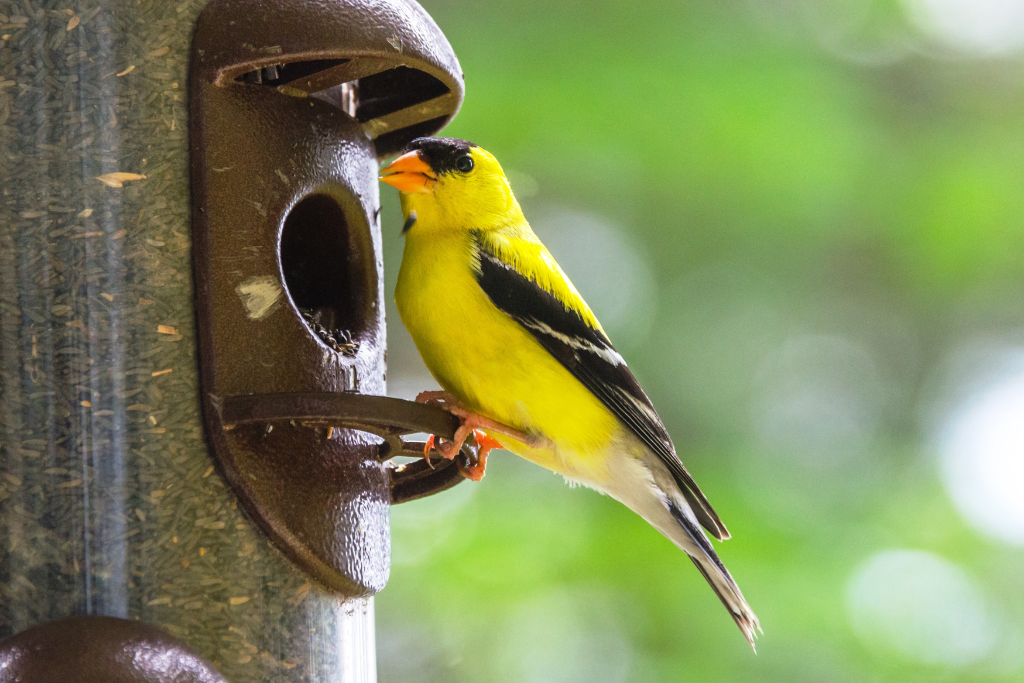
Backyard Birder’s August Checklist
August is one of the most rewarding months for backyard birding. From the lively chatter of finches to the quick, darting visits of hummingbirds, you get a front-row seat to nature at its finest. But the heat of summer can be challenging for our feathered friends—especially as many prepare for late-summer and early-fall migration.
By making a few simple adjustments, you can keep your backyard buzzing with activity while giving birds the food, water, and safe spaces they need.
- Keep Bird Baths Fresh and Clean
In hot weather, water sources can dry up or become stagnant quickly. Clean your bird baths often and refill them with fresh water daily. Birds rely on water not just for drinking, but also for bathing, which helps them keep their feathers in top condition.
- Offer High-Quality, Energy-Rich Food
Provide a mix of high-calorie seeds, suet, and nuts. These energy-packed foods help birds maintain strength through the summer heat and build reserves for their upcoming migration.
- Maintain Clean Feeders
Seed can mold or clump in humid weather. Empty and wash feeders regularly with hot, soapy water, rinse thoroughly, and allow them to dry before refilling. Clean feeders are healthier for birds and more inviting to visitors.
- Keep Hummingbird Nectar Fresh
For hummingbird lovers, fresh nectar is a must. In summer heat, change and clean feeders every 2–3 days to prevent fermentation and bacteria growth.
- Leave Natural Areas Untouched
Skip the urge to rake or blow away leaves as it provides shelter, food, and overwintering space for insects—which in turn feed young birds and other wildlife.
- Say No to Pesticides
Avoid chemical pesticides in your yard. They can harm beneficial insects, reduce natural food sources, and even poison birds. Instead, encourage natural pest control by creating a healthy, balanced ecosystem.
Conclusion
August birding is a way to support wildlife when they need it most. By providing fresh water, nutritious food, and safe spaces, you’ll enjoy more bird activity and know you’re helping these incredible creatures thrive.
Grab your binoculars, fill those feeders, and enjoy the beauty of summer birding right from your own backyard.

Best Vegetables to Can for Beginners
Canning is a fantastic way to preserve your garden harvest and enjoy fresh-tasting vegetables all year long. If you’re new to the process, starting with easy, reliable options can make your first season a success. Here are ten of the best vegetables to can for beginners that taste just as good months later as the day you packed them.
- Asparagus – Tender asparagus is a spring favorite that cans surprisingly well. Start with fresh, firm stalks, trim them to fit your jars, and blanch before packing. Whether you add them to salads, stir-fries, or snack straight from the jar, you’ll be glad you preserved them when winter rolls around.
- Beets – With their rich color and earthy flavor, beets are as beautiful as they are delicious. Leave a bit of stem and root when boiling to keep juices in, then slip off the skins before canning. They can be preserved whole, halved, or quartered, making them perfect for salads, side dishes, or snacking.
- Carrots – Crisp, sweet carrots hold their texture wonderfully after canning. Simply wash, peel, and cut them into slices or chunks. They’re great for soups, stews, or quick side dishes—and pulling a jar off the shelf is much easier than peeling fresh ones on a busy night.
- Corn – Fresh corn is hard to beat, and canning lets you keep that summer flavour on hand. Cut the kernels from the cob without scraping too close (to avoid tough bits) and pack them for year-round use in chowders, casseroles, and side dishes.
- Cucumbers – Cucumbers are a classic canning choice—especially for pickles. Small ones stay crisp, while larger cucumbers can be sliced into spears or rounds. With the right brine, you’ll have tangy, crunchy pickles that brighten any meal.
- Green Beans – Whether you prefer them whole or cut into bite-sized pieces, green beans are a canning staple. Just snap off the ends, rinse, and pack them in jars. They stay tender yet firm, making them a reliable side dish straight from the pantry.
- Peas – Peas might not be the first vegetable you think of for canning, but they’re a hidden gem. Shell and blanch them to lock in their bright green color, then preserve them on their own or as part of a mixed vegetable blend. Their sweet pop adds flavour to soups, stews, and salads.
- Peppers – From sweet bells to spicy varieties, peppers are versatile and full of flavor. Blister or boil them to remove skins before canning. Small peppers can be left whole, while larger ones work well halved or sliced for quick fajitas, pasta, or stir-fries.
- Tomatoes – Tomatoes are practically made for canning. Use them for sauces, soups, stews, or salsa. Blanch to slip off the skins, then choose your style—whole, diced, or puréed. Season with herbs like basil or garlic for ready-to-use flavor boosters.
- Radishes – Not just for salads, radishes shine when pickled. Their peppery bite mellows into a tangy, slightly sweet crunch that’s perfect for tacos, sandwiches, or charcuterie boards. They’re quick to grow, easy to prepare, and add something unique to your pantry lineup.
Start small and build your skills each season. With just a few jars of each of these vegetables, you’ll be stocking your pantry with homemade goodness—and you might find yourself looking forward to canning season as much as the harvest itself.

UV Safety for Pets
Warm weather means more time outdoors, but while we enjoy the sunshine, it’s important to remember our pets need protection from harmful UV rays too. Sun exposure can be beneficial in small doses—but without proper precautions, pets can suffer sunburns and even face long-term skin issues, including cancer. Luckily, a few simple steps can keep your furry companions safe while they soak up the sun.
Can Pets Get a Sunburn?
Yes, they can—and not just hairless breeds. Any animal can get sunburned, especially in spots where fur is sparse, such as the nose, ears, belly, and around surgical sites. Light-colored or thin-coated pets are more vulnerable.
Even indoor cats who love to nap in sunny windows aren’t fully safe—standard glass doesn’t block all UV rays, so they can still get burned.
What Does a Sunburn Look Like on a Pet?
A sunburn on pets appears much like it does on humans: red, dry, sensitive skin that may crack or peel. Your pet might flinch when touched, lick or scratch at the area, or show signs of discomfort. Severe burns can lead to blisters or even fever, so it’s important not to ignore the warning signs.
Treating a Sunburn
Minor sunburns typically heal on their own, but it’s best to consult your vet if the area is red, painful, or if your pet seems distressed. Treatment often includes cleaning the area, applying a soothing ointment, and possibly trimming fur around the burn to help it heal.
Sun Safety Tips for Pets
To keep your pet safe under the sun:
- Use vet-approved sunscreen on vulnerable areas (never use human sunscreen—it can be toxic to pets).
- Opt for sun-protective pet clothing if your pet tolerates it.
- Plan walks and playtime for early morning or evening when the sun is less intense.
- Seek shade on outings and keep pets cool and hydrated.
- Install UV-blocking window film or shades if your indoor pet loves to bask in sunbeams.
Always check with your veterinarian for recommended sunscreen products and how to apply them safely.
Skin Cancer Risks
Repeated sunburn can increase the risk of skin cancer in pets, particularly squamous cell carcinoma. Regularly check your pet’s skin for any unusual lumps, bumps, red spots, or flaky patches. Early detection makes a significant difference.
If you notice anything concerning, schedule a veterinary exam promptly. Not every change is dangerous, but it’s always better to be safe.
Hot Spots: Another Summer Skin Concern
In warmer months, pets are also more prone to hot spots—raw, inflamed patches caused by constant licking, scratching, or biting. These can be triggered by allergies, insect bites, or matted fur and often become infected quickly.
Treatment involves trimming the hair around the area, cleaning the skin, and applying medications.
Just like us, pets need sun protection. With a little planning and attention, you can help your four-legged friends enjoy the sunny days safely—whether they’re lounging by the window or running around in the yard.

Preventing Heat Stress in Horses
Summer is a beautiful time to enjoy the outdoors with your horse. But as temperatures climb, so does the risk of heat-related illness. Just like humans, horses can suffer from heat stress and, in severe cases, heat stroke. That’s why it’s critical to understand how to recognize the signs and take proactive steps to keep your horse safe and comfortable.
What Is Heat Stress?
Heat stress occurs when a horse’s internal cooling system is no longer able to regulate body temperature effectively. This often happens during high temperatures, high humidity, or intense exercise. If left unmanaged, heat stress can lead to serious complications like dehydration, shock, or even collapse.
The horse’s normal body temperature typically ranges from 37.5–38.5°C (99–101.5°F). Anything above 40.5°C (105°F) is cause for concern and may indicate the onset of heat stroke—a potentially life-threatening emergency.
Warning Signs to Watch For
Knowing the signs of heat stress and heat stroke can make all the difference. Monitor your horse closely during warm weather or periods of exertion.
Common signs of heat stress include:
- Elevated rectal temperature (above 103°F / 39.5°C)
- Rapid breathing and flared nostrils
- Increased heart rate
- Lethargy or reluctance to move
- Excessive sweating or, conversely, no sweating
- Dehydration: tacky gums, sunken eyes, or reduced urination
- Diminished appetite
In severe cases (heat stroke), symptoms may escalate to:
- Rectal temperature exceeding 105°F (40.5°C)
- Staggering, incoordination, or collapse
- Very rapid heart and respiratory rates
- Extended skin tent when testing hydration
- Signs of agitation or distress
If you observe any of these signs, stop all activity, move your horse to a shaded area, and begin cooling them down immediately. If symptoms persist or worsen within 20 minutes, call your veterinarian.
Why Horses Struggle in the Heat
Despite being incredible athletes, horses are not as heat-tolerant as we might think. They generate a lot of heat during exercise due to their large muscle mass and relatively small surface area for heat loss. Sweating is their main cooling mechanism—losing up to 4 gallons per hour in extreme heat.
Unfortunately, high humidity prevents sweat from evaporating effectively, trapping heat and raising the risk of dehydration and electrolyte loss.
Contributing Risk Factors
Some horses are more vulnerable to heat stress than others. Keep an eye on:
- Foals and senior horses – less efficient thermoregulation
- Overweight or unfit horses – fat insulates, making it harder to cool down
- Long travel – confined spaces with poor airflow and limited water access
- Thick coats or heavy blanketing
Prevention Strategies
When it comes to heat stress, prevention is always the best medicine. Try these management strategies to help your horse beat the heat:
Modify Exercise Routines
- Avoid riding during peak heat (typically 12–5 PM)
- Use early mornings or cooler evenings for training
- Watch for early fatigue—even low-intensity work in heat can be harmful
Prioritize Hydration & Electrolytes
- Always provide access to clean, cool water
- In hot weather, horses may drink up to 19 gallons per day
- Use electrolyte supplements to replenish minerals lost through sweat (especially sodium, potassium, and chloride)
- Avoid giving large quantities of plain water alone after heavy sweating, as this can dilute existing electrolytes
Utilize Cooling Tools
- Install fans or mist systems in barns and shelters
- Walk your horse in shaded areas after workouts
- Hose down with cool water
- Use ice packs or cold towels on the neck and chest if temperatures remain high
- Skip cooling sheets during active heat stress—they can trap heat if the horse is still sweating
Consider Clipping
- Thick coats can trap heat—body clipping in the summer can help some horses cool more efficiently
Emergency Response: Cooling Down a Hot Horse
If your horse becomes overheated:
- Move to shade or a well-ventilated area
- Hose down with cool water continuously (focus on large muscle groups and neck)
- Walk gently to promote circulation
- Use ice on large blood vessels along the neck and shoulders if the temperature is dangerously high
- Offer small sips of water with electrolytes
- Monitor rectal temperature—if it doesn’t drop below 103°F (39.5°C) within 15–20 minutes, call your vet
Conclusion
Heat stress is a real concern during the summer months, but it’s also highly preventable. Understanding the warning signs and taking simple, proactive steps can protect your horse’s health and ensure you both enjoy the season safely.


